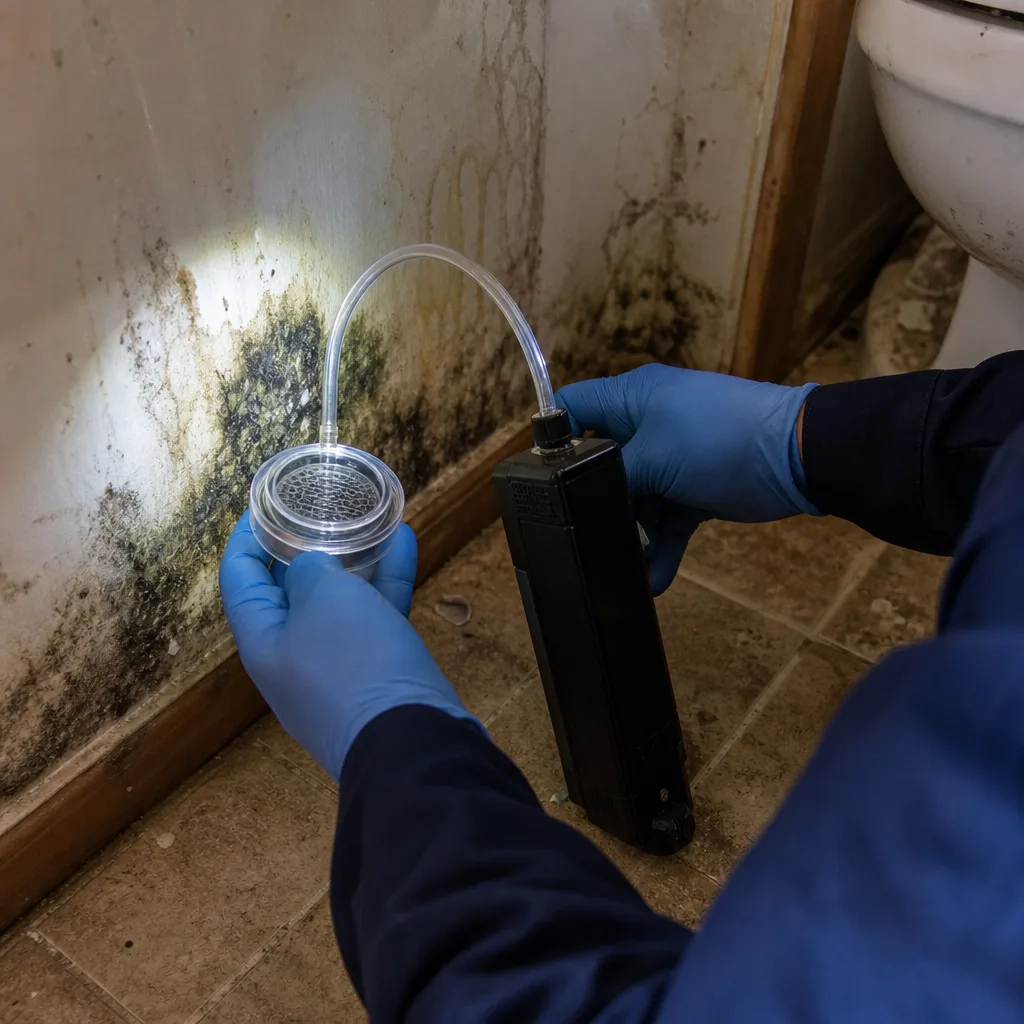
Free visual inspection and a written scope of work before any mitigation begins - photos, moisture readings, and drying logs go in your claim file
The scope we write is the scope we bill. Anything new gets shown to you, in writing, before we touch it.
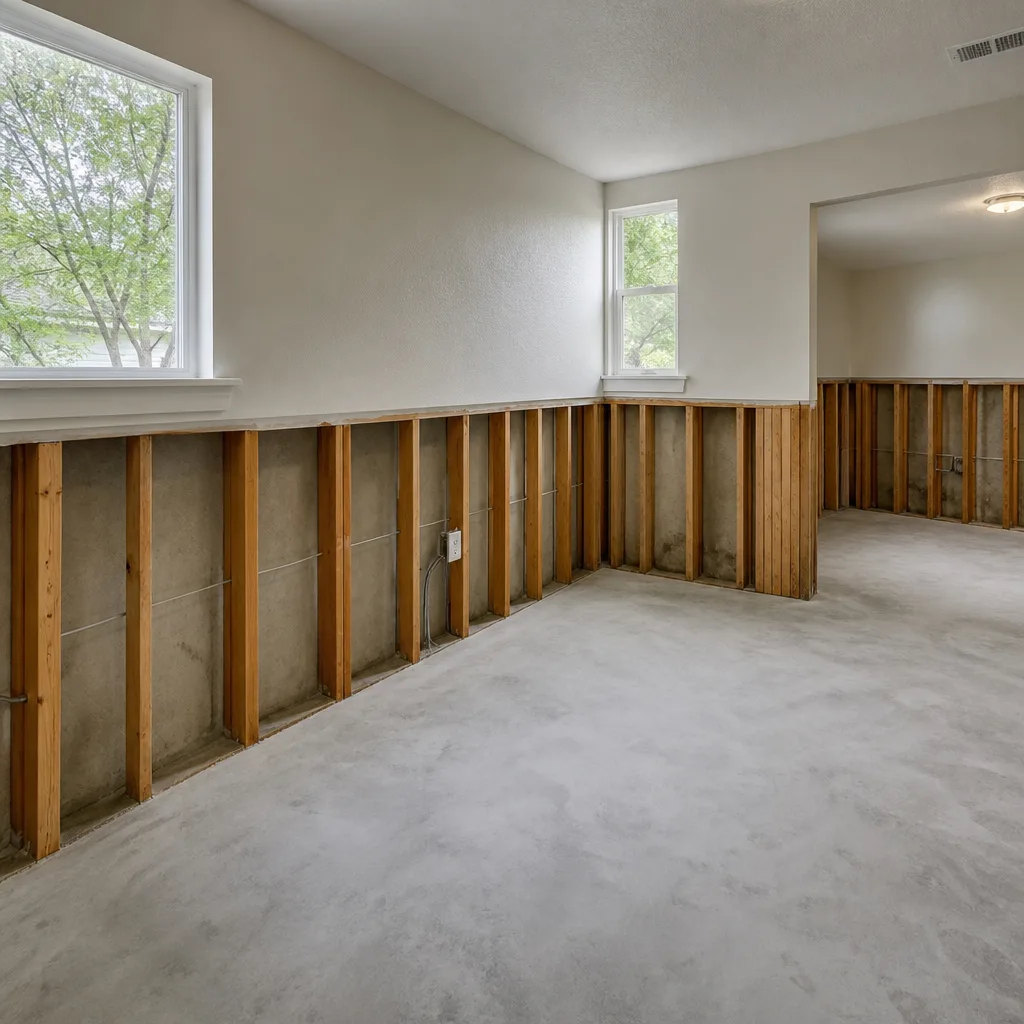
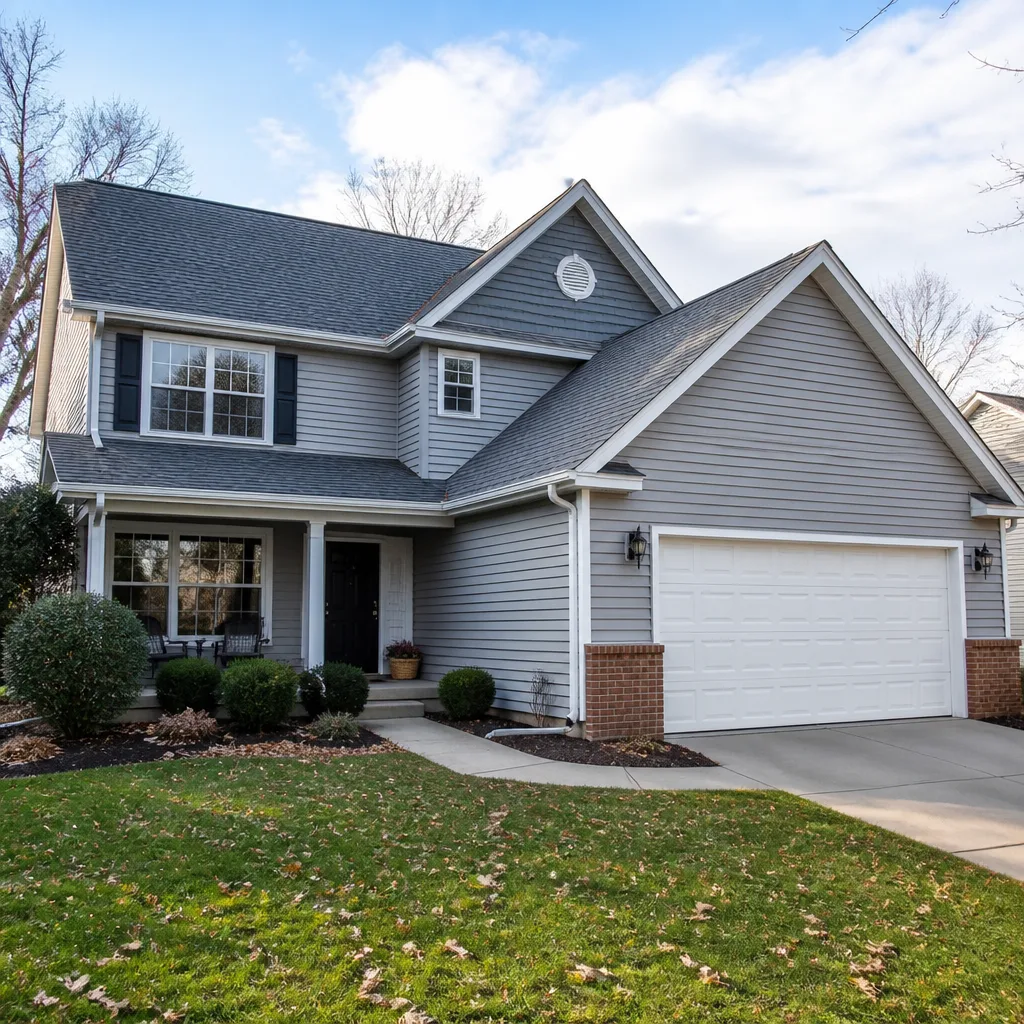
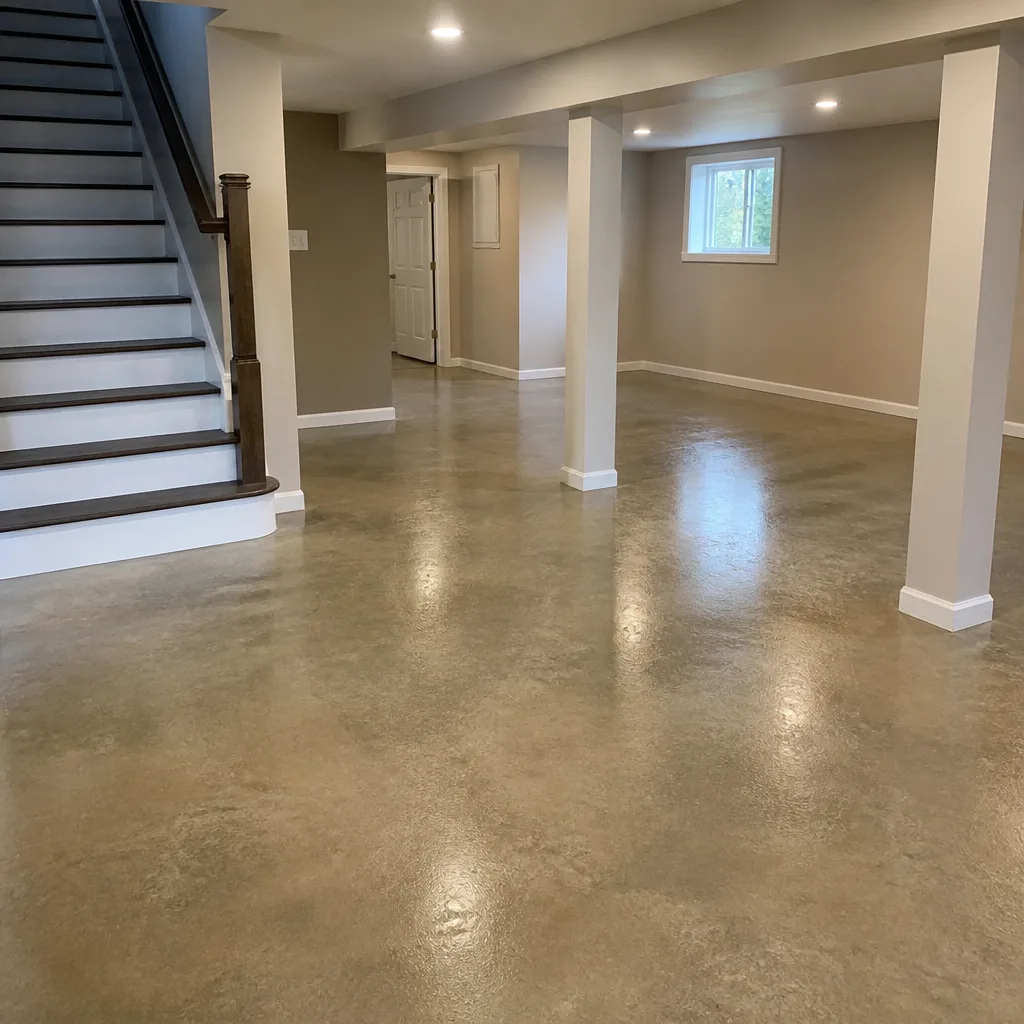
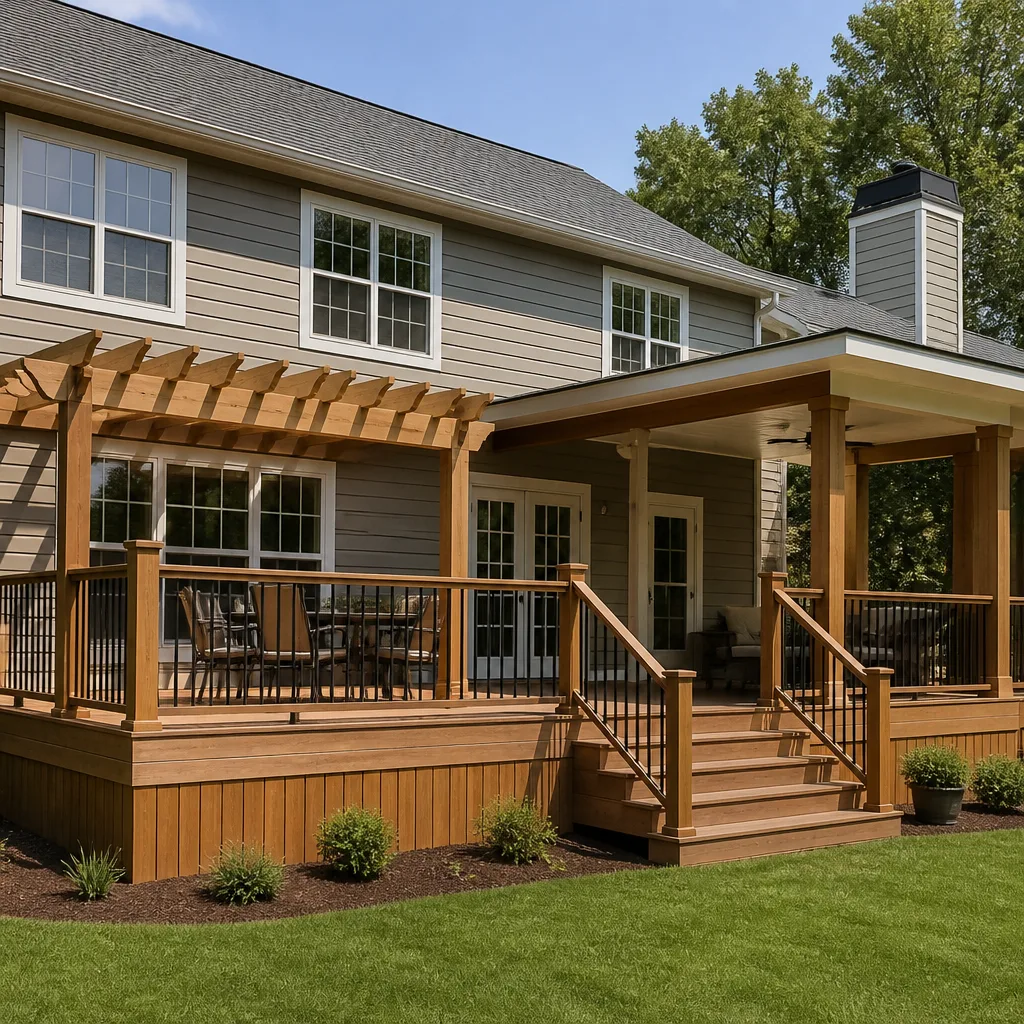
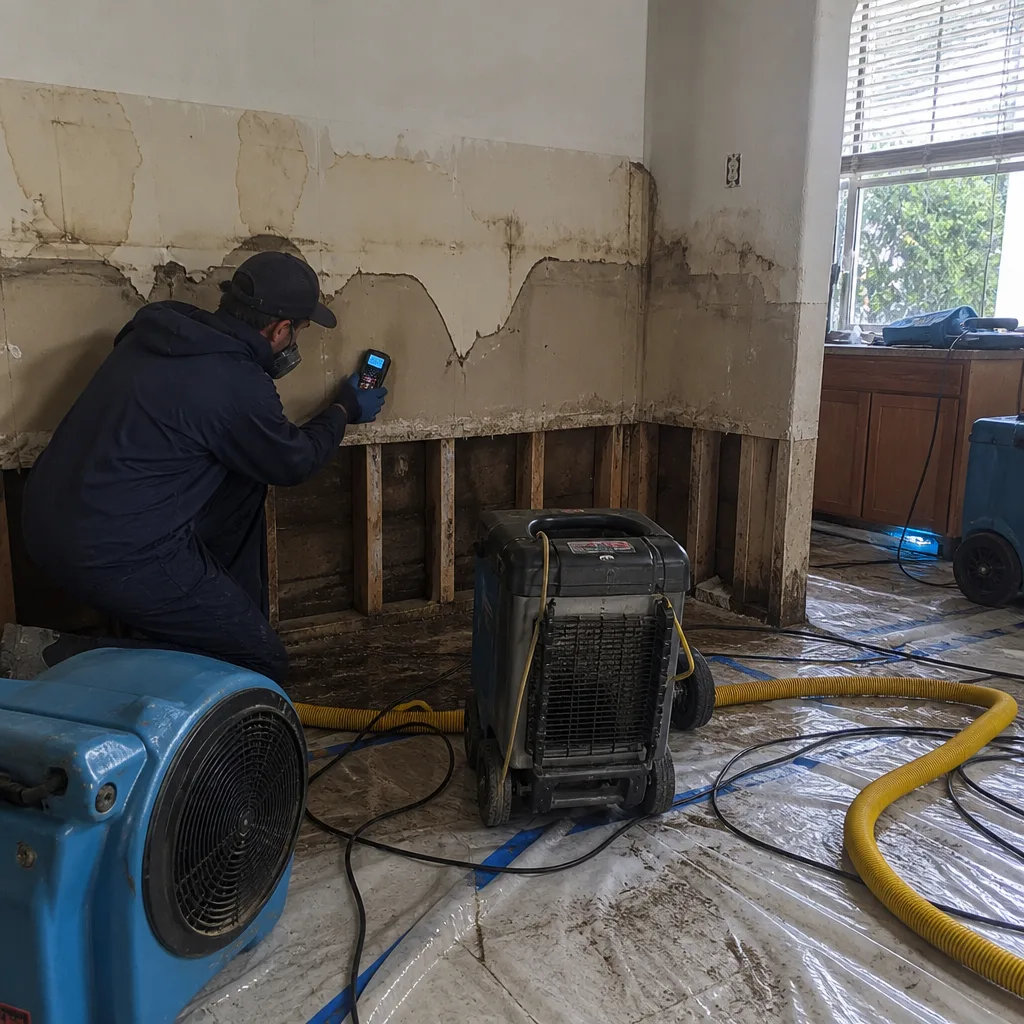 Before
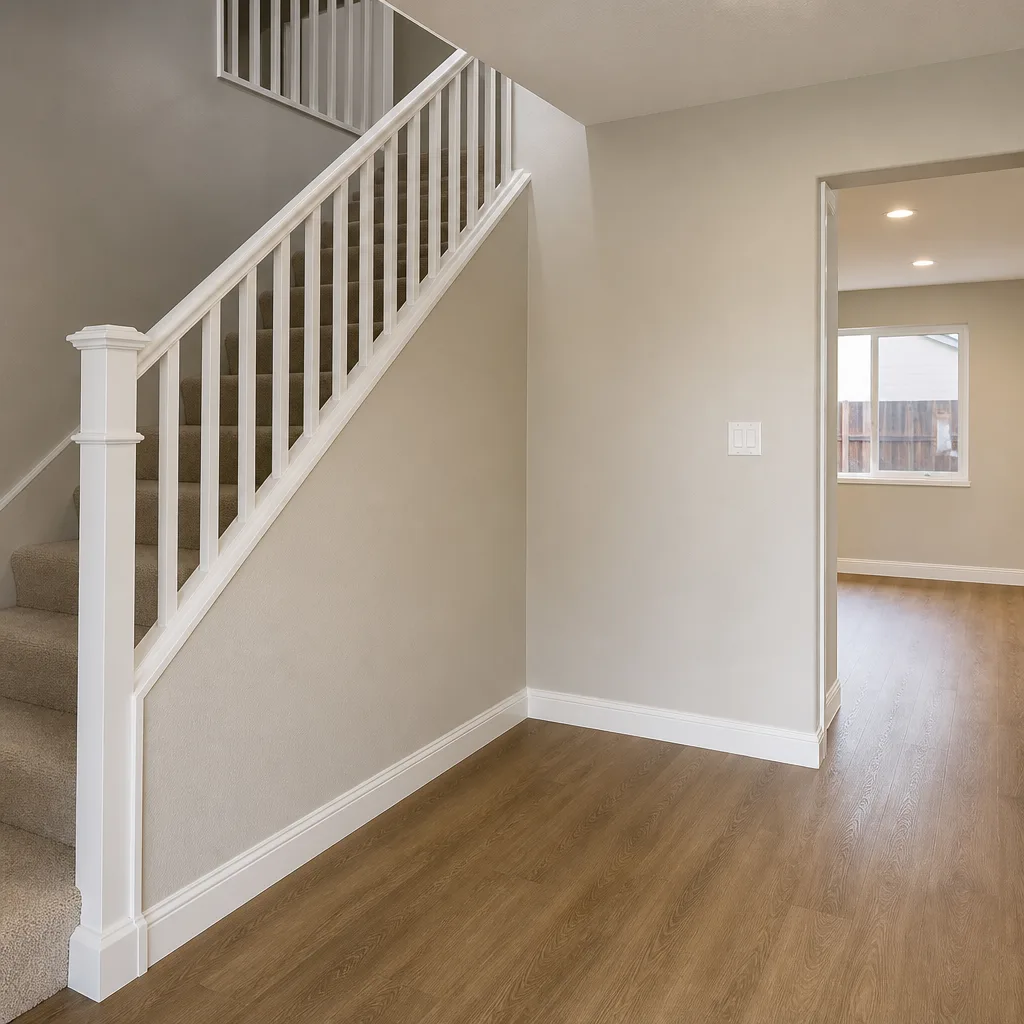 After
After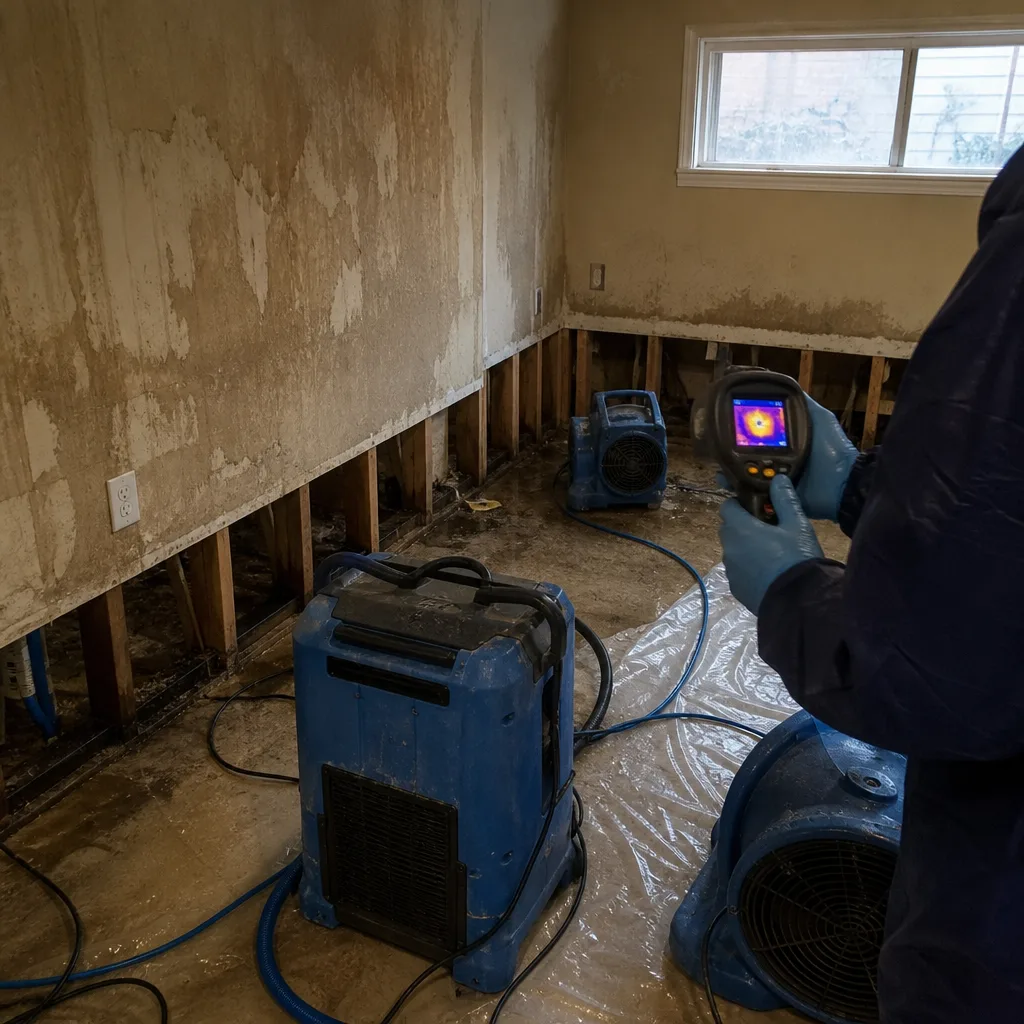 Before
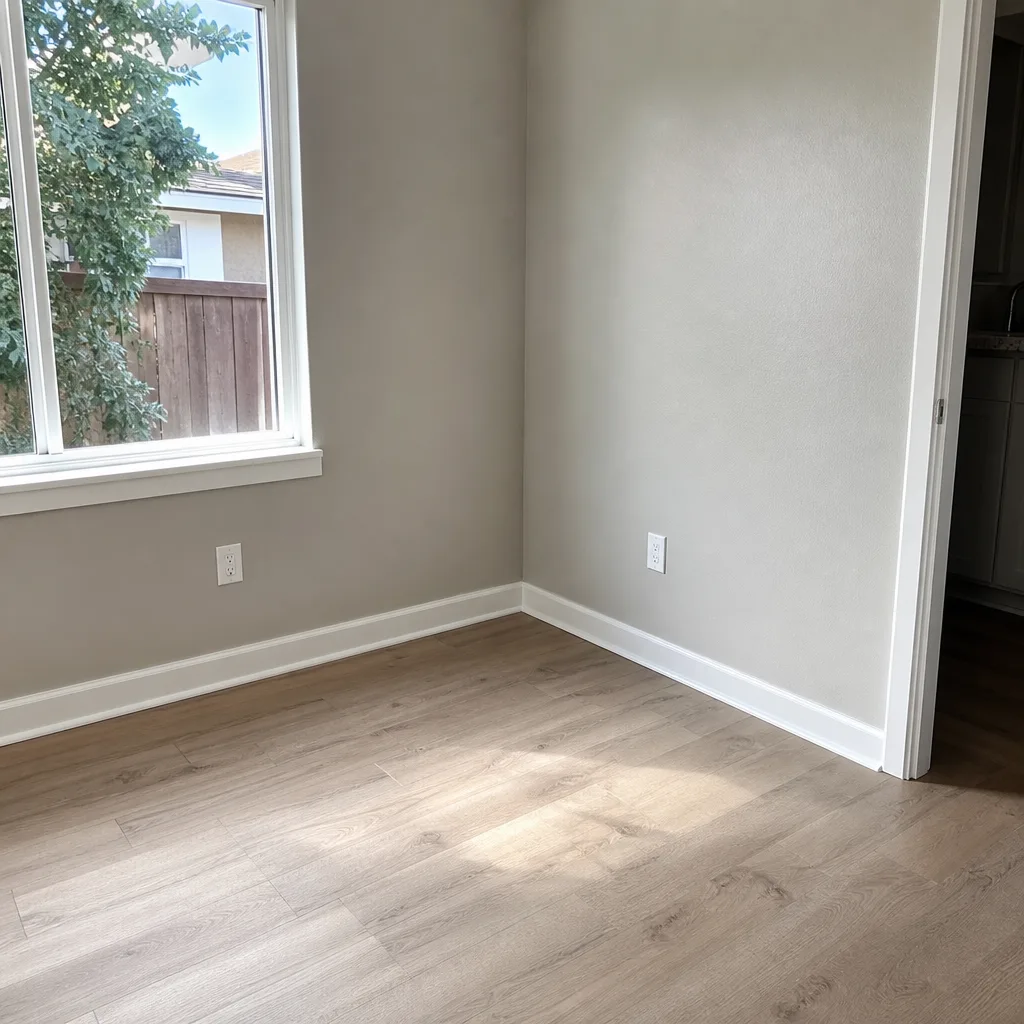 After
After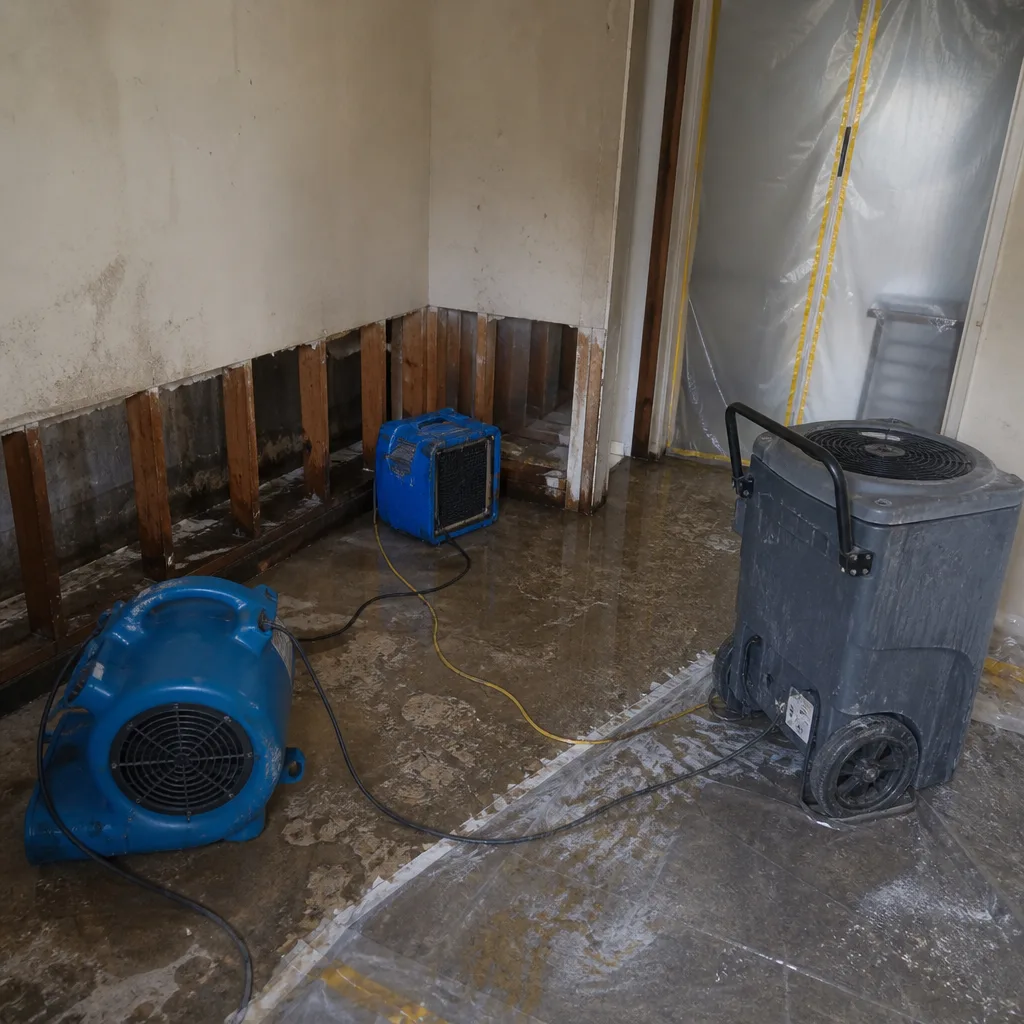 Before
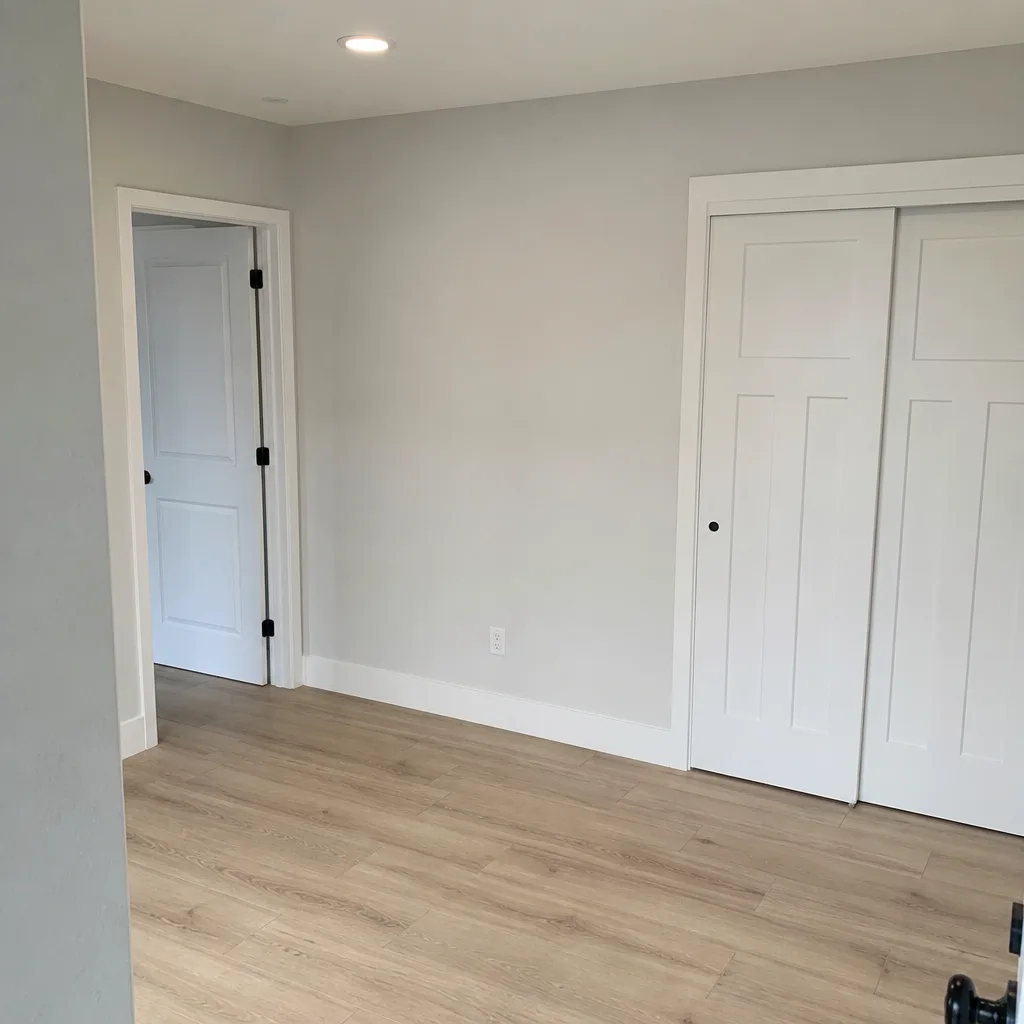 After
After24/7 Emergency Mold Remediation in San Diego
Mold remediation in San Diego typically costs $1,200-$4,500 for contained residential jobs and $5,000-$15,000+ for whole-home or post-disaster remediation, with most projects completed in 3-7 days. Call (858) 428-2364 now and a live person will answer, 24 hours a day, 7 days a week - no voicemail trees, no next-business-day callbacks while moisture keeps spreading. Our crews dispatch from our San Diego office to properties across the metro area, and we provide a free visual inspection with moisture readings before any work is discussed.
The first hour matters because mold colonies double in mass every 24-48 hours under favorable conditions, and San Diego’s coastal marine-layer humidity provides those conditions even when indoor temperatures feel comfortable. By the time you smell mustiness, the colony has typically established behind baseboards, inside wall cavities, or beneath flooring. We document every reading, every photo, every step - the daily moisture logs and photo records that turn restoration invoices into claims insurers pay without dispute.
Understanding Mold Remediation Severity in San Diego Properties
We classify mold contamination by affected square footage, material porosity, and underlying moisture source. Category 1 involves limited surface growth on non-porous materials like tile or glass, typically under 10 square feet with an active leak now stopped. Category 2 covers 10-100 square feet on semi-porous materials such as drywall or unfinished wood, often with hidden colony extension behind the visible area. Category 3 exceeds 100 square feet, involves HVAC contamination, or follows Category 2 or 3 water damage with potential bacterial co-contamination - requiring full containment, negative air pressure, and third-party clearance testing.
San Diego’s 1950s-1980s stucco-over-wood-frame tract homes in Linda Vista, Kearny Mesa, and Rancho Bernardo complicate every category. Stucco exteriors develop hairline cracks from decades of thermal cycling between cool marine mornings and hot Santa Ana afternoons. Those cracks create hidden pathways for moisture infiltration that bypass interior vapor barriers, meaning a Category 2 surface patch on drywall often masks Category 3 colonization in the wall cavity. Our thermal imaging and moisture mapping identify the true perimeter before containment is established. We also encounter aging galvanized or early copper plumbing that corrodes in the region’s moderately hard water, producing slow leaks that feed chronic hidden growth for months before any visible sign appears.
Why San Diego Property Owners Choose DryMark Restoration El Cajon
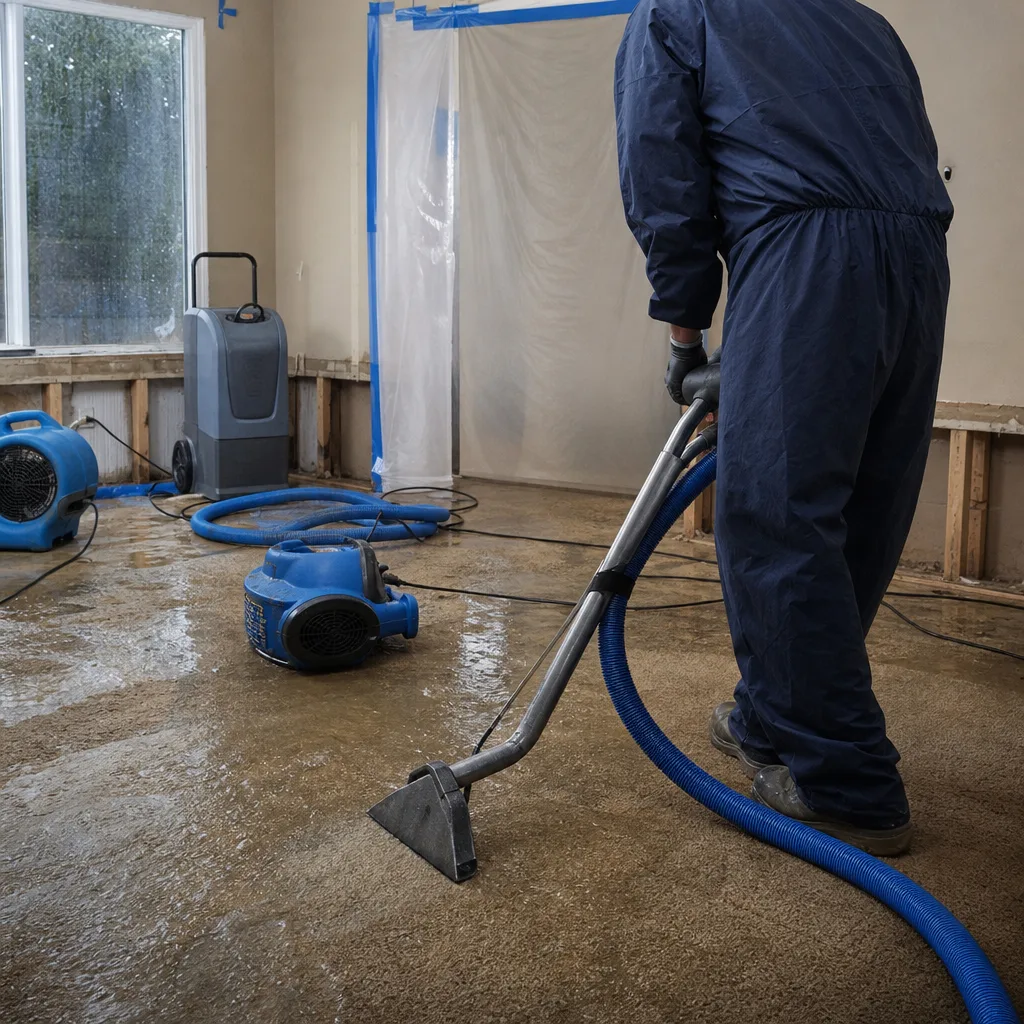
- 45-minute response commitment to San Diego metro addresses - our crews stage from the San Diego office, not a distant hub.
- 24/7 live answer by a real person, never an automated system or voicemail tree; emergency lines are staffed every hour of every day.
- IICRC-certified crews holding WRT (Water Damage Restoration Technician), AMRT (Applied Microbial Remediation Technician), and FSRT (Fire & Smoke Restoration Technician) credentials where cross-training matters for San Diego’s fire-to-mold sequence.
- Free visual inspection with documented moisture readings and photo record before any scope or price is discussed.
- Direct insurance billing with adjuster coordination - we speak the language of claims documentation because our company was built by a former adjuster who knew what invoices get paid and what gets denied.
- One team from microbial remediation through reconstruction - no handoffs between vendors, no gaps in documentation, no disputed scopes.
 Before
 After
AfterOur Mold Remediation Process
1. Inspection & Assessment
We arrive with thermal imaging cameras, penetrating and non-penetrating moisture meters, and hygrometers to map the true extent of moisture and mold. In San Diego’s stucco homes, we pay particular attention to wall cavities where hairline exterior cracks channel marine-layer humidity inward. You receive a written scope and firm price before any work begins - Haven Standard, Clause 1.
2. Containment & Air Quality Control
We establish polyethylene containment barriers and negative air pressure using HEPA-filtered air scrubbers. This prevents cross-contamination to unaffected areas, critical in San Diego’s open-plan tract homes where HVAC systems can broadcast spores throughout the structure if not isolated.
3. Moisture Source Elimination & Structural Drying
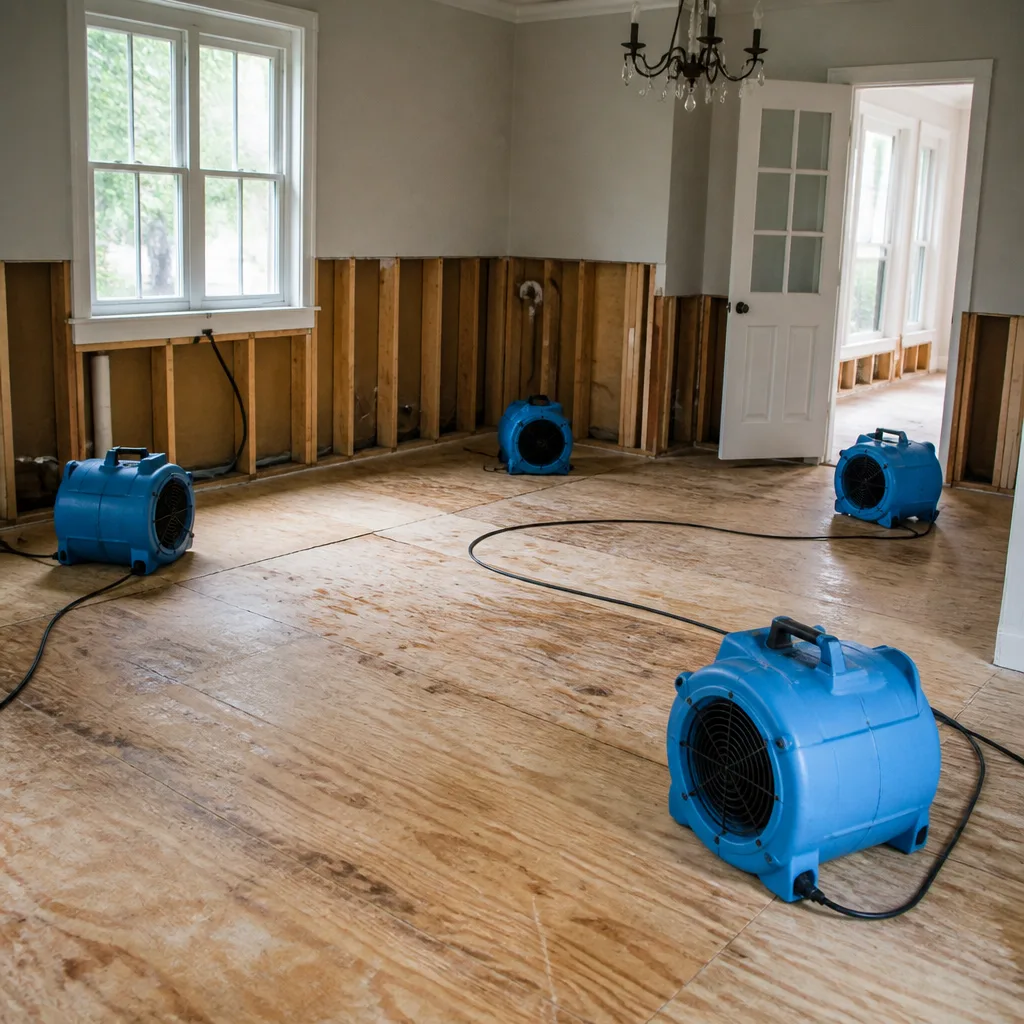
Active mold requires active moisture. We locate and stop the source - whether corroded copper plumbing in Linda Vista or post-wildfire water intrusion in Rancho Bernardo - then deploy Dri-Eaz and Phoenix commercial dehumidifiers with axial air movers to drop substrate moisture below 16% wood moisture equivalent. Daily psychrometric readings document progress.
4. Mold Removal & Antimicrobial Treatment
Non-porous materials are HEPA-vacuumed and cleaned. Semi-porous materials like drywall and insulation are removed when colony penetration exceeds surface level. Affected framing receives antimicrobial treatment per IICRC S520 standards. We do not paint over active mold - that violates every standard and guarantees callback.
5. Crawl Space & Vapor Barrier Remediation
San Diego’s minimal vapor barriers, common in homes built before modern energy codes, allow ground moisture to elevate crawl space humidity year-round. We install or repair 6-mil polyethylene ground cover, seal perimeter vents where appropriate, and treat subfloor framing - addressing the chronic moisture pathway that surface remediators miss.
6. Clearance Testing & Documentation
Third-party or in-house clearance testing verifies airborne spore counts at or below outdoor baseline levels. We deliver your complete documentation package: photo record, drying logs, moisture readings, scope of work, and our signed 365-Day Done Right Promise under The Haven Standard.
Need Emergency Mold Remediation in San Diego Now?
Crews minutes away, answering live 24 hours a day. The sooner we start, the less it costs.
Working With Your Insurance Company
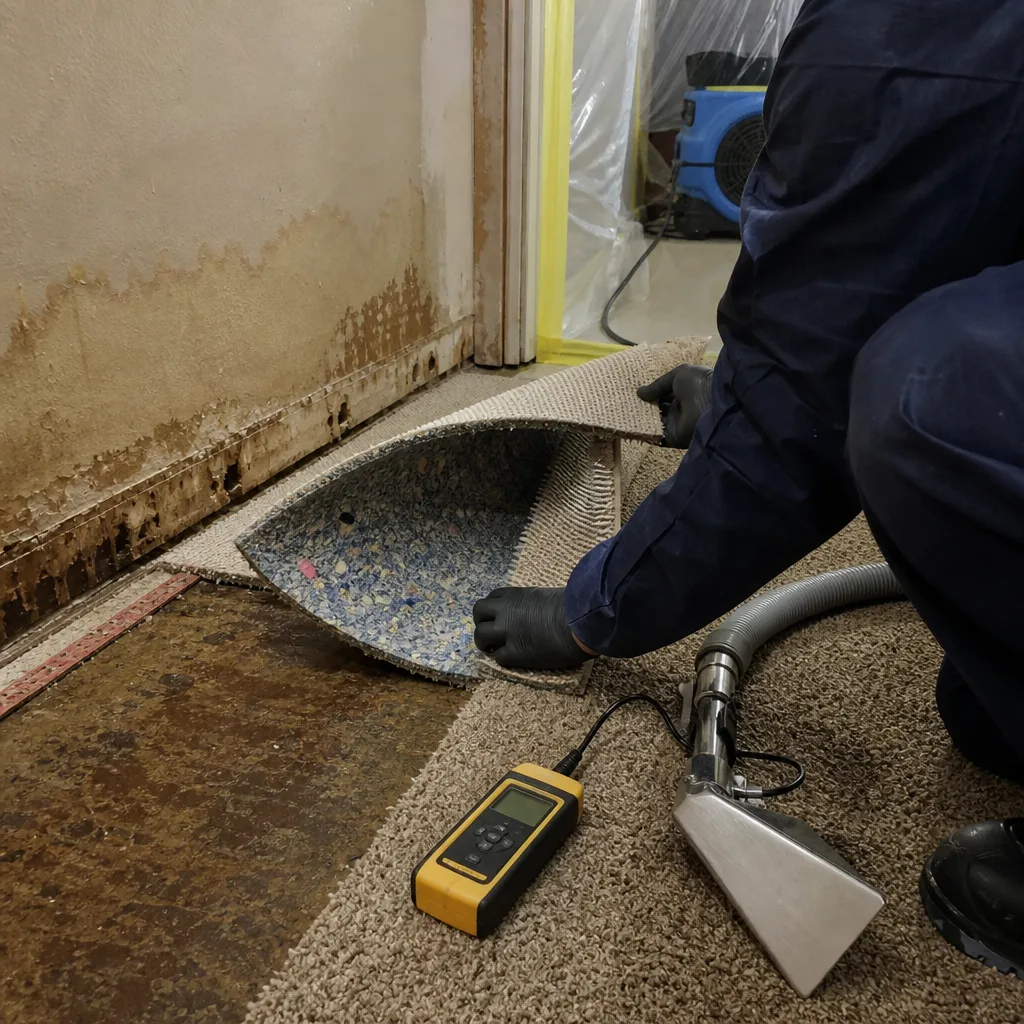
We built our documentation protocols around what a claims adjuster actually needs to approve an invoice. From the first hour on site, we photograph every affected room, record moisture readings at multiple depths, and maintain daily drying logs that show psychrometric progress - temperature, relative humidity, and vapor pressure differential, which is the force that actually drives moisture out of materials.
Our estimates follow industry-standard formats that carriers recognize. We coordinate directly with your adjuster, providing line-item scopes that separate emergency mitigation from reconstruction, and we flag code-upgrade requirements that San Diego’s older housing stock often triggers. Direct billing is available with most major carriers. You are not left translating between a restoration crew and a claims department.
What We Provide Your Insurer
- Thorough documentation of the loss
- Photos of all damage, room by room
- Moisture readings and drying logs
- A detailed, line-item scope of work
- Direct coordination with your carrier
Built for San Diego’s Loss Calendar
San Diego’s mold calendar runs opposite to what most homeowners expect. January through March brings the heaviest marine-layer intrusion, with Pacific moisture pushing inland through Ocean Beach, Pacific Beach, and Coronado, condensing on cool stucco surfaces and wicking into hairline cracks. April and May see Santa Ana wind events that desiccate structures and create false confidence - the mold isn’t gone, it’s dormant, waiting for summer humidity or an irrigation leak.
September through November is peak wildfire season, and this is where San Diego’s restoration market diverges from every other California metro. The 2003 Cedar Fire and 2007 Witch Creek Fire burned through Scripps Ranch and Rancho Bernardo, and the post-fire sequence that followed is now routine: hydrophobic soils repel the first rains, water sheets off burned slopes, and structures compromised by fire damage absorb intrusion through compromised envelopes. Mold follows within 48-72 hours of that water contact. December rains on already-saturated ground complete the cycle. Our crews carry both AMRT and FSRT credentials because San Diego properties routinely need both skill sets in sequence.
Mold Remediation Across San Diego’s Neighborhoods
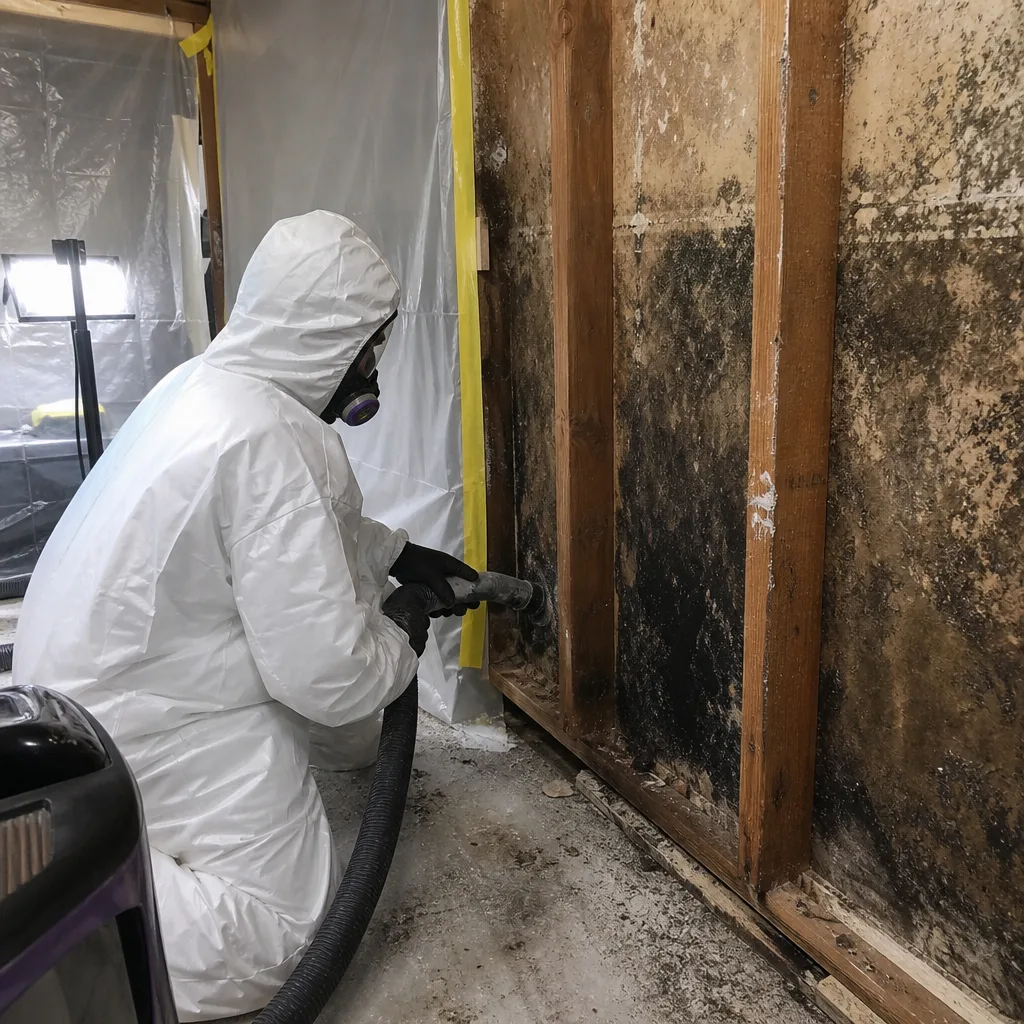
In Linda Vista and Kearny Mesa, we work primarily in 1960s-1970s stucco tract homes with original galvanized plumbing. The moderately hard water accelerates corrosion at joints and valves, producing pinhole leaks inside walls that feed mold for months before any surface indication. Our thermal imaging picks up the temperature differential where wet insulation has lost its R-value.
Rancho Bernardo and Scripps Ranch present the fire-to-mold sequence unique to this market. The 1980s-90s Spanish-eclectic developments with S-profile clay tile roofs trap smoke particulate and moisture in the dead-air space above the roof deck. Surface cleaning fails; mold and odor reappear weeks later until the tile cavity is fogged, sealed, and properly dried. We’ve learned to scope this explicitly from day one.
Ocean Beach, Pacific Beach, and Coronado face persistent marine-layer humidity against structures built with minimal vapor barriers. Baseboard and closet mold is common, especially in homes that never needed mechanical dehumidification because “San Diego doesn’t have humidity problems.” It does, just seasonally and invisibly.
El Cajon’s older homes and rural-acreage properties on the metro edge often have crawl spaces with no ground cover at all, where soil moisture evaporates directly into the subfloor structure. Our Mold Remediation team treats these as chronic moisture control projects, not one-time removals.
Specialized Mold Remediation Services We Offer in San Diego
Mold Inspection & Testing
We do not guess. Our inspections combine visual assessment, moisture mapping, thermal imaging, and air or surface sampling where indicated. In San Diego’s stucco homes, we specifically probe wall cavities at plumbing chase locations and exterior crack convergence points. Testing distinguishes active growth from settled spores, and identifies species requiring enhanced containment protocols.
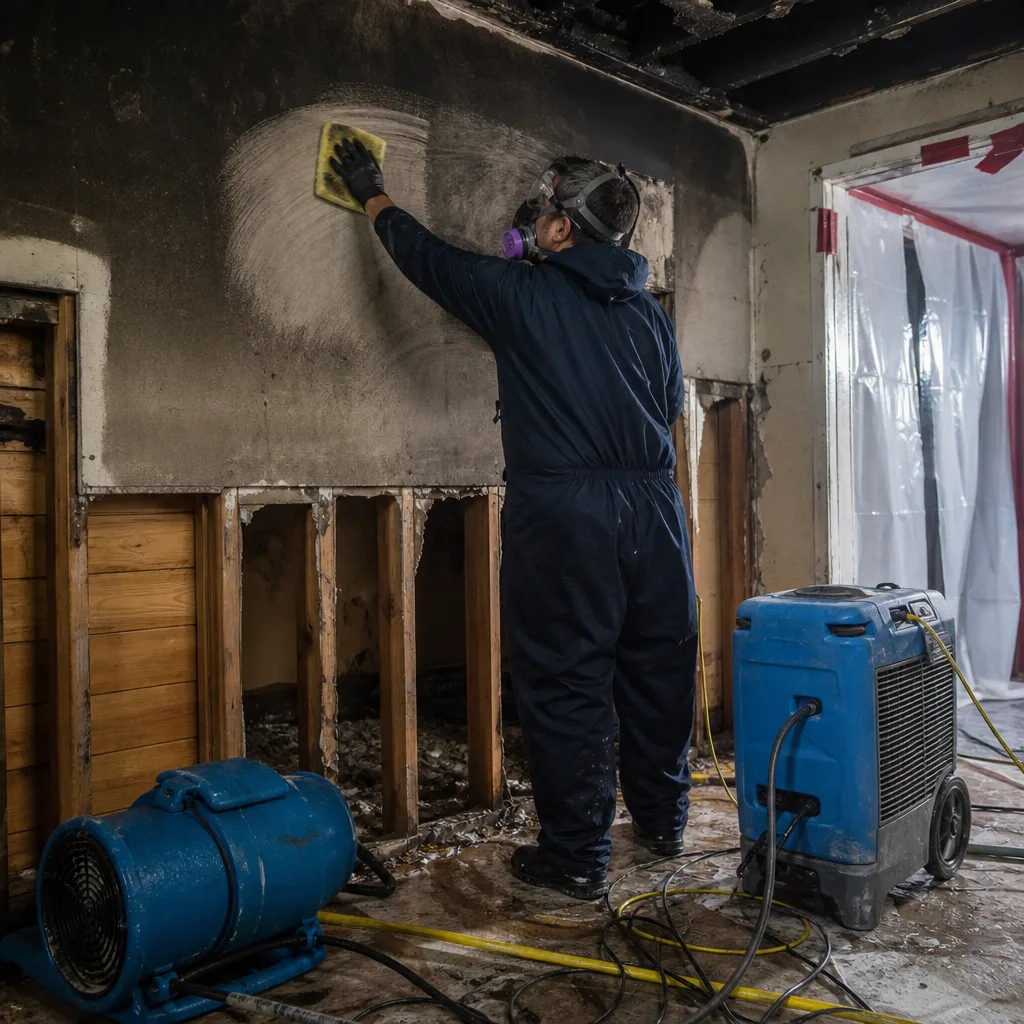
Mold Removal
Removal follows containment, not precedes it. We establish negative air pressure, remove contaminated materials per IICRC S520, and treat remaining substrates with antimicrobial agents rated for the specific material - not a single product for every surface. Documentation includes before, during, and after photography for every affected area.
Black Mold Remediation
Stachybotrys chartarum and similar toxigenic species require enhanced PPE, stricter containment, and specific disposal protocols. We do not disturb visible black mold without containment in place - aerosolized spores from improper disturbance have caused documented health incidents in remediation projects nationwide. Our AMRT-certified crews follow the protocol precisely.
Air Quality Restoration
Post-remediation, we verify air quality through spore trap analysis or ERMI/HERSTMI-2 dust analysis where health concerns warrant. HEPA air scrubbers run during and after active work. For San Diego homes with integrated HVAC contamination, we coordinate duct cleaning and filter replacement as part of the restoration scope.
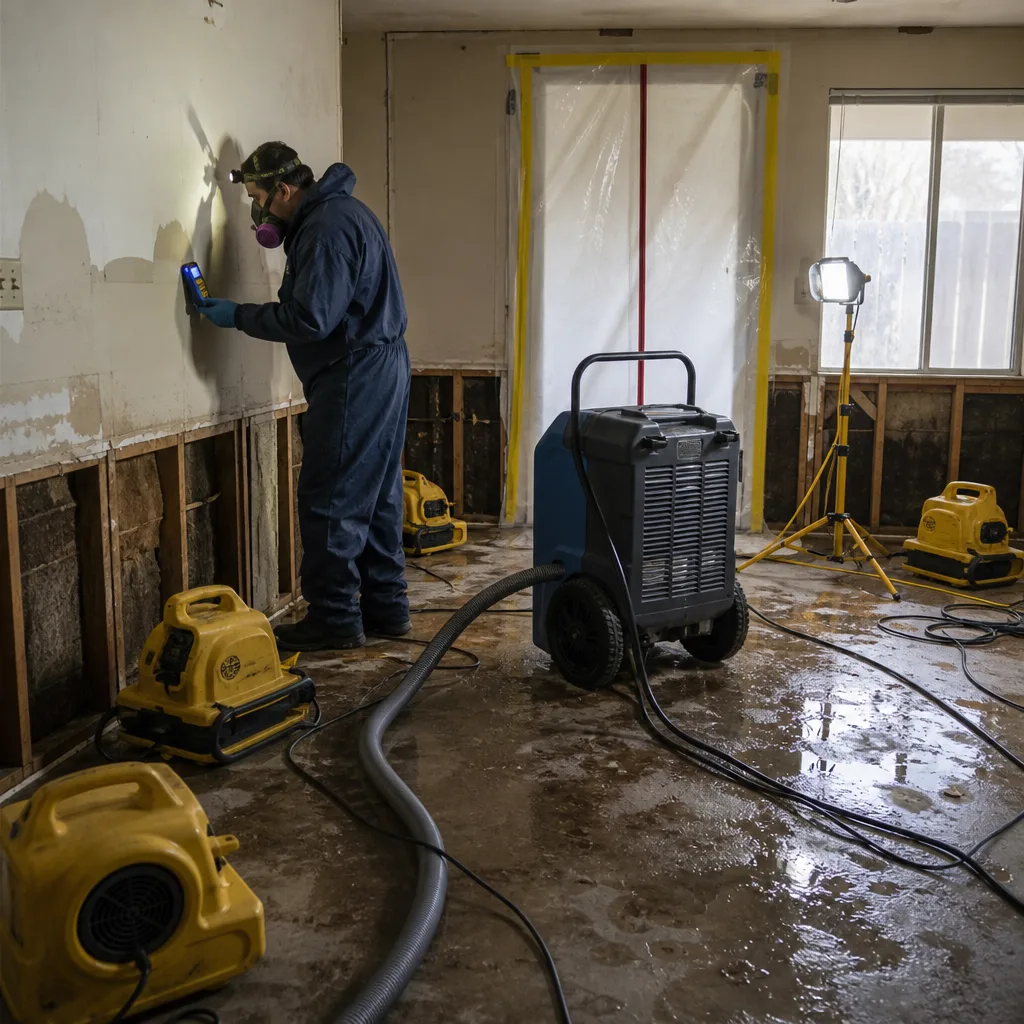
Crawl Space Treatment
San Diego’s crawl spaces are routinely under-built by modern standards. We install 6-mil polyethylene ground cover, seal perimeter vents where cross-ventilation exacerbates humidity, and treat subfloor framing with borate-based antimicrobials that penetrate wood fibers for lasting protection. Moisture control here prevents recurrence; surface spraying alone fails within one season.
Moisture & Humidity Control
We identify and eliminate the moisture source, then recommend and install permanent humidity control solutions: supplemental dehumidification, improved ventilation, or vapor barrier upgrades. In San Diego’s coastal zones, we often find that a single dehumidifier in the conditioned space, paired with sealed crawl space vents, drops relative humidity below the 60% threshold that supports active mold growth.
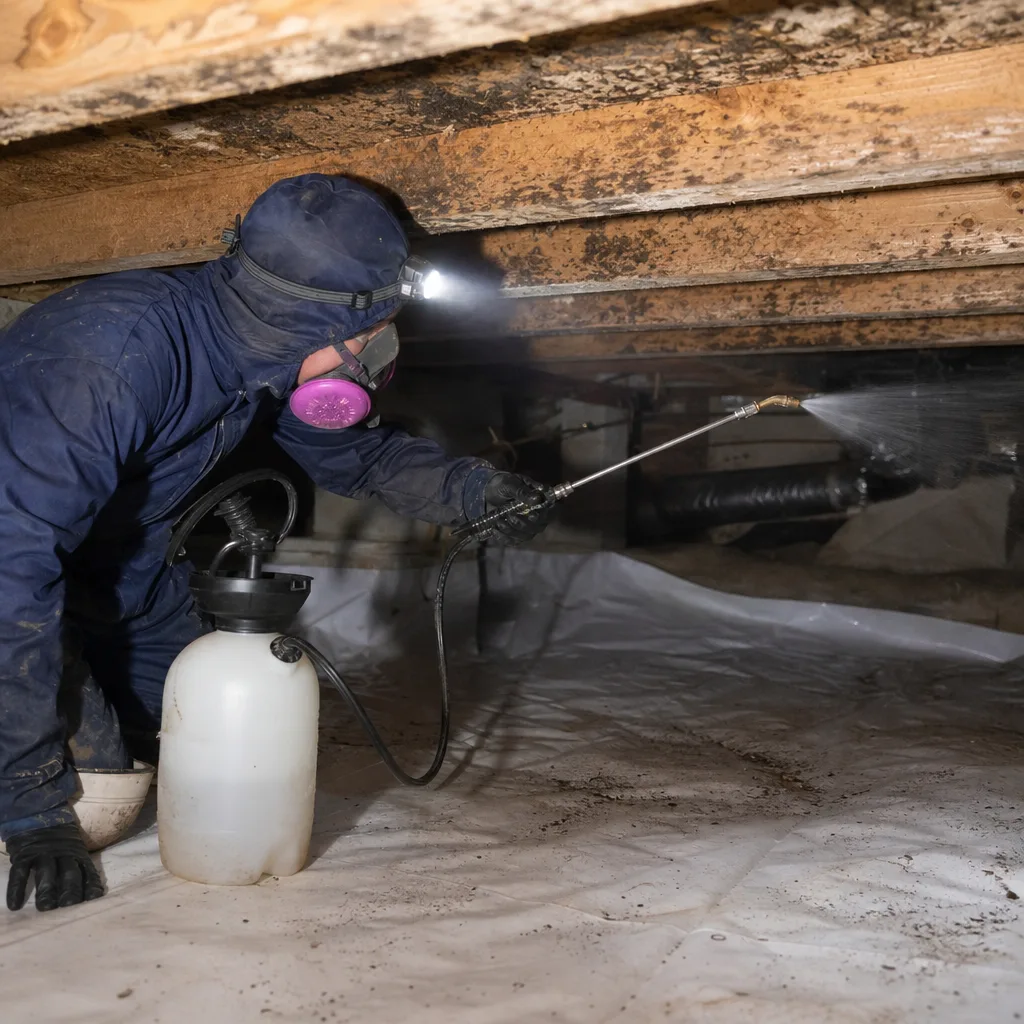
What happens when you call
- 1
A real person answersNo phone trees - you reach a local pro.
- 2
You get an upfront price rangeHonest numbers before anyone is dispatched.
- 3
A background-checked tech heads outLicensed & insured, dispatched right away.
- 4
You approve before work beginsNothing starts until you say go.
Mold Remediation Costs in San Diego, CA
A typical contained mold remediation in San Diego runs $1,200-$4,500, covering 10-100 square feet of affected area with standard containment, HEPA air scrubbing, removal of contaminated drywall and insulation, antimicrobial treatment, and drying verification. Whole-home remediation following major water intrusion or post-wildfire damage ranges $5,000-$15,000+, depending on structural involvement, HVAC contamination, and reconstruction requirements.
What moves the price: affected square footage, material type (porous materials require removal, not cleaning), accessibility (crawl spaces and attic cavities add labor), and whether the moisture source has been stopped or still requires plumbing or roofing repair. Insurance typically covers mold remediation when it results from a covered peril - sudden pipe rupture, storm intrusion, or fire suppression water - and when documentation supports the causal chain. Long-term maintenance-related moisture is usually excluded.
We provide a free visual inspection with moisture readings and a written scope before any work begins. Bring a competitor’s written estimate and we’ll review it at no charge - Haven Standard, Clause 1 applies to every job we perform.
We Also Serve Cities Near San Diego
Our San Diego office dispatches crews throughout the metro area, including Coronado’s island properties with their unique marine exposure, National City’s older commercial and residential stock, Chula Vista’s rapid growth corridors with mixed vintage construction, and Bonita’s acreage properties with well water and septic systems that create distinct moisture management challenges. Documentation standards and response commitments are identical across the service area.
Serving San Diego, CA - Our Local Coverage Area
We’re based in the San Diego area and know this community well. Use the map below to see our service coverage - if you’re nearby, we can almost certainly help.
San Diego Mold Remediation Questions, Answered
How does San Diego’s coastal humidity affect mold growth in my home?
San Diego’s marine layer pushes persistent humidity inland through communities like Ocean Beach, Pacific Beach, and Coronado, condensing on cool stucco surfaces and wicking through hairline cracks into wall cavities where minimal vapor barriers allow moisture accumulation. Structures built before modern energy codes are particularly vulnerable because designers assumed low annual rainfall meant humidity control was unnecessary. We address this with targeted moisture mapping, vapor barrier installation or repair, and permanent humidity control solutions. Call (858) 428-2364 for a free inspection with documented readings.
Can mold grow in my San Diego home after a Santa Ana wind event?
Yes, and this is one of San Diego’s unique mold pathways. Santa Ana winds desiccate interior wood framing, causing cracks and gaps that deepen over repeated events; when humidity returns or water intrusion occurs, those gaps absorb moisture faster than intact wood. Post-wildfire structures are especially vulnerable because fire damage has already compromised the building envelope. We inspect for this specific failure mode in fire-affected properties, using moisture meters at crack-prone framing locations. Call (858) 428-2364 if your property has experienced recent fire or wind exposure.
What should I do if I find black mold in my El Cajon home’s crawl space?
Do not disturb it. Disturbing visible black mold without containment in place can aerosolize spores and create a much larger contamination area. Close the crawl space access, increase ventilation to the living space above if the HVAC is not shared, and call (858) 428-2364. We will establish containment, identify the moisture source (typically ground moisture evaporation through inadequate vapor barrier), and remediate per AMRT protocols with documented clearance testing.
How quickly can mold start growing after water damage in San Diego?
Mold colonization typically begins 24-48 hours after water contact on organic substrates at temperatures between 60-80°F, which describes most San Diego interiors year-round. Marine-layer humidity can sustain growth even without standing water, if relative humidity exceeds 60% in wall cavities or crawl spaces. This is why our 45-minute response commitment matters - every hour of delayed drying extends the contamination perimeter. Call (858) 428-2364 for immediate dispatch.
Does San Diego’s hard water contribute to mold problems?
Indirectly, yes. The region’s moderately hard water accelerates corrosion in aging galvanized and early copper plumbing, particularly at joints and valves in 1950s-1980s construction. Pinhole leaks develop slowly, often inside walls, producing chronic moisture that feeds hidden mold for months before any visible sign. We routinely find this in Linda Vista, Kearny Mesa, and El Cajon homes. Our inspections include targeted moisture mapping at plumbing chase locations. Call (858) 428-2364 for a free visual inspection.
Will my insurance cover mold remediation in San Diego?
Insurance covers mold remediation when it results from a covered peril - sudden pipe rupture, storm intrusion, fire suppression water, or similar - and when documentation establishes the causal chain. Long-term maintenance issues, slow leaks, or humidity-related growth are typically excluded. Our documentation package, including photo records, moisture logs, and line-item scopes, is built specifically to satisfy adjuster requirements. We coordinate directly with your carrier and offer direct billing. Call (858) 428-2364 to discuss your specific situation.
How long does mold remediation take in a typical San Diego home?
Contained residential remediation of 10-100 square feet typically requires 3-5 days: one day for setup and removal, 2-3 days for drying and treatment verification, and final clearance. Whole-home or post-disaster projects may extend to 7-14 days depending on structural involvement and reconstruction requirements. We do not declare a project complete until moisture readings and, where indicated, air quality testing confirm success. Daily documentation keeps you and your insurer informed throughout. Call (858) 428-2364 for a timeline specific to your property.
Can my family stay in the home during mold remediation?
For Category 1 contamination under 10 square feet in a non-living area, containment may allow continued occupancy with restricted access. Category 2 and all Category 3 projects require temporary relocation of affected areas, and whole-home HVAC contamination typically requires full evacuation until clearance testing is complete. We discuss this explicitly in our written scope before work begins - no surprises once containment is established. Call (858) 428-2364 to review your specific situation.
San Diego’s dual coastal marine-layer humidity and drought-hardened soils create alternating moisture pathways that no generic remediation approach can address. Beach-adjacent stucco homes wick persistent dampness behind minimal vapor barriers, while inland canyon-mesa properties dry-crack and then admit water rapidly during rare rains or post-wildfire events. Our field experience in this specific market - from Linda Vista’s aging copper plumbing to Rancho Bernardo’s tile-roof dead-air spaces - means we scope accurately, document completely, and remediate once. The 365-Day Done Right Promise under The Haven Standard means if it’s not done right, we make it right.
Call (858) 428-2364 for a free visual inspection with documented moisture readings. Written price before work begins, every time. Free second opinion on any competitor’s written estimate.
Written by Alicia Brennan, Owner at DryMark Restoration El Cajon, serving San Diego since 2011.
Mold Remediation in Nearby Areas