

Free visual inspection and a written scope of work before any mitigation begins - photos, moisture readings, and drying logs go in your claim file
The scope we write is the scope we bill. Anything new gets shown to you, in writing, before we touch it.
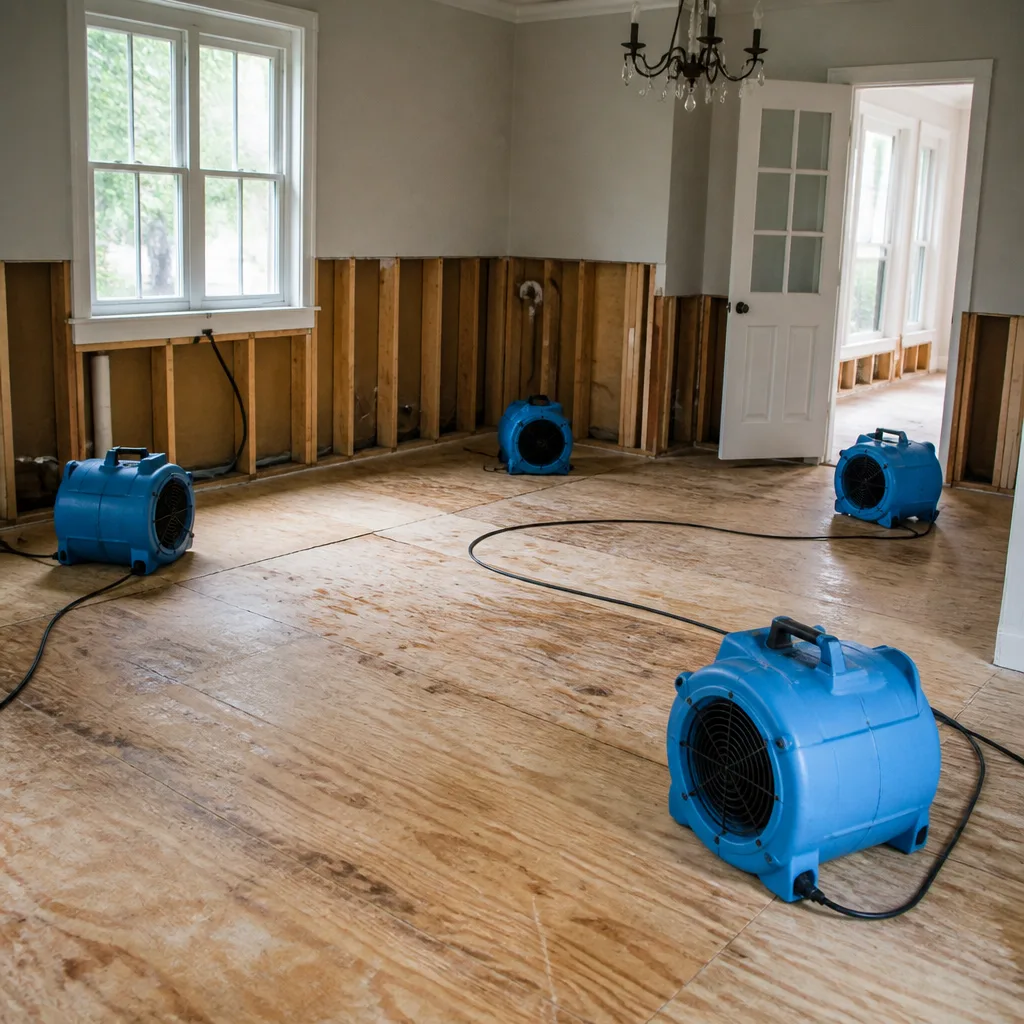
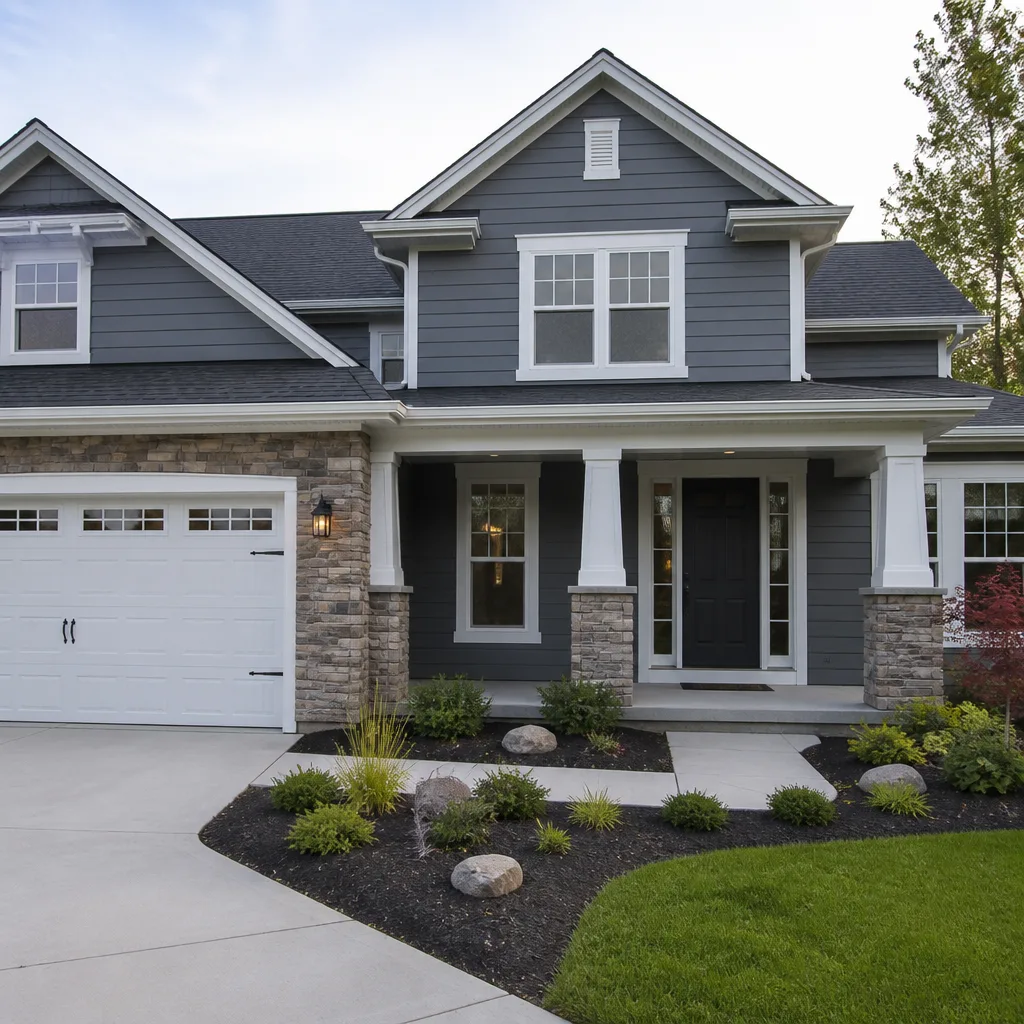
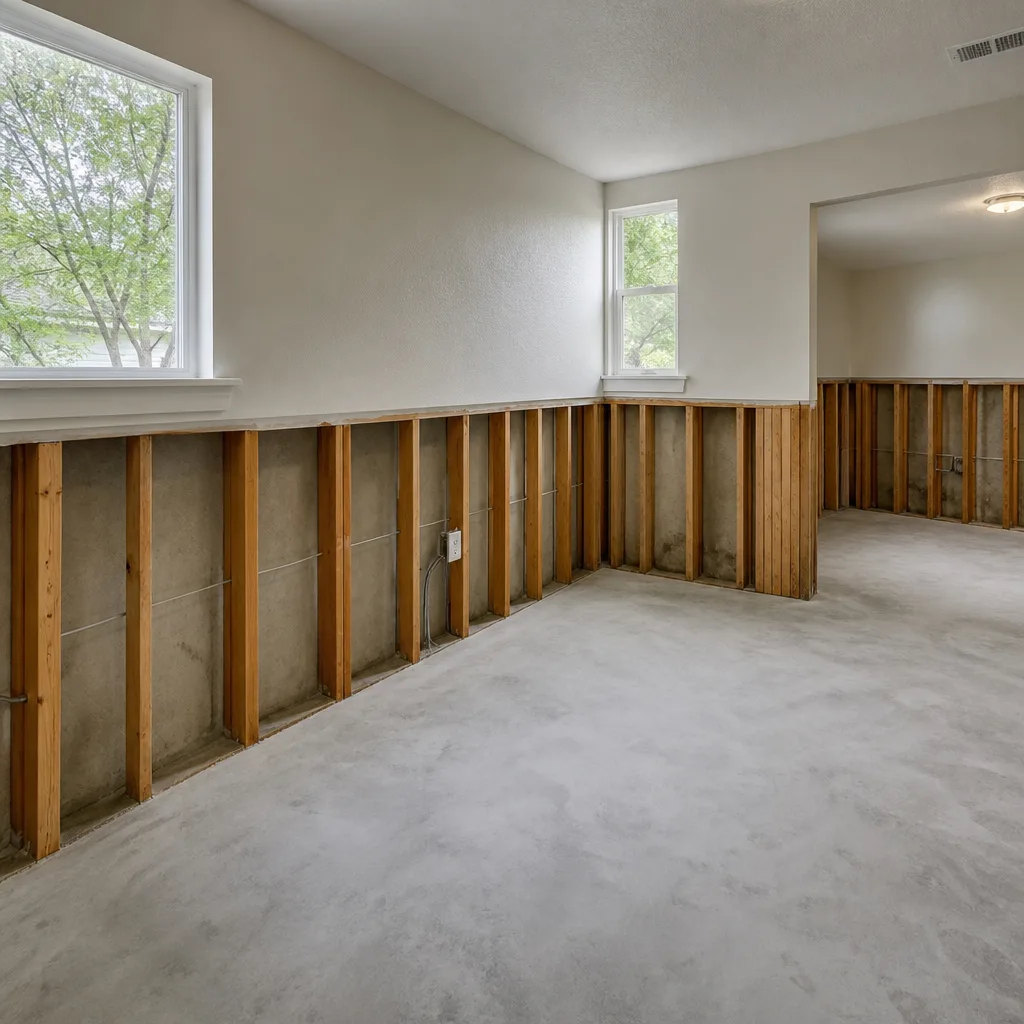
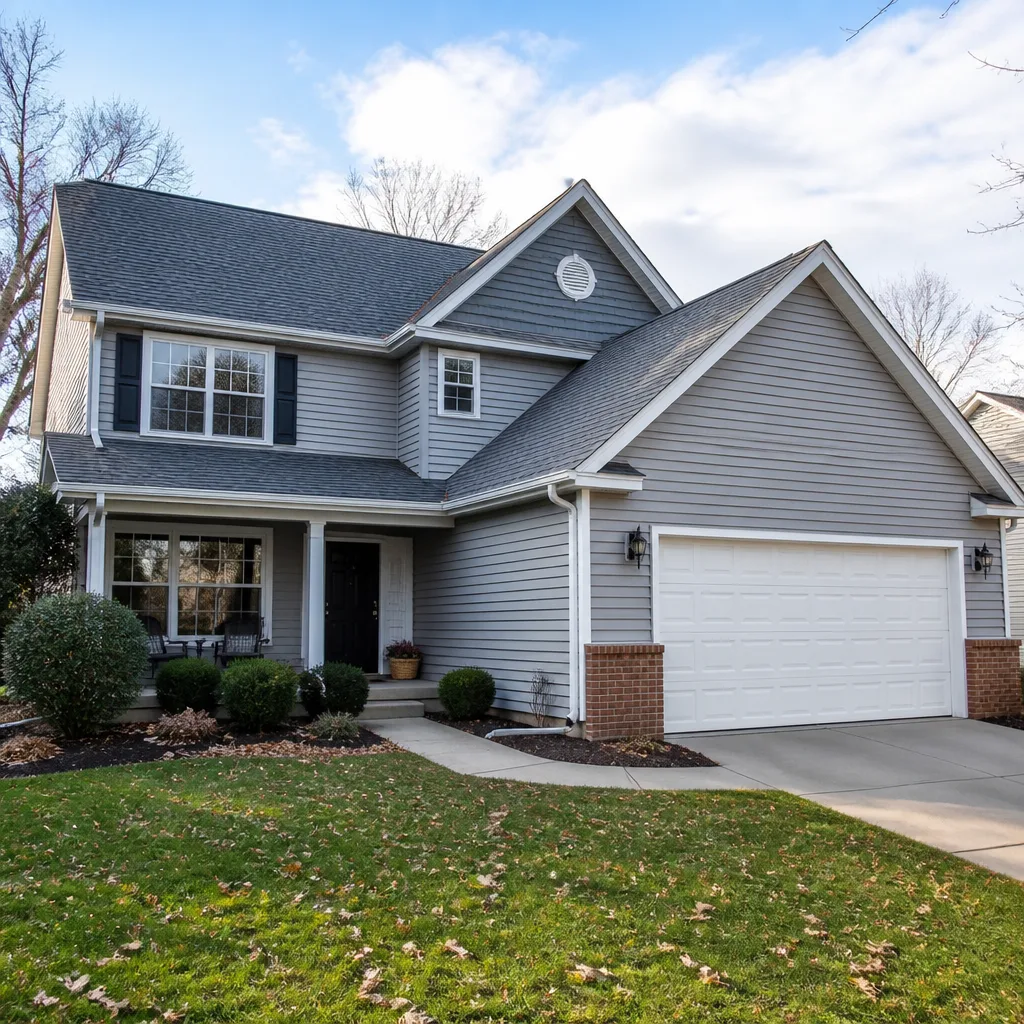
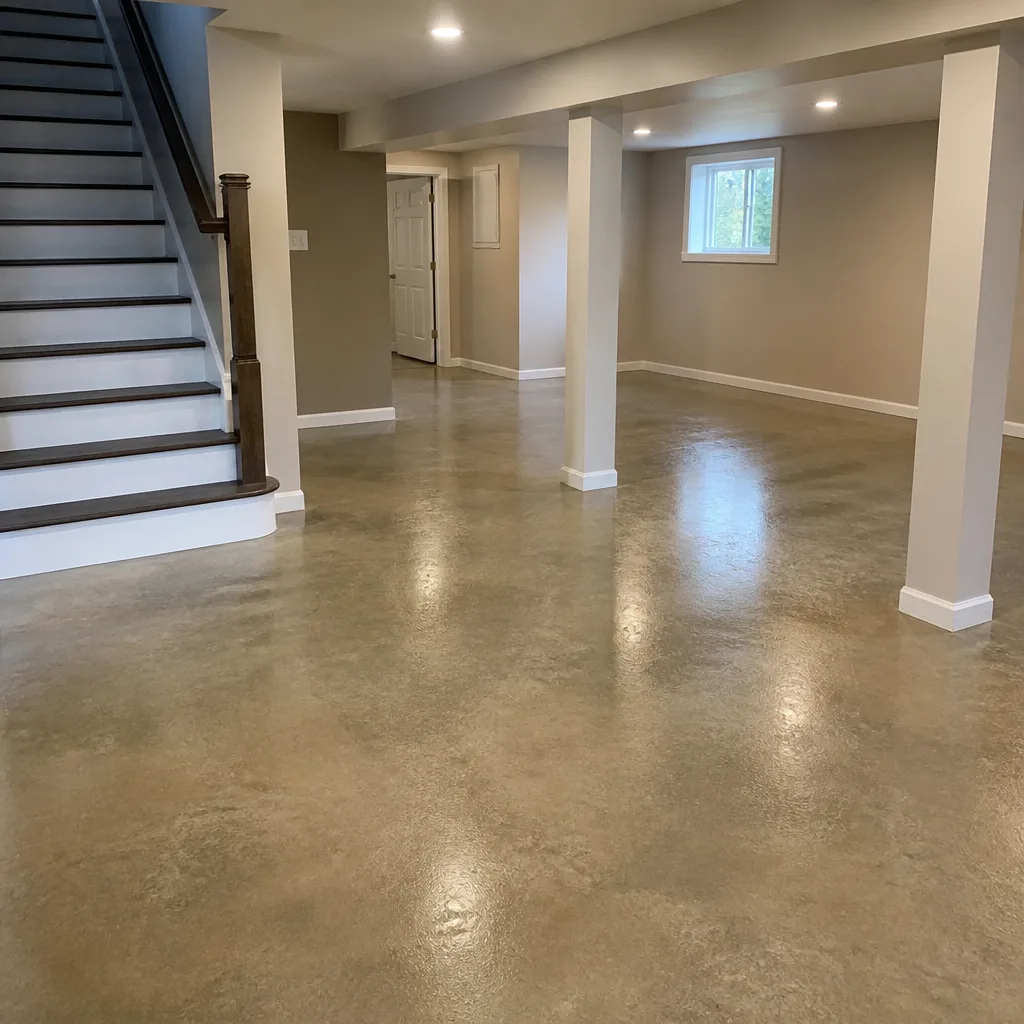
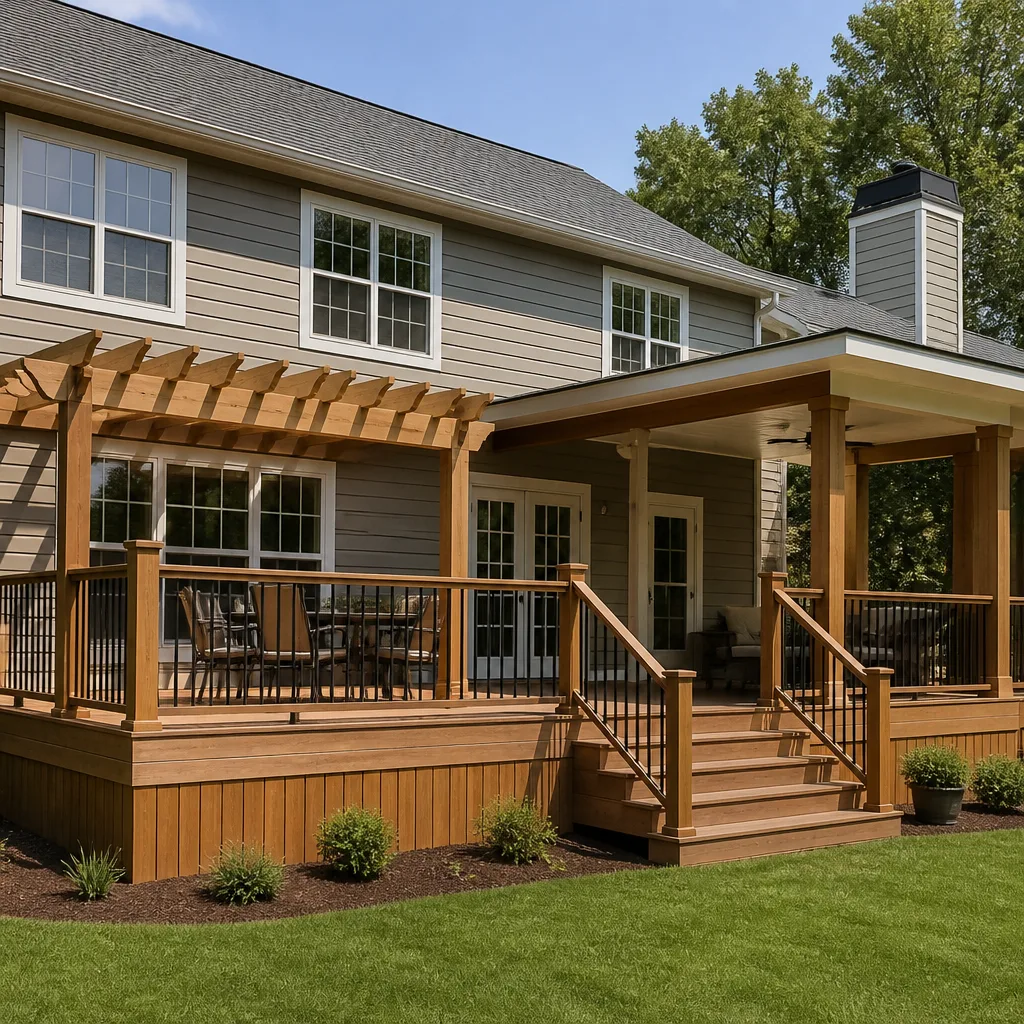
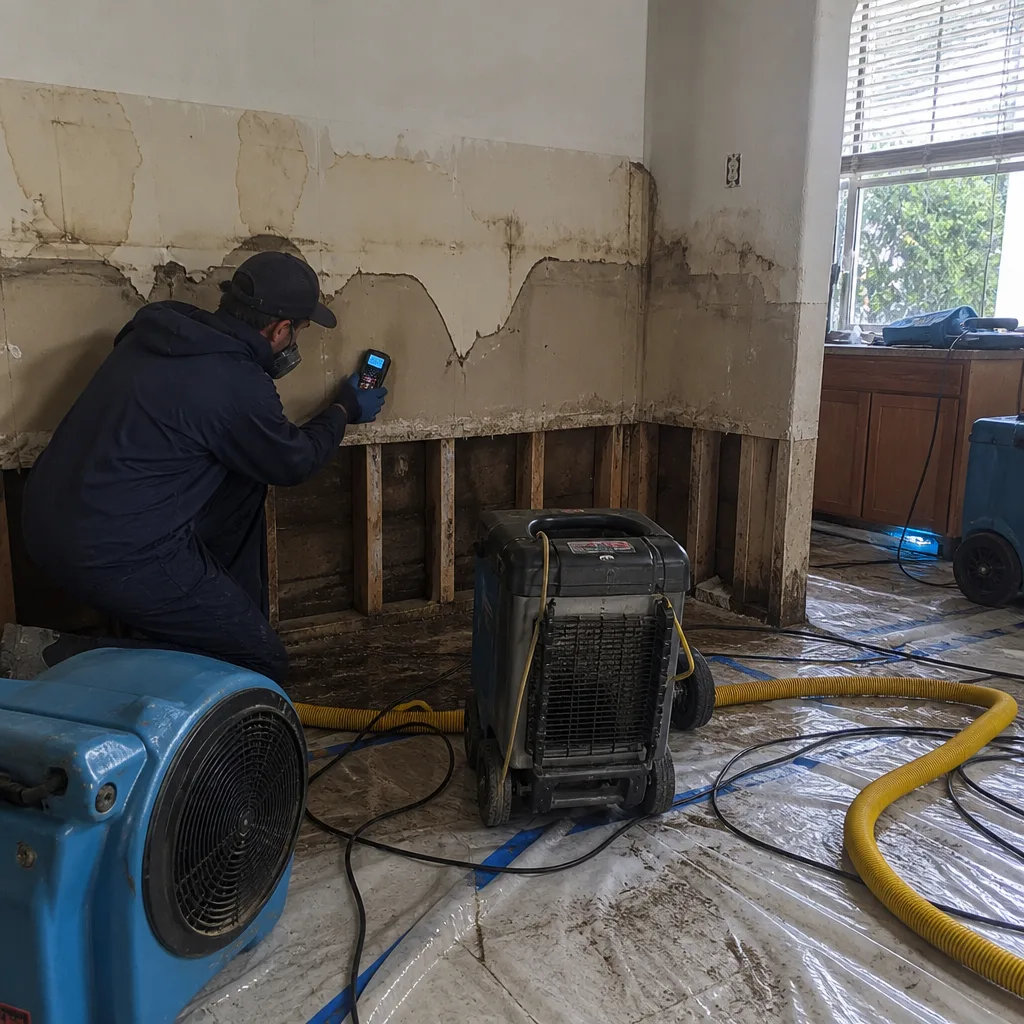 Before
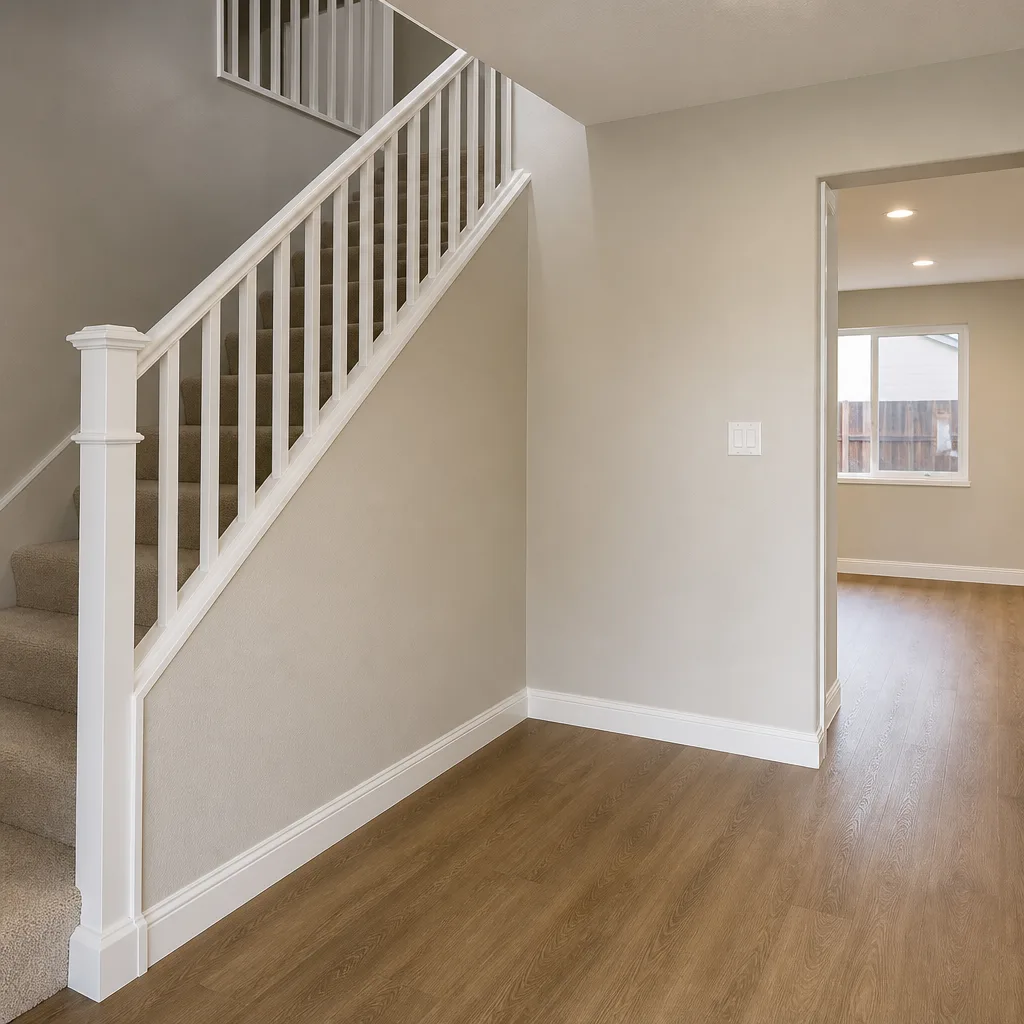 After
After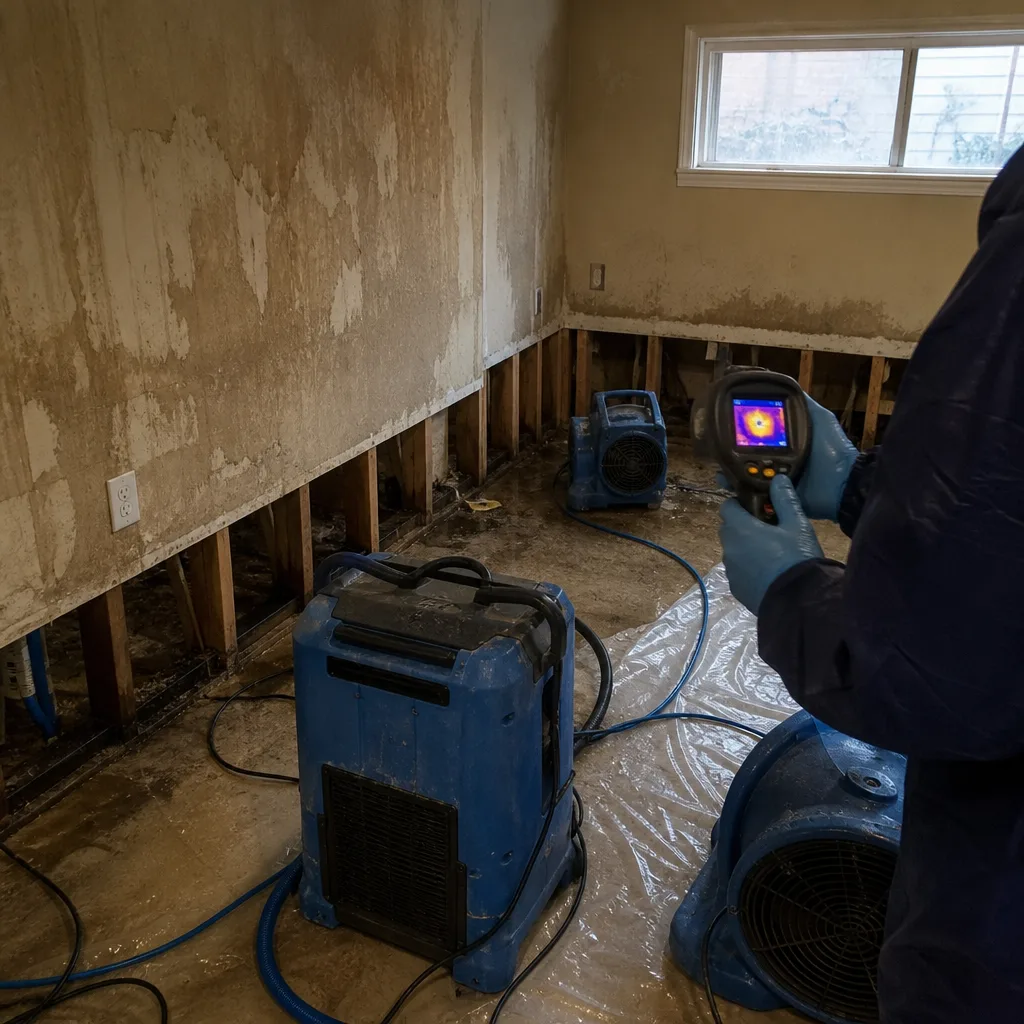 Before
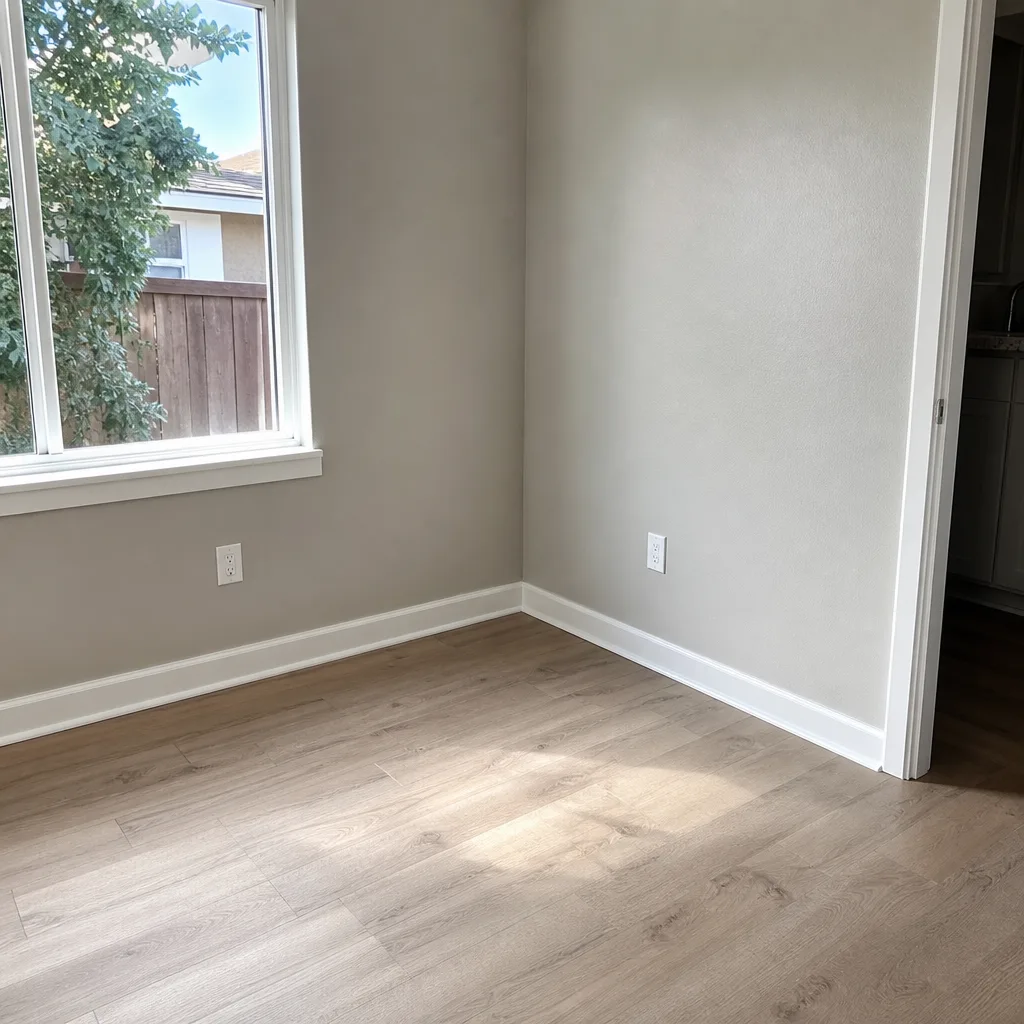 After
After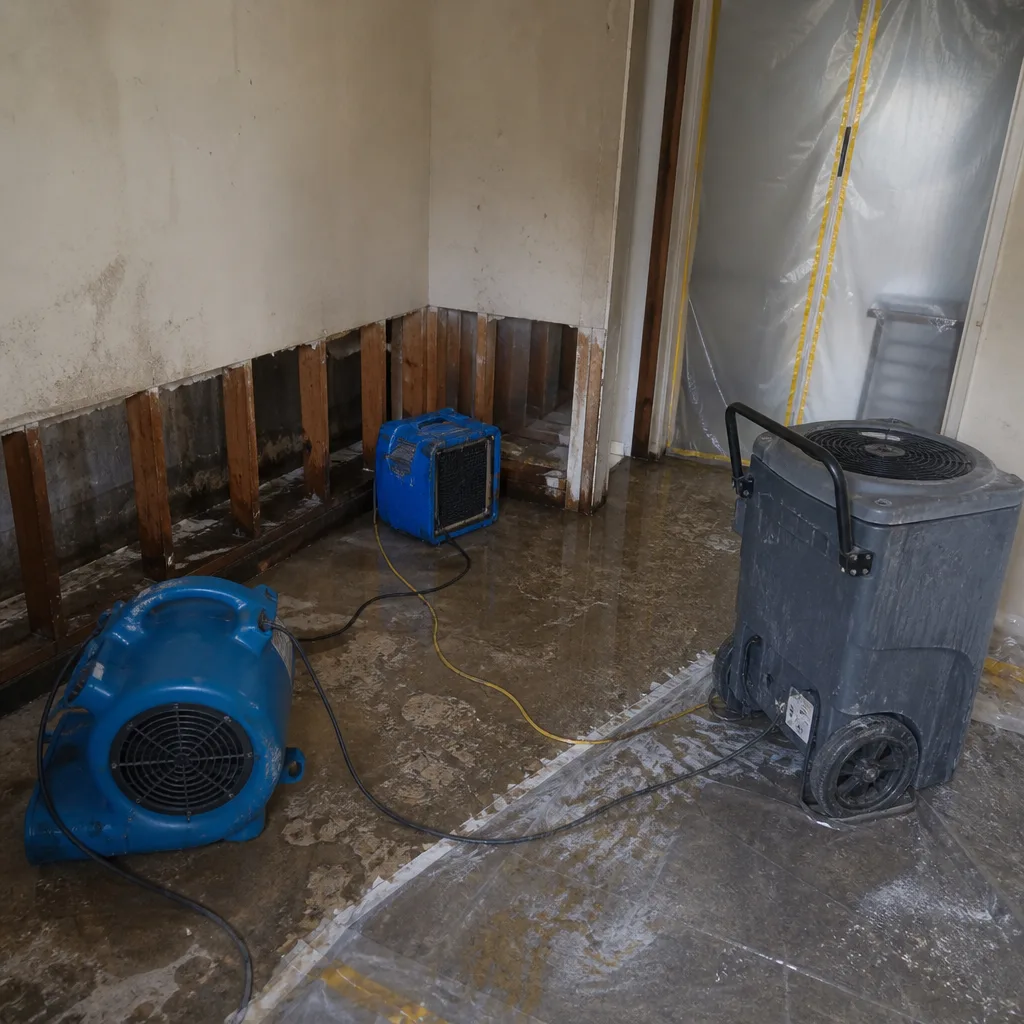 Before
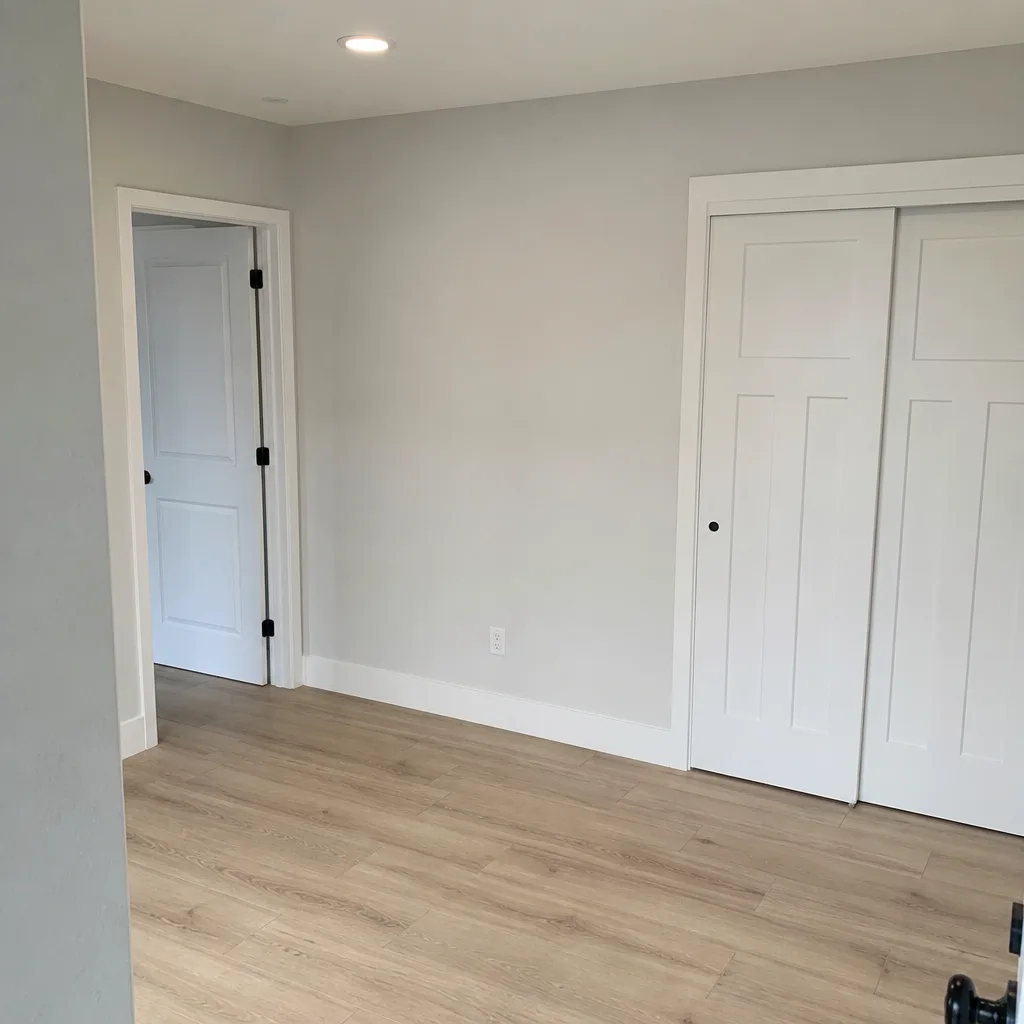 After
After24/7 Emergency Mold Remediation in Coronado
Mold remediation in Coronado typically costs between $1,800 and $6,500 depending on affected square footage, with containment-level work running higher in historic properties near the Hotel del Coronado corridor. Call (858) 428-2364 now - we answer live, 24 hours a day, with no voicemail trees, and our crews are dispatched from our San Diego office to reach Coronado properties fast. The first 24-48 hours after water intrusion are when mold colonizes drywall, plaster, and old-growth framing; delay turns a contained cleanup into a whole-house remediation with Historic Resources Program complications.
We provide a free visual inspection and written scope before any work begins, per Haven Standard, Clause 1. Our containment crews carry marine-grade vapor barrier materials on every truck because standard polyethylene fails within months in Coronado’s salt air.
Understanding Mold Remediation Severity in Coronado Properties
Mold damage in Coronado breaks into three severity tiers, each demanding different containment, air-filtration, and documentation protocols. Class 1 contamination - limited to less than 10 square feet on a single non-porous surface - requires localized containment with a single HEPA air scrubber and surface antimicrobial application. Class 2 spans 10-100 square feet across multiple surfaces, demands full polyethylene containment with negative air pressure maintained by a Phoenix or Dri-Eaz HEPA scrubber, and produces enough airborne particulate to trigger clearance testing before rebuild. Class 3 exceeds 100 square feet or involves HVAC contamination, requiring critical containment with multiple air changes per hour, sealed ductwork, and third-party post-remediation verification.
Coronado’s housing stock intensifies every class. The 1880s-1920s Victorians and Craftsmans near the Hotel del Coronado carry original plaster on wood lath, old-growth redwood framing, and knob-and-tube wiring cavities that trap moisture and harbor Stachybotrys chartarum long after surface drying. Mid-century officer quarters from Naval Air Station North Island use gypsum wallboard with minimal vapor barriers, accelerating cavity mold in the persistent marine layer. Modern luxury builds with tight envelopes and integrated HVAC demand psychrometric logging - measuring vapor pressure differential between interior and exterior air - to prove the building won’t re-moisturize from the outside in.
Category 1, 2, or 3 water classification changes what we can save. Clean water from a supply line (Category 1) allows in-place drying of plaster if we establish containment within 24 hours. Gray water from appliance discharge (Category 2) demands removal of porous materials in historic homes because old plaster and redwood absorb contaminants faster than modern equivalents. Black water from tidal surge or sewage backup (Category 3) - increasingly common in Silver Strand properties during king tides - requires full removal of affected plaster and framing, with no exceptions, and marine-grade replacement materials specified for salt-air corrosion resistance.
Why Coronado Property Owners Choose DryMark Restoration El Cajon
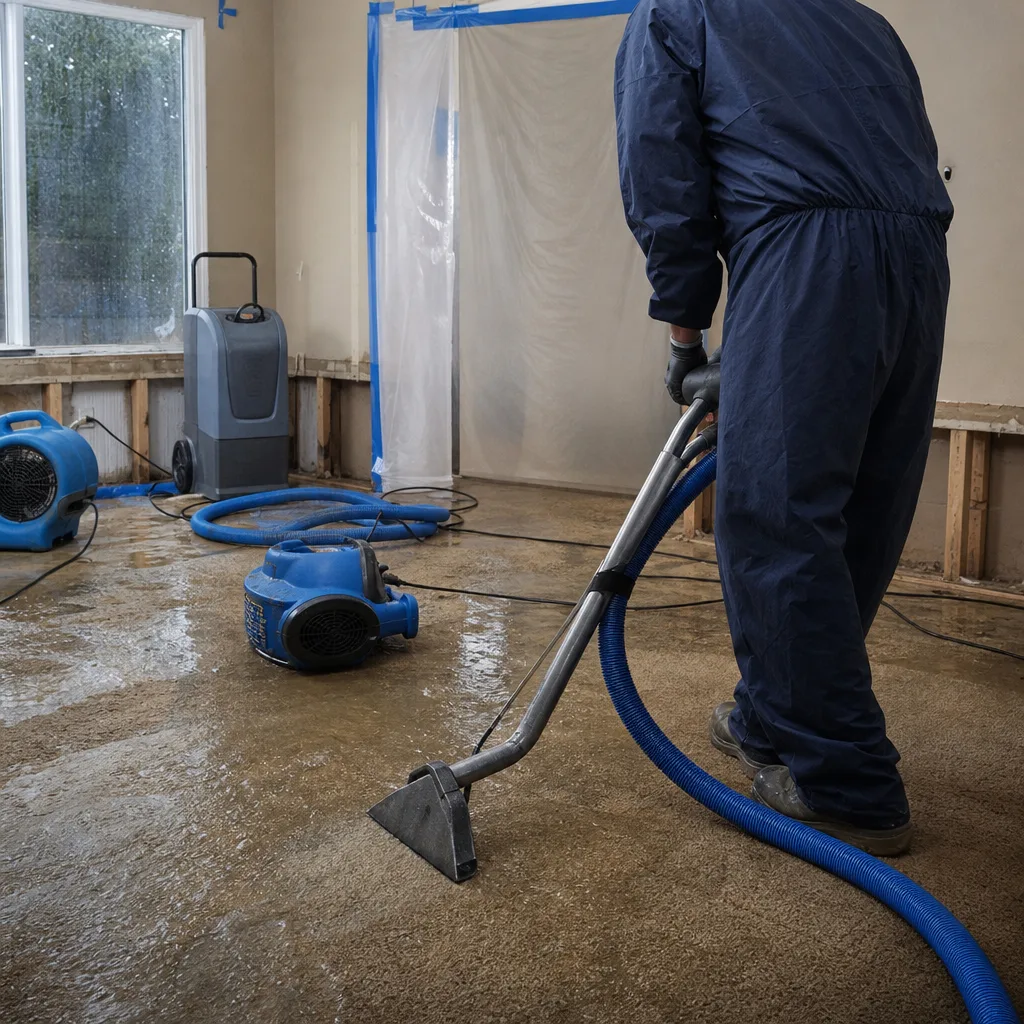
- 45-minute response commitment to Coronado from our San Diego dispatch office, with crews pre-loaded for marine-grade vapor barrier installation.
- 24/7 live answer - a real person, never an automated system, every hour of every day, because mold doesn’t wait for business hours and neither do we.
- IICRC-certified crews holding WRT (Water Damage Restoration Technician), AMRT (Applied Microbial Remediation Technician), and FSRT (Fire & Smoke Restoration Technician) certifications, with license numbers documented on every job file.
- Free visual inspection with moisture mapping, thermal imaging, and a written scope delivered before any containment is erected - Haven Standard, Clause 1.
- Direct insurance billing with photo-documented daily drying logs, line-item estimates, and adjuster coordination that turns restoration invoices into payable claims.
- One team from extraction to reconstruction - no handoffs between mitigation and rebuild contractors, preserving documentation continuity through Coronado’s Historic Resources Program review if required.
 Before
 After
AfterOur Mold Remediation Process
1. Inspection & Assessment
We map moisture with thermal imaging cameras and penetrating hygrometers, classify water category, and identify affected materials by trade name - old-growth redwood, horsehair plaster, modern gypsum, or composite sheathing. A written scope with line-item pricing is delivered before any work begins, per Haven Standard, Clause 1.
2. Containment & Stabilization
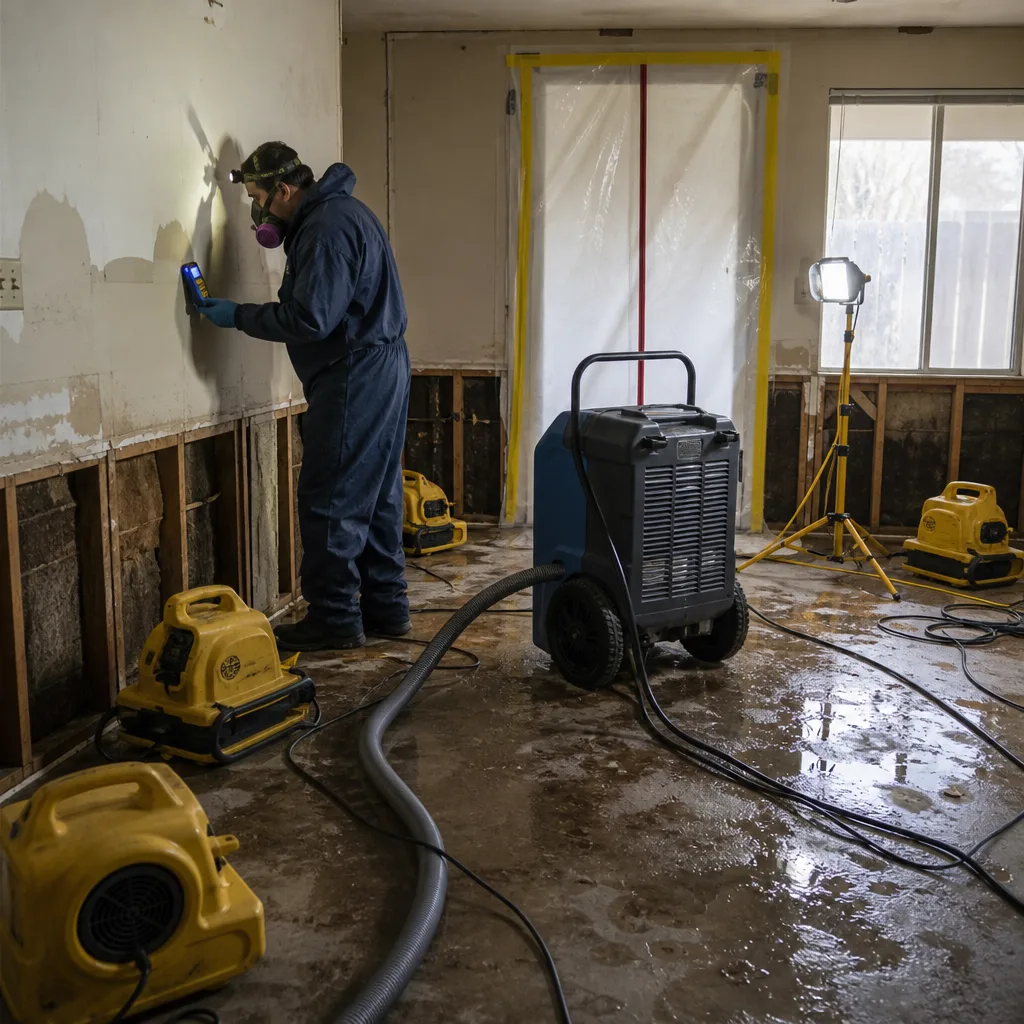
Polyethylene containment barriers seal the work zone with negative air pressure maintained by Phoenix or Dri-Eaz HEPA air scrubbers at 4-6 air changes per hour. We shut down HVAC if cross-contamination risk exists and install temporary dehumidification to halt active growth.
3. Drying & Dehumidification
XPOWER air movers create controlled airflow across wet surfaces while Phoenix LGR dehumidifiers extract vapor from the air, documented with daily psychrometric readings - temperature, relative humidity, and grains per pound - logged to IICRC S520 standards. Injectidry systems dry wall cavities without demolition where material condition allows.
4. Cleaning & Sanitization
HEPA vacuuming removes settled spores before antimicrobial application with EPA-registered products effective against Stachybotrys, Aspergillus, and Penicillium. We clean non-porous materials in place; porous materials that absorbed Category 2 or 3 water are removed and disposed as regulated waste.
5. Marine-Grade Moisture & Humidity Control
Coronado’s persistent marine layer demands upgraded vapor barriers and ventilation specifications beyond mainland San Diego standards. We install marine-grade polyethylene barriers rated for salt-air exposure and specify ventilation upgrades to maintain vapor pressure differential that prevents re-establishment of mold colonies.
6. Repairs, Restoration & Documentation
Reconstruction follows the photo-documented pre-loss condition record, with material-matching documentation prepared for Coronado Historic Resources Program review when properties fall within the Hotel del Coronado corridor. A signed 365-Day Done Right Promise under The Haven Standard closes every file.
Need Emergency Mold Remediation in Coronado Now?
Crews minutes away, answering live 24 hours a day. The sooner we start, the less it costs.
Working With Your Insurance Company
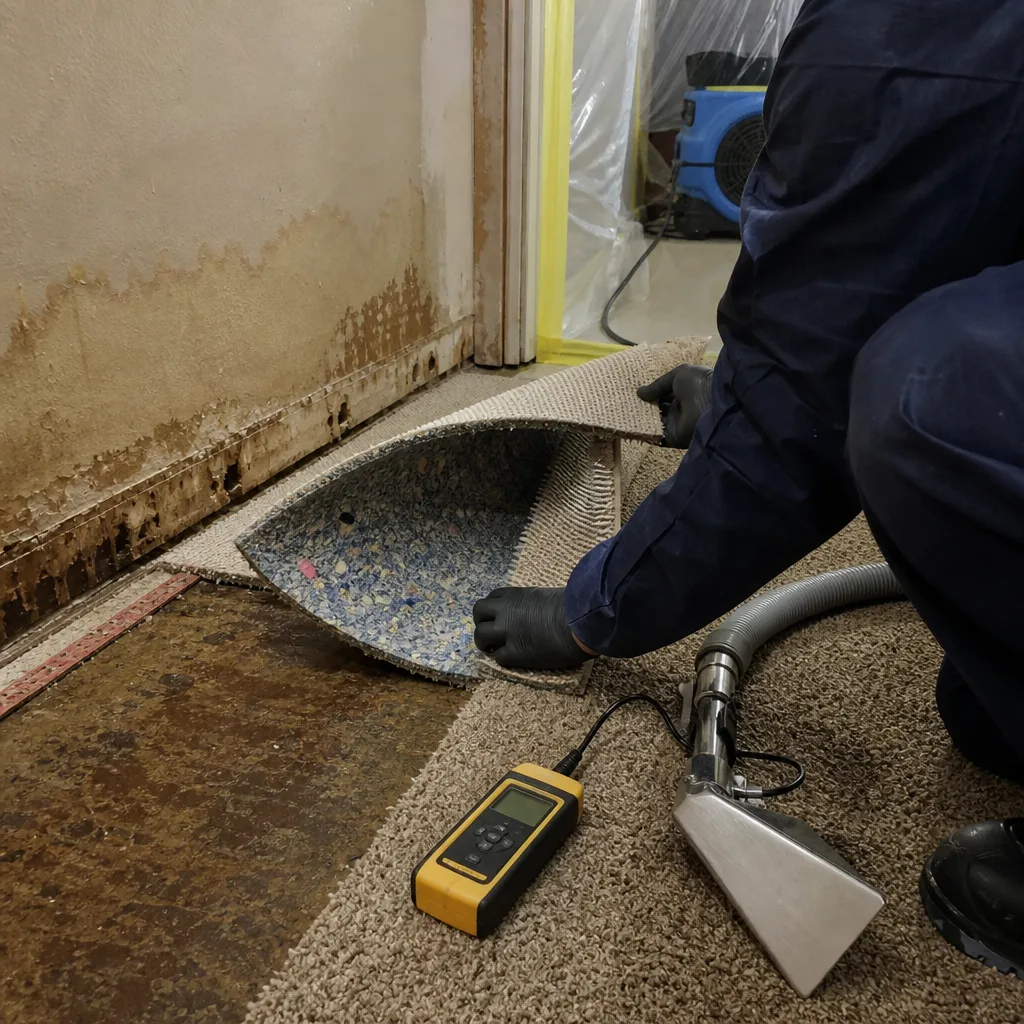
Insurance claims for mold damage succeed or fail on documentation quality. We begin photo documentation on arrival, before any equipment is placed, and continue through every visit. Our estimates follow Xactimate or Symbility industry standards with line-item detail that adjusters recognize and approve without dispute.
We speak directly with your adjuster, provide moisture readings and drying logs that prove the loss was real and the response was appropriate, and coordinate supplemental documentation if hidden damage extends the scope. For properties near the Hotel del Coronado, we include Historic Resources Program correspondence in the claim file so material-matching requirements don’t become out-of-pocket surprises.
What We Provide Your Insurer
- Thorough documentation of the loss
- Photos of all damage, room by room
- Moisture readings and drying logs
- A detailed, line-item scope of work
- Direct coordination with your carrier
Built for Coronado’s Loss Calendar
January through March brings the heaviest marine layer, with relative humidity climbing above 75% for days at a stretch and condensation forming on single-pane windows in unrenovated Craftsmans. Mold establishes in wall cavities where warm interior air meets cool exterior surfaces. April through June sees moderate temperatures but persistent onshore flow; without mechanical dehumidification, basements and crawl spaces in Coronado Cays and the Country Club area stay damp enough for Aspergillus growth.
July through September delivers the highest absolute humidity, and air conditioning systems working overtime create cold-surface condensation in ductwork and around poorly insulated registers. October through December brings Santa Ana wind events that dry surface moisture rapidly while leaving cavity moisture untouched - the perfect condition for hidden mold that reveals itself only when winter heating drives spore release. King tides peak November through February, and Silver Strand properties see groundwater intrusion that wicks up through slab foundations, creating chronic moisture conditions no surface drying addresses.
Mold Remediation Across Coronado’s Neighborhoods
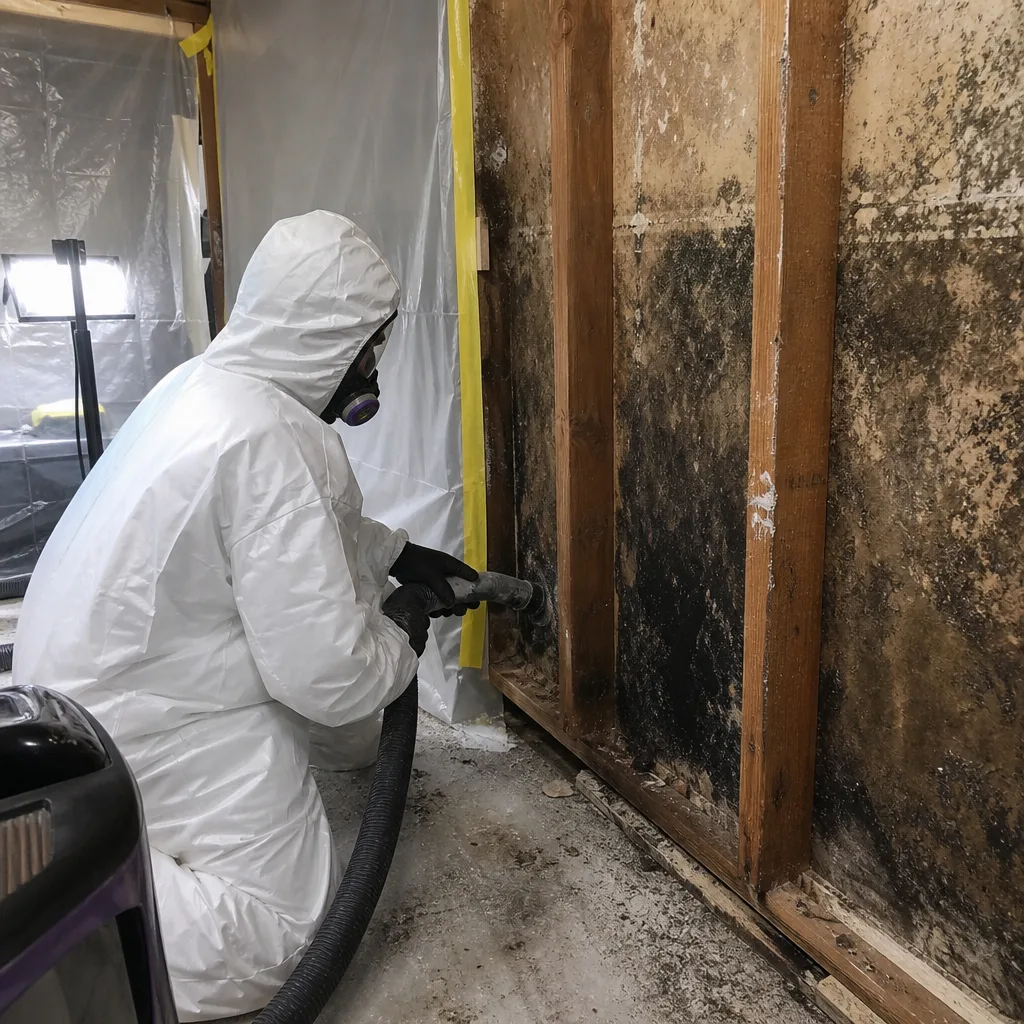
The Hotel del Coronado corridor, running along Orange Avenue from the historic hotel south to Avenida del Sol, contains the city’s densest concentration of pre-1920s housing. We were called to a 1904 Craftsman near the Hotel del Coronado after a supply-line failure soaked original plaster walls and old-growth redwood framing, and because the Hotel del Coronado corridor sits inside Coronado’s Historic Resources Program, our moisture mapping and scope of work had to be documented for material-matching approval before we opened any wall. Our techs set up containment, ran XPOWER air movers, and used a Phoenix dehumidification setup to pull structural drying readings down while an Injectidry system dried the plaster cavity without demolition; we then applied an antimicrobial treatment and logged daily moisture readings against pre-loss condition. The takeaway: Coronado’s historic housing stock and salt air make every mold job a documentation-and-specification exercise, not just a drying job.
Coronado Cays, the waterfront community on the southeast shore, faces unique salt-air exposure with homes built over water or on fill barely above high tide. Mold here often follows chronic humidity rather than acute water loss, with HVAC systems corroding faster than inland equivalents and ductwork becoming colonization sites. The Country Club area and surrounding mid-century neighborhoods see more slab-on-grade construction with minimal sub-slab vapor barriers, so groundwater wicking and perimeter drainage failures drive crawl space and lower-wall mold that standard surface treatments miss.
The Strand, the narrow isthmus connecting Coronado to Imperial Beach, sits lowest in elevation and takes the brunt of tidal surge and storm-driven overwash. Properties here experience Category 3 water intrusion with salt contamination that standard antimicrobial formulations don’t address, requiring marine-grade replacement materials and closer follow-up inspection schedules than any other Coronado neighborhood.
Specialized Mold Remediation Services We Offer in Coronado
Mold Inspection & Testing
We use thermal imaging, moisture meters, and air sampling to locate hidden colonization in wall cavities, HVAC systems, and subfloor spaces. In Coronado’s historic homes, we inspect knob-and-tube wiring chases and plaster keys where moisture migrates unpredictably. Testing includes spore trap analysis with lab turnaround in 48 hours, documented for insurance and Historic Resources Program submission.
Mold Removal
Removal follows IICRC S520 containment protocols with negative air pressure and HEPA filtration. In Coronado, we specify removal depth based on material classification: surface cleaning for non-porous tile or metal, controlled demolition for water-absorbed plaster or drywall, and full framing replacement where Category 3 contamination or salt corrosion has compromised structural integrity.
Black Mold Remediation
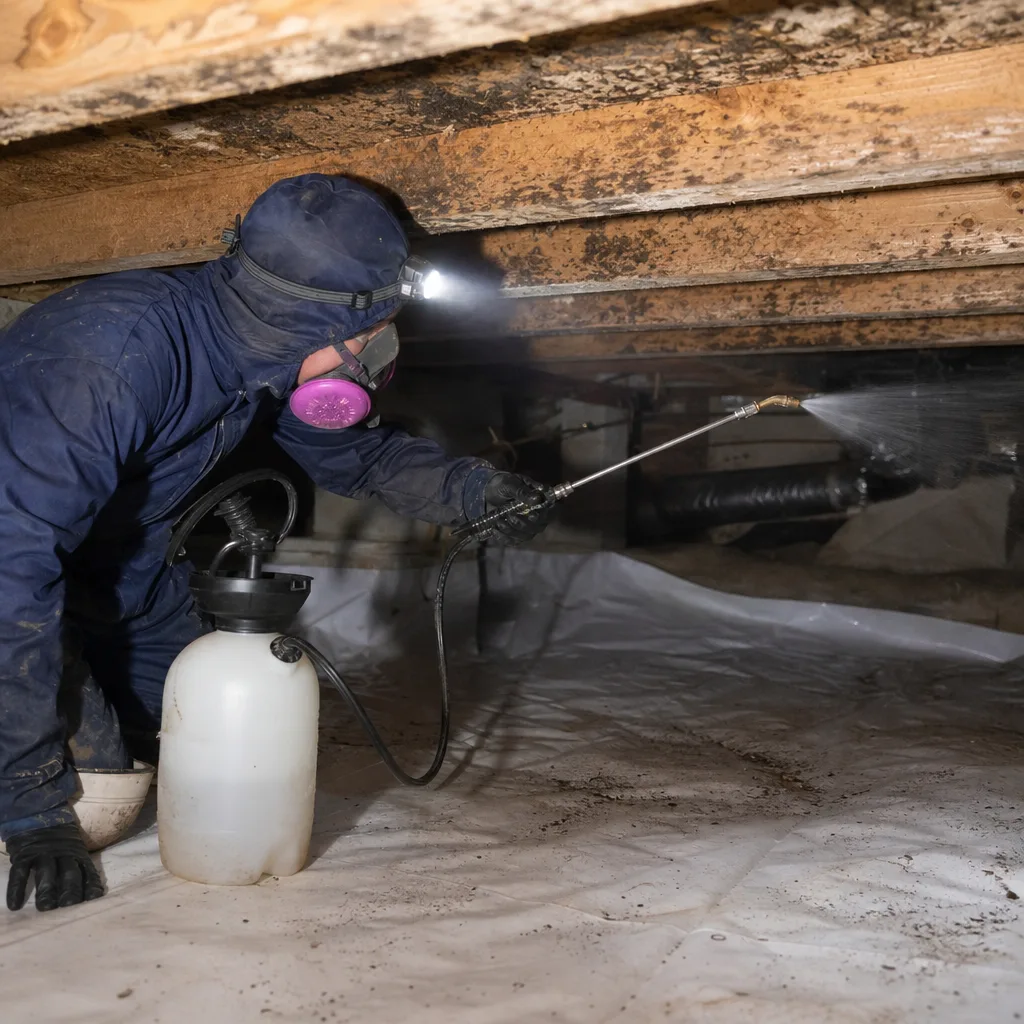
Stachybotrys chartarum and other toxigenic species require critical containment with full PPE, sealed egress, and third-party post-remediation verification. We never treat black mold as a marketing category - we classify by species, document health hazard communication to occupants, and coordinate with industrial hygienists when medical vulnerability exists.
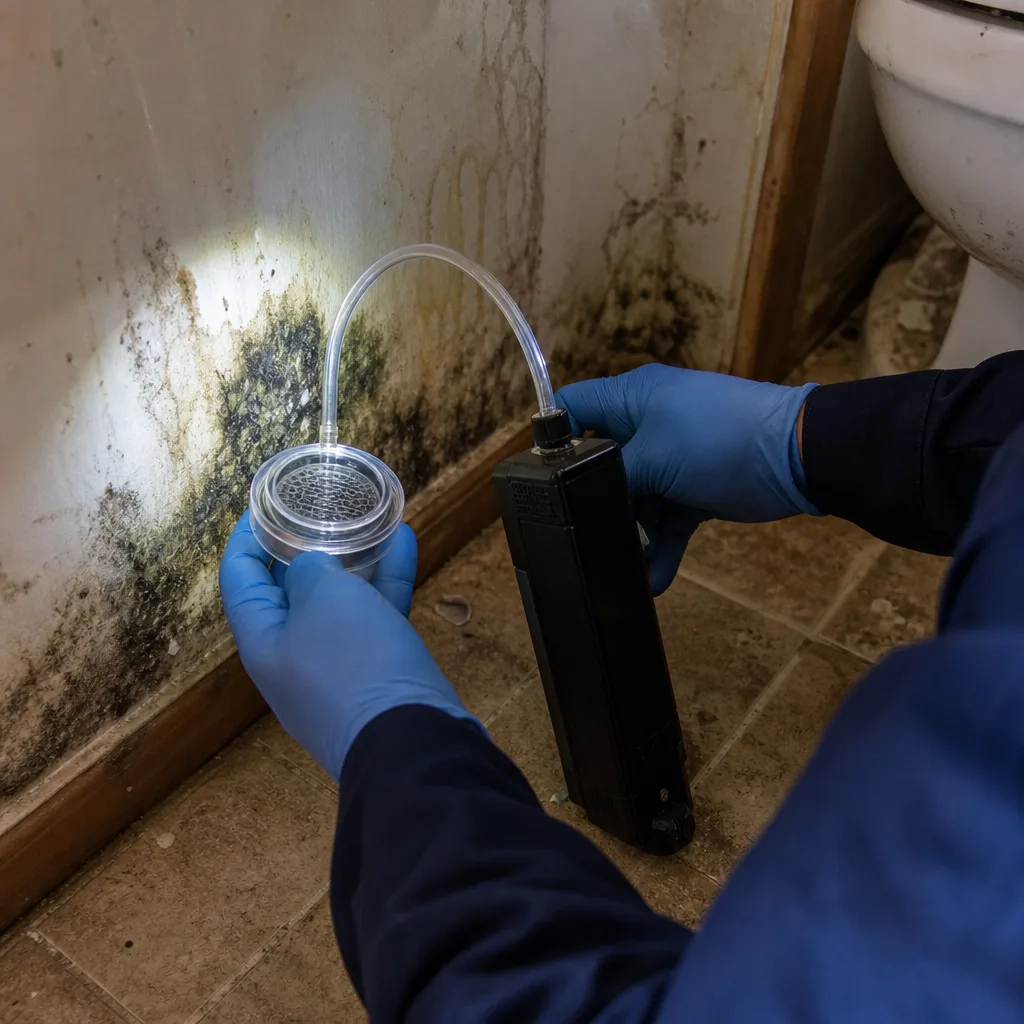
Air Quality Restoration
After remediation, we restore breathable air through HEPA scrubbing, duct cleaning with negative-pressure collection, and ventilation balancing. Coronado’s salt air demands corrosion-resistant duct materials and sealed return pathways that standard mainland specifications don’t include. We verify results with pre- and post-remediation air sampling.
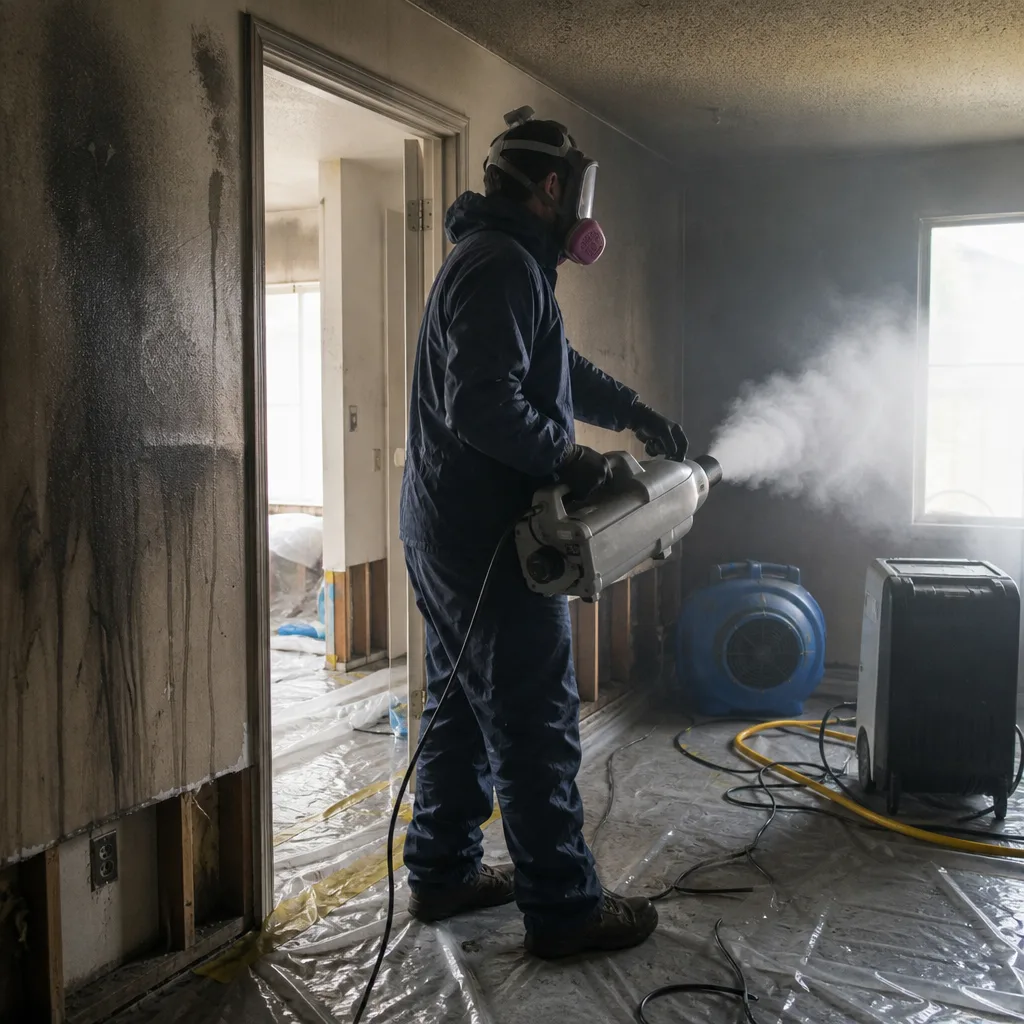
Crawl Space Treatment
Coronado’s elevated humidity makes crawl spaces chronic mold sources. We install vapor barriers rated for marine exposure, seal foundation vents where cross-ventilation drives moisture intrusion, and specify conditioned crawl space conversions where appropriate. Every treatment includes moisture logging to prove the environment stays below 60% relative humidity.
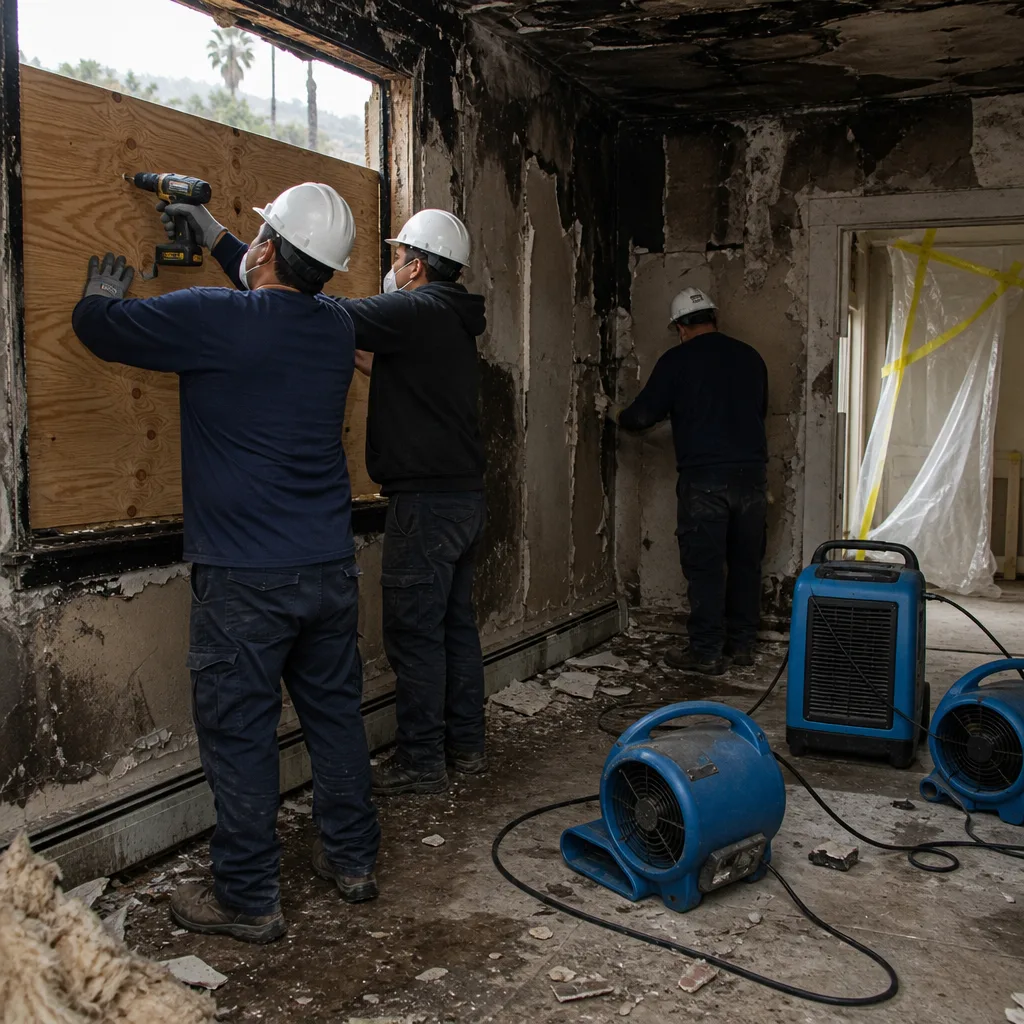
Moisture & Humidity Control
Our Moisture & Humidity Control service addresses the root condition that allows mold to re-establish. In Coronado, this means specifying dehumidification capacity 30% above mainland calculations to account for persistent marine layer intrusion, and installing vapor barriers with salt-corrosion resistance ratings. We document vapor pressure differential between interior and exterior to prove the building envelope is managing, not merely masking, the moisture load.
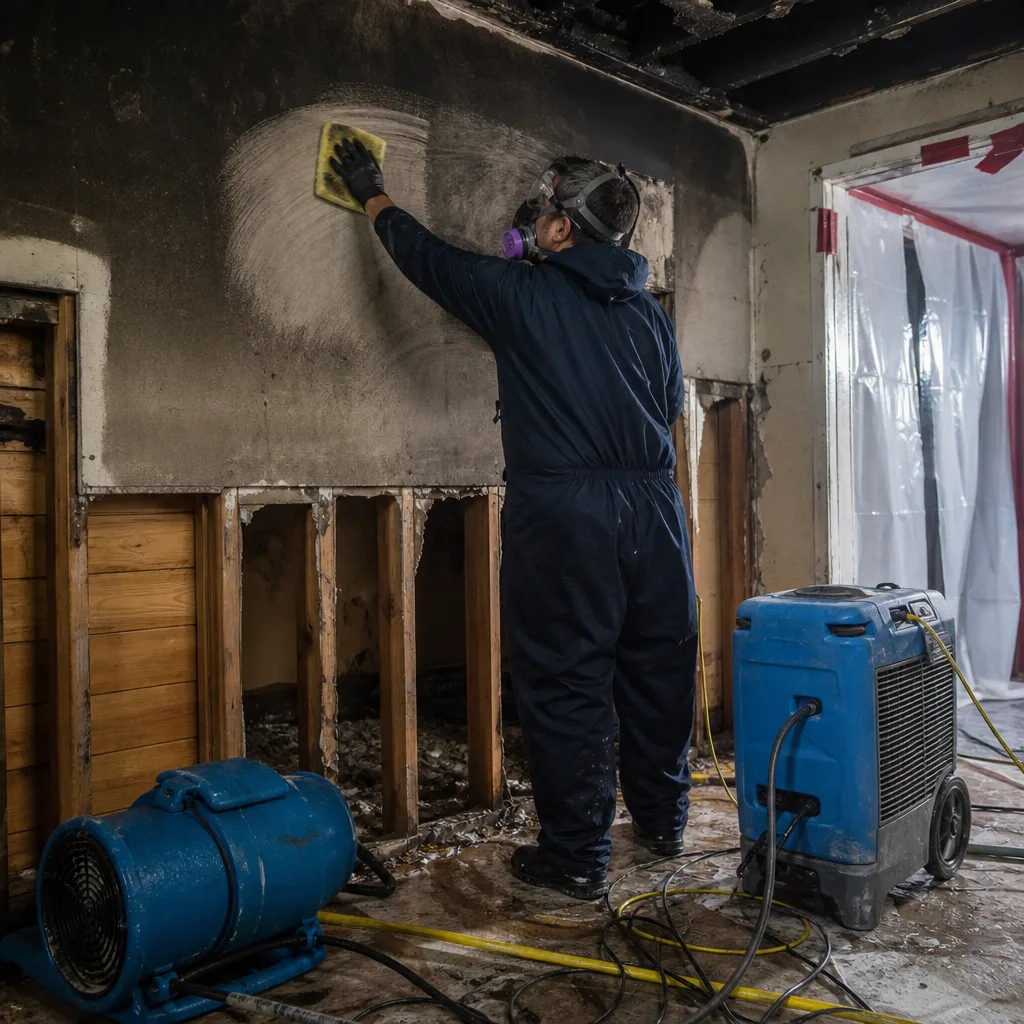
What happens when you call
- 1
A real person answersNo phone trees - you reach a local pro.
- 2
You get an upfront price rangeHonest numbers before anyone is dispatched.
- 3
A background-checked tech heads outLicensed & insured, dispatched right away.
- 4
You approve before work beginsNothing starts until you say go.
Mold Remediation Costs in Coronado, CA
| Service | Typical Range in Coronado |
|---|---|
| Class 1 mold cleanup (under 10 sq ft, single surface) | $1,800 - $2,800 |
| Class 2 remediation (10-100 sq ft, multi-surface) | $3,200 - $5,500 |
| Class 3 remediation (100+ sq ft or HVAC involved) | $5,500 - $12,000+ |
| Historic property with Historic Resources Program documentation | Add $800 - $1,500 for architectural documentation and material-matching compliance |
| Crawl space treatment with marine-grade vapor barrier | $2,500 - $4,500 |
| Air quality restoration with pre/post testing | $1,200 - $2,400 |
What moves the price: affected square footage, material classification (plaster vs. drywall vs. composite), water category (Category 3 requires more removal and regulated waste disposal), accessibility for containment setup, and Historic Resources Program documentation requirements. Insurance typically covers mold remediation when it results from a covered water loss, with documentation proving the connection. Chronic humidity-driven mold without an acute event may fall under policy exclusions; we review your coverage and provide the documentation needed for your adjuster’s determination.
Call (858) 428-2364 for a free visual inspection and written scope - estimates are free, and Haven Standard, Clause 1 means the price you receive is the price you pay.
We Also Serve Cities Near Coronado
Our Mold Remediation in Coronado crews are dispatched from our San Diego office and serve surrounding communities including Mold Remediation throughout the metro area. We regularly respond to San Diego’s downtown and coastal neighborhoods, National City’s bayfront properties, Chula Vista’s varied housing stock from historic to new construction, and Bonita’s hillside homes with their own drainage and humidity profiles. Each city’s building age, code history, and climate conditions shape our documentation and equipment specifications.
Serving Coronado, CA - Our Local Coverage Area
We’re based in the Coronado area and know this community well. Use the map below to see our service coverage - if you’re nearby, we can almost certainly help.
Coronado Mold Remediation Questions, Answered
How fast does mold grow in a Coronado home after water damage?
Mold colonization begins 24-48 hours after water intrusion in Coronado’s elevated humidity environment, faster than inland San Diego because the marine layer keeps surfaces near condensation point even without active leaks. Within 72 hours, visible growth appears on porous materials like drywall and plaster; within a week, cavity colonization requires full containment remediation. Call (858) 428-2364 immediately after any water intrusion - our free inspection includes moisture mapping that finds hidden colonization before it spreads.
Why does mold come back after remediation in Coronado but not in mainland San Diego?
The peninsula’s position between Pacific Ocean and San Diego Bay maintains relative humidity 10-15% higher year-round than mainland San Diego, and salt-laden marine air corrodes standard vapor barriers within months. Remediation without marine-grade vapor barriers and upgraded ventilation specifications fails because the environment re-establishes moisture conditions that support new colonization. Our Moisture & Humidity Control service specifies materials and airflow rates calculated for Coronado’s two-body-of-water climate, with documentation proving the envelope stays dry.
Do repairs near the Hotel del Coronado need special permits for mold remediation?
Properties within Coronado’s Historic Resources Program boundary, including the Hotel del Coronado corridor, require material-matching approval and architectural documentation before demolition or replacement of visible exterior or interior features - even for water-damage repairs that trigger mold remediation. Our scopes include this documentation as standard, preventing job stalls that occur when contractors discover the requirement mid-project. Call (858) 428-2364 and we’ll verify whether your property falls within the review boundary during our free inspection.
How does Category 1, 2, or 3 water change what you can save in a Coronado home?
Category 1 clean water allows in-place drying of plaster and redwood if we establish containment within 24 hours. Category 2 gray water demands removal of porous materials in historic homes because old plaster and redwood absorb contaminants faster than modern equivalents. Category 3 black water from tidal surge or sewage backup - increasingly common in Silver Strand properties - requires full removal of affected plaster and framing with no exceptions, plus marine-grade replacement materials specified for salt-air corrosion resistance. We classify water on arrival and document the category in your written scope before any work begins.
Can you reach Coronado if the bridge or Silver Strand is restricted during a storm?
Because Coronado is a quasi-island reachable only via the Coronado Bridge and the low-lying Silver Strand, the same storm-surge, king-tide, or fire event that creates mold and water-damage demand can simultaneously choke off the only routes our crews and drying equipment use to reach the peninsula. We monitor Caltrans and CHP road conditions continuously during events, pre-position equipment with partner facilities on the island when severe weather is forecast, and maintain communication with Coronado Fire Department dispatch for access coordination. Salt-laden marine air then continues corroding repaired materials, demanding marine-grade vapor barriers and closer follow-up than identical work a few miles inland in mainland San Diego. Call (858) 428-2364 - we plan for access constraints before they happen.
How long does mold remediation take in a typical Coronado home?
Class 1 containment and surface treatment completes in 1-2 days. Class 2 multi-surface remediation with HEPA air scrubbing runs 3-5 days before clearance testing. Class 3 whole-area or HVAC-involved work takes 5-10 days, with historic properties near the Hotel del Coronado potentially extending for Historic Resources Program review timelines. Drying and dehumidification phases are documented with daily moisture logs; we don’t declare completion until readings return to pre-loss or industry-standard dry benchmarks. Call (858) 428-2364 for a timeline specific to your property’s classification.
Can my family stay in the home during mold remediation?
Class 1 localized work often allows occupancy with containment isolation. Class 2 and all Class 3 work require temporary relocation because negative air pressure containment, HEPA scrubber noise, and antimicrobial application create uninhabitable conditions. We document occupancy recommendations in your written scope and coordinate with your insurance for additional living expense coverage when policies include it. Health-vulnerable occupants - infants, elderly, immunocompromised - should relocate for any active remediation regardless of classification.
What certifications do your mold remediation technicians carry?
Our lead technicians hold IICRC AMRT (Applied Microbial Remediation Technician), WRT (Water Damage Restoration Technician), and FSRT (Fire & Smoke Restoration Technician) certifications, with license numbers documented on every job file. All work follows IICRC S520 Mold Remediation Standard, RIA restoration guidelines, and IFA documentation protocols. Background checks and verification are completed before any technician enters your property. Call (858) 428-2364 to request certification documentation for your insurance or property management requirements.
Written by Alicia Brennan, Owner at Back to Dry Restoration, serving Coronado since 2011 under The Haven Standard.
Mold Remediation in Nearby Areas