
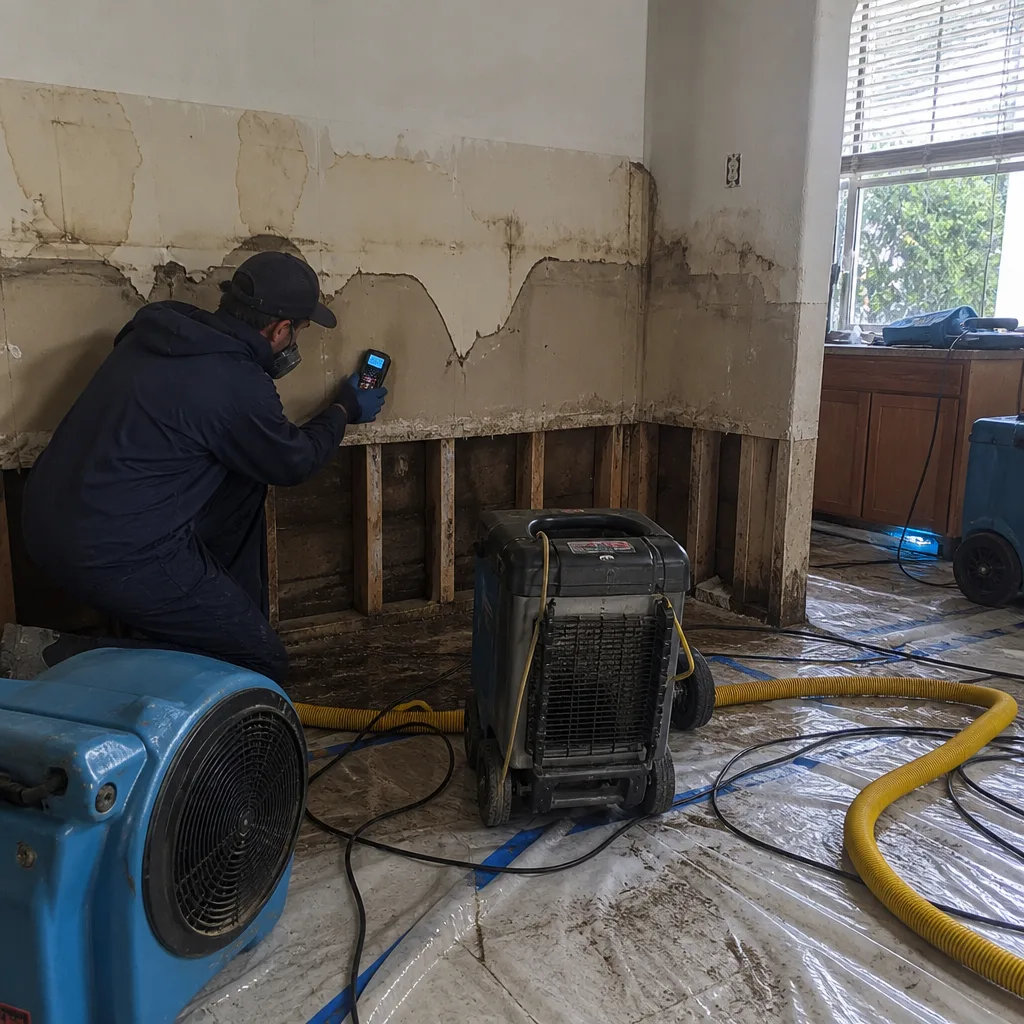
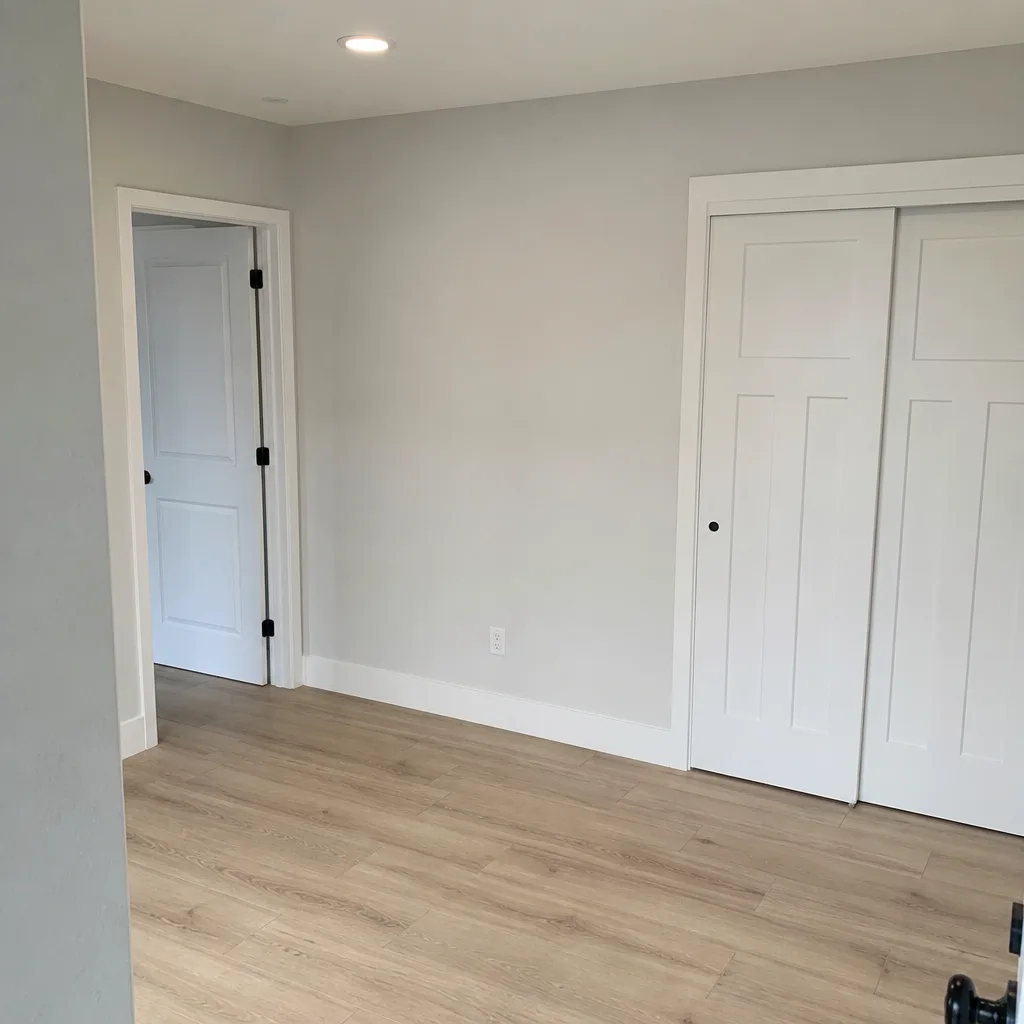
Free visual inspection and a written scope of work before any mitigation begins - photos, moisture readings, and drying logs go in your claim file
The scope we write is the scope we bill. Anything new gets shown to you, in writing, before we touch it.
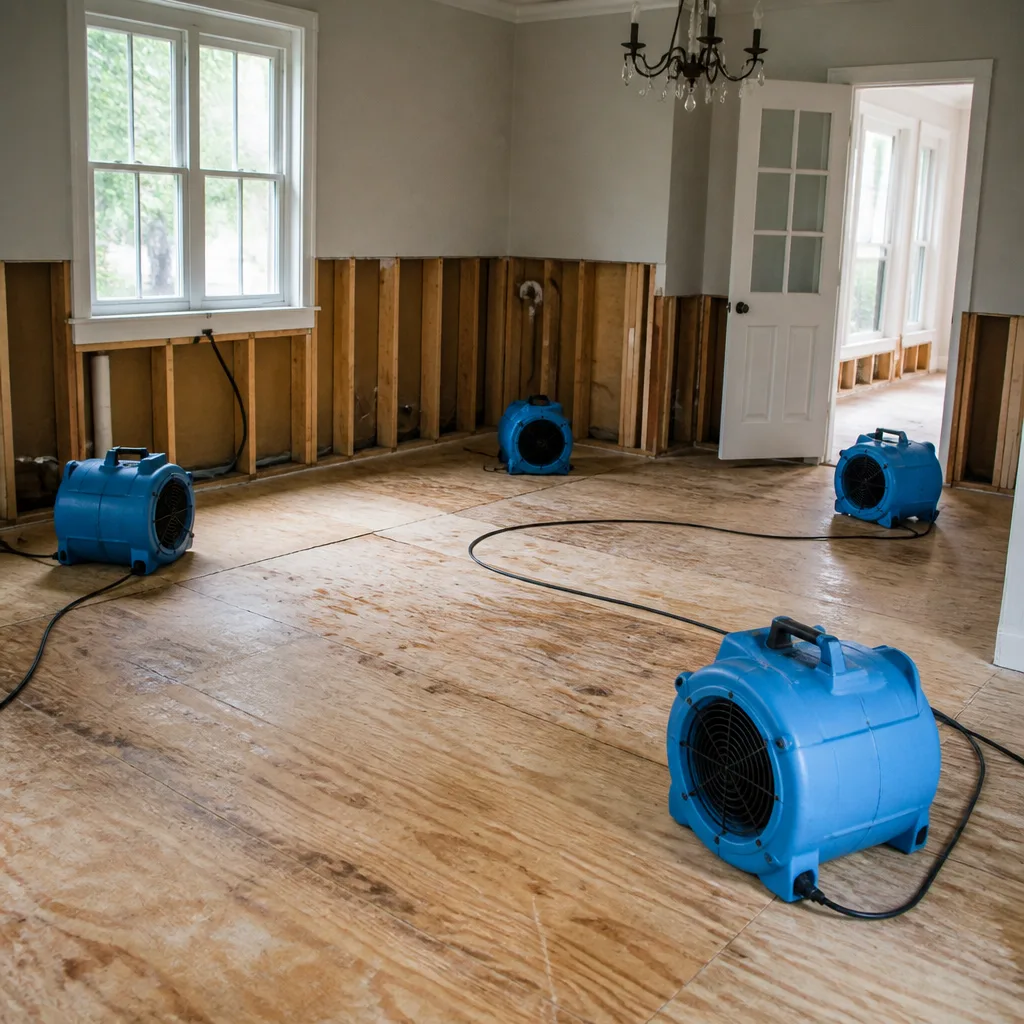
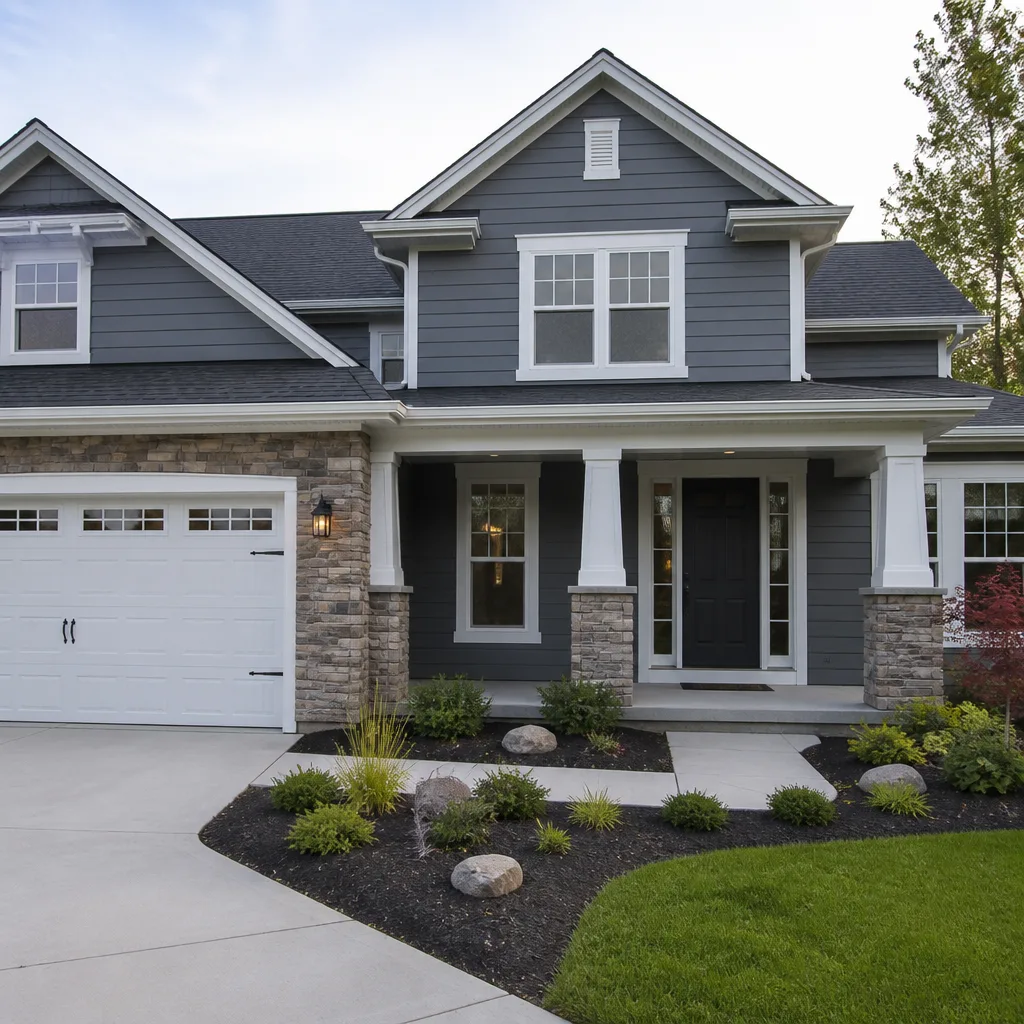
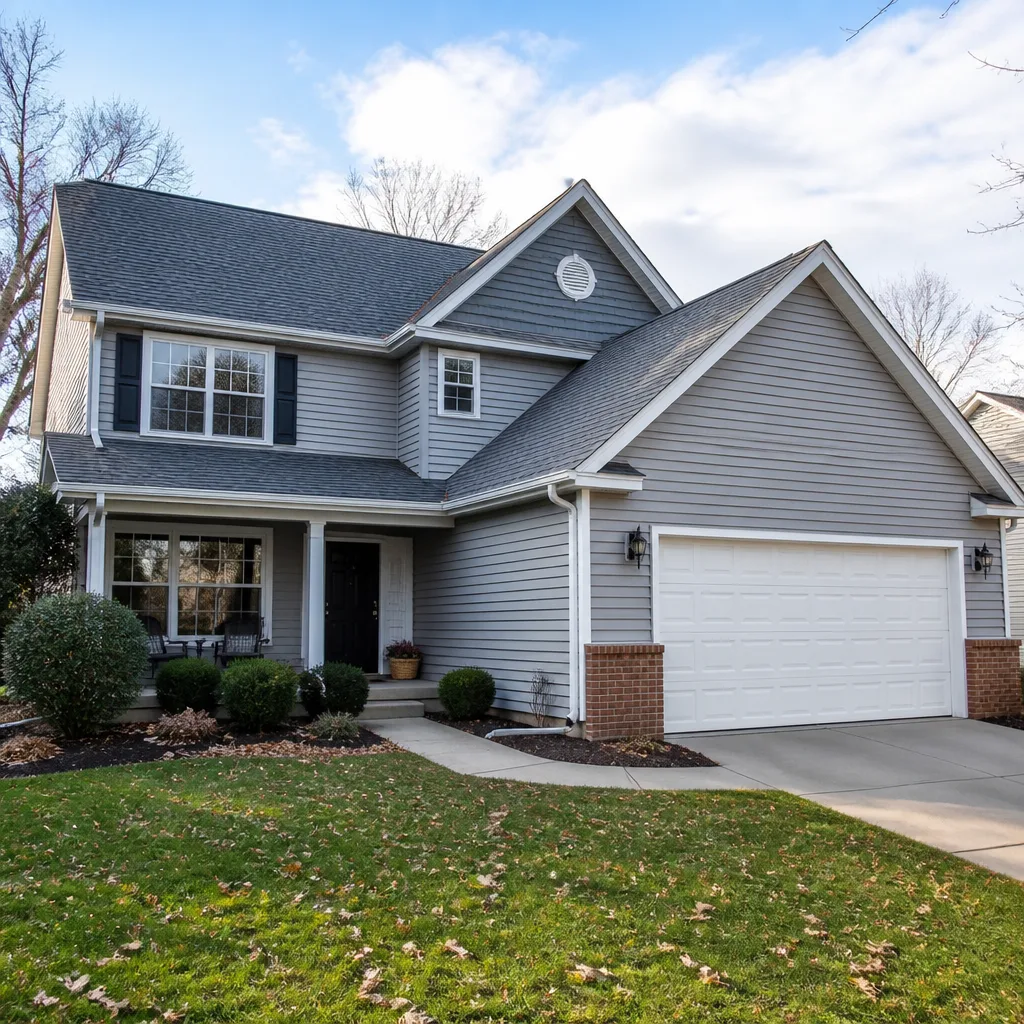
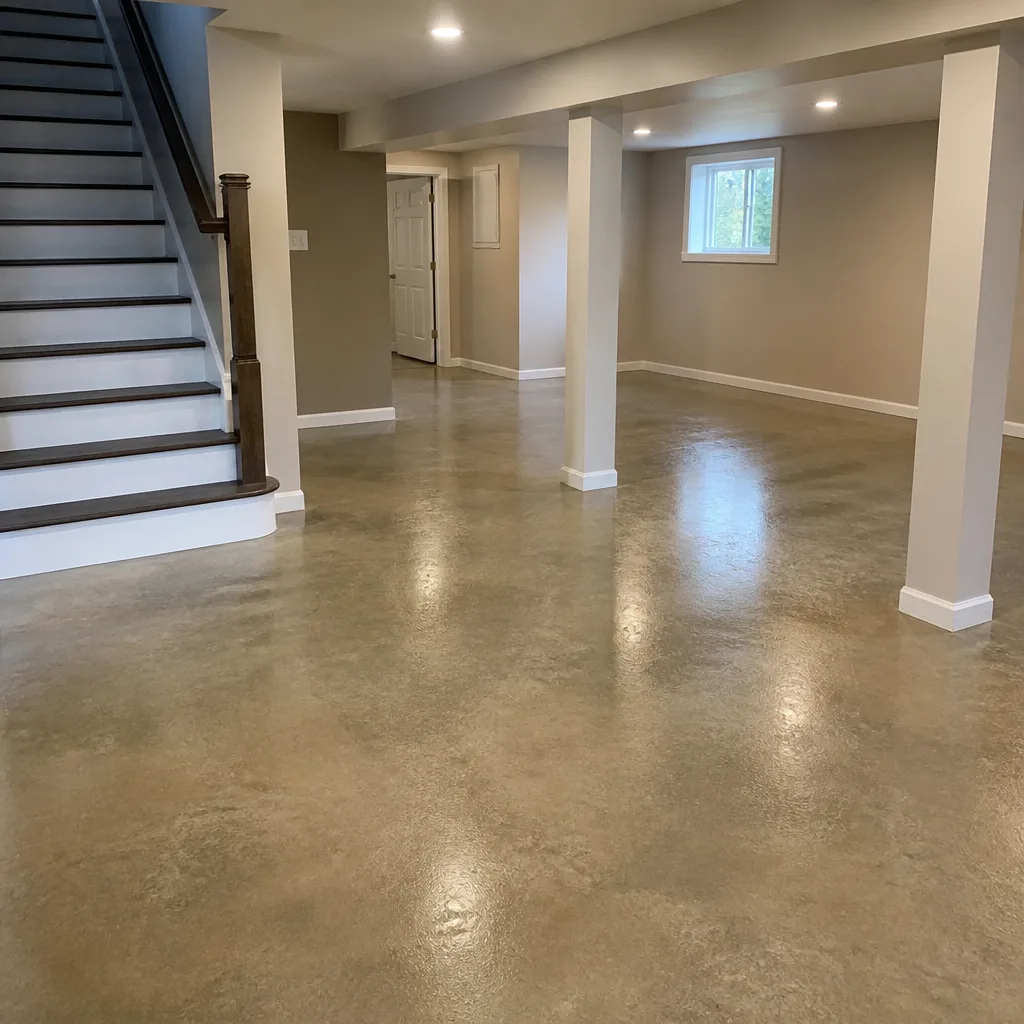
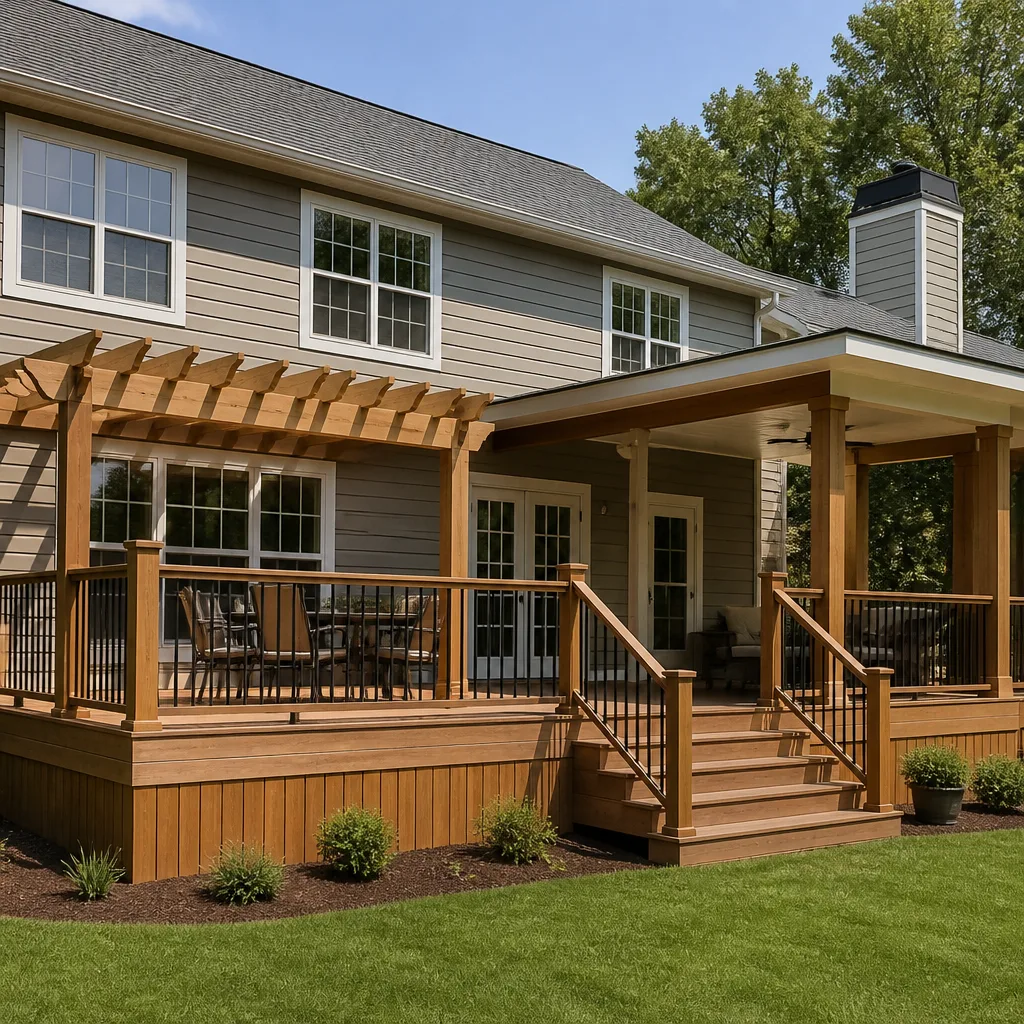
 Before
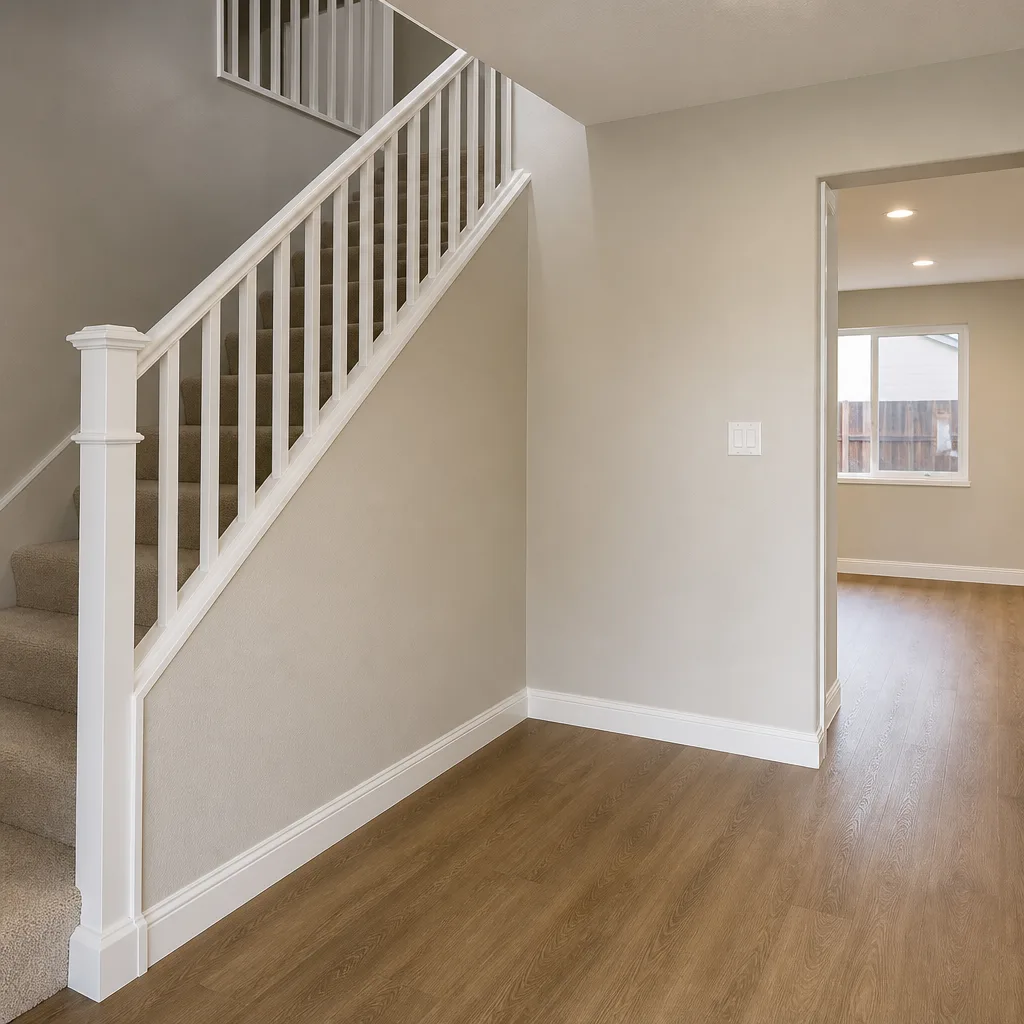 After
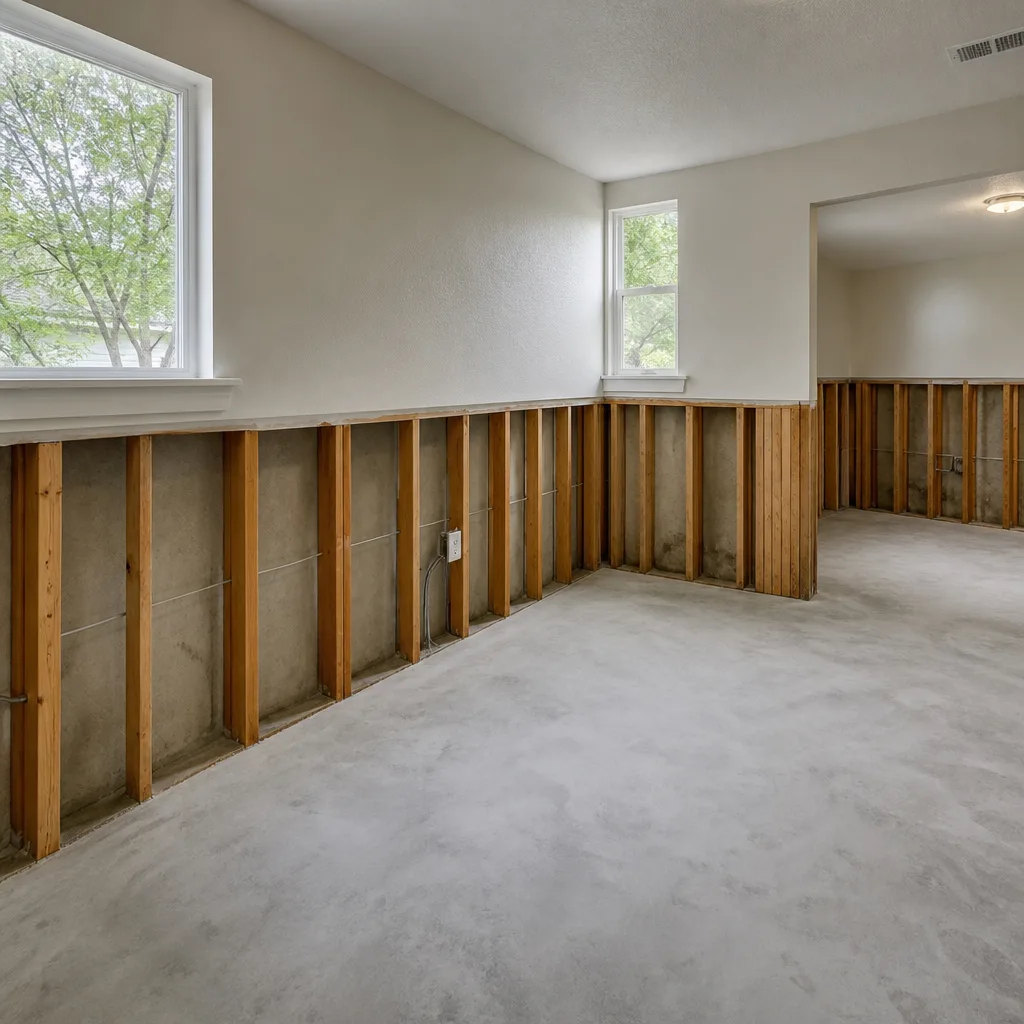
After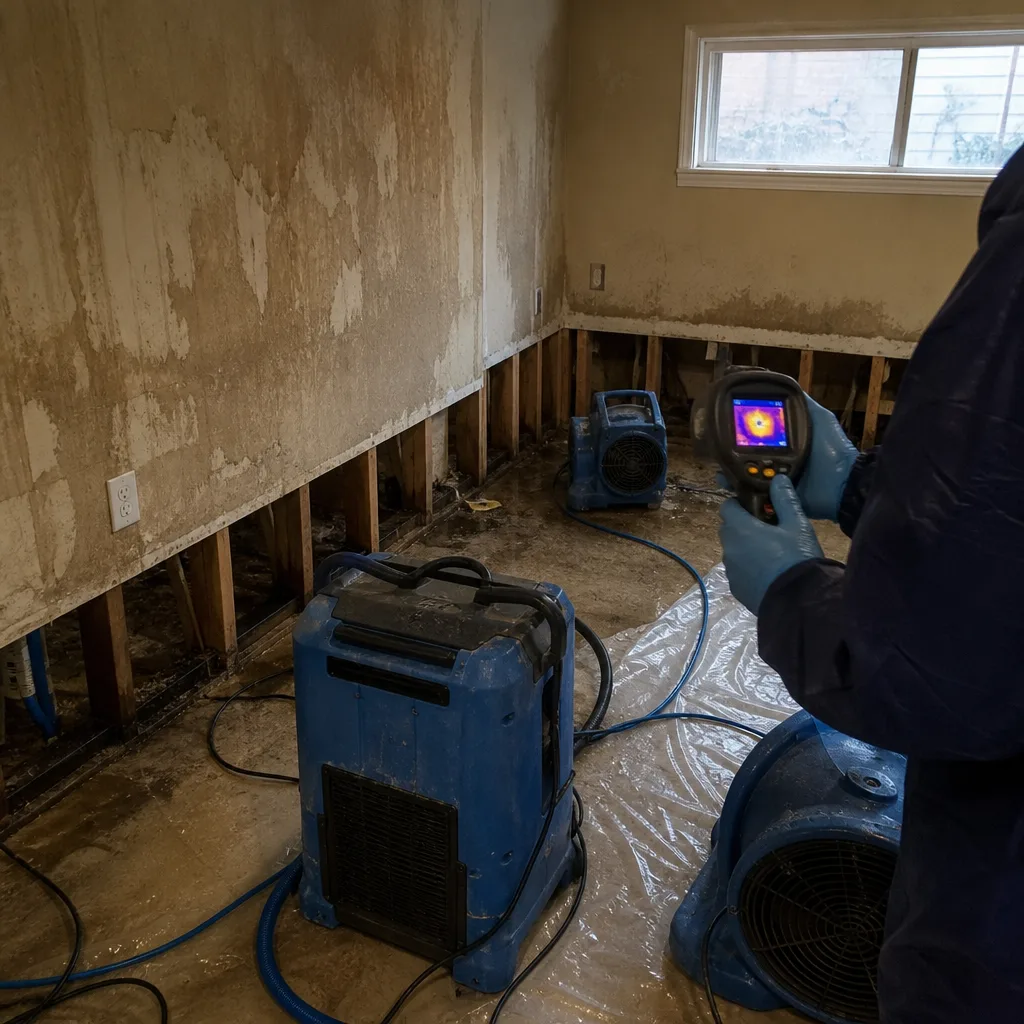 Before
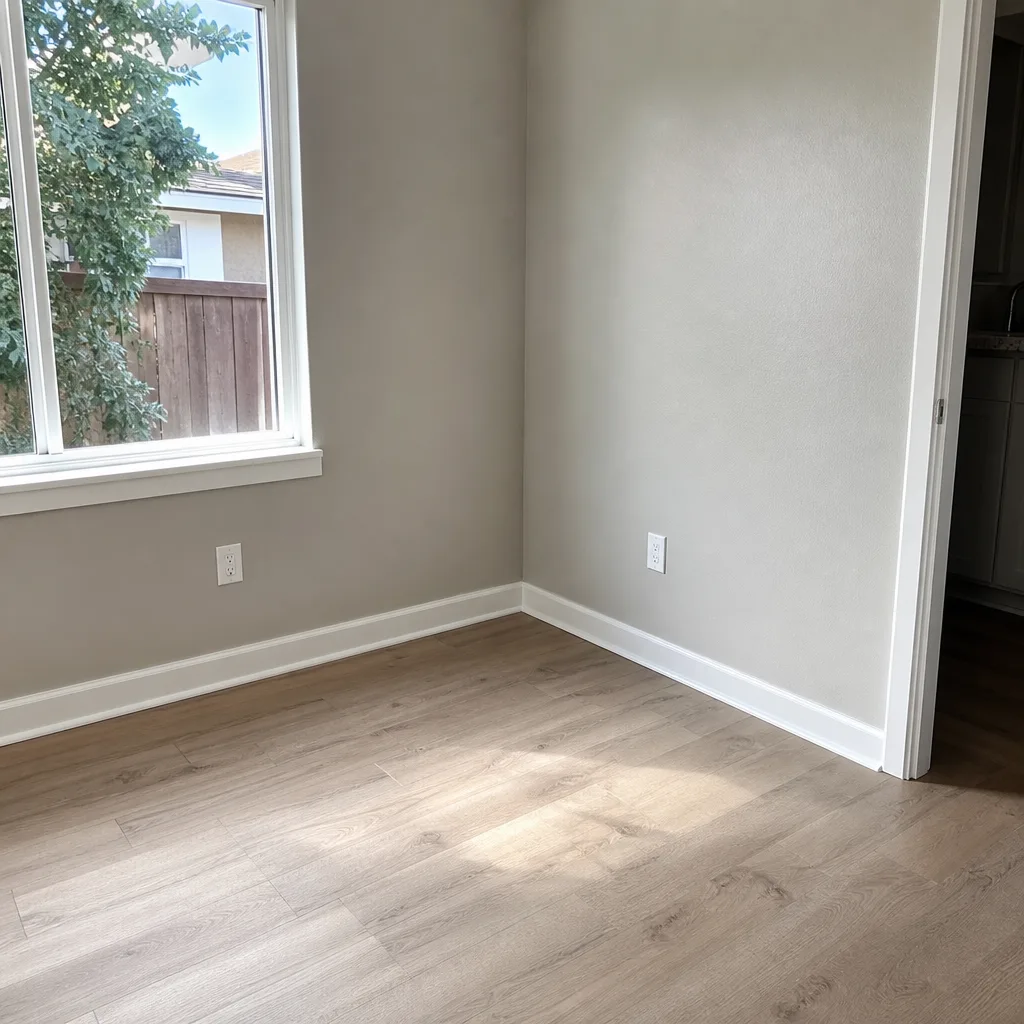 After
After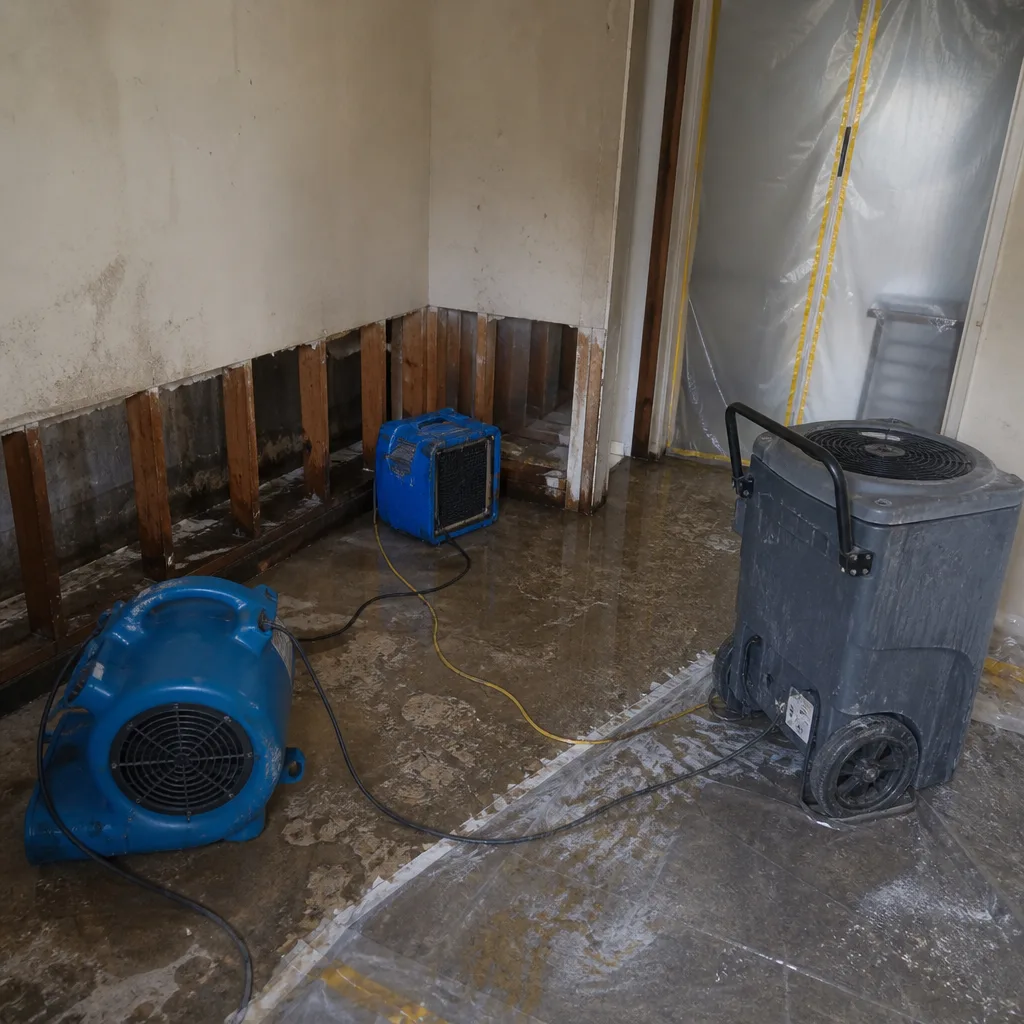 Before
 After
After24/7 Emergency Mold Remediation in National City
Mold remediation in National City typically costs $2,800-$7,500 depending on affected square footage and contamination level, with most contained residential jobs completed in 3-5 business days. Call (858) 428-2364 now - we answer live, 24 hours a day, 7 days a week, and crews dispatch to National City properties within 45 minutes of your call. The first 24-36 hours after water intrusion are critical in National City’s bay-front microclimate; marine humidity accelerates colonization faster than inland San Diego communities, and every hour of delay expands the containment perimeter and the final scope of work.
We provide a free visual inspection on every call, document moisture readings room by room, and deliver a written price before any work begins - Haven Standard, Clause 1. Our Mold Remediation in National City crews carry IICRC AMRT certification and deploy HEPA containment, negative air scrubbers, and psychrometric monitoring to stop mold spread and establish dry standards that hold up to insurer re-inspection.
Understanding Mold Remediation Severity in National City Properties
Mold contamination is classified by affected area and material penetration, not by color or species name. Level 1 covers under 10 square feet of surface growth on non-porous materials - tile, sealed concrete, or metal framing. Level 2 spans 10-30 square feet and may involve porous substrates like drywall or carpet. Level 3 exceeds 30 square feet, requires full containment with negative air pressure, and typically involves hidden cavity colonization behind walls or under flooring. Level 4, anything over 100 square feet or involving HVAC contamination, demands full PPE, dedicated decontamination chambers, and third-party clearance testing.
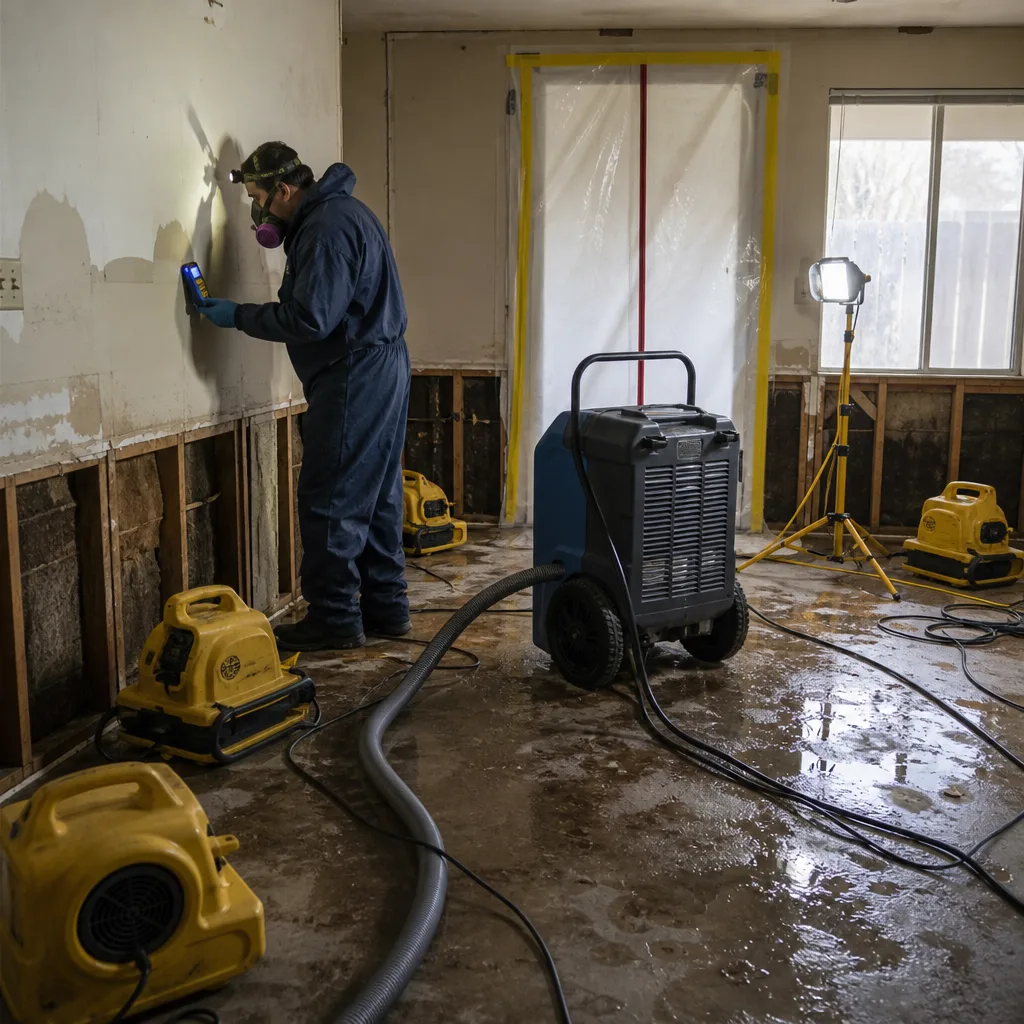
National City’s 1940s-1960s housing stock skews remediation toward Level 2 and 3 losses. Galvanized supply lines corrode from the inside, producing pinhole leaks that spray inside wall cavities for months before anyone notices. By the time a new tenant smells must near 8th Street or Highland Avenue, the cavity often shows tertiary mold growth - meaning the colony has penetrated deep enough into framing that surface cleaning won’t suffice. We map moisture with thermal imaging and pinless meters, then establish vapor pressure differential targets with dehumidifiers and air movers to pull bound water out of structural members rather than just drying surface air.
Why National City Property Owners Choose DryMark Restoration El Cajon
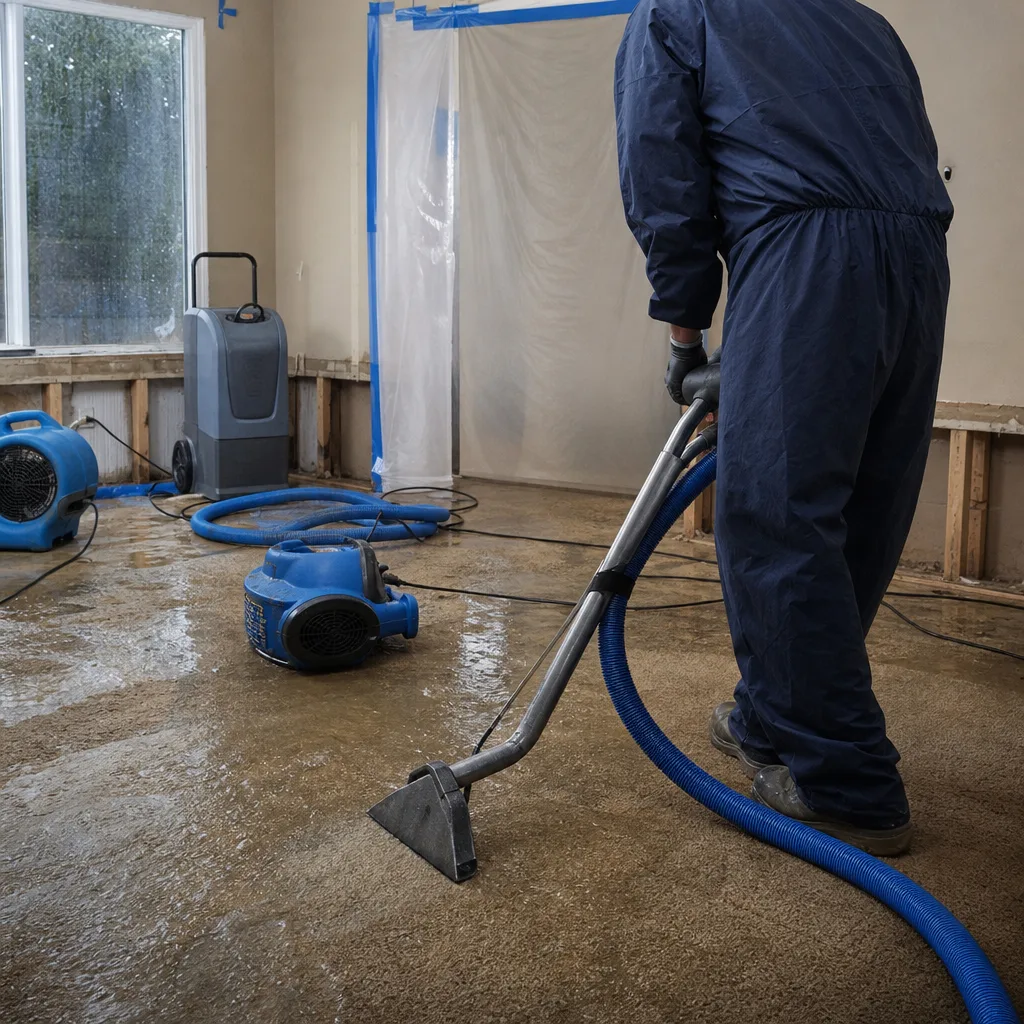
- 45-minute response commitment to National City properties - our San Diego office dispatches crews directly, no third-party routing.
- 24/7 live answer - a real person picks up every call, never an automated system or voicemail tree, because mold doesn’t wait for business hours.
- IICRC-certified crews - our technicians hold AMRT (Applied Microbial Remediation Technician), WRT (Water Damage Restoration Technician), and FSRT (Fire & Smoke Restoration Technician) certifications where relevant to your loss.
- Free visual inspection - we document what we see, explain moisture readings in plain terms, and leave you with a written scope whether you hire us or not.
- Direct insurance billing - we coordinate with your adjuster, submit line-item documentation, and handle carrier questions so you’re not chasing paperwork.
- One team from extraction to reconstruction - the same crew that sets containment and runs drying logs handles repairs, so nothing gets lost in handoffs.
 Before
 After
AfterOur Mold Remediation Process
1. Inspection & Assessment
We start with moisture mapping using FLIR thermal imaging and Protimeter pinless meters to locate hidden water sources behind walls and under flooring. In National City’s older multifamily stock, we specifically check for corroded galvanized lines in wall cavities and test for asbestos-containing materials before disturbing any surfaces.
2. Containment & Air Filtration
We establish polyethylene containment barriers and run negative air machines with HEPA filtration to prevent cross-contamination to unaffected areas. For Level 2 and above losses, we maintain air scrubber operation continuously until clearance testing confirms spore counts at or below outdoor baseline.
3. Drying & Dehumidification
Our crews deploy Dri-Eaz and Phoenix LGR dehumidifiers alongside XPOWER and B-Air air movers to establish vapor pressure differential - the force that pulls moisture from wood framing into the air so the dehumidifier can capture it. In National City’s salt-air environment, we adjust dry standards upward to account for overnight marine humidity re-wetting that inland protocols miss.
4. Cleaning & Sanitization
HEPA vacuuming precedes antimicrobial application on salvageable framing and subfloors. We document every treated surface with photos and moisture readings, producing the drying logs that turn restoration invoices into payable insurance claims under IICRC and RIA standards.
5. Air Quality Restoration & Crawl Space Treatment
Post-remediation, we run HEPA scrubbers for a minimum 24-hour clearance cycle and collect air samples for third-party lab analysis where required. For crawl space losses - common in National City’s low-lying bungalows near the Marine Terminal - we apply moisture barrier installation and permanent humidity control to prevent recurrence.
6. Repairs & Restoration
Our reconstruction team replaces removed drywall, flooring, and trim to pre-loss condition, documented with before-and-after photos. Every job closes with a signed 365-Day Done Right Promise under The Haven Standard - if it’s not done right, we make it right.
Need Emergency Mold Remediation in National City Now?
Crews minutes away, answering live 24 hours a day. The sooner we start, the less it costs.
Working With Your Insurance Company
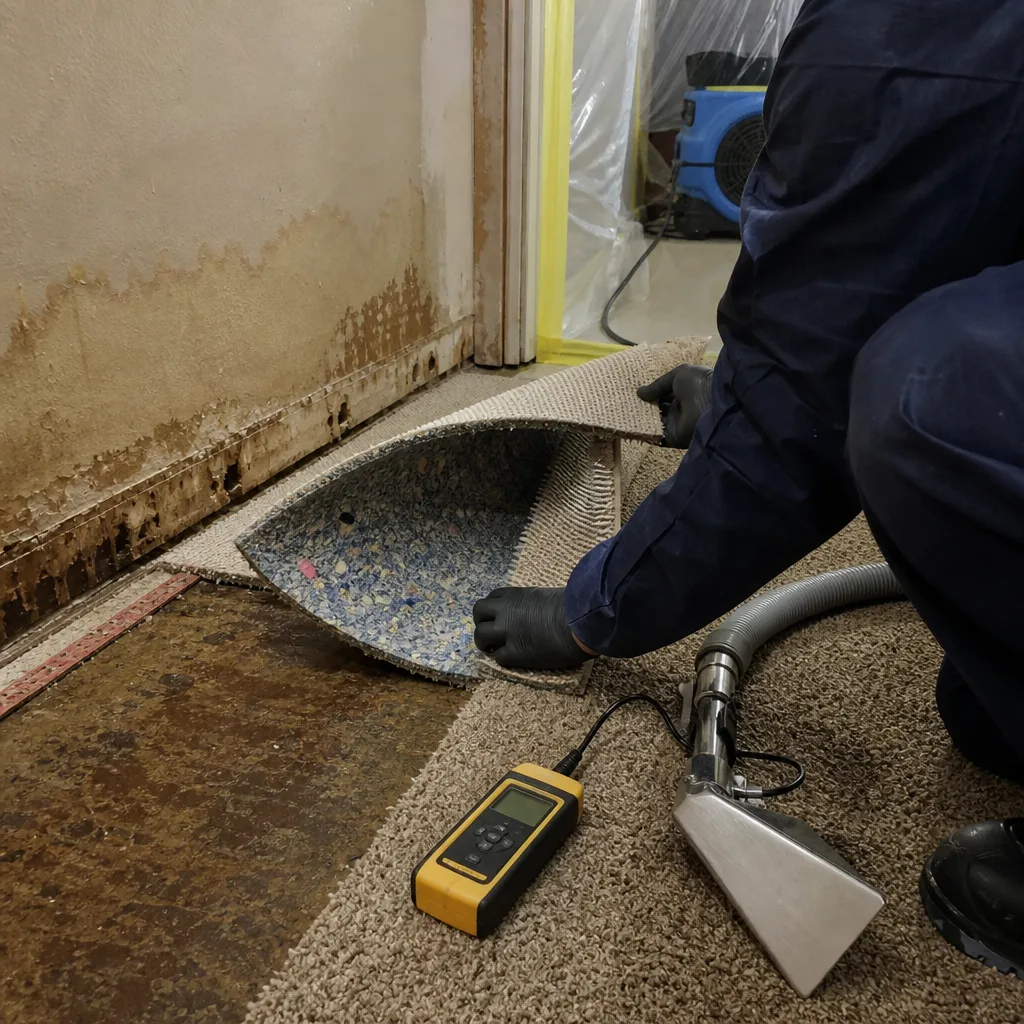
Documentation starts the moment we arrive. Alicia Brennan built Back to Dry Restoration in 2011 after seeing how many homeowner claims were denied for lack of contemporaneous records - photos taken days later, moisture readings guessed at, scopes written from memory. We don’t work that way. Our techs photograph every affected room before touching anything, record pin and pinless moisture readings on every visit, and maintain daily drying logs that track temperature, relative humidity, and specific humidity against our psychrometric targets.
Your insurer receives an industry-standard estimate with line-item pricing, not a lump-sum guess. We communicate directly with adjusters, respond to documentation requests within 24 hours, and coordinate payment so you’re not floating restoration costs while waiting for claim resolution. If you’ve already received a competitor’s estimate, our Free Second Opinion service reviews it at no charge - Haven Standard, Clause 7.
What We Provide Your Insurer
- Thorough documentation of the loss
- Photos of all damage, room by room
- Moisture readings and drying logs
- A detailed, line-item scope of work
- Direct coordination with your carrier
Built for National City’s Loss Calendar
January through March brings the heaviest marine layer and lowest evaporation rates, meaning any water intrusion sits longer before natural drying begins. April and May see the first Santa Ana wind events - hot, dry gusts that drop humidity abruptly and can trick superficial drying while bound moisture remains in wall cavities. June through August rarely brings rain but delivers peak rental turnover as Navy families rotate through on 2-3 year orders; we see a surge in discovery calls from property managers finding months of hidden damage at vacancy.
September and October bring the highest risk of tropical storm remnants and tidal surge near the National City Marine Terminal, where low-lying streets and ground-floor garages take Category 3 water that demands full material removal, not drying in place. November and December return to persistent marine humidity with shorter daylight hours - crews work under portable lighting to maintain containment integrity and complete drying cycles before salt-air overnight re-wetting resets progress.
Mold Remediation Across National City’s Neighborhoods
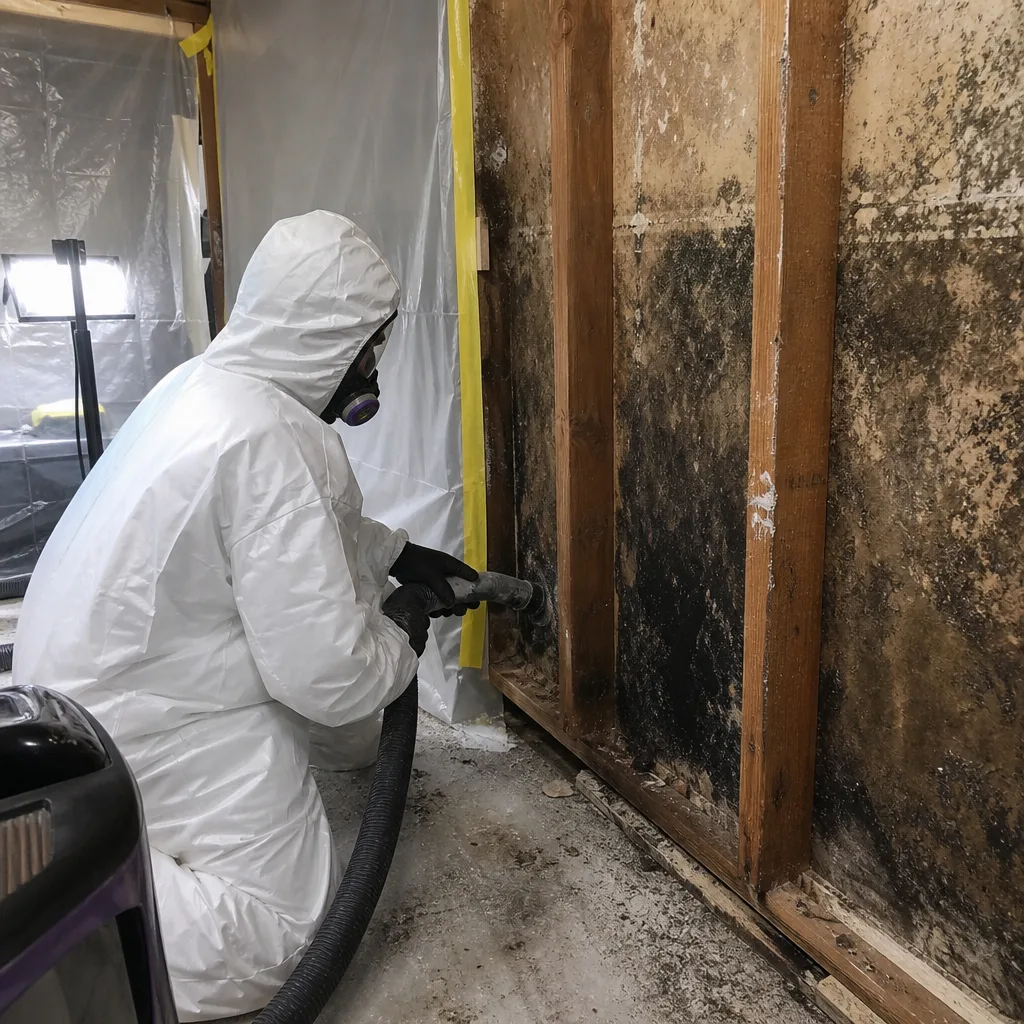
Properties near the National City Marine Terminal and along the bay-front blocks face the tightest colonization window - 24-36 hours from water event to visible mold - and the highest incidence of tidal surge flooding. Crews working these addresses carry flood-specific PPE and pre-stage generators for power outages during storm response. The low elevation means groundwater intrusion into crawl spaces is common; we treat these with permanent vapor barrier installation and dedicated dehumidification, not just spot drying.
The corridor along 8th Street and Highland Avenue runs through some of National City’s densest 1940s-1960s multifamily stock. Here, the Navy rental cycle dominates. A property manager on 8th Street called us after a new tenant smelled mold in a back unit and the lease-cycle churn meant the leak could have been running since the prior turnover. Our techs performed moisture mapping and found unrecorded hidden moisture behind the wall cavity; we set containment, then established our pre-loss condition with structural drying, air movers, and Injectidry before antimicrobial treatment on the framing. Because the unit retained original asbestos-containing floor tile, abatement had to be sequenced into the scope of work before we could close out the drying logs.
West of I-5, the residential pockets near Kimball Park and the old downtown core mix single-family bungalows with small apartment courts. These properties often have original plaster-and-lath walls that hold moisture differently than modern drywall - our drying protocols extend time in place and use lower airflow velocity to prevent plaster keys from failing. East of I-5 toward Plaza Bonita, 1960s ranch-style homes on slab foundations present different challenges: slab leaks wick moisture upward through flooring with no visible source, requiring infrared detection and strategic concrete cutting for access.
Specialized Mold Remediation Services We Offer in National City
Mold Inspection & Testing
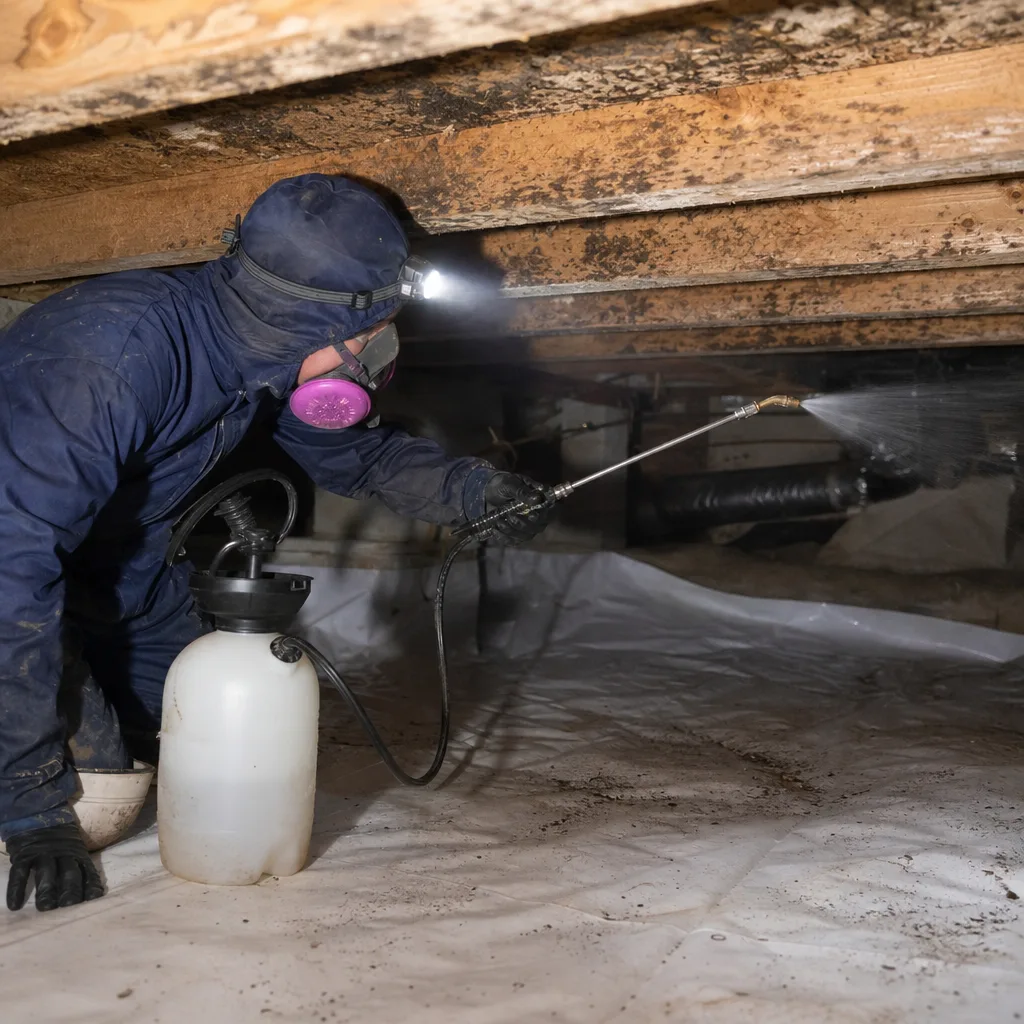
We don’t guess at contamination boundaries. Our inspections combine visual assessment, moisture mapping, and air sampling where health concerns or legal documentation require lab-confirmed species identification. In National City’s high-renter market, we frequently perform pre-lease and post-lease inspections for property managers who need baseline documentation before the next tenant moves in.
Mold Removal
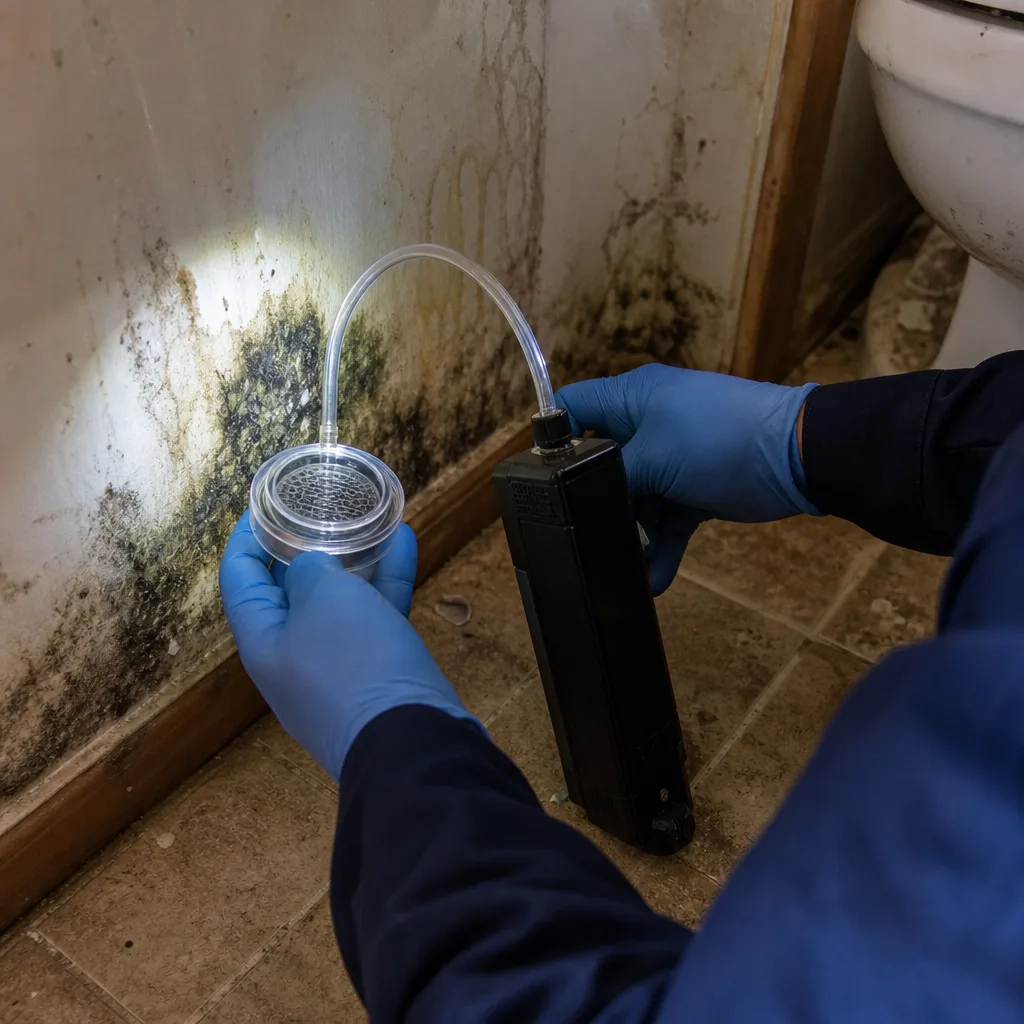
Removal means controlled demolition of non-salvageable materials - drywall, insulation, carpet pad, and degraded framing - within a contained, negatively pressurized work zone. In National City’s older stock, we test for asbestos before cutting into any suspect material; abatement sequencing adds time but prevents work stoppage and regulatory exposure.
Black Mold Remediation
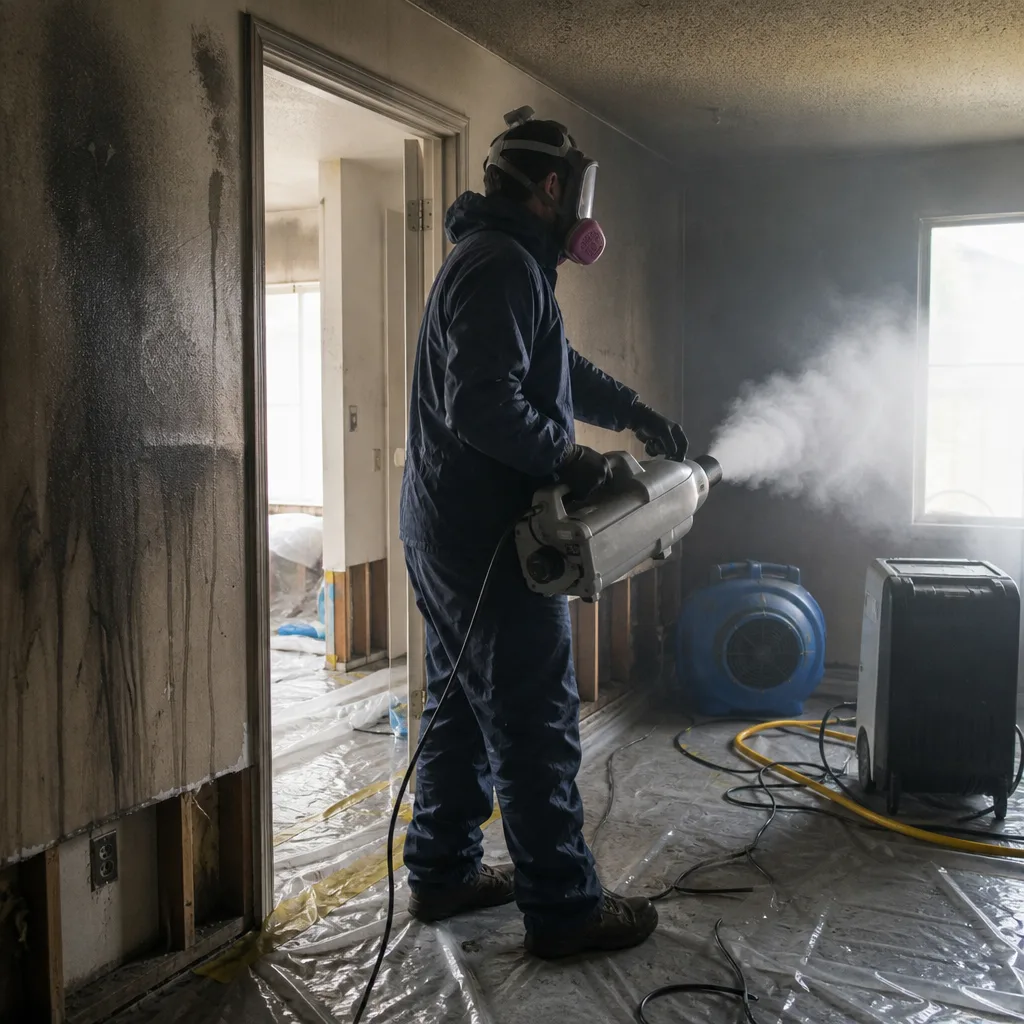
Stachybotrys chartarum and other toxigenic species require the same containment and air filtration protocols regardless of color. We don’t treat “black mold” as a separate service tier with inflated pricing; we treat it as a Level 2 or 3 contamination requiring documented clearance testing. What matters is the extent of colonization and the material affected, not the color of the growth.
Air Quality Restoration
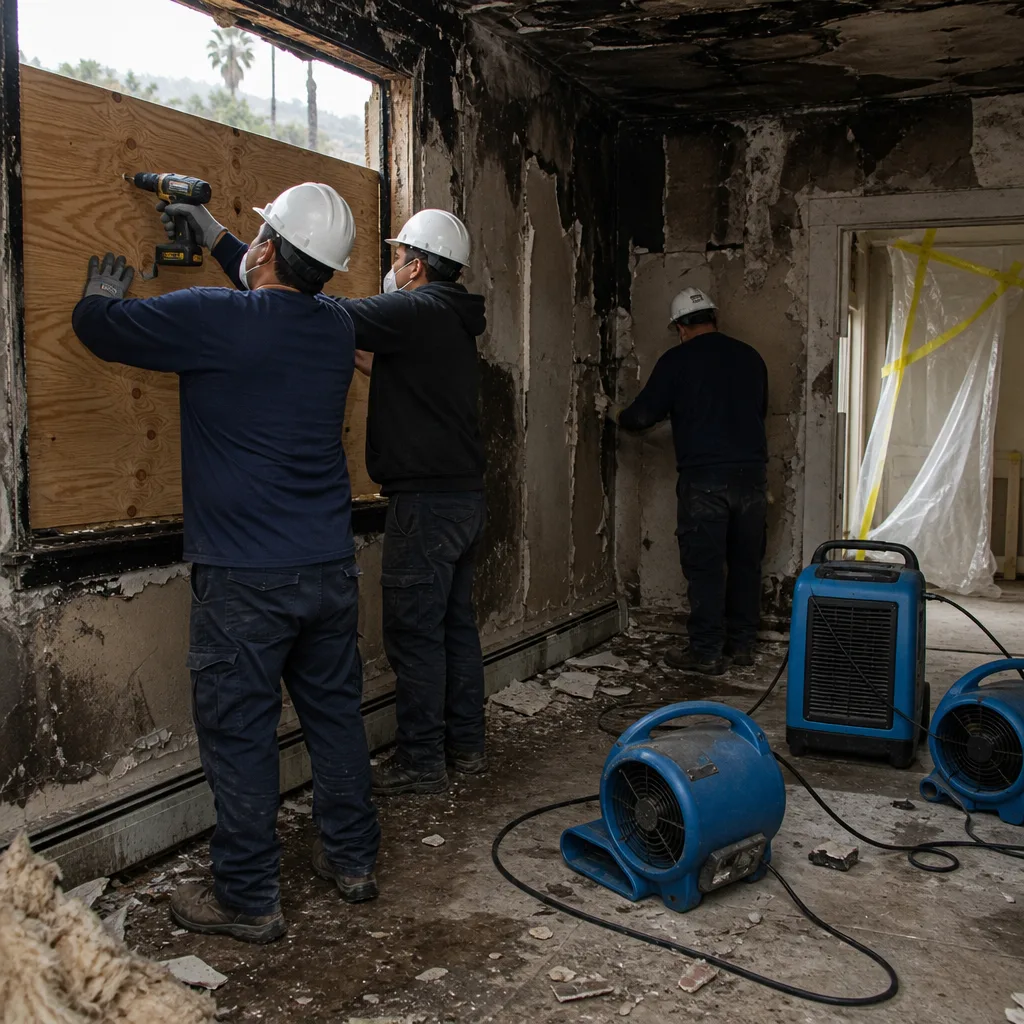
Post-remediation air scrubbing runs a minimum 24 hours before we collect clearance samples. In National City’s salt-air environment, we establish outdoor baseline counts upwind of the structure, not downwind toward the bay, to avoid false positives from marine spore loads. Our Mold Remediation team uses Phoenix and XPOWER HEPA units rated at 99.97% efficiency at 0.3 microns.
Crawl Space Treatment
National City’s near-sea-level elevation and high water table mean crawl spaces stay damp year-round without mechanical intervention. We install permanent vapor barriers, seal foundation vents where appropriate, and place dedicated dehumidifiers with remote monitoring to maintain relative humidity below 60% - the threshold that prevents mold recurrence.
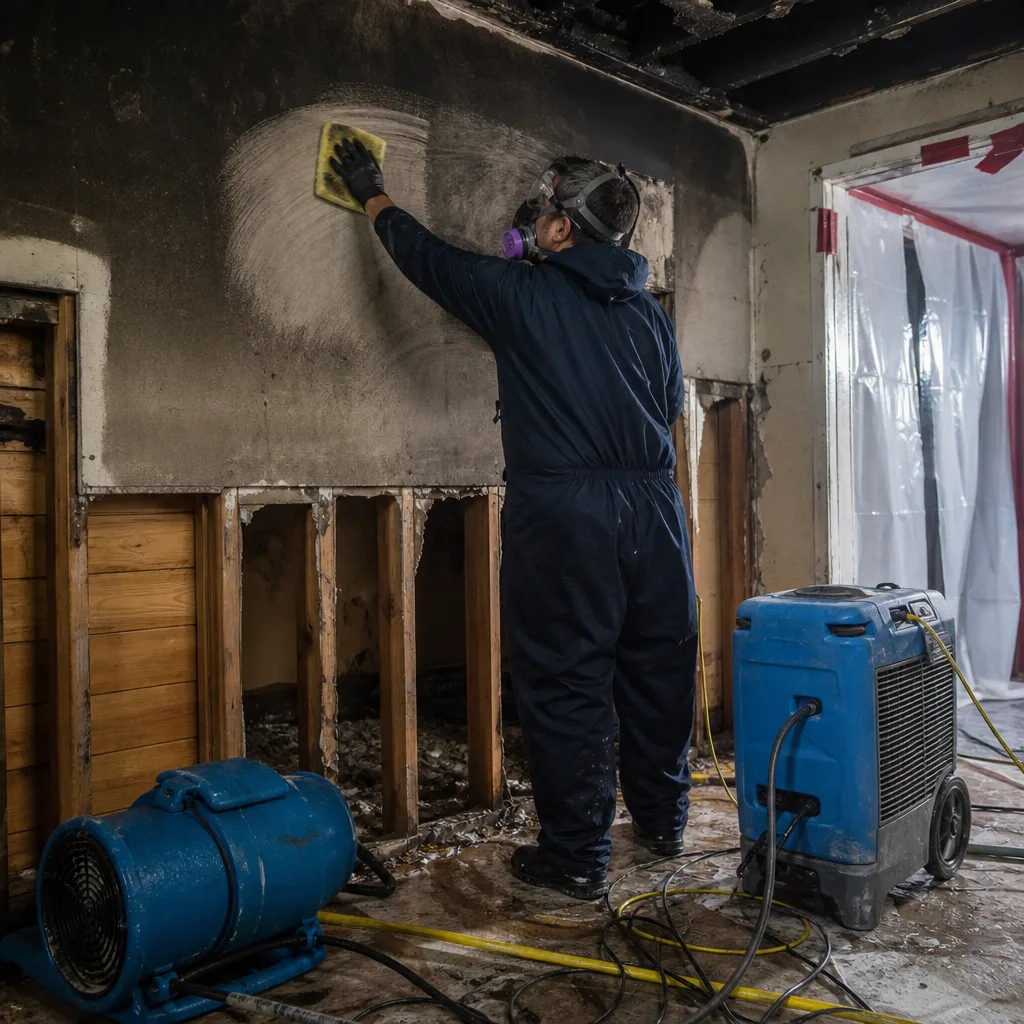
Moisture & Humidity Control
Remediation fails if the moisture source persists. We identify and document the source - failed flashing, corroded supply lines, groundwater intrusion, or condensate drainage - and specify permanent correction in every scope. For multifamily properties near 8th Street with chronic deferred maintenance, we often recommend annual moisture monitoring as a preventive measure.
What happens when you call
- 1
A real person answersNo phone trees - you reach a local pro.
- 2
You get an upfront price rangeHonest numbers before anyone is dispatched.
- 3
A background-checked tech heads outLicensed & insured, dispatched right away.
- 4
You approve before work beginsNothing starts until you say go.
Mold Remediation Costs in National City, CA
A typical Level 1 mold remediation in National City runs $2,800-$4,200 for contained surface treatment under 10 square feet. Level 2 losses involving cavity access and limited material removal range $4,500-$6,800. Level 3 and 4 jobs with full containment, negative air, and extensive reconstruction commonly reach $7,500-$14,000, with asbestos abatement adding $1,200-$3,500 depending on material type and square footage.
What moves the price: affected square footage, material classification (Category 1 vs. Category 3 water origin), asbestos testing and abatement requirements, and whether the loss is insurance-covered or out-of-pocket. Most National City mold losses from sudden water events - burst pipes, appliance failures, storm intrusion - carry coverage under standard HO-3 policies. Slow leaks over months may face limited or denied coverage depending on policy language and documentation quality. We provide the documentation that supports your claim; we don’t promise coverage your policy doesn’t provide.
Every job starts with a free visual inspection and a written price before work begins - Haven Standard, Clause 1. Call (858) 428-2364 for an exact quote on your specific loss.
We Also Serve Cities Near National City
Our crews respond throughout the South Bay corridor: Chula Vista to the south, Bonita to the east with its larger-lot hillside homes, Coronado across the bridge with its own salt-air challenges, and central San Diego neighborhoods from the Gaslamp to Mission Valley. Dispatch and scheduling are coordinated from our San Diego office; crews serve National City locally without third-party routing.
Serving National City, CA - Our Local Coverage Area
We’re based in the National City area and know this community well. Use the map below to see our service coverage - if you’re nearby, we can almost certainly help.
National City Mold Remediation Questions, Answered
How fast does mold start growing after a leak in a National City bay-front unit?
In National City’s marine-humidity environment, mold colonization on wet drywall and framing typically begins within 24-36 hours - a tighter window than inland San Diego communities where lower overnight humidity extends the safe period to 48-72 hours. Salt-air moisture re-wets surfaces overnight even after daytime drying, so our crews establish dry standards 10-15% lower than inland protocols to account for this effect. Call (858) 428-2364 for a free moisture assessment.
Why does National City’s rental stock get mold discovered at tenant turnover instead of when the leak starts?
National City’s exceptionally high renter-to-owner ratio, combined with Navy personnel rotating on 2-3 year orders, means tenants rarely report slow leaks they can’t see or smell - and landlords often don’t inspect between lease cycles. By the time a new tenant moves in near 8th Street or Highland Avenue and notices must odors, the leak may have run for months inside the wall cavity. Our moisture mapping finds these hidden sources before we quote any scope of work. Call (858) 428-2364 for a free inspection.
Does tidal or storm-surge flooding in National City change how mold remediation is scoped?
Yes. Tidal and storm-surge water near the National City Marine Terminal carries Category 3 classification - grossly contaminated with pathogens, chemicals, and debris - which mandates removal of porous materials rather than drying in place. Drywall, insulation, carpet, and carpet pad must come out. Framing requires HEPA vacuuming, antimicrobial treatment, and extended drying before reconstruction. Treating Category 3 water as Category 1 or 2 is a common error that produces failed re-inspections and recurring mold. Call (858) 428-2364 for proper categorization and scope.
What has to happen before mold remediation in a 1940s-1960s National City bungalow can start?
Asbestos testing. National City’s post-WWII housing stock commonly contains asbestos in floor tile, pipe insulation, and popcorn ceilings - materials that must be identified and abated before disturbance creates airborne fiber release. We coordinate certified asbestos testing as the first step in every scope involving pre-1978 construction; abatement sequencing is built into our timeline and pricing, not added as a surprise change order. Haven Standard, Clause 1: the written price includes all required pre-work. Call (858) 428-2364 for a scope that accounts for your building’s age.
How do we know when a National City remediation is actually dry?
We don’t rely on surface feel or visual inspection. Our drying logs track specific humidity, relative humidity, and temperature readings against IICRC S500 psychrometric targets, with moisture content in wood framing verified by pin meter below 16%. In National City’s salt-air environment, we extend the drying cycle and confirm overnight readings hold steady - not just daytime lows - before releasing containment. Third-party clearance testing with air sample analysis provides independent verification on all Level 3 and 4 jobs. Call (858) 428-2364 to review our documentation standards.
How fast can your crew get to my National City property?
We dispatch within 45 minutes of your call, 24 hours a day, 7 days a week. Our San Diego office routes crews directly to National City addresses without third-party dispatch delays. Live answer on every call - no voicemail, no callback queues. Call (858) 428-2364 now.
Will my insurance cover mold remediation in National City?
Sudden water events - burst pipes, appliance failures, storm intrusion - typically carry mold remediation coverage under standard HO-3 policies, subject to your deductible and any sub-limits. Slow leaks over months may be limited or excluded depending on policy language and whether the damage was “hidden and unknown” versus visibly neglected. Our documentation package - photos, moisture readings, drying logs, and written scope - is designed to support coverage arguments with contemporaneous evidence. We don’t promise coverage; we provide the documentation that gives your claim its best chance. Call (858) 428-2364 to discuss your specific policy.
Can my family stay in the home during mold remediation?
For Level 1 losses under 10 square feet with no HVAC involvement, limited occupancy of unaffected areas may be possible with containment in place. Level 2 and above typically requires temporary relocation during active remediation, especially for sensitive individuals - children, elderly, immunocompromised, or those with respiratory conditions. We specify occupancy recommendations in every written scope before work begins, not after the crew is inside. Haven Standard, Clause 1: every decision is documented and agreed in writing. Call (858) 428-2364 to discuss your situation.
Written by Alicia Brennan, Owner at Back to Dry Restoration, serving National City since 2011.
Mold Remediation in Nearby Areas