

Free visual inspection and a written scope of work before any mitigation begins - photos, moisture readings, and drying logs go in your claim file
The scope we write is the scope we bill. Anything new gets shown to you, in writing, before we touch it.
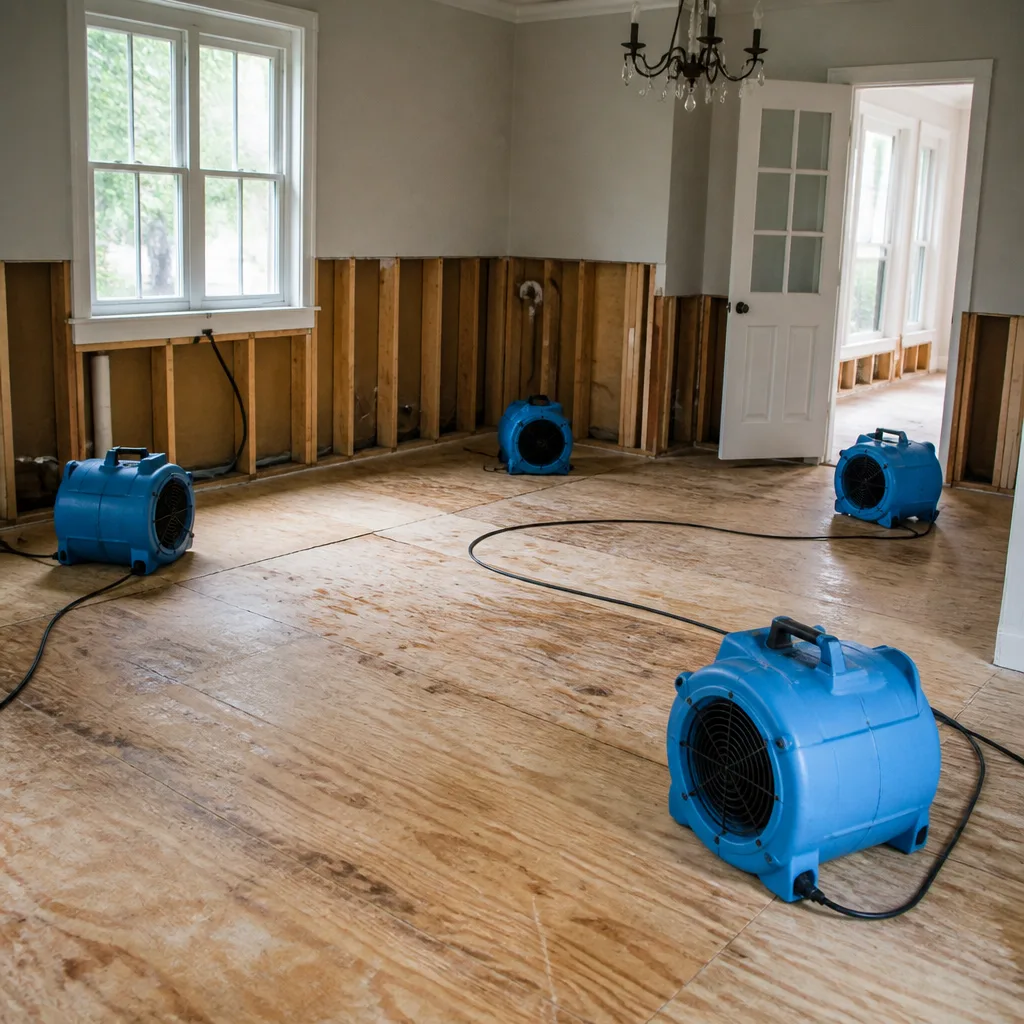
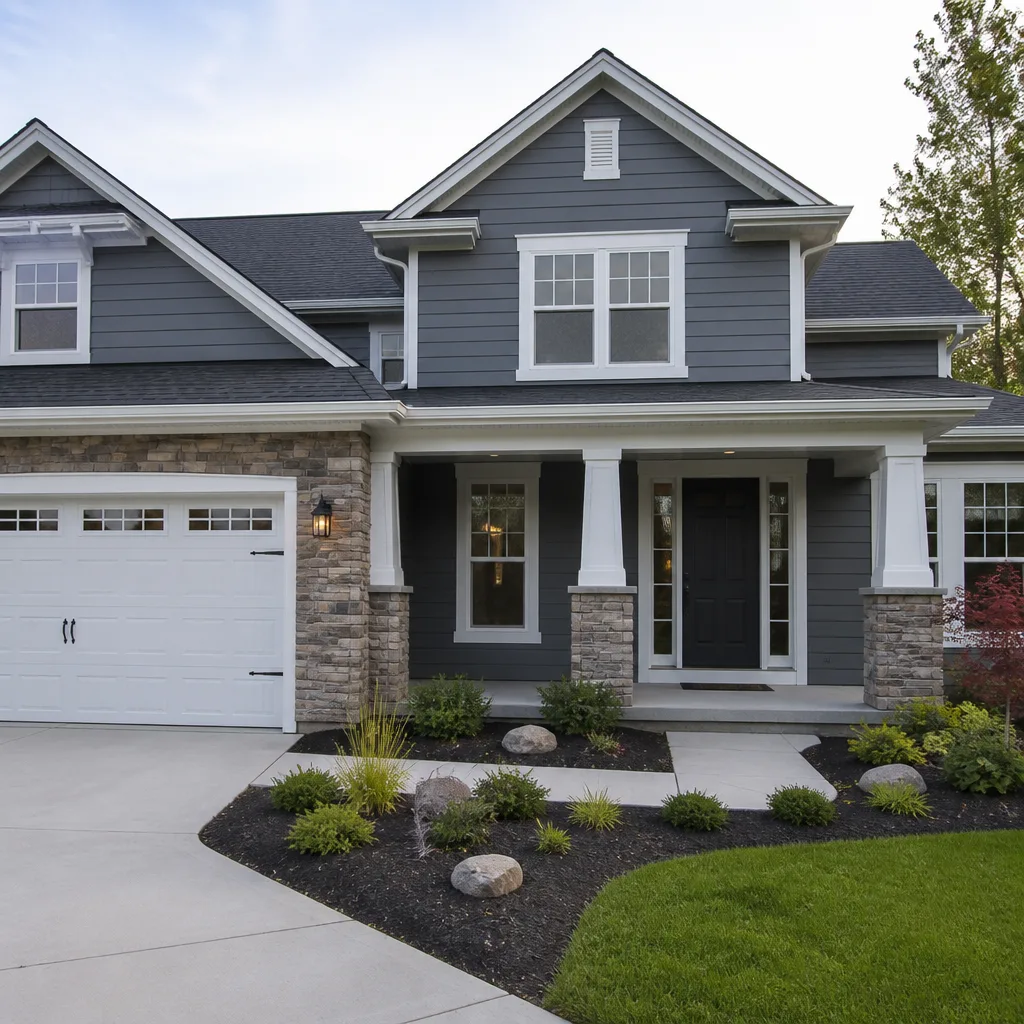
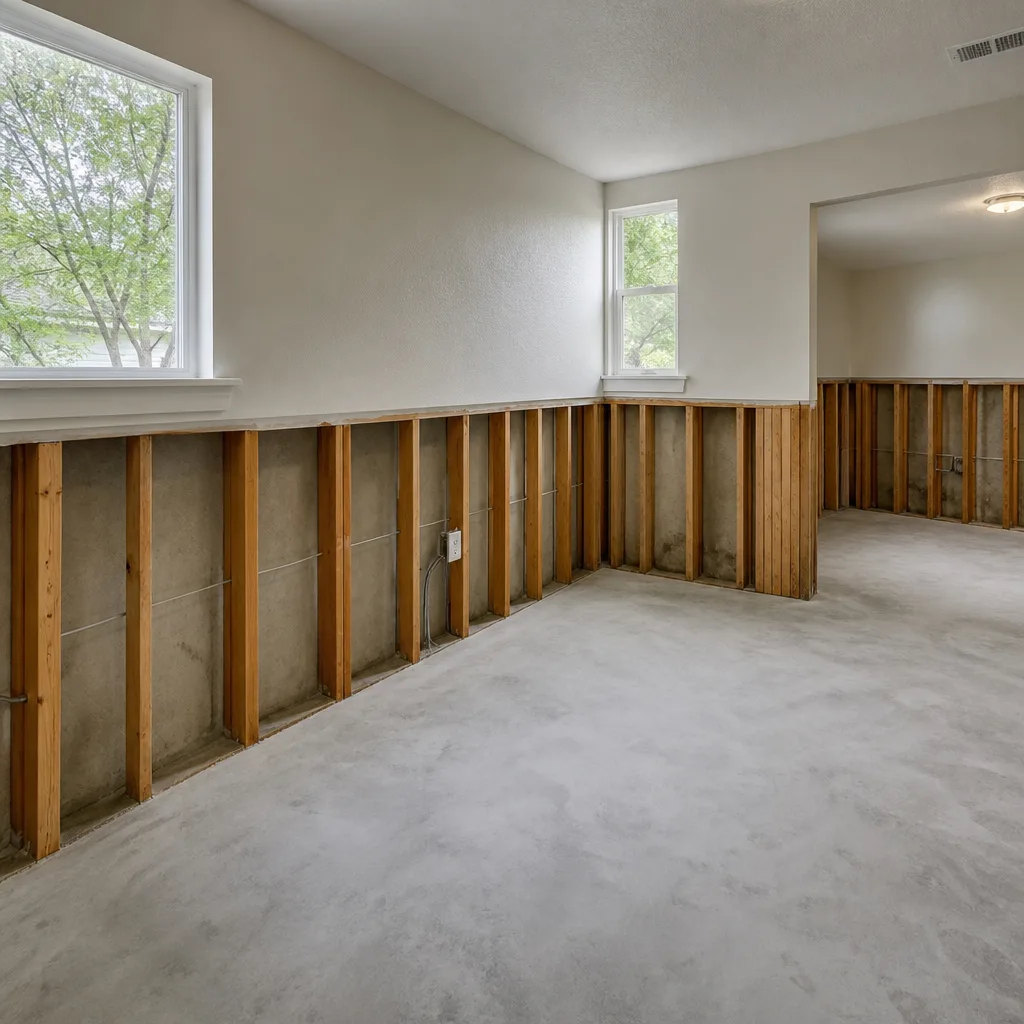
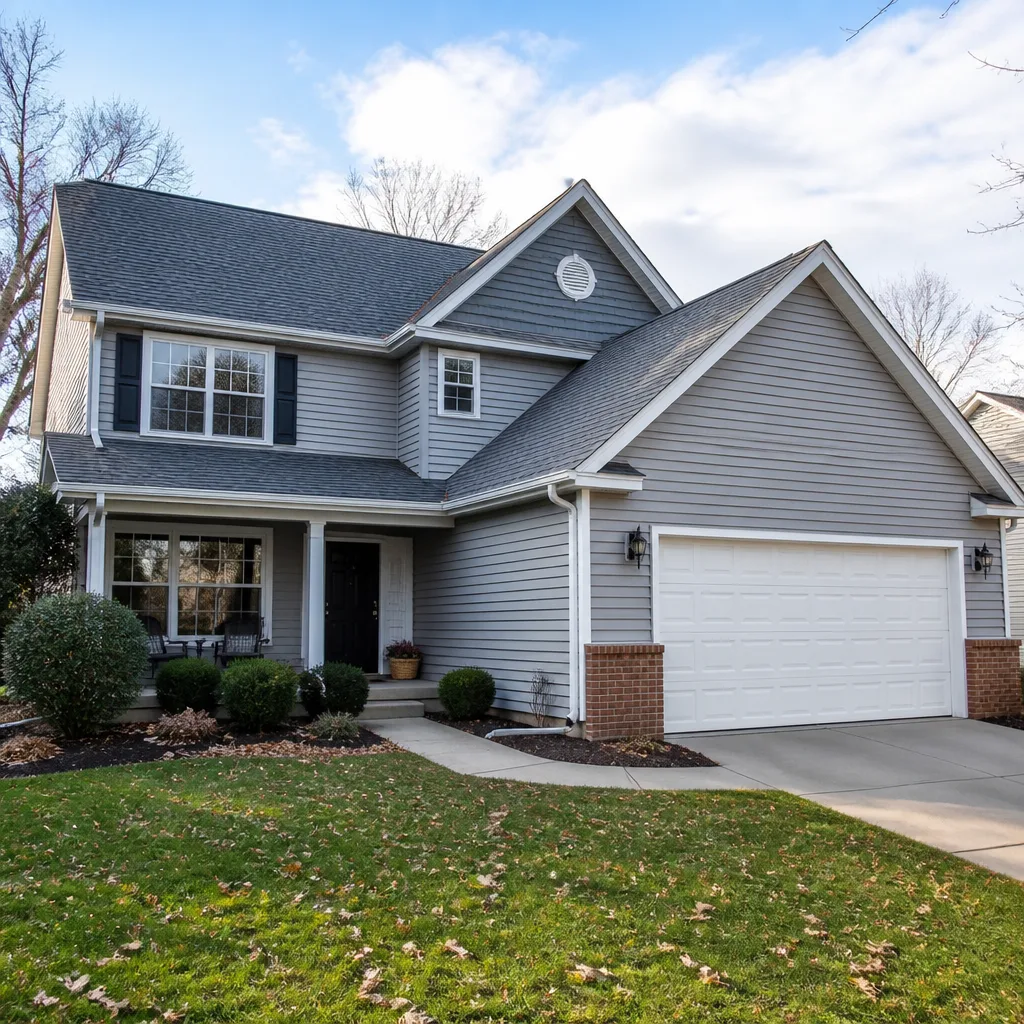
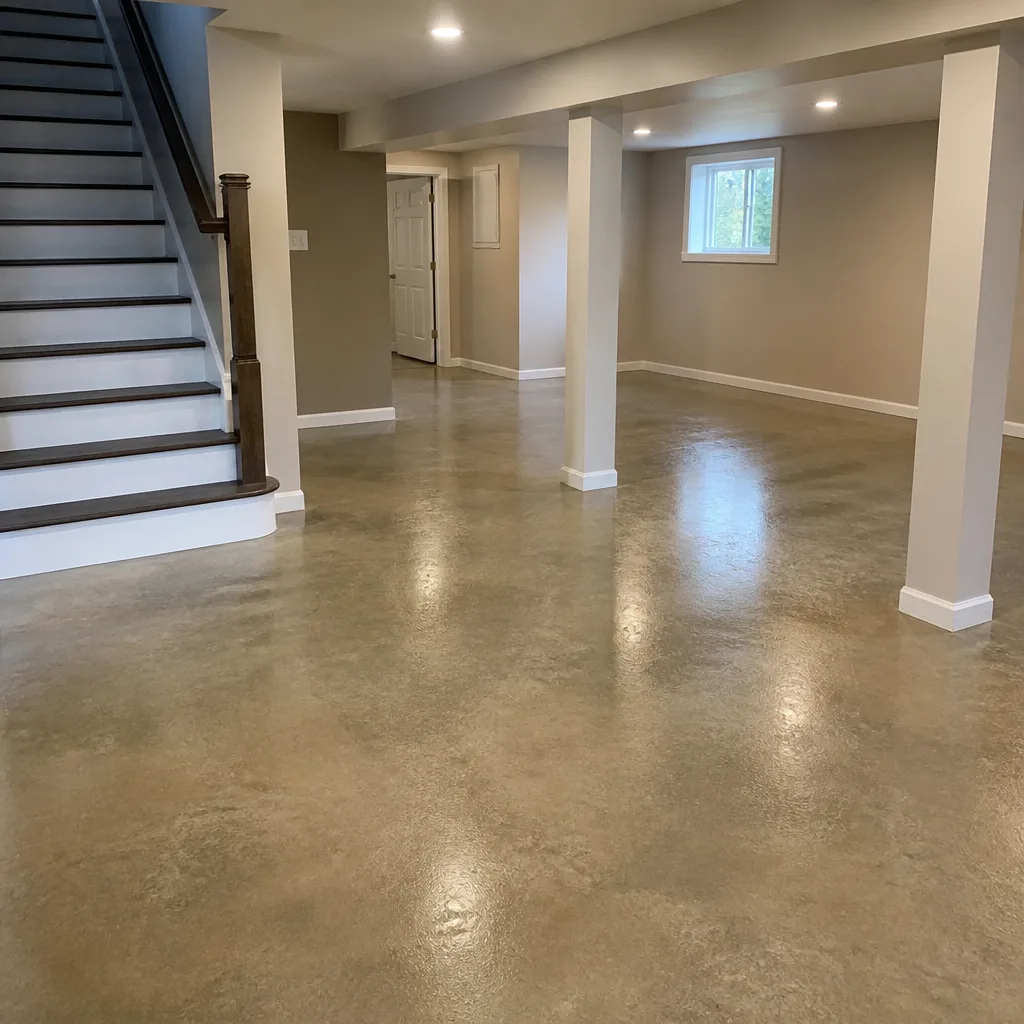

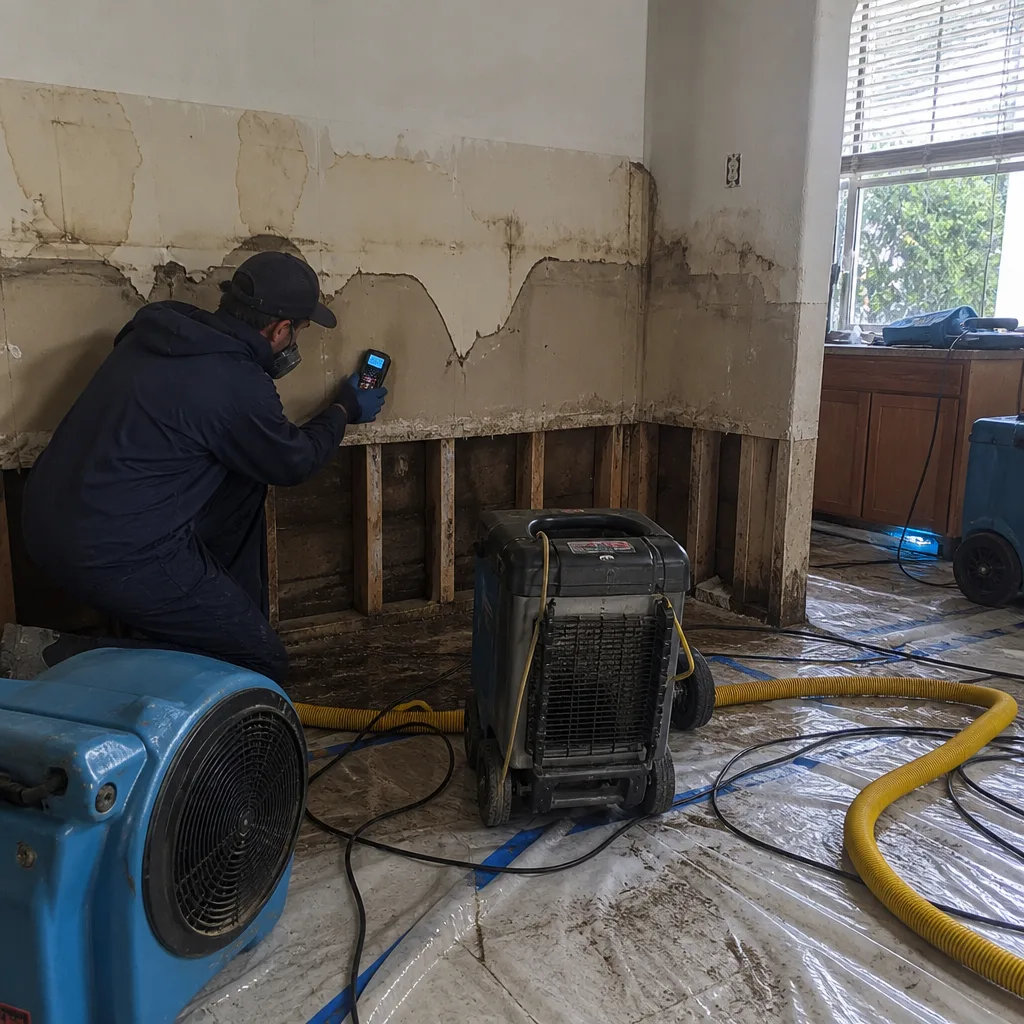 Before
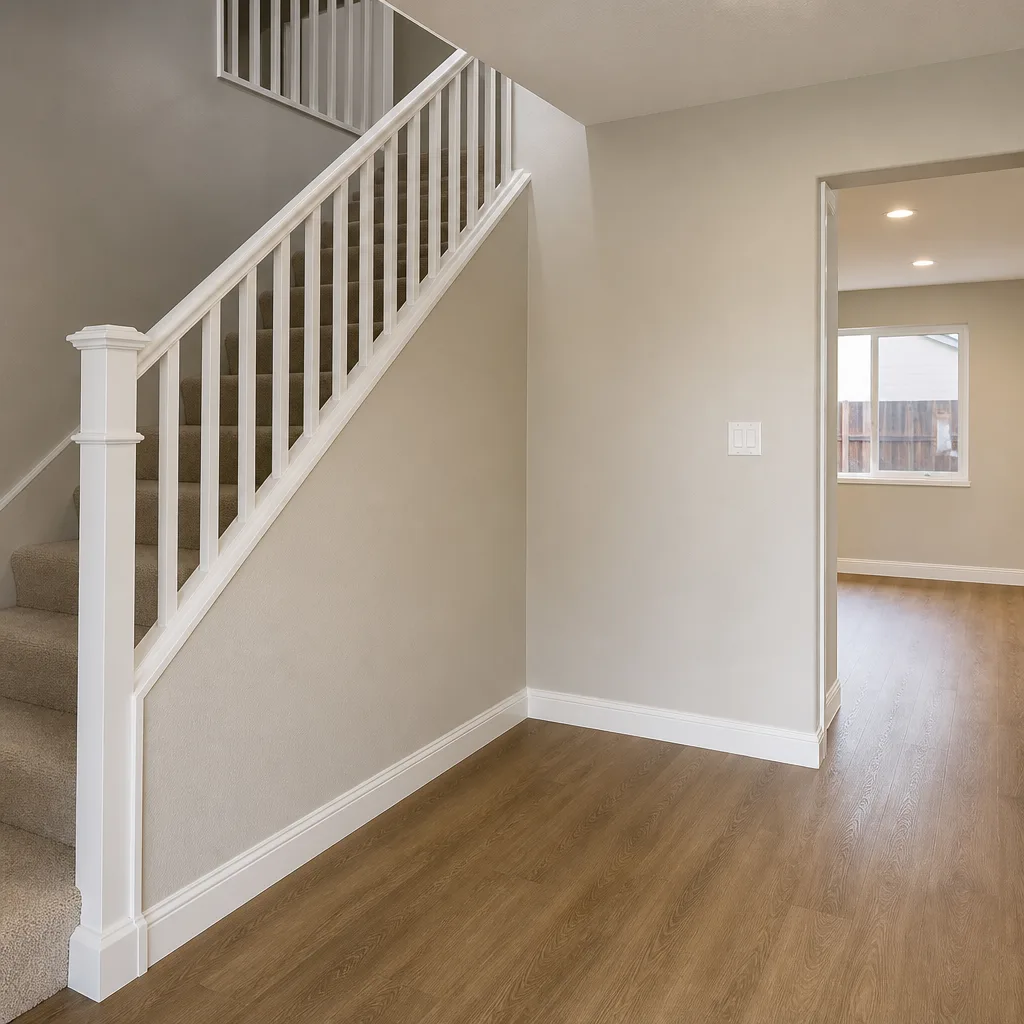 After
After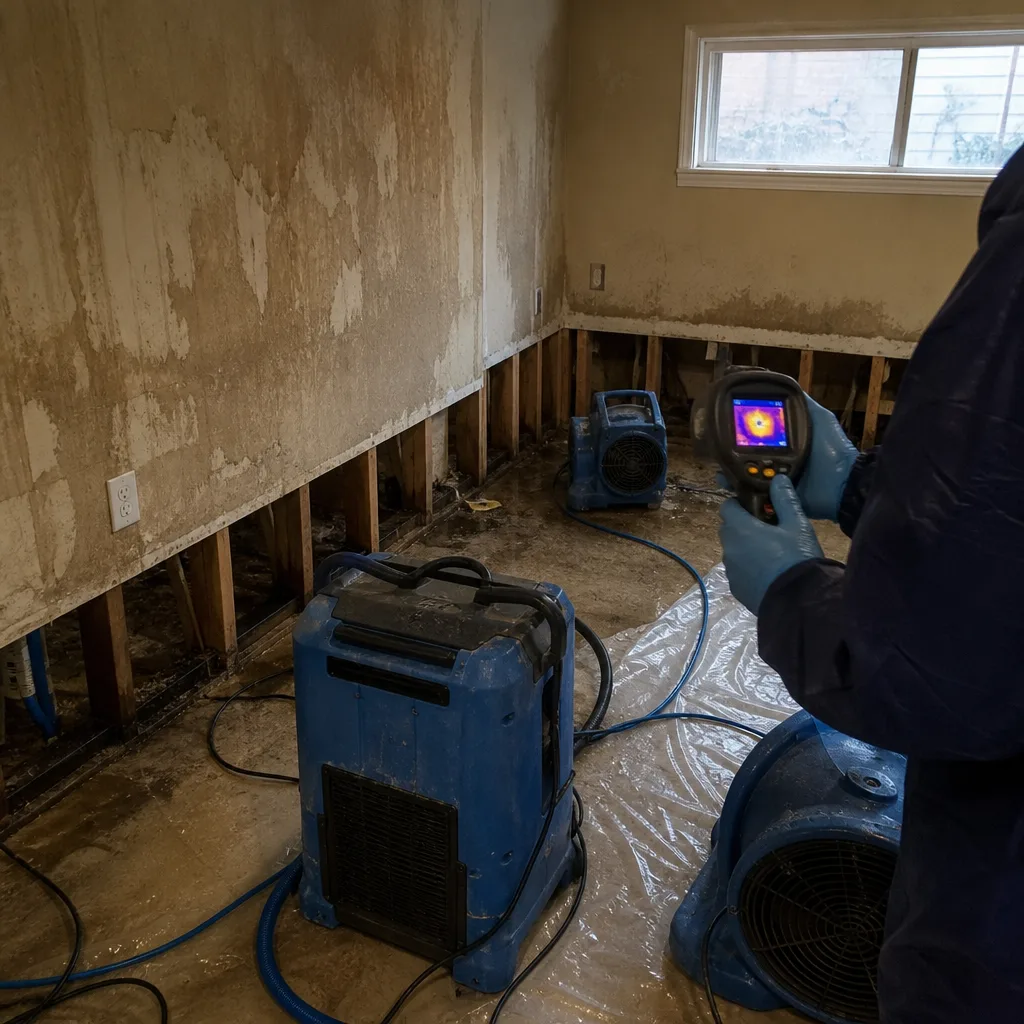 Before
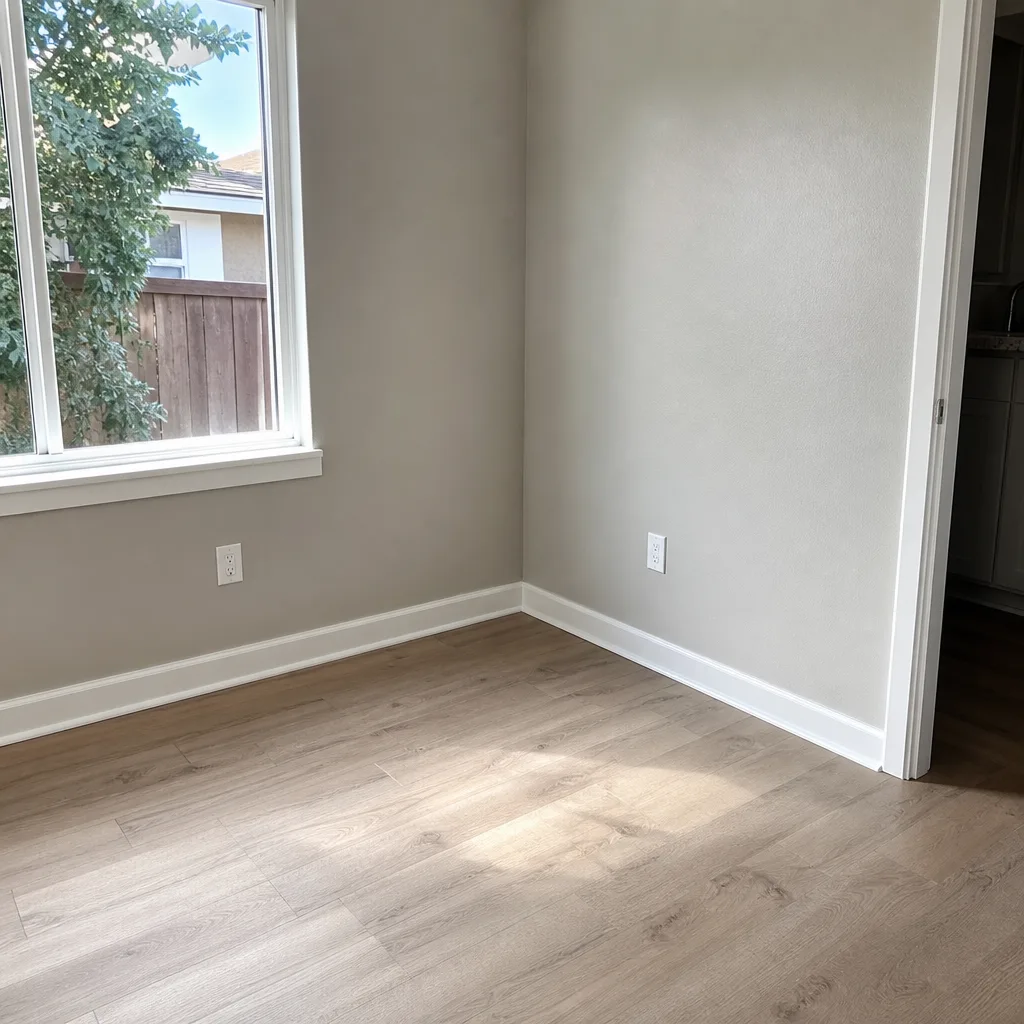 After
After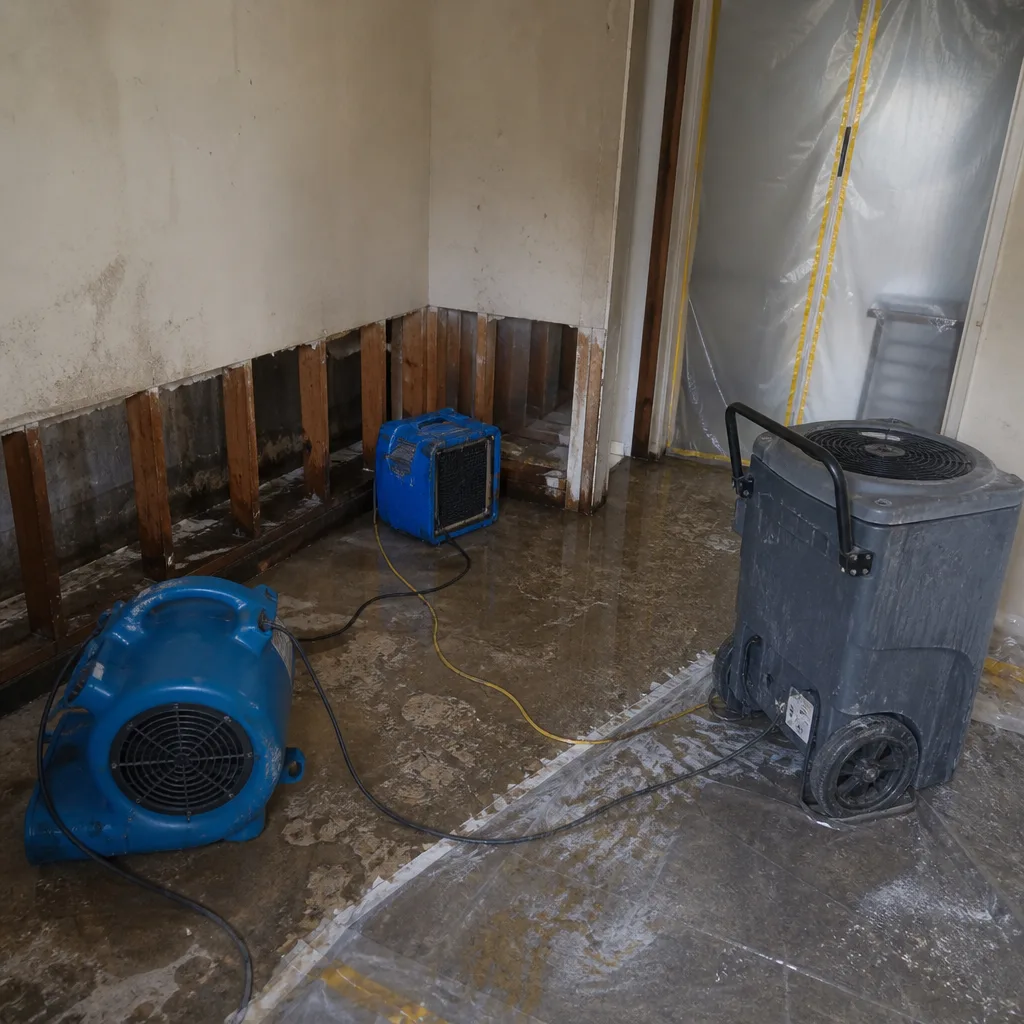 Before
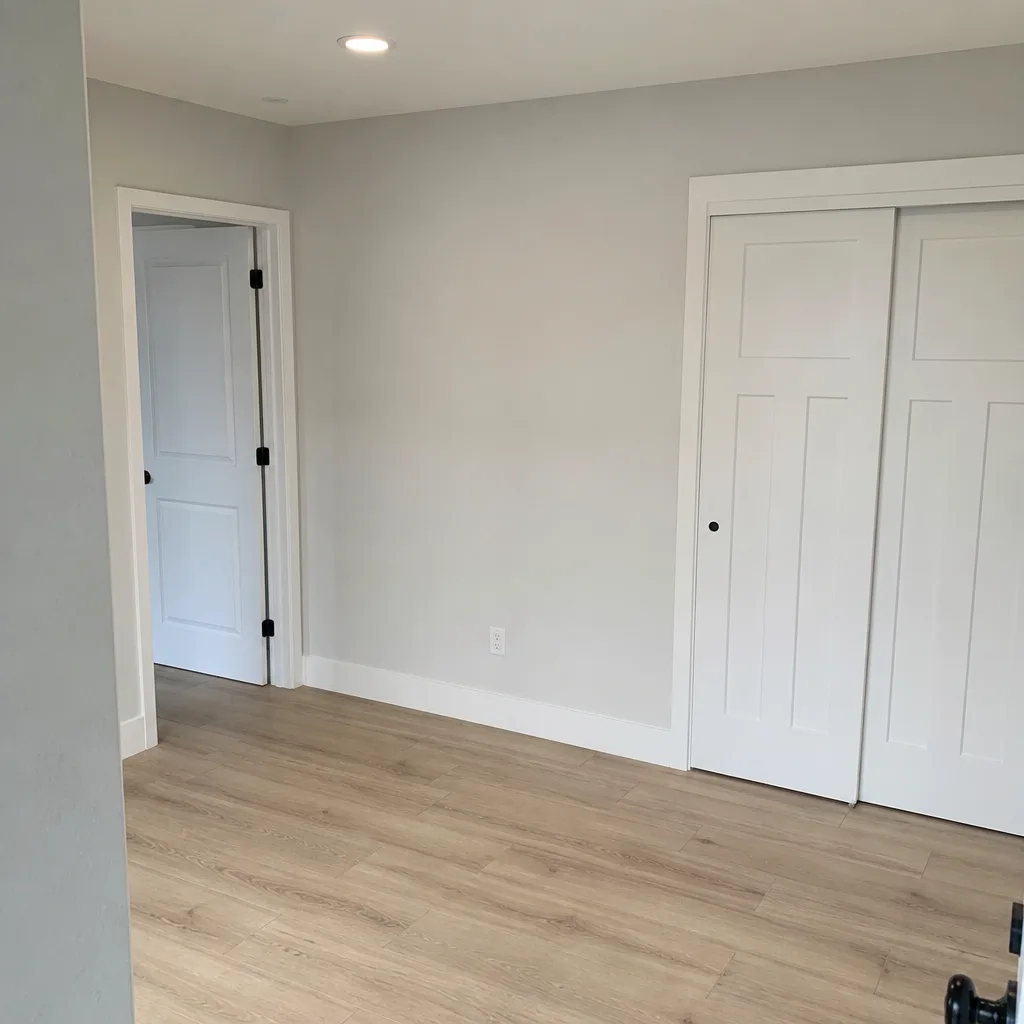 After
After24/7 Emergency Mold Remediation in Chula Vista
When mold shows up in a Chula Vista home, it doesn’t wait for business hours. Call (858) 428-2364 and a live person answers, 24 hours a day, 7 days a week. No voicemail trees, no next-day callbacks while spores are still colonizing. Our crews dispatch from our San Diego office and reach Chula Vista properties fast, because the first 6-24 hours after water intrusion determines whether you’re looking at contained surface mold or a full wall-cavity remediation. We offer a free visual inspection on every call, and we bring moisture meters, not guesses.
Understanding Mold Remediation Severity in Chula Vista Properties
Mold damage in Chula Vista breaks into three practical categories, and the difference between them is what your walls are made of and how long the water sat.
Category 1: Surface colonization on drywall or baseboards. This is the pinhole slab leak caught in week one, the water heater drip that stained the closet wall. We set containment with 6-mil poly, run HEPA air scrubbers at negative pressure, remove the affected drywall, treat studs with antimicrobial, and dry to below 12% wood moisture content. Psychrometric data, vapor pressure differential, and daily moisture logs document every drop of water removed.
Category 2: Cavity invasion behind stucco cladding. This is where Otay Ranch’s builder-grade construction bites back. The same stucco-over-wood-frame assembly that looks solid from the street traps moisture in the exterior sheathing cavity. Dry the interior drywall and you leave mold growing on the OSB behind it. We use thermal imaging to find the real boundary, then cut access points or remove stucco sections to dry the full assembly. Tertiary drying, the final phase where we chase bound water out of structural materials, takes longer in these assemblies than in older lath-and-plaster homes.
Category 3: Widespread colonization with compromised HVAC. When Category 2 water sits past 72 hours in Chula Vista’s persistent marine-layer humidity, mold enters the HVAC return, spreads through ductwork, and demands full air-quality restoration. We coordinate clearance testing with third-party hygienists, document every CFM of air scrubbed, and don’t sign off until the post-remediation inspection passes.
Why Chula Vista Property Owners Choose DryMark Restoration El Cajon
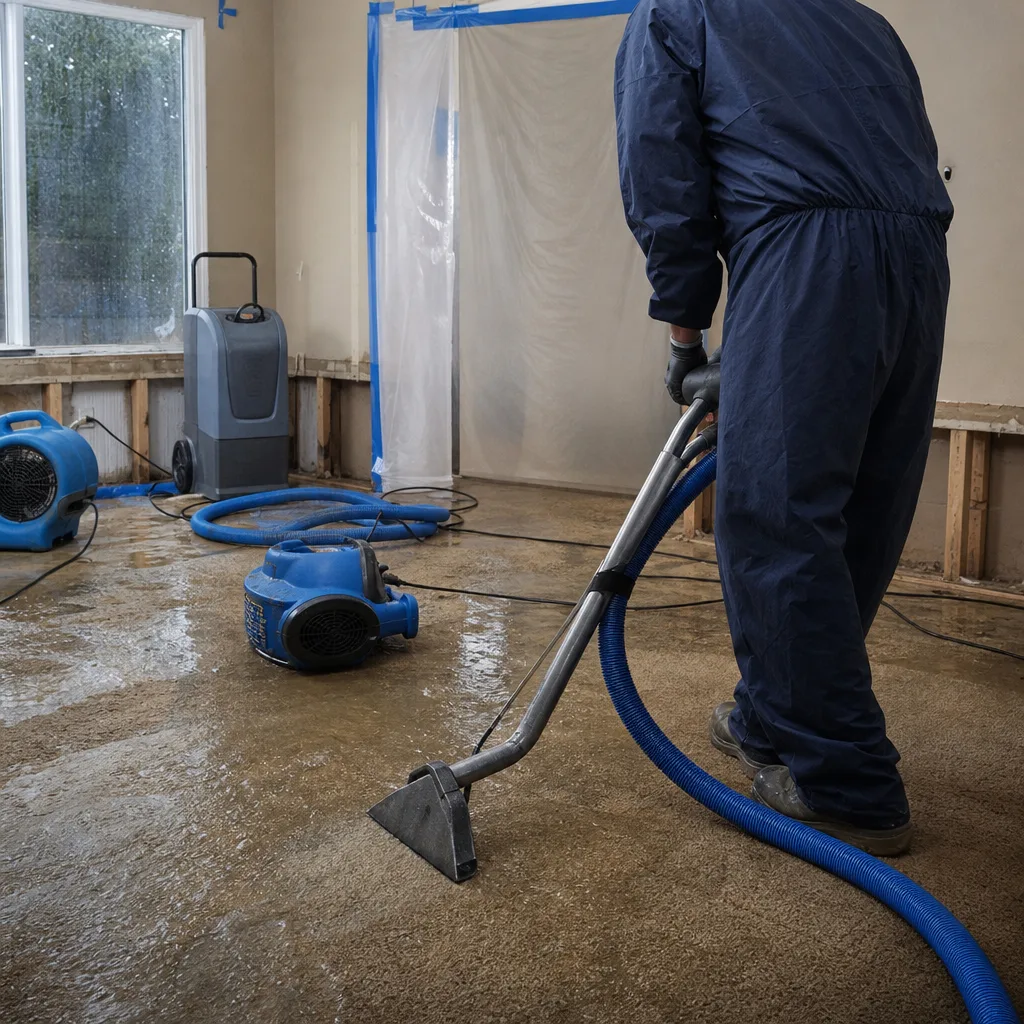
- 45-minute response commitment to Chula Vista from our San Diego dispatch center, with GPS-tracked crews and live arrival updates.
- 24/7 live answer - a real person, never an automated system. Every call is logged with a timestamp and caller ID, and that log becomes part of your claim file.
- IICRC-certified crews holding WRT (Water Damage Restoration Technician), AMRT (Applied Microbial Remediation Technician), and FSRT (Fire & Smoke Restoration Technician) certifications where the job demands cross-training.
- Free visual inspection on every call. We bring moisture meters and thermal imaging to the first visit, and we document what we find whether you hire us or not.
- Direct insurance billing with photo-documented scopes written to Xactimate standards, the same estimating platform your adjuster uses.
- One team from containment to reconstruction - no handoffs between a mitigation company and a separate rebuild contractor, no gaps in documentation.
 Before
 After
AfterOur Mold Remediation Process
1. Inspection & Assessment
We arrive with Dri-Eaz moisture detection systems and FLIR thermal imaging to map the true extent of water migration. In Otay Ranch stucco homes, we specifically probe the exterior sheathing cavity, because the visible drywall is rarely the whole story. You get a written scope and a firm price before any work begins, Haven Standard, Clause 1.
2. Containment & Air Quality Control
We establish negative-pressure containment with 6-mil poly barriers and HEPA air scrubbers running at 4-6 air changes per hour. This prevents cross-contamination to unaffected rooms, critical in Chula Vista’s compact tract-home floor plans where the HVAC return sits central.
3. Drying & Dehumidification
Phoenix and Dri-Eaz LGR dehumidifiers pull vapor pressure differential in the contained zone, while Injectidry floor mats and wall-cavity drying systems chase bound water out of studs and sheathing. Daily moisture logs track every point down to acceptable levels, documented to IICRC S520 standards.
4. Cleaning & Antimicrobial Treatment
Affected porous materials are removed per RIA guidelines. Remaining structural elements receive HEPA vacuuming and antimicrobial treatment. We photograph every surface before and after, with moisture readings, so your adjuster sees the work, not just the invoice.
5. Air Quality Restoration & Clearance Testing
We run XPOWER air movers and supplemental HEPA filtration during the final drying phase, then coordinate third-party clearance testing for airborne spore counts. No passing test, no final sign-off. This is standard, never an upsell.
6. Repairs & Reconstruction
Our rebuild crew restores drywall, baseboards, flooring, and stucco to pre-loss condition. One team, one warranty, one phone number. The 365-Day Done Right Promise, backed by The Haven Standard, covers every nail.
Need Emergency Mold Remediation in Chula Vista Now?
Crews minutes away, answering live 24 hours a day. The sooner we start, the less it costs.
Working With Your Insurance Company
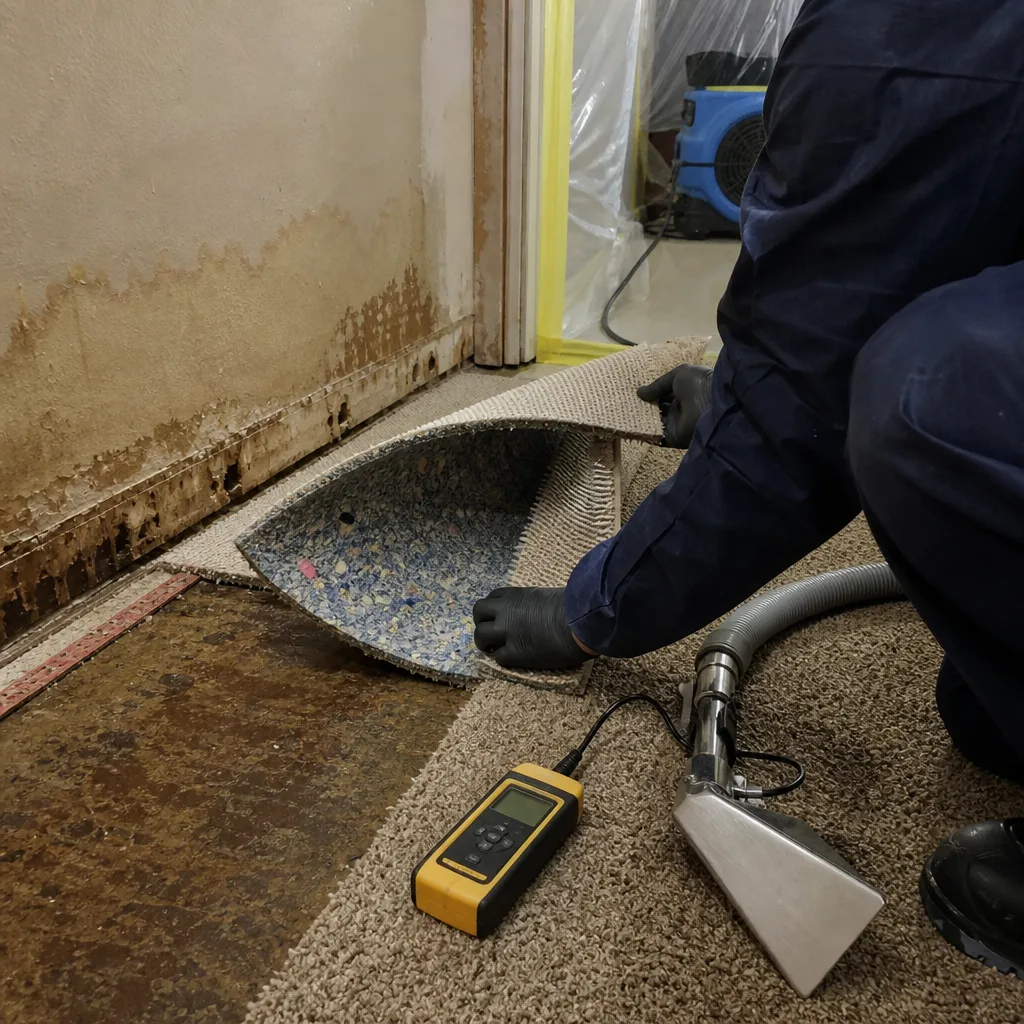
Insurance claims live or die on documentation, and most mold denials trace back to gaps in the first 48 hours. We close those gaps from minute one. Every DryMark crew photographs damage room by room, records moisture readings with make, model, and calibration date, and produces daily drying logs that turn a restoration invoice into a payable claim.
We write scopes in Xactimate, the same platform major carriers use, and we coordinate directly with your adjuster. No phone tag, no “we’ll call you back.” Our documentation package includes line-item justification for every hour of containment, every air scrubber rental day, and every square foot of removed material. When carriers push back on mold coverage limits, our photo record and written scope are the evidence that separates legitimate water-damage-driven mold from long-term maintenance issues.
What We Provide Your Insurer
- Thorough documentation of the loss
- Photos of all damage, room by room
- Moisture readings and drying logs
- A detailed, line-item scope of work
- Direct coordination with your carrier
Built for Chula Vista’s Loss Calendar
Chula Vista’s mold season doesn’t follow a calendar. It follows construction phases.
January-March: Winter rain plus marine-layer humidity drives roof-intrusion mold in western Chula Vista’s 1950s-1970s ranch homes, where original asphalt shingle roofs hit end-of-life and flashing fails at bay-facing eaves. These homes also run original galvanized supply lines that corrode from San Diego County’s hard Colorado River water.
April-June: Slab-leak season peaks in Otay Ranch as expansive clay soils shift with spring moisture changes, stressing copper lines embedded in concrete. We’re called to Windingwalk, Rolling Hills Ranch, and Eastlake neighborhoods weekly during this window. Same-phase construction means clustered failures, not isolated incidents.
July-September: Monsoonal humidity spikes keep wall cavities damp after any water event. Homes that dried adequately in April need extended dehumidification now. Category 1 leaks become Category 2 or 3 mold losses if drying protocols don’t adjust for the vapor load.
October-December: Santa Ana winds dry surface moisture fast but hide subsurface problems. We find more “surprise” mold in November and December from July leaks that homeowners thought had resolved.
Mold Remediation Across Chula Vista’s Neighborhoods
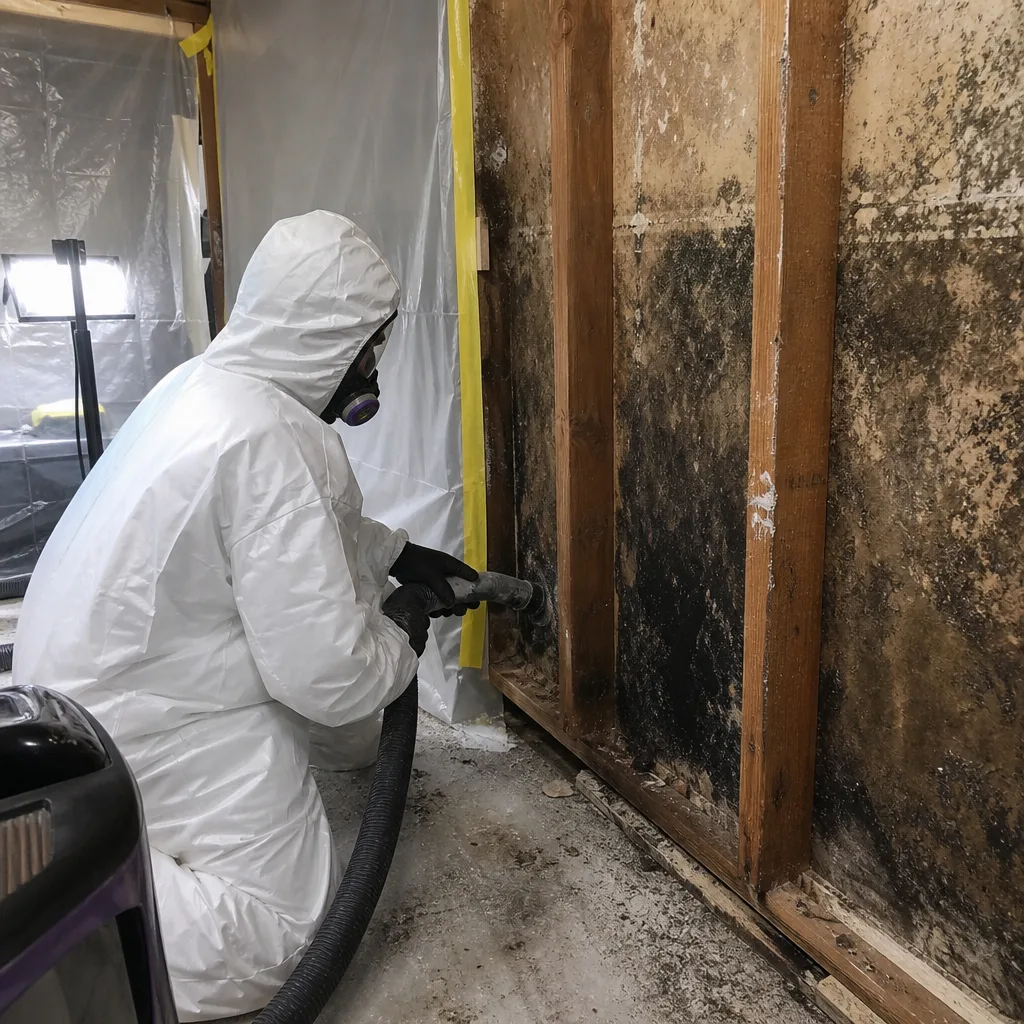
Otay Ranch and Windingwalk: The master-planned tracts built 1999-2007 dominate our mold call volume. Stucco-over-slab construction, identical copper supply lines, and graded hillside lots with expansive clay soils create predictable failure patterns. When we contain one home on a cul-de-sac, we flag neighbors on the same construction phase for inspection. This isn’t marketing. It’s pattern recognition from 12,000+ homes restored since 2011.
Eastlake: Slightly older than Otay Ranch core, with more varied floor plans but similar slab-on-grade construction. Golf course-adjacent homes face additional irrigation-line pressure on foundations. We see more crawl space moisture here than in pure slab areas, and our Mold Remediation crews carry vapor barrier and sub-membrane dehumidification equipment specifically for these conditions.
Western Chula Vista (Broadway corridor, Hilltop area): 1950s-1970s ranch homes with original asbestos-containing popcorn ceilings and floor tiles. Mold remediation here requires asbestos abatement coordination before any demolition, adding scope complexity that Otay Ranch doesn’t face. We maintain relationships with certified abatement contractors and sequence work so containment doesn’t breach asbestos boundaries.
San Diego Bay-adjacent areas: Marine-layer humidity is measurably higher here, and homes take 30-50% longer to dry to IICRC standards after water intrusion. Our crews adjust dehumidification capacity and drying duration accordingly, documented on every log.
Specialized Mold Remediation Services We Offer in Chula Vista
Mold Inspection & Testing
We don’t guess. Our inspections combine Dri-Eaz moisture mapping, thermal imaging, and air sampling where indicated. In Otay Ranch, we specifically inspect the exterior sheathing cavity behind stucco, because that’s where builder-grade construction hides mold that interior-only inspections miss. Written findings, with photos, before any remediation is proposed.
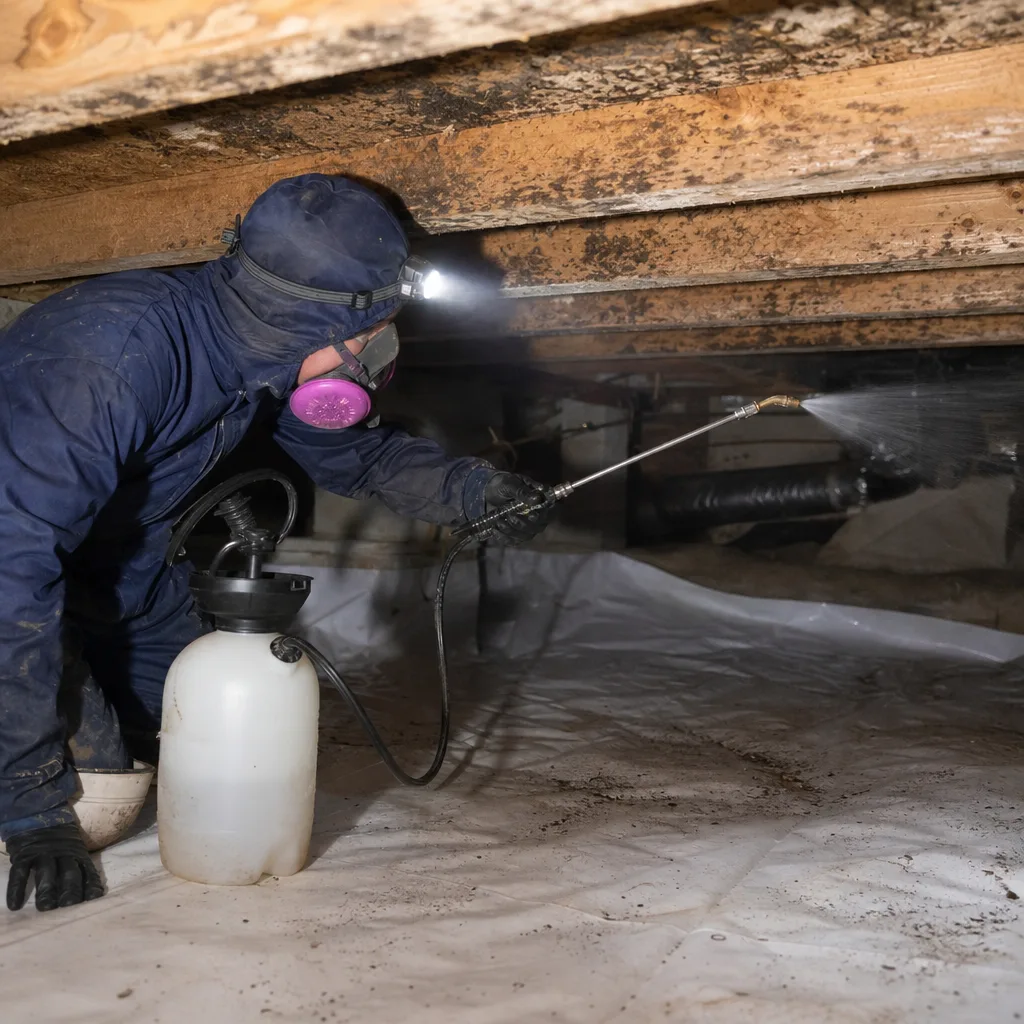
Mold Removal
Physical removal of colonized materials per IICRC S520 and RIA guidelines, not “kill it and leave it” spraying. Dead mold still triggers allergic response. We remove, HEPA vacuum, and treat. In Chula Vista’s tract homes, this often means controlled demolition of drywall and baseboards with stucco access as needed.
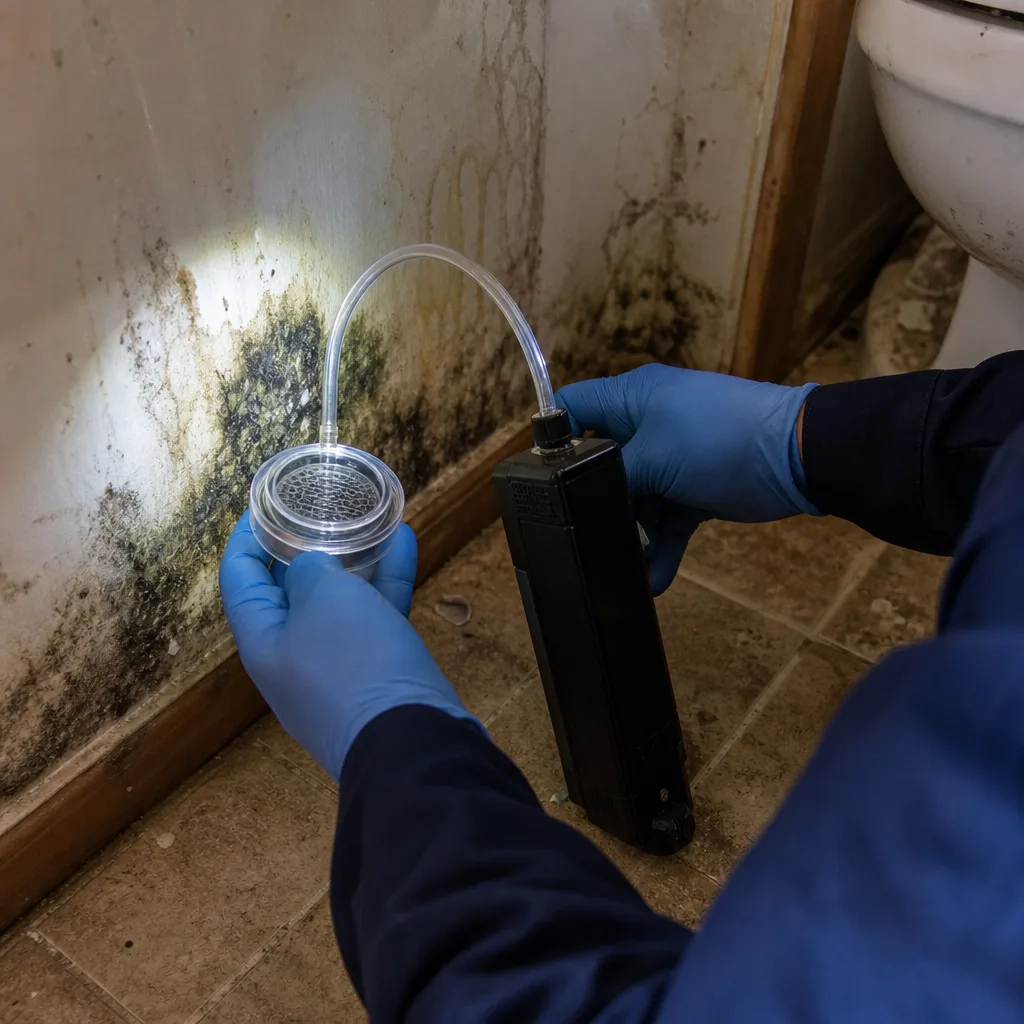
Black Mold Remediation
Stachybotrys chartarum and other toxigenic species require enhanced containment, full-face respirator protocols, and specialized disposal. We don’t dramatize “black mold” for effect, and we don’t downplay it to win a bid. If lab testing confirms toxigenic species, we document the protocol and execute it.
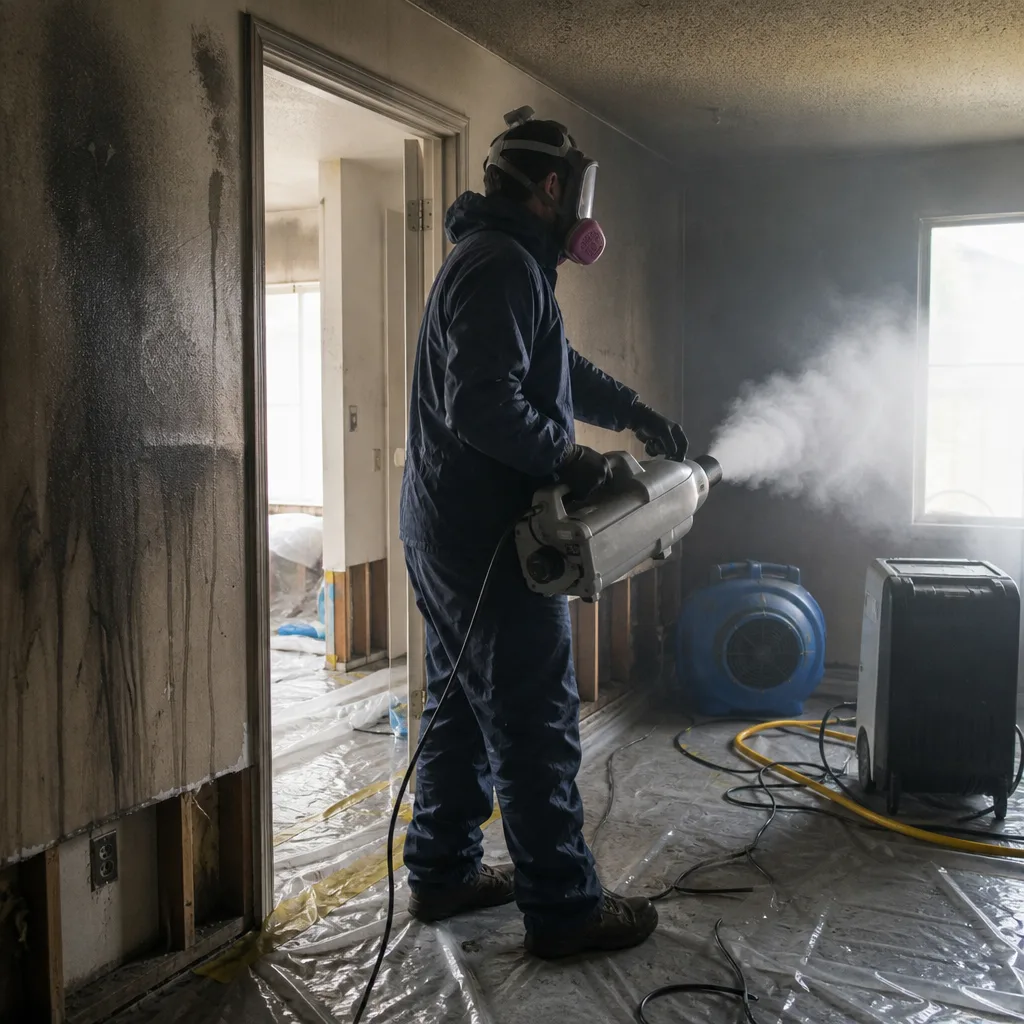
Air Quality Restoration
HVAC-integrated mold demands duct cleaning, filter replacement, and post-remediation air scrubbing. We use HEPA filtration rated at 99.97% at 0.3 microns, run to clearance, and coordinate third-party verification. This is where Mold Remediation in Chula Vista often intersects with broader indoor air quality concerns in tightly sealed modern homes.
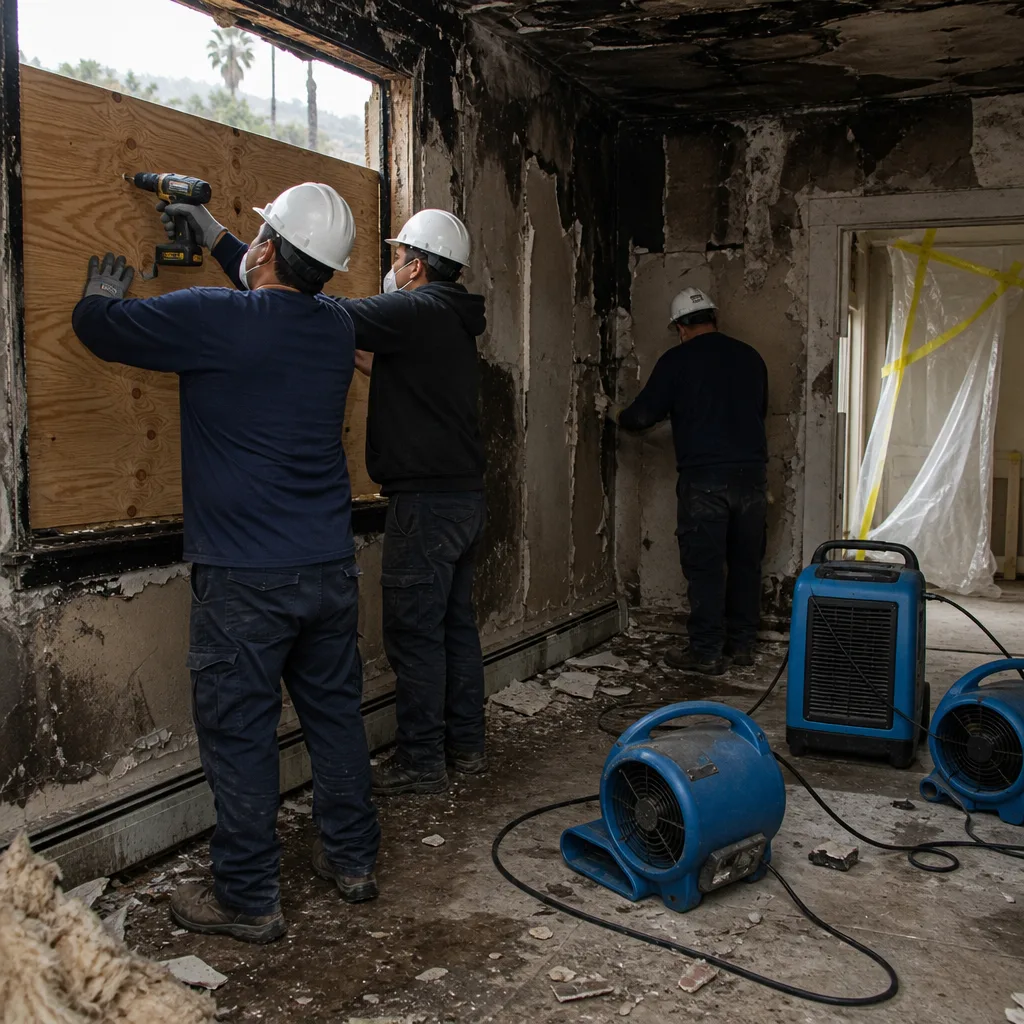
Crawl Space Treatment
Eastlake and older western Chula Vista homes with crawl spaces face vapor intrusion from soil moisture. We install vapor barriers, sub-membrane dehumidification, and sealed crawl space ventilation per IFA standards. Documented, photographed, warrantied.
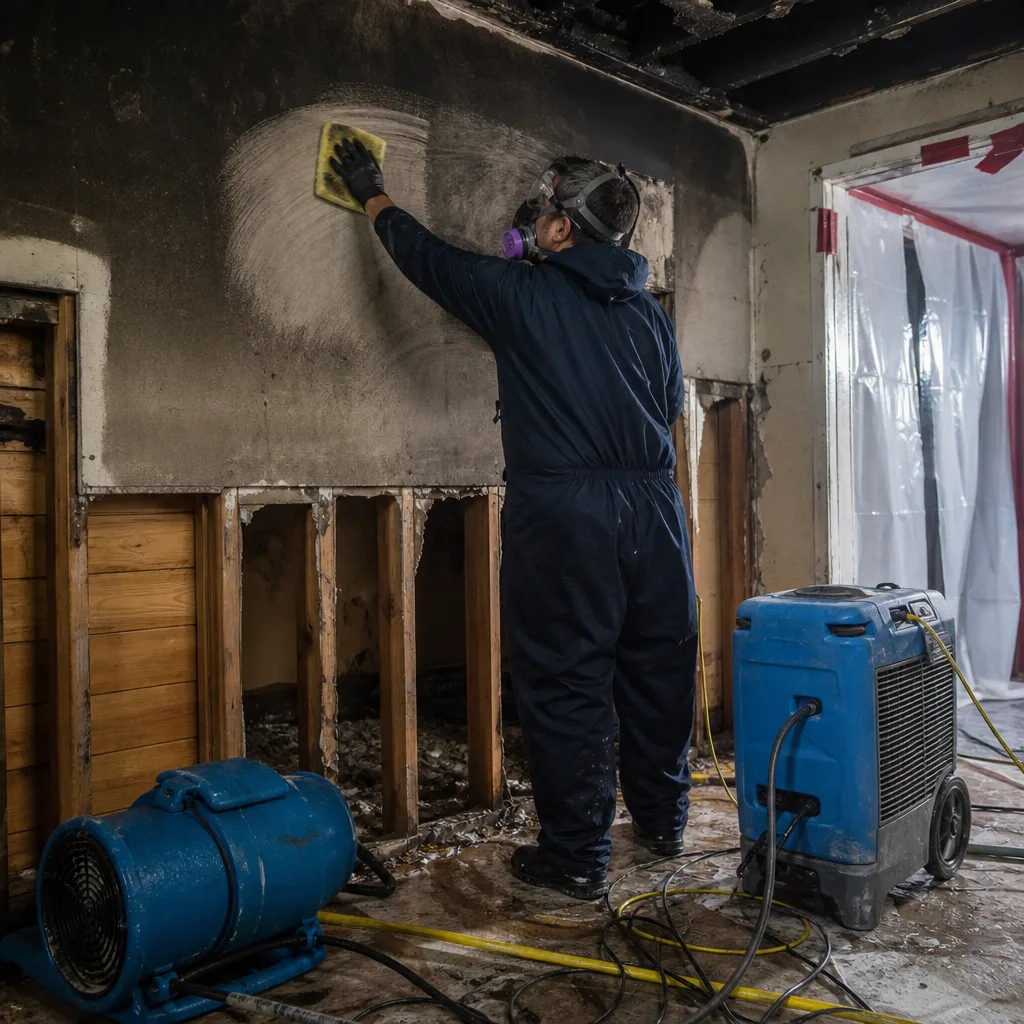
What happens when you call
- 1
A real person answersNo phone trees - you reach a local pro.
- 2
You get an upfront price rangeHonest numbers before anyone is dispatched.
- 3
A background-checked tech heads outLicensed & insured, dispatched right away.
- 4
You approve before work beginsNothing starts until you say go.
Mold Remediation Costs in Chula Vista, CA
Here’s what mold remediation actually costs in the Chula Vista market, based on scopes we’ve written and executed:
| Service | Typical Range |
|---|---|
| Localized surface mold removal (single wall, closet, small bathroom) | $1,800 - $3,400 |
| Wall-cavity remediation with stucco access (Otay Ranch standard) | $4,200 - $7,800 |
| Full-room containment with air scrubbing and clearance testing | $6,500 - $11,000 |
| HVAC-integrated mold with duct cleaning and air quality restoration | $8,000 - $15,000 |
| Crawl space treatment with vapor barrier installation | $3,500 - $6,200 |
| Asbestos-coordinated remediation (western Chula Vista ranches) | Add $2,000 - $4,500 for abatement sequencing |
What moves the price: square footage of contained area, whether stucco must be removed for sheathing access, HVAC involvement, and whether third-party clearance testing is required by your insurer or HOA. Every scope is written and priced before work begins, Haven Standard, Clause 1. No exceptions. Bring a competitor’s written estimate and we’ll review it free, Haven Standard, Clause 7.
Insurance coverage for mold is limited in most California policies, typically capped at $10,000 unless the mold resulted from a covered water loss. We document that causal chain from the first photo, because a well-documented water damage claim often carries mold remediation as subsequent damage.
We Also Serve Cities Near Chula Vista
Our crews respond throughout South County: National City with its dense mid-century housing stock and bay-adjacent humidity; Bonita‘s equestrian properties and larger-lot homes with well-water and septic complications; Coronado‘s historic Naval housing and high-value coastal construction; and central San Diego neighborhoods from Logan Heights to Mission Valley. Same documentation standards, same written price guarantee, same live answer at (858) 428-2364.
Serving Chula Vista, CA - Our Local Coverage Area
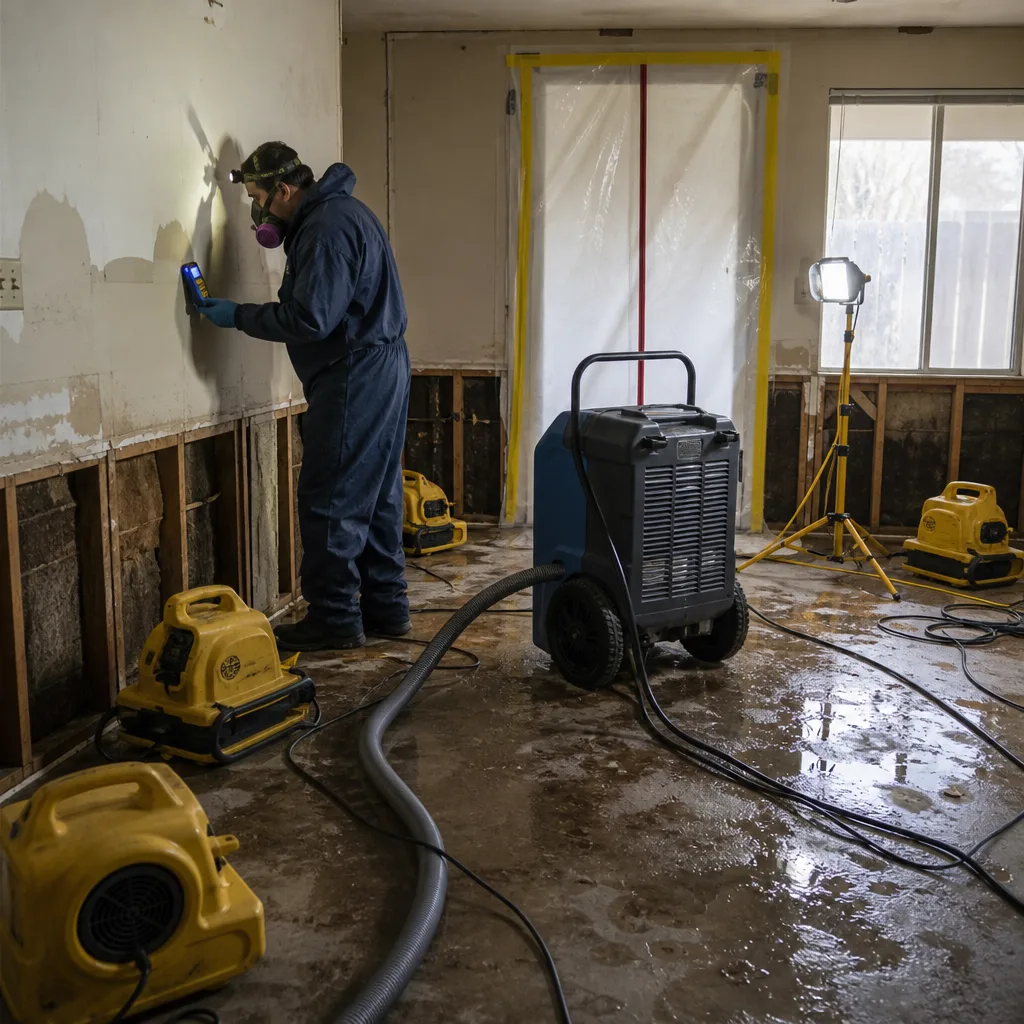
We’re based in the Chula Vista area and know this community well. Use the map below to see our service coverage - if you’re nearby, we can almost certainly help.
Chula Vista Mold Remediation Questions, Answered
Why does mold seem to spread between houses on my Otay Ranch cul-de-sac?
Because your home was built with the same plumbing crew, same copper supply lines, and same stucco-over-slab assembly as your neighbors, all installed in the same year. When one home hits the 20-25 year failure window for slab leaks or water heater corrosion, neighbors on the same construction phase are typically weeks behind. We treat neighbor outreach as part of mitigation, not marketing. Call (858) 428-2364 if you’ve noticed a neighbor’s remediation and want a preventive inspection.
How fast does mold grow after a water heater leak in a Chula Vista tract home?
Visible mold colonization begins 48-72 hours after water intrusion in Chula Vista’s standard indoor conditions, faster in summer when humidity spikes. In Otay Ranch stucco homes, the exterior sheathing cavity can harbor hidden growth for weeks before drywall shows staining. The first 24 hours determines whether you’re looking at drying or full remediation. Call (858) 428-2364 for same-day assessment.
Does Chula Vista’s hard Colorado River water affect mold remediation?
Yes, indirectly. San Diego County’s hard water accelerates corrosion in copper pipes embedded in concrete slabs, the dominant construction in Otay Ranch and Eastlake. More corrosion means more pinhole leaks, more water intrusion, and more mold remediation demand. We document water source and pipe condition in every scope because insurers sometimes dispute maintenance-related mold. Call (858) 428-2364 for an inspection that captures the full causal chain.
Can you handle mold in a 1950s western Chula Vista ranch home with asbestos popcorn ceilings?
Yes, with certified abatement coordination. We maintain relationships with licensed asbestos contractors and sequence containment so mold remediation doesn’t breach asbestos boundaries. The combined scope is documented as a single project with separate trade lines, simplifying insurance review. Call (858) 428-2364 for a written scope that addresses both hazards.
What equipment do you use for drying Otay Ranch stucco walls after a slab leak?
We deploy Dri-Eaz and Phoenix LGR dehumidifiers for vapor pressure control, Injectidry floor mats and wall-cavity drying systems for bound water removal, and FLIR thermal imaging to verify drying extends through the full stucco assembly. Air scrubbers run HEPA filtration throughout. Every piece of equipment is logged by serial number, run hours, and daily moisture readings. Call (858) 428-2364 to see the documentation package before work starts.
Will my insurance cover mold remediation in Chula Vista?
Most California homeowners policies cap mold coverage at $10,000 unless the mold resulted from a sudden, covered water loss like a burst pipe or water heater failure. Long-term leaks, poor ventilation, or maintenance issues are typically excluded. We document the water damage origin from the first photo to establish the causal chain your adjuster needs. Call (858) 428-2364 and we’ll review your policy language with your scope.
How long does mold remediation take in a typical Chula Vista home?
Localized surface remediation: 2-4 days. Wall-cavity work with stucco access: 5-8 days. Full-room containment with clearance testing: 7-12 days. Drying duration extends in marine-layer humidity conditions, and we don’t sign off until moisture readings and third-party clearance (when required) both pass. The written scope includes a timeline before work begins. Call (858) 428-2364 for a firm schedule.
Can my family stay in the home during mold remediation?
For Category 1 surface remediation in a contained area, often yes with HVAC isolation. For Category 2 or 3 cavity invasion, especially with toxigenic species or HVAC contamination, we recommend temporary relocation during active remediation. We specify occupancy status in the written scope before work begins, not as a surprise mid-project. Call (858) 428-2364 to discuss your specific containment plan.
Written by Alicia Brennan, Owner at Back to Dry Restoration, serving Chula Vista since 2011 under The Haven Standard.
Mold Remediation in Nearby Areas