
Free visual inspection and a written scope of work before any mitigation begins - photos, moisture readings, and drying logs go in your claim file
The scope we write is the scope we bill. Anything new gets shown to you, in writing, before we touch it.
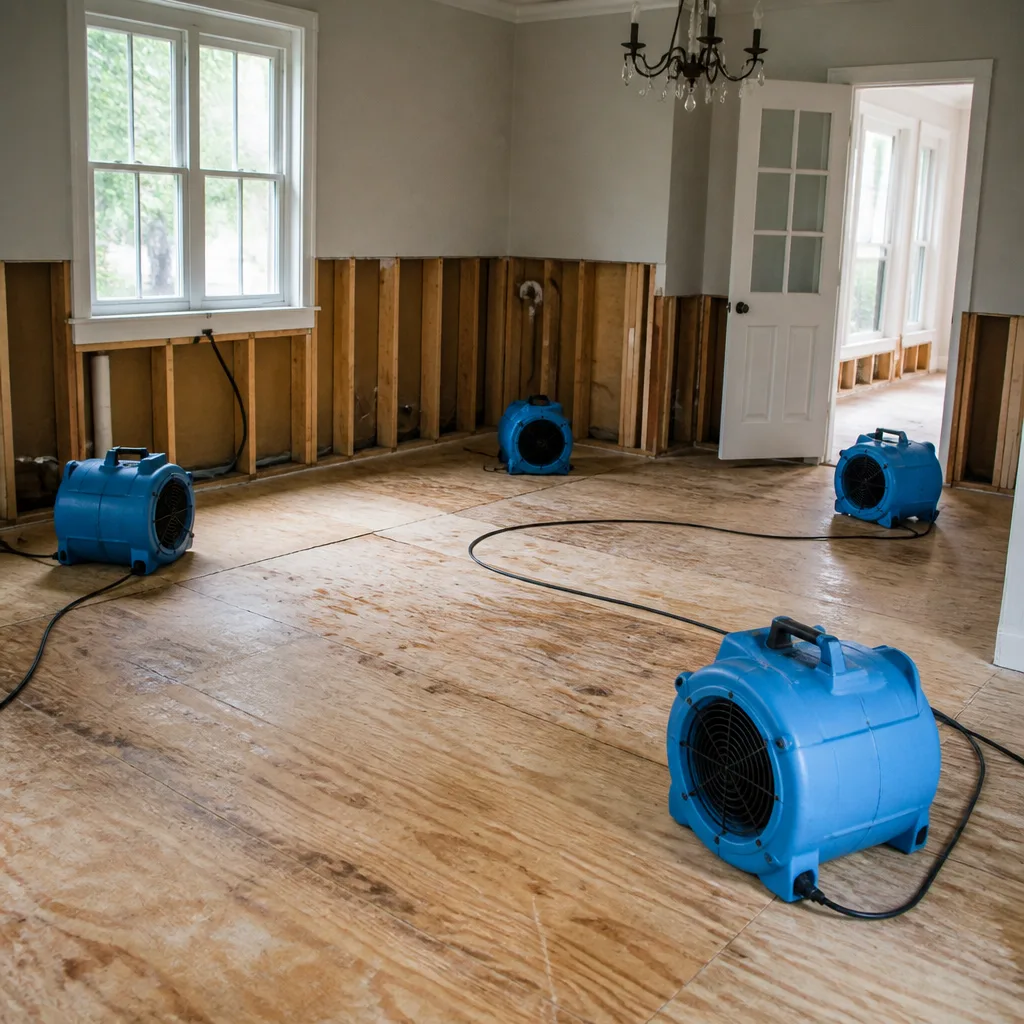
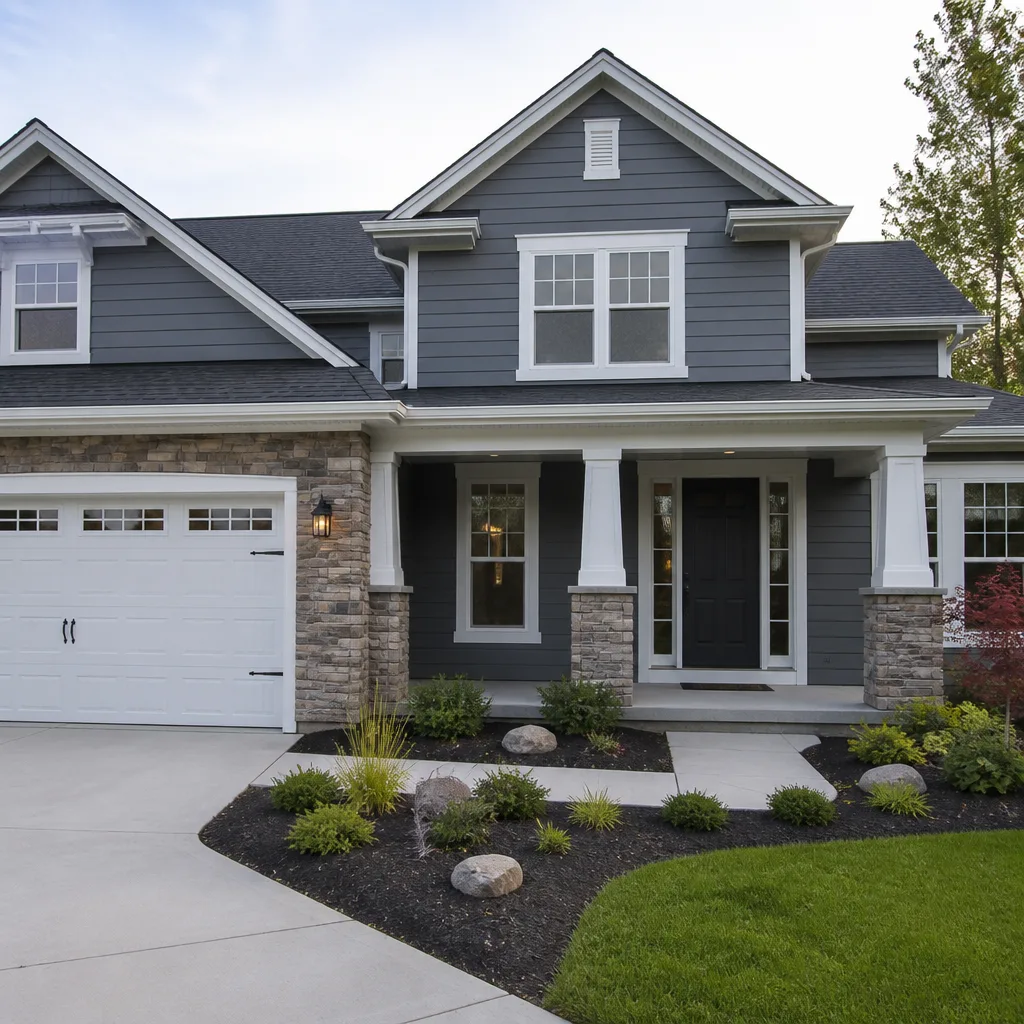
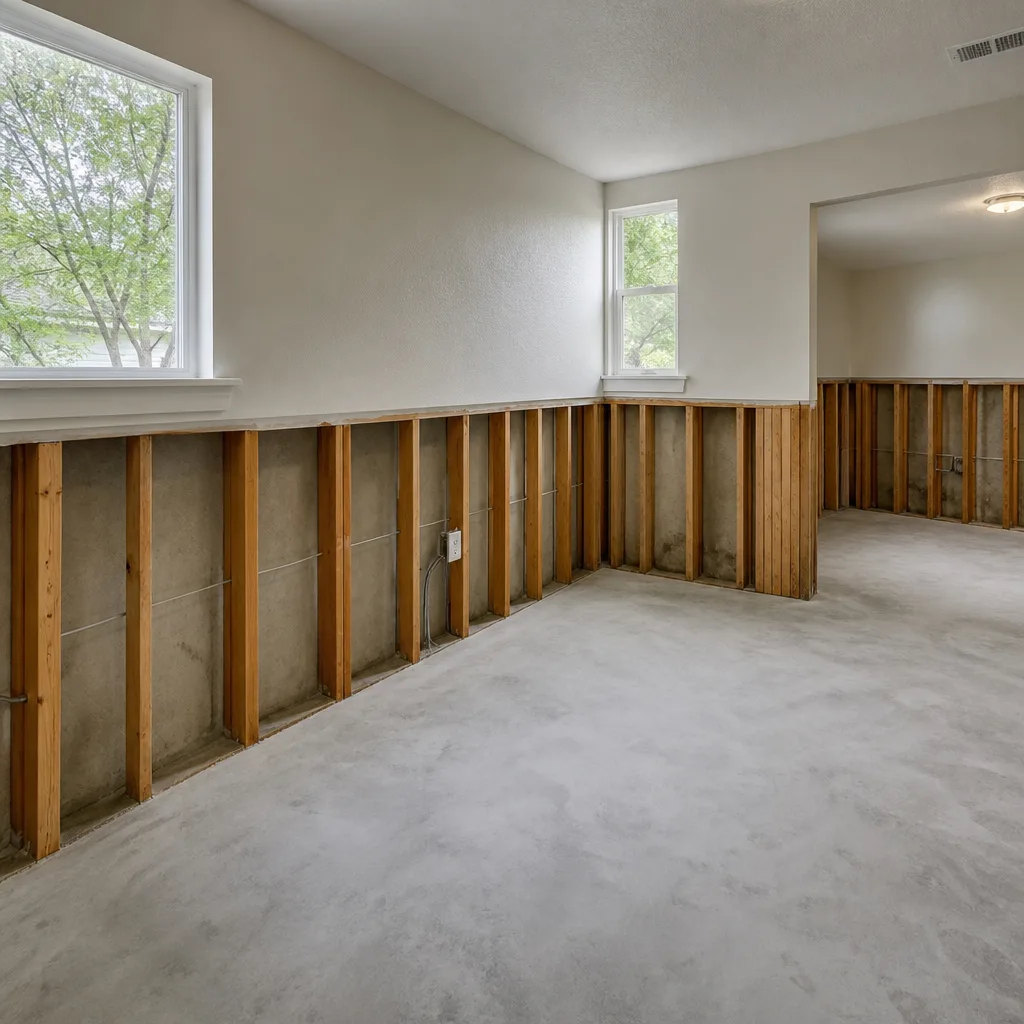
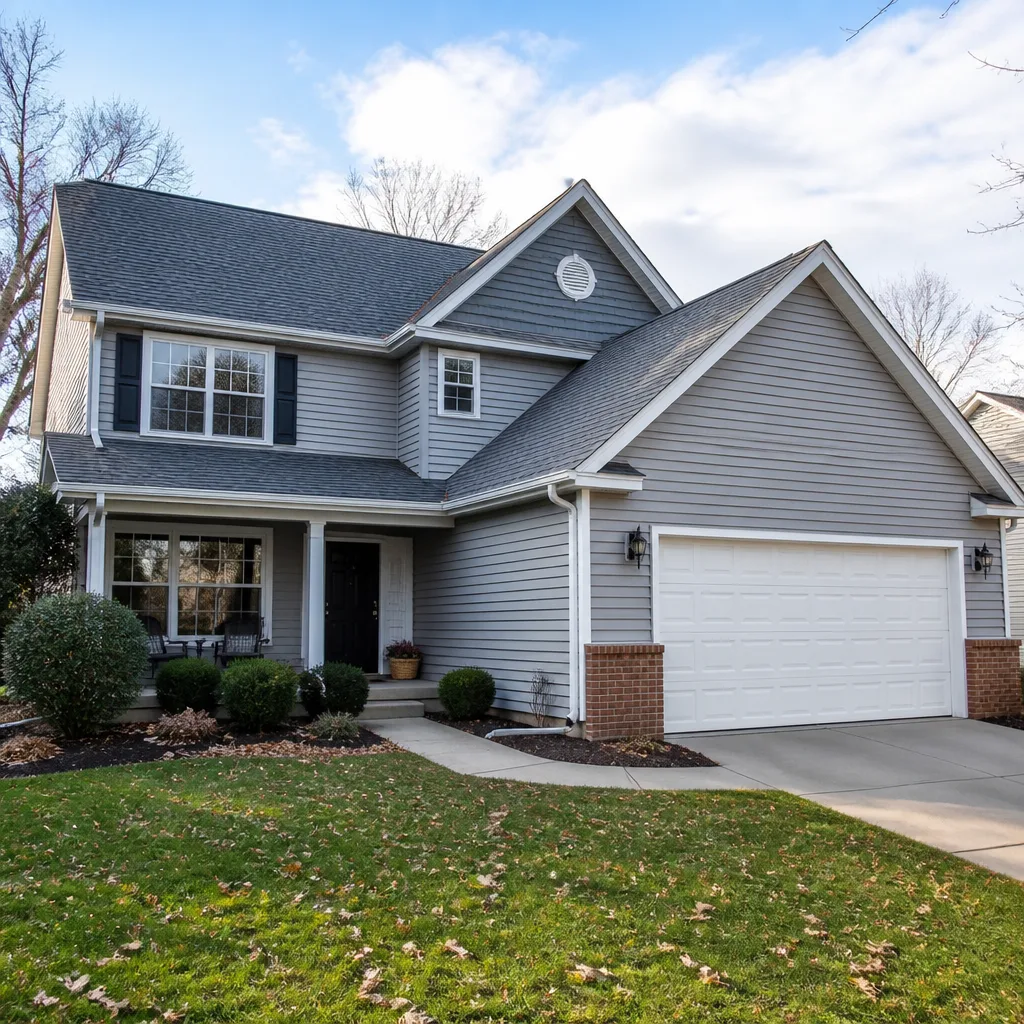
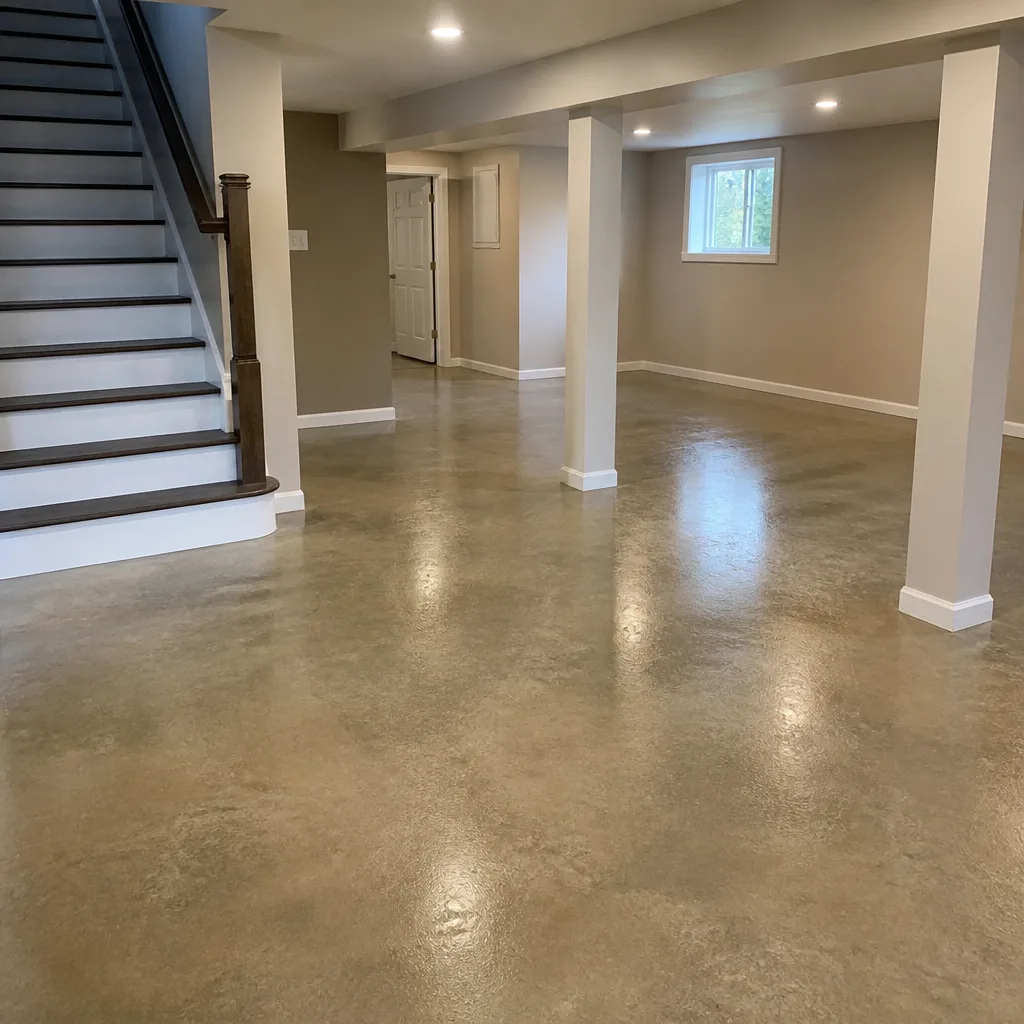
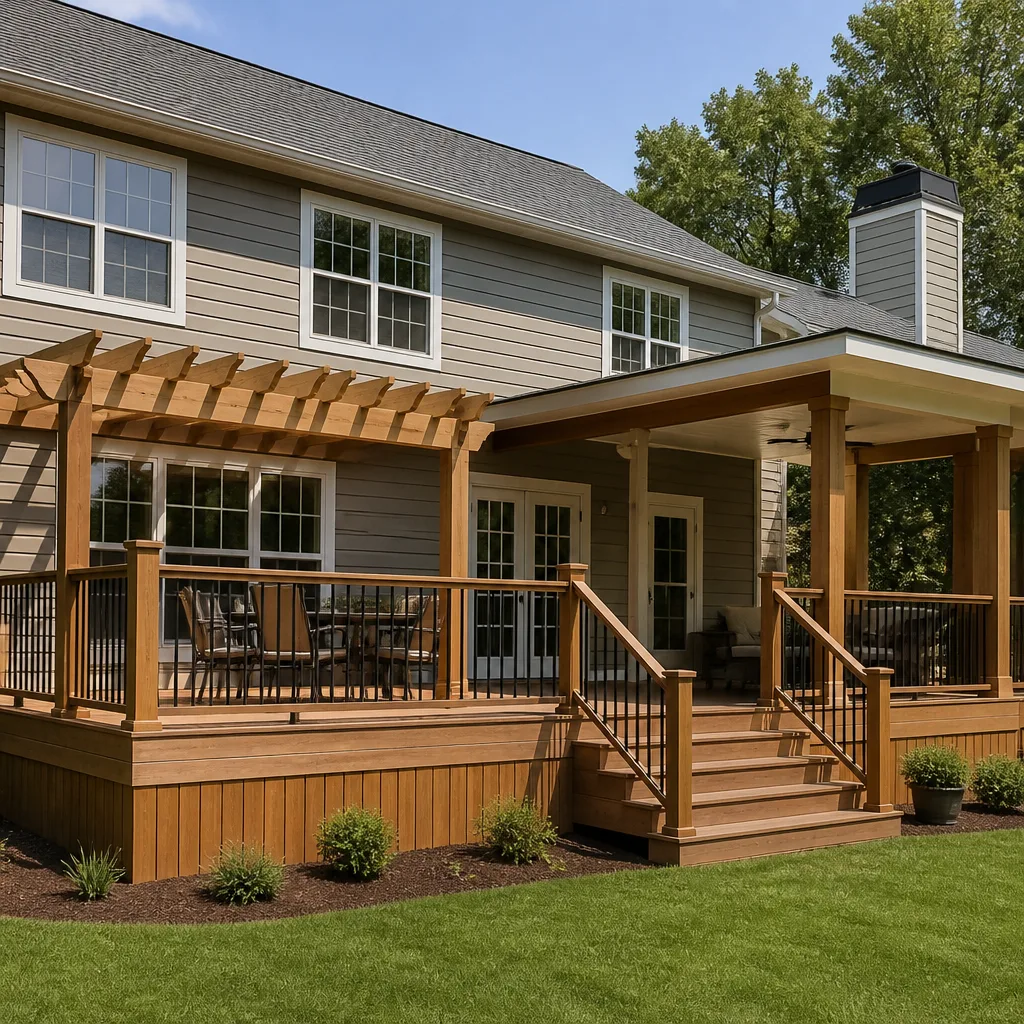
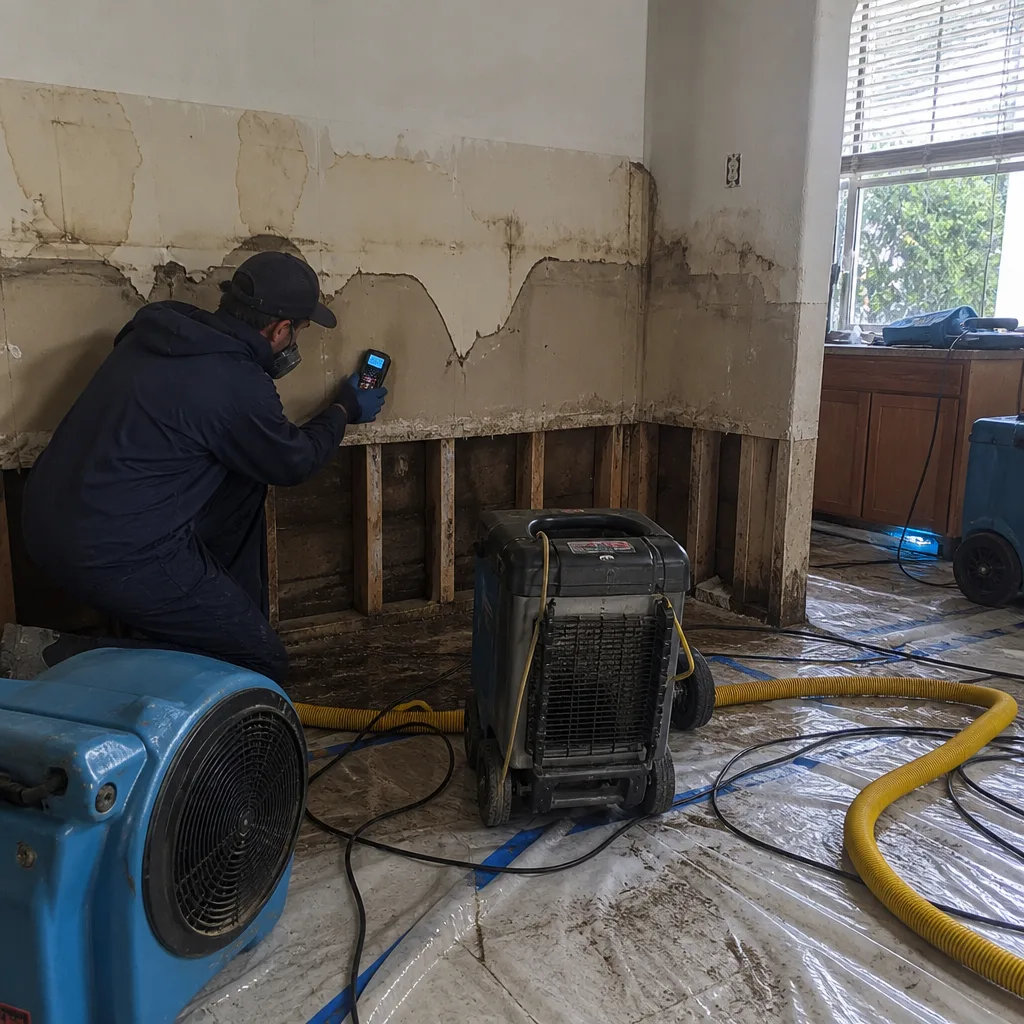 Before
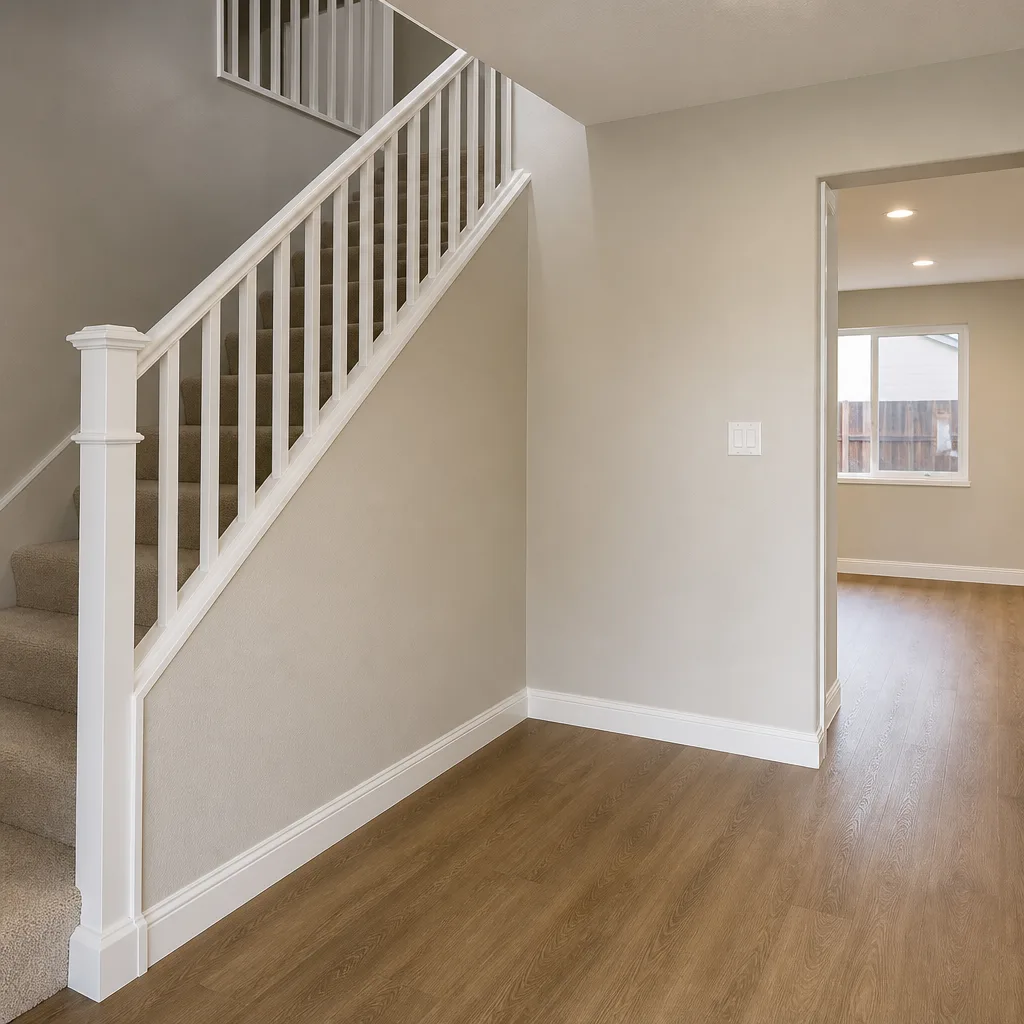 After
After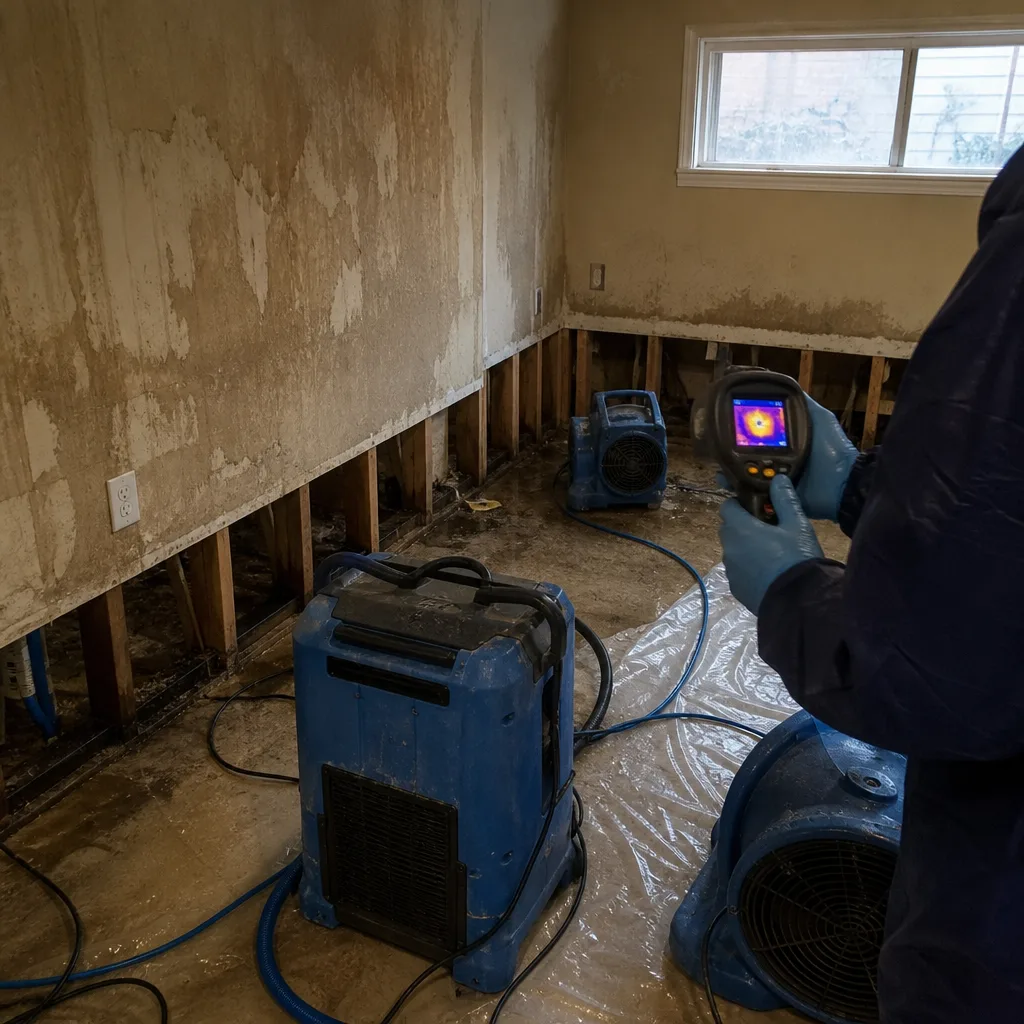 Before
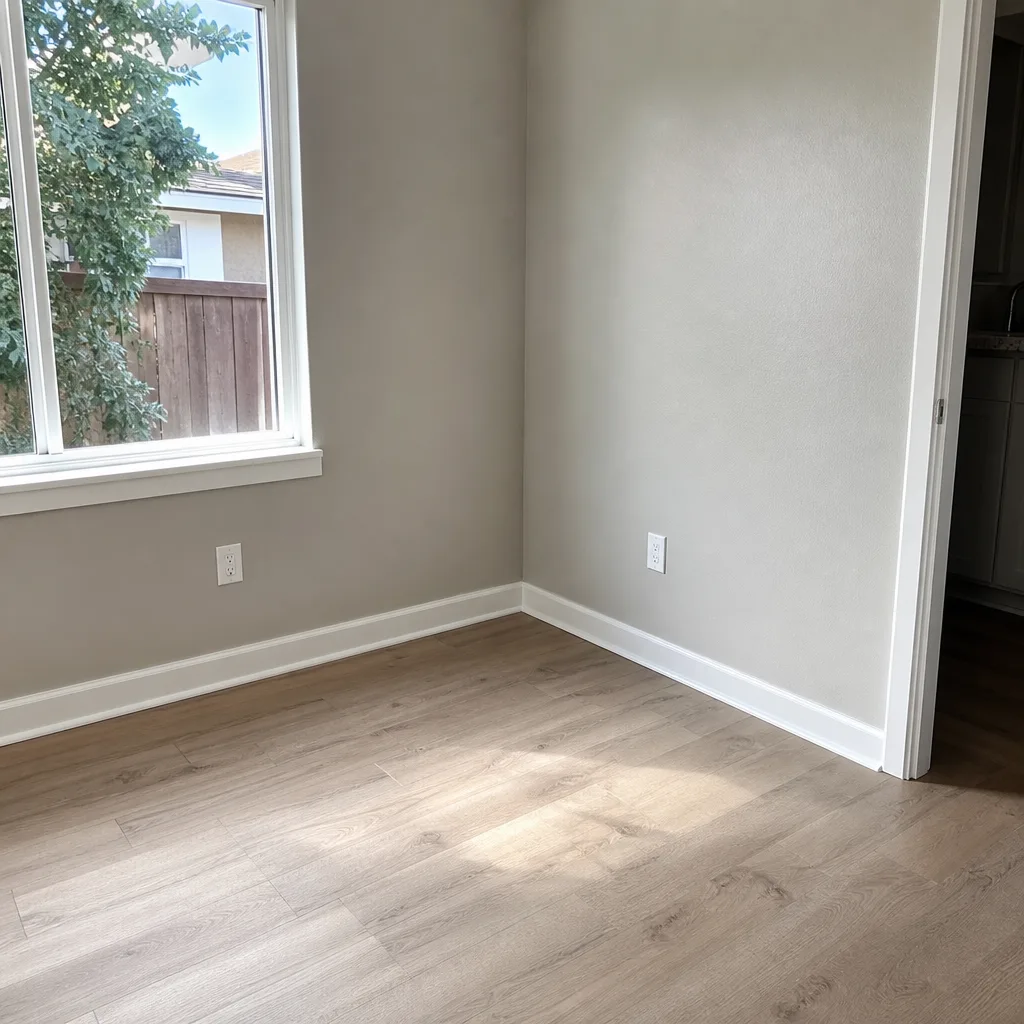 After
After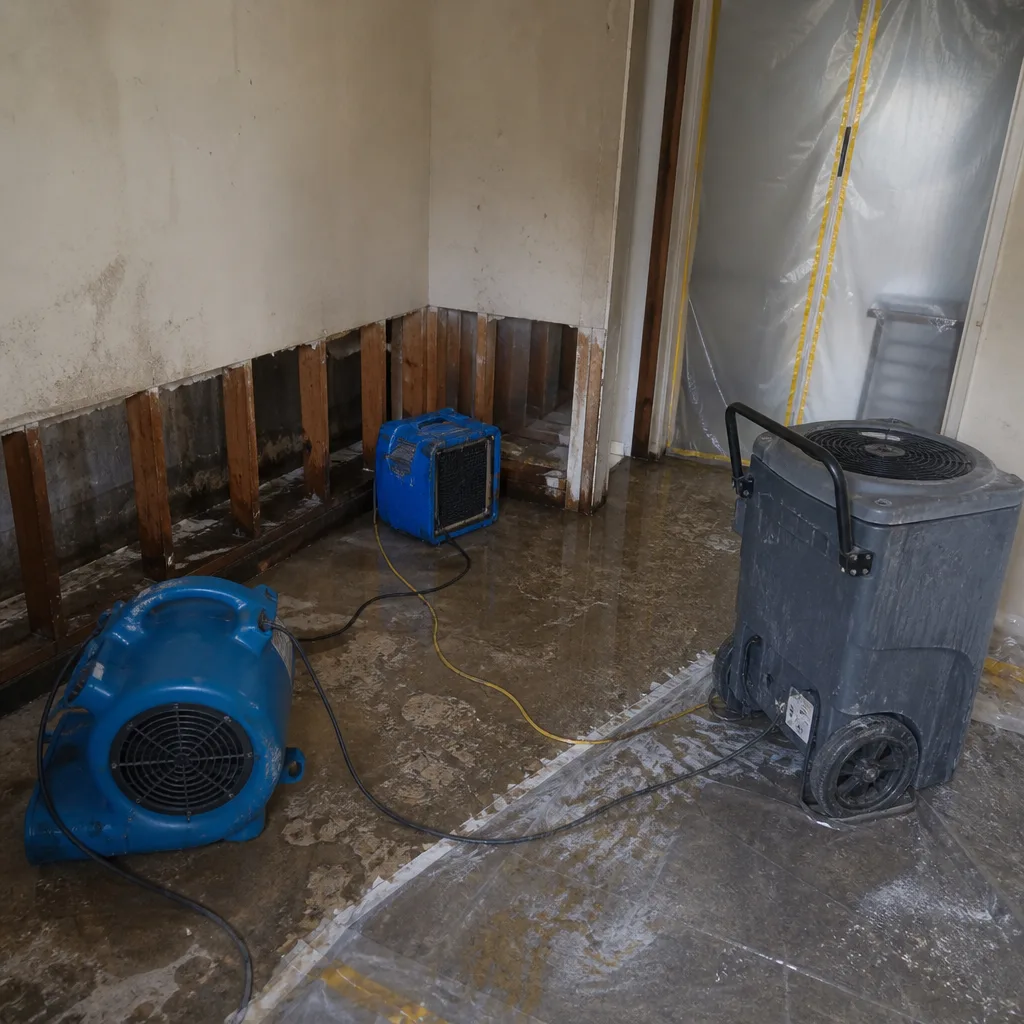 Before
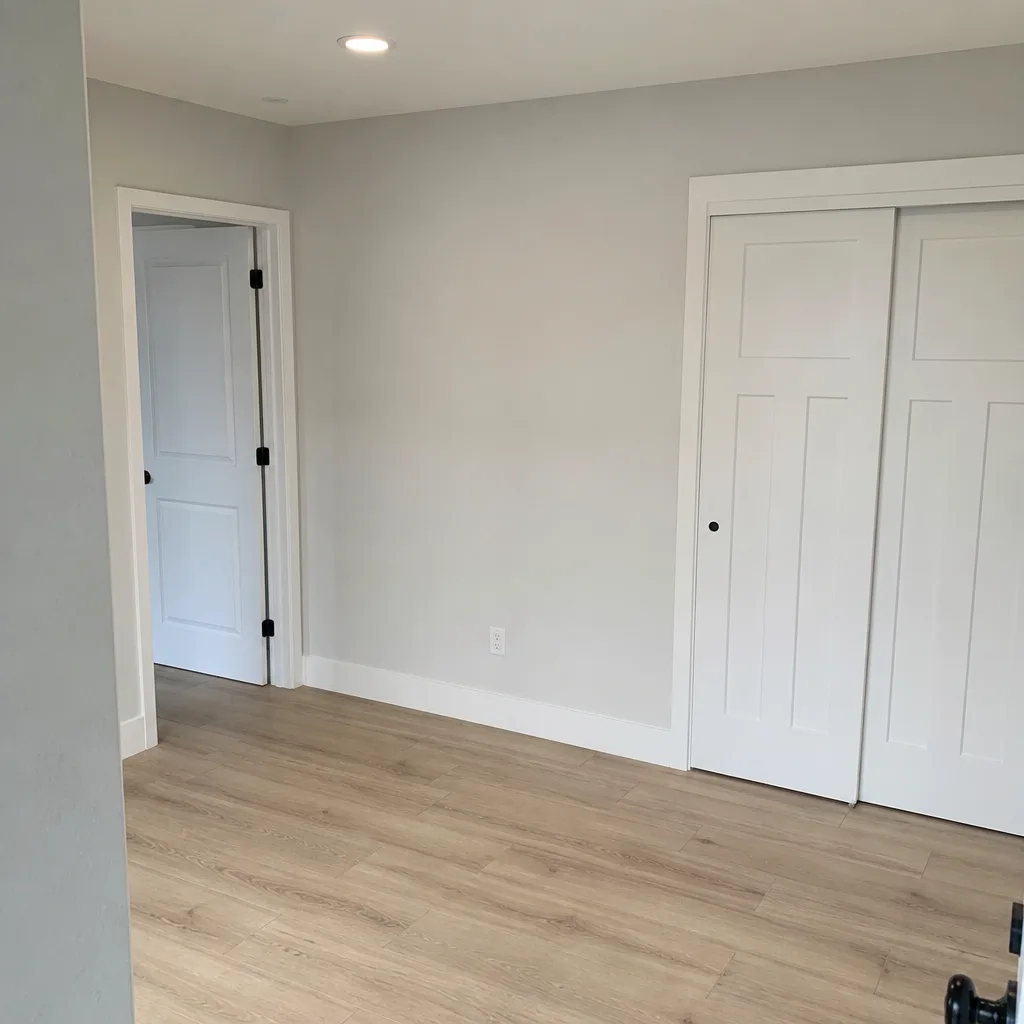 After
After24/7 Emergency Fire & Smoke Damage Restoration in Poway
Fire and smoke damage in Poway requires same-day response, not next-day scheduling. Call (858) 428-2364 now and you’ll reach a live person, not a voicemail tree. Our crews are dispatched from our San Diego office and can be on-site anywhere in Poway within 45 minutes.
The first hour after a fire is when most of the permanent damage sets in. Smoke residues begin etching glass and metal within minutes. Soot acids start degrading plastics and finishes. Suppression water, if it was used, is already wicking laterally through stucco wall cavities toward unaffected rooms. Every minute of delay expands the scope and the final invoice. That’s why we answer live 24 hours a day, 7 days a week, and why we offer a free visual inspection with a written price before any work begins, per Haven Standard, Clause 1.
Understanding Fire & Smoke Damage Restoration Severity in Poway Properties
Fire damage in Poway falls into three severity tiers, and the local housing stock determines which tier you’re likely facing. Poway’s concentration of 1970s-1990s ranch and split-level tract homes means lightweight truss construction, synthetic carpeting that off-gasses aggressively when heated, and single-layer drywall that fails fast under direct flame. These homes typically show dry smoke residue - powdery, non-smearing soot from fast-burning, oxygen-rich fires - which requires HEPA vacuuming before any wet cleaning touches it.
The post-2003 Cedar Fire rebuild wave produced a second cohort of homes, many built with rapid-turnaround contractors. These structures now show wet smoke residue from slow, smoldering fires - sticky, smearing soot that bonds to stucco and tile-roof underlayment. Wet smoke demands solvent-based cleaning agents and longer dwell times. The third tier, protein residue from kitchen fires, is nearly invisible but carries a rancid odor that penetrates HVAC ductwork in homes off Twin Peaks Road and near the Blue Sky Reserve.
Smoke migration follows pressure differentials, not logic. We’ve found heavy soot on second-floor return grilles while the fire was contained to a ground-floor kitchen. Thermal imaging and moisture mapping are non-negotiable on every Poway job - the tile roofs and stucco exteriors that dominate here channel water and smoke into wall cavities that visual inspection simply cannot reach.
Why Poway Property Owners Choose DryMark Restoration El Cajon
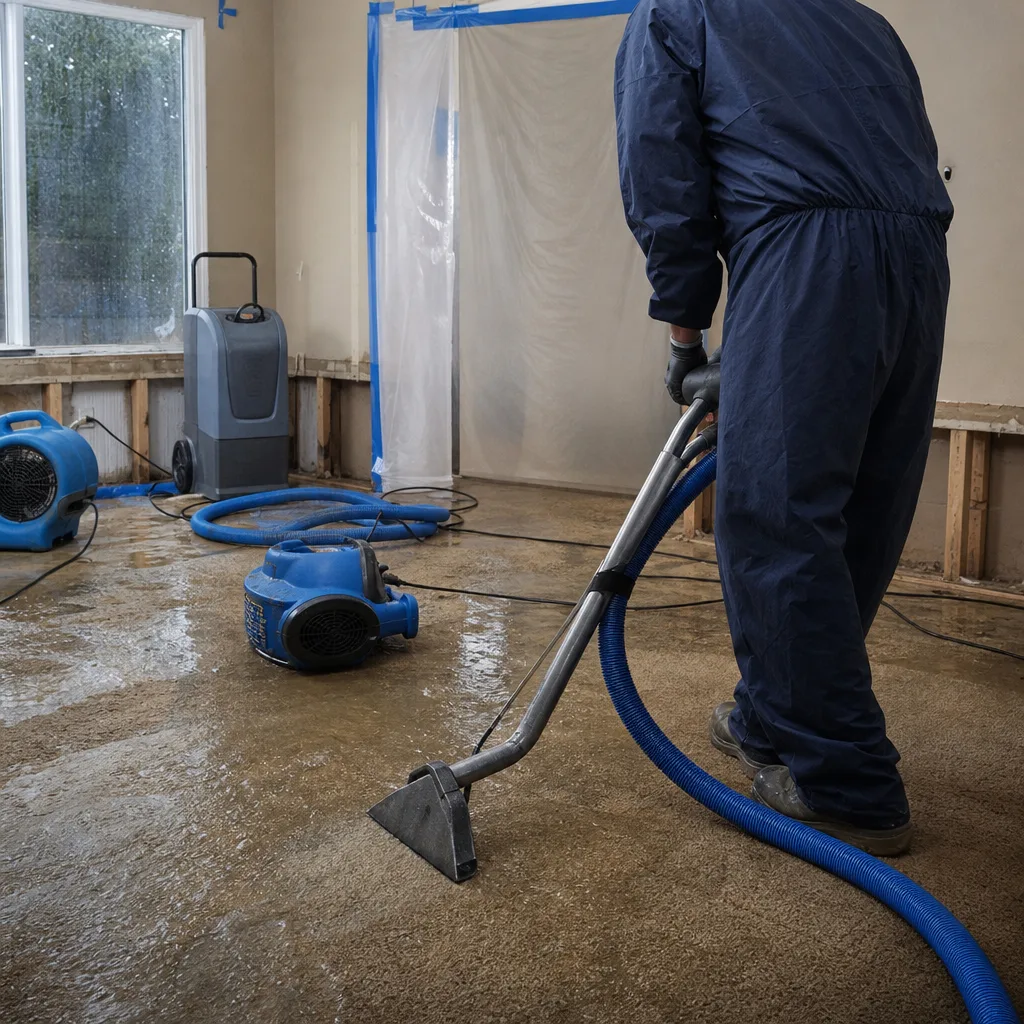
- 45-minute response commitment to any Poway address, with crews staged from our San Diego office for immediate dispatch.
- 24/7 live answer - a real person picks up every call, never an automated system or next-business-day callback while smoke residue continues etching your finishes.
- IICRC-certified crews holding FSRT (Fire and Smoke Restoration Technician) and WRT (Water Damage Restoration Technician) credentials, with AMRT (Applied Microbial Remediation Technician) certification for the mold that follows suppression water.
- Free visual inspection with a written scope and price delivered before any equipment is unloaded or any surface is touched.
- Direct insurance billing with photo-documented estimates, daily drying logs, and direct adjuster coordination - the documentation package that turns restoration invoices into payable claims.
- One team from emergency response through reconstruction, so your scope doesn’t get lost in handoffs between mitigation and rebuild contractors.
 Before
 After
AfterOur Fire & Smoke Damage Restoration Process
1. Inspection & Assessment
We document every room with pre-loss condition photos, run thermal imaging to trace smoke migration and suppression-water pathways behind stucco, and test soot residue type to determine cleaning chemistry. Every finding goes into a written scope with a fixed price before work starts.
2. Emergency Board-Up & Stabilization
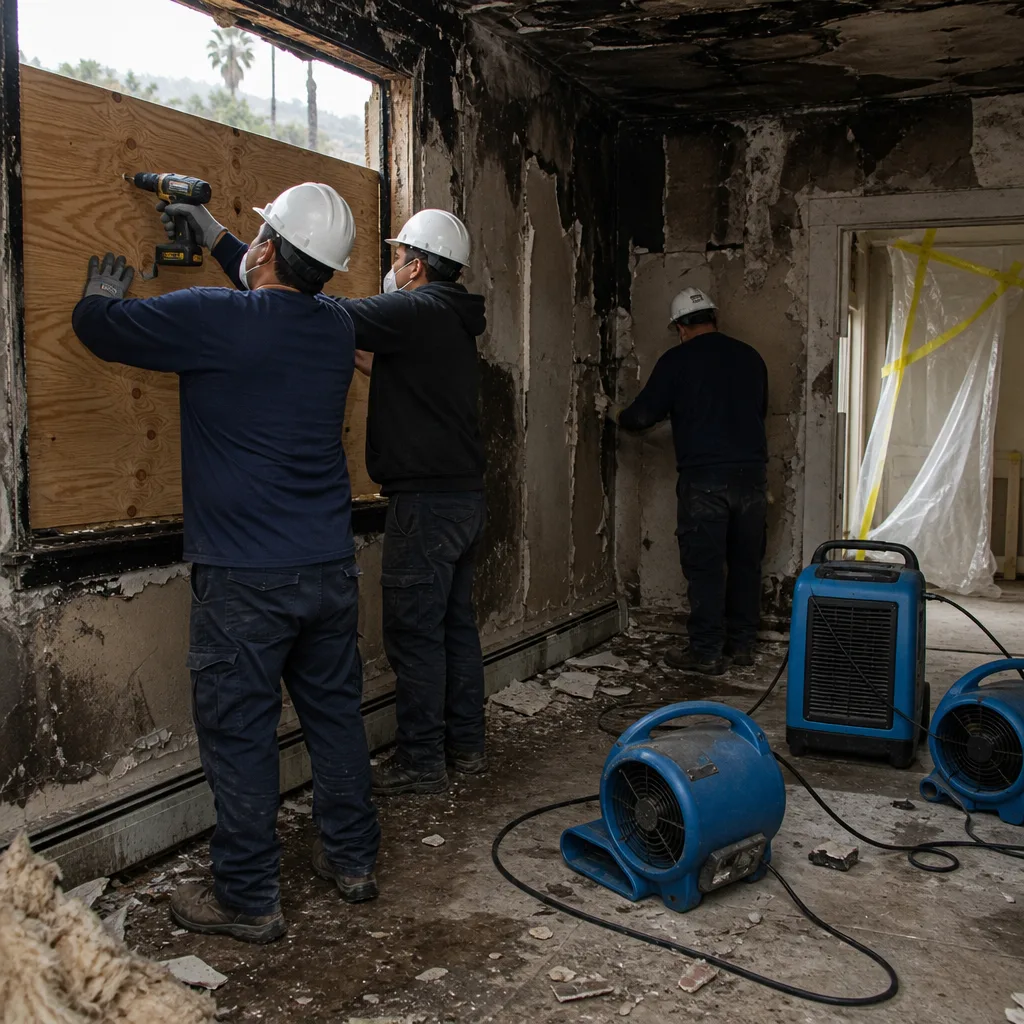
Broken windows, compromised roof sections, and damaged doors are secured with fire-rated plywood and weatherproof tarps. We establish containment zones with polyethylene barriers and negative air pressure to prevent cross-contamination to unaffected areas.
3. Water Extraction & Structural Drying
Suppression water is extracted with truck-mounted systems, then we deploy Dri-Eaz and Phoenix LGR dehumidifiers with XPOWER HEPA-filtered air movers. Daily moisture readings are logged to IICRC S500 standards, with psychrometric data tracking vapor pressure differential until materials reach dry standard.
4. Smoke & Soot Removal
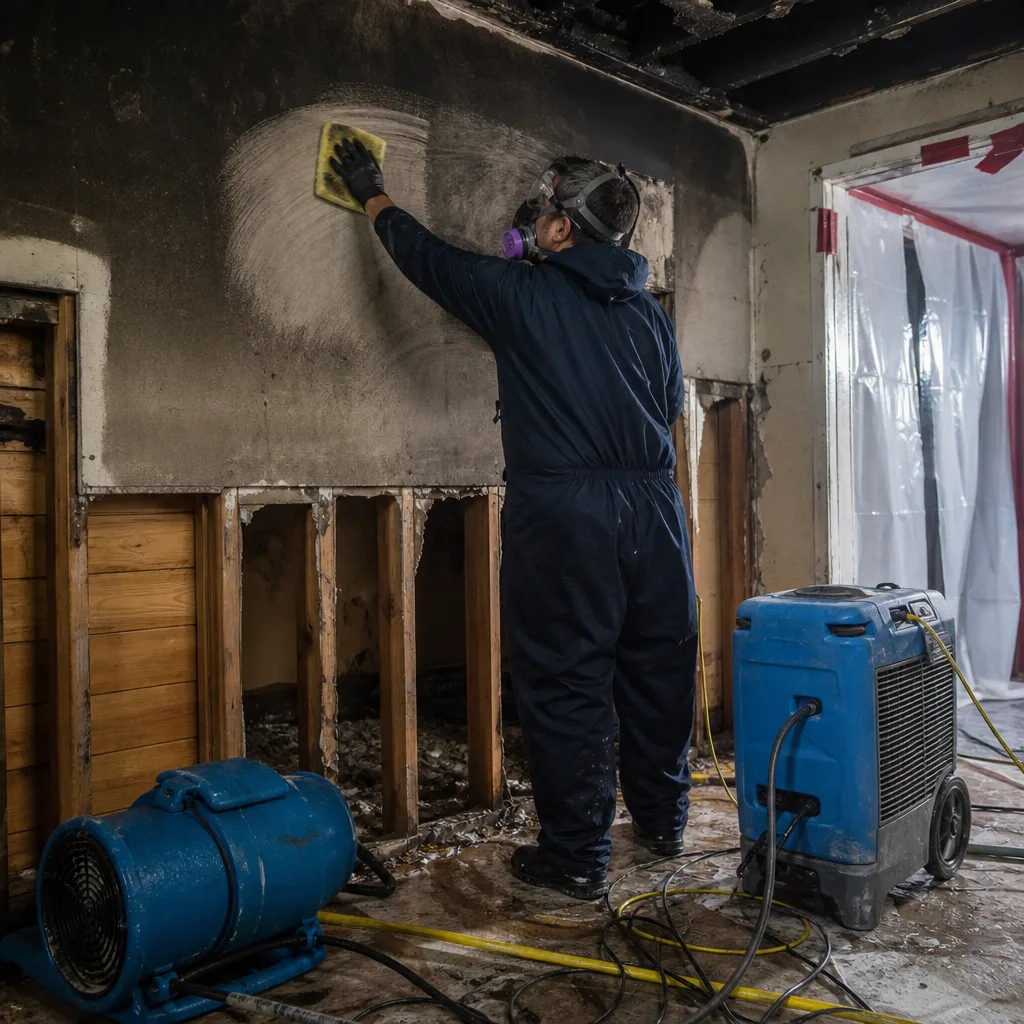
Dry smoke gets HEPA vacuuming first, always. Wet smoke gets solvent pre-cleaning. Protein residues get enzyme digesters. We clean from top to bottom - structural elements, then fixtures, then contents - with chemistry matched to substrate: alkaline cleaners for painted drywall, pH-neutral for marble or travertine, solvent-based for finished wood.
5. Odor Removal & Deodorization
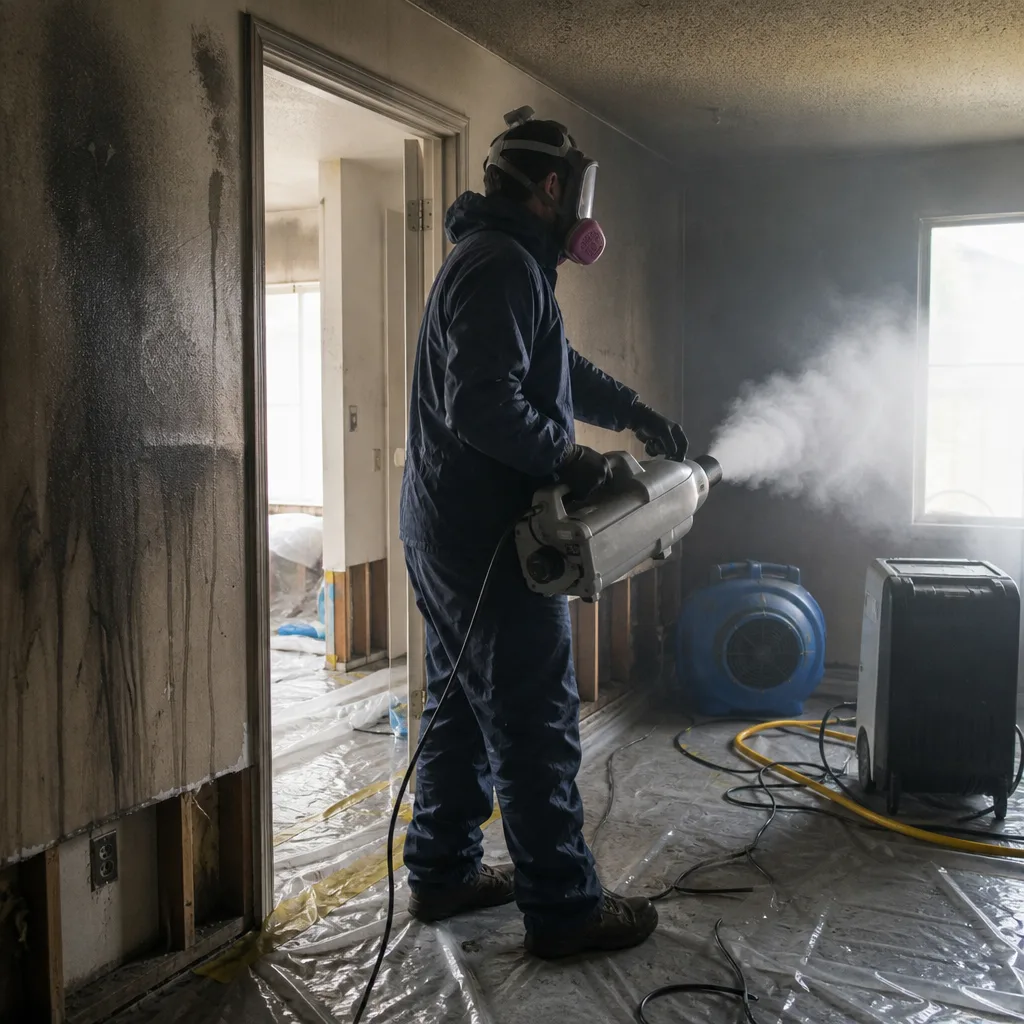
Thermal fogging with solvent-based deodorants penetrates where cleaning cannot reach. Hydroxyl generators run safely with occupants present, breaking odor molecules at the compound level. For heavy HVAC contamination, we pull air handlers for coil and plenum cleaning, then seal duct interiors with SMOKE SEALER products.
6. Repairs & Restoration
Drywall replacement, insulation removal and reinstall, flooring restoration, painting, and final finish work are scoped in writing and executed by the same team that handled mitigation. No handoff gaps, no blame-shifting between contractors.
Need Emergency Fire & Smoke Damage Restoration in Poway Now?
Crews minutes away, answering live 24 hours a day. The sooner we start, the less it costs.
Working With Your Insurance Company
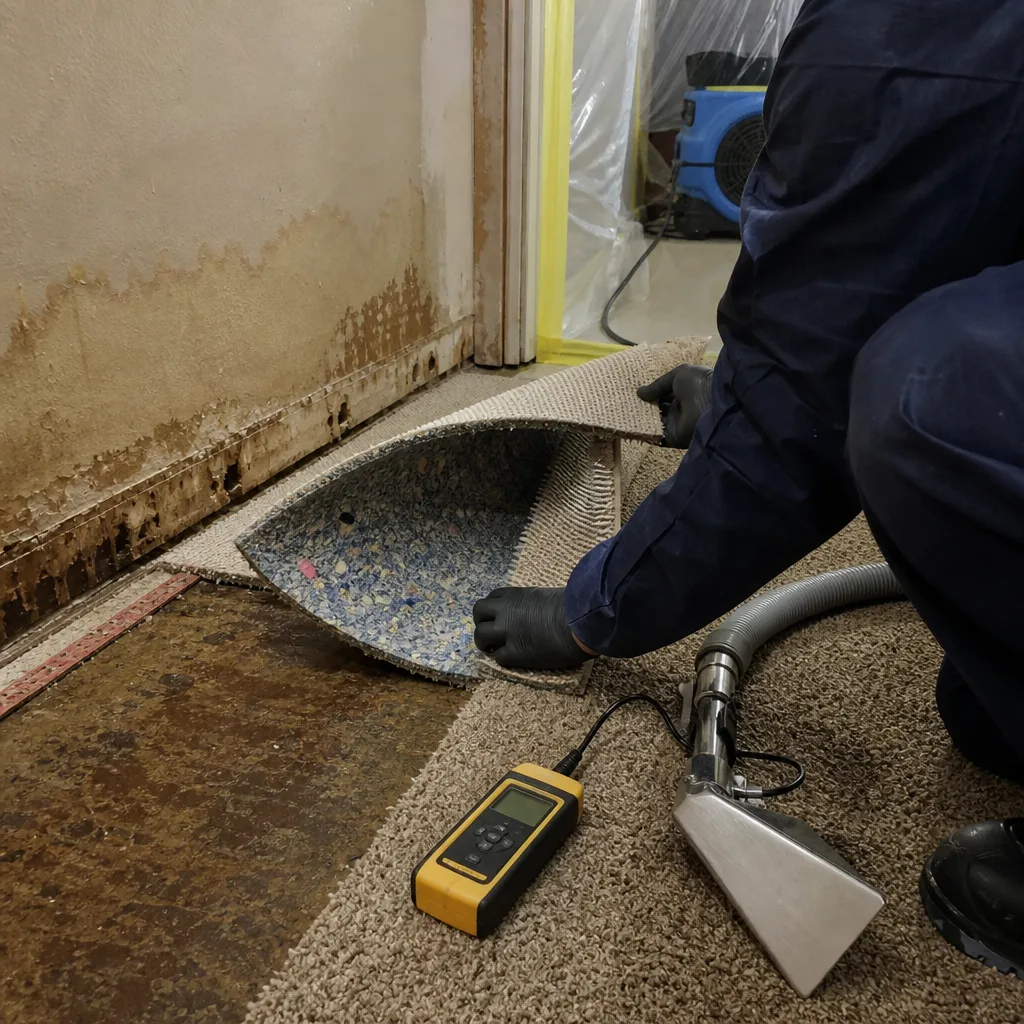
Most Poway fire and smoke claims are disputed at least once, and the dispute is almost always about documentation. Out-of-area adjusters see no char on the stucco, no burned roof tiles, and they flag the claim for review. Our response is evidence, not argument. From the first hour on site, we produce the documentation package that satisfies carrier requirements and state regulations.
We write industry-standard estimates in Xactimate format, the same platform adjusters use, which eliminates translation errors. We communicate directly with your adjuster, not through you as a relay. And we deliver every document in a single organized file: photos, moisture logs, drying records, material specifications, and the signed 365-Day Done Right Promise under The Haven Standard.
What We Provide Your Insurer
- Thorough documentation of the loss
- Photos of all damage, room by room
- Moisture readings and drying logs
- A detailed, line-item scope of work
- Direct coordination with your carrier
Built for Poway’s Loss Calendar
Poway’s fire and smoke damage calendar runs on two overlapping cycles. Fall Santa Ana wind events, typically October through December, drive elevated direct fire risk and the smoke-drift claims that define our work here. The valley geography funnels wildfire smoke from distant San Diego County fires directly into hillside neighborhoods near the Blue Sky Reserve and Twin Peaks Road. These are legitimate restoration claims - HVAC soot contamination, attic insulation saturation, pressure-driven infiltration through envelope penetrations - but they require documentation that proves fire causation without visible char.
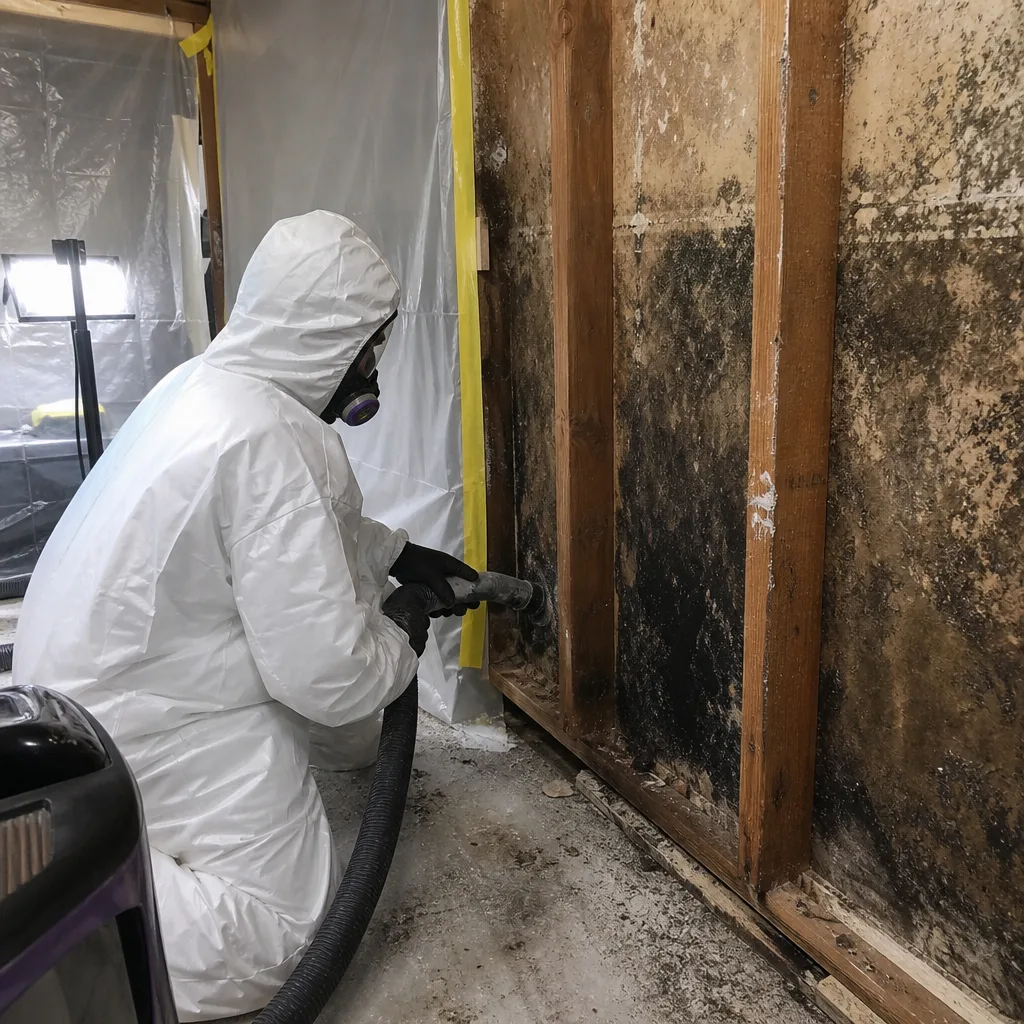
Winter follows with rain on heat-stressed stucco. The rapid dehydration-then-rehydration cycle cracks exterior finishes and opens wall assemblies to moisture intrusion. Homes that had suppression water in October may show delayed mold behind drywall by February. Our drying logs from the initial fire response become evidence in the secondary mold claim.
Spring and summer bring lower direct fire risk but higher reconstruction demand, as homeowners finally schedule the rebuild work they deferred from fall losses. We maintain capacity for both emergency response and scheduled reconstruction throughout the year.
Fire & Smoke Damage Restoration Across Poway’s Neighborhoods
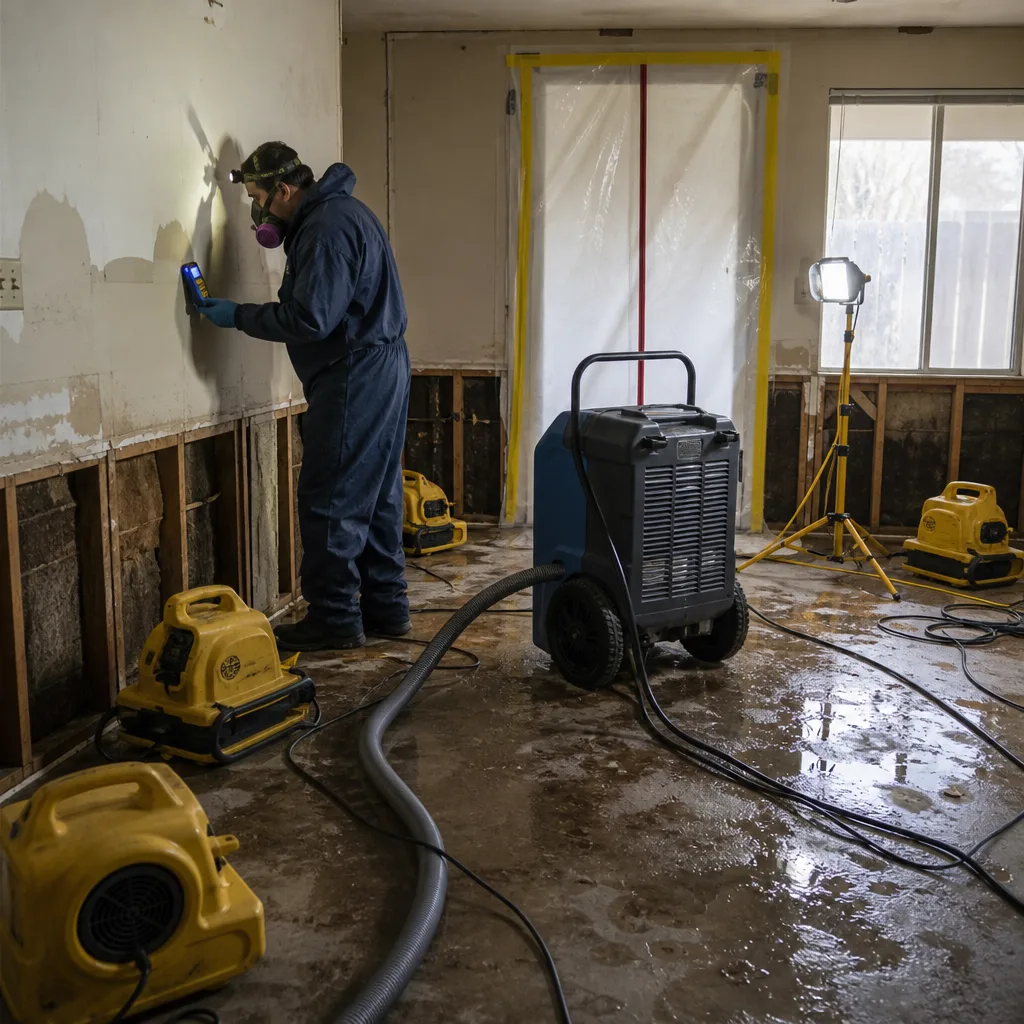
Our response routes cover Poway’s full geography, and each corridor presents distinct restoration challenges.
Old Poway and the historic district along Midland Road feature pre-1980s construction with solid lumber framing, plaster and lath interiors, and minimal insulation. These homes burn slower but hold smoke odor in porous plaster for months. Restoration requires extended thermal fogging dwell times and often full plaster removal rather than surface cleaning.
The Blue Sky Reserve corridor and Twin Peaks Road hillsides are where we see the highest concentration of smoke-only claims - no fire on property, but heavy HVAC and attic contamination from drift smoke. The elevation and valley funnel effect concentrate particulate matter. We always inspect air handler coils and attic insulation on these calls, and we document with pre-cleaning photos because adjusters frequently dispute the scope.
Rancho Bernardo-adjacent tracts south of Poway Road built in the 1980s-1990s feature the lightweight truss construction and synthetic materials that produce fast, hot fires and dry smoke residue. These homes also have the earliest post-Cedar Fire rebuilds, now aging into their first envelope failures.
The acreage properties and rural pockets along Espola Road and toward Ramona include detached workshops, oversized garages, and outbuildings with heavier-duty construction and deeper framing bays. These structures hold moisture and smoke residue longer than standard residential spaces. Our drying logs consistently show 48-72 hour extended drying phases on these buildings before contents pack-out can safely begin.
Specialized Fire & Smoke Damage Restoration Services We Offer in Poway
Fire Damage Cleanup
From structure to contents, we remove charred material, test remaining substrates for restoration viability, and clean salvageable surfaces with chemistry matched to residue type. In Poway’s stucco-and-tile housing stock, we pay particular attention to lateral water migration from suppression efforts that can turn a contained kitchen fire into a whole-house moisture problem.
Smoke & Soot Removal
Dry smoke, wet smoke, and protein residue each demand distinct approaches. We identify residue type before selecting cleaning agents, and we never use water-based cleaners on dry smoke - the smearing damage is irreversible. For Poway homes in the drift-smoke corridor, we clean HVAC coils, plenums, and duct interiors that competitors often miss.
Odor Removal & Deodorization
Thermal fogging, hydroxyl generation, and ozone treatment (in unoccupied spaces) break odor compounds at the molecular level. We verify results with odor panel testing, not guesswork. The persistent campfire smell in hillside Poway homes after distant fires typically requires 3-5 days of combined treatment, not a single spray application.
Contents Cleaning & Pack-Out
Salvageable contents are inventoried, photographed, packed, and transported to our facility for ultrasonic cleaning, ozone treatment, and specialized drying. Non-salvageable items are documented for insurance replacement with make, model, and condition photos. Our Fire & Smoke Damage Restoration team manages this process so nothing is lost in transition.
Emergency Board-Up & Tarping
Fire-damaged openings are secured with fire-rated plywood and weatherproof membranes to prevent secondary water intrusion and unauthorized entry. We document pre-boarding condition for insurance records and maintain containment of the loss perimeter.
What happens when you call
- 1
A real person answersNo phone trees - you reach a local pro.
- 2
You get an upfront price rangeHonest numbers before anyone is dispatched.
- 3
A background-checked tech heads outLicensed & insured, dispatched right away.
- 4
You approve before work beginsNothing starts until you say go.
Fire & Smoke Damage Restoration Costs in Poway, CA
Actual pricing for Poway’s market, based on 2024-2025 job data:
| Service | Typical Range |
|---|---|
| Smoke & soot cleaning (single room, no structural damage) | $1,800 - $3,400 |
| HVAC and duct cleaning after smoke infiltration | $2,200 - $4,500 |
| Contents pack-out and cleaning (2,000 sq ft home) | $3,500 - $7,000 |
| Full fire damage restoration with reconstruction | $15,000 - $65,000+ |
| Emergency board-up and stabilization | $800 - $2,200 |
What moves the price: extent of smoke migration beyond the fire room, whether suppression water requires full structural drying, HVAC contamination level, and whether contents require off-site cleaning. Insurance typically covers direct fire and smoke damage plus necessary suppression water mitigation; gradual mold from delayed drying may be excluded if not properly documented. Our free inspection produces a written, line-item scope with a fixed price before any work begins. Bring a competitor’s estimate and we’ll provide a free second opinion.
We Also Serve Cities Near Poway
Our crews respond throughout northeastern San Diego County, including Santee for rapid suburban dispatch, Lakeside for rural and acreage properties with similar detached workshop configurations, Ramona for inland valley fire corridor exposure, and Del Mar for coastal smoke drift and marine-climate restoration challenges.
Serving Poway, CA - Our Local Coverage Area
We’re based in the Poway area and know this community well. Use the map below to see our service coverage - if you’re nearby, we can almost certainly help.
Poway Fire & Smoke Damage Restoration Questions, Answered
We never had a fire, but our house off Twin Peaks Road smells like smoke after a county fire - is that a real restoration claim?
Yes. Drift smoke from distant wildfires produces legitimate restoration claims in Poway’s hillside neighborhoods, particularly near the Blue Sky Reserve corridor where valley geography concentrates particulate matter. The smoke pulls into attic spaces and HVAC returns, depositing soot on air handler coils and insulation that continues circulating odor until removed. We document these claims with pre-cleaning photos of coil contamination, attic insulation testing, and pressure-differential readings that prove smoke pathway - the evidence package that convinces adjusters who expect to see char. Call (858) 428-2364 for a free inspection and written scope.
How fast does soot and smoke residue need to be addressed on a Poway fire loss?
Within hours, not days. Smoke residues begin etching metal and glass within minutes of deposition. Synthetic materials in 1970s-1990s Poway tract homes off-gas and bond with soot, making delayed cleaning progressively more expensive. By 72 hours, many finishes require replacement rather than restoration. Our 45-minute response commitment exists because we’ve measured the cost difference between same-day and next-day starts on identical losses. Call (858) 428-2364 for immediate dispatch.
Do you treat detached workshops and oversized garages differently on a Poway fire or smoke job?
Yes. These structures have deeper framing bays, heavier-duty doors, and often open or unsealed slabs that hold moisture and smoke residue longer than standard residential spaces. Our drying logs on Poway acreage properties consistently require 48-72 hours of extended dehumidification and air mover deployment before contents pack-out begins. We also check for stored chemicals, fuels, and equipment that may have been affected by heat or smoke, documenting condition for insurance replacement. The scope and timeline differ significantly from a standard residential room.
What’s the difference between fire damage cleanup and a full contents pack-out after a Poway fire?
Fire damage cleanup addresses the structure - walls, ceilings, floors, HVAC systems, and fixed fixtures. Contents pack-out addresses movable property: furniture, clothing, electronics, documents, and personal items. On many Poway jobs, both are necessary. Cleanup happens on-site; pack-out transports salvageable items to our facility for specialized cleaning and storage until reconstruction completes. We inventory every item with photos and condition notes, producing the documentation your insurer requires for replacement of non-salvageable contents. Haven Standard, Clause 1: both services are priced in writing before work begins.
Can you tell what’s salvageable after suppression water and smoke hit a Poway home?
We evaluate by material, exposure time, and residue type. Hard, non-porous items - glass, metal, sealed ceramics - typically restore successfully. Porous items - upholstered furniture, unsealed wood, paper, textiles - depend on smoke residue type and water exposure duration. Electronics require specialist assessment. We document every item with pre-cleaning photos and provide a written salvageability report with your scope, so you and your adjuster have evidence for replacement decisions. Nothing is discarded without documentation and your authorization.
How long does full fire and smoke restoration take in Poway?
Smoke-only mitigation with no structural damage: 3-7 days. Fire damage with suppression water and structural drying: 2-4 weeks. Full reconstruction including drywall, flooring, and finishes: 6-12 weeks depending on material availability and permit timing. We provide a written timeline with every scope and update daily logs so you and your adjuster track progress against the schedule. Call (858) 428-2364 for a project-specific estimate.
Will my insurance cover smoke damage with no visible fire on my Poway property?
Most homeowner policies cover smoke damage from wildfire as a covered peril, regardless of whether the fire touched your property. The dispute is typically about scope, not coverage - adjusters question whether odor alone justifies HVAC cleaning or attic insulation replacement. Our documentation package - coil photos, insulation testing, pressure readings, and odor panel verification - provides the evidence to support full scope approval. We coordinate directly with your carrier and write estimates in Xactimate format to eliminate translation disputes. Call (858) 428-2364 and we’ll review your policy language at no charge.
What should I do in the first 30 minutes after a fire in my Poway home?
Ensure everyone is safe and accounted for, then call (858) 428-2364 for immediate dispatch. Do not enter until fire officials clear the structure. Do not attempt to clean any surfaces - improper cleaning chemistry can set soot permanently. If utilities are off, leave them off. If suppression water is present, avoid affected areas - the water may have compromised electrical systems. Our crew will handle containment, documentation, and stabilization. The actions you avoid in the first 30 minutes matter as much as the actions you take.
Written by Alicia Brennan, Owner at Back to Dry Restoration, serving Poway since 2011 under The Haven Standard.
Fire & Smoke Damage Restoration in Nearby Areas