

Free visual inspection and a written scope of work before any mitigation begins - photos, moisture readings, and drying logs go in your claim file
The scope we write is the scope we bill. Anything new gets shown to you, in writing, before we touch it.
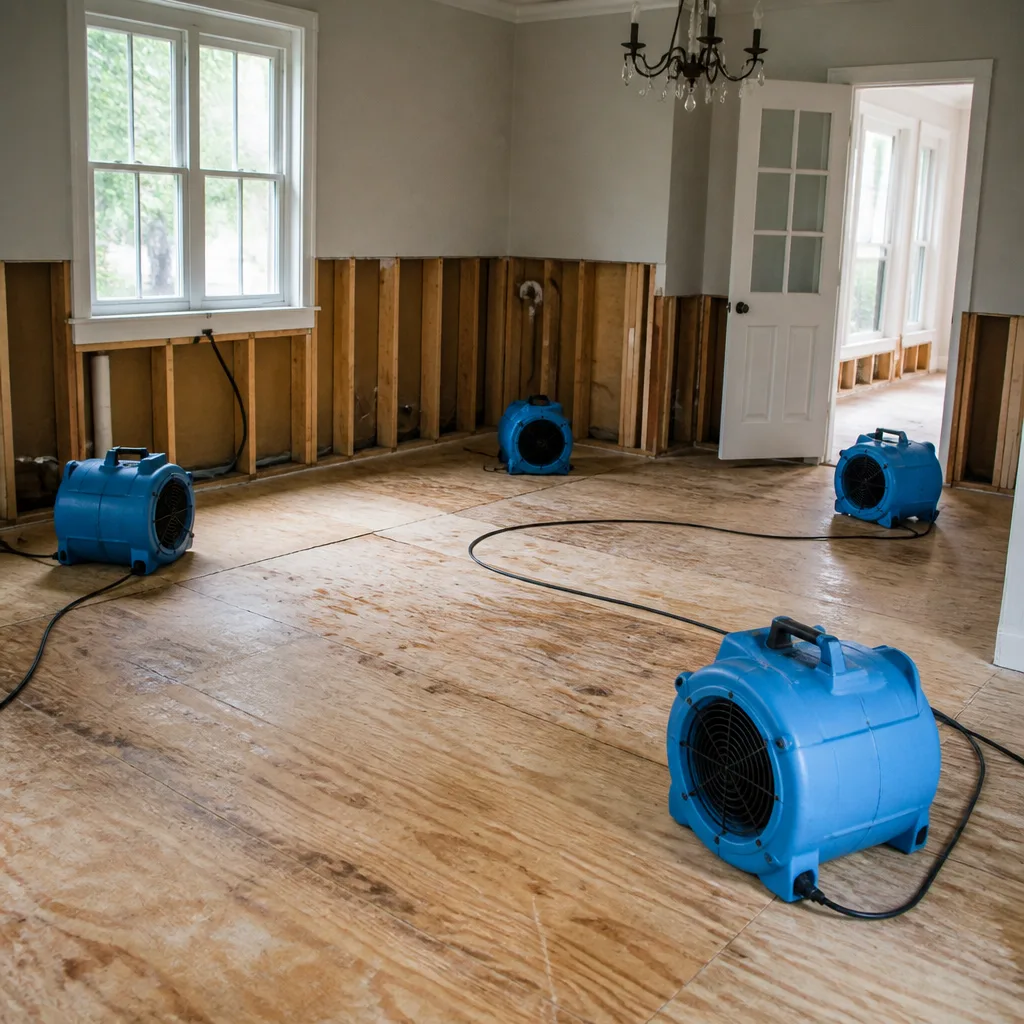

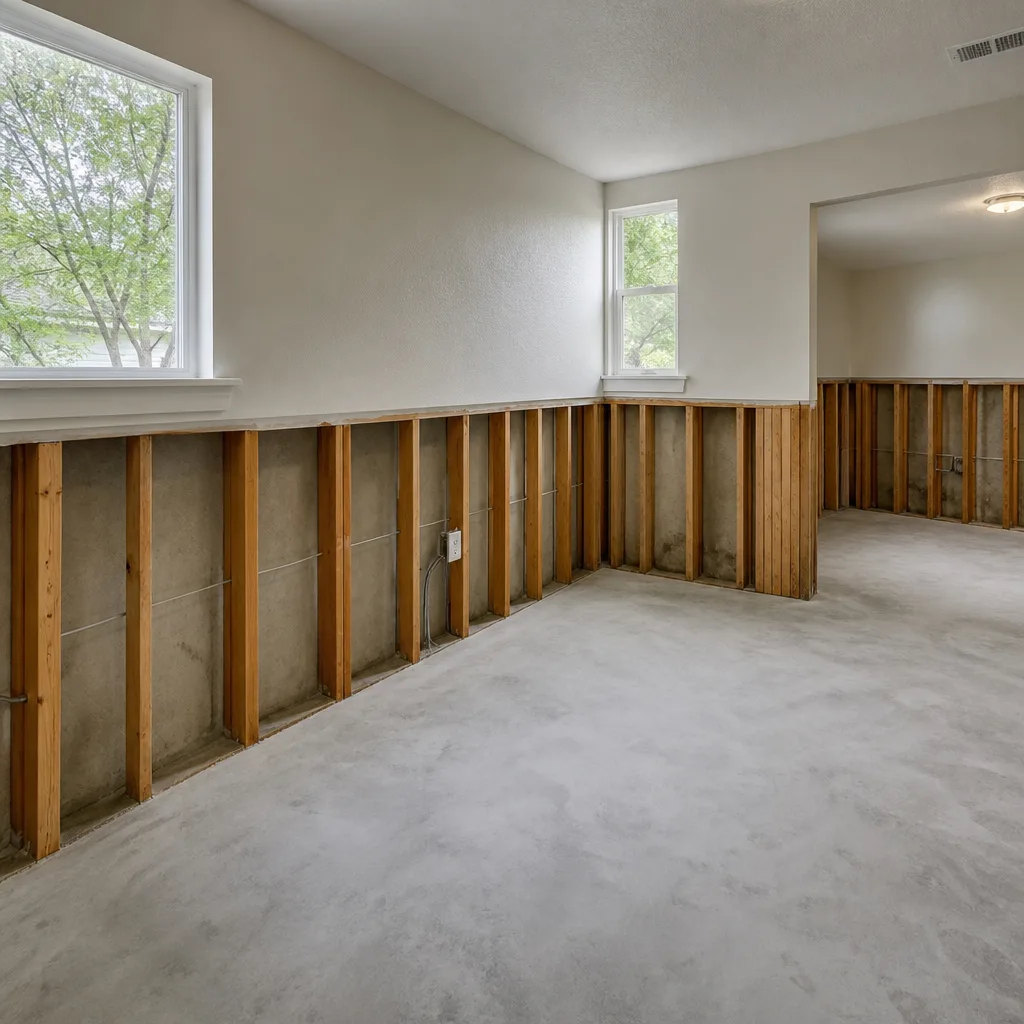
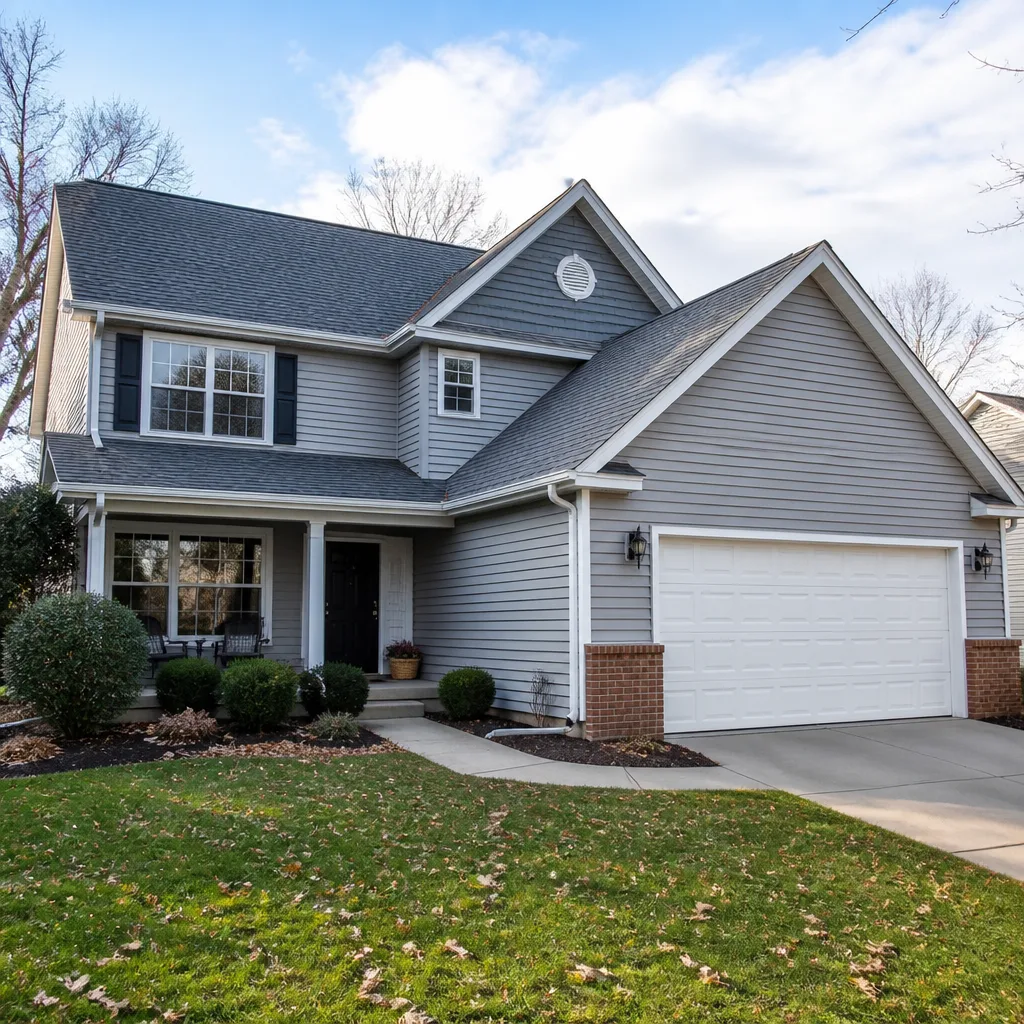
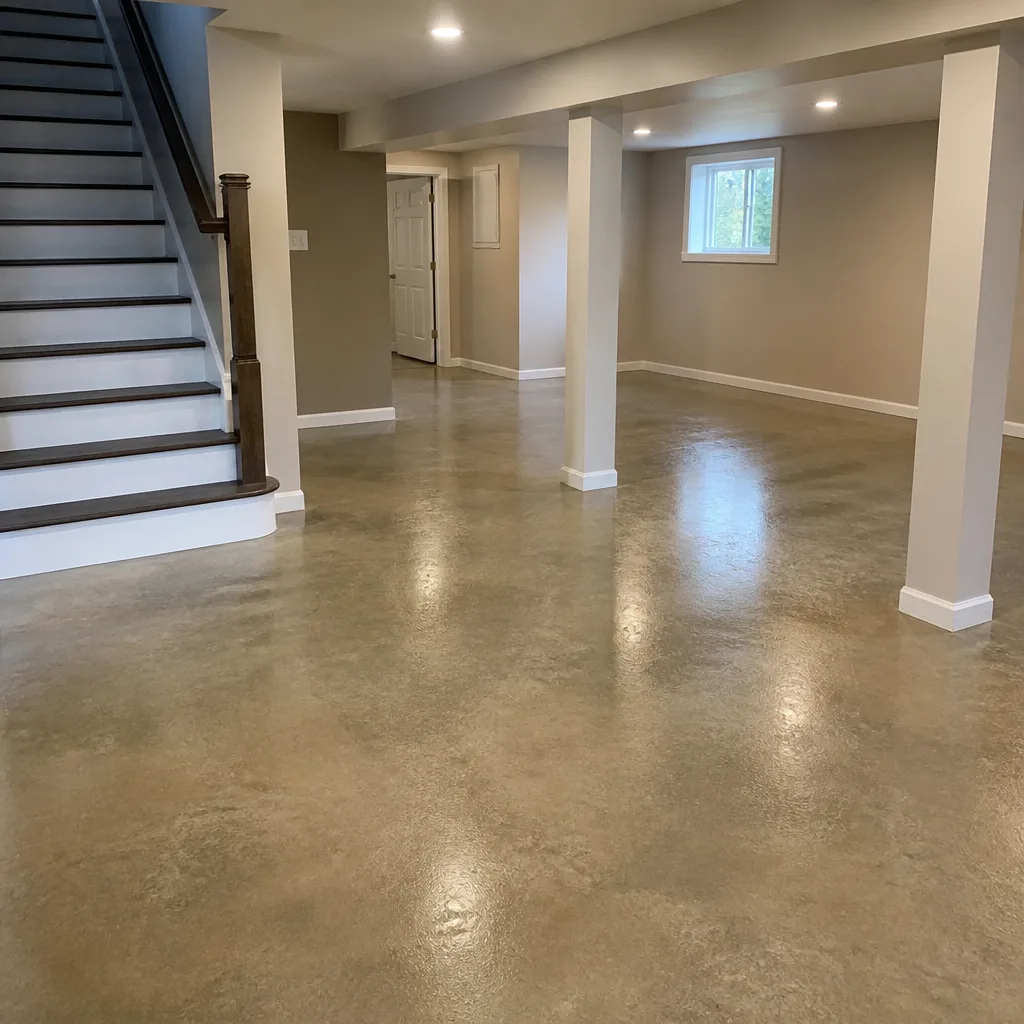

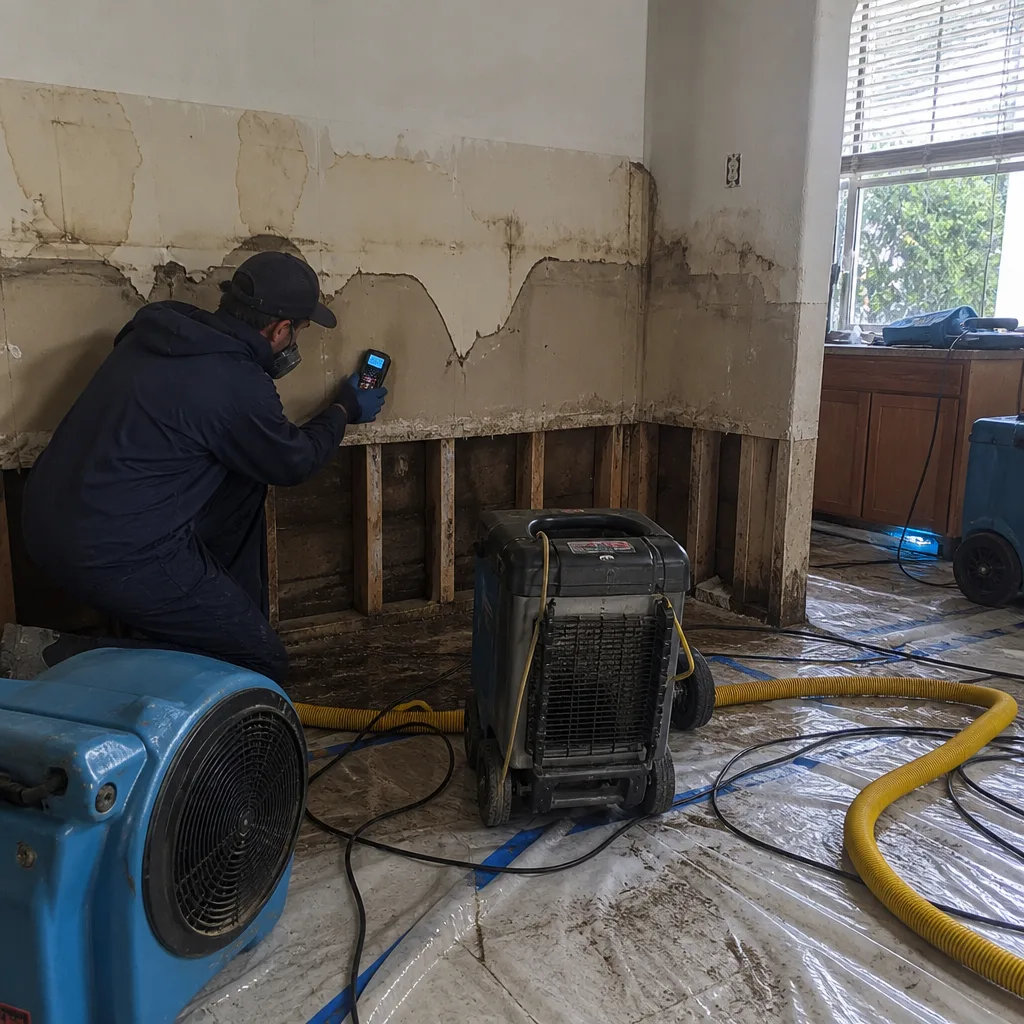 Before
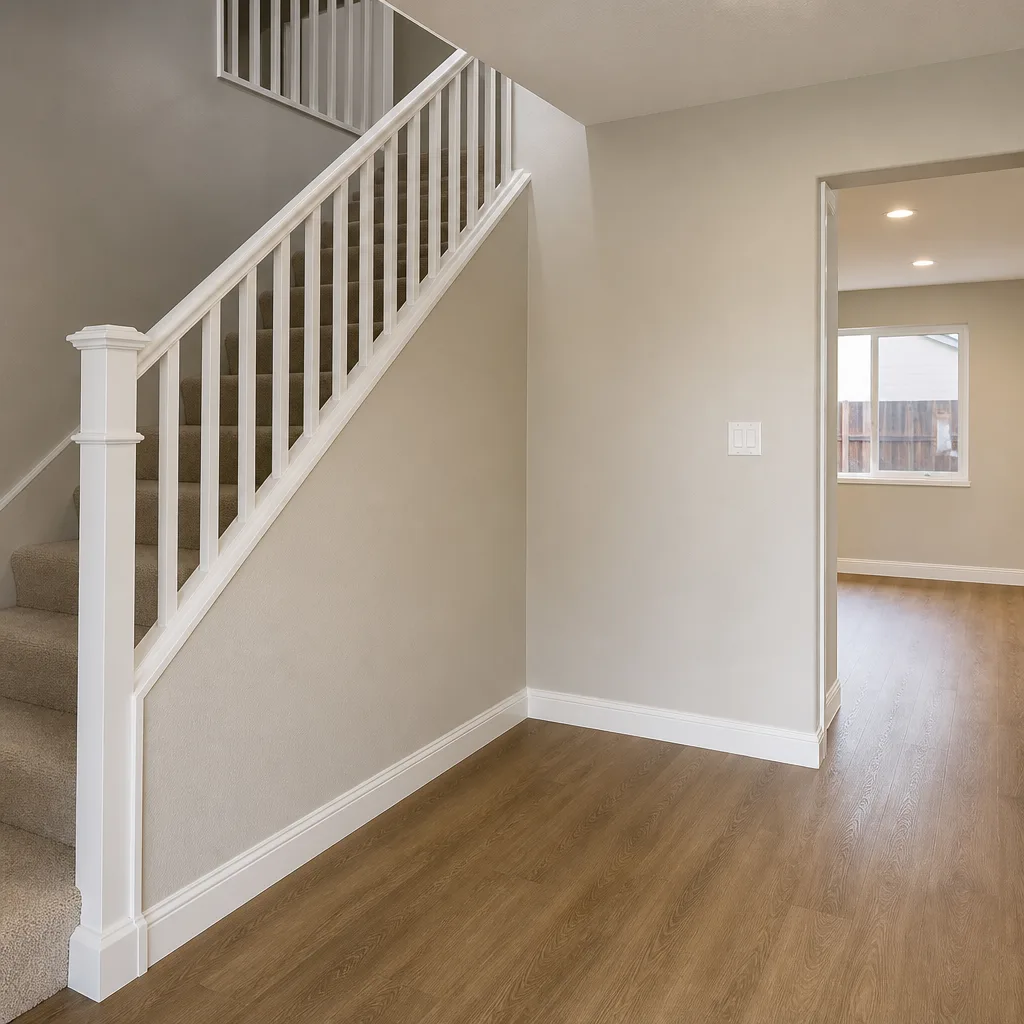 After
After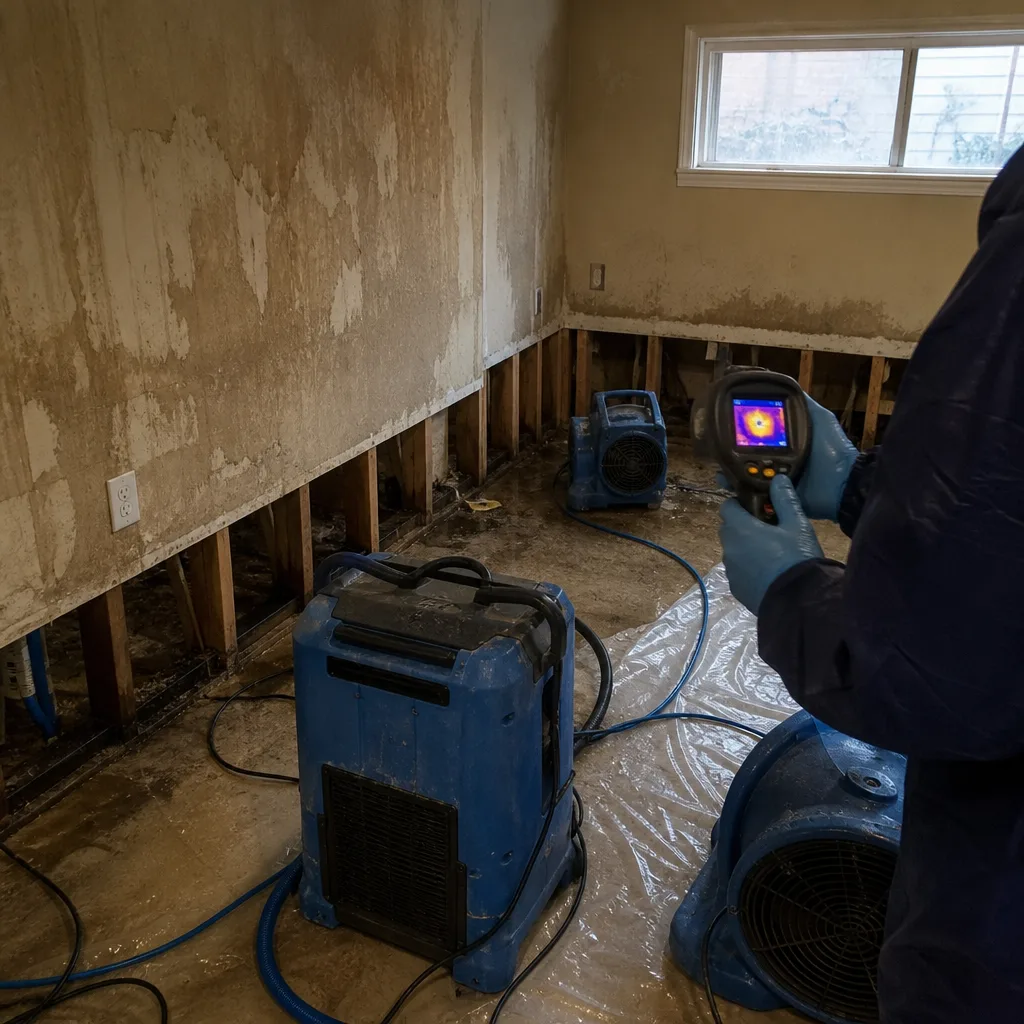 Before
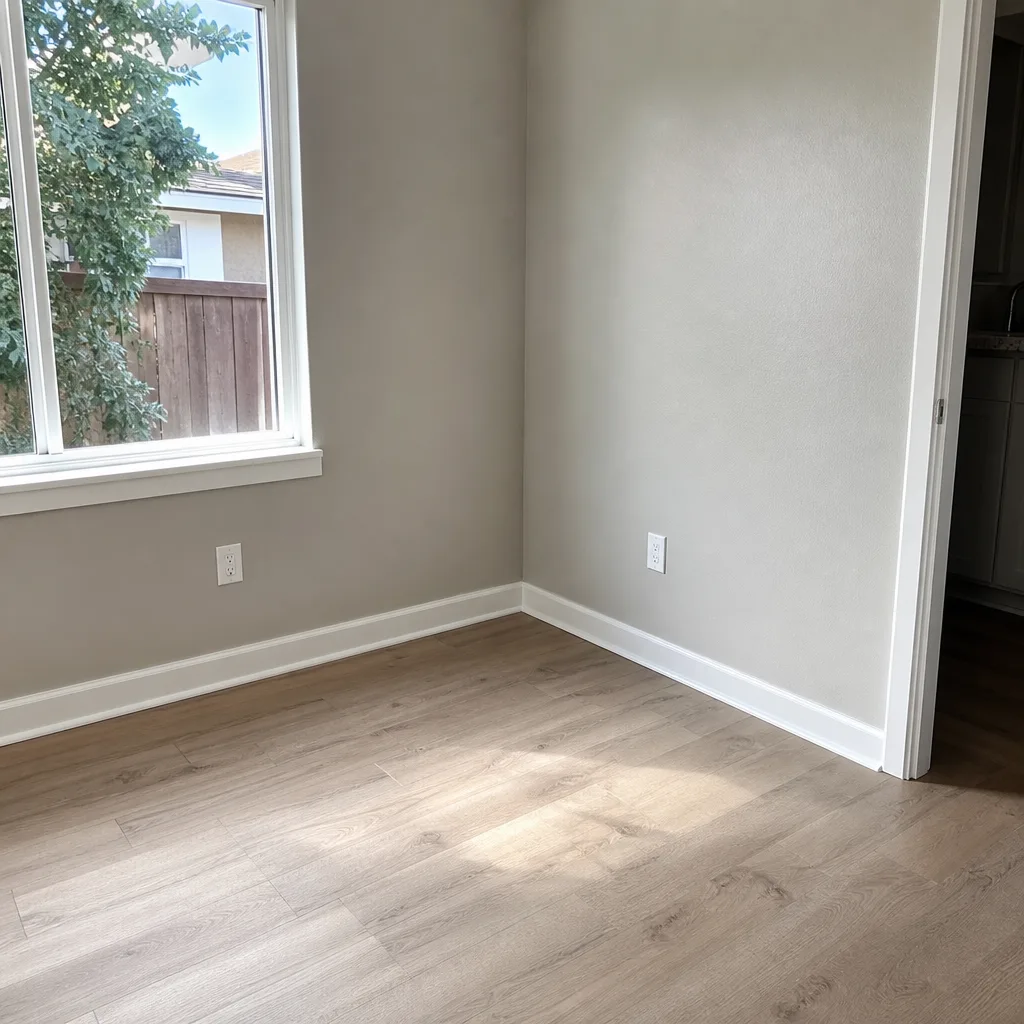 After
After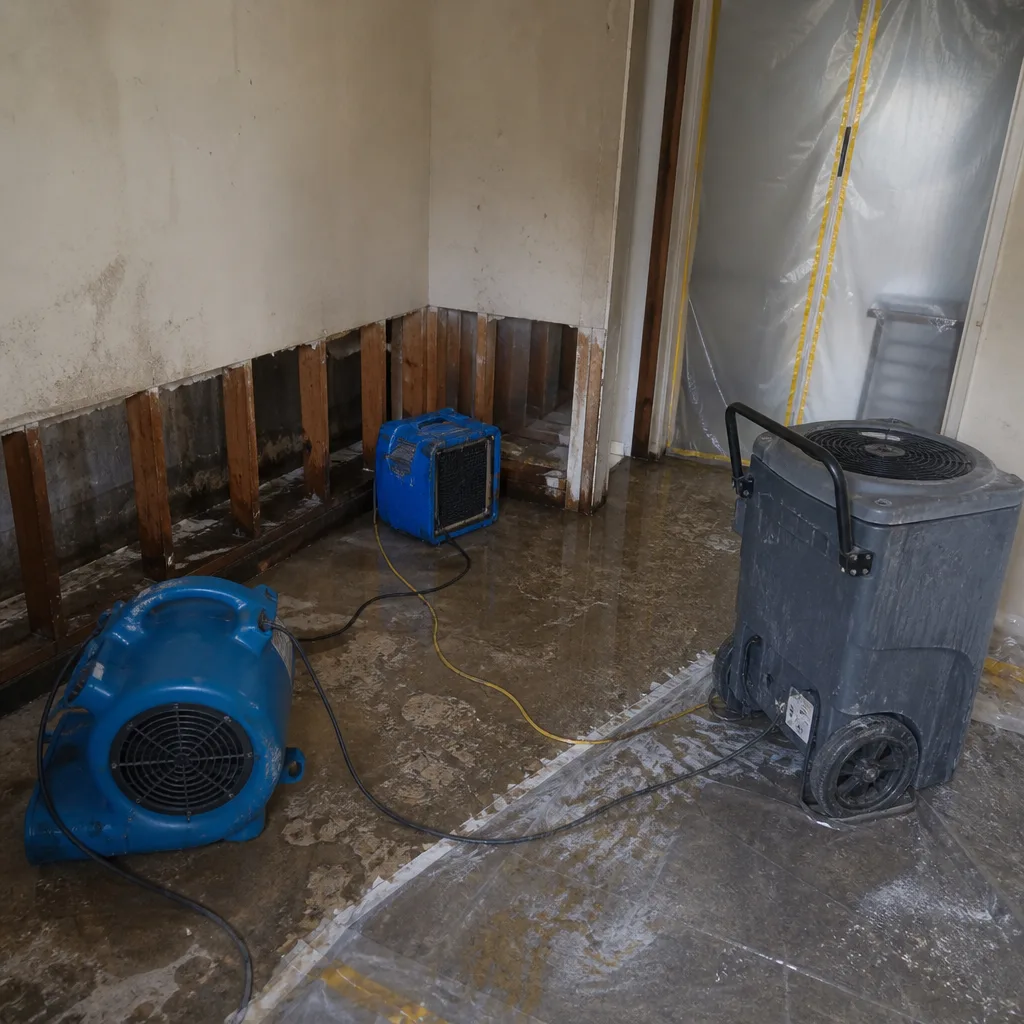 Before
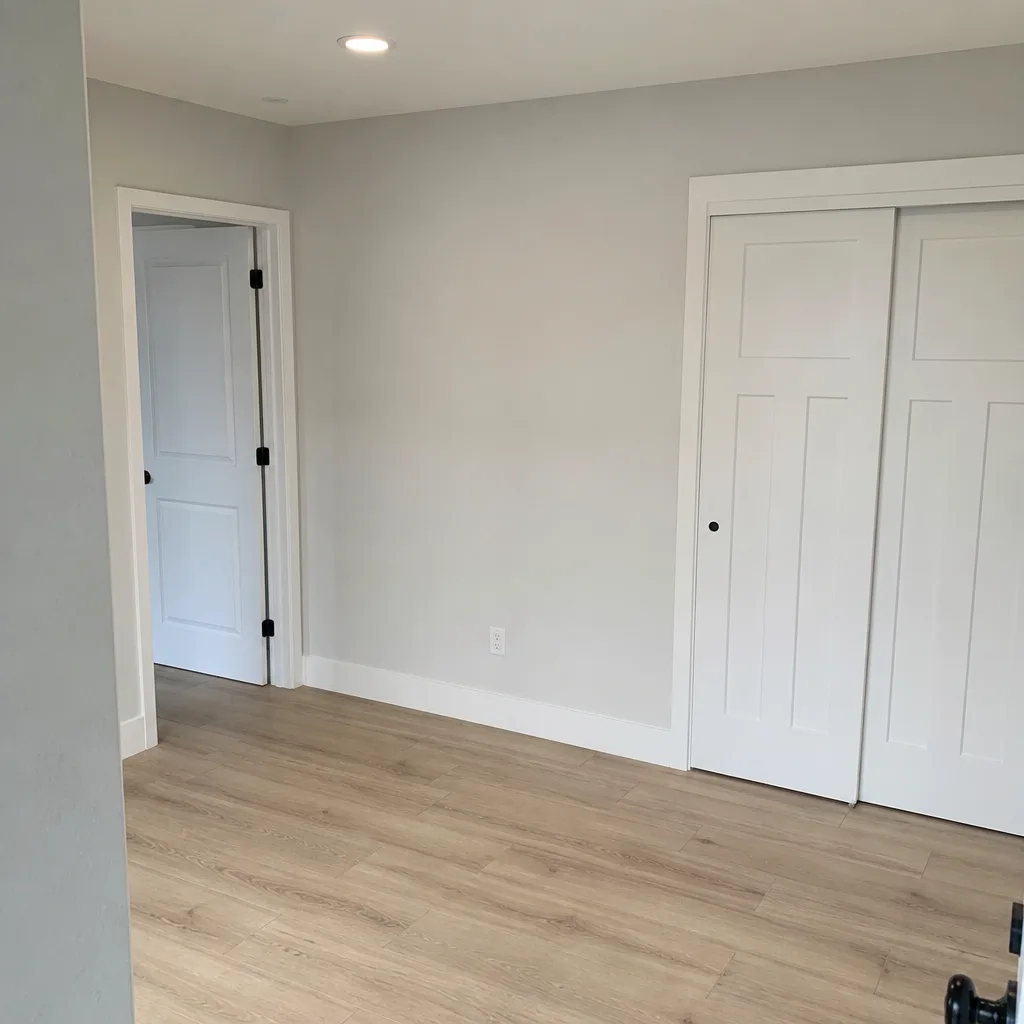 After
After24/7 Emergency Mold Remediation in Poway
Mold remediation in Poway typically costs $1,800-$6,500 depending on concealed damage extent, and our crews are dispatched from our San Diego office with live phone coverage 24 hours a day, 7 days a week at (858) 428-2364. The first hour matters less for mold than for standing water, but the first 48 hours after you notice a musty odor determine whether a contained removal stays small or becomes a whole-wall reconstruction. We answer every call with a real person, never an automated system, and we offer a free visual inspection in Poway with a written scope before any work begins. If you’ve found visible mold or you’re tracking a smell to its source, call now and we’ll schedule assessment within hours, not days.
Understanding Mold Remediation Severity in Poway Properties
Mold severity is classified by affected square footage, material porosity, and whether the colony has penetrated structural framing or remains on cleanable surfaces. Category 1 contamination covers less than 10 square feet of non-porous material - typically remediable without full containment. Category 2 spans 10-100 square feet and often requires poly containment with negative air pressure and HEPA scrubbing. Category 3 exceeds 100 square feet or involves HVAC contamination, demanding full engineering controls and post-remediation clearance testing by a third-party industrial hygienist.
Poway’s housing stock skews heavily toward 1970s-1990s ranch and split-level tract homes with tile roofs and stucco exteriors, plus a significant cohort of post-2003 Cedar Fire rebuilds now entering their first envelope failure cycle. In these homes, water travels laterally inside wall cavities before surfacing, meaning mold colonies behind drywall are often well-established by the time a homeowner notices a smell. The post-2003 rebuilds used rapid-turnaround contractors whose flashing details are now failing, creating a recurring hidden source we document with thermal imaging and pin moisture meters on every assessment. Our crews hold IICRC WRT (Water Damage Restoration Technician) and AMRT (Applied Microbial Remediation Technician) certifications, and we scope every job with the assumption that visible damage understates concealed damage by a factor of two to four in Poway’s building stock.
Why Poway Property Owners Choose DryMark Restoration El Cajon
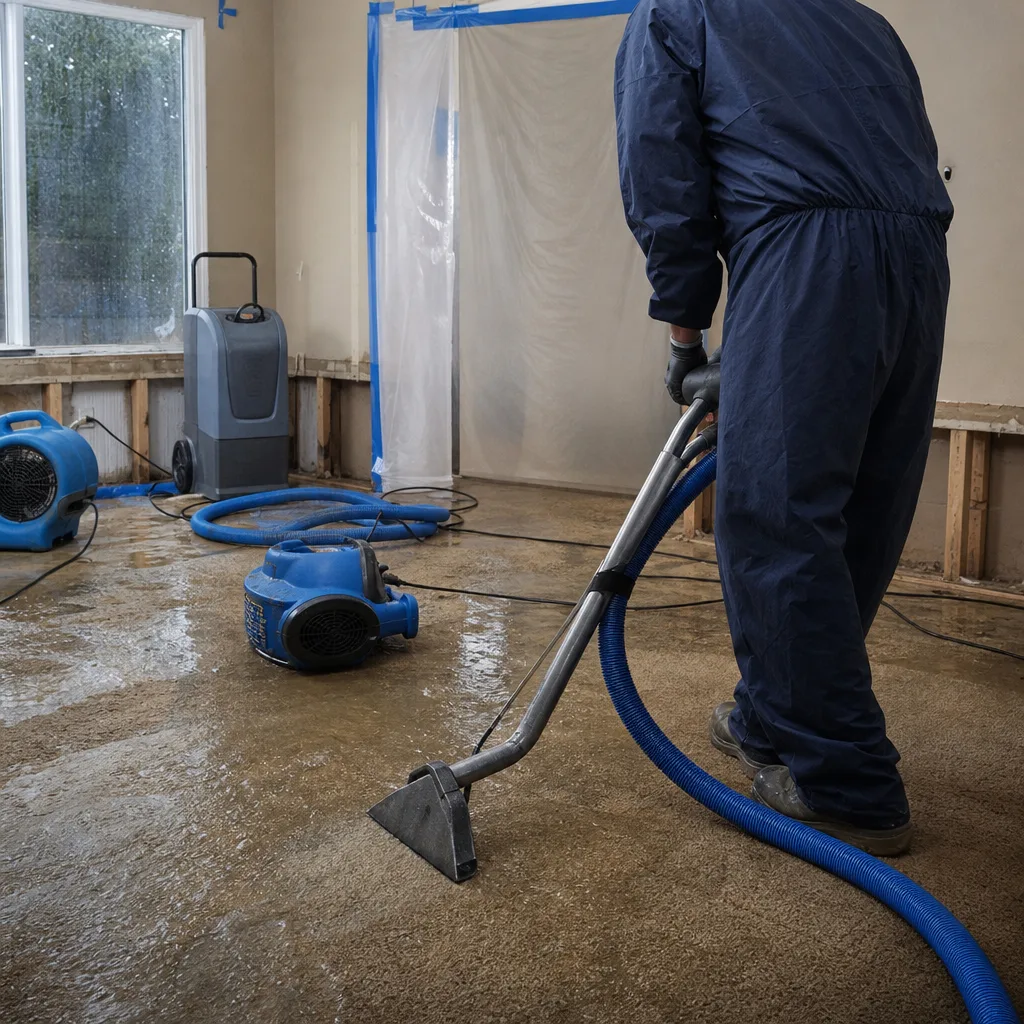
- 45-minute response commitment to Poway from our San Diego dispatch center, with crews carrying containment materials, HEPA filtration, and moisture detection equipment on every truck.
- 24/7 live answer - a real person, never an automated system or voicemail tree, because mold concerns don’t follow business hours and neither do we.
- IICRC-certified crews holding WRT and AMRT designations, with background-checked, uniformed technicians whose license numbers are documented on every job.
- Free visual inspection with thermal imaging and moisture mapping included, producing a written scope before any work begins under Haven Standard, Clause 1.
- Direct insurance billing with photo-documented assessments, daily drying logs, and adjuster coordination that turns restoration invoices into payable claims.
- One team from containment through reconstruction - no handoffs between remediation and rebuild crews that lose continuity on concealed damage patterns.
 Before
 After
AfterOur Mold Remediation Process
1. Inspection & Assessment
We arrive with thermal imaging cameras, pin and non-invasive moisture meters, and borescopes for cavity inspection. In Poway’s stucco-and-tile-roof homes, we assume lateral water migration and map moisture gradients across entire wall assemblies, not just the visible stain. Every reading is logged with photo documentation.
2. Containment & Air Filtration
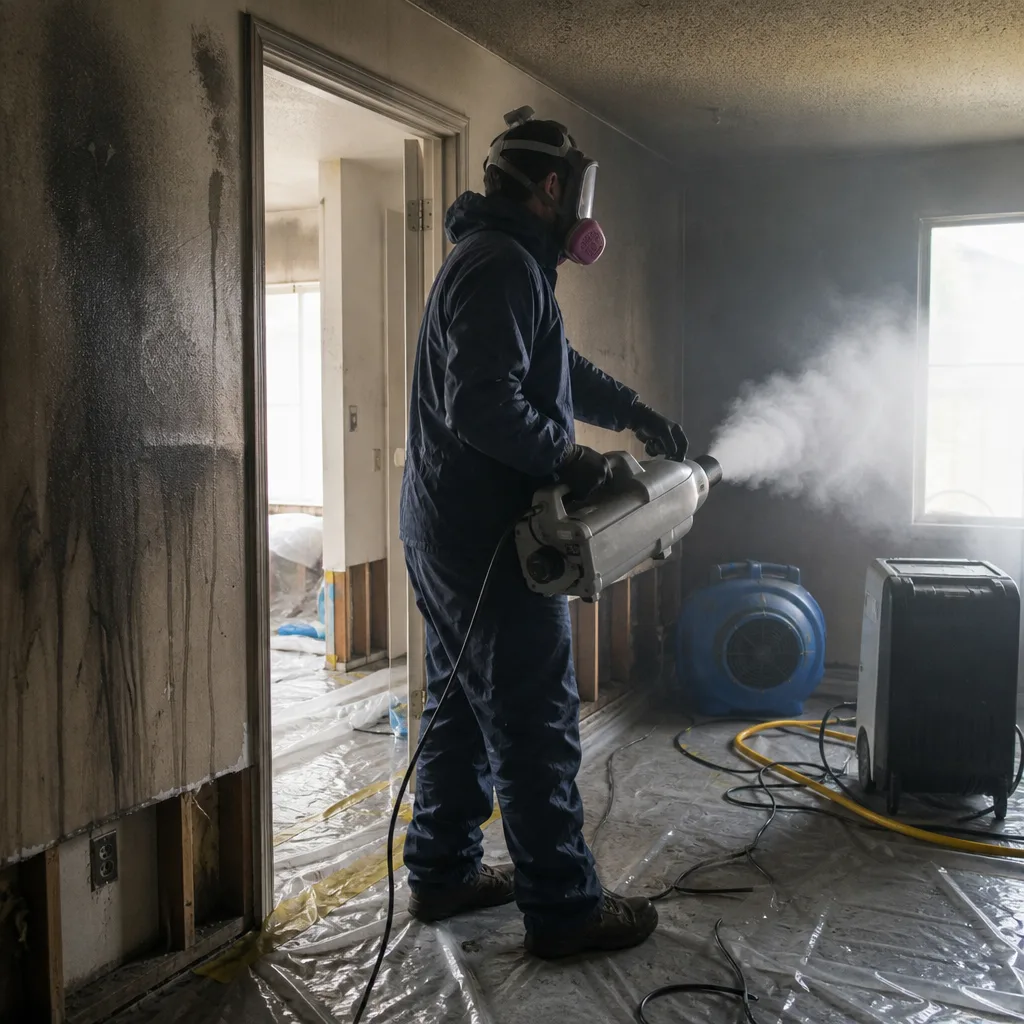
We establish poly containment with negative air pressure using HEPA-filtered air scrubbers - typically Phoenix or Dri-Eaz units rated at 99.97% efficiency at 0.3 microns. This prevents cross-contamination to unaffected areas during removal, critical in Poway’s open-plan ranch layouts where HVAC returns can spread spores.
3. Removal of Contaminated Materials
Affected drywall, insulation, and non-salvageable porous materials are removed under containment and bagged for proper disposal. We cut back to dry, clean framing verified by moisture readings below 16% wood moisture content, the threshold for mold growth cessation.
4. Cleaning & Antimicrobial Treatment
Remaining structural materials receive HEPA vacuuming followed by antimicrobial application per IICRC S520 standards. We use botanical-based or synthetic antimicrobial agents selected for the material type and contamination level, with application logged in the job file.
5. Structural Drying & Moisture Control
We deploy Dri-Eaz and Phoenix dehumidification systems with strategic air mover placement to achieve vapor pressure differential - the measurable force that pulls moisture from materials into the air where dehumidifiers capture it. Daily psychrometric data (temperature, relative humidity, specific humidity, and dew point) is logged until materials reach pre-loss moisture content.
6. Clearance Testing & Restoration
Post-remediation, we recommend third-party clearance testing with air and surface sampling to verify spore counts at or below outdoor baseline levels. Only then do we proceed with reconstruction - drywall, insulation, paint, and finish materials - under our 365-Day Done Right Promise backed by The Haven Standard.
Need Emergency Mold Remediation in Poway Now?
Crews minutes away, answering live 24 hours a day. The sooner we start, the less it costs.
Working With Your Insurance Company
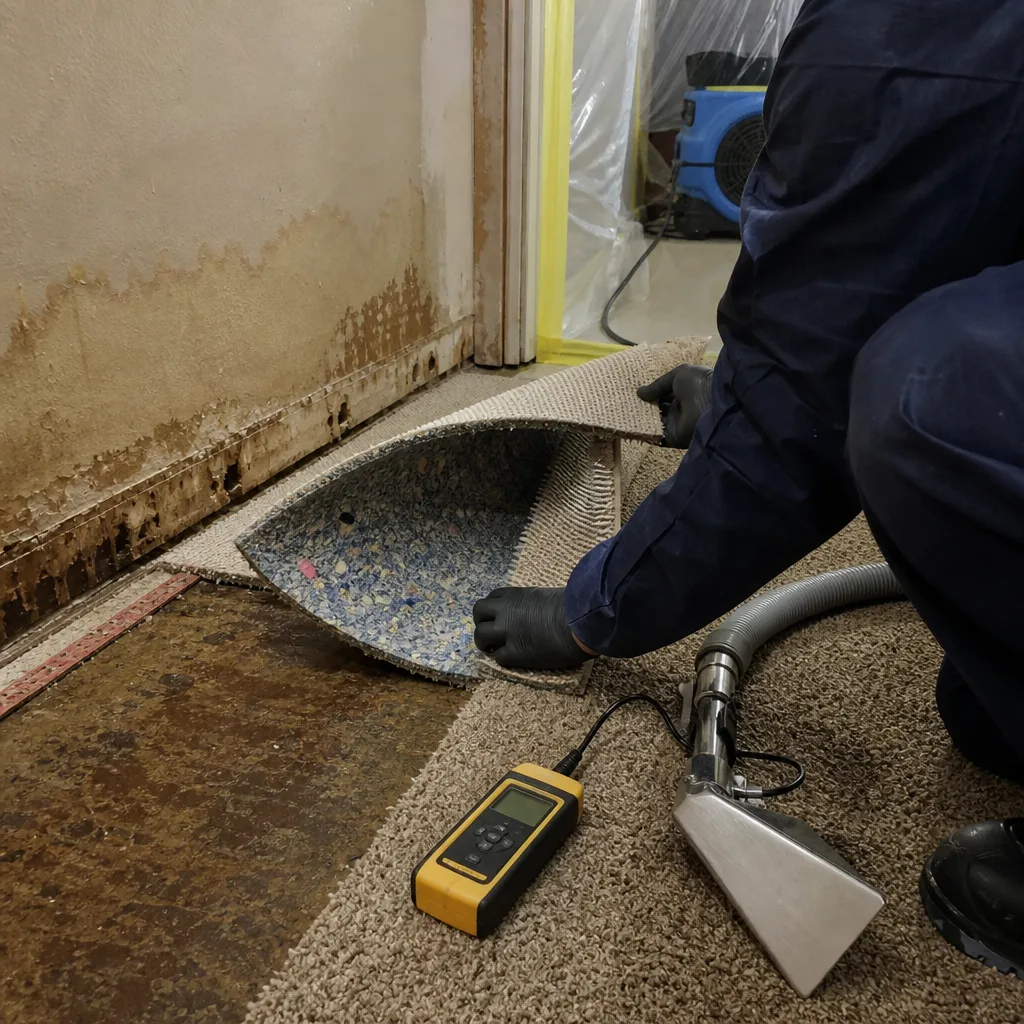
Insurance claims for mold damage succeed or fail on documentation quality from the first hour. We photograph every room, log every moisture reading, and produce a line-item scope that matches industry-standard estimating platforms. Our team speaks directly with adjusters, providing the drying logs and photo records that justify every line item. We’ve handled claims where the initial adjuster dispute turned on whether mold was pre-existing or loss-related; our documentation, including moisture mapping timestamps and material classification by trade name, resolved those disputes in the homeowner’s favor.
What We Provide Your Insurer
- Thorough documentation of the loss with dated photo records on every visit
- Photos of all damage, room by room, with moisture readings and thermal images
- Daily moisture readings and drying logs from Dri-Eaz and Phoenix equipment
- A detailed, line-item scope of work with material classifications and quantities
- Direct coordination with your carrier and adjuster, including re-inspection attendance
Built for Poway’s Loss Calendar
Poway’s mold season runs opposite to what most homeowners expect. The Santa Ana wind events of September through November drive rapid dehydration of stucco exteriors, opening hairline cracks and envelope penetrations. When winter rains arrive December through March, those cracks channel water directly into wall assemblies. The low ambient humidity that follows - Poway’s inland valley runs 30-40% relative humidity much of the year - suppresses surface mold growth, so homeowners see nothing while colonies establish behind drywall for two to six months.
By April and May, we field the first wave of odor calls from neighborhoods near Blue Sky Reserve and along Twin Peaks Road, where hillside exposure amplifies wind-driven rain intrusion. Summer brings a secondary pattern: homeowners running air conditioning create cold surfaces in humid wall cavities, triggering condensation on sheathing that was already moisture-compromised from winter. The post-2003 rebuild cohort, now 17-21 years old, is hitting its first major envelope failure cycle simultaneously, concentrating losses in a narrow band of construction vintages that a generic national franchise wouldn’t recognize.
Mold Remediation Across Poway’s Neighborhoods
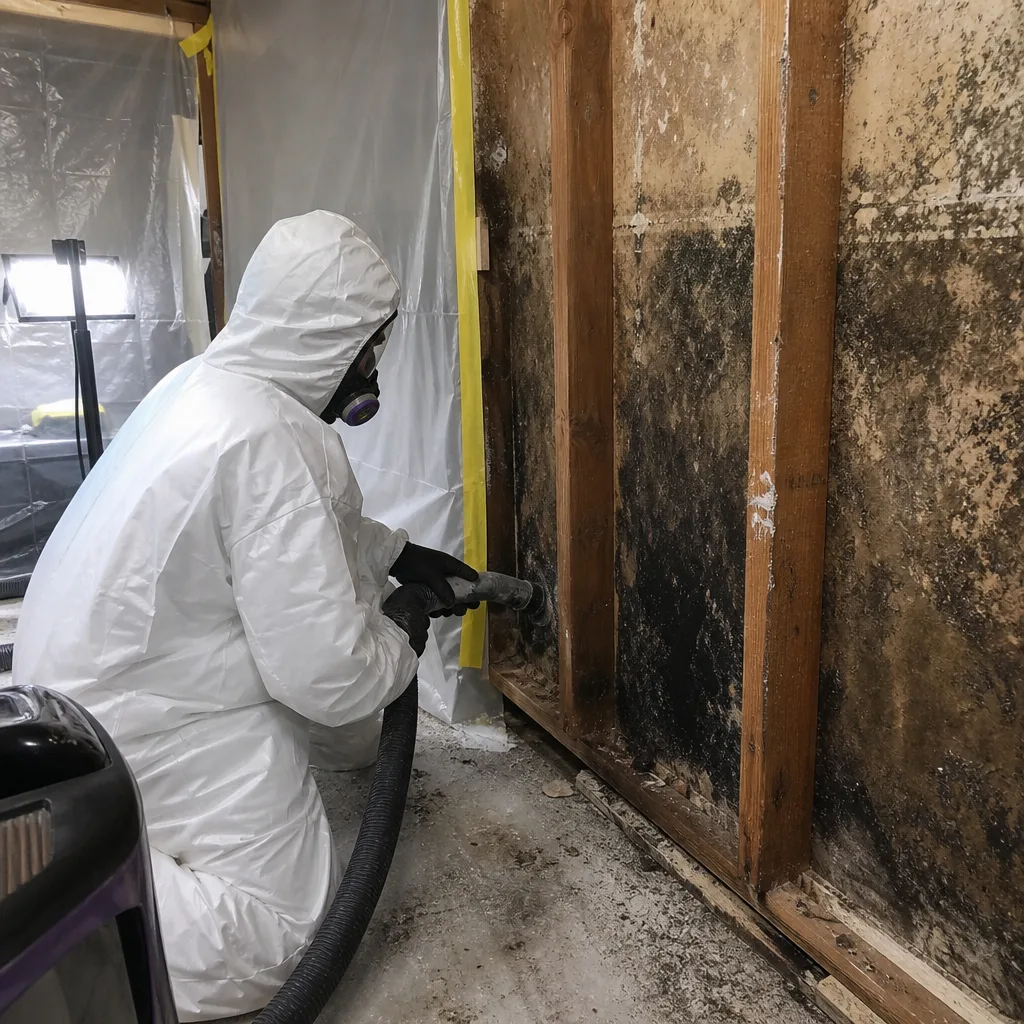
In Rancho Bernardo, the 1970s-1980s tract homes with original tile roofs and single-layer stucco are showing widespread flashing failures at chimney and vent penetrations. We regularly find mold in ceiling cavities where roof leaks traveled along truss chords before staining drywall, making the visible damage a fraction of the actual affected area.
Sabre Springs and the corridors near Poway Road feature denser 1980s-1990s construction with more complex rooflines and valley intersections. These geometries create multiple water concentration points, and the original builders’ valley flashing details are now failing in sequence. Our moisture mapping routinely reveals secondary mold colonies in garage wall cavities adjacent to main living areas, where firewall construction created air gaps that channeled water.
The Blue Sky Reserve hillside communities and homes along Twin Peaks Road experience amplified wind exposure and more severe Santa Ana dehydration cycles. Stucco cracking is more pronounced here, and the terrain-driven drainage patterns mean water that enters at roof level often exits at foundation level, creating multi-story mold pathways that require whole-wall remediation rather than spot repair.
The post-2003 rebuild pocket concentrated in the Cedar Fire corridor presents a distinct pattern: rapid-turnaround contractors used flashing details that met code minimum but failed to account for Poway’s thermal cycling. We’re now seeing systematic failures at head flashing above windows and at deck ledger attachments, with mold concealed behind intact interior finishes until odor or occupant health symptoms prompt investigation.
Specialized Mold Remediation Services We Offer in Poway
Mold Inspection & Testing
Our inspections combine thermal imaging, moisture mapping, and air quality sampling to locate concealed colonies in Poway’s stucco-wall construction. We don’t guess at scope; we measure it. The written report includes moisture readings by location, photo documentation, and a remediation scope with line-item pricing before any work begins.
Mold Removal
Removal follows IICRC S520 standards with containment, negative air pressure, and HEPA filtration. In Poway’s ranch homes with slab-on-grade construction, we pay particular attention to baseplate moisture - the sole plate where wall framing meets concrete can wick groundwater or irrigation overspray, creating chronic mold sources unrelated to roof leaks.
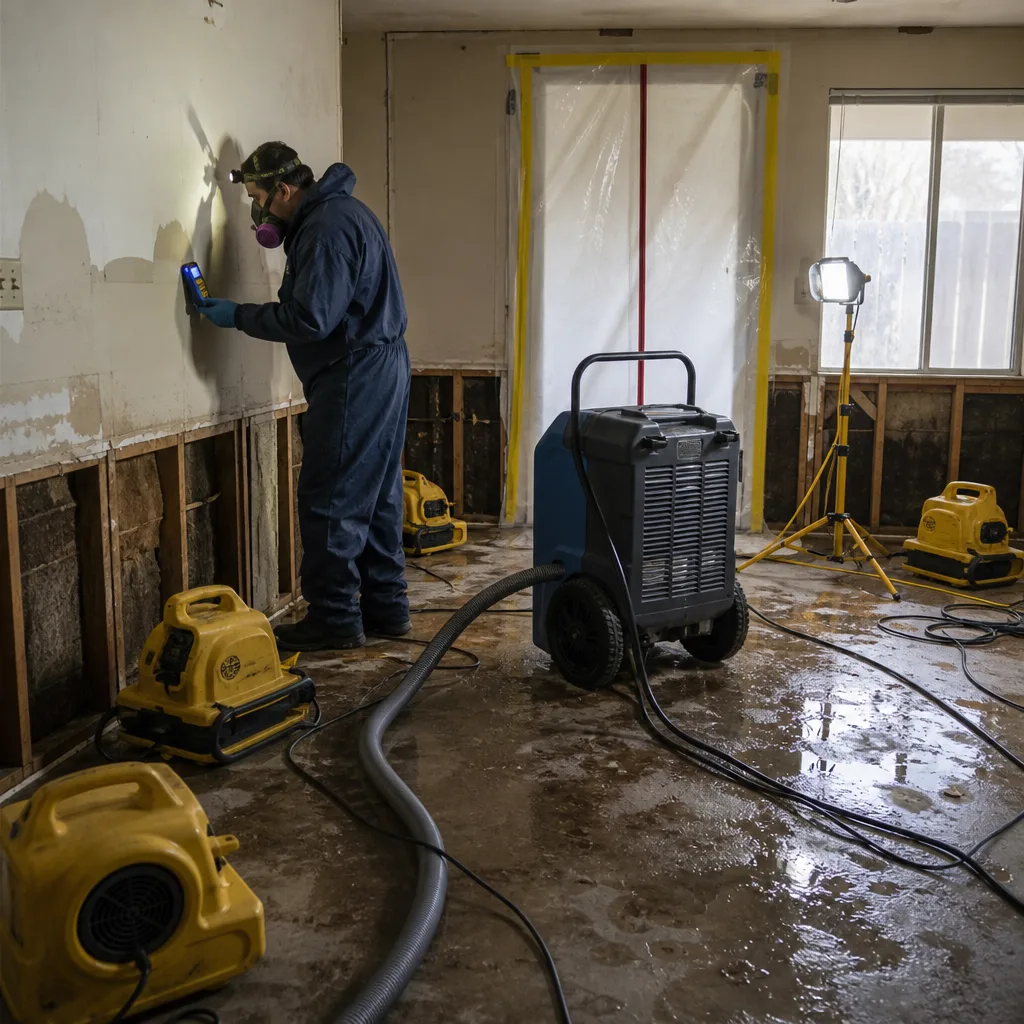
Black Mold Remediation
Stachybotrys chartarum and other toxigenic species require enhanced containment and PPE protocols. We don’t use scare tactics; we use spore trap and tape lift sampling to identify species and concentration, then scope remediation to the actual risk level documented in the lab report.
Air Quality Restoration
HVAC contamination is common in Poway homes where mold colonies have established near return air pathways. We inspect ductwork with borescope cameras, clean contaminated runs with mechanical agitation and HEPA vacuuming, and verify post-cleaning with air sampling before the system restarts.
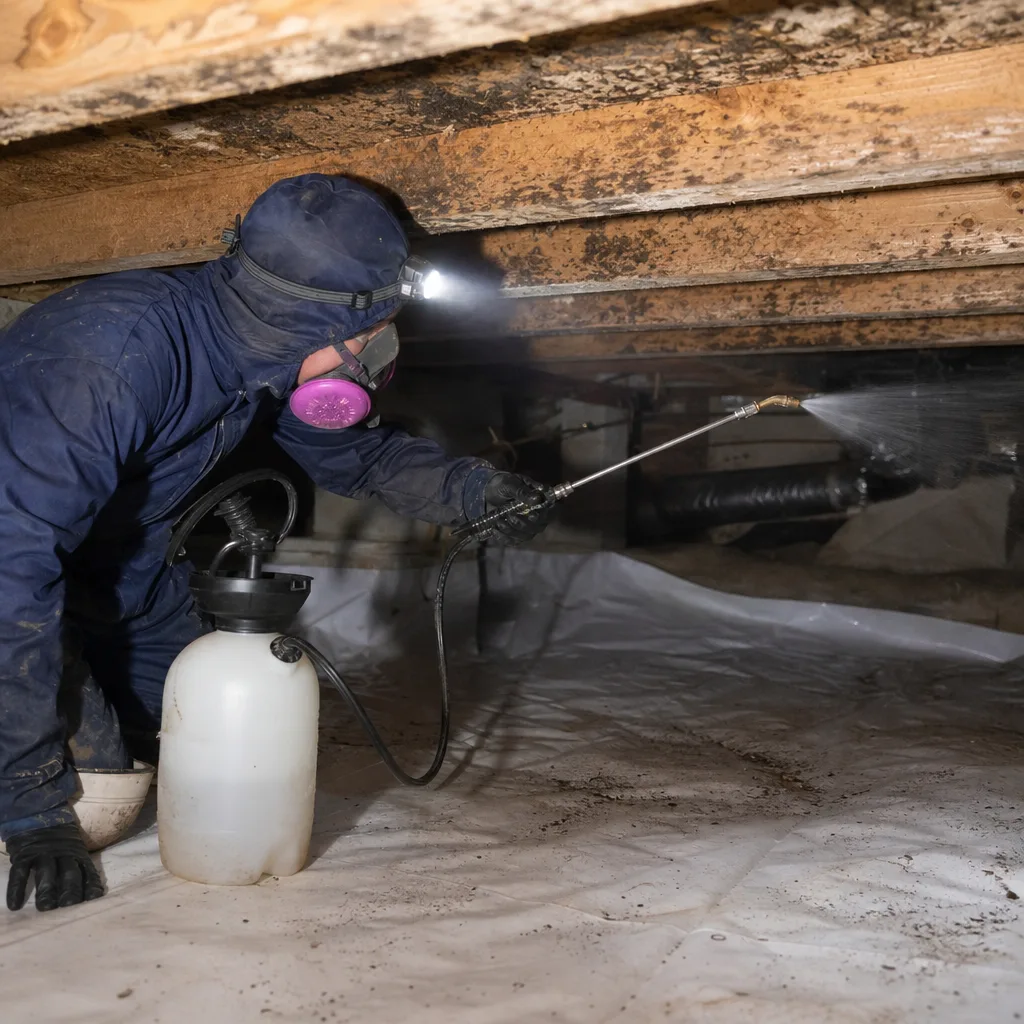
Crawl Space Treatment
Poway’s limited crawl space inventory - mostly in hillside homes with raised foundations - requires vapor barrier installation, dehumidification, and structural drying. We treat these as miniature building envelopes, with dedicated moisture control systems sized to the cubic volume and ventilation rate.
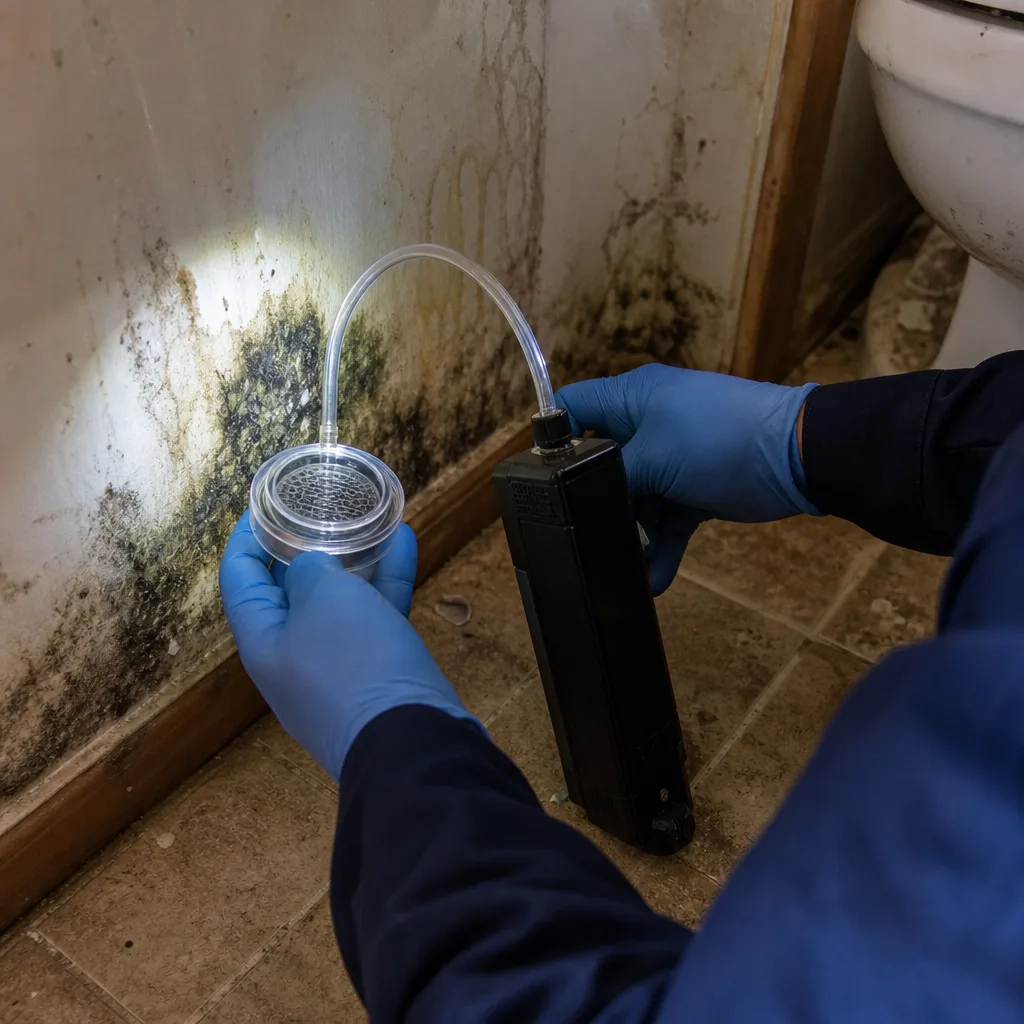
Moisture & Humidity Control
Remediation fails if moisture sources aren’t eliminated. We identify and document the intrusion pathway - failed flashing, stucco crack, plumbing leak, or groundwater wicking - and specify repairs with written pricing before reconstruction begins. Our Dri-Eaz and Phoenix drying systems run until daily logs confirm sustained pre-loss moisture content.
What happens when you call
- 1
A real person answersNo phone trees - you reach a local pro.
- 2
You get an upfront price rangeHonest numbers before anyone is dispatched.
- 3
A background-checked tech heads outLicensed & insured, dispatched right away.
- 4
You approve before work beginsNothing starts until you say go.
Mold Remediation Costs in Poway, CA
Mold remediation in Poway follows these typical ranges based on 2024-2025 market pricing:
- Small contained removal (under 10 sq ft, non-porous): $1,800-$2,800
- Moderate remediation with containment (10-100 sq ft, wall cavity involvement): $3,200-$5,500
- Large-scale remediation with HVAC cleaning (100+ sq ft, multi-room, system contamination): $5,500-$12,000+
- Crawl space treatment with vapor barrier: $2,500-$4,500
- Third-party clearance testing (recommended, homeowner’s choice): $400-$800
What moves the price: concealed damage extent (Poway’s stucco homes routinely run 2-4x initial visible estimate), material type (porous drywall vs. cleanable tile), HVAC involvement, and whether the moisture source requires concurrent repair. Insurance typically covers mold remediation when it’s secondary to a covered water loss - burst pipe, storm intrusion, or fire suppression - but may exclude long-term maintenance-related mold. We review your policy language, document the loss origin, and coordinate directly with your adjuster. Our free inspection produces a written scope with firm pricing before any work begins - Haven Standard, Clause 1. Call (858) 428-2364 to schedule.
We Also Serve Cities Near Poway
Our crews respond throughout northeastern San Diego County, including Poway and neighboring communities. We maintain active response capacity for Santee, Lakeside, Ramona, and Del Mar, with the same documentation standards and written pricing on every job.
Serving Poway, CA - Our Local Coverage Area
We’re based in the Poway area and know this community well. Use the map below to see our service coverage - if you’re nearby, we can almost certainly help.
Poway Mold Remediation Questions, Answered
Why does mold sometimes show up in a Poway home months after a roof or stucco leak that seemed minor?
Poway’s low inland humidity suppresses surface mold growth, so water that enters through cracked stucco or failed flashing can travel inside wall cavities for months without visible signs. The colony establishes behind drywall where humidity from the leak is trapped, and only when it reaches sufficient mass does the musty odor become noticeable. By then, the visible stain is often the tip of a much larger concealed problem. Call (858) 428-2364 for thermal imaging that finds what surface inspection misses.
Does Poway’s wildfire history affect mold remediation work here?
Yes, indirectly. The post-2003 Cedar Fire rebuild wave produced homes built by rapid-turnaround contractors whose flashing and envelope details are now failing systematically. We also see fire-suppression water damage in older homes that wasn’t fully remediated at the time, leaving residual moisture that became mold years later. Our documentation-first approach distinguishes fire-related water damage from maintenance-related mold, which matters for insurance coverage. Call (858) 428-2364 if your home has any fire history and you’re now tracking mold or odor.
Why does mold in Poway often turn out to be a larger scope than the initial inspection suggested?
Poway’s stucco-and-tile-roof construction channels water laterally inside wall cavities rather than showing it immediately on interior surfaces. Our crew was called to a post-2003 rebuild on Twin Peaks Road where the homeowner noticed a musty odor in a hallway closet but saw no visible water. Moisture mapping with thermal imaging and pin meters showed elevated readings in the wall cavity behind the stucco, and the source was a cracked flashing detail from the original rebuild that had been channeling winter rain into the assembly for at least two seasons. We set containment, removed the affected drywall, performed antimicrobial treatment on the framing, and ran structural drying with Dri-Eaz dehumidification and air movers until drying logs confirmed the cavity was back to pre-loss condition - the scope ended up roughly four times larger than the initial inspection suggested. Call (858) 428-2364 for assessment that measures concealed damage, not just visible stains.
How fast can mold start growing after a water leak in a Poway home?
Mold can begin colonizing within 24-48 hours of water contact on organic material, but in Poway’s dry climate, slow leaks that don’t produce standing water may take weeks to establish visible growth. The more common pattern here is concealed colonization behind stucco for two to six months before odor or health symptoms prompt investigation. Speed of response matters less for mold than for standing water, but thoroughness of moisture detection matters more. Call (858) 428-2364 for inspection with thermal imaging and moisture mapping.
What should a Poway homeowner do if they smell musty odors but see no visible mold or water?
Don’t open walls yourself - improper disturbance releases spores and can spread contamination. Note the odor location, any recent weather events, and whether the smell changes with HVAC operation. Then call for professional moisture mapping with thermal imaging and pin meters. In Poway’s stucco homes, the source is often a concealed wall cavity leak with no surface manifestation. We offer free visual inspection with written scope before any work begins. Call (858) 428-2364.
How long does mold remediation take in a typical Poway home?
Small contained removals finish in 1-2 days. Moderate remediation with wall cavity work runs 3-5 days plus 2-3 days of structural drying with documented daily moisture logs. Large-scale multi-room jobs with HVAC cleaning may take 1-2 weeks. We don’t declare a job complete until drying logs confirm materials at pre-loss moisture content, and we recommend third-party clearance testing before reconstruction. Call (858) 428-2364 for timeline specific to your situation.
Can my family stay in the home during mold remediation?
For Category 1 contamination under 10 square feet, often yes with containment isolation. For Category 2-3 or any toxigenic species, we recommend temporary relocation during active removal and drying, particularly for occupants with respiratory conditions, infants, or elderly family members. We specify occupancy recommendations in the written scope before work begins, not as a surprise mid-project. Call (858) 428-2364 to discuss your specific situation.
What certifications should I look for in a Poway mold remediation company?
IICRC AMRT (Applied Microbial Remediation Technician) is the core credential for mold-specific work, with WRT (Water Damage Restoration Technician) for moisture source identification and ASD (Applied Structural Drying) for drying system design. Our technicians hold these designations and work to IICRC S520 standards with documented photo records on every visit. We also carry RIA and IFA documentation protocols that satisfy major carrier requirements. Ask any competitor for their certificate numbers and cross-check - we provide ours on request. Call (858) 428-2364 to verify credentials and schedule inspection.
Back to Dry Restoration’s Mold Remediation team serves Poway with the documentation standards that turn restoration invoices into payable insurance claims. Every job starts with a written price, includes photo-documented assessments and daily drying logs, and ends with our 365-Day Done Right Promise under The Haven Standard. If you’ve received a competitor’s estimate, we’ll review it at no charge - Haven Standard, Free Second Opinion.
Written by Alicia Brennan, Owner at Back to Dry Restoration, serving Poway since 2011.
Mold Remediation in Nearby Areas