

Free visual inspection and a written scope of work before any mitigation begins - photos, moisture readings, and drying logs go in your claim file
The scope we write is the scope we bill. Anything new gets shown to you, in writing, before we touch it.
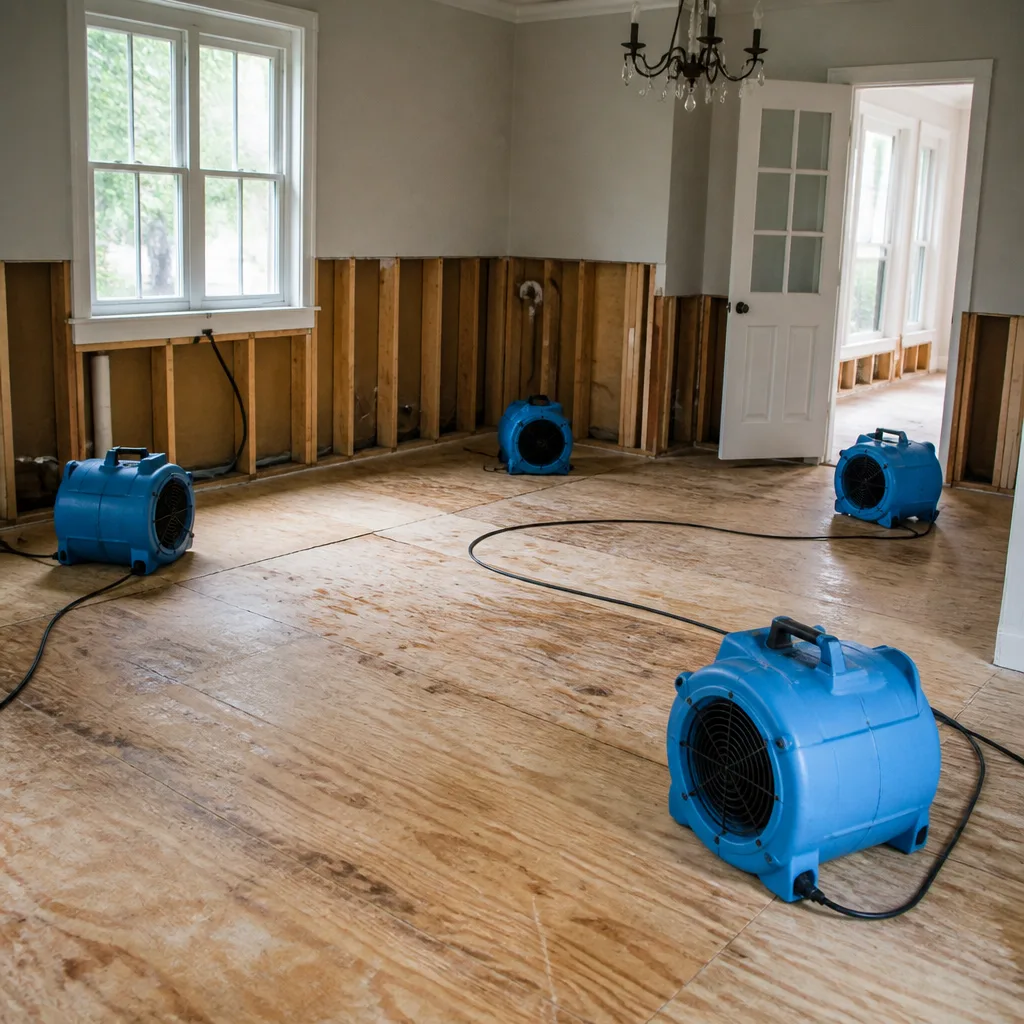
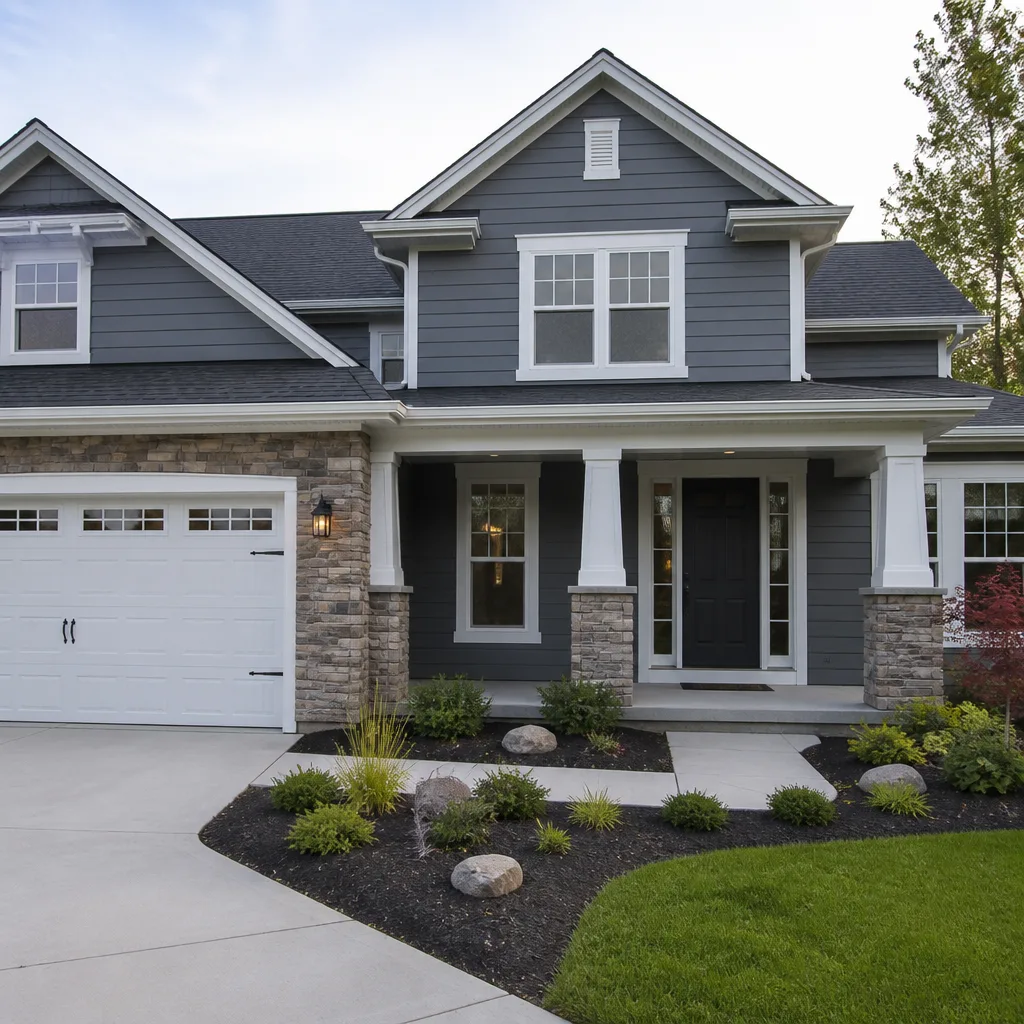
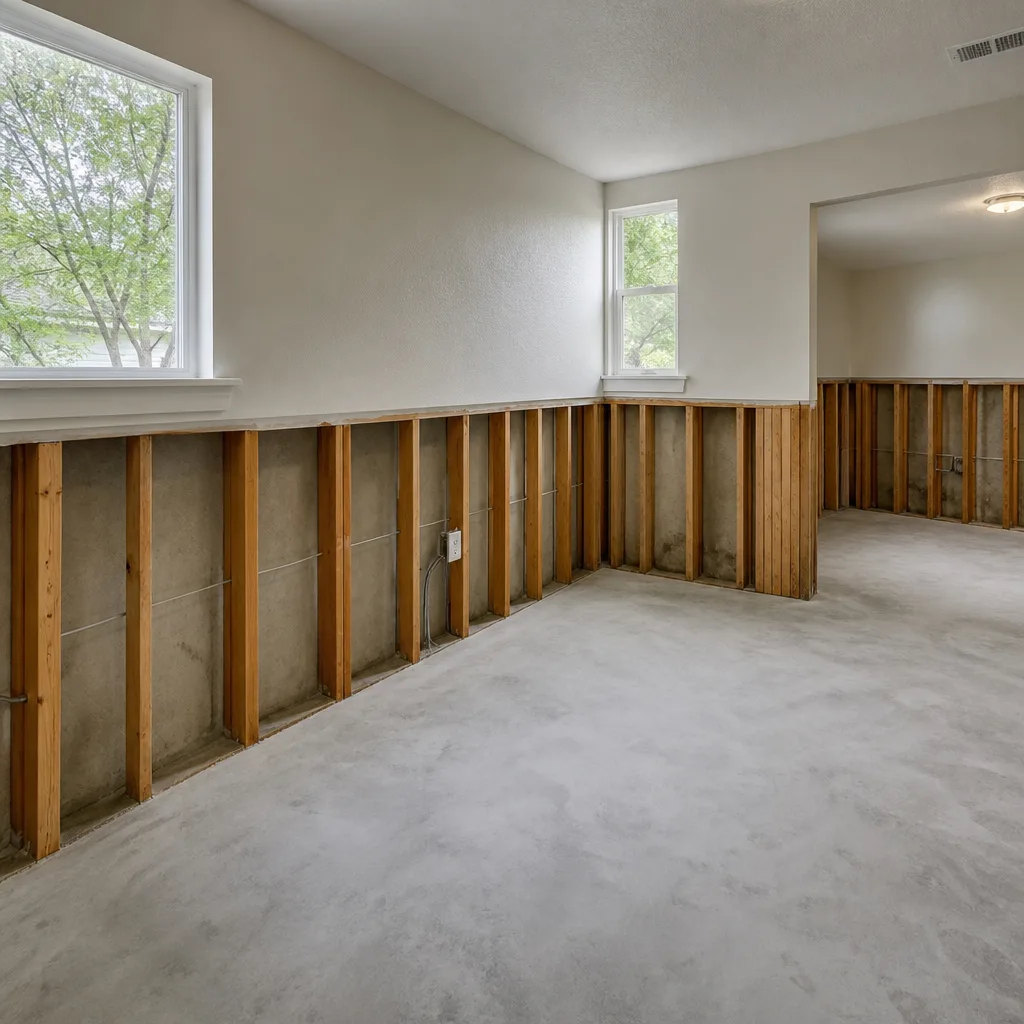
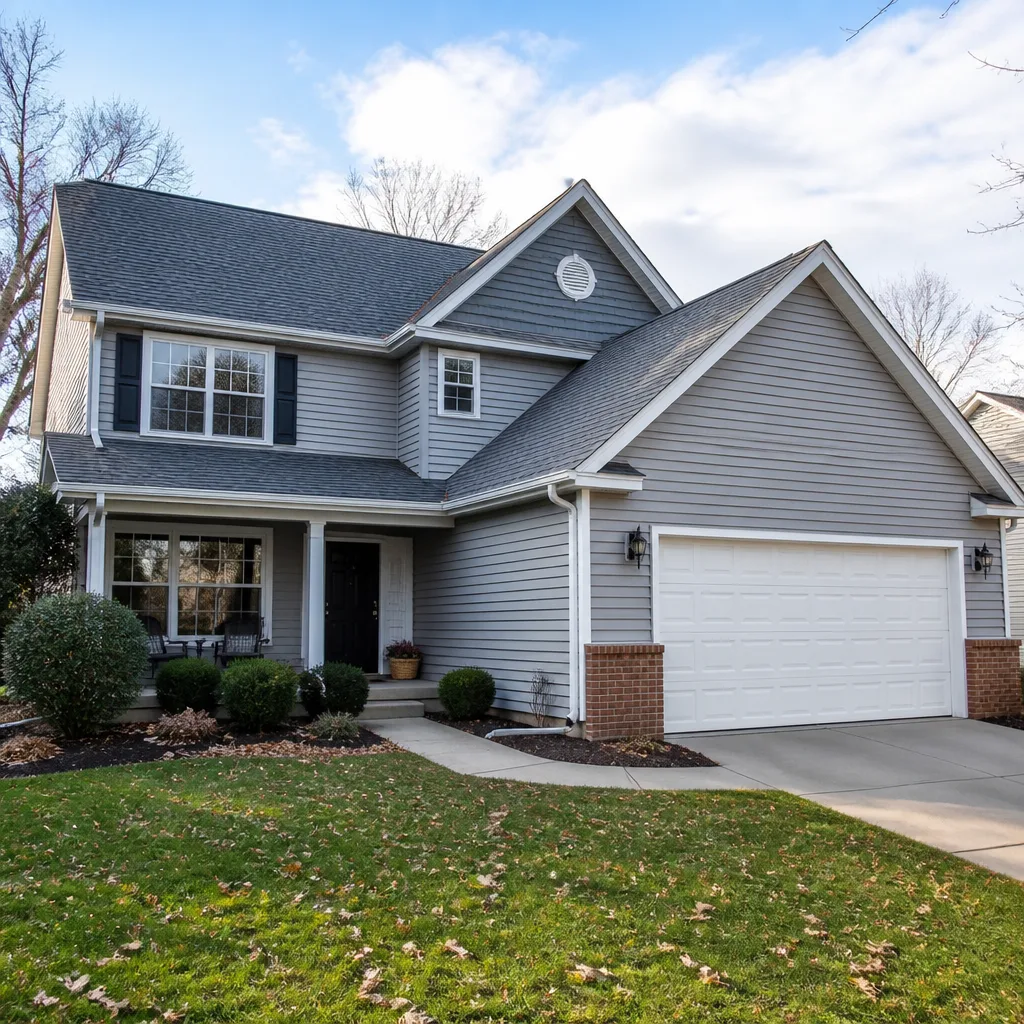
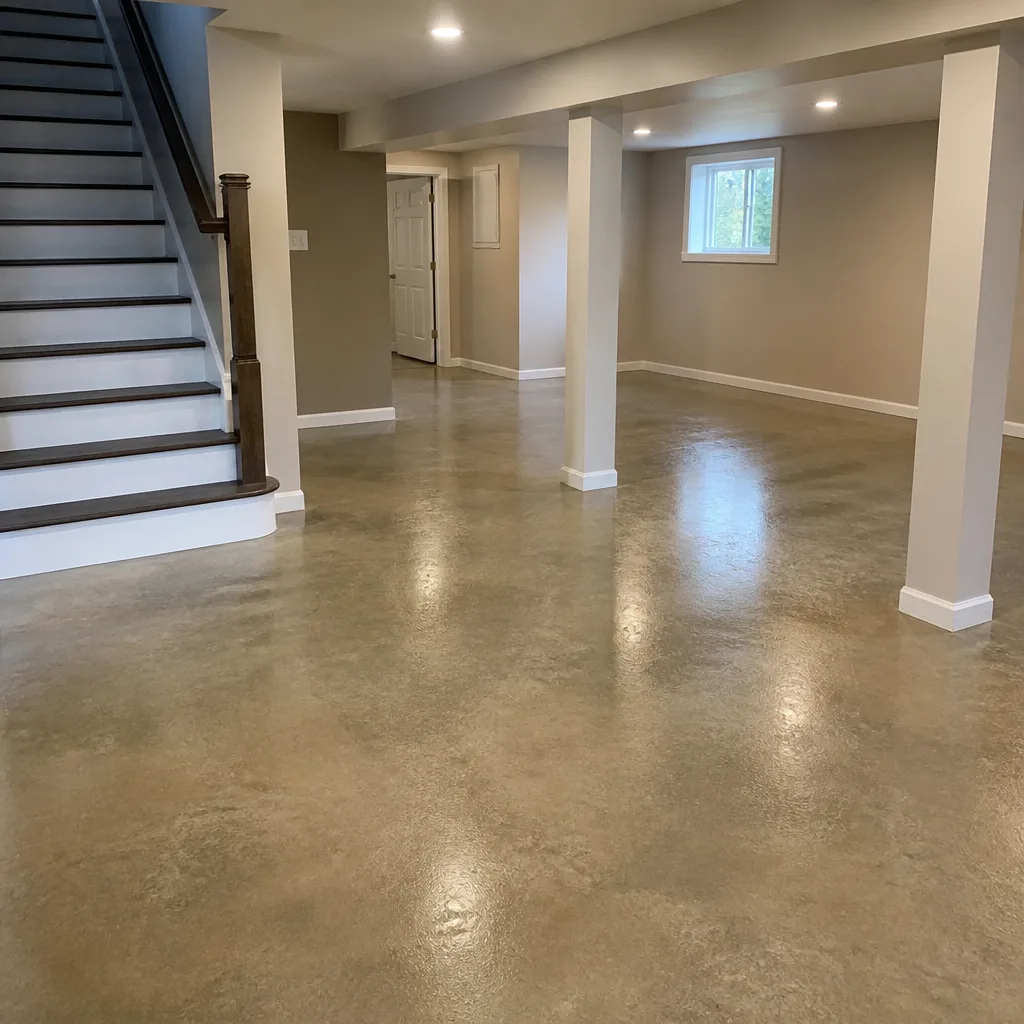
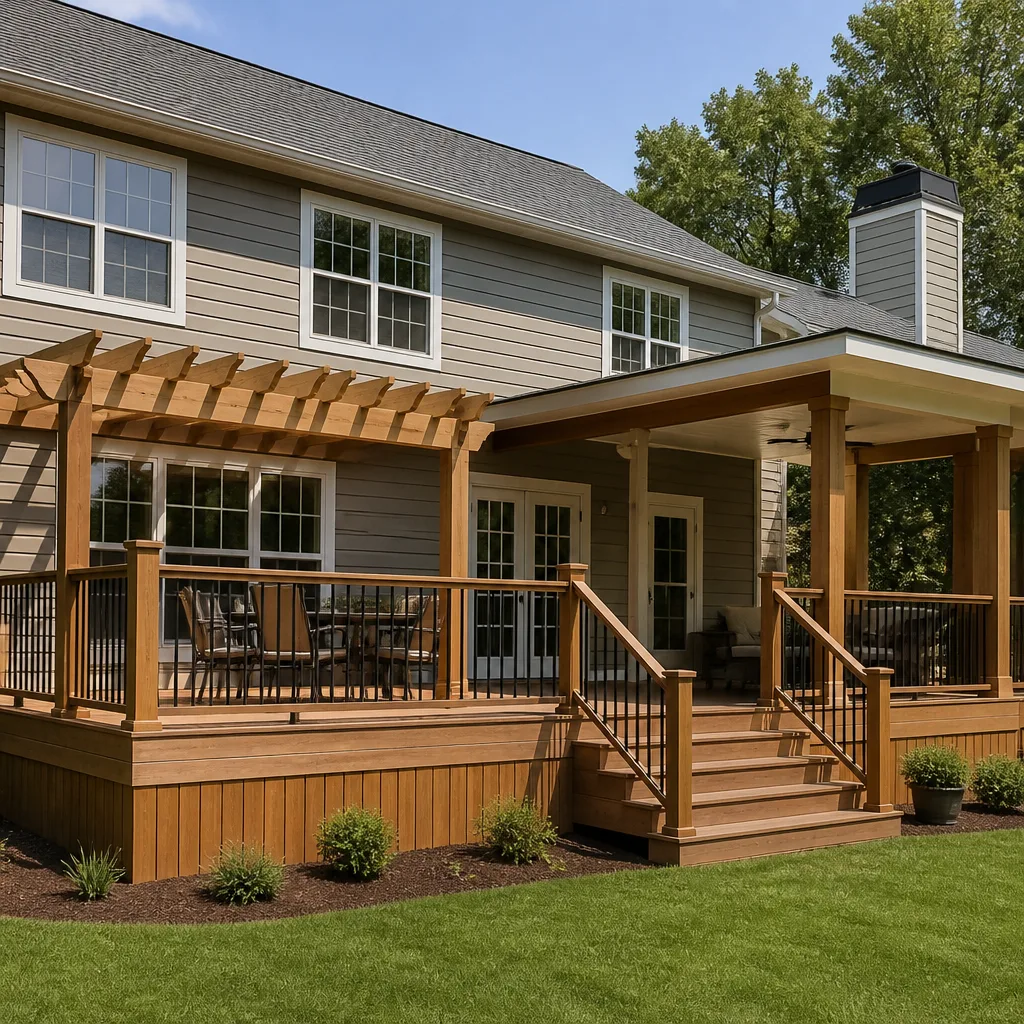
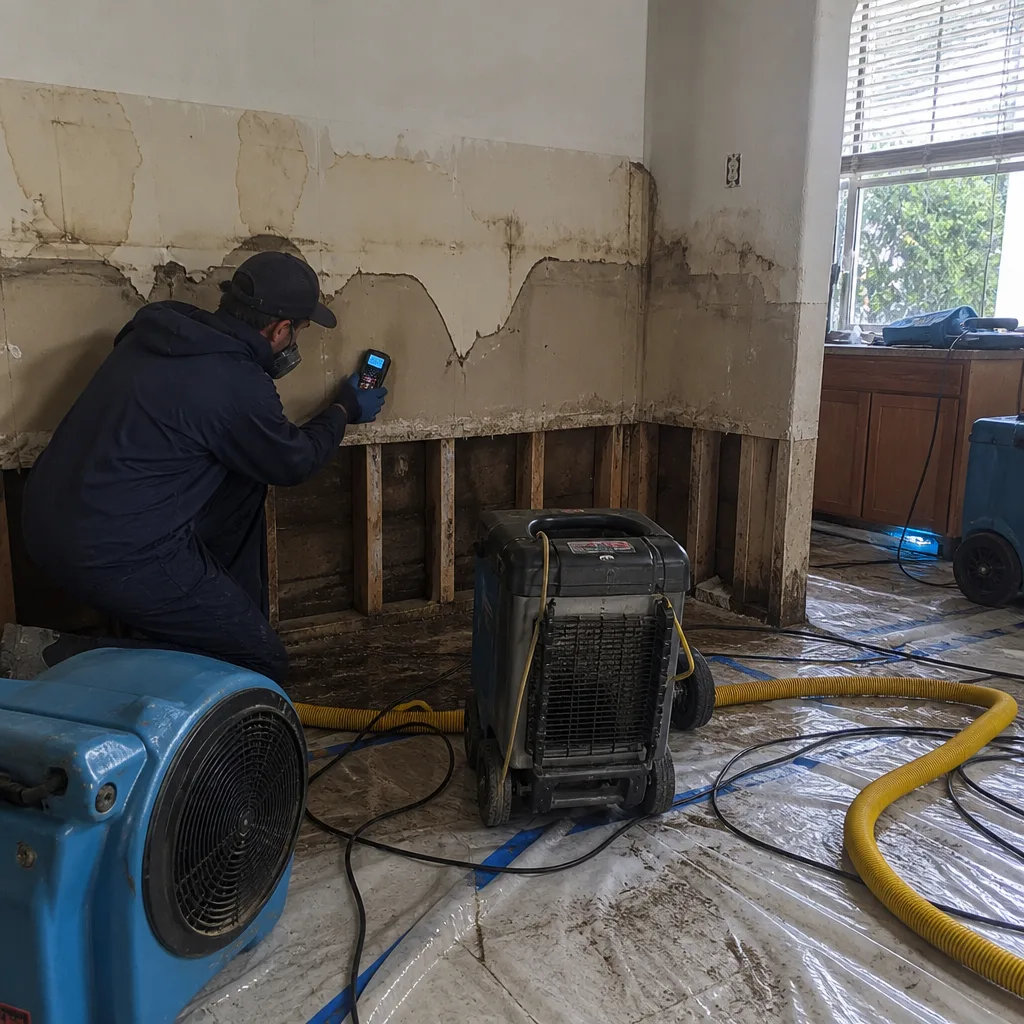 Before
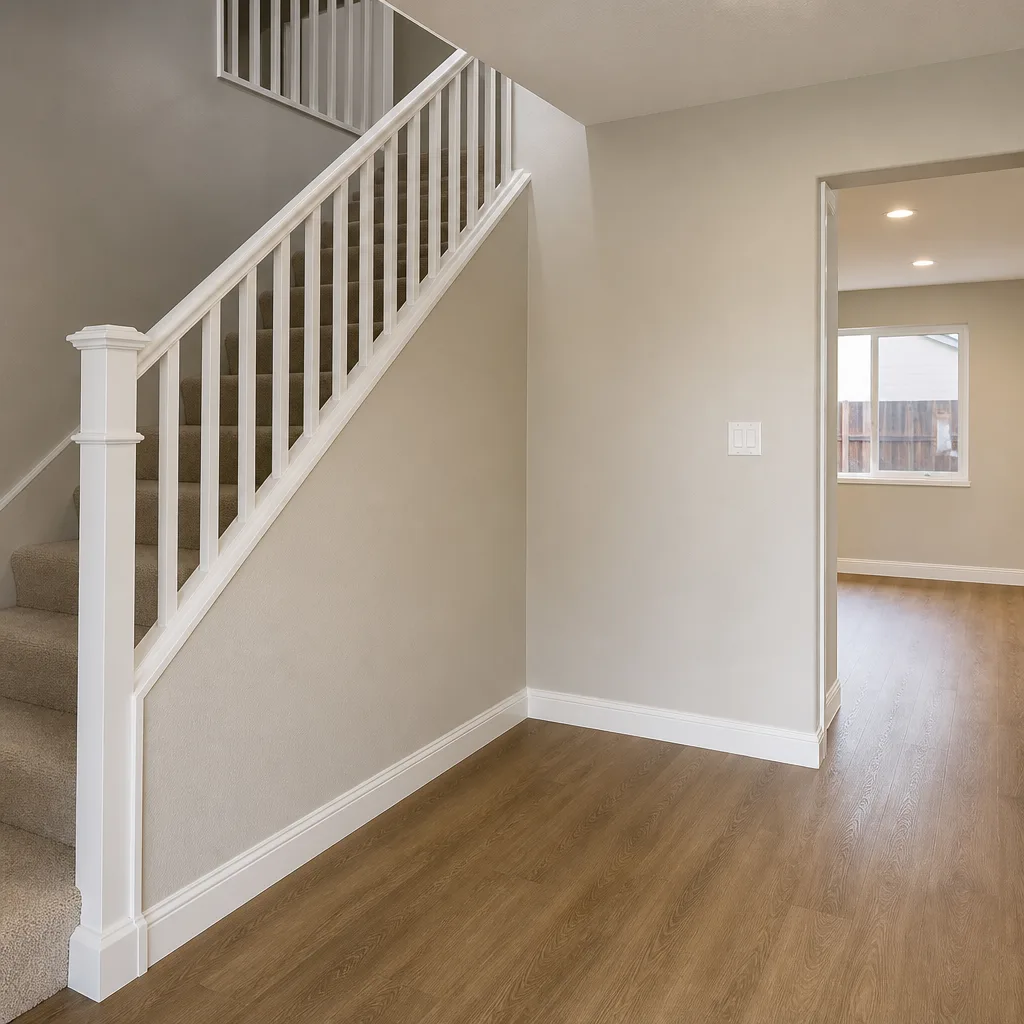 After
After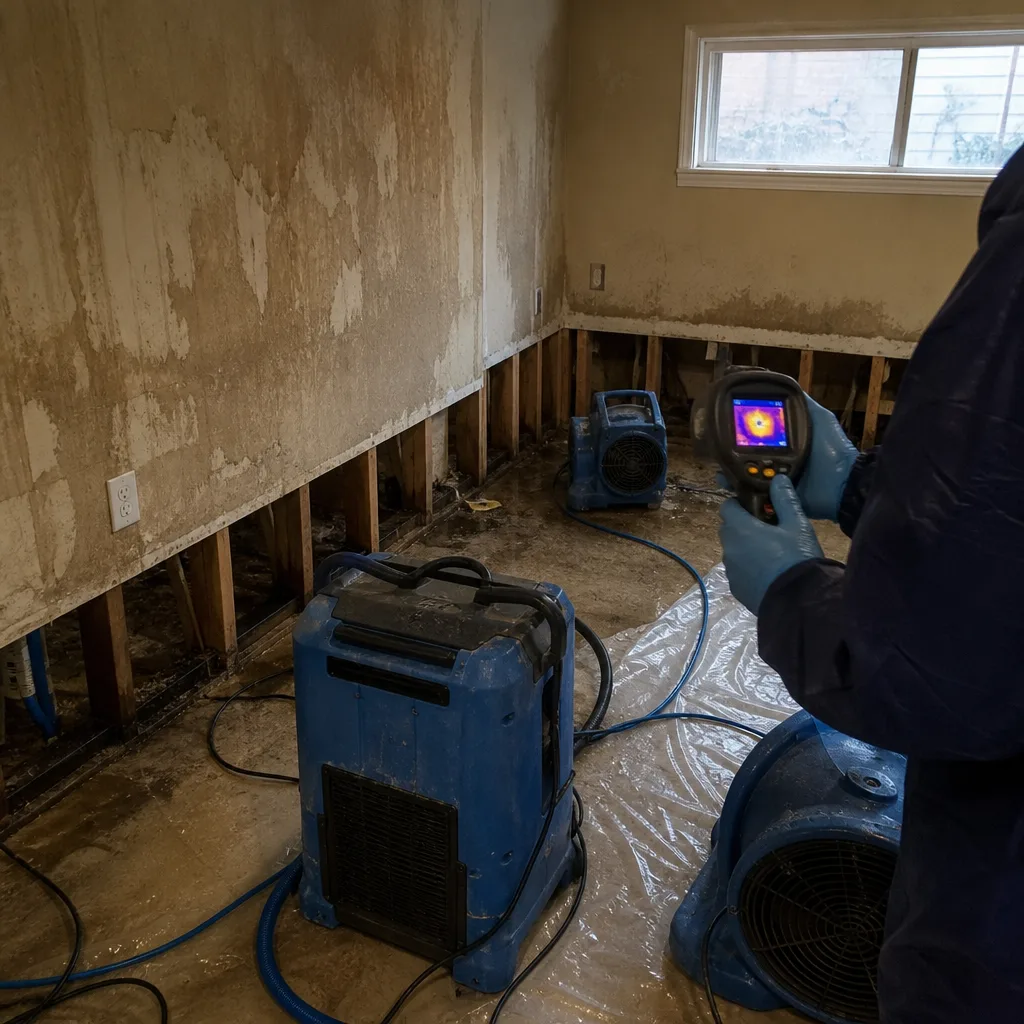 Before
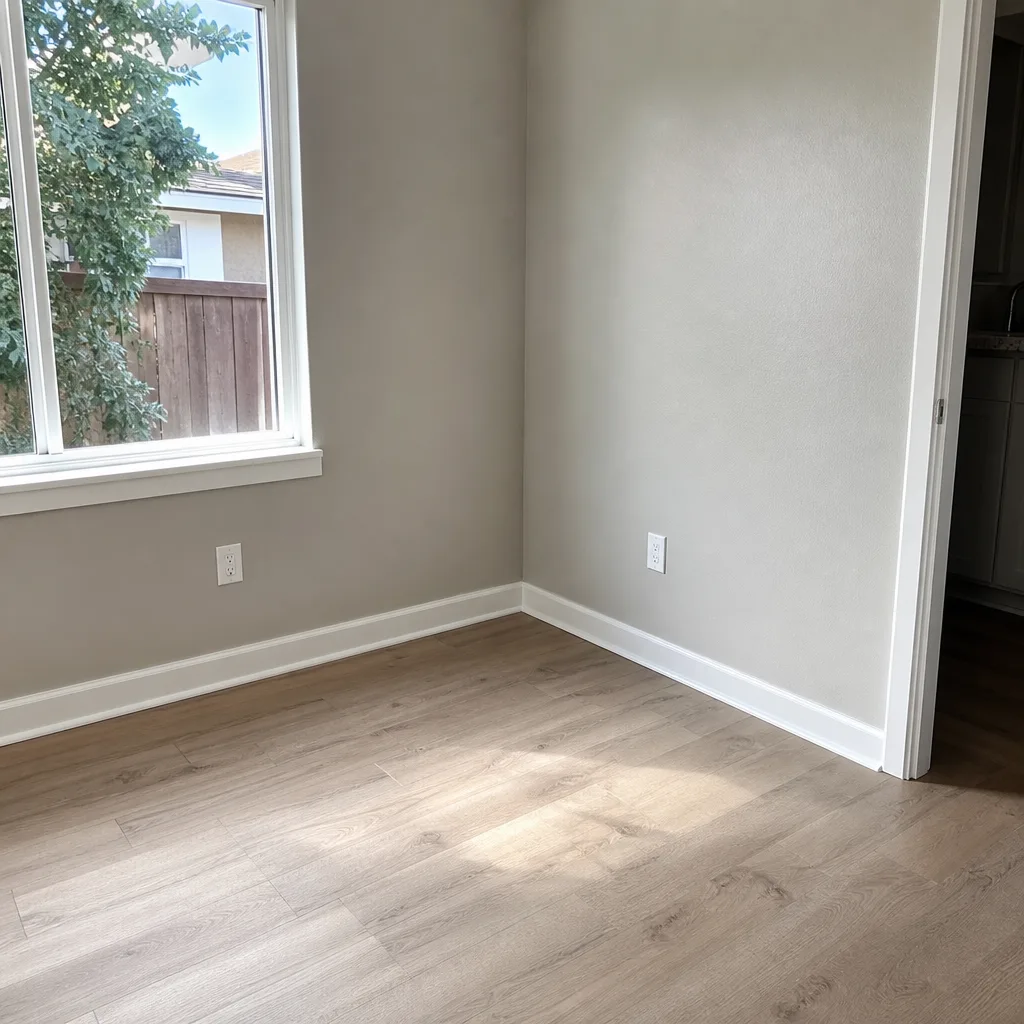 After
After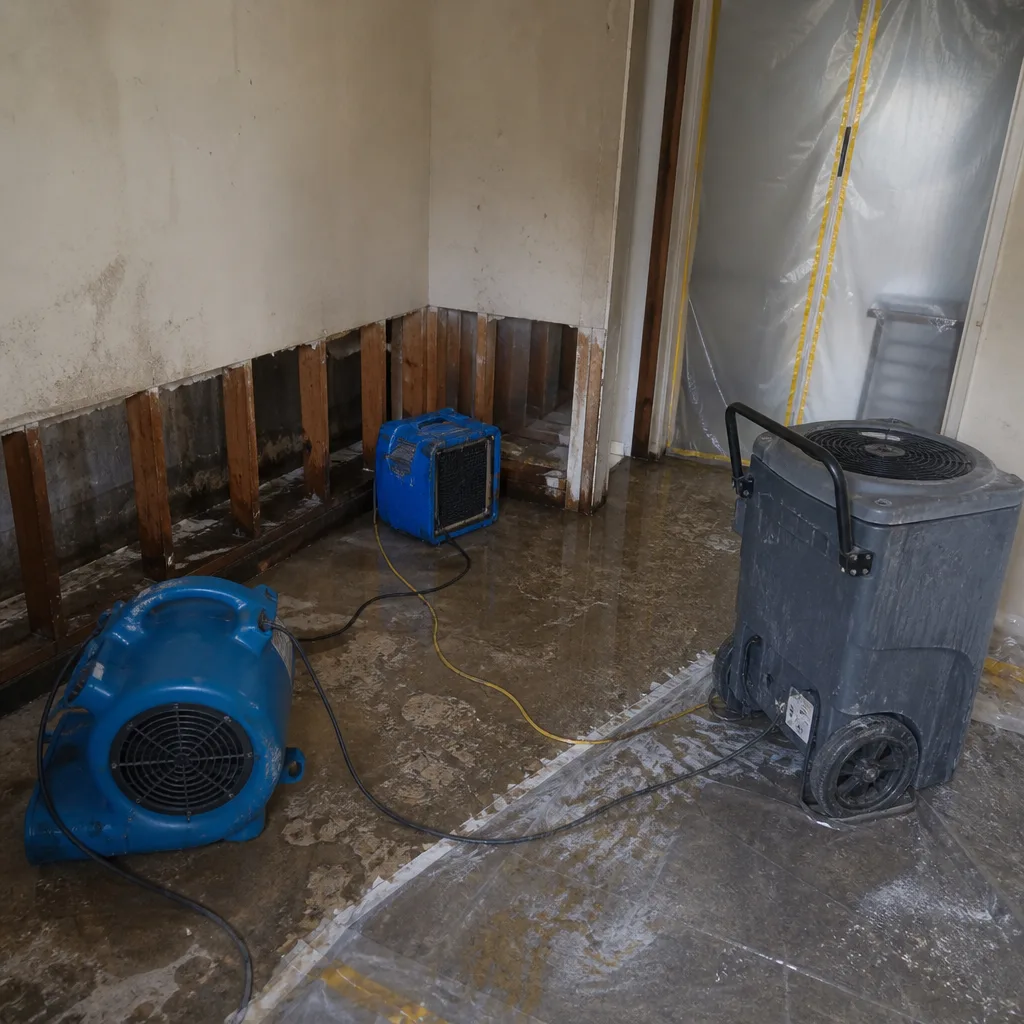 Before
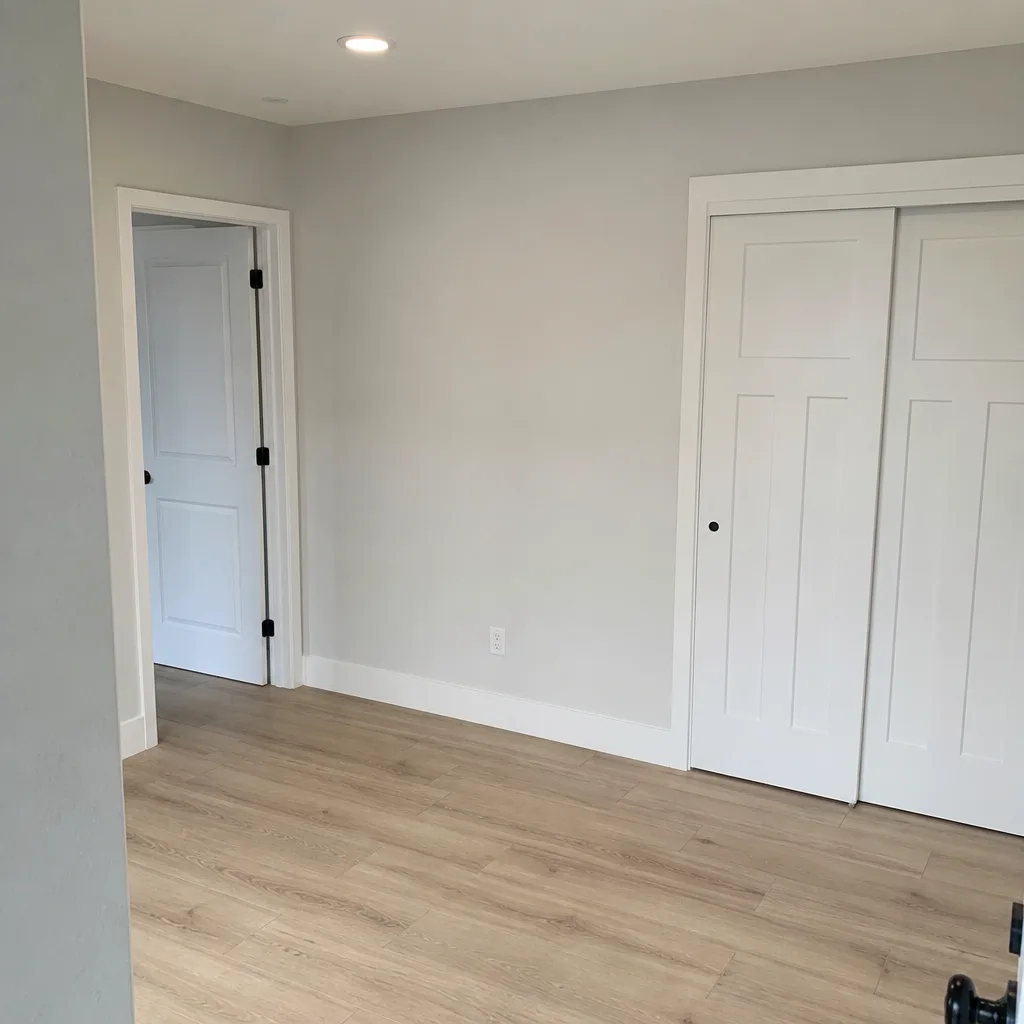 After
After24/7 Emergency Mold Remediation in Lakeside
Mold remediation in Lakeside typically costs $1,800-$6,500 depending on affected square footage and contamination level, with most Lakeside Water Damage Restoration projects completed in 3-5 business days. Call (858) 428-2364 and a live person will answer, 24 hours a day, 7 days a week - no voicemail, no callback queues. Crews dispatch from our San Diego office and reach Lakeside properties inside 45 minutes during emergency calls. The first hour matters because mold colonies double in mass every 24-48 hours under favorable conditions, and in Lakeside’s warm inland climate, that clock runs fast. We start every job with a free visual inspection and a written price before any work begins - Haven Standard, Clause 1.
Understanding Mold Remediation Severity in Lakeside Properties
We classify mold contamination by square footage, material porosity, and the water category that initiated growth. Category 1 water - a clean supply line break - may produce limited surface mold on non-porous materials like tile or sealed concrete. Category 2 water, with chemical or biological loading from appliances or sump seepage, demands broader removal of porous finishes. Category 3 water, including the ash-laden debris flows that hit Lakeside crawlspaces after wildfire strips the surrounding hills, requires full containment, negative air pressure, and often pack-out of contaminated contents.
Lakeside’s housing stock complicates this calculus. Post-WWII ranch houses along Los Coches Road and older manufactured homes near River Park often have unsealed crawlspaces with dirt floors and minimal vapor barriers. Equestrian properties on the valley’s eastern edge may have detached structures with wood-frame construction and aging composition roofs that trap moisture after any water intrusion. When Santa Ana winds push wildfire through the chaparral and winter rains follow, the hydrophobic fire-scorched soil sheds water directly into these foundations. We regularly find Stachybotrys chartarum and Aspergillus species thriving on joists that appeared dry to casual inspection but registered 18-20% moisture content on our pin meters - well above the 16% threshold where wood-decay fungi activate.
Why Lakeside Property Owners Choose DryMark Restoration El Cajon
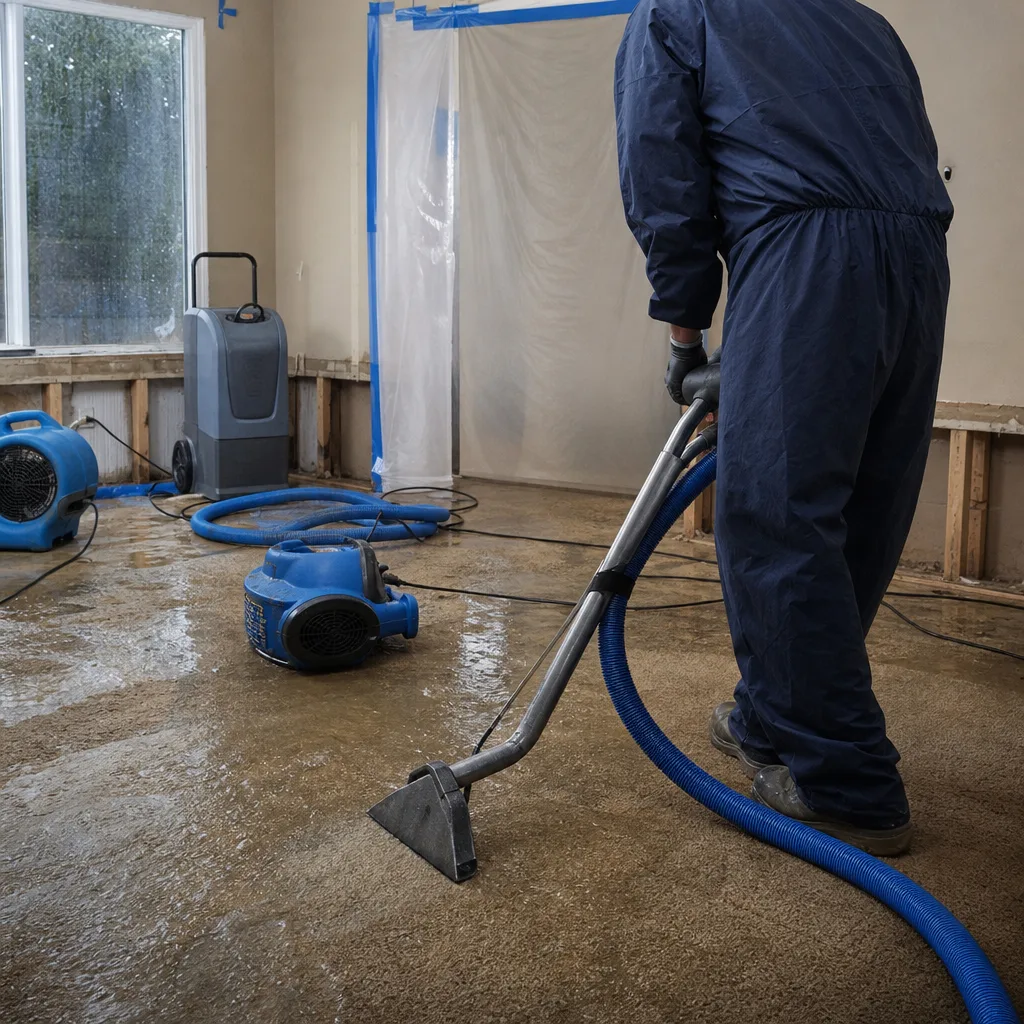
- 45-minute response commitment to Lakeside addresses during active water or mold emergencies - we dispatch from our San Diego office with crews already stocked for containment setup.
- 24/7 live answer: a real person, never an automated system or voicemail tree, because mold doesn’t wait for business hours and neither do we.
- IICRC-certified crews holding AMRT (Applied Microbial Remediation Technician) and WRT (Water Damage Restoration Technician) credentials - license numbers provided on request.
- Free visual inspection with moisture mapping and thermal imaging before any proposal is written.
- Direct insurance billing with photo-documented estimates formatted to carrier specifications - we speak adjuster because our founder, Alicia Brennan, was one.
- One team from containment to clearance testing to reconstruction - no handoffs between subcontractors that lose institutional knowledge about your property’s specific damage history.
 Before
 After
AfterOur Mold Remediation Process
1. Inspection & Assessment
We arrive with FLIR thermal cameras, Tramex moisture meters, and hygrometers to map the full extent of water damage and visible mold growth. In Lakeside’s older ranch homes, we pay particular attention to crawlspace perimeters and wall cavities adjacent to plumbing chases, where wildfire-ash-laden moisture often wicks upward undetected. Air samples and surface swabs go to a third-party lab when insurance requires or when occupants report respiratory symptoms.
2. Containment & Air Filtration
We erect polyethylene barriers and establish negative air pressure using HEPA-filtered air scrubbers - typically Phoenix Guardian units or Dri-Eaz HEPA 500s - to prevent cross-contamination to unaffected areas. For Lakeside’s tighter floor plans and attached townhome-style units near the downtown corridor, we often build multiple containment zones to maintain livable space during remediation.
3. Moisture Control & Drying
Before removing contaminated materials, we eliminate the moisture source driving growth. This means dehumidification with LGR units, targeted drying with Injectidry floor mats or wall-cavity systems, and continuous psychrometric logging - temperature, relative humidity, and vapor pressure differential recorded every four hours. In Lakeside’s fire-then-flood scenarios, we often find hydrophobic soil beneath the structure continuing to wick moisture; we address this with vapor barrier installation or perimeter drainage recommendations.
4. Removal & Cleaning
Non-salvageable porous materials - drywall, insulation, carpet pad, particleboard subflooring - are removed under containment and bagged for proper disposal. Semi-porous and non-porous surfaces receive HEPA vacuuming followed by antimicrobial treatment. Our Mold Remediation crews document every square foot removed with photos tied to room names and moisture readings.
5. Antimicrobial & Crawl Space Treatment
We apply EPA-registered antimicrobial agents to remaining structural elements, with particular attention to sill plates, rim joists, and subfloor decking in crawlspaces - the exact areas saturated by muddy ash flows in Lakeside’s recurring winter events. For equestrian properties and rural lots with well water, we test for bacterial cross-contamination from compromised septic systems, which can accompany mold after debris-flow flooding.
6. Clearance Testing & Restoration
Third-party post-remediation verification confirms airborne spore counts have returned to ambient levels before containment comes down. Then our reconstruction team replaces removed materials to match existing finishes - drywall, trim, flooring, paint - with the same photo documentation and written scope discipline that carried the remediation phase.
Need Emergency Mold Remediation in Lakeside Now?
Crews minutes away, answering live 24 hours a day. The sooner we start, the less it costs.
Working With Your Insurance Company
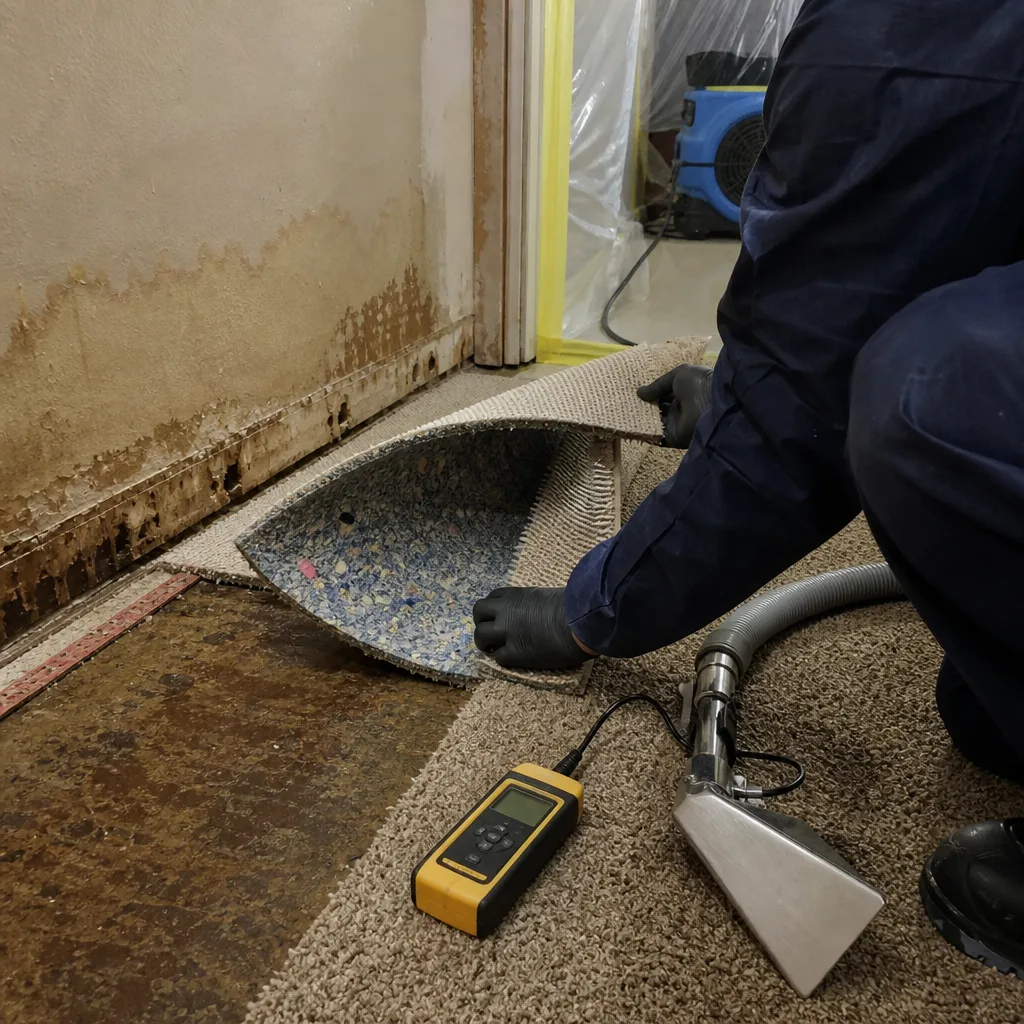
We built our documentation protocol around what Alicia Brennan saw denied in claims files during her adjusting career. Every Lakeside job starts with a photo record before any containment goes up - date-stamped, geotagged, organized by room. Our estimates follow Xactimate or Symbility formatting depending on your carrier’s preference, with line-item justification for each decontamination step.
We coordinate directly with your adjuster, providing the moisture logs and drying documentation that turn restoration invoices into payable claims. For Lakeside properties with fire-then-flood damage histories, we specifically document the sequential loss timeline - wildfire ash deposition, hydrophobic soil formation, subsequent water intrusion - because carriers sometimes dispute whether mold resulted from the initial fire event or a later water loss. Our photo record and written scope make that distinction clear.
What We Provide Your Insurer
- Thorough documentation of the loss
- Photos of all damage, room by room
- Moisture readings and drying logs
- A detailed, line-item scope of work
- Direct coordination with your carrier
Built for Lakeside’s Loss Calendar
January through March brings the heaviest mold call volume in Lakeside, when winter rains hit fire-stripped hillsides and push debris flows into valley-floor foundations. The El Monte Valley’s position inland means these storms arrive with less warning than coastal systems, and the hardened chaparral soil sheds water in sheets rather than absorbing it. April and May see secondary mold discoveries - homeowners opening crawlspaces after the rainy season finds colonies established on joists that stayed wet for six weeks.
June through September, Lakeside runs 10-15°F hotter than coastal San Diego, with relative humidity dropping below 30%. Active mold growth pauses, but dormant spores remain viable. October and November bring Santa Ana wind events - not a mold season directly, but the wildfire risk that sets up the next winter’s flood damage. We perform preventive inspections for homeowners who experienced fire proximity, identifying compromised roofing and vapor barriers before the rains return.
Mold Remediation Across Lakeside’s Neighborhoods
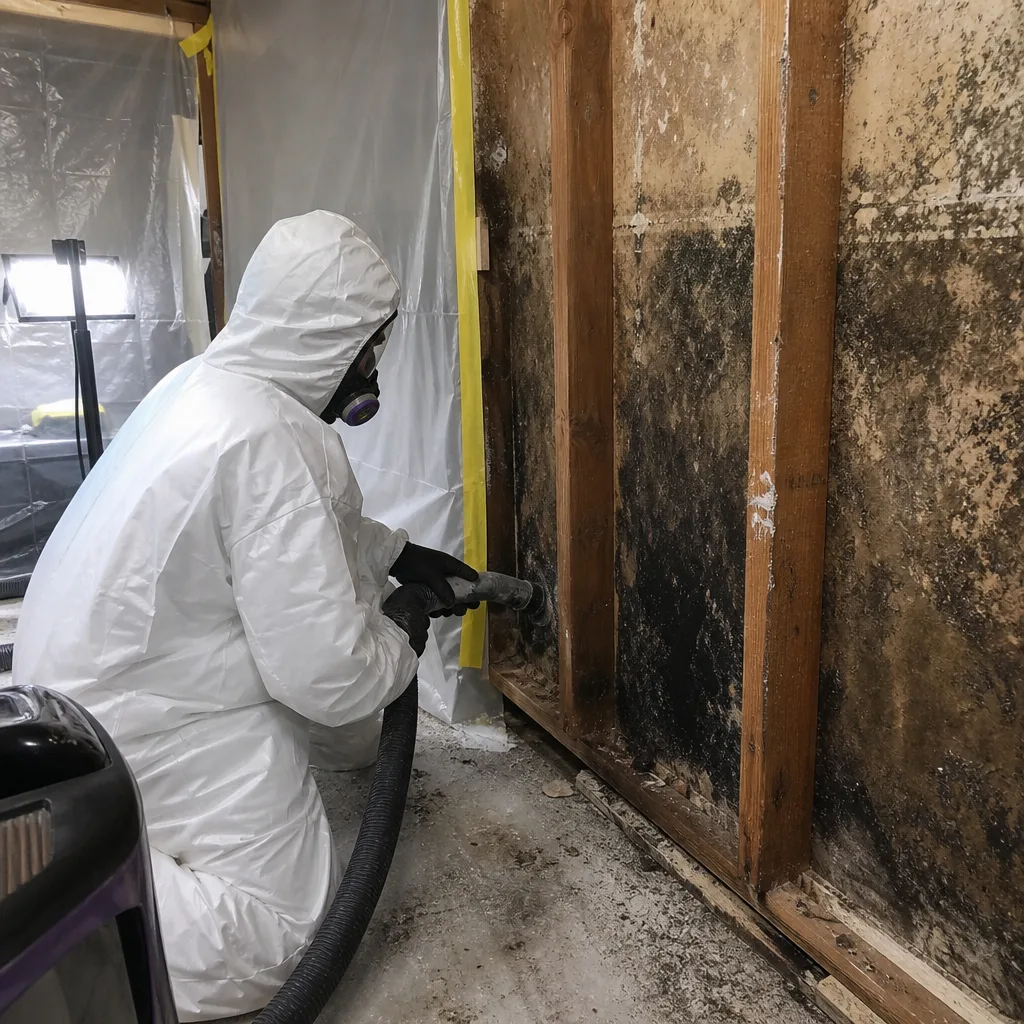
Willow Road corridor: The ranch-style homes here, many built in the 1950s and 1960s, sit on expansive lots with mature shade trees that keep crawlspaces cool but humid. We’ve found that the combination of original dirt-floor crawlspaces and overhead irrigation from horse-property landscaping creates chronic moisture loading. Our Mold Remediation crews here typically install full vapor barriers and perimeter drainage as part of remediation, not just mold removal.
River Park and the San Diego River corridor: These lower-elevation properties face direct debris-flow risk from winter storms. The 2003 Cedar Fire burned slopes directly above this area, and subsequent flood events have deposited ash-laden sediment in crawlspaces that standard drying cannot address. We use contained excavation and soil remediation alongside structural drying.
Downtown Lakeside and the commercial core: Tighter setbacks, shared walls in some multi-family structures, and limited parking for equipment staging. Our containment protocols here emphasize minimal-disruption access - negative air machines with reduced footprint, scheduled work to avoid business hours for commercial tenants.
Eastern Lakeside and the wildland interface: Larger lots with well water and septic systems, often with detached barns or accessory structures. Mold here frequently follows septic backup after debris-flow damage, requiring full Category 3 water protocols and coordination with County Environmental Health for septic system assessment.
Specialized Mold Remediation Services We Offer in Lakeside
Mold Inspection & Testing
Our inspections combine visual assessment, moisture mapping, and air quality sampling. In Lakeside, we specifically test for wildfire-ash particulate contamination alongside mold spore identification - the two often coexist in post-fire properties, and remediation planning must address both. Third-party lab results typically return in 48-72 hours.
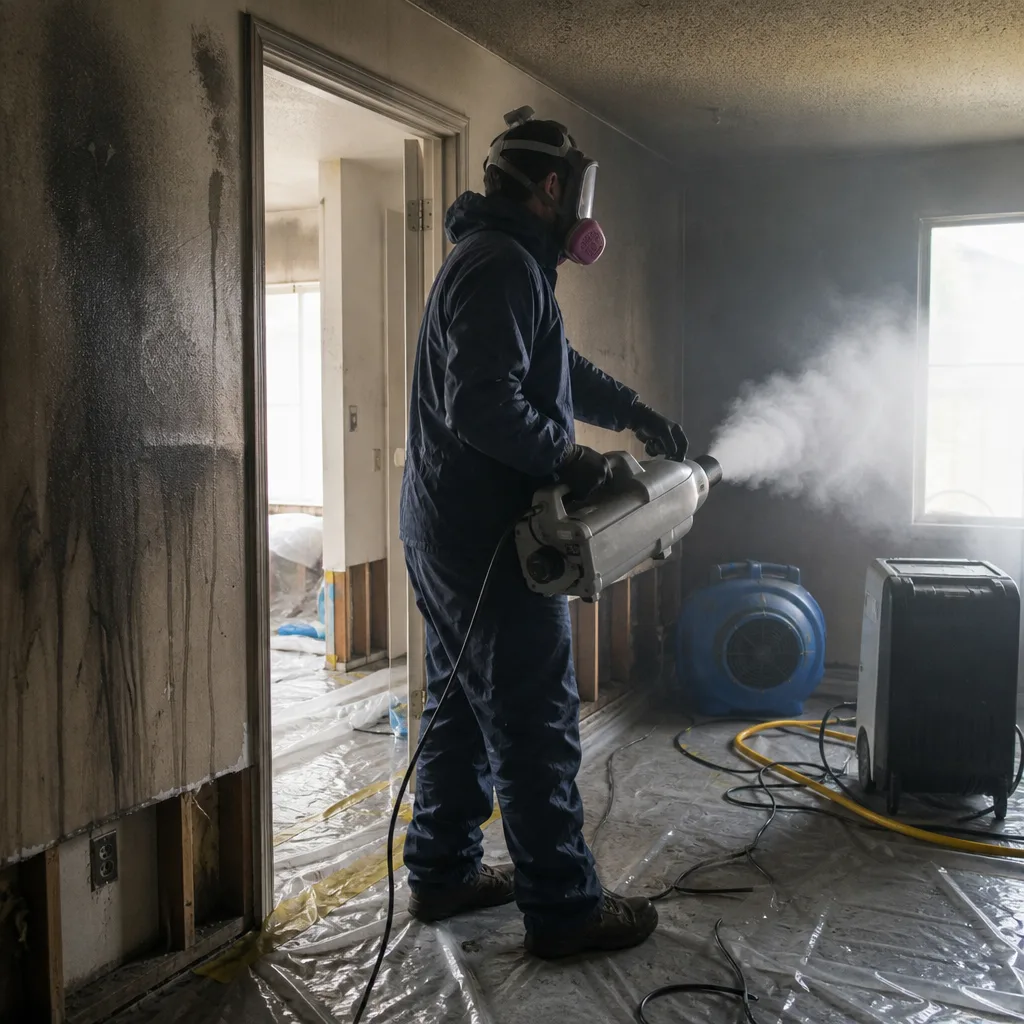
Mold Removal
Containment, removal, and disposal of contaminated materials following IICRC S520 standards. For Lakeside’s older wood-frame construction, we evaluate whether structural members can be cleaned and sealed or require replacement - a decision documented with photos and moisture readings for your insurance file.
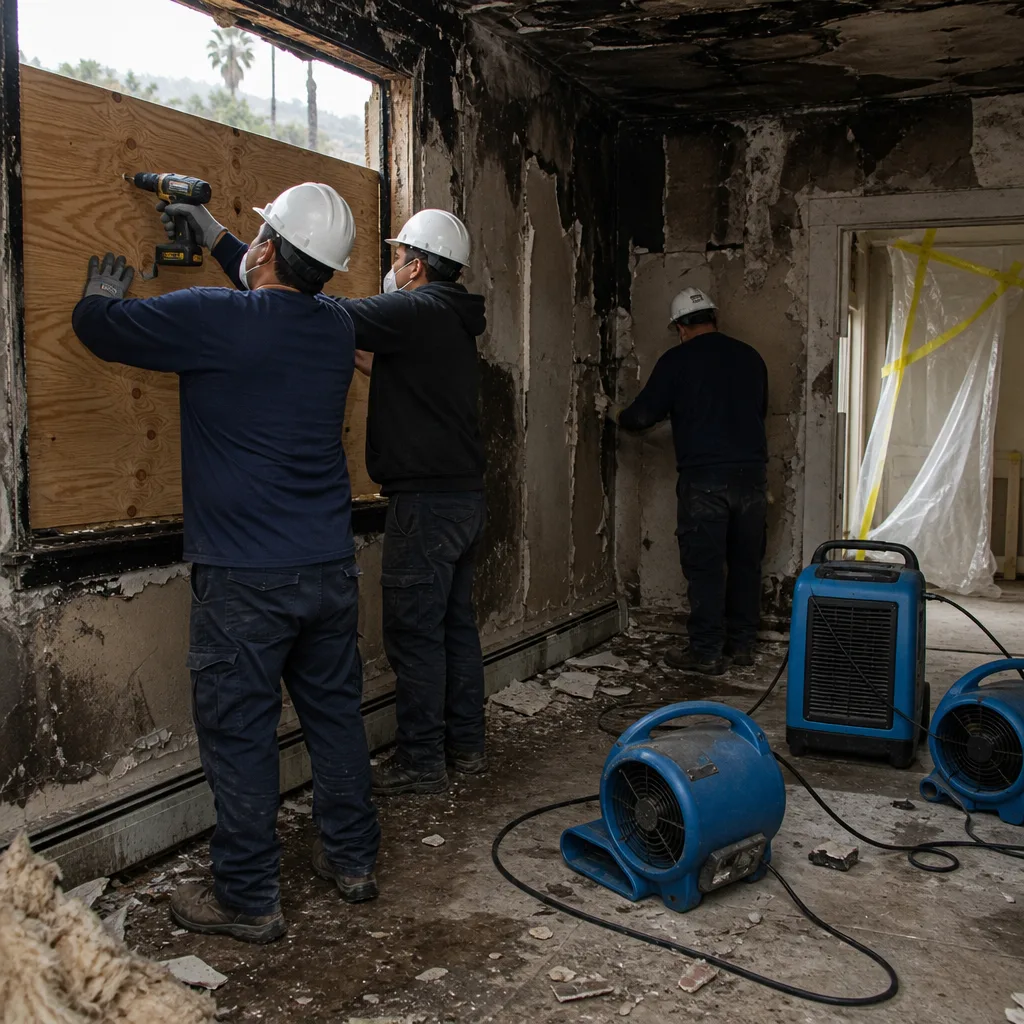
Black Mold Remediation
Stachybotrys chartarum and other toxigenic species require heightened containment and PPE protocols. We isolate the work zone, establish continuous negative pressure, and dispose of all contaminated materials as regulated waste. Post-remediation clearance testing is mandatory.
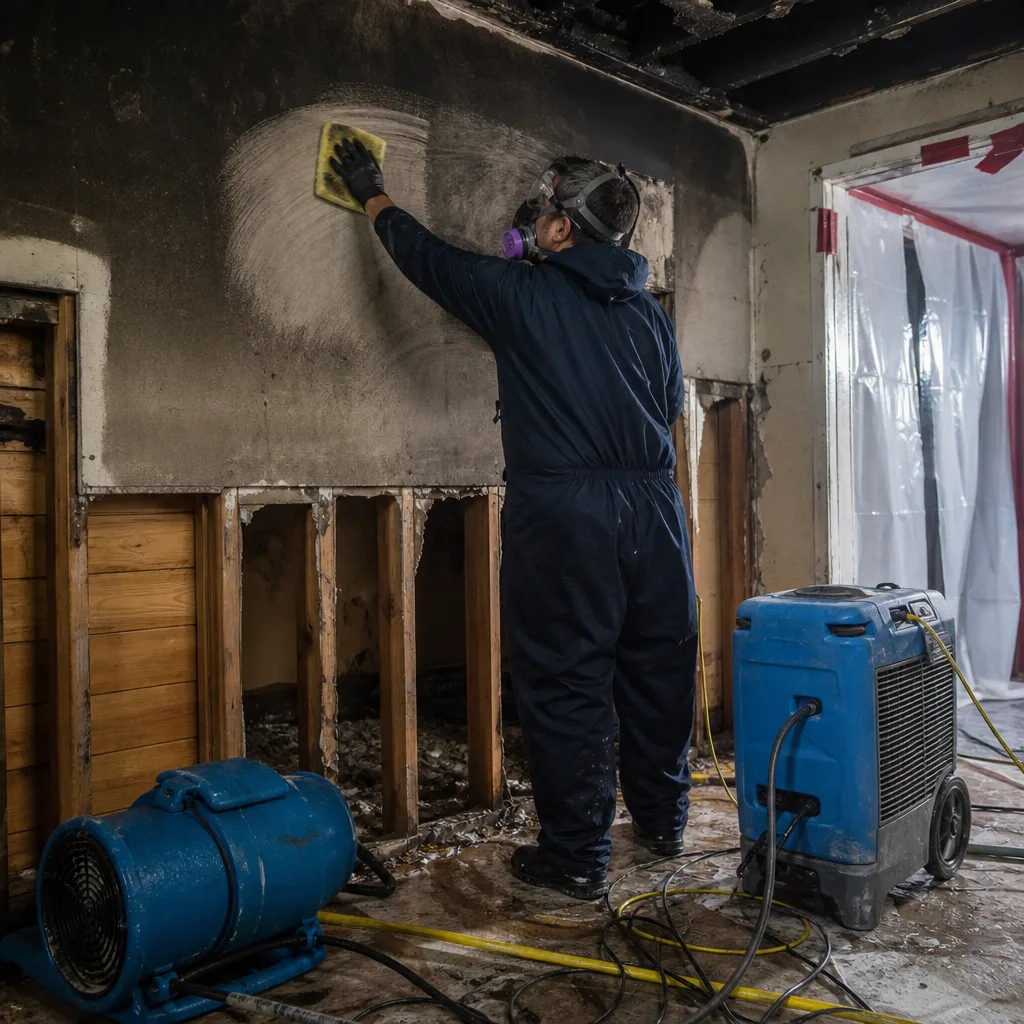
Air Quality Restoration
HEPA filtration, duct cleaning where contamination has entered HVAC systems, and ongoing air scrubbing until third-party testing confirms safe levels. In Lakeside’s tight, energy-efficient retrofits, we verify that whole-house ventilation isn’t distributing spores from an isolated contamination source.
Crawl Space Treatment
The most critical sub-service for Lakeside properties. We excavate contaminated soil where necessary, install vapor barriers, apply antimicrobial treatment to all structural wood, and address drainage. For properties in the fire-then-flood cycle, we evaluate whether French drains or sump systems are warranted to prevent recurrence.
What happens when you call
- 1
A real person answersNo phone trees - you reach a local pro.
- 2
You get an upfront price rangeHonest numbers before anyone is dispatched.
- 3
A background-checked tech heads outLicensed & insured, dispatched right away.
- 4
You approve before work beginsNothing starts until you say go.
Mold Remediation Costs in Lakeside, CA
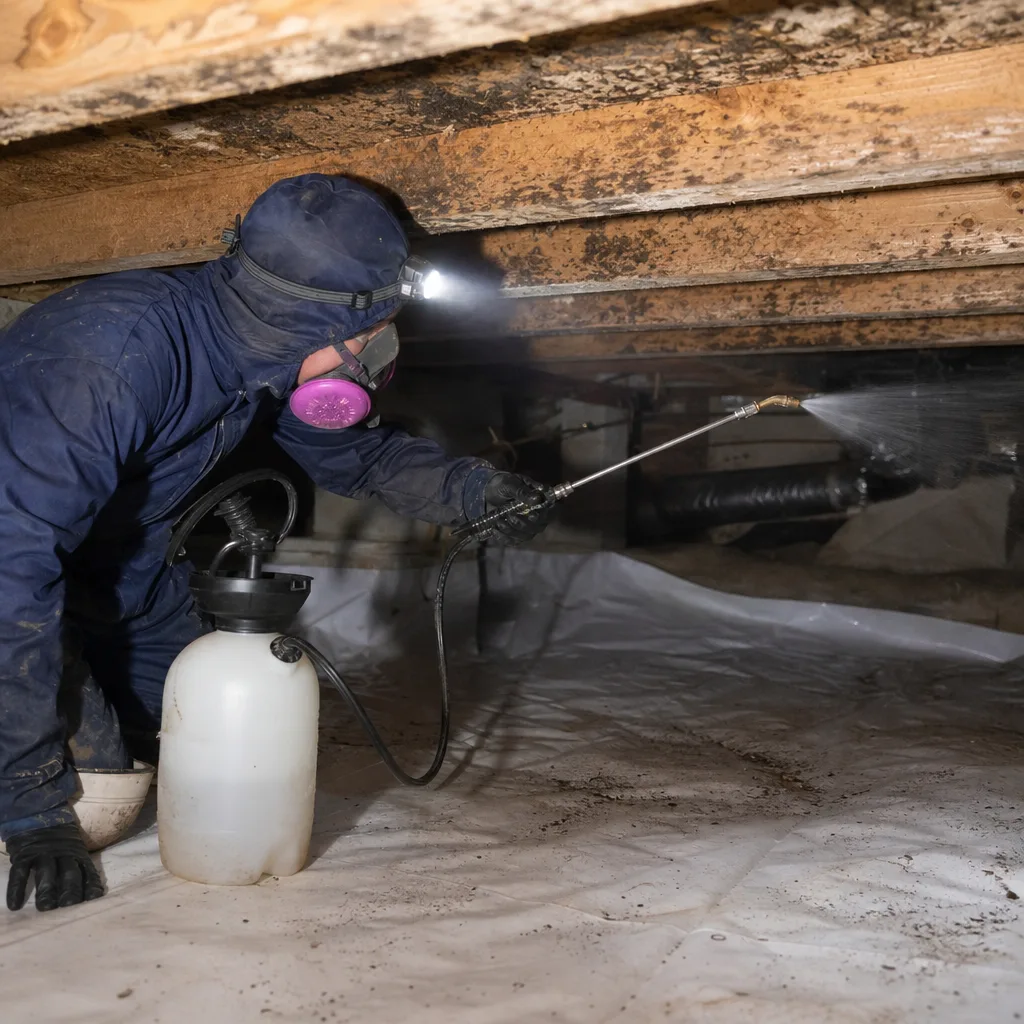
Small, contained mold removal in a single bathroom or closet: $1,800-$3,200. Moderate crawlspace or basement remediation with containment and air scrubbing: $3,500-$5,500. Extensive whole-structure remediation following Category 3 water loss with pack-out and reconstruction: $6,000-$15,000+. These ranges reflect Lakeside’s market specifically - labor and disposal costs in San Diego County run higher than inland Empire markets, but lower than coastal premium zones like La Jolla.
What moves the price: square footage of visible growth, whether containment must preserve livable space, presence of Category 3 water requiring full PPE and regulated disposal, need for content pack-out, and reconstruction scope. Insurance typically covers mold remediation when it results from a covered water loss - burst pipe, storm intrusion, fire suppression - but may exclude long-term maintenance-related mold. We review your policy language and document the loss origin to support your claim. Every estimate is free, written, and delivered before work starts - Haven Standard, Clause 1. Call (858) 428-2364.
We Also Serve Cities Near Lakeside
Our crews respond throughout eastern San Diego County, including Lakeside neighbors: Santee to the west, with its denser post-war subdivisions; El Cajon to the south, where commercial and residential losses overlap; La Mesa’s hillside homes with their own drainage challenges; and Spring Valley’s mix of established neighborhoods and newer construction. Each city gets the same documentation-first protocol, adjusted for local building stock and climate conditions.
Serving Lakeside, CA - Our Local Coverage Area
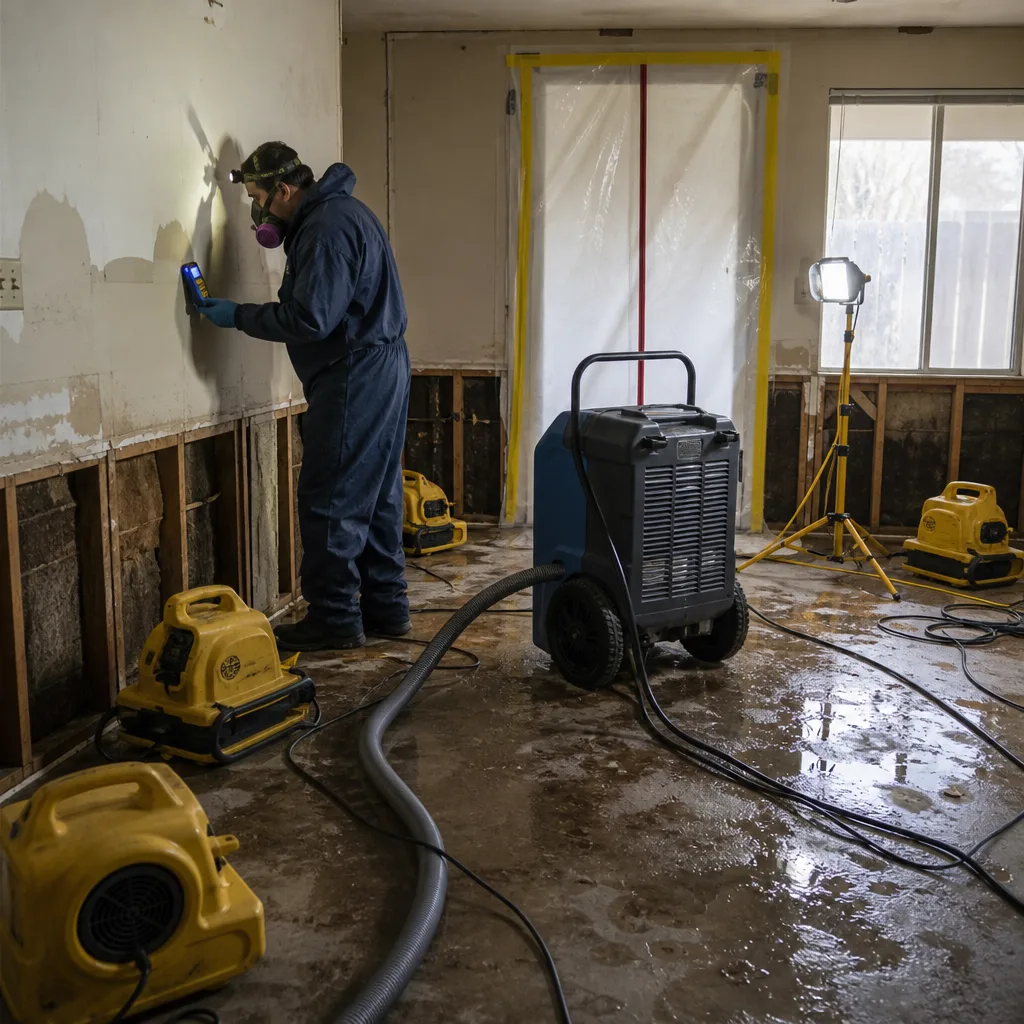
We’re based in the Lakeside area and know this community well. Use the map below to see our service coverage - if you’re nearby, we can almost certainly help.
Lakeside Mold Remediation Questions, Answered
How does Lakeside’s wildfire history affect mold remediation after a water loss?
Wildfire strips hillsides of vegetation and bakes the soil into a water-repellent crust, so when winter rains arrive, water and ash-laden debris flow directly into foundations rather than absorbing into the ground. This creates Category 3 water contamination in crawlspaces - the most severe classification - requiring full containment, regulated disposal, and antimicrobial treatment beyond standard drying. We document this fire-then-flood sequence for insurance claims because carriers need to distinguish wildfire-related from maintenance-related damage. Call (858) 428-2364 for a free inspection.
Why is mold growth faster in Lakeside homes than in coastal San Diego?
Lakeside’s inland location in the El Monte Valley produces summer temperatures 10-15°F higher than coastal areas, with warm-season humidity that lingers in crawlspaces and wall cavities after any water intrusion. Combined with older construction and minimal original vapor barriers in many ranch-style homes, these conditions accelerate colony establishment. A small leak that might take two weeks to produce visible mold in Del Mar can show growth in 5-7 days here. Call (858) 428-2364 for moisture mapping.
Can you remediate mold in a Lakeside crawlspace that floods with muddy ash water every winter?
Yes, but one-time remediation without addressing the source will fail. We remove contaminated materials, treat structural wood, and install vapor barriers - then evaluate whether perimeter drainage, grading correction, or sump pump installation is needed to stop recurring intrusion. For properties in the Cedar Fire burn zone or subsequent wildfire areas, we coordinate with soil remediation specialists when ash contamination is severe. Call (858) 428-2364 for a scope that includes prevention.
What does Category 1, 2, or 3 water mean for mold cleanup in Lakeside?
Category 1 is clean water from a supply line - mold risk is lower, and remediation may be limited to drying and surface treatment. Category 2 carries chemical or biological loading from appliances or groundwater - porous materials must go. Category 3 is grossly contaminated: sewage, debris flows, or fire-ash-laden floodwater. In Lakeside, the fire-then-flood cycle routinely produces Category 3 conditions in crawlspaces, requiring full containment, negative air pressure, and often pack-out of contents. We test and classify on arrival. Call (858) 428-2364.
Do you handle mold after a Santa Ana wind smoke event in Lakeside?
Smoke infiltration itself doesn’t cause mold, but the fire damage that accompanies Santa Ana wind events often compromises roofing, siding, or windows that later admit rainwater. We inspect fire-damaged properties for moisture intrusion pathways before the rainy season, and we remediate mold that develops when these compromises go unrepaired. Our documentation links the mold to the covered fire loss for insurance purposes. Call (858) 428-2364 for preventive assessment.
How fast can your crew get to my Lakeside property?
We commit to 45-minute response for active emergencies in Lakeside, dispatching from our San Diego office. Non-emergency inspections are typically scheduled within 24 hours. Live phone coverage is available 24 hours a day, 7 days a week - the person who answers can dispatch, not just take messages. Call (858) 428-2364.
Will my insurance cover mold remediation in Lakeside?
Insurance covers mold that results from a sudden, accidental water loss - burst pipes, storm damage, fire suppression - but typically excludes mold from long-term leaks or maintenance neglect. Our documentation protocol, developed by a former adjuster, establishes the loss origin with photos, moisture readings, and a written timeline. We bill carriers directly and provide the line-item scope they require for approval. Call (858) 428-2364 and we’ll review your situation.
How long does mold remediation take in Lakeside?
Small contained projects: 2-3 days. Moderate crawlspace or multi-room remediation: 4-6 days. Extensive Category 3 losses with reconstruction: 1-3 weeks. The fire-then-flood cycle in Lakeside sometimes requires soil drying or drainage work that extends the timeline, but we provide a written schedule with the initial scope - Haven Standard, Clause 1 - and update daily with photo progress. Call (858) 428-2364 for a timeline specific to your property.
We were called to a ranch-style home off Willow Road in Lakeside after a winter rain event pushed ash-laden mud through the crawlspace - a ‘fire then flood’ double-damage cycle. Our crew used moisture mapping and Injectidry systems to dry the saturated wood framing, then applied antimicrobial treatment to the crawl space, achieving complete mold remediation within four days.
Written by Alicia Brennan, Owner at Back to Dry Restoration, serving Lakeside since 2011.