
Last updated September 23, 2026
Free visual inspection and a written scope of work before any mitigation begins - photos, moisture readings, and drying logs go in your claim file
The scope we write is the scope we bill. Anything new gets shown to you, in writing, before we touch it.
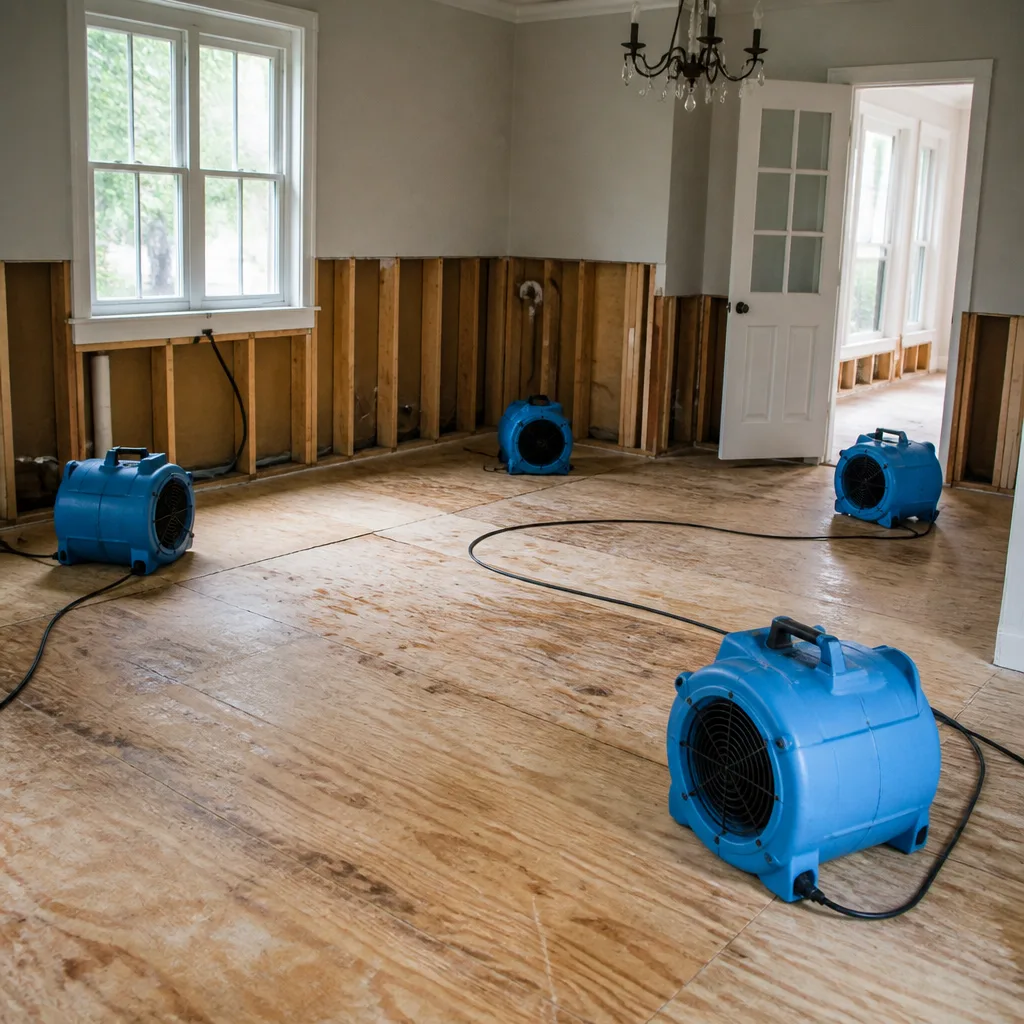

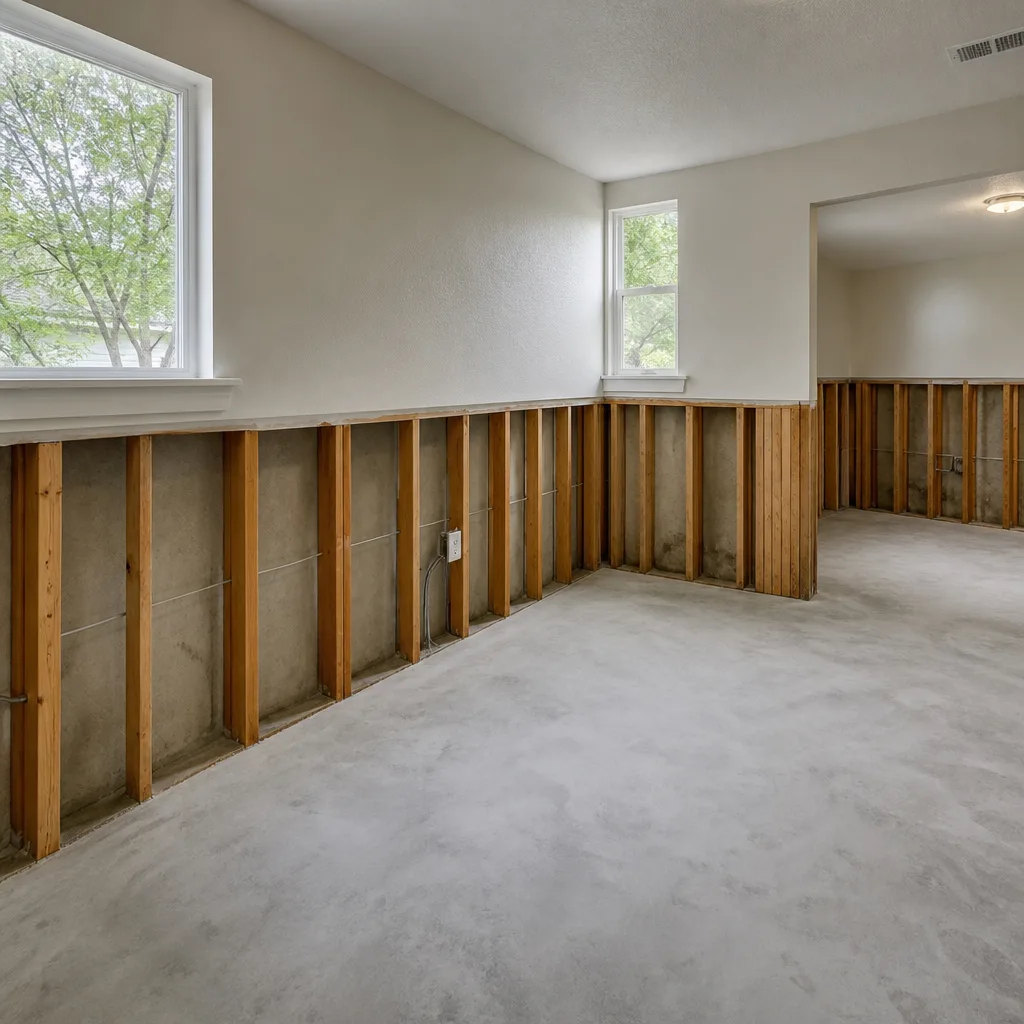

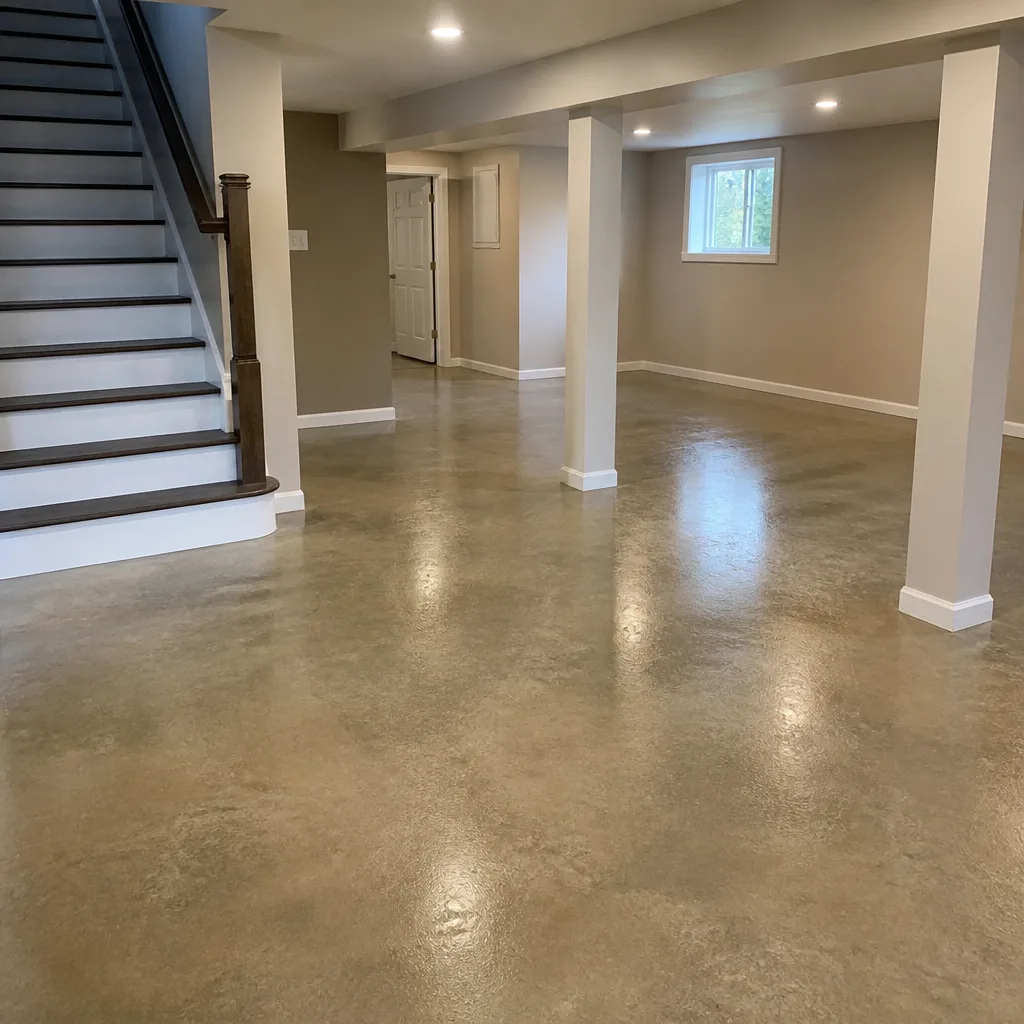

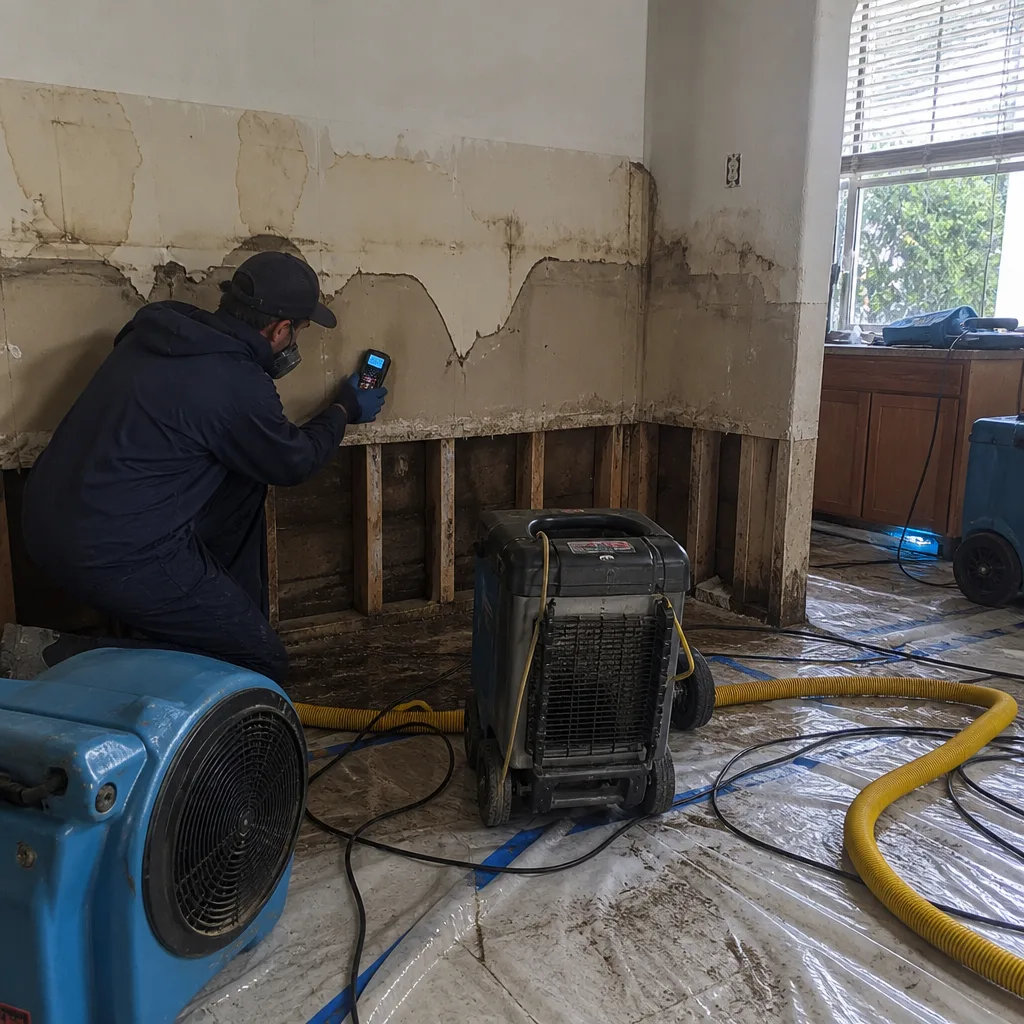 Before
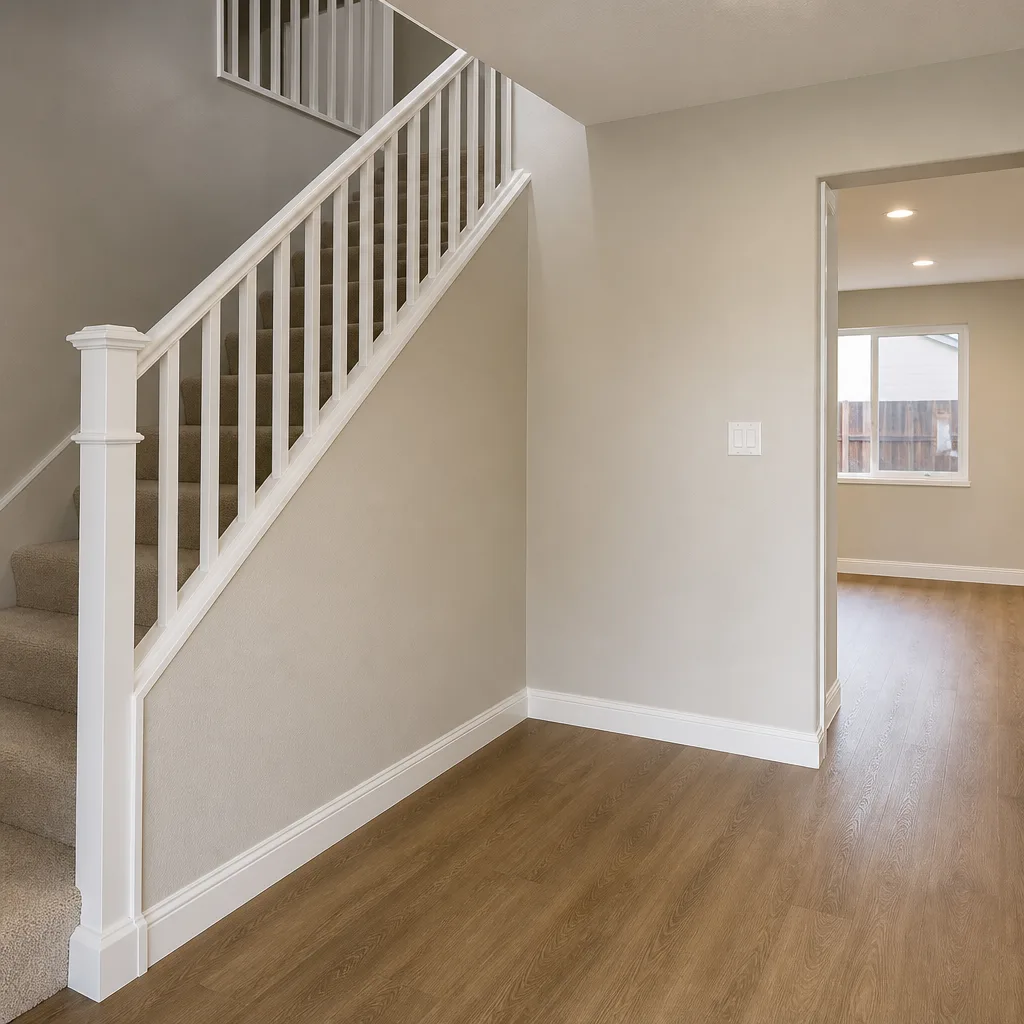 After
After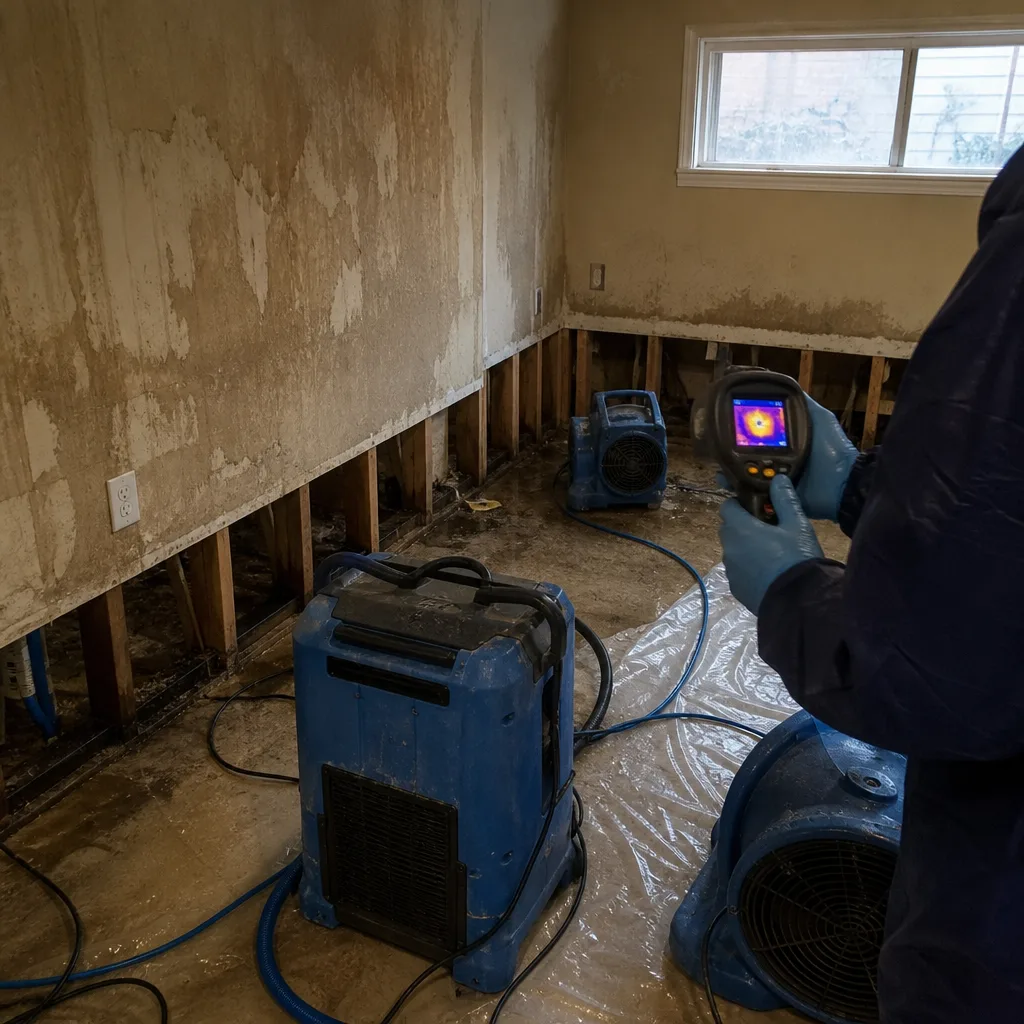 Before
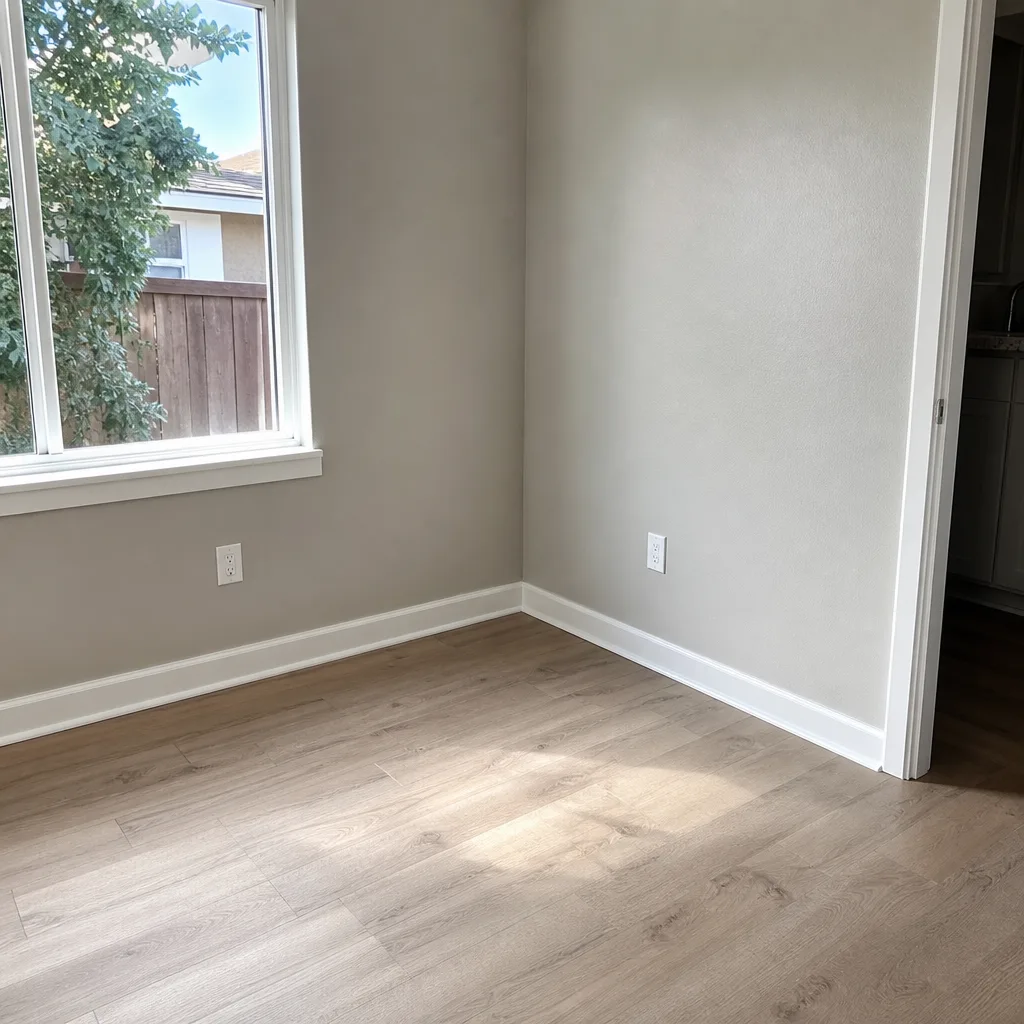 After
After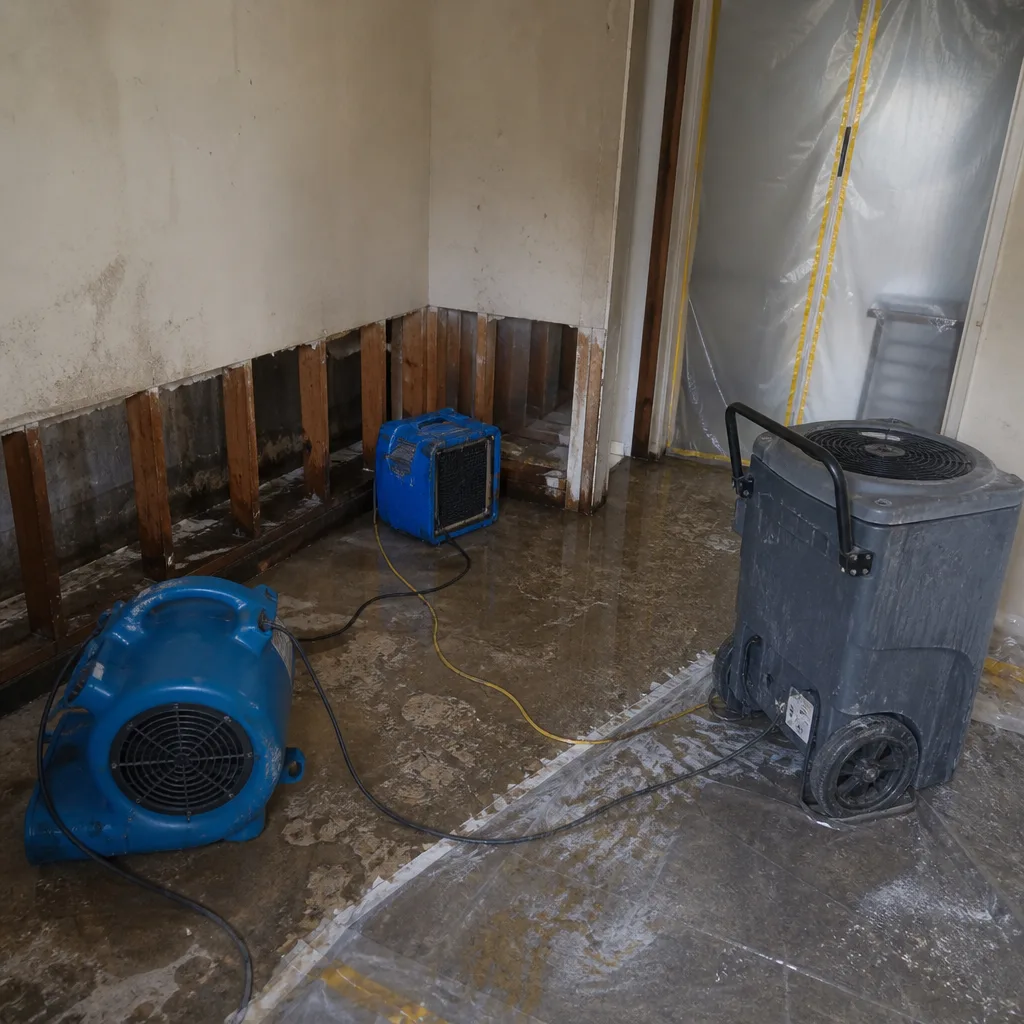 Before
 After
AfterWater Damage Restoration Maintenance Checklist for El Cajon Homeowners
When a pipe finally fails in an El Cajon home, the insurer’s first question is often not “what happened” but “did you know this was developing?” A maintenance log is your answer. We’ve reviewed thousands of claims since 2011, and the difference between a fully paid water damage claim and a denied one frequently comes down to a single dated photo or moisture reading taken months earlier. This guide turns routine home maintenance into documentation that protects your coverage, and you can find more guides & resources on our blog. You’ll learn where to measure, what to record, how El Cajon’s specific climate patterns create seasonal risks, and why a written inspection history matters more than the repair itself.
Quick Answer
A water damage restoration maintenance checklist for El Cajon homeowners should include biannual moisture readings at slab penetrations, water heaters, and under-sink plumbing; seasonal gutter and drainage inspections timed to the October-March rain window; and a dated photo record of every finding. Documented maintenance supports “sudden and accidental” coverage, while deferred repairs without records can void it.
Table of Contents
- Why Documentation Beats Repair in El Cajon
- The El Cajon Risk Calendar: Seasonal Patterns That Damage Homes
- Baseline Moisture Readings: Where, How, and What to Record
- How to Document a Plumbing Inspection for Insurance
- Maintenance That Protects Coverage vs. Maintenance That Voids It
- Your Fillable Biannual Maintenance Log
- Exterior Drainage and Foundation Maintenance
- Appliance, Water Heater, and HVAC Risk Points
 Before
 After
AfterWhy Documentation Beats Repair in El Cajon
Most water damage maintenance guides tell you to check things. Few tell you to prove you checked them. That’s the gap that costs El Cajon homeowners their claims.
California insurance policies cover “sudden and accidental” water damage. They exclude damage from “long-term” or “known” leaks. The adjuster’s job is to decide which category your loss falls into. Without documentation, that decision rests on visual clues: staining patterns, corrosion depth, mold growth stages. With documentation, it rests on your dated records.
We’ve seen this play out repeatedly in El Cajon homes, particularly in the older neighborhoods near downtown and along the Johnson Avenue corridor where galvanized plumbing still serves houses built in the 1950s and 1960s. A homeowner discovers water damage under a kitchen sink. The adjuster notes the supply line’s corrosion and the layered staining on the cabinet base. No records exist. The claim heads toward denial for long-term leakage.
Contrast this with a homeowner who produces a phone photo from six months prior showing the same cabinet base, dry, with a moisture meter reading of 9.2% on the base material. The current reading is 28%. The damage is documented as new. The claim proceeds.
The Haven Standard, which guides every DryMark Restoration El Cajon home service, was built on this principle: evidence first. Our daily drying logs, written scopes, and room-by-room moisture readings turn restoration invoices into claims insurers pay without dispute. Homeowners can apply the same discipline to prevention.
What to document:
- Moisture meter readings at specific locations, with the meter model noted
- Date and time of each reading
- Photo of the reading on the meter display, with the location visible in frame
- Any corrective action taken, with date
- Name of inspector (self or professional), with license number if applicable
This record doesn’t need to be elaborate. A dedicated folder on your phone, organized by date, suffices. What matters is consistency and specificity. “Checked under sinks” is useless. “9.2% moisture content, particleboard cabinet base, north bathroom vanity, 3/15/2025, photo attached” is evidence.
The El Cajon Risk Calendar: Seasonal Patterns That Damage Homes
El Cajon’s climate creates distinct water damage windows that maintenance schedules should address. The city sits in a valley basin with surrounding hills that channel runoff, and its soil composition shifts dramatically between dry and wet seasons.
October through March: The Saturated Soil Window
El Cajon receives nearly all its annual rainfall between late October and March, with January typically the wettest month. The region’s granitic soils, common in the foothill neighborhoods near Fletcher Hills and the areas bordering Mount Helix, drain poorly once saturated. This creates hydrostatic pressure against slab foundations that doesn’t exist during summer months.
We’ve documented cases, detailed in The Complete Guide to Damage Restoration in El Cajon, where slab leaks emerged only after three consecutive weeks of winter rain. The soil expansion pressed against foundation cracks that were stable in July. Homeowners who inspected their foundation perimeter in September and recorded no moisture intrusion had strong documentation that the damage was seasonally triggered, not long-term neglected.
Maintenance actions for this window:
- Clear roof gutters and downspouts by October 15, before the first major storm
- Verify downspout discharge extends at least 6 feet from foundation walls
- Inspect foundation perimeter after the first significant rain (0.5 inches or more)
- Record slab penetration moisture readings monthly November through February
- Photograph any new cracks in stucco or foundation with date stamp
April through September: The Irrigation and HVAC Condensate Window
El Cajon’s dry summers shift risk from exterior intrusion to interior sources. Automatic irrigation systems, often overwatering after winter adjustments, create perimeter saturation that mimics rainfall patterns. HVAC systems running continuously produce condensate drain line failures. Water heater tanks, working harder due to higher inlet temperatures, experience accelerated corrosion.
The Water Damage Restoration in El Cajon calls we field most frequently in July and August involve slow leaks from aging flex lines on toilets and sinks, discovered only when the homeowner notices a musty odor or warped flooring. These are the leaks most often denied as “long-term” because no documentation exists to establish when they began.
Key summer maintenance:
- Reduce irrigation run times by 30% from winter settings; check for broken sprinkler heads weekly
- Inspect HVAC condensate drain line and pan monthly; algae growth accelerates in warm months
- Check water heater T&P valve discharge and tank base for moisture monthly
- Run all fixtures in guest bathrooms weekly to prevent trap seal evaporation and seal degradation
Baseline Moisture Readings: Where, How, and What to Record
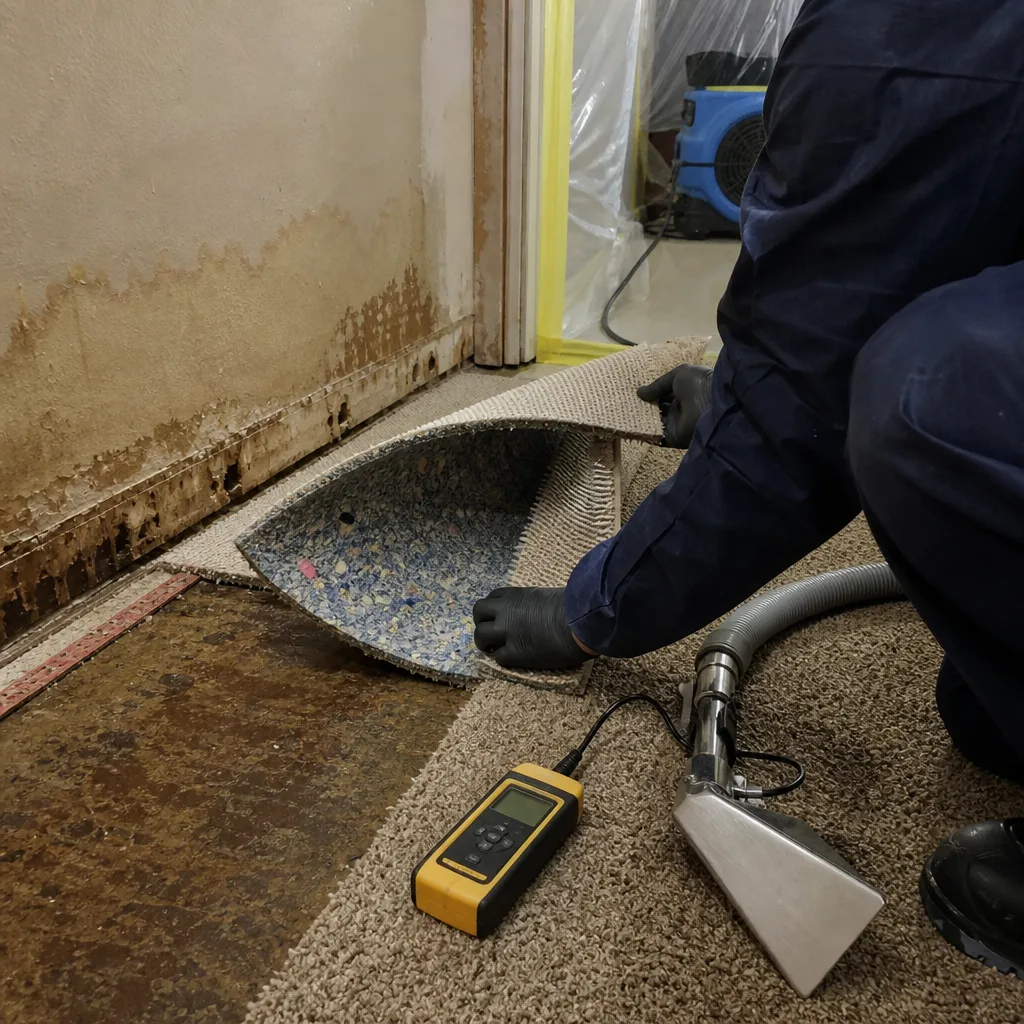
A moisture meter is the single most useful tool for preventive documentation. Pin-type meters suitable for wood and drywall cost $40-$80. Pinless meters, better for scanning large areas, run $50-$120. Either suffices for homeowner use. Record the model in your log for consistency.
Critical Measurement Locations in El Cajon Homes
These locations reflect both universal risk and El Cajon-specific conditions: slab construction prevalence, aging plumbing in pre-1980 housing stock, and the temperature differentials that drive condensation in hillside homes with exposed foundation walls.
- Under-sink cabinet bases: Measure the cabinet base material, not just the floor beneath. Particleboard bases, common in homes built 1970-1995, show elevated moisture before visible damage occurs. Baseline: under 12% for particleboard, under 15% for plywood. Record left, center, and right readings.
- Slab penetrations: Where plumbing enters the slab, moisture can wick upward through the concrete. Measure 2 inches from the pipe entry point. Baseline varies by slab composition, but readings above 17% on concrete or 20% on surrounding wood framing warrant investigation. In El Cajon’s older neighborhoods near Madison Avenue and Mollison Avenue, we’ve found slab moisture elevated in homes with original copper lines due to galvanic corrosion at entry points.
- Water heater platforms and adjacent walls: Measure platform material and drywall within 12 inches of the tank base. Tank failures often begin as slow seepage from the base seam, invisible until the platform is saturated. Baseline: under 10% for platform wood, under 12% for adjacent drywall.
- Behind washing machines: Measure wall surface behind supply hose connections and floor beneath hose routing. Stainless steel braided hoses fail less frequently than rubber, but both should be replaced every 5 years. Record hose installation date on your log.
- HVAC air handler platforms: Secondary drain pan overflows and primary line blockages create concealed damage. Measure platform material and surrounding framing monthly during cooling season.
- Exposed foundation walls: In hillside El Cajon homes, particularly in the Crest and Rancho San Diego areas, foundation walls with exterior exposure develop condensation on interior surfaces during temperature swings. Measure at mid-wall height monthly November through March. Baseline: under 15% on painted concrete, under 12% on finished surfaces.
How to Take a Documented Reading
One photo should contain: the moisture meter display showing the reading, the probe position on the material, and a visible landmark identifying the location (faucet handle, pipe fitting, electrical outlet). The photo metadata provides date and time. Add location text to the filename: “MasterBathSink_031525_0947_9.2pct.jpg.”
Store readings in a simple table format:
| Date | Location | Material | Reading (%) | Meter Model | Photo File | Notes |
|---|---|---|---|---|---|---|
| 3/15/2025 | North bath vanity base | Particleboard | 9.2 | General MMD4E | NorthBath_031525_0947_9.2pct.jpg | Baseline established |
Update this table biannually minimum. Monthly for locations with prior elevation or known risk factors.
How to Document a Plumbing Inspection for Insurance
Professional plumbing inspections produce reports. Homeowner inspections should produce records with similar structure, even if less technical. The goal is a document an adjuster can read and a court could admit.
What a Documented Inspection Includes
After any professional inspection, request the plumber’s written report with license number. Photograph every page. Then conduct your own visual follow-up and record:
- Date and time of inspection
- Areas accessed (crawl space, attic, specific fixtures)
- Specific findings, quoted from the professional report where applicable
- Photos of each finding location, current condition
- Recommended actions, with dates completed or scheduled
- Your own moisture readings at the inspected locations
El Cajon-Specific Inspection Priorities
Homes in El Cajon built before 1980 often contain galvanized steel supply lines, polybutylene (1985-1995), or early copper with problematic joint compounds. The Mold Remediation in El Cajon work we perform frequently traces to slow leaks in these materials, discovered only after mold colonization requires professional intervention.
If your home falls in these age brackets, prioritize:
- Pressure test documentation: A licensed plumber’s pressure test with dated results establishes system integrity at a point in time. Request a copy for your records.
- Visible pipe condition photos: Corrosion, mineral deposits, or green oxidation on copper joints indicate active or prior leakage. Photograph annually.
- Fixture seal integrity: Caulk and grout around tubs and showers in El Cajon’s hard-water environment degrade faster than in soft-water regions. Document condition biannually; note any gaps or staining.
When a Slow Leak Is Discovered
This is where documentation becomes critical. A plumber finds moisture under a hall bathroom sink, source undetermined. The standard homeowner response: fix it, move on. The documented response: photograph the finding, record moisture readings, obtain the plumber’s written scope with repair date, photograph post-repair condition with new readings, and retain all records for 7 years.
If that same location leaks again in 18 months, your records establish the prior repair and its scope. Without them, the adjuster may classify the new damage as continuation of the original leak, triggering exclusion language.
Maintenance That Protects Coverage vs. Maintenance That Voids It
Not all maintenance is equal in an insurer’s eyes. The distinction matters for El Cajon homeowners, particularly those in HOAs where maintenance responsibilities may be split between owner and association.
Maintenance That Protects Coverage
Documented, proactive maintenance demonstrates due diligence. Examples:
- Biannual gutter cleaning with dated photos of clear downspouts
- Annual water heater drain and inspection, with plumber’s report
- Moisture readings showing stable baselines over time
- Prompt repair of identified issues, with before/after documentation
- Professional mold inspection if moisture is found, with clearance documentation
These records support the “sudden and accidental” characterization by showing the homeowner monitored conditions and responded appropriately.
Maintenance That Voids Coverage
Deferred maintenance, even when eventually addressed, can void coverage if the delay allowed damage to progress. Critical distinctions:
- Known leak, unrepaired: A moisture reading of 28% under a sink, documented but unaddressed for 90 days, becomes evidence of known damage the homeowner failed to mitigate. Insurers may deny subsequent claims at that location entirely.
- Visible staining, uninspected: A water spot on a ceiling, photographed but never professionally evaluated, suggests the homeowner was aware of potential damage and chose not to investigate. Document the discovery and the professional inspection, not just the discovery.
- DIY repairs without permits where required: El Cajon requires permits for plumbing repairs involving concealed lines and for any electrical work near water sources. Unpermitted repairs, particularly in homes later sold, can complicate claims if the repair is implicated in subsequent damage.
- Failure to maintain HOA-common elements affecting your unit: In El Cajon condominiums, particularly the older complexes along Broadway and in the Bostonia area, roof and exterior maintenance is often HOA responsibility. Document your reports to the HOA of visible issues (staining, missing shingles, failed caulking) with delivery confirmation. If HOA deferral leads to your interior damage, your records support subrogation or direct claims.
The Haven Standard, Clause 1, requires a written price before any work begins. This principle extends to maintenance: know what a repair costs before you defer it. A $200 supply line replacement, deferred, becomes a $4,000 cabinet and floor restoration with potential coverage disputes.
Your Fillable Biannual Maintenance Log
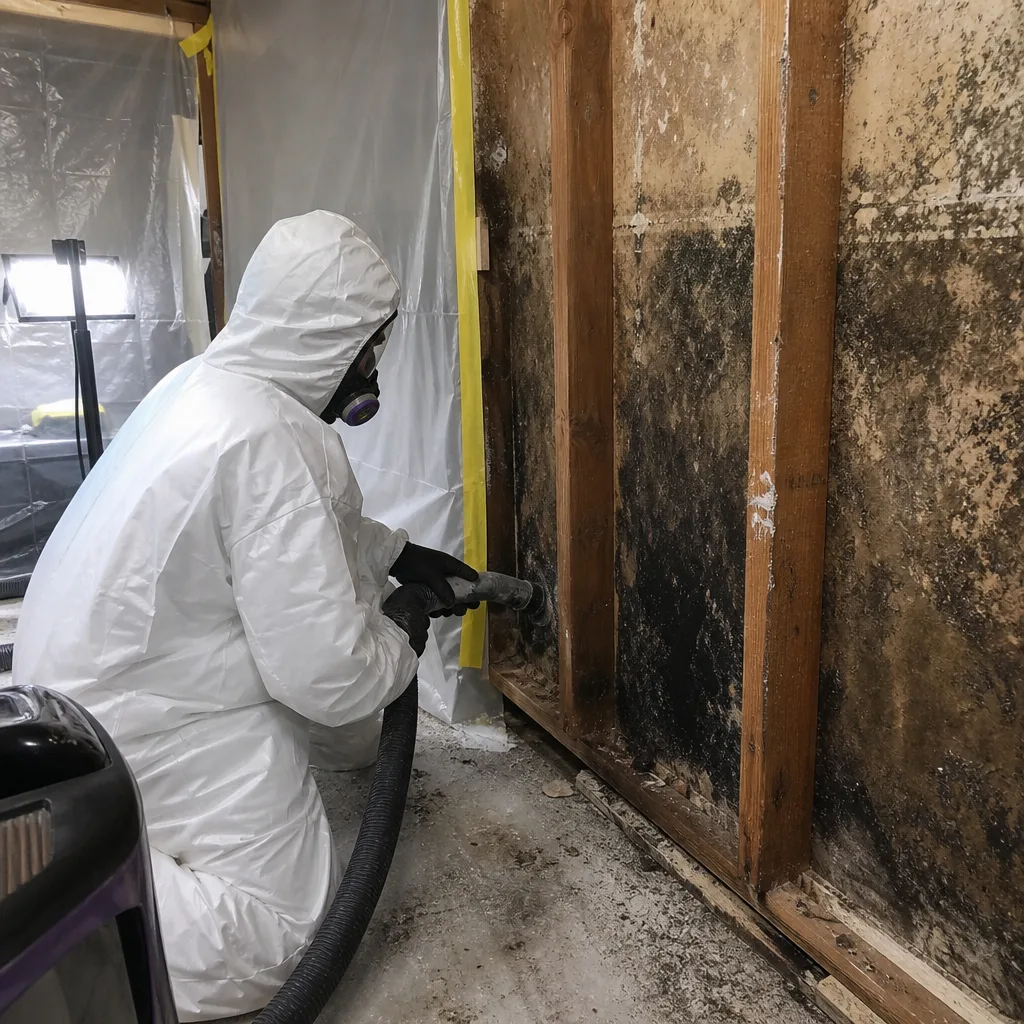
This log structure produces records consistent enough for insurance submission and simple enough for actual use. Complete every March and September, aligning with El Cajon’s seasonal transitions.
Log Header - Complete Each Cycle
Property address: _______________
Inspection date: _______________
Inspector name: _______________
Moisture meter model: _______________
Weather last 7 days (rain/irrigation): _______________
Section A: Interior Moisture Readings
| Location | Material | Reading (%) | Photo File | Vs. Prior | Action Taken |
|---|---|---|---|---|---|
| _______ | _______ | _______ | _______ | _______ | _______ |
| _______ | _______ | _______ | _______ | _______ | _______ |
| _______ | _______ | _______ | _______ | _______ | _______ |
Section B: Visual Inspection Findings
| Location | Finding | Photo File | Professional Eval? | Date Completed |
|---|---|---|---|---|
| _______ | _______ | _______ | Y/N | _______ |
| _______ | _______ | _______ | Y/N | _______ |
Section C: Exterior and Drainage
| Item | Condition | Photo File | Action Required | Date Completed |
|---|---|---|---|---|
| Gutters clear | Y/N/Partial | _______ | _______ | _______ |
| Downspout discharge ≥6ft | Y/N | _______ | _______ | _______ |
| Foundation perimeter dry | Y/N | _______ | _______ | _______ |
| Irrigation heads clear of structure | Y/N | _______ | _______ | _______ |
| Window/door caulking intact | Y/N | _______ | _______ | _______ |
Section D: Appliances and Mechanical
| Item | Age/Install Date | Condition | Photo File | Service Due |
|---|---|---|---|---|
| Water heater | _______ | _______ | _______ | _______ |
| HVAC condensate line | _______ | _______ | _______ | _______ |
| Washing machine hoses | _______ | _______ | _______ | _______ |
| Dishwasher supply/Drain | _______ | _______ | _______ | _______ |
| Refrigerator ice maker line | _______ | _______ | _______ | _______ |
Retain completed logs for 7 years minimum, or for the duration of home ownership plus 2 years if shorter. Digital storage with cloud backup is sufficient; physical copies are not required.
Exterior Drainage and Foundation Maintenance
El Cajon’s topography creates concentrated drainage challenges. The city sits in a valley with hills to the north and east; winter storms channel runoff through developed areas that were historically floodplains. The 1978 and 1980 floods, which damaged hundreds of homes in the Bostonia and Crest areas, led to significant drainage improvements, but older neighborhoods still face limitations.
Gutter and Downspout System
El Cajon’s infrequent but intense rainfall pattern means gutters sit dry for months, then handle substantial volumes suddenly. Debris accumulation, often from valley oak and eucalyptus common in established neighborhoods, creates blockages that overflow during the first major storm.
- Clean gutters by October 15, before the rain window opens
- Verify downspout flow: run a hose at roof level and confirm discharge at the outlet
- Extend downspouts to discharge 6 feet from foundation minimum; 10 feet on sloped lots where water may track back
- Install splash blocks or buried drain lines where soil erosion is visible
- Photograph clear gutters and functional downspouts with date stamp
Grading and Surface Drainage
Soil in El Cajon’s developed areas is often fill or compacted native material with poor permeability. Positive grading, sloping away from the foundation at 6 inches of drop per 10 feet of run, is essential. We’ve restored homes in the Fletcher Hills area where negative grading directed roof runoff against foundation walls, creating chronic moisture intrusion that homeowners attributed to “rising damp” or slab leaks.
Check grading biannually, particularly after landscaping projects or soil settling. Document with photos showing the slope relative to a level reference (fence line, sidewalk edge). If grading is inadequate, obtain a landscape contractor’s written scope for correction and retain it.
Foundation and Slab Maintenance
El Cajon’s expansive clay soils, present in pockets throughout the city, shrink in summer and swell in winter. This seasonal movement stresses slab foundations and can open cracks that admit water during saturated soil periods.
- Seal visible foundation cracks with appropriate elastomeric sealant; photograph before and after
- Monitor crack width at marked points; progression beyond 1/8 inch warrants professional evaluation
- Maintain consistent soil moisture around the perimeter; avoid dramatic wet/dry cycles from irrigation
- Record any slab penetration moisture elevation with date and reading
The Fire & Smoke Damage Restoration in El Cajon work we perform occasionally follows wildfire suppression efforts, where thousands of gallons of water applied to adjacent structures saturate soils and damage foundations. Homeowners in wildland-urban interface areas should document pre-fire foundation condition annually for potential recovery claims.
Appliance, Water Heater, and HVAC Risk Points
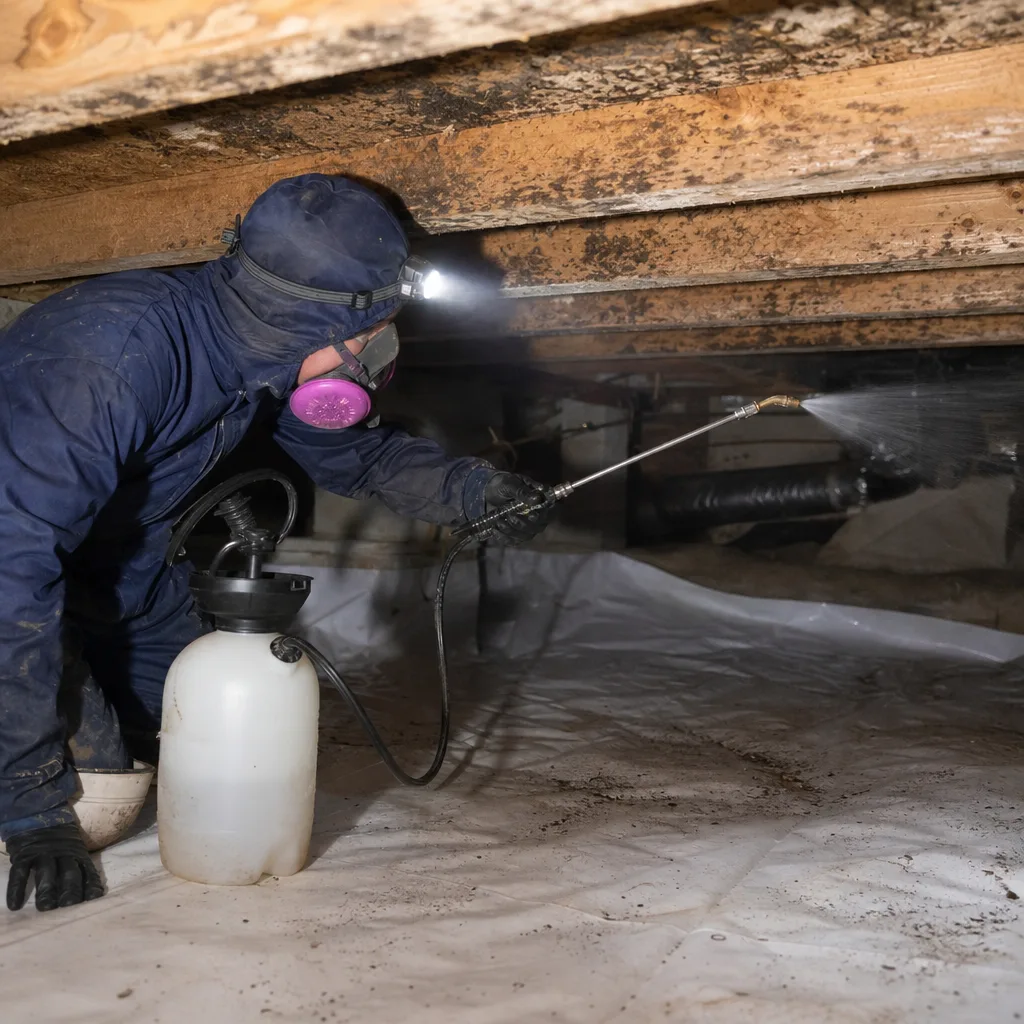
Interior water damage sources in El Cajon homes follow predictable patterns based on equipment age and installation quality. Documentation here focuses on establishing equipment condition at specific points in time.
Water Heaters
Tank water heaters in El Cajon, particularly those in garages or exterior closets, face accelerated corrosion from temperature cycling and, in some areas, moderately hard water. The standard 6-year warranty tank often shows degradation by year 8.
Monthly: Check T&P valve discharge pipe for moisture (indicates valve failure or excessive pressure). Photograph dry condition. Record tank base moisture reading.
Annually: Drain 2 gallons from the tank base to clear sediment; photograph drain water clarity. If heavily sedimented, schedule professional flush and retain service invoice.
Replace flexible connectors with braided stainless steel at 5-year intervals maximum. Photograph installation with date.
HVAC Systems
El Cajon’s cooling-dominant climate means air handlers run heavily April through October. Condensate production is substantial; drain line blockages are common.
Monthly cooling season: Check condensate drain flow at the exterior outlet during system operation. Verify air handler platform is dry; record moisture reading.
Biannually: Pour 1 cup white vinegar through the drain line to inhibit algae growth. This is maintenance, not repair; document as such.
If secondary drain pan contains water, the primary line is blocked. This is a repair need, not maintenance. Document discovery, obtain professional repair scope, and retain records.
Washing Machines and Dishwashers
These appliances have finite component lives that homeowners rarely track.
- Replace washing machine supply hoses every 5 years; record installation date on hose tag and in log
- Inspect dishwasher drain hose for kinking or deterioration annually; photograph connection condition
- Verify dishwasher high-loop or air gap installation prevents backflow; this is code in El Cajon and affects coverage if absent
- Check refrigerator ice maker line annually for kinking or connection loosening; these lines are often installed by appliance delivery personnel without plumbing expertise
Whole-House Water Shutoff
Know your main shutoff location and verify operation annually. A seized shutoff valve, common in homes with original brass gate valves, prevents emergency mitigation and may affect coverage if delay in shutting off water worsens damage. Photograph the valve in open and closed positions, with date. If operation is stiff, schedule replacement with a licensed plumber and retain the invoice.
Common Mistakes to Avoid
- Relying on visual inspection alone. Water damage often progresses in concealed spaces. Moisture readings catch elevation before visible staining appears. We’ve restored El Cajon homes where homeowners “checked everything” visually but missed 35% moisture content in wall cavities behind tile.
- Inconsistent documentation timing. Logging readings “when I think of it” produces gaps that insurers exploit. Set calendar reminders for March and September. The seasonal alignment with El Cajon’s rain window makes findings more meaningful.
- Discarding records after repair. Many homeowners delete photos once a leak is fixed. Retain all records for 7 years. A subsequent claim at the same location may require proof that the prior repair was complete and successful.
- Using unlicensed contractors for documented repairs. El Cajon requires plumbing licenses for work beyond fixture replacement. Unlicensed repairs, even if functional, may not satisfy insurer requirements for “professional” remediation. Verify license status at cslb.ca.gov and photograph the license card.
- Ignoring HOA maintenance responsibilities. In El Cajon condominiums, document your reports to the HOA of common-area issues. Email creates timestamped records. If HOA failure to maintain a roof causes your interior damage, your documentation supports your claim against the association or its insurer.
- Failing to establish pre-loss baselines. The most common documentation gap: no readings exist from before the damage event. Start your log now, even if your home shows no current issues. Future claims benefit from established normal ranges.
- Misclassifying maintenance vs. repair in records. Cleaning gutters is maintenance. Replacing a failed gutter section is repair. Insurers may use your own records to argue that known repair needs were neglected. Be precise in descriptions.
When to Call a Professional
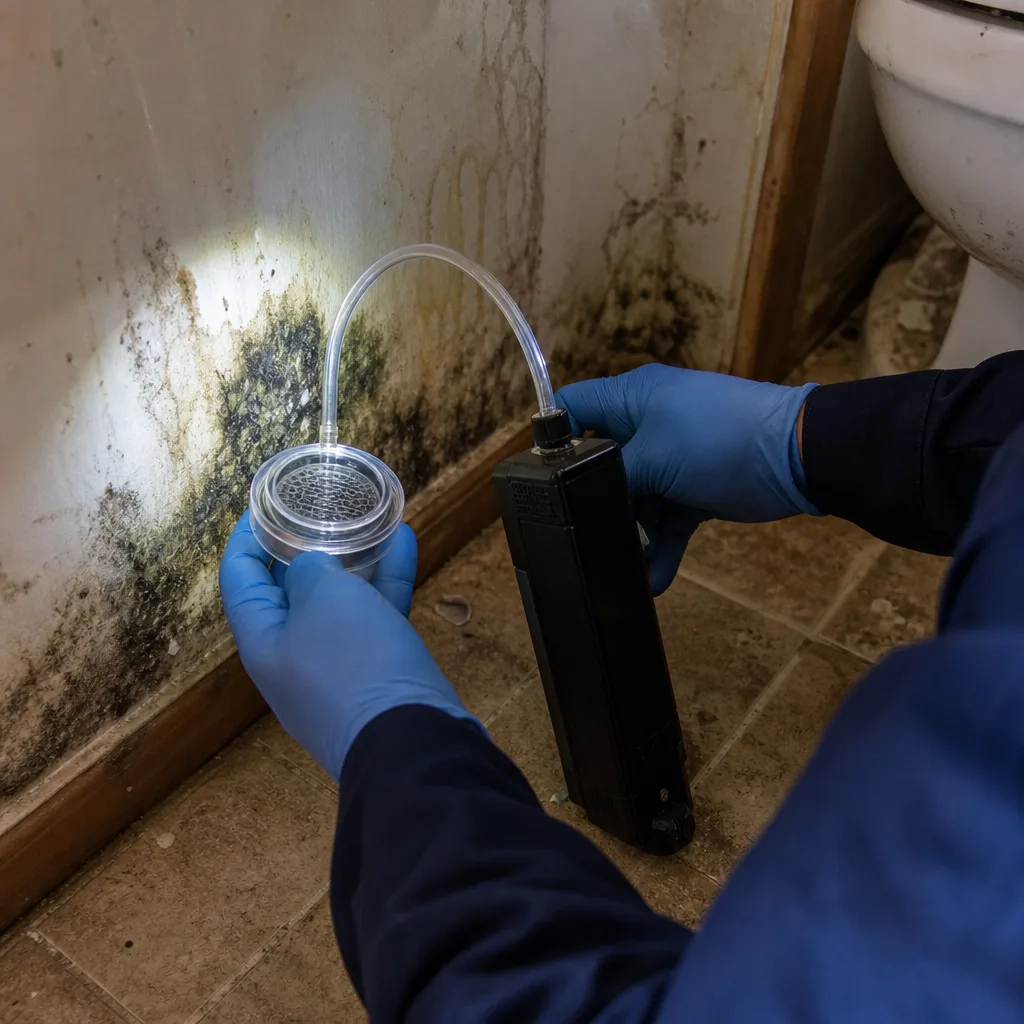
Some conditions exceed homeowner maintenance scope and require documented professional intervention. Call a licensed plumber or restoration professional when:
- Moisture readings exceed 20% on wood materials or 17% on concrete, and the source is not immediately identifiable and correctable
- Multiple readings in the same area show progressive elevation over two inspection cycles
- Visible mold growth exceeds 10 square feet (EPA guideline for professional remediation)
- Water damage follows fire suppression, sewage backup, or storm intrusion; these require IICRC-standard documentation for coverage
- Foundation cracks show progressive widening or new moisture staining
- Any water damage occurs in a home you’re preparing to sell; disclosure requirements make professional documentation essential
DryMark Restoration El Cajon offers free estimates in El Cajon for water damage assessment, moisture mapping, and documentation of conditions for insurance submission. Our assessments include written scope and pricing before any work begins, per Haven Standard, Clause 1. Call (858) 428-2364 to schedule.
Frequently Asked Questions
Professional moisture mapping for a typical El Cajon single-family home ranges from $250 to $450, depending on square footage and the number of affected areas. This includes thermal imaging, pin and pinless meter readings at documented locations, and a written report with photos suitable for insurance submission. DryMark Restoration El Cajon provides this assessment with a written price before work begins, per Haven Standard, Clause 1. Call (858) 428-2364 for an exact quote on your property.
Insurance may still cover water damage without maintenance records, but the absence of documentation shifts the burden of proof. The adjuster must determine whether damage was “sudden and accidental” or due to long-term leakage. Without records showing prior dry conditions, the insurer may classify damage as gradual and deny the claim. Maintenance records are not required for coverage, but they significantly improve claim outcomes when the damage source or timing is disputed.
DryMark Restoration El Cajon answers every call with a live person, 24 hours a day, 7 days a week, with no voicemail on emergency lines. For active water damage, we aim to have a technician on-site within 90 minutes of call receipt for El Cajon addresses. Response time for assessment-only appointments is typically same-day or next-business-day, scheduled at your convenience. Call (858) 428-2364 for current availability.
DIY drying is appropriate only for clean water affecting a small, accessible area that can be dried within 24-48 hours using equipment you already own. El Cajon’s humidity, while generally low, still supports mold growth within 48-72 hours on damp materials. Water wicking into wall cavities, under flooring, or into insulation requires professional drying equipment with controlled airflow and dehumidification to achieve IICRC-standard moisture content. We offer a free second opinion on any competitor’s written estimate if you’re uncertain about scope.
At DryMark Restoration El Cajon, we coordinate directly with your adjuster as part of our standard service. This includes providing our documented photo record, daily drying logs with psychrometric data (temperature, relative humidity, and vapor pressure differential readings), and written scope of work. Our documentation is formatted to support efficient claim processing. You remain the policyholder and must authorize all communications, but we handle the technical documentation exchange that adjusters require.
Yes. El Cajon’s inland valley location produces greater temperature swings and more intense seasonal rainfall concentration than coastal areas. Summer temperatures exceeding 95°F accelerate water heater and hose deterioration. Winter soil saturation, particularly in hillside neighborhoods, creates slab pressure patterns unlike coastal sand-drainage conditions. Maintenance schedules should account for these differences: more frequent hose and seal inspection in summer, focused foundation and drainage attention in winter.
The Bottom Line
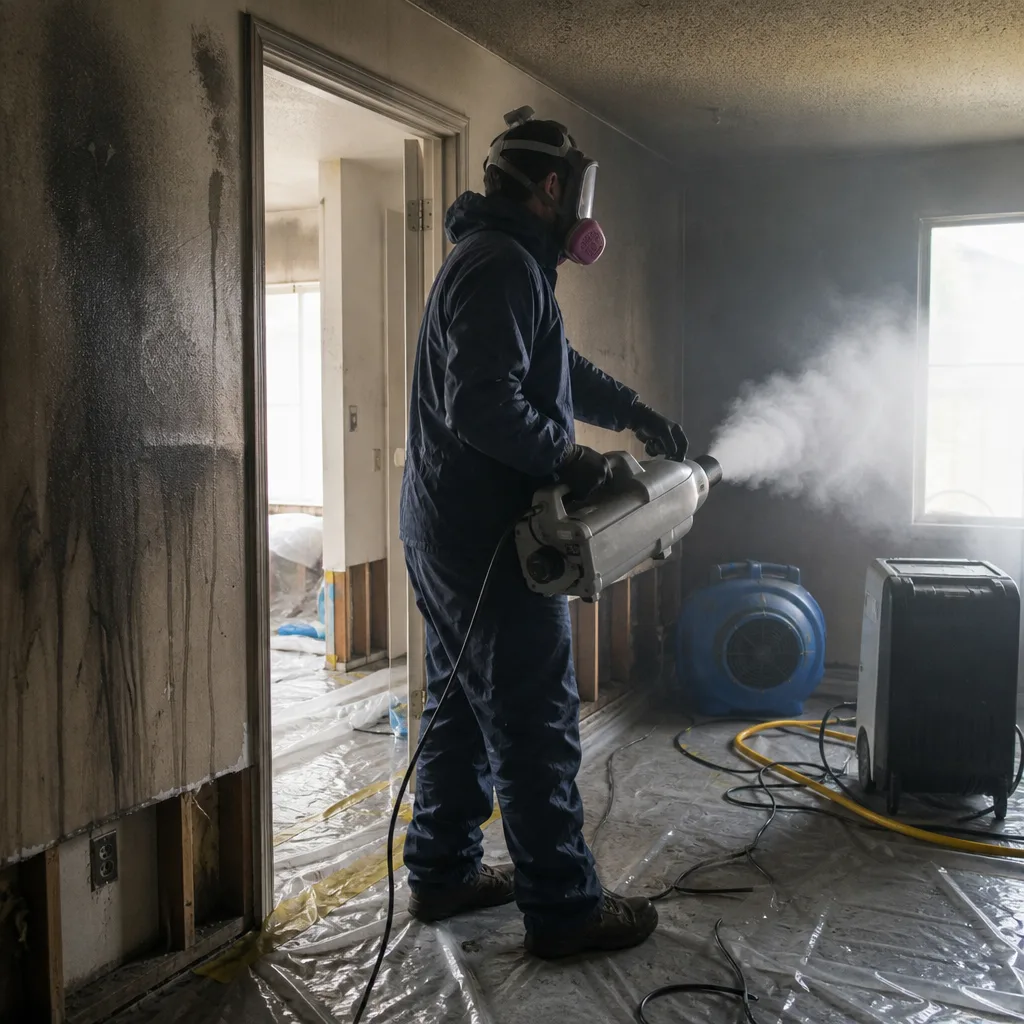
A water damage maintenance checklist is only as valuable as the records it produces. For El Cajon homeowners, the specific risks are seasonal soil saturation, aging plumbing in pre-1980 housing stock, and temperature-driven equipment stress. Address these with scheduled inspections, consistent moisture readings, and dated photo documentation. The goal is not perfection but provability: when damage occurs, you can demonstrate what you knew and when you knew it. That documentation turns potential coverage disputes into straightforward claims. Start your log this season, before the next rain window opens.
Written by Alicia Brennan, Owner at DryMark Restoration El Cajon, serving El Cajon since 2011.