
Last updated September 23, 2026
Free visual inspection and a written scope of work before any mitigation begins - photos, moisture readings, and drying logs go in your claim file
The scope we write is the scope we bill. Anything new gets shown to you, in writing, before we touch it.
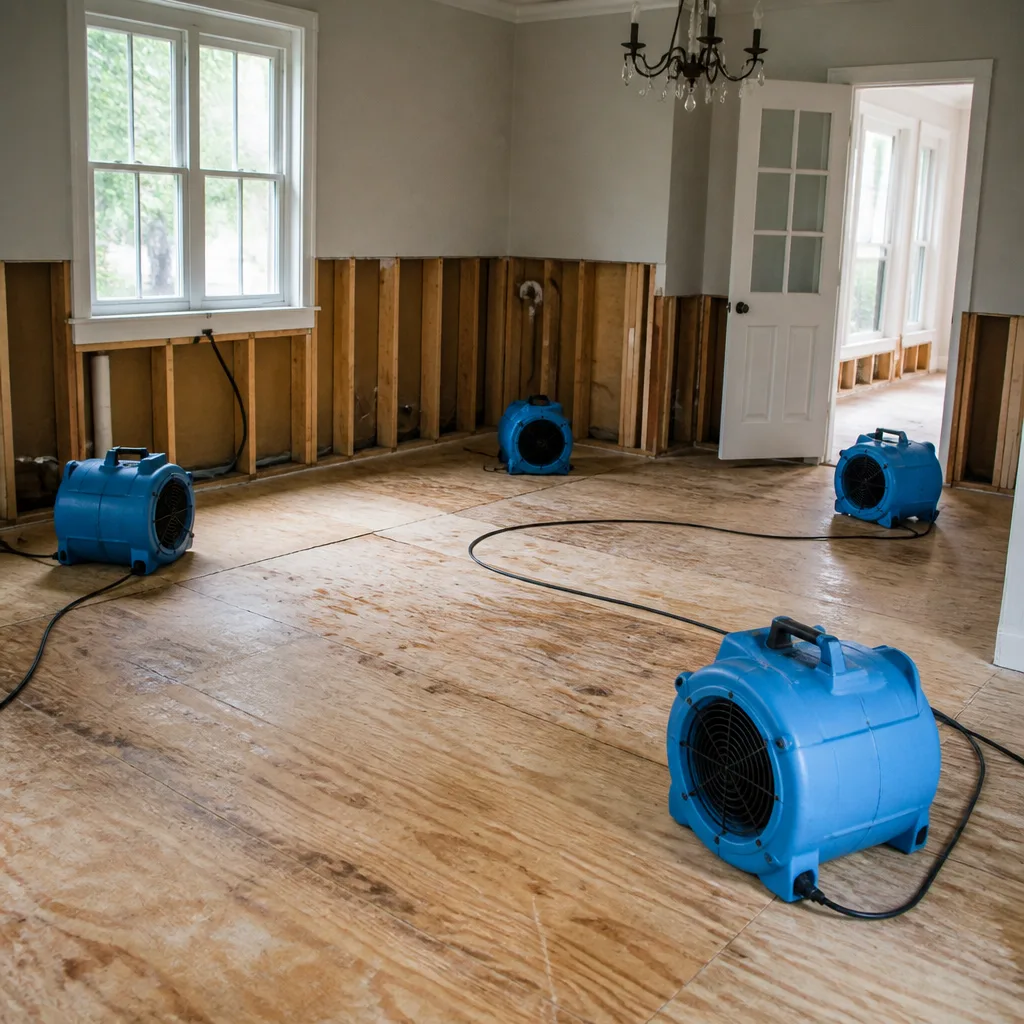
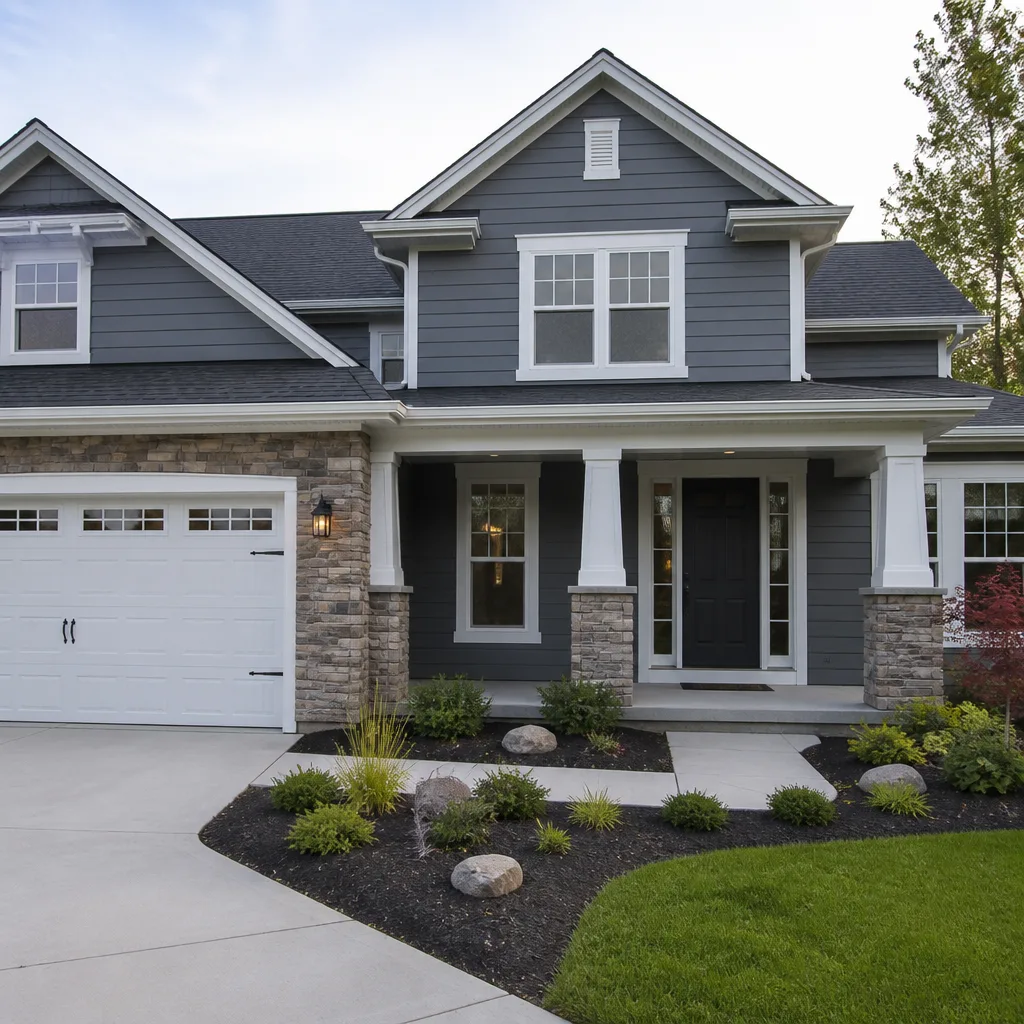
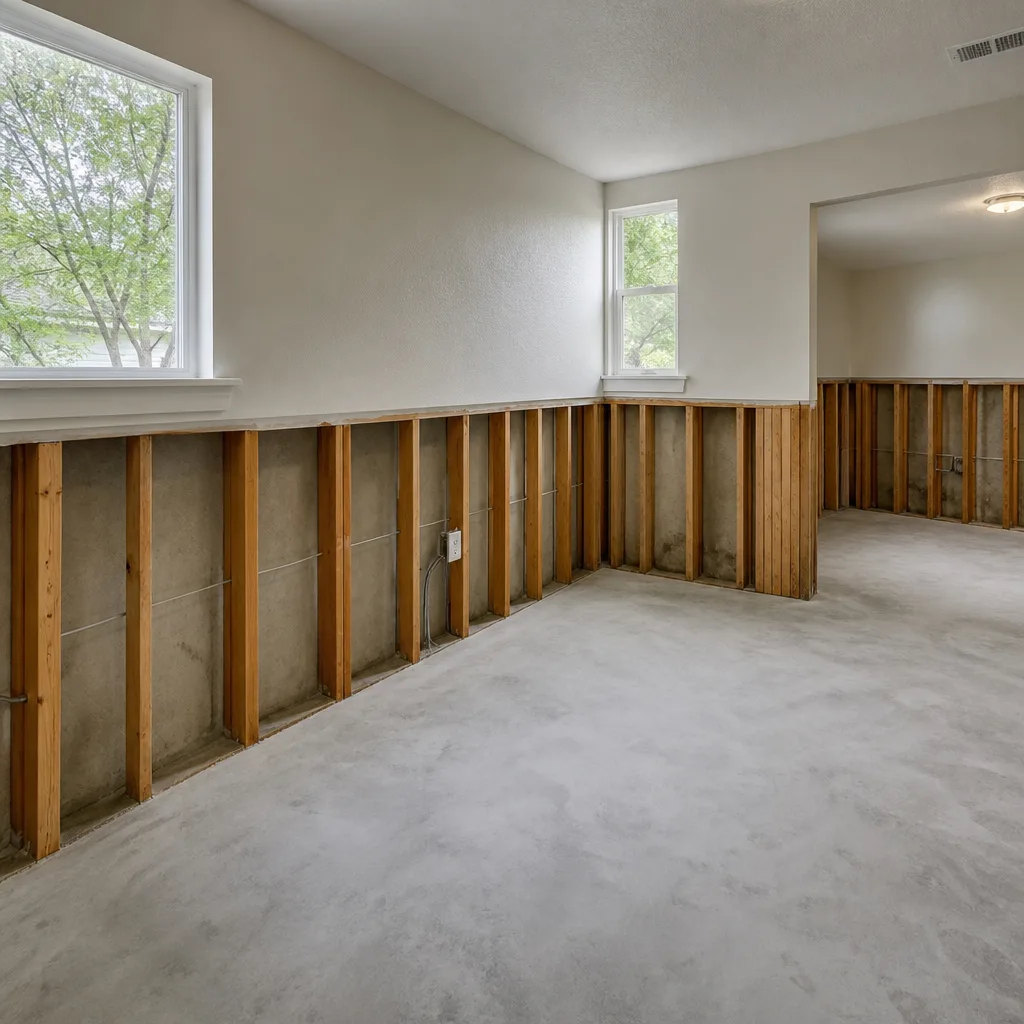
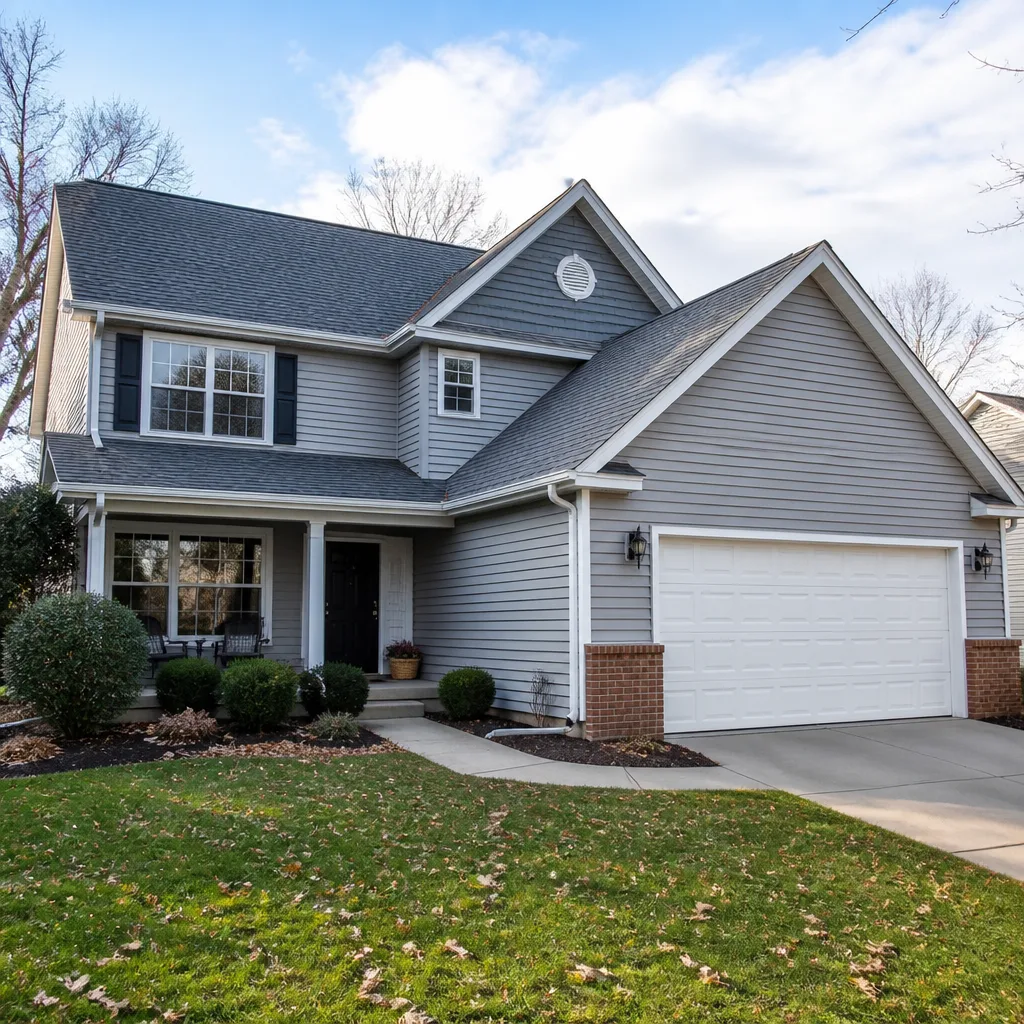
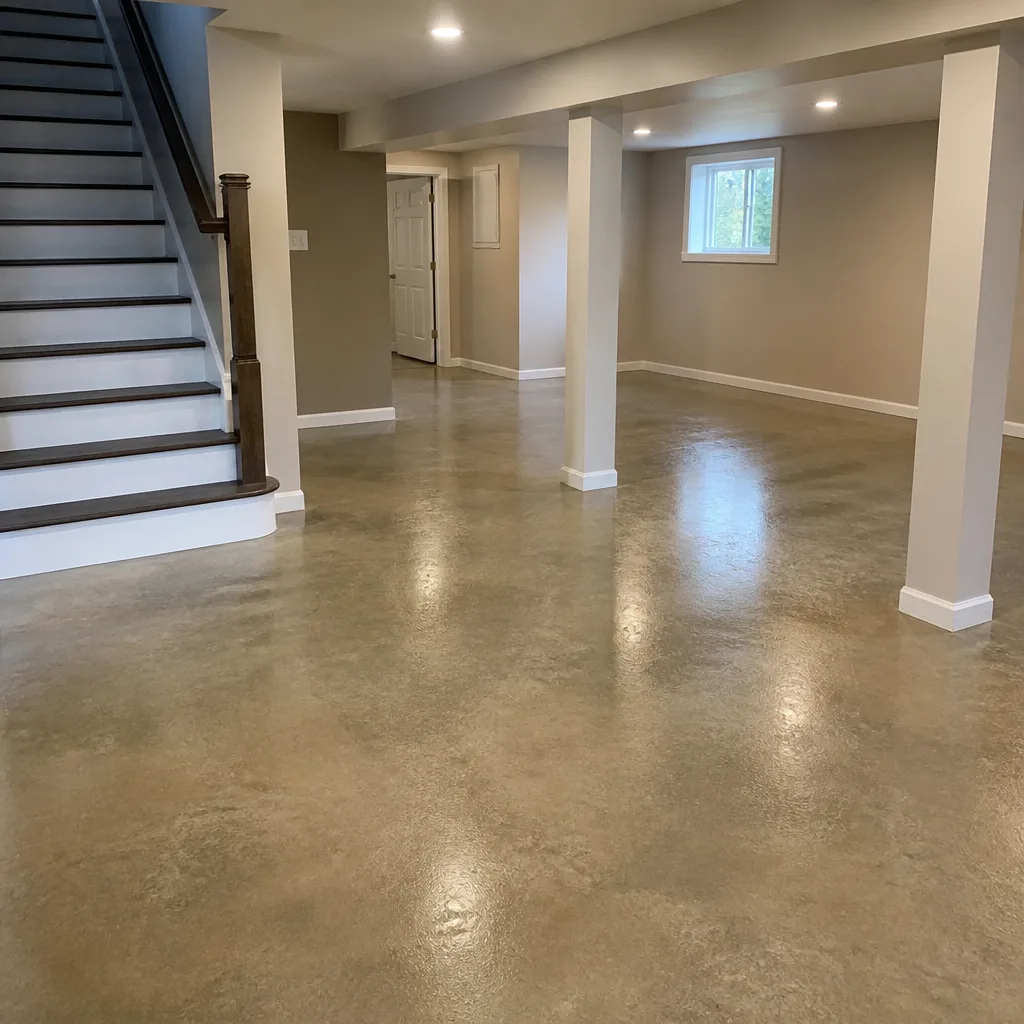
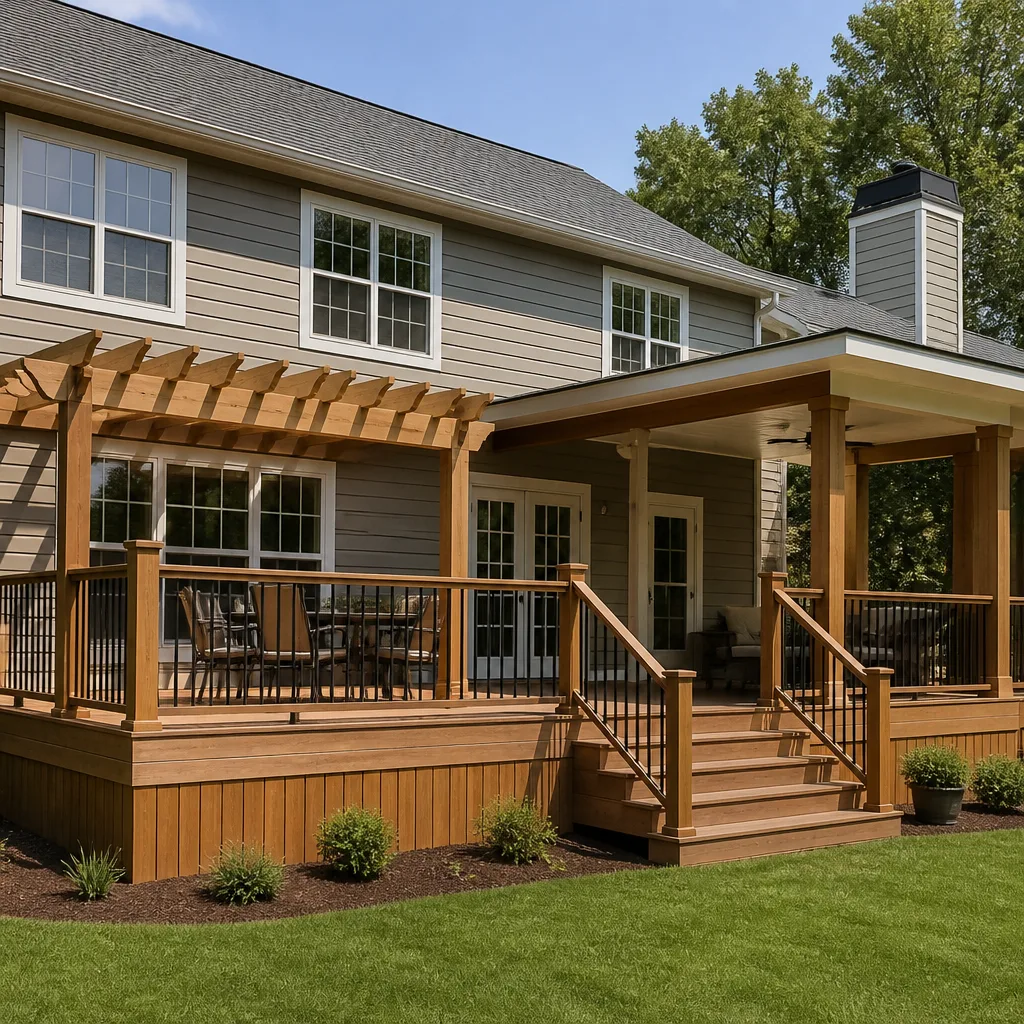
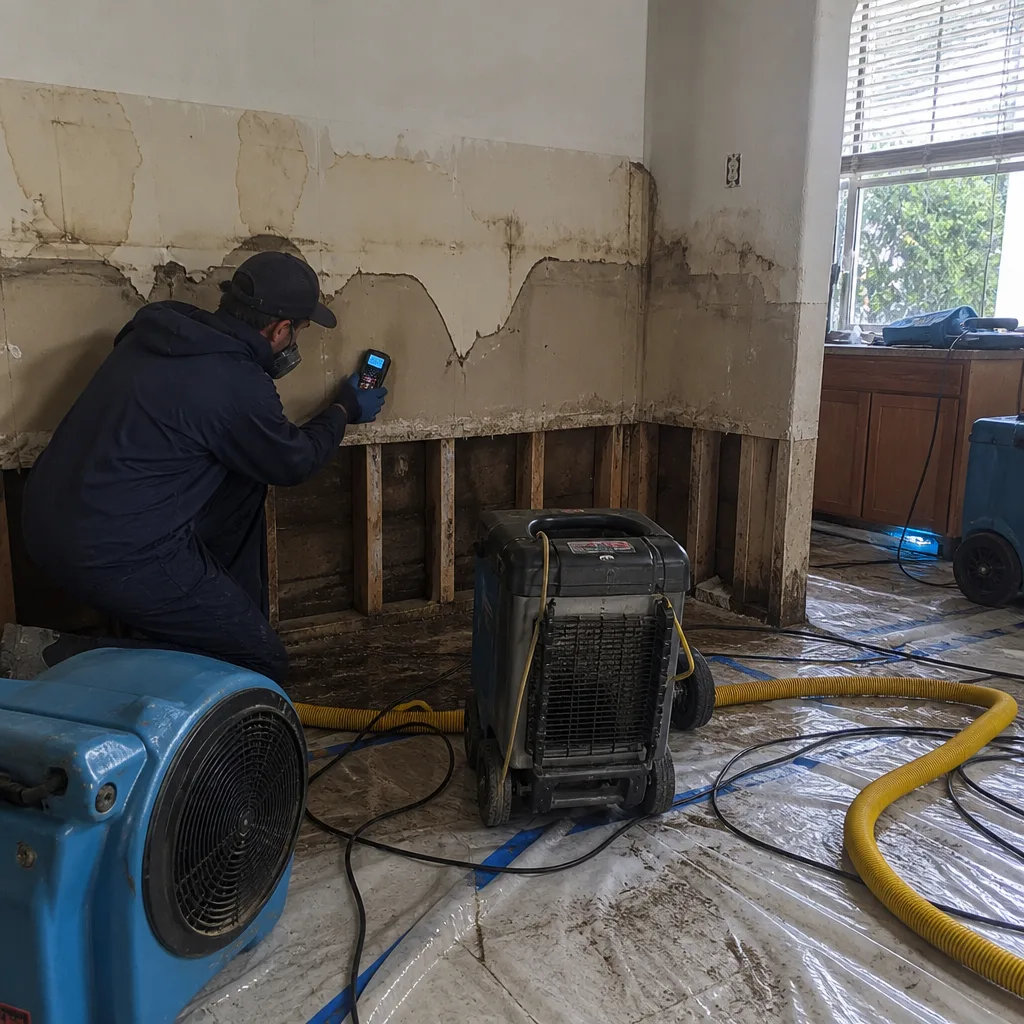 Before
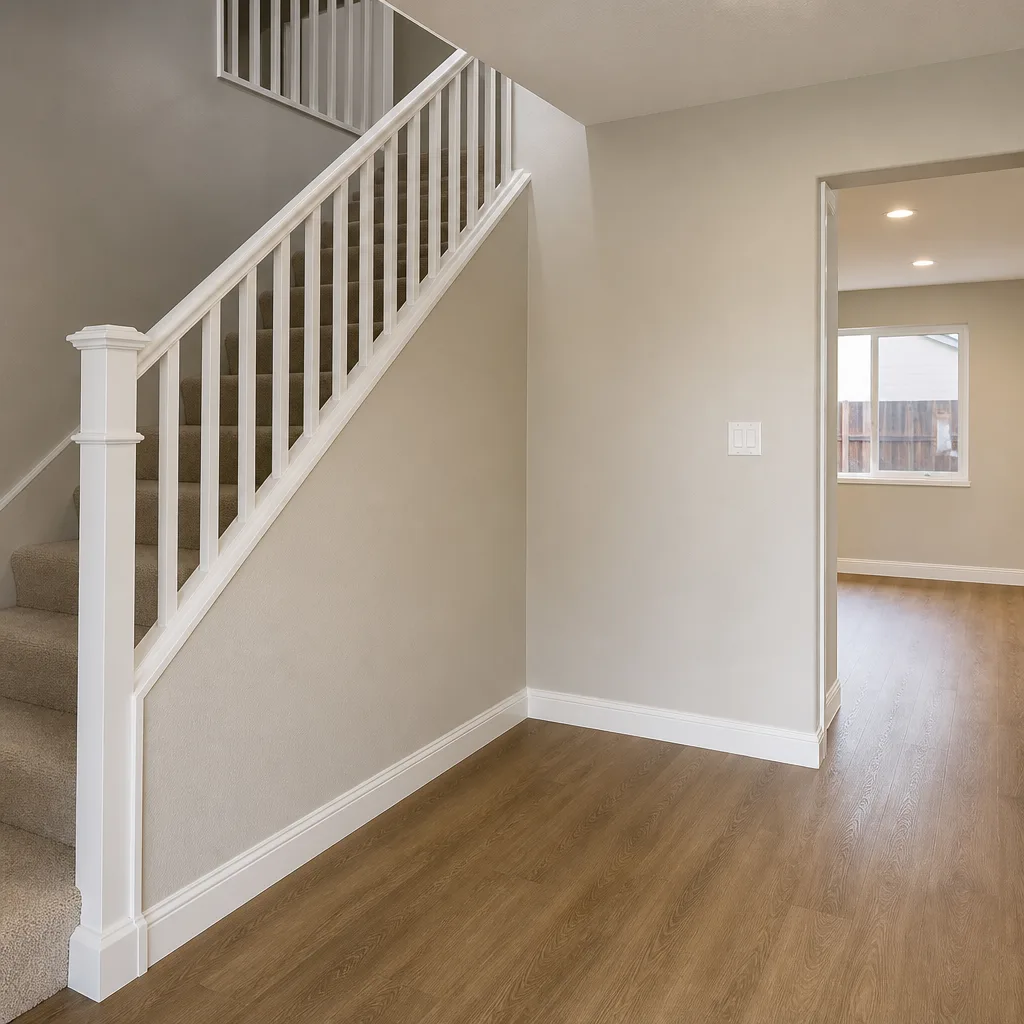 After
After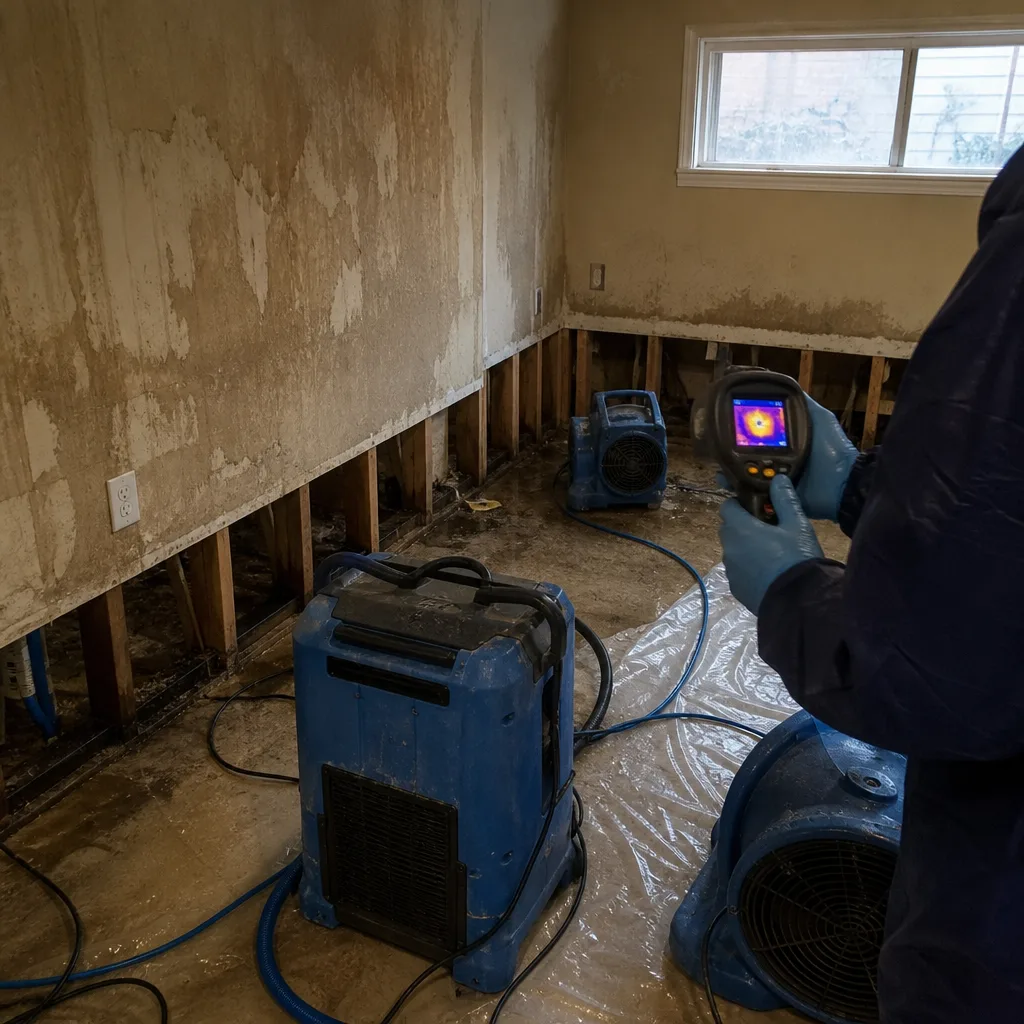 Before
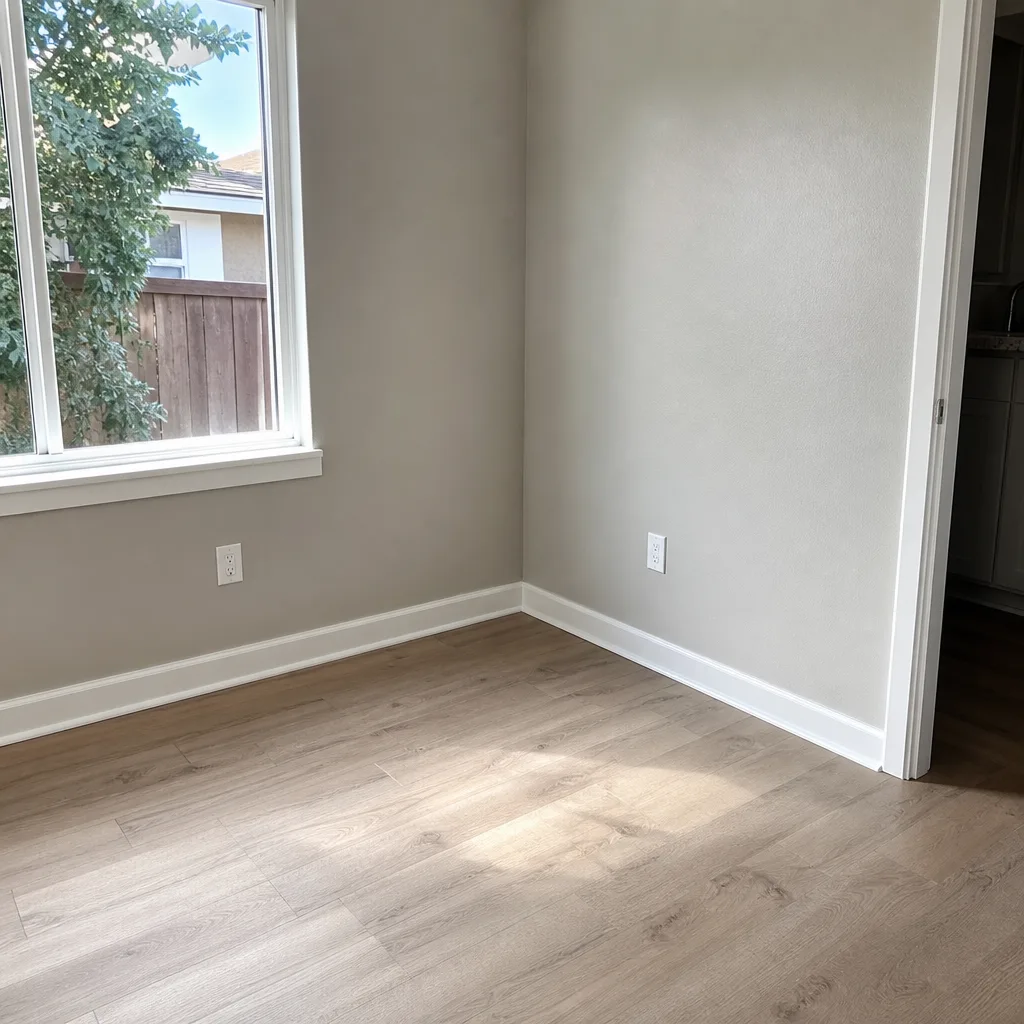 After
After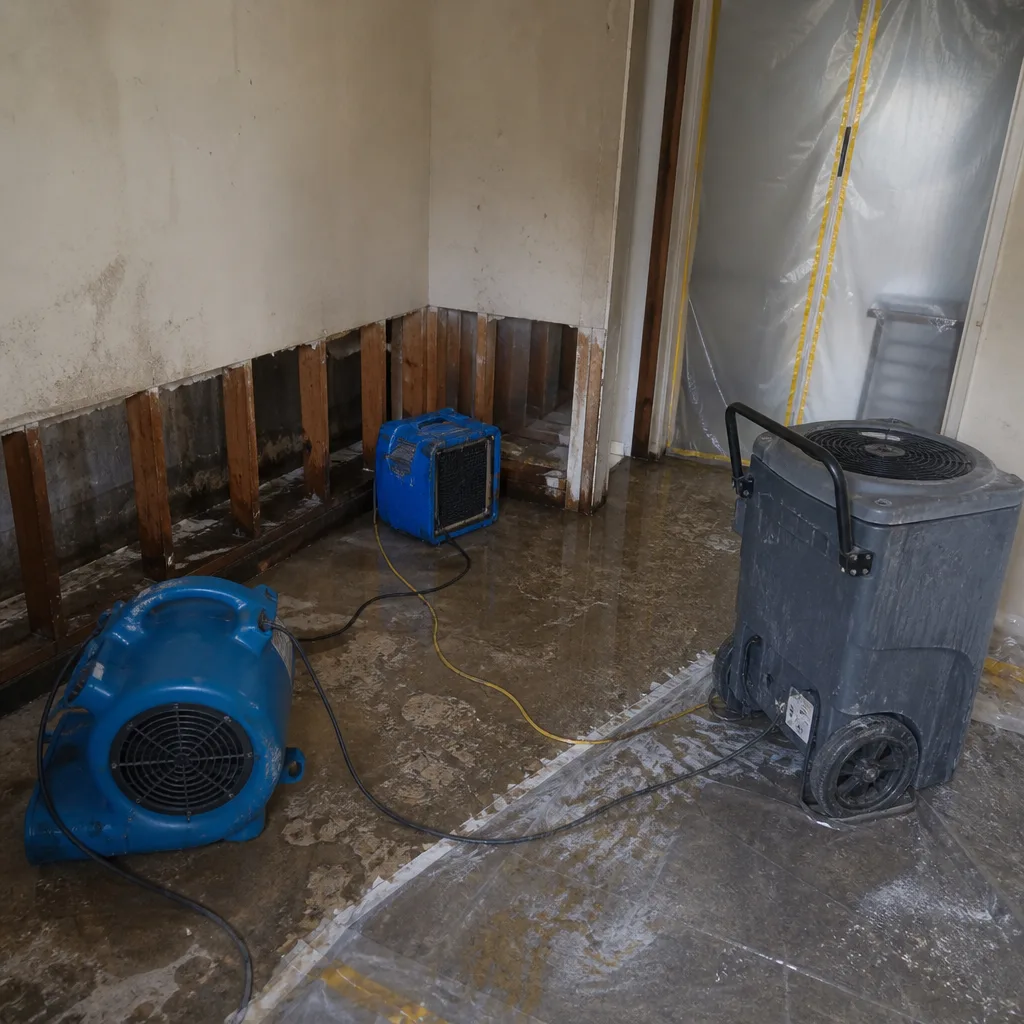 Before
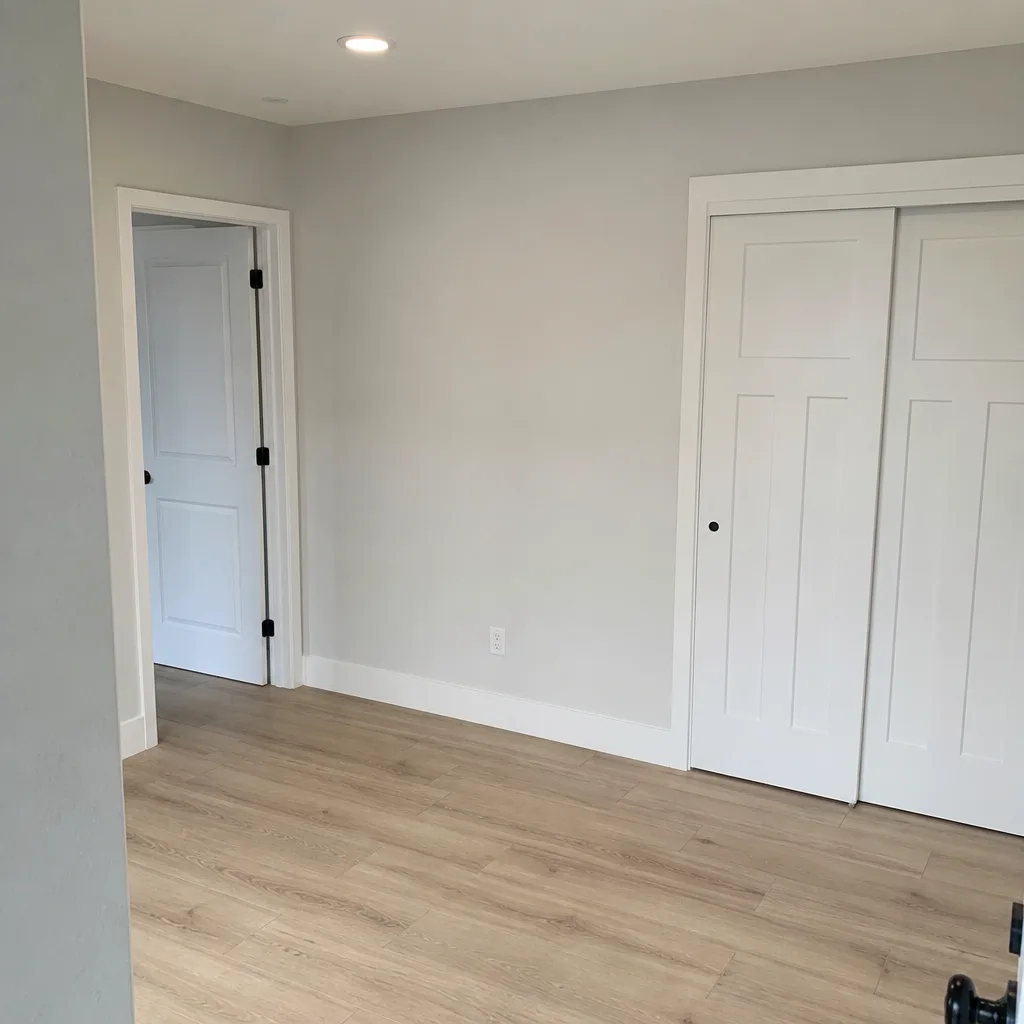 After
AfterThe Complete Guide to Damage Restoration in El Cajon
Here’s a number that should change how you hire: insurance adjusters deny or reduce roughly 30% of restoration claims that arrive with incomplete documentation. Not because the work was bad. Because the paperwork couldn’t prove the work was necessary. In El Cajon, we’ve seen homeowners absorb $4,000-$12,000 in out-of-pocket costs after contractors delivered flawless drying but handed the carrier a two-page invoice with no moisture readings, no photo sequence, and no written scope approved before work started. This guide explains what damage restoration actually involves in El Cajon, how our semi-arid climate creates unique drying traps, and why the documentation package matters more than the brand of dehumidifier. For damage restoration warning signs every El Cajon homeowner should know, see our companion guide.
Quick Answer
Damage restoration in El Cajon is the documented process of returning a structure to pre-loss condition after water, fire, mold, storm, or biohazard damage, with full insurance compliance. A proper restoration includes emergency mitigation, structural drying or cleaning, reconstruction where needed, and a complete file of moisture logs, photos, and written scopes that adjusters approve without dispute. In El Cajon’s climate, surface dryness often masks hidden moisture above 16% in wall cavities, making professional-grade detection and daily documentation essential.
Table of Contents
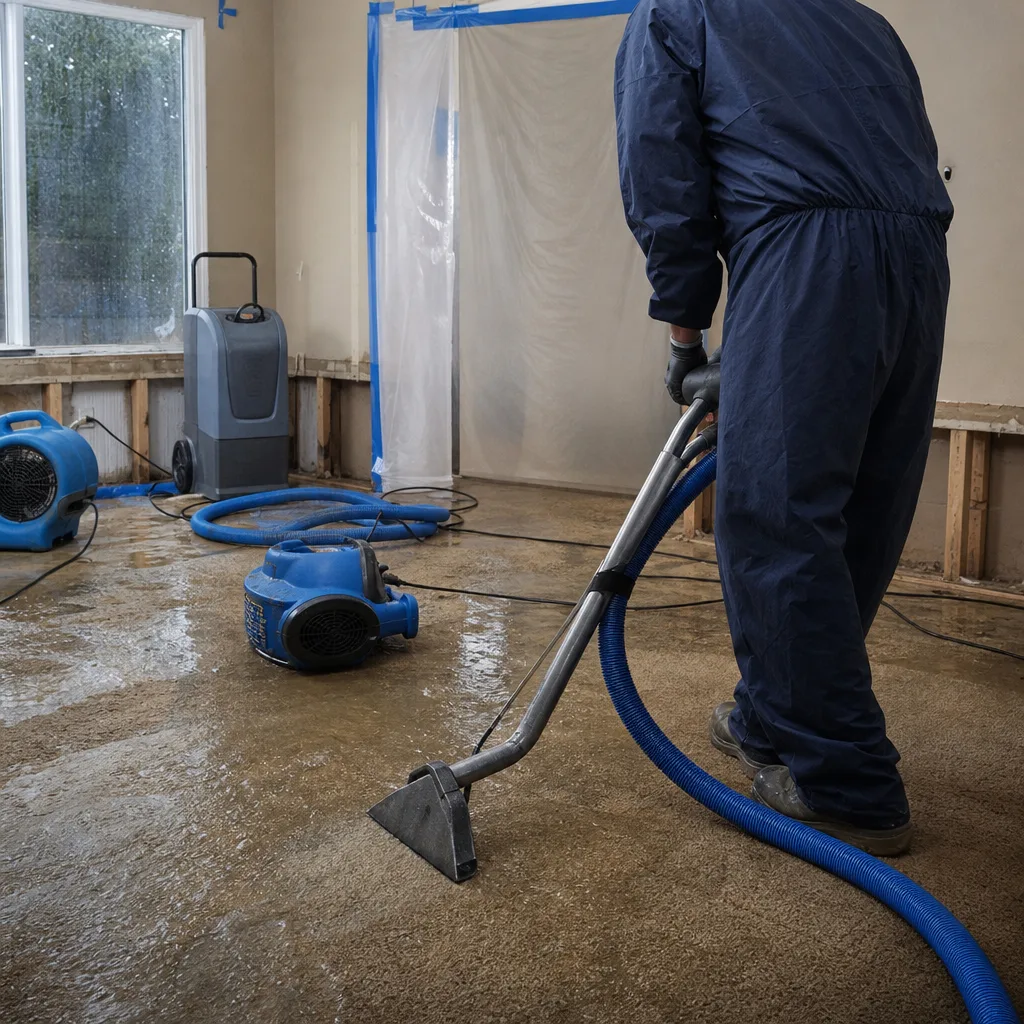
- What Damage Restoration Actually Includes
- How El Cajon’s Climate Creates Deceptive Drying Conditions
- What a Complete Restoration File Looks Like
- Xactimate Line Items vs. Lump-Sum Invoices
- Why El Cajon’s Older Housing Stock Needs Different Protocols
- How to Read Your Own Restoration Paperwork
- Choosing a Contractor in El Cajon
- Common Mistakes to Avoid
- When to Call a Professional
- Frequently Asked Questions
 Before
 After
AfterWhat Damage Restoration Actually Includes
Damage restoration is not one service. It’s a sequence of distinct phases, each with its own documentation requirements, equipment, and pricing structure. Homeowners who understand the sequence-and what each phase costs in El Cajon-make better decisions about what to authorize and when to push back on scope changes.
Emergency Mitigation - This is what happens in the first 24 hours. Water extraction, board-up, containment, or initial decontamination. The goal is to stop ongoing damage. In El Cajon, this phase typically runs $1,200-$3,800 depending on affected square footage and contamination level. Mitigation is almost always covered by insurance when documented with cause-of-loss photos and moisture readings.
Structural Drying or Cleaning - For water and mold losses, this is where the real work happens. Drying involves establishing a drying chamber, deploying air movers and dehumidifiers, and taking daily moisture readings until materials return to dry standard. For fire losses, this phase means soot removal, odor neutralization, and content cleaning. Timeframes vary: a Category 1 water loss in a 1,200 square foot El Cajon home typically requires 3-5 days of active drying; a Category 3 sewage loss may need 7-10 days plus antimicrobial application.
Water damage restoration in El Cajon follows IICRC S500 standards, which classify water by contamination level and dictate equipment placement by cubic footage and material permeability.
Reconstruction - This is the build-back phase: drywall, flooring, cabinetry, paint. It’s scheduled, not emergency work. A written scope with line-item pricing is required before any reconstruction begins. Haven Standard, Clause 1 applies here with full force.
Documentation & Clearance - The final phase produces the file that determines whether your claim pays. This includes daily drying logs, pre- and post-work photos, equipment placement records, and final moisture readings demonstrating dry standard achievement.
Back to Dry Restoration handles all phases under The Haven Standard, with Alicia Brennan’s 2011 founding principle intact: the documentation gap costs homeowners their claims, so we close it on every job.
How El Cajon’s Climate Creates Deceptive Drying Conditions
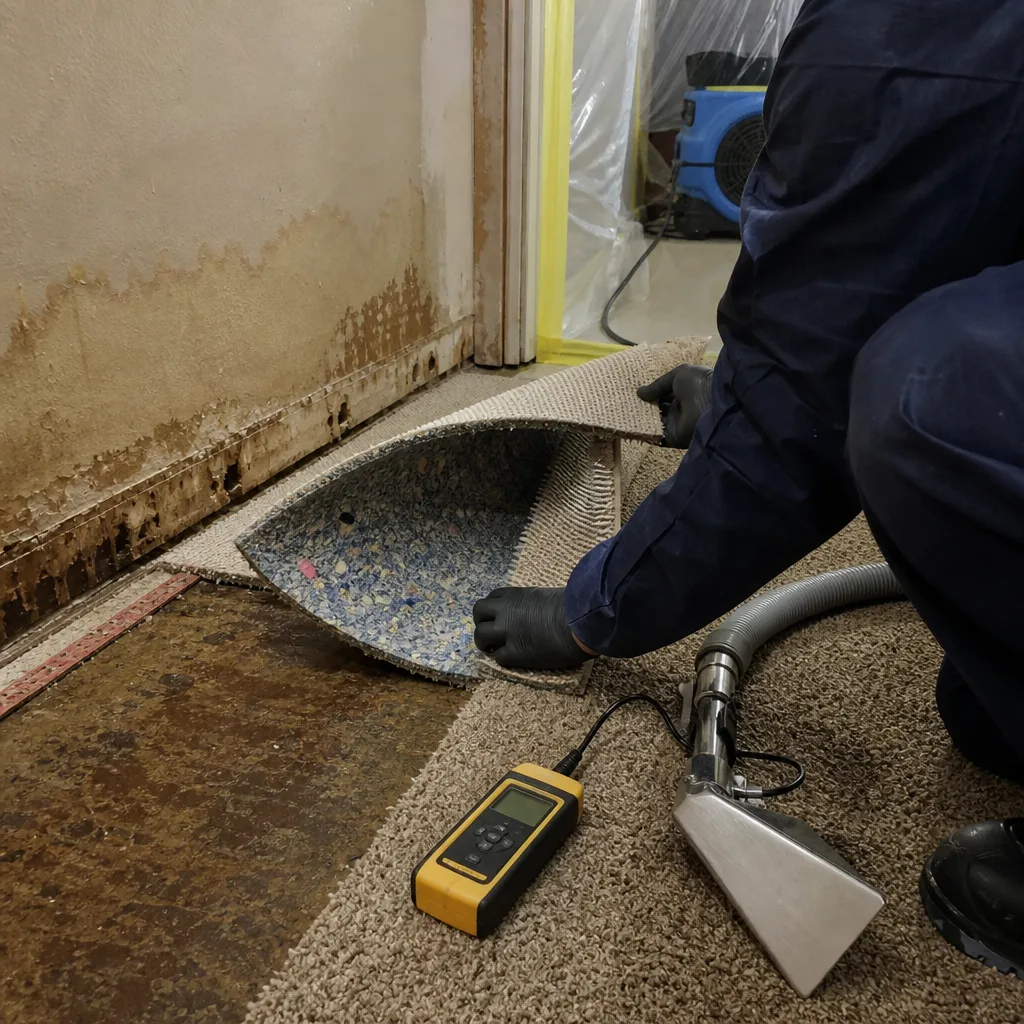
El Cajon’s semi-arid Mediterranean climate averages just 12 inches of annual rainfall, with summer humidity regularly dropping below 40%. This creates a dangerous illusion: surfaces feel dry to the touch when they’re anything but.
We’ve measured this repeatedly in El Cajon homes, particularly in the Fletcher Hills and Bostonia areas where 1960s stucco construction dominates. A homeowner touches drywall two days after a pipe burst, feels no dampness, and concludes the problem solved. Meanwhile, our penetrating moisture meters register 18-22% in the gypsum core, well above the 16% threshold where mold colonization begins. The dry surface is a lie the climate tells.
This happens because of vapor pressure differential, the engine that drives moisture movement. In El Cajon’s low-humidity environment, surface moisture evaporates rapidly, creating a steep gradient between the dry surface and the wet interior. The surface dries. The wall cavity doesn’t. Without professional-grade detection, you won’t know until mold appears or structural damage manifests months later.
Our drying protocols account for this specifically. We use thermo-hygrometers to measure vapor pressure differential directly, not just relative humidity. We place detection equipment in wall cavities, not just in the room air. And we don’t rely on “feels dry” as a discharge criterion. The numbers decide.
Equipment selection matters here. In El Cajon’s conditions, we deploy Phoenix 200 HT dehumidifiers and Dri-Eaz Revolution units for their capacity to maintain low specific humidity in large drying chambers. For confined spaces, Injectidry systems create negative pressure within wall cavities, forcing dry air through channels that ambient drying can’t reach. XPOWER and B-Air air movers complete the circulation pattern, positioned according to IICRC drying zone calculations, not guesswork.
The documentation proves it worked. Every day’s psychrometric data, every equipment placement adjustment, every moisture reading goes into the drying log that accompanies your claim.
What a Complete Restoration File Looks Like
Insurance adjusters don’t deny claims because they want to. They deny them because they can’t verify them. A complete restoration file removes that problem entirely. Here’s what it contains, item by item.
- Written Scope Before Work Begins - Haven Standard, Clause 1. A line-item document describing each action, material, and labor hour, with prices attached. Signed by both parties. No scope creep, no surprise additions once the crew is inside.
- Cause-of-Loss Documentation - Photos of the original damage, with timestamps and moisture readings. This establishes that the loss occurred, when, and at what severity. Without it, carriers may argue pre-existing conditions or gradual damage exclusions.
- Daily Psychrometric Logs - These record temperature, relative humidity, specific humidity, and vapor pressure at multiple points in the drying chamber, taken at the same time each day. The trend line proves progress. A flat line triggers protocol adjustment. A declining line justifies continued equipment rental.
- Equipment Placement Records - Serial numbers, make/model, cubic footage served, and runtime hours for every dehumidifier and air mover. Adjusters verify this against their own calculation software.
- Pre- and Post-Demo Photos - Visual proof of what was removed and why. Especially critical for mold and sewage losses where contamination justifies demolition.
- Material Moisture Readings - Pin and pinless meter readings for every affected material, daily, until dry standard is reached. We record wood moisture content, drywall %, and concrete relative humidity where applicable.
- Antimicrobial Application Records - Product name, EPA registration number, dilution ratio, application method, and treated square footage. Required for Category 2 and 3 water losses.
- Final Clearance Documentation - Post-drying moisture readings demonstrating achievement of dry standard, plus any third-party verification (indoor environmental professional assessment for mold, air quality testing for fire).
- 365-Day Done Right Promise - A signed warranty under The Haven Standard, not a verbal assurance. If it’s not done right, we make it right.
This file is your claim’s armor. We’ve processed over 12,000 homes since 2011, every one with this documentation package, and our dispute rate with carriers sits at a fraction of industry average.
Xactimate Line Items vs. Lump-Sum Invoices
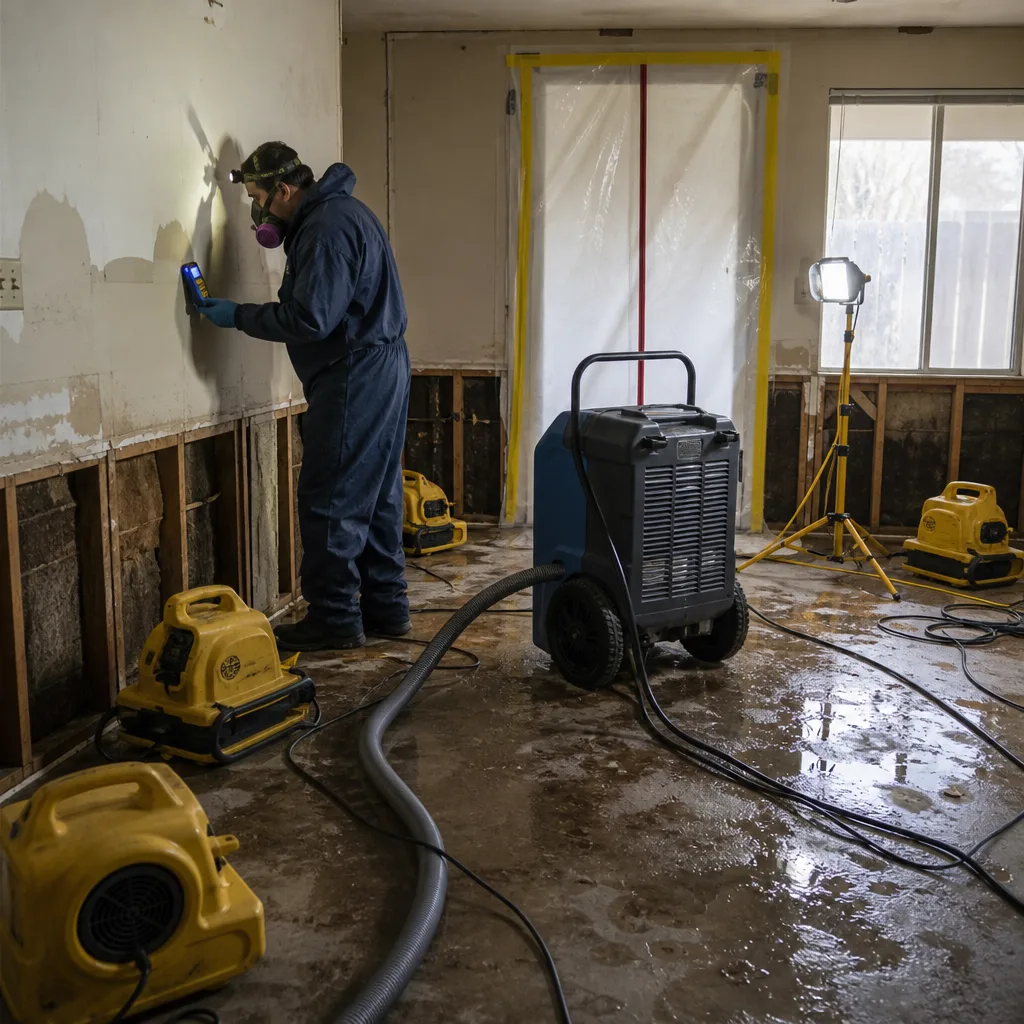
Here’s where homeowners lose money without knowing why. The format of your restoration invoice determines whether an adjuster can approve it in their software or must send it to review, where delays become denials.
Xactimate is the pricing database that dominates insurance claims. It contains line-item costs for thousands of restoration actions, updated by ZIP code for regional labor and material rates. An estimate written in Xactimate format, with proper line items and quantities, can be approved by an adjuster in minutes. A lump-sum invoice cannot.
The difference matters in dollars. Consider a typical El Cajon water loss: 800 square feet affected, Class 2 water, Category 1 source.
| Approach | Format | Typical Adjuster Response |
|---|---|---|
| Xactimate line-item estimate | “Remove and reset 12 linear feet baseboard; 4.5 hours @ $48.50/hr; Drywall removal 120 sq ft @ $2.85/sq ft; Dehumidifier, large, 5 days @ $132/day” | Approved at stated amounts if documented |
| Lump-sum invoice | “Water damage repair: $8,500” | Sent to review; typically reduced 20-40% or denied pending itemization |
The lump-sum contractor isn’t necessarily dishonest. They may simply lack the software training or the documentation discipline. But the result is the same: you absorb the gap, or you fight for months.
At Back to Dry, every estimate is written in Xactimate-compatible format with line-item detail. We deliver the written price before work begins, per Haven Standard, Clause 1. Our daily drying logs feed directly into the final invoice, so quantities and durations are provable, not estimated. And we coordinate directly with your adjuster, sharing documentation through the platforms they already use.
Our Free Second Opinion on any competitor’s written estimate exists precisely because we’ve seen too many El Cajon homeowners sign lump-sum authorizations they didn’t understand.
Why El Cajon’s Older Housing Stock Needs Different Protocols
El Cajon’s residential building stock skews heavily toward the 1950s-1970s, particularly in neighborhoods like Bostonia, Crest, and central El Cajon near Main Street. These homes present drying and restoration challenges that newer construction doesn’t, and contractors who apply one-size-fits-all protocols create secondary damage.
Stucco Exterior, No Vapor Barrier - Pre-1980s stucco in El Cajon was often applied over building paper or nothing at all, without the drainage planes required by modern code. When water enters wall cavities, it has no exit path except evaporation through interior drywall. Drying requires longer equipment runtime and more aggressive cavity ventilation than a newer home with rainscreen construction.
Plaster and Lath vs. Drywall - Homes from the 1950s and earlier may have plaster walls, which hold more moisture and release it more slowly than 1/2″ drywall. A contractor who calculates drying time based on drywall assumptions will terminate equipment too early, leaving saturated plaster behind a surface that reads dry.
Asbestos and Lead Concerns - Pre-1978 construction may contain asbestos in flooring, insulation, or joint compound, and lead paint. Disturbance requires EPA RRP certification and specific containment. A contractor who demolishes without testing creates liability and health exposure. We test before we touch, document the results, and build abatement into the written scope when needed.
Outdated Electrical and Plumbing - Knob-and-tube wiring, galvanized steel pipes, and original cast-iron drains fail predictably in El Cajon’s older homes. Water damage often reveals these conditions. Our photo documentation captures what we find, and our written scope distinguishes restoration work from code-upgrade work, which insurers handle separately.
How to verify your contractor knows this? Ask specific questions: “What’s your drying protocol for plaster and lath?” “How do you handle stucco without a drainage plane?” “Do you test for asbestos before demolition, and is that in the written scope?” Vague answers mean generic protocols. Generic protocols mean incomplete drying.
How to Read Your Own Restoration Paperwork
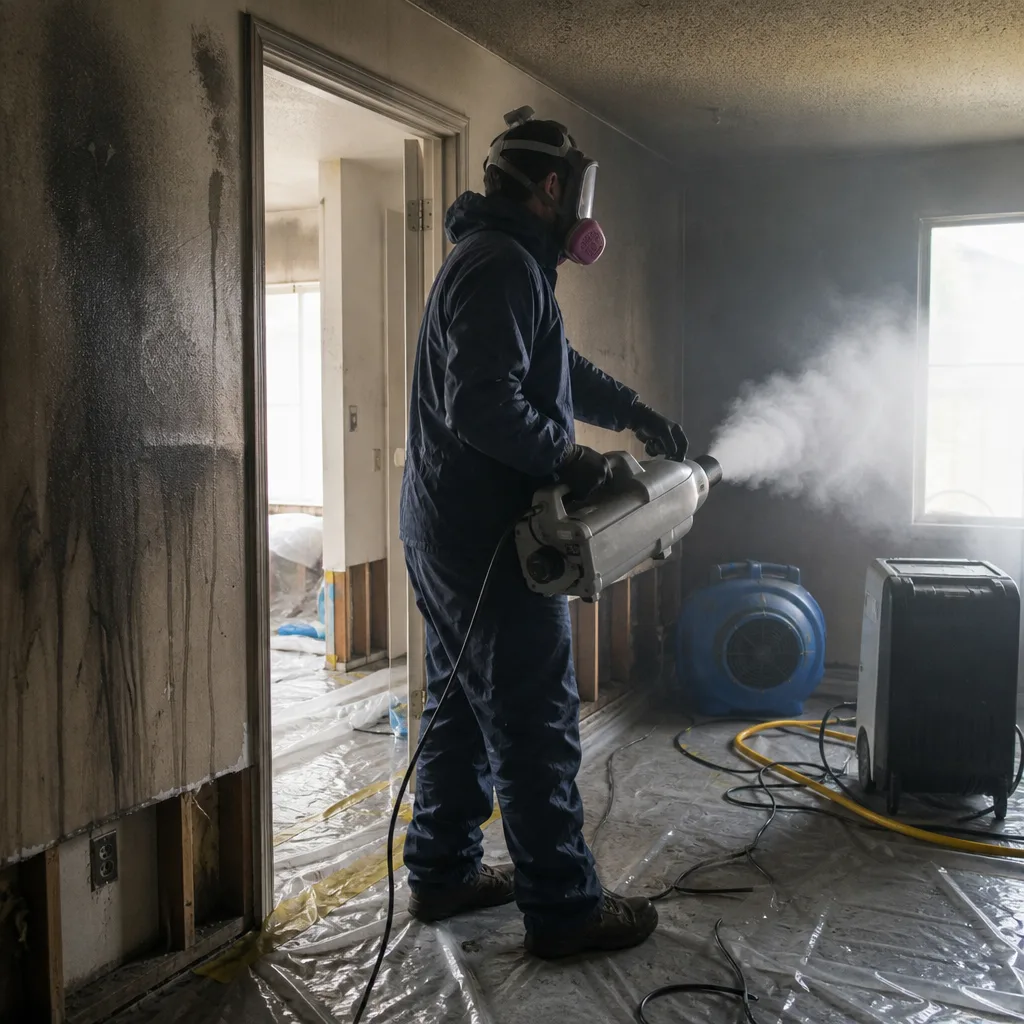
You don’t need to become a technician. You need to know which numbers matter and what they should show. Here’s how to read the key documents.
Moisture Readings - These appear as percentages for wood and gypsum materials, or as relative humidity for concrete and ambient air. The critical number is dry standard: the moisture content a material must reach to be considered restored. For structural wood in El Cajon’s climate, this is typically 10-12%. For drywall, 12% or below. Your contractor should list the dry standard for each material and show readings trending toward it daily. A final reading of 15% on wood is not “close enough.” It’s wet.
Psychrometric Data - This tongue-twister simply means the study of air and moisture relationships. Your drying log should show: temperature (in degrees Fahrenheit), relative humidity (percentage), specific humidity (grains of moisture per pound of dry air), and vapor pressure (inches of mercury). The trend matters more than any single reading. Specific humidity should drop steadily. Vapor pressure differential between the wet structure and the drying air should remain positive, driving moisture out. If these numbers plateau for 24 hours, the protocol needs adjustment.
Equipment Placement Logs - Each dehumidifier and air mover should have a serial number, make/model, and location noted. The cubic footage served should match manufacturer specifications. A Phoenix 200 HT serves approximately 2,500 cubic feet under normal conditions. If your contractor lists one unit serving 5,000 cubic feet, the math doesn’t work and the drying won’t either.
“Dry Standard” Definition - This is not subjective. Dry standard is the moisture content of unaffected materials in the same structure, measured at the beginning of the job. It’s your baseline. If unaffected bedroom drywall reads 11%, then 11% is your dry standard for the water-damaged living room drywall. Any contractor who can’t cite this baseline measurement is guessing.
We explain every number before we leave your El Cajon property. The documentation belongs to you, and you should understand what it proves.
Choosing a Contractor in El Cajon
The restoration industry has low barriers to entry and high variance in quality. Here’s how to distinguish documentation-first operators from the rest.
- Demand written pricing before authorization. Not an estimate. A written price. Haven Standard, Clause 1 exists because verbal estimates become invoices you didn’t approve. If a contractor won’t commit in writing, they don’t commit.
- Ask to see a sample drying log. Any experienced contractor has one. Look for daily entries, not weekly summaries. Look for multiple measurement points, not one reading per room.
- Verify equipment brands and documentation standards. Professional-grade drying systems from Dri-Eaz, Phoenix, XPOWER, B-Air, and Injectidry indicate investment in measurable outcomes. Ask which standards they document to: IICRC, RIA, and IFA are the relevant bodies.
- Confirm live phone coverage. Water doesn’t wait for business hours. Back to Dry maintains 24/7 live answering with no voicemail trees. Test it: call at 10 PM and see who answers.
- Check for background-checked, uniformed technicians. Named, licensed, insured personnel who arrive in marked vehicles. Ask for the license number. It should be on the page, not hidden.
- Review their warranty in writing. The 365-Day Done Right Promise under The Haven Standard is a signed document, not a website slogan. Ask to see it.
- Use the Free Second Opinion. Bring a competitor’s written estimate to Back to Dry. We’ll review it at no charge and identify documentation gaps or pricing anomalies.
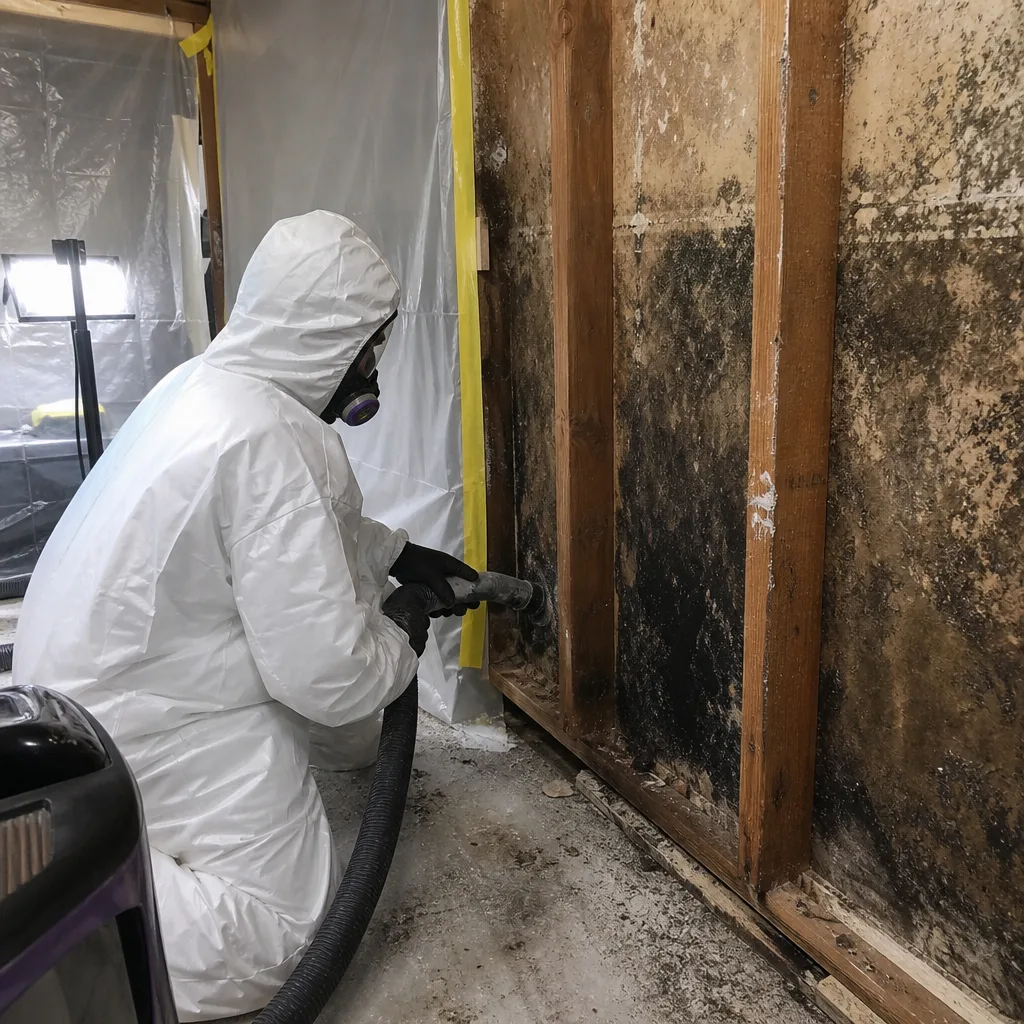
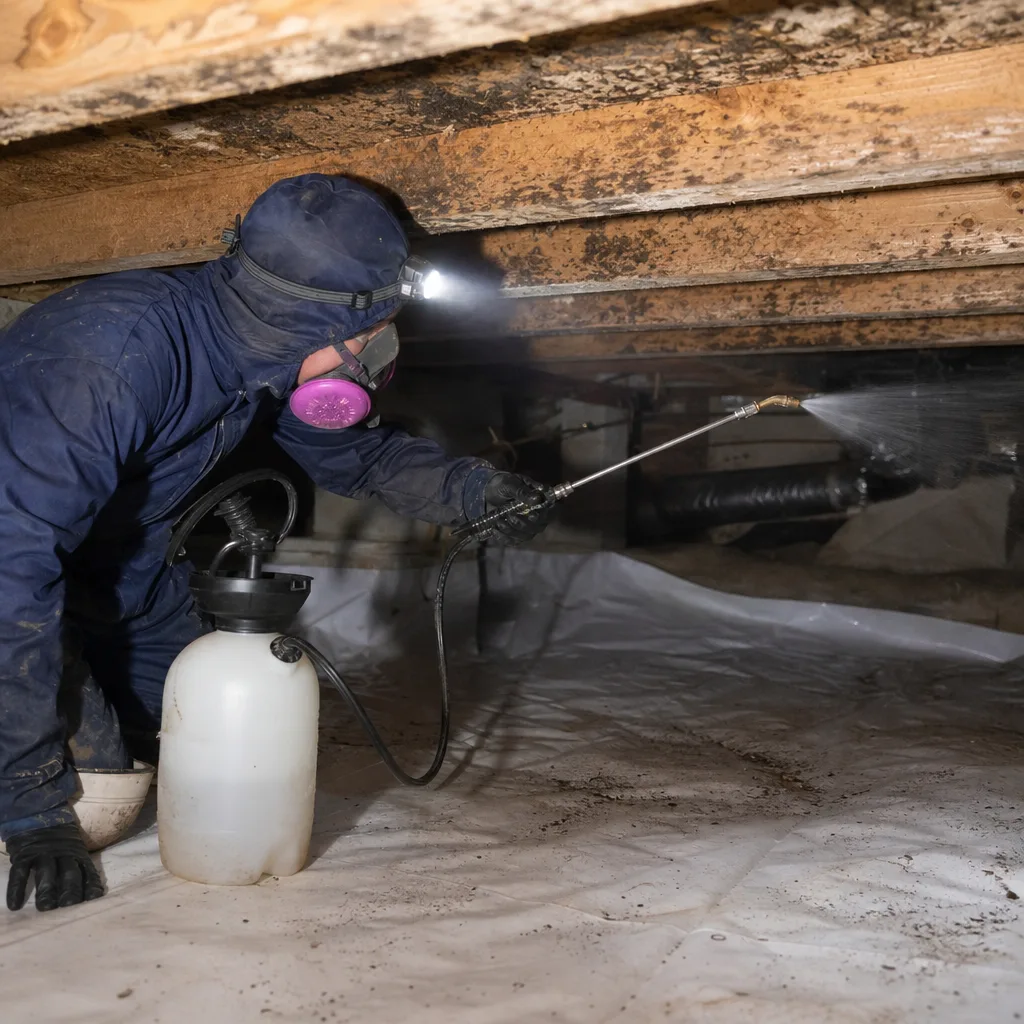
Mold remediation in El Cajon requires particular scrutiny. Mold is the service category with the widest quality variance and the highest oversell risk. A documentation-first contractor measures before and after, establishes containment with negative air pressure, and provides lab or third-party clearance. One who skips these steps leaves you with recurring growth and a disputed claim.
Fire and smoke damage restoration in El Cajon similarly depends on documentation: soot classification (dry, wet, protein), affected surface inventory, and odor neutralization verification. Without pre- and post-cleaning photos, carriers dispute whether surfaces were actually restored or merely wiped.
Common Mistakes to Avoid
- Authorizing work without a written scope. This is the single most expensive mistake in restoration. Once the crew is inside and water is still flowing, homeowners sign blank authorizations under pressure. The invoice arrives with items that weren’t discussed. Haven Standard, Clause 1 prevents this by requiring written price before work starts, every time.
- Trusting surface feel in El Cajon’s dry climate. We’ve addressed this above, but it bears repeating: low humidity dries surfaces fast and cavities slowly. Only penetrating meters reveal the truth.
- Accepting a lump-sum invoice for insurance claims. Adjusters can’t approve what they can’t verify. Line-item documentation is not bureaucratic excess. It’s the difference between payment and dispute.
- Hiring a contractor who won’t share daily logs. If the documentation is “internal,” it’s useless to your claim. You own the file, or you don’t have a file.
- Ignoring older home conditions. Asbestos testing, lead-safe practices, and plaster-specific drying aren’t optional upgrades in El Cajon’s 1950s-1970s housing stock. They’re requirements that belong in the written scope from day one.
- Delaying the call to document. Every hour of standing water increases the Category: clean water becomes gray water, gray water becomes black water. The cost difference between Category 1 and Category 3 mitigation in El Cajon typically runs $2,000-$5,000. Documentation starts with the emergency call, not after.
- Assuming insurance will handle contractor selection. You choose the contractor. The insurer pays according to policy terms. A contractor who pressures you with “we work with your insurance” as a sales tactic may be offering to write the estimate the insurer wants, not the one your home needs.
When to Call a Professional
Some situations tolerate waiting. These don’t.
Standing water of any depth. Water touching electrical panels, outlets, or appliances. Sewage backup or any water with visible contamination. Mold growth covering more than 10 square feet. Fire damage with compromised structural elements. Biohazard scenes requiring OSHA-compliant handling. Any situation where you can’t verify complete drying with professional-grade meters.
In El Cajon, our response protocol prioritizes documentation from the first contact. We take cause-of-loss photos before we extract a gallon. We establish moisture baselines before we deploy equipment. And we deliver your written price before anyone starts work.
For more guides & resources on protecting your home, visit our blog, or call DryMark Restoration El Cajon for a free estimate. Call (858) 428-2364. A live person answers, 24 hours a day, 7 days a week. No voicemail. No next-business-day callback while water keeps moving.
Frequently Asked Questions
Water damage mitigation in El Cajon typically ranges from $1,200 for minor extraction to $6,500+ for whole-house drying with category 3 contamination; reconstruction adds $15-$45 per square foot depending on finishes. Fire restoration starts around $4,000 for light smoke damage and can exceed $25,000 for structural rebuilds. Mold remediation runs $12-$30 per square foot of contained area. Every job receives a written price before work begins, per Haven Standard, Clause 1. Call (858) 428-2364 for an exact quote on your specific loss - estimates are free.
Most sudden and accidental water, fire, and storm damage is covered under standard homeowners policies, while gradual damage, maintenance neglect, and most mold (unless directly resulting from a covered peril) are excluded. The key variable is documentation: a complete file with moisture logs, photos, and written scope produces approval rates far above industry average. We coordinate directly with adjusters and provide the documentation package their software requires. Call (858) 428-2364 to discuss your specific policy and loss.
Back to Dry maintains live phone coverage and emergency dispatch 24 hours a day, 7 days a week. For active water losses, our typical El Cajon response time is under 90 minutes during normal conditions, though major regional events can extend this. The critical factor is calling before secondary damage compounds the loss. Speed language applies to mitigation only; reconstruction is scheduled, scoped, and priced in writing like any construction project.
For water losses under 10 square feet with Category 1 (clean) source and no structural involvement, self-drying with household fans may suffice if you verify dryness with a penetrating moisture meter. For anything larger, contaminated, or involving wall cavities, professional drying is necessary to prevent mold and structural damage. For mold over 10 square feet, fire damage, sewage, or biohazard, professional handling is required for health, insurance, and legal reasons. We offer free second opinions on any competitor’s written estimate if you’re uncertain about scope.
Mitigation is emergency work to stop ongoing damage: extraction, drying, containment, initial cleaning. It’s urgent, equipment-intensive, and billed by time and materials with daily documentation. Reconstruction is the build-back: drywall, flooring, paint, fixtures. It’s scheduled work with a fixed written scope, not emergency dispatch. Never let a contractor blur this distinction in pricing or authorization.
Dry is a number, not a feeling. In El Cajon’s climate, your contractor should establish dry standard by measuring unaffected materials, then document daily readings until affected materials match. For structural wood, this typically means 10-12% moisture content; for drywall, 12% or below. The final documentation should include these readings, the dry standard reference, and equipment removal rationale. If your contractor mentions “feels dry” or “looks good,” ask for the numbers.
The Bottom Line
Damage restoration in El Cajon succeeds or fails on documentation, not drama. The right contractor delivers a written price before work starts, documents every phase with photos and moisture readings, and provides a complete file that adjusters approve without dispute. The wrong contractor does acceptable work and still costs you thousands in denied claims.
El Cajon’s semi-arid climate, older housing stock, and insurance market make documentation discipline especially critical here. Surface dryness deceives. Lump-sum invoices fail. Generic protocols damage homes that need specific ones.
We’ve restored over 12,000 homes since 2011, every one with a written price before work started and a documented record when the crew left. The Haven Standard governs every action, and the 365-Day Done Right Promise applies to every job.
Call (858) 428-2364 for a free estimate. A live person answers, 24 hours a day, 7 days a week. Bring a competitor’s written estimate for our Free Second Opinion. And expect your written price before anyone starts work - always, with no exceptions.
Written by Alicia Brennan, Owner at DryMark Restoration El Cajon, serving El Cajon since 2011.