
Last updated September 23, 2026
Free visual inspection and a written scope of work before any mitigation begins - photos, moisture readings, and drying logs go in your claim file
The scope we write is the scope we bill. Anything new gets shown to you, in writing, before we touch it.
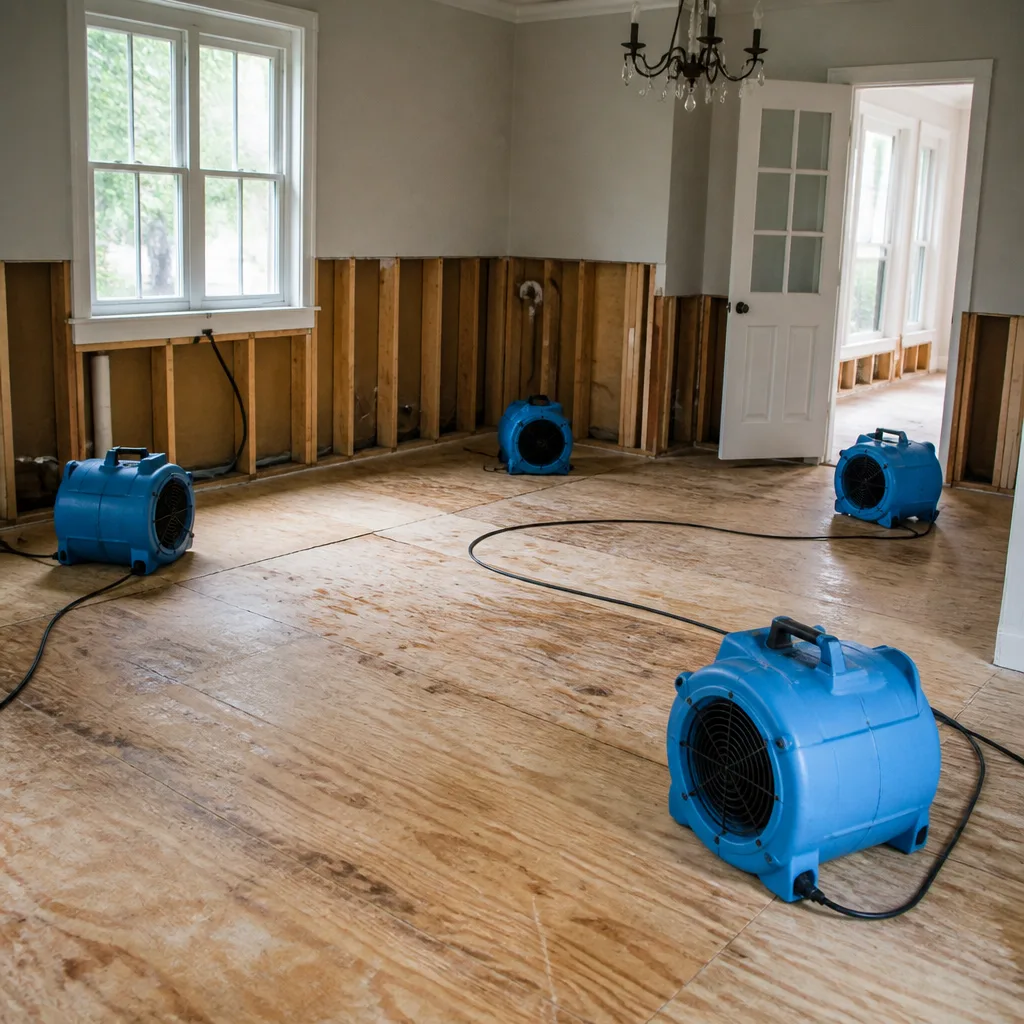

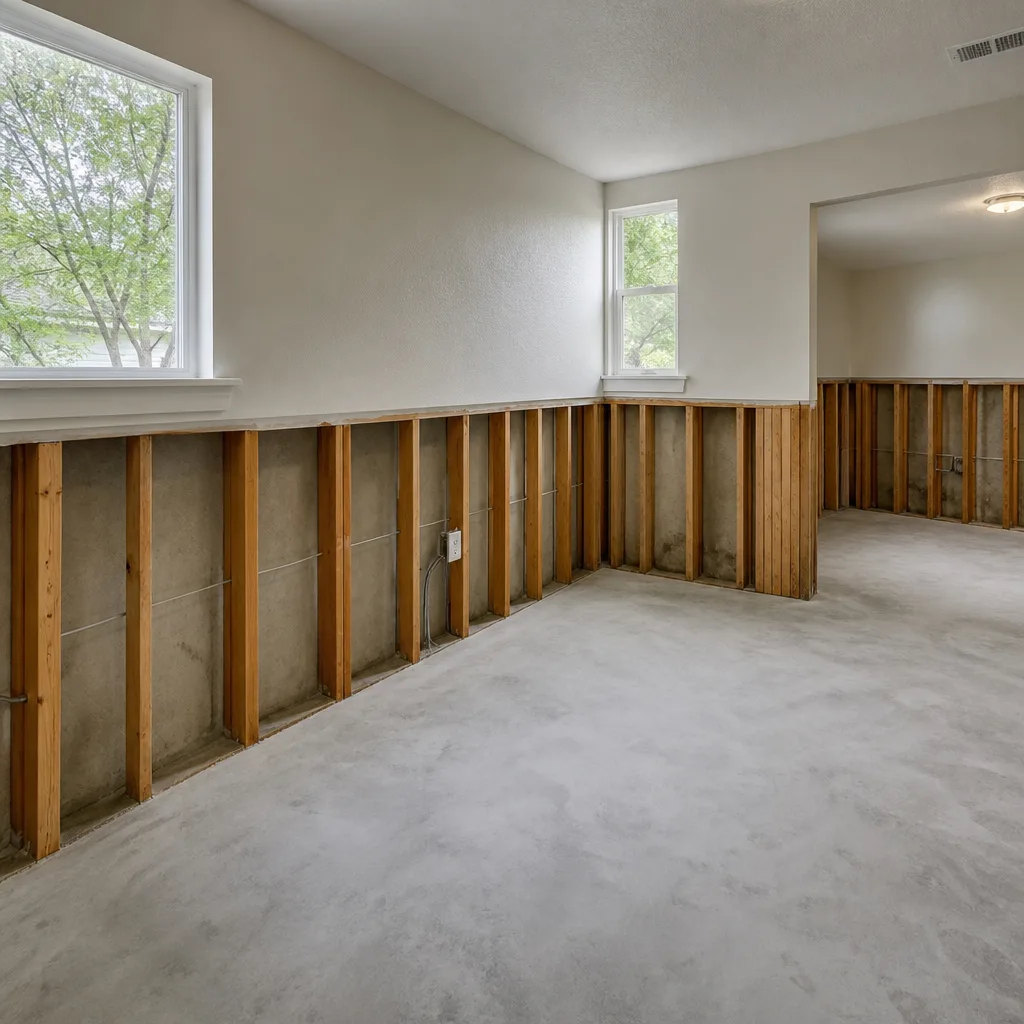
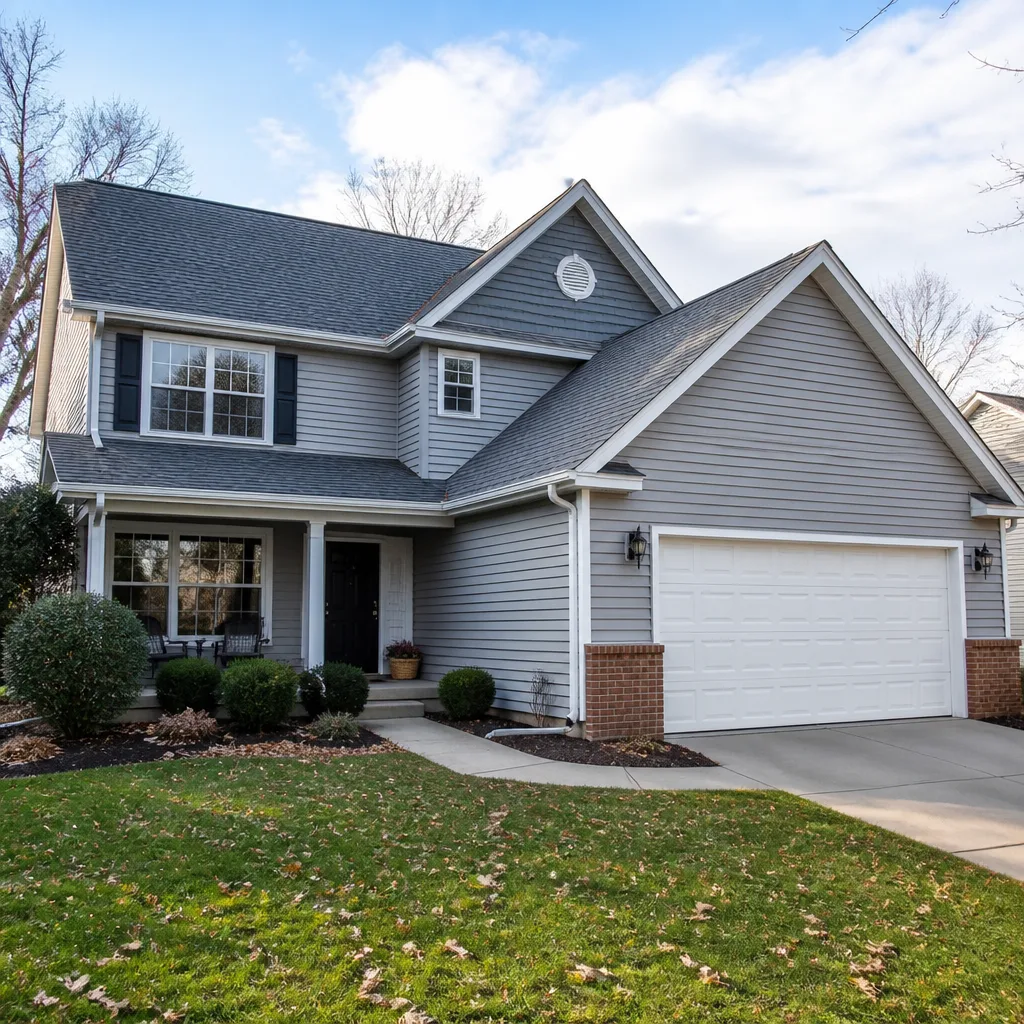
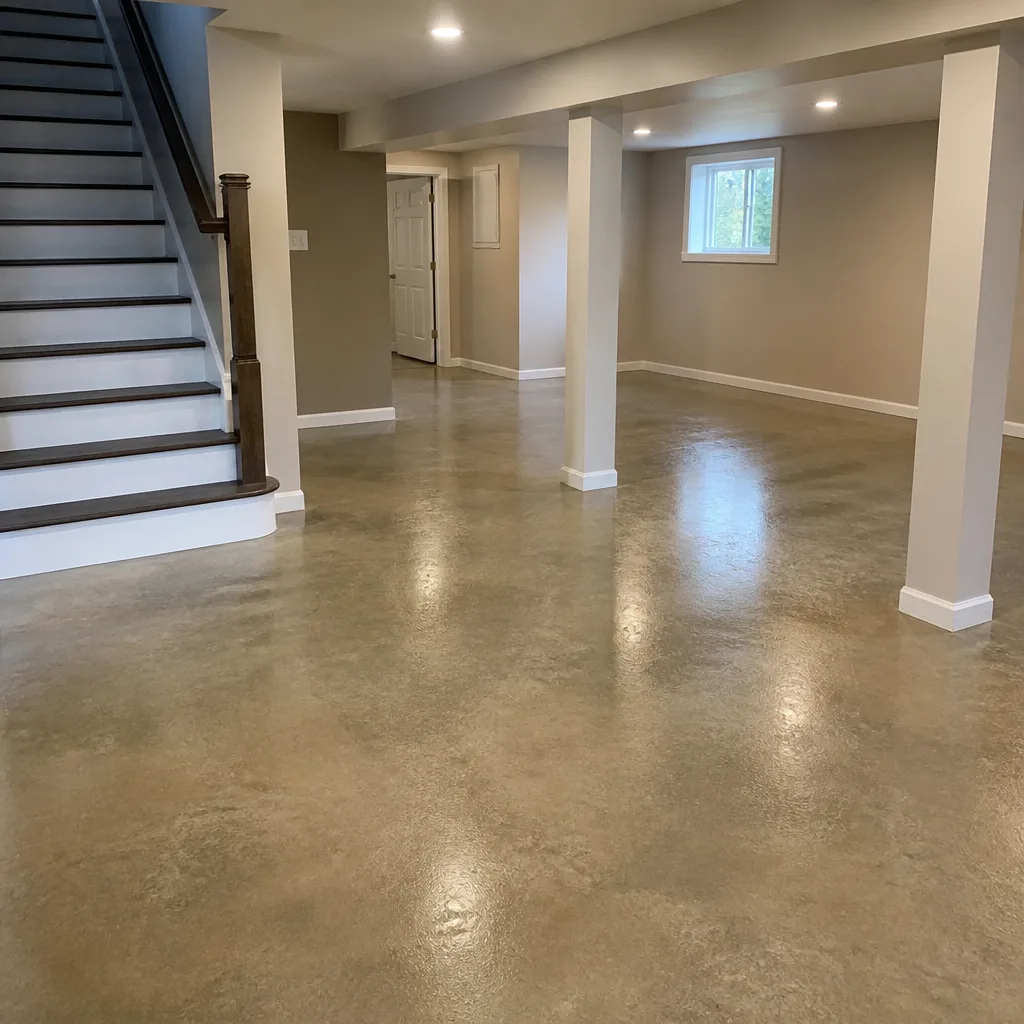

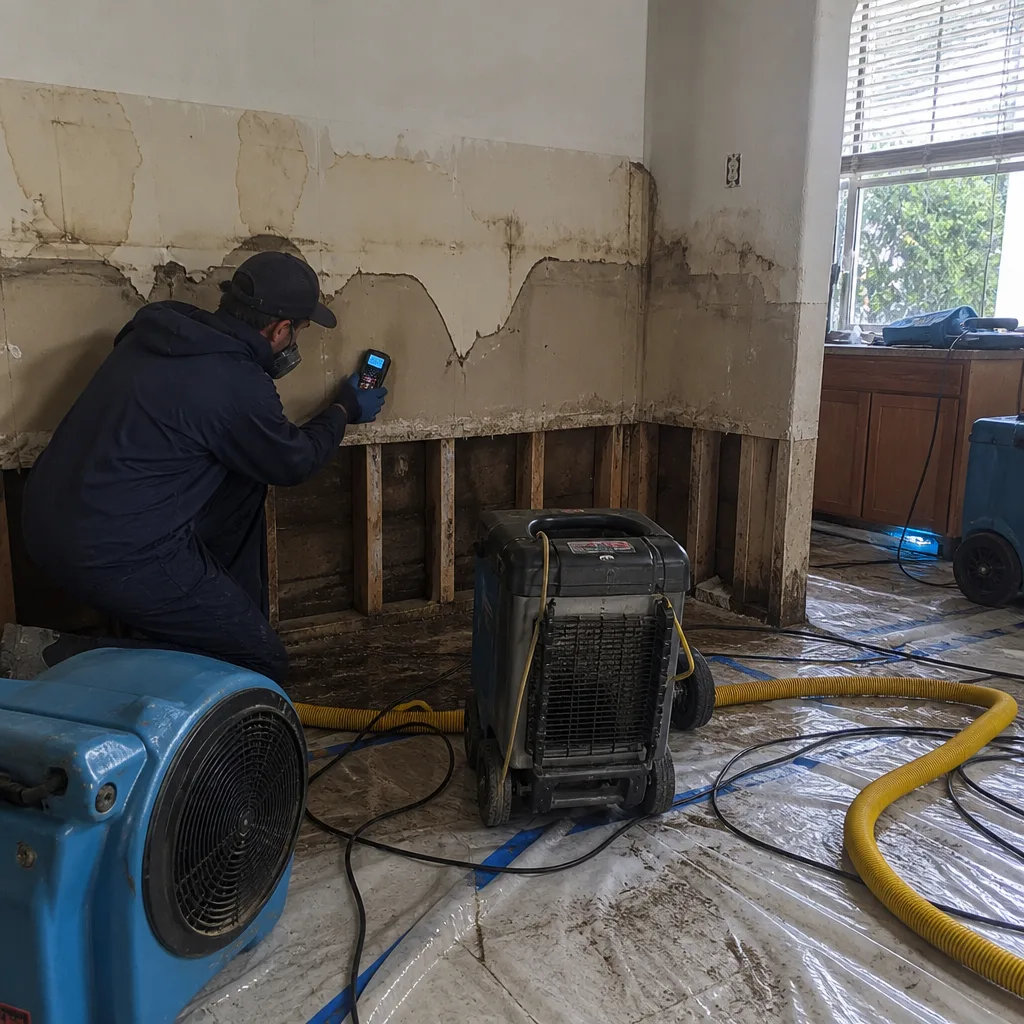 Before
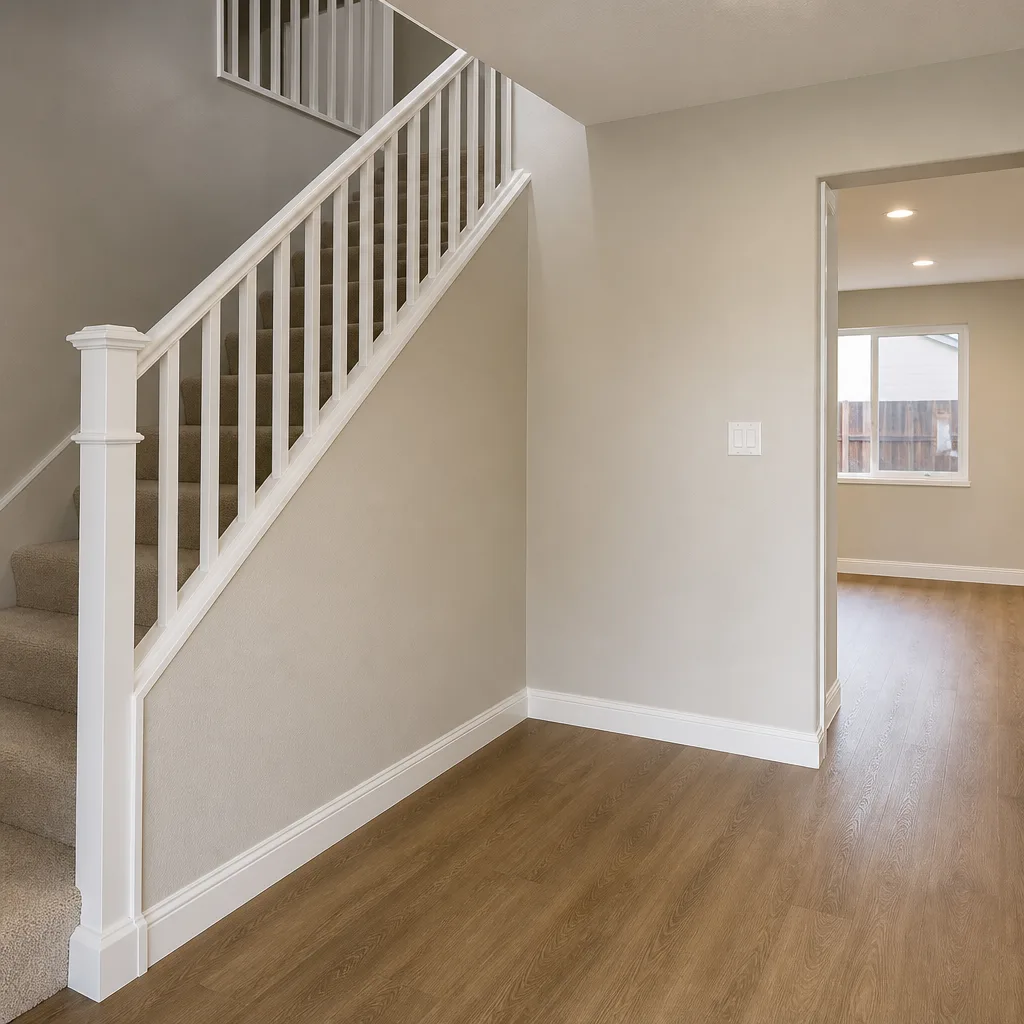 After
After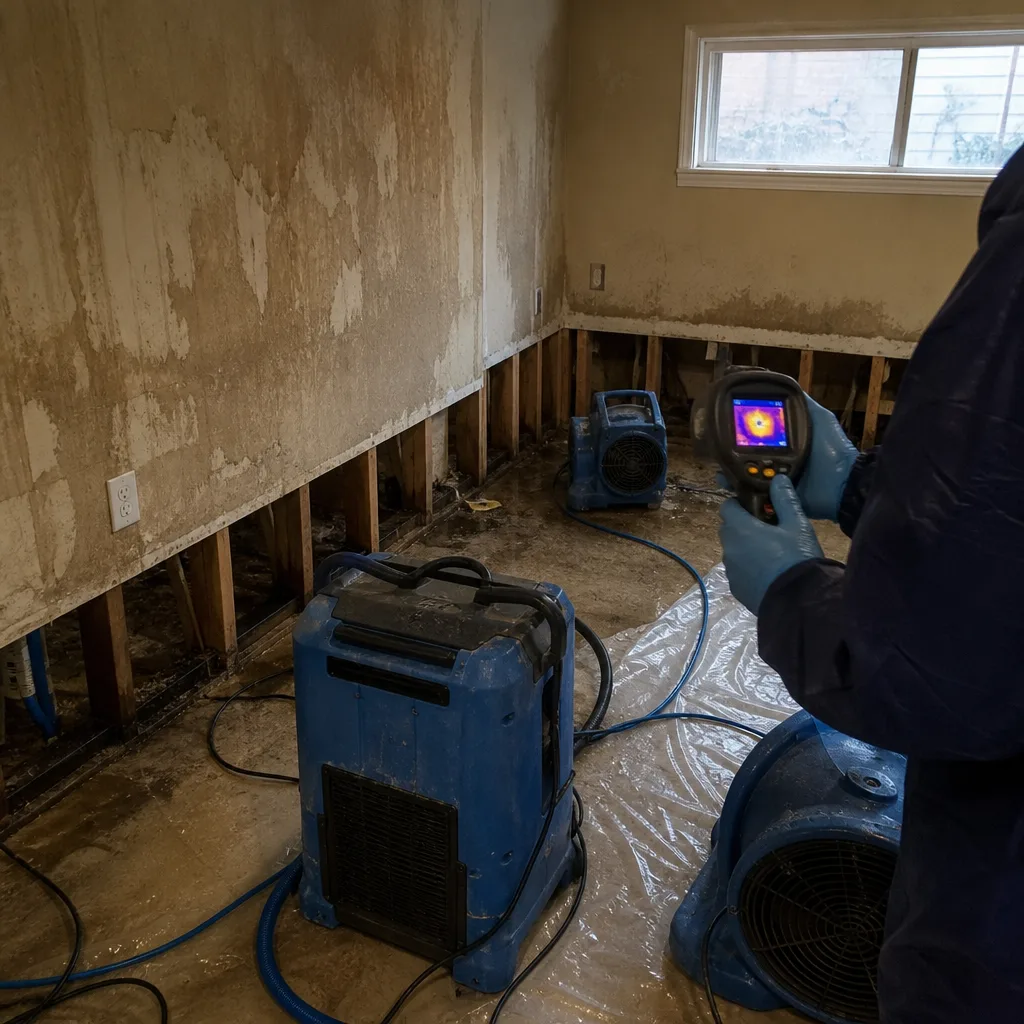 Before
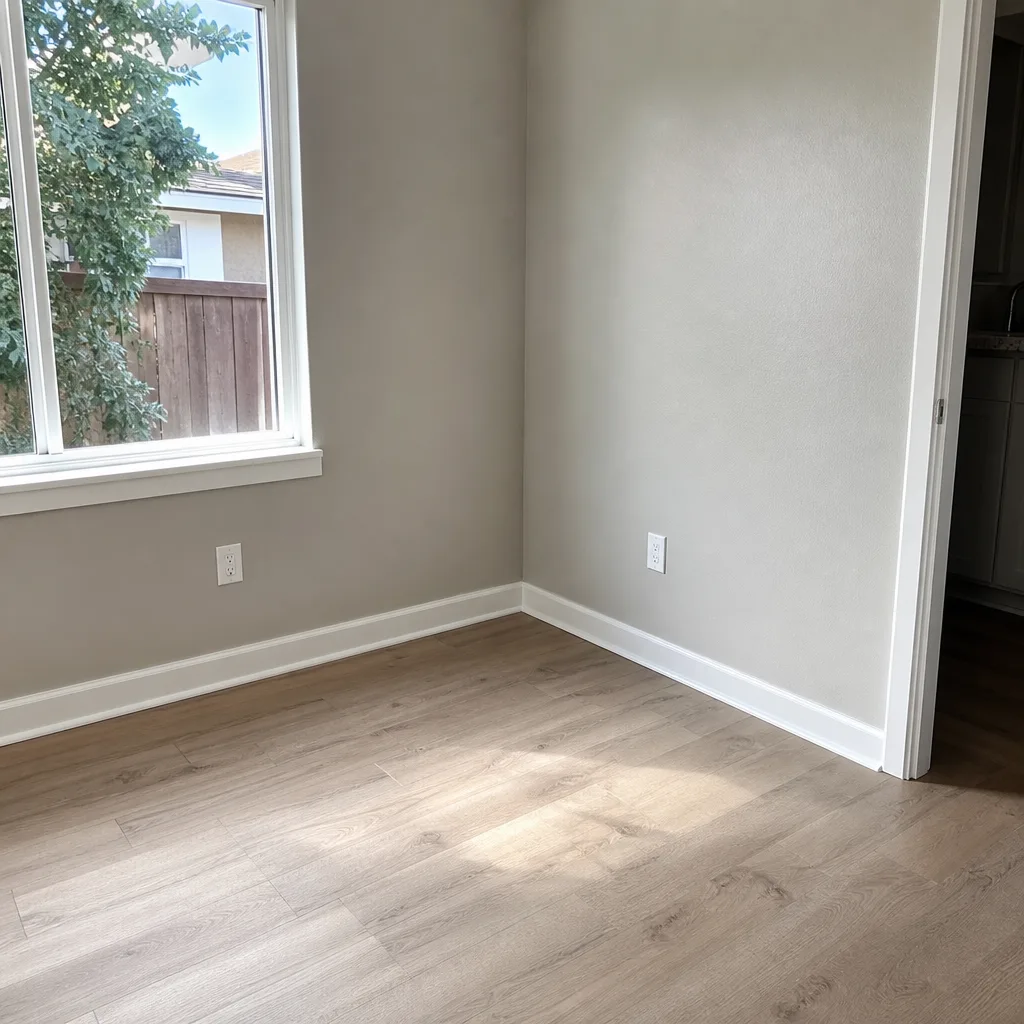 After
After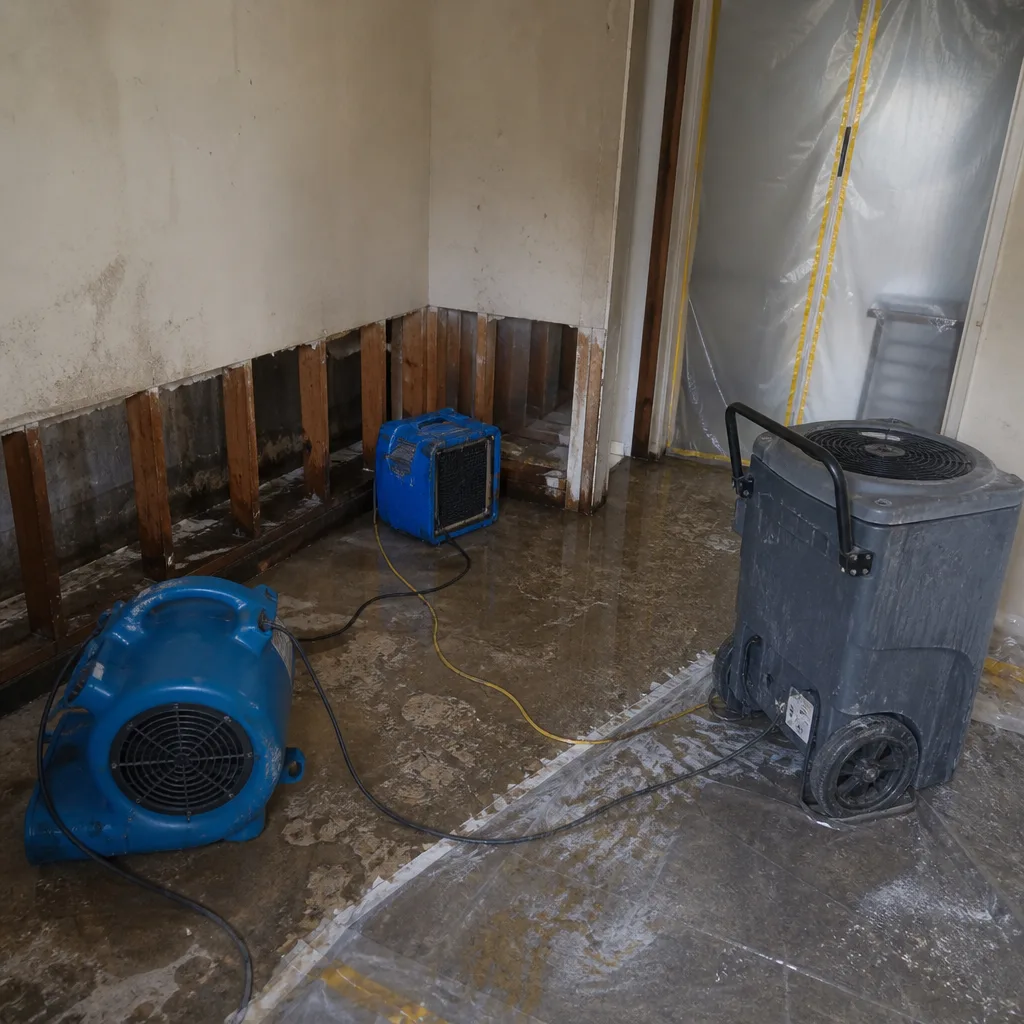 Before
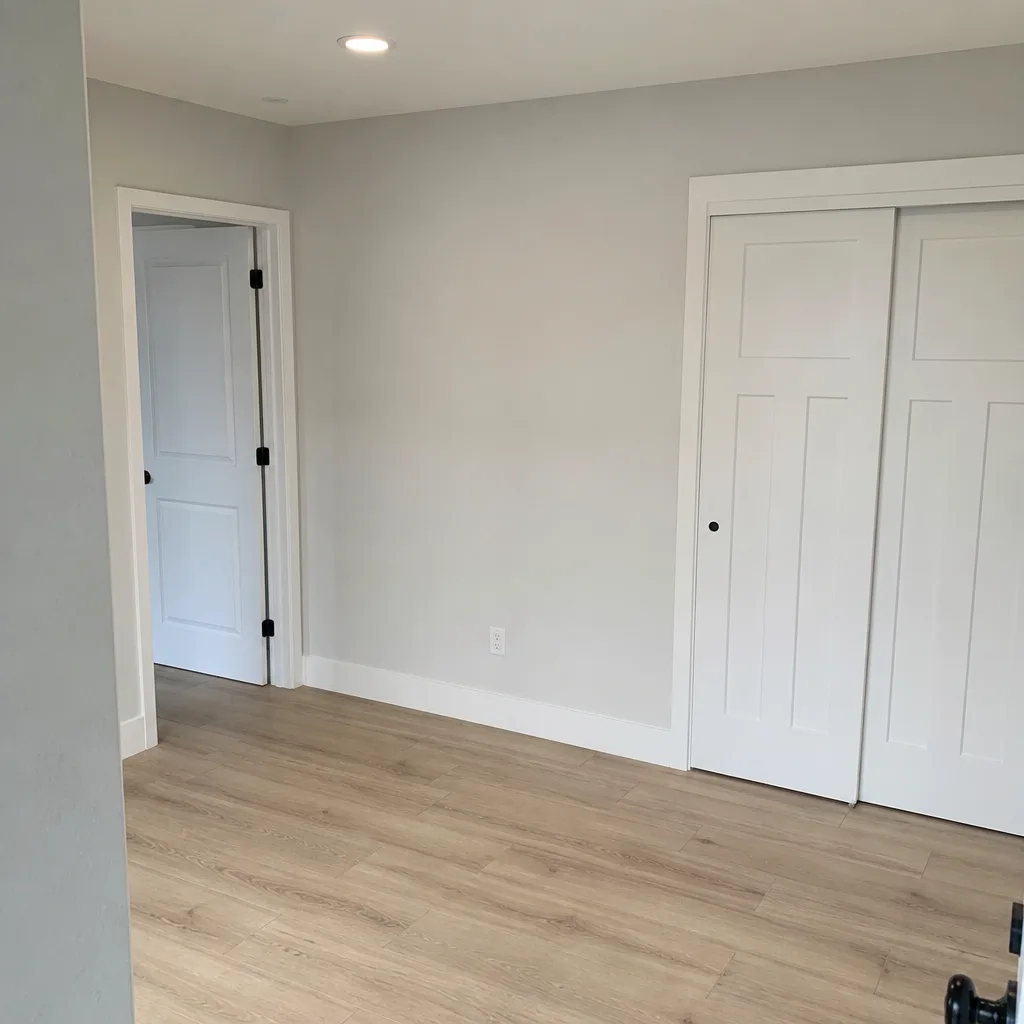 After
AfterDamage Restoration Permits, Codes & Inspections in CA: What You Need to Know
A San Diego County building inspector can flag unpermitted drywall replacement during a future kitchen remodel, and that single flag becomes a disclosure obligation. The $400 permit you skipped in 2023 becomes a $4,000 negotiating liability at closing when the buyer’s agent pulls the property history. In El Cajon, where home values have climbed steadily since 2015 and buyers routinely order pre-sale inspection reports, this is not a theoretical risk. This guide explains exactly which restoration triggers require permits, how to verify past work through San Diego County’s permit portal, and why keeping final inspection sign-offs in your file matters as much as your restoration photos. For damage restoration warning signs every El Cajon homeowner should know, see our dedicated reference.
Quick Answer
Most structural repairs, electrical work, and HVAC modifications during damage restoration in California require permits under state and county codes. Unpermitted work creates a documented gap in your home’s repair history that insurers and buyers can flag years later. El Cajon homeowners should verify all restoration permits through San Diego County’s online portal and retain final inspection certificates with their property records. If you’re weighing whether to tackle repairs yourself, our DIY vs professional damage restoration guide for El Cajon covers the decision factors.
Table of Contents
- When Restoration Work Requires Permits in California
- San Diego County Permit Requirements for Restoration
- California Health and Safety Code Section 17920.3 and Substandard Conditions
- How Permits Affect Insurance Claims and Supplemental Filings
- How to Verify Permit Status on Previous Repairs in El Cajon
- What a Certificate of Occupancy or Final Sign-Off Actually Proves
- Permit Costs, Timelines, and the Price of Skipping Them
- Common Mistakes to Avoid
- When to Call a Professional
- Frequently Asked Questions
- The Bottom Line
 Before
 After
AfterWhen Restoration Work Requires Permits in California
Not every water extraction or smoke cleanup needs a permit. But the moment restoration crosses from cleaning into rebuilding, California building codes apply. The line is sharper than most homeowners realize.
Structural repairs always require permits. This includes:
- Drywall replacement exceeding one full sheet (typically 32 square feet) in a single room
- Removal and replacement of load-bearing or non-load-bearing wall framing
- Subfloor repairs after water damage, including OSB or plywood replacement
- Ceiling reconstruction involving joist or truss modification
- Any repair that alters the building’s structural integrity or fire-rating assembly
Electrical work triggered by damage restoration requires permits when:
- Circuits are disturbed during water or fire mitigation (common in kitchen and garage fires in El Cajon)
- Outlets, switches, or fixtures are replaced in damaged areas
- Wiring is exposed, tested, or rerouted during demolition
- Panel work is needed after electrical surge or fire damage
HVAC and mechanical systems require permits for:
- Ductwork replacement or modification after fire, smoke, or mold contamination
- Air handler relocation or replacement
- Ventilation system reconstruction in bathrooms or kitchens
Plumbing permits are required for:
- Pipe replacement beyond simple fixture repair
- Drain line reconstruction after sewage backup or collapse
- Water heater replacement (common after garage flooding in El Cajon homes with slab foundations)
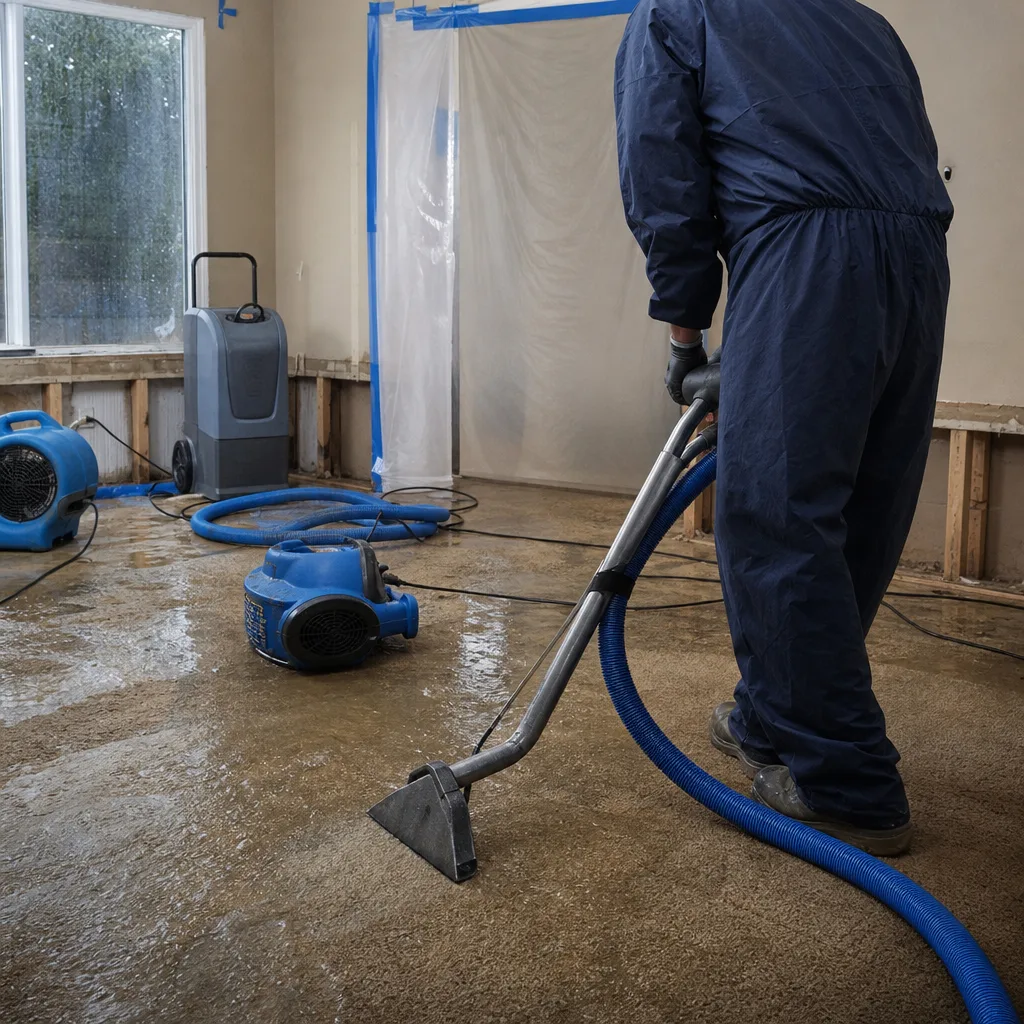
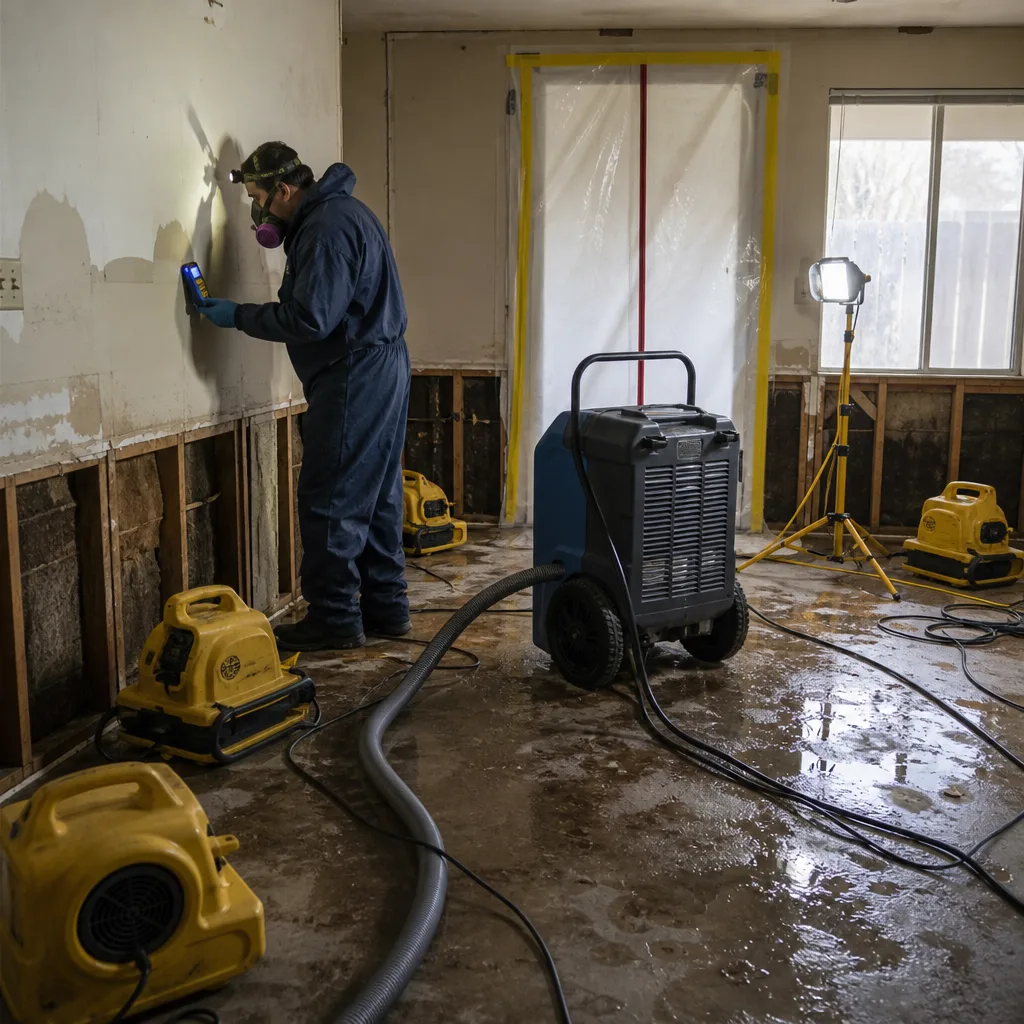
Cosmetic work below these thresholds - carpet replacement, paint, cabinet resurfacing, tile cleaning - generally does not trigger permitting. But here’s where restoration differs from remodeling: damage often conceals the full scope until demolition begins. A water stain on drywall in a Fletcher Hills home may reveal saturated insulation, compromised fire blocking, and corroded electrical boxes once our crew opens the wall with moisture readings from our Water Damage Restoration in El Cajon protocols.
We document this with photo records on every visit, under The Haven Standard, so homeowners and adjusters see the exact moment a cleanup became a rebuild - and why the permit requirement emerged.
San Diego County Permit Requirements for Restoration
San Diego County operates under the 2022 California Building Code with local amendments. For El Cajon homeowners, this means permits route through the San Diego County Department of Environmental Health and Land Use and Environment Group, or through the City of El Cajon’s Building Division for properties within municipal boundaries.
Determining your permit authority:
- Check your property tax bill or assessor’s parcel number (APN) - unincorporated San Diego County and incorporated El Cajon maintain separate permit systems
- Enter your address at sdcounty.permitting.com to identify the correct jurisdiction
- Call the jurisdiction directly if the online lookup is ambiguous - misfiled permits cause delays
San Diego County-specific thresholds that surprise homeowners:
Fire damage restoration in El Cajon frequently triggers stricter review than water damage because of wildfire-urban interface regulations. Homes in the Wildland-Urban Interface Fire Area - including portions of Crest and Granite Hills within El Cajon’s broader service area - require ignition-resistant material verification for exterior repairs. A contractor replacing fire-damaged siding with standard wood composite may pass visual inspection but fail code compliance, forcing rework.
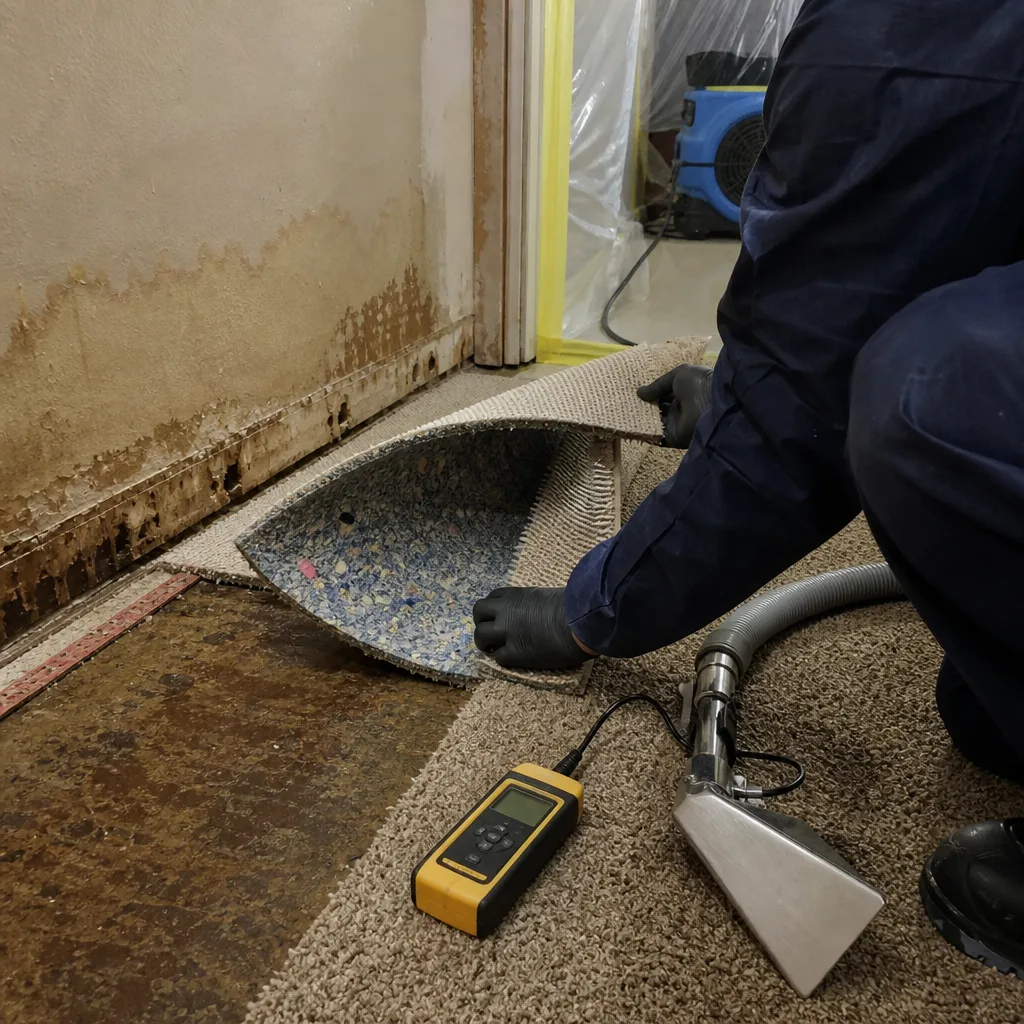
Coastal influence also affects restoration standards. El Cajon’s inland valley climate sees summer humidity spikes that coastal San Diego does not, which is why our drying protocols using Dri-Eaz and Phoenix dehumidifiers document vapor pressure differential - the measurable force that drives moisture from wet materials into dry air - rather than relying on time-based estimates. County inspectors in this region increasingly ask for moisture verification data before signing off on water damage rebuilds.
Required documentation for permit submission in San Diego County:
- Completed permit application with property owner or authorized agent signature
- Scope of work describing the damage event and proposed repair
- Site plan showing affected areas (for structural or addition work)
- Contractor license verification (C-36 Plumbing, C-10 Electrical, C-20 HVAC, or B-General as applicable)
- Insurance claim number and adjuster contact (recommended but not required)
- Structural calculations for load-bearing modifications
Permit fees in San Diego County for typical restoration work range from $180 for minor electrical repairs to $890 for full structural rebuilds with plan check requirements. El Cajon’s city fees run comparable, with a 15% surcharge for expedited review when habitability is compromised.
California Health and Safety Code Section 17920.3 and Substandard Conditions
California Health and Safety Code Section 17920.3 defines “substandard building” conditions that include structural deficiencies, inadequate sanitation, faulty electrical systems, and fire hazards. This statute matters to restoration because it creates a legal framework for what constitutes a corrected versus an merely concealed problem.
Here’s the distinction that affects your property record. When a home suffers water damage and mold grows on drywall, the substandard condition exists under Section 17920.3. Removing the mold-stained drywall without permit documentation proves the condition was addressed. But replacing that drywall - especially if structural members, insulation, or vapor barriers are involved - without permits leaves no official record that the substandard condition was corrected to code.
Years later, this gap becomes material. A buyer’s inspector finds moisture staining in a wall cavity. The seller’s disclosure mentions “previous water damage, professionally remediated.” But the permit history shows no structural repair permits for that date range. The buyer’s lender orders a re-inspection. The deal stalls.
We’ve seen this in El Cajon specifically. In 2022, a homeowner on Mollison Avenue contacted us for a Mold Remediation in El Cajon assessment after a buyer flagged “possible prior unpermitted work” in a pre-sale inspection. The previous restoration company had performed $14,000 in repairs after a 2019 pipe burst - excellent work, by visual standards - but filed no permits. The seller faced a choice: obtain retroactive permits with invasive re-inspection, or accept a $6,000 price reduction. They chose the reduction.
A permitted restoration creates a legal record that Section 17920.3 conditions were corrected through inspected, code-compliant work. The permit file contains:
- The initial application describing the damage and proposed scope
- Inspector field notes from rough and final inspections
- Corrections required and how they were resolved
- Final sign-off with inspector identification and date
This file is public record. It is discoverable by buyers, insurers, and attorneys. It is also your evidence that the work met code at the time of repair - a defense against future claims of concealed defects.
How Permits Affect Insurance Claims and Supplemental Filings
Insurance adjusters increasingly request permit documentation before closing claims, particularly for losses exceeding $25,000 or involving structural, electrical, or HVAC work. This trend accelerated after 2020, when California Department of Insurance market conduct examinations found that unpermitted restoration work correlated with higher rates of re-opened claims and supplemental demands.
The timeline difference is concrete:
| Scenario | Permitted Repair | Unpermitted Repair |
|---|---|---|
| Initial claim closure | Adjuster reviews permit final, releases depreciation holdback | Adjuster may withhold 10-20% pending permit verification |
| Supplemental claim (new damage found) | Permit history supports scope expansion; streamlined approval | Adjuster questions whether original scope was complete; delays |
| Code upgrade coverage | Permit documents code requirements; upgrade coverage applies | Without permit, code compliance is assumed; upgrade coverage disputed |
| Future property sale | Clean record; no disclosure triggers | Potential re-inspection demand; price negotiation leverage for buyer |
Some carriers now include permit verification in their standard claim protocols. We coordinate directly with adjusters on this documentation - part of why our DryMark Restoration El Cajon home process includes permit filing as a standard deliverable on qualifying jobs, not an upsell.
Code upgrade coverage specifically requires permit documentation. California law requires insurers to cover the cost of bringing damaged elements up to current code when repair triggers code compliance. But the trigger must be documented. An unpermitted electrical panel replacement after fire damage may meet 2022 NEC standards in practice, but without a permit and inspection, the carrier has no evidence the upgrade was code-required rather than contractor-preferred. The homeowner eats the $2,400 panel upgrade cost that coverage should have paid.
Our written scopes under Haven Standard, Clause 1, explicitly identify permit-required work and separate code-upgrade line items from like-kind replacement. Adjusters receive documentation they can file without follow-up calls.
How to Verify Permit Status on Previous Repairs in El Cajon
Whether you’re buying a home, selling one, or filing a supplemental claim on prior damage, verifying permit status is straightforward and free.
For properties within El Cajon city limits:
- Visit the City of El Cajon Building Division online portal at elcajon.gov and navigate to “Permit Search” or “Building Records”
- Enter the property address - use the exact format from the tax assessor’s records
- Review the permit history, noting permit numbers, types, issue dates, and final inspection statuses
- Request a printed “Permit History Report” for your files - this is often free for property owners, $15-25 for third parties
- For permits issued before 2010, contact the Building Division directly; older records may be in physical files requiring manual lookup
For properties in unincorporated San Diego County (including some El Cajon-adjacent areas):
- Use the San Diego County Permit, Inspection, and Code Enforcement System at sdcounty.permitting.com
- Create a free account to access detailed permit records
- Search by address or APN; results include permits, inspections, violations, and code enforcement actions
- Download or screenshot the complete permit history for your property file
What to look for in restoration-related permits:
- Permit type: B (Building), E (Electrical), P (Plumbing), M (Mechanical/HVAC)
- Description keywords: “repair,” “restore,” “fire damage,” “water damage,” “mold,” “remediation”
- Status: “FINAL” means inspected and approved; “EXPIRED” or “INCOMPLETE” means work was not signed off
- Contractor license number: verify active status at cslb.ca.gov
Red flags that warrant follow-up:
- Restoration work described in seller disclosures with no matching permit history
- Permits issued but showing “NO FINAL” - work may be incomplete or inspector was never called back
- Contractor name on permit does not match company that performed the work (possible unlicensed subcontracting)
- Permit pulled by homeowner rather than licensed contractor (indicates DIY repair on work requiring licensure)
In El Cajon’s older neighborhoods - particularly around downtown and the Bostonia area - homes built before 1980 often have layered repair histories. We’ve encountered properties with three or four water damage events across forty years, each handled by different companies with inconsistent permitting. A systematic permit review before purchase or sale prevents surprises.
What a Certificate of Occupancy or Final Sign-Off Actually Proves
A Certificate of Occupancy (CO) or final inspection sign-off is not decorative paperwork. It is a legal determination by a certified building official that the work described in the permit application was completed in compliance with applicable codes and is safe for occupancy.
For restoration work, final sign-off proves four specific things:
- The scope was completed as approved. No material deviations from the permitted plan without subsequent amendment and re-approval.
- Code compliance was verified in person. A certified inspector examined the work, tested systems where required, and confirmed standards were met - not merely that the contractor self-certified.
- The work is integrated with existing systems safely. New electrical circuits load properly. New drywall maintains fire ratings. New plumbing drains correctly without cross-connections.
- The date of legal completion. This date starts the clock on warranty periods, statute of limitations for defect claims, and depreciation calculations for insurance.
Why the physical copy matters:
Digital permit records can migrate between systems, suffer data loss, or become inaccessible during platform transitions. San Diego County migrated permit platforms in 2018; some records from the prior system remain searchable only through manual request. A physical or PDF copy of your final sign-off, stored with your insurance claim file and restoration photo record, is insurance against bureaucratic entropy.
We provide these documents as standard deliverables on permitted jobs, alongside our daily drying logs and moisture readings. Under The Haven Standard, your file should contain:
- The original written scope and price (Haven Standard, Clause 1)
- Photo documentation from every visit
- Permit application and approved plans
- Inspection correction notices and resolutions
- Final sign-off or Certificate of Occupancy
- 365-Day Done Right Promise warranty document
This complete file transforms a restoration from a vague memory into a documented property improvement with legal standing.
Permit Costs, Timelines, and the Price of Skipping Them
Permit costs in El Cajon and San Diego County follow standardized fee schedules based on project valuation, with restoration work typically falling in the lower-to-mid ranges because it involves repair rather than new construction.
Typical permit costs for restoration work (El Cajon / San Diego County, 2024):
| Work Type | Permit Fee Range | Plan Check Required? | Typical Timeline |
|---|---|---|---|
| Drywall replacement (structural) | $180 – $340 | No | 1-3 days |
| Electrical repair/replacement | $150 – $280 | No | 1-2 days |
| Plumbing repair | $160 – $300 | No | 1-3 days |
| HVAC ductwork modification | $200 – $400 | Sometimes | 3-7 days |
| Structural wall repair | $350 – $890 | Yes | 2-4 weeks |
| Full room reconstruction | $500 – $1,200 | Yes | 3-6 weeks |
These fees exclude contractor time for permit application, plan preparation, and inspector coordination - typically 2-4 hours at standard labor rates. On jobs we manage, this coordination is included; we do not add permit administration as a line-item surcharge.
The price of skipping permits is harder to quantify but consistently higher:
- Retroactive permitting: Double the original fee, plus invasive re-inspection that may require opening finished walls - $800-$3,000 in additional work
- Code violation penalties: San Diego County assesses penalties of 200% of the original permit fee for work commenced without permit, plus stop-work orders that delay re-occupancy
- Insurance claim reductions: Adjusters may reduce structural repair payments by 15-25% when permits cannot be produced, treating the work as unverified
- Property sale impacts: Unpermitted work discovered during sale routinely triggers $2,000-$8,000 in price reductions or repair credits, based on our observation of El Cajon transactions
- Liability exposure: Unpermitted electrical or structural work that later fails may void homeowner’s insurance coverage for resulting damage, shifting full cost to the owner
The $280 electrical permit avoided today becomes the $4,600 problem at closing. We’ve reviewed competitor estimates for Fire & Smoke Damage Restoration in El Cajon that omitted permit fees entirely - a practice that violates Haven Standard, Clause 1’s requirement for complete written pricing, and exposes the homeowner to all downstream costs.
Common Mistakes to Avoid
- Assuming cleanup never needs permits. Water extraction and drying don’t, but the rebuild that follows often does. Define the permit trigger point in your written scope before work begins.
- Letting a contractor “handle permits later.” Permits must precede work, not follow it. Post-hoc permitting in San Diego County requires justification that often fails, and inspectors may demand exposed inspection of covered work.
- Accepting verbal assurance that permits “aren’t needed for this.” Verify independently through the jurisdiction’s permit office. An unlicensed contractor’s opinion has no legal weight when the city issues a violation notice.
- Discarding final inspection documents with project files. Keep physical or scanned copies permanently; digital-only storage risks loss during system migrations or company closures.
- Failing to match contractor license to permit type. A C-36 plumbing contractor cannot legally perform electrical work, and permits pulled under mismatched licenses may be voided on inspection.
- Ignoring permit status when buying in El Cajon’s older neighborhoods. Homes near Washington Avenue and the original downtown core often have unpermitted modifications from prior decades; a permit history review should be standard due diligence.
- Paying in full before final inspection sign-off. Contractors with payment in hand have reduced incentive to schedule and pass final inspection, leaving permits in incomplete status.
When to Call a Professional
Call a licensed restoration contractor when your damage event involves structural materials, electrical systems, plumbing, or HVAC - the permit-triggering categories. Not sure how to choose one? Our step-by-step guide to hiring a damage restoration contractor in El Cajon walks you through the process. Call when you need documentation that will satisfy an insurer, a buyer, or a building official. Call when the scope exceeds what you can confidently self-permit and self-inspect.
DryMark Restoration El Cajon offers free estimates in El Cajon - call (858) 428-2364. We identify permit requirements in our written scope before work begins, file permits as standard practice on qualifying jobs, and deliver final inspection documents with our photo record and drying logs. Our estimates include permit fees where applicable; no hidden costs emerge after the crew arrives.
Frequently Asked Questions
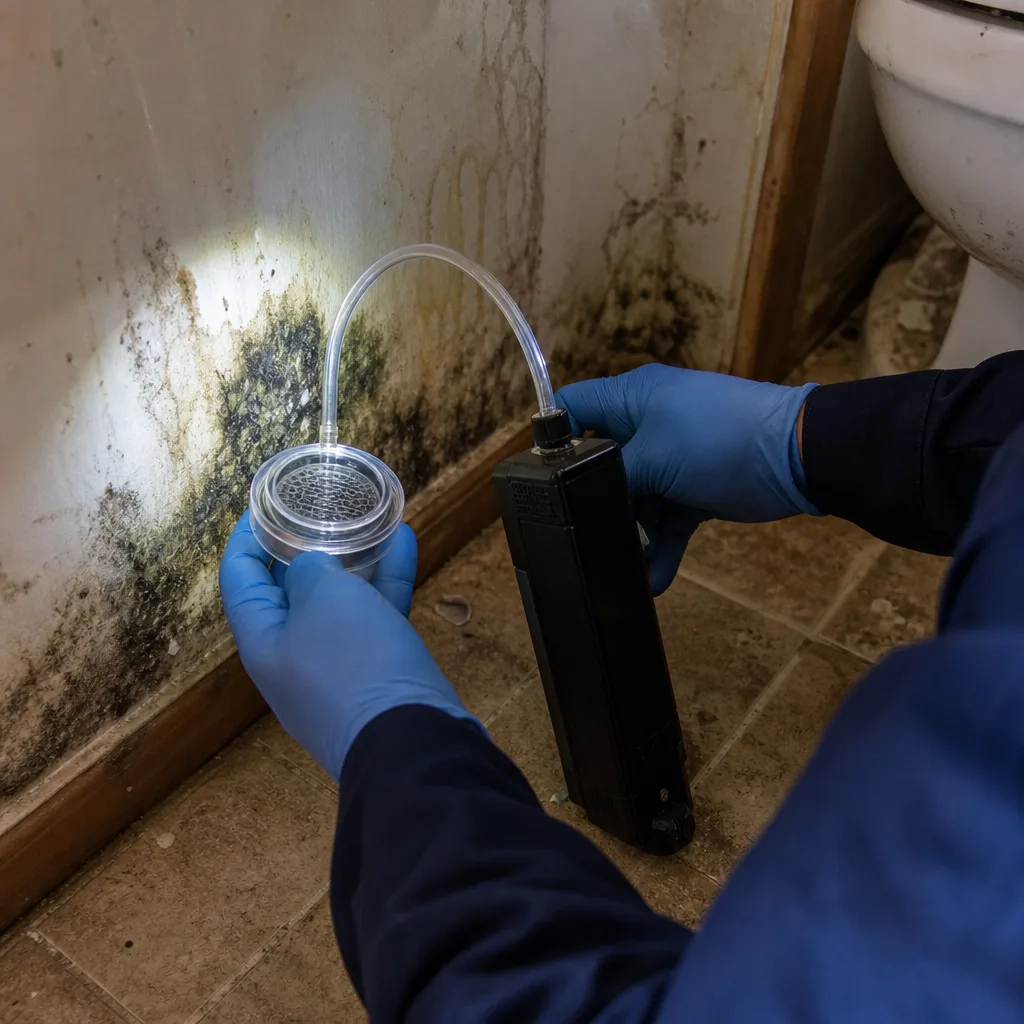
Mold remediation itself - the removal of contaminated materials and application of antimicrobial agents - does not require a building permit. But if remediation involves removing and replacing drywall, insulation, or structural elements, those repairs trigger standard building permit requirements. In El Cajon, we file permits for the rebuild portion of Mold Remediation in El Cajon jobs before demolition begins, so the entire project flows without inspection delays.
Most standard homeowner policies include “ordinance or law” coverage that pays for permit fees, inspection costs, and code-required upgrades when repair of covered damage triggers them. Coverage limits vary - typically 10-25% of the dwelling coverage - and some policies require specific endorsement. We identify probable permit costs in our written scope and flag them for adjuster review under code upgrade provisions.
Search San Diego County’s permit portal at sdcounty.permitting.com or El Cajon’s city permit system using your property address. Look for permits issued around the date of known damage events, with contractor names and final inspection statuses. If you find restoration work described in disclosures or visible in the home but no matching permits, contact us for a Free Second Opinion on the scope and compliance status.
California sellers must disclose material defects and significant repairs on the Transfer Disclosure Statement. Unpermitted work, once discovered, must be disclosed or risks fraud claims. Buyers commonly negotiate price reductions, demand retroactive permitting with re-inspection, or walk from the transaction. The cost typically exceeds original permit fees by 5-10x.
A licensed contractor who performs permit-required work without permits violates California Business and Professions Code and risks license discipline. Your agreement does not override code requirements. You may also void insurance coverage for resulting damage and assume liability for code violations. We do not perform permit-required work without permits under any circumstance - Haven Standard, Clause 1 requires lawful, documented work.
Simple permits for electrical, plumbing, or minor structural repair typically issue within 1-3 business days in El Cajon, with inspection scheduling within 48 hours of work completion. Complex structural rebuilds requiring plan check take 2-4 weeks for initial review. We coordinate permit timelines into our project schedules so drying and demolition proceed while permits process, avoiding delays.
The Bottom Line
Permits in California restoration are not bureaucratic obstacles. They are legal records that transform repair work into verified property improvements, protect insurance claim integrity, and prevent future sale complications. The cost of proper permitting is modest; the cost of its absence compounds across years. For El Cajon homeowners, verifying permit status through San Diego County’s accessible online systems, retaining final inspection documents, and demanding written scopes that include permit identification before work begins are the practices that separate documented restoration from undocumented risk. Explore more guides & resources on protecting your property value.
Written by Alicia Brennan, Owner at DryMark Restoration El Cajon, serving El Cajon since 2011.