
Last updated September 23, 2026
Free visual inspection and a written scope of work before any mitigation begins - photos, moisture readings, and drying logs go in your claim file
The scope we write is the scope we bill. Anything new gets shown to you, in writing, before we touch it.
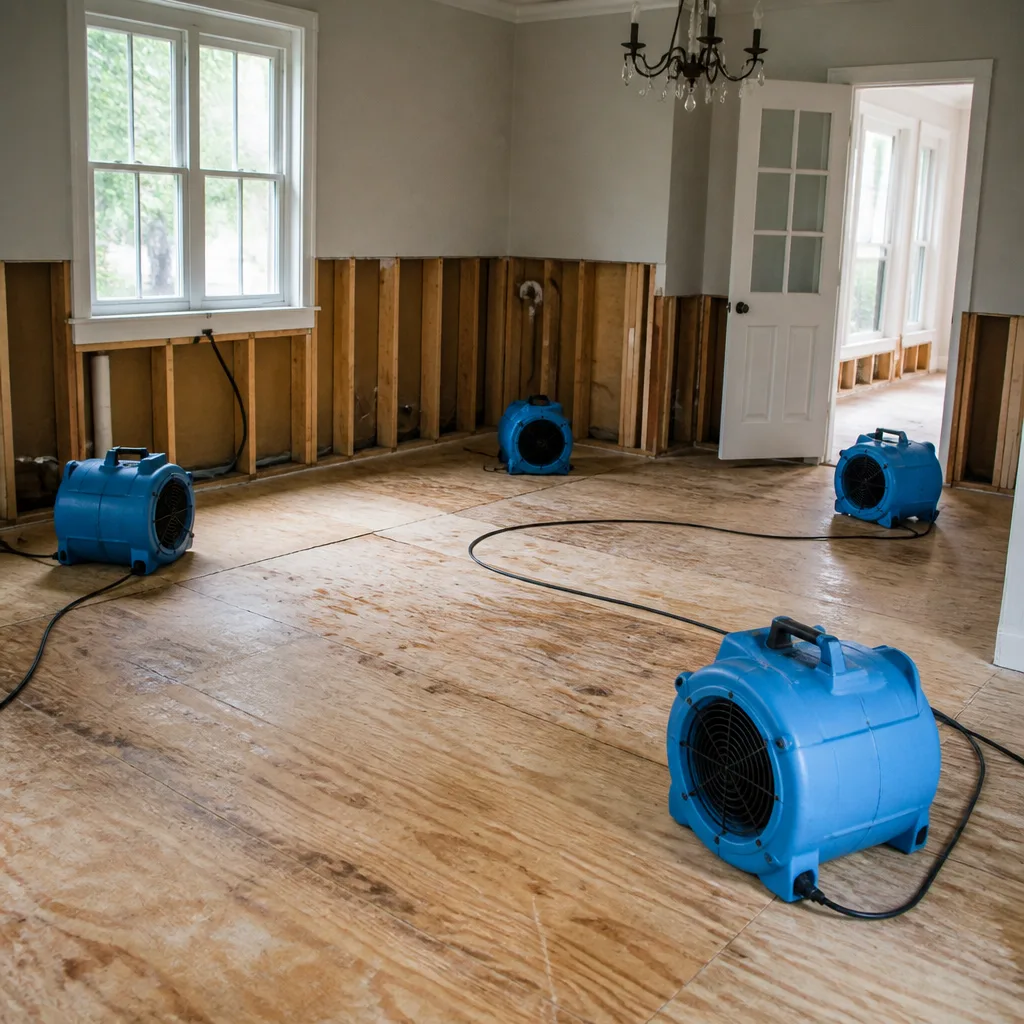
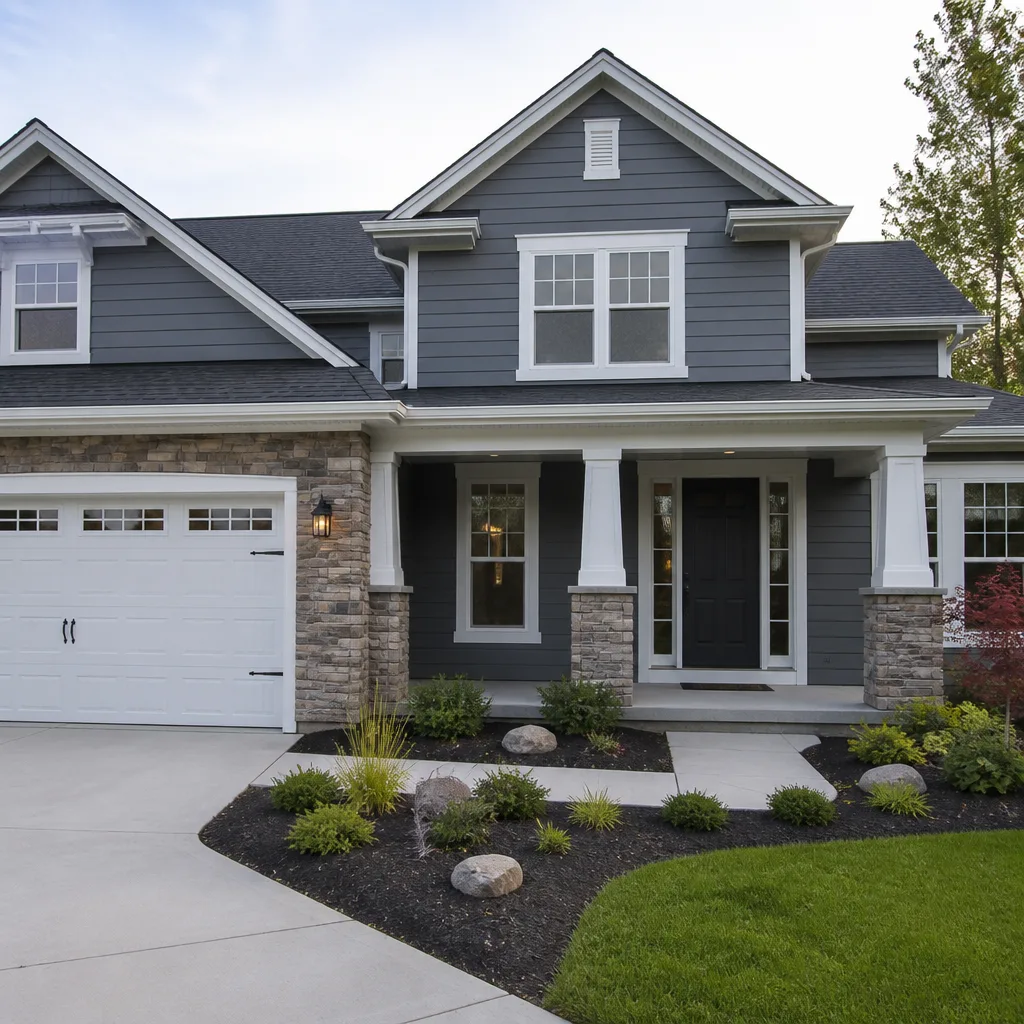
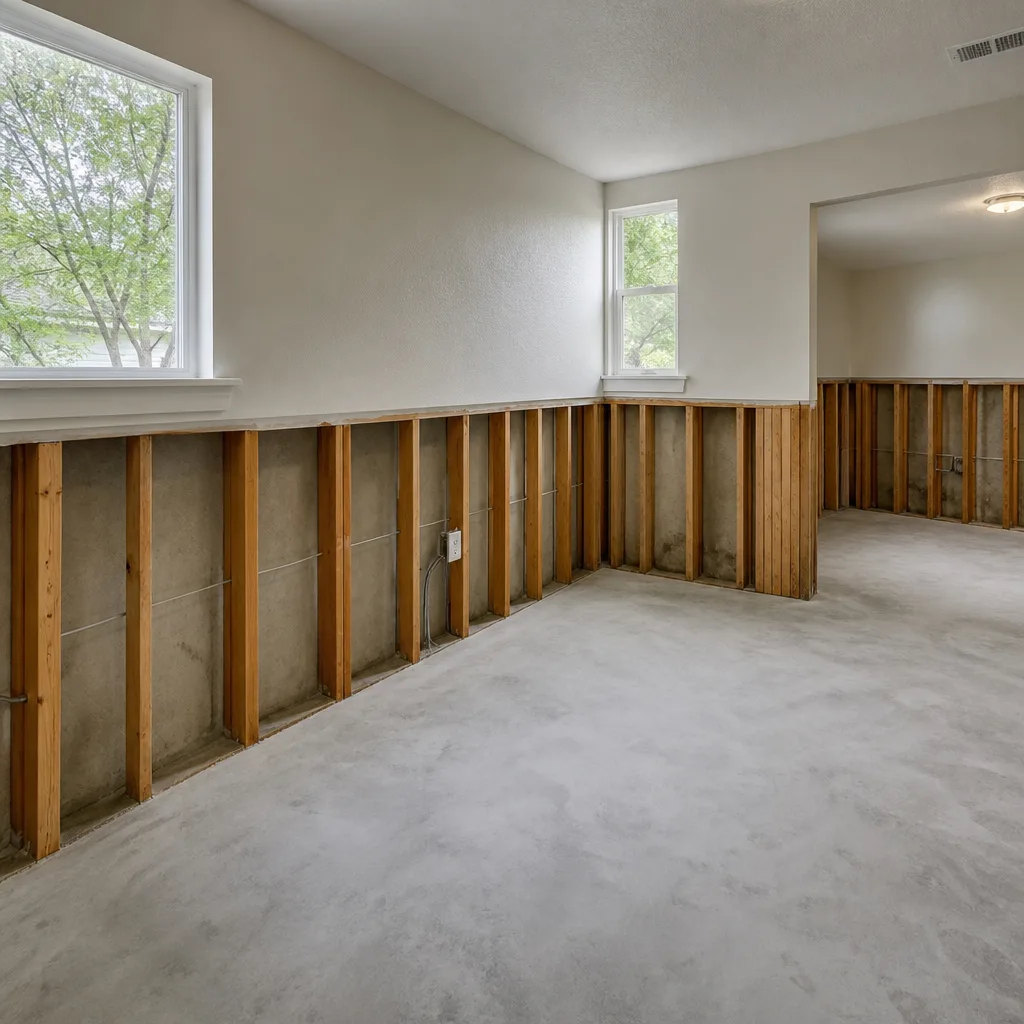
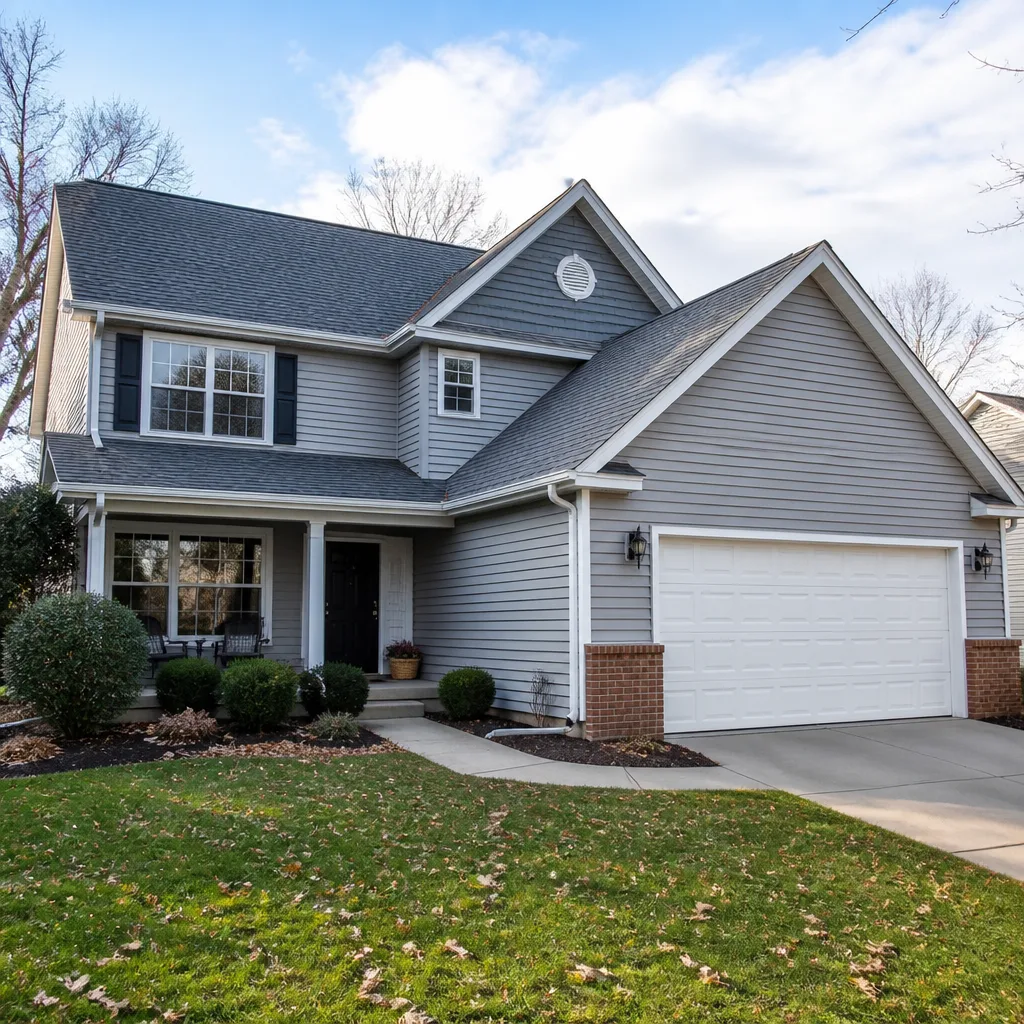
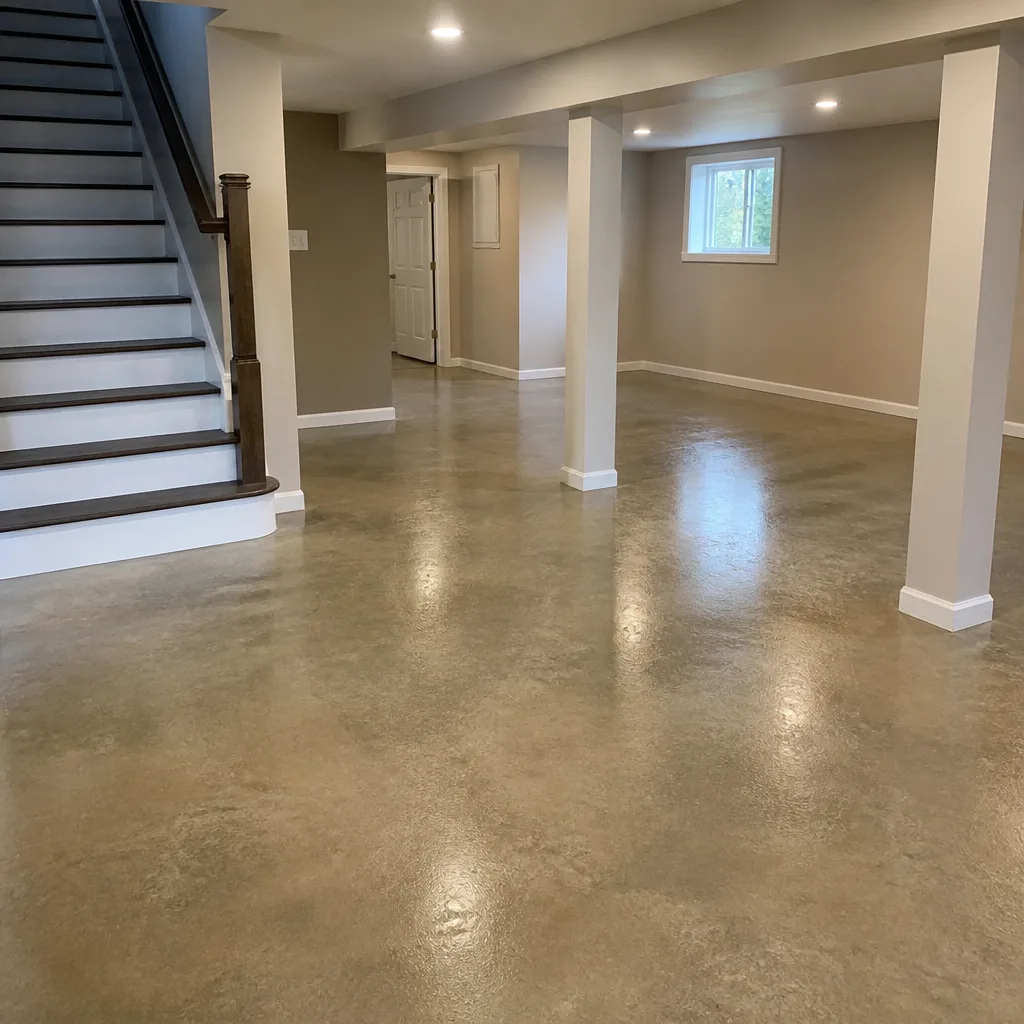
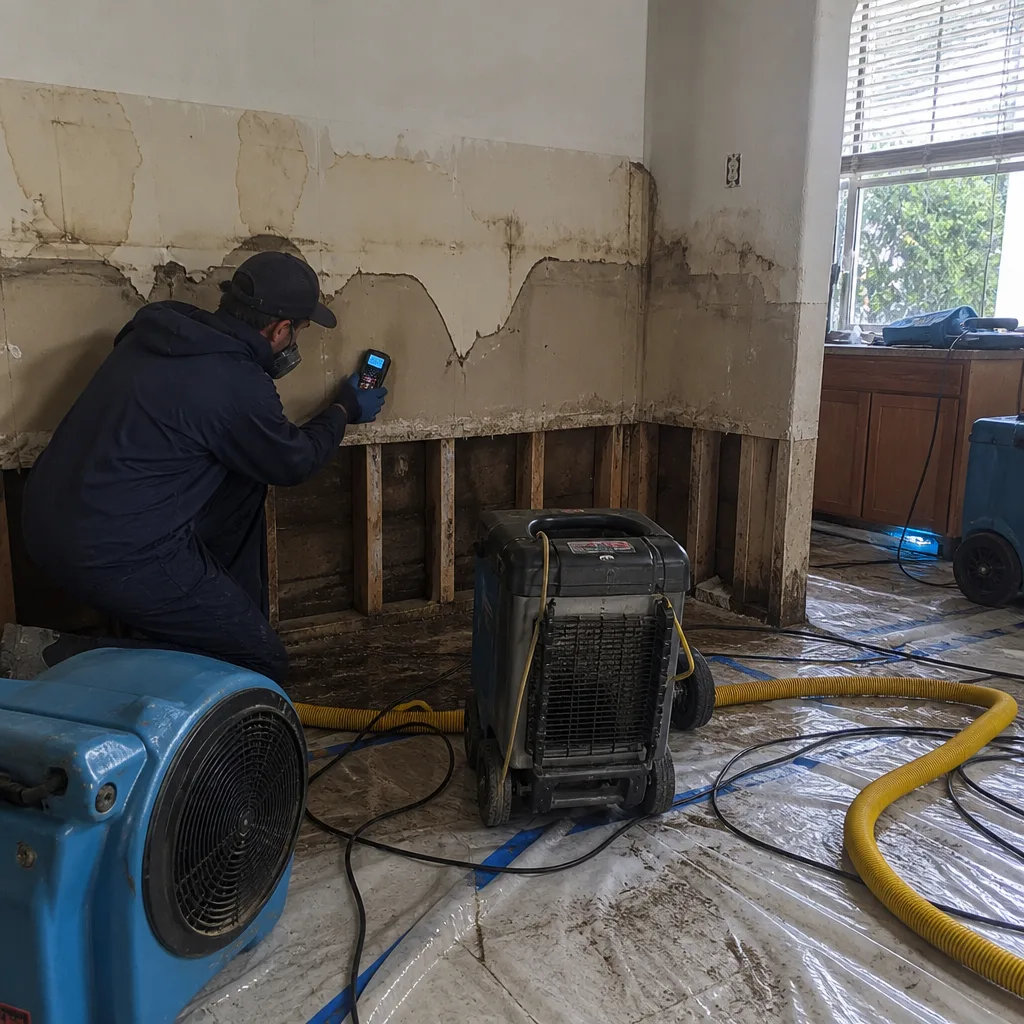 Before
 After
After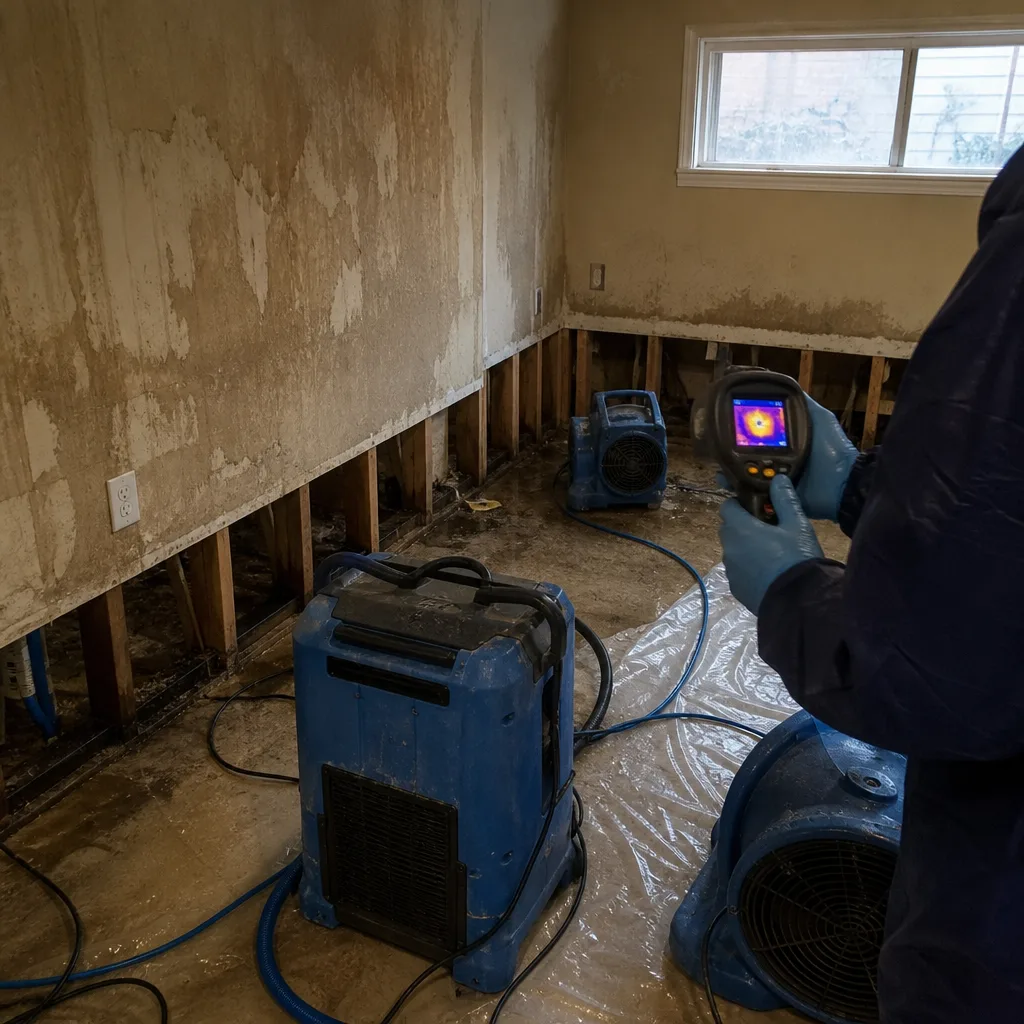 Before
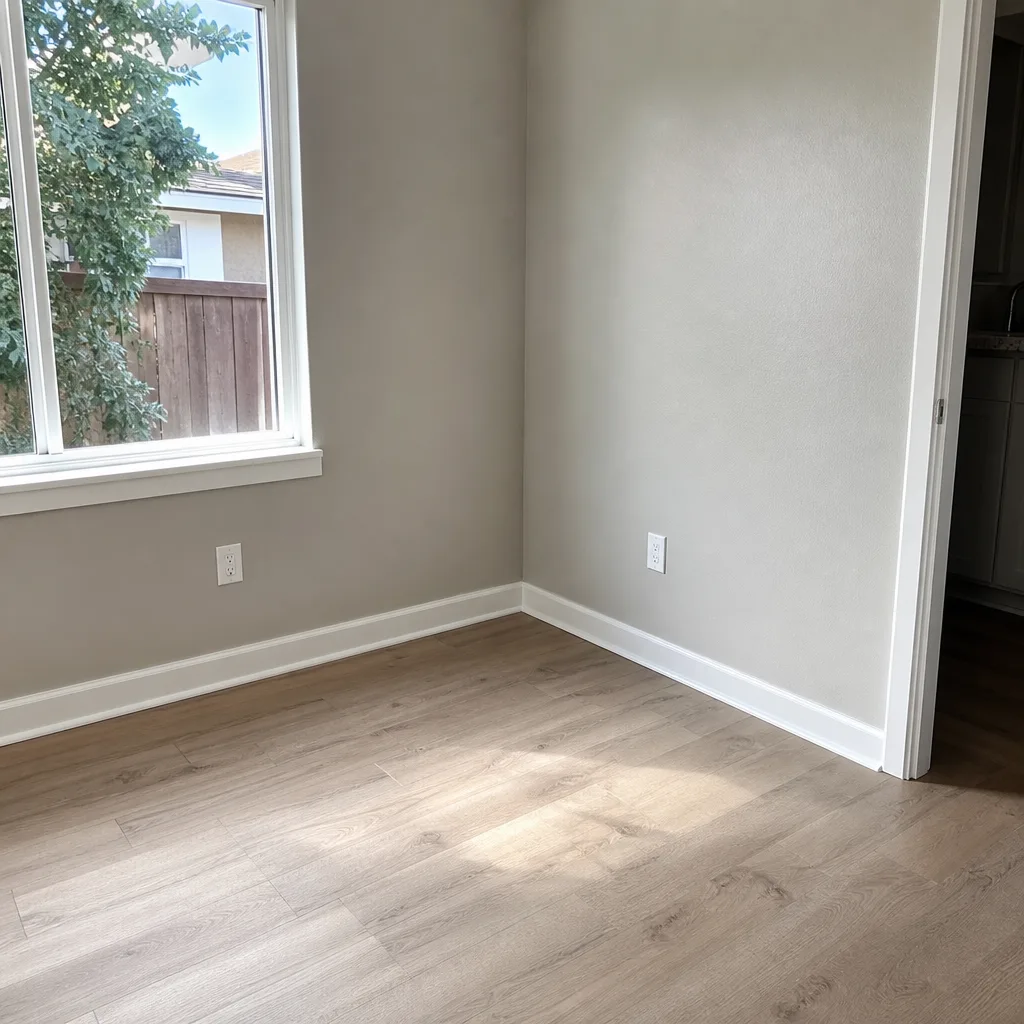 After
After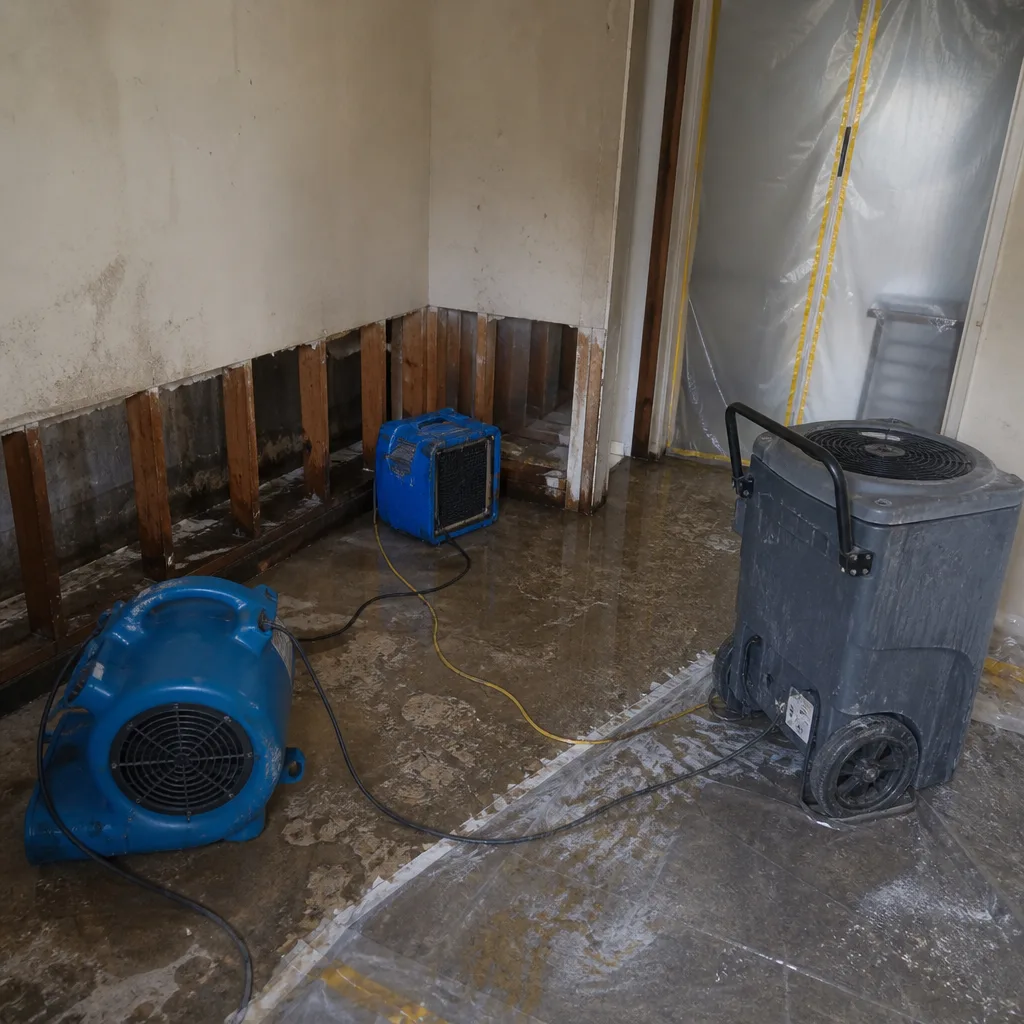 Before
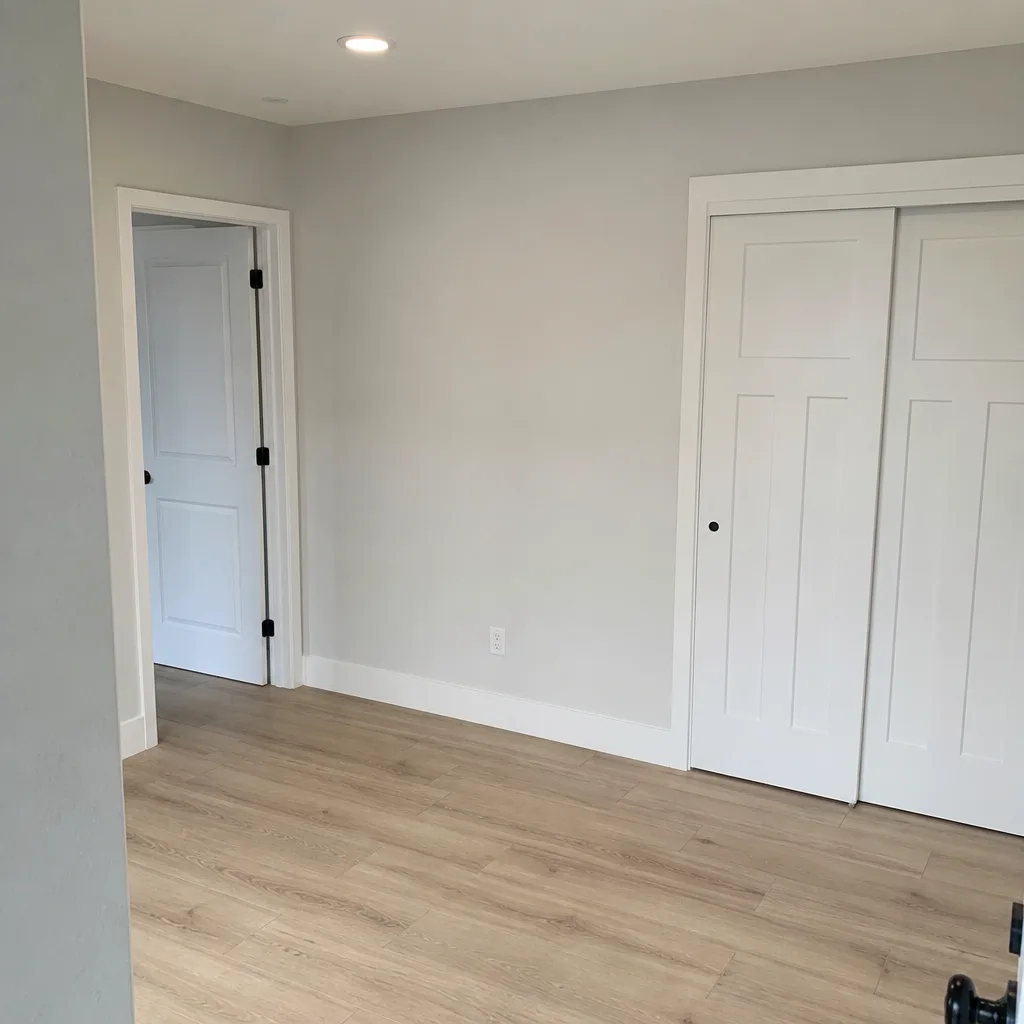 After
AfterDIY vs Professional Damage Restoration: The El Cajon Homeowner’s Decision Guide
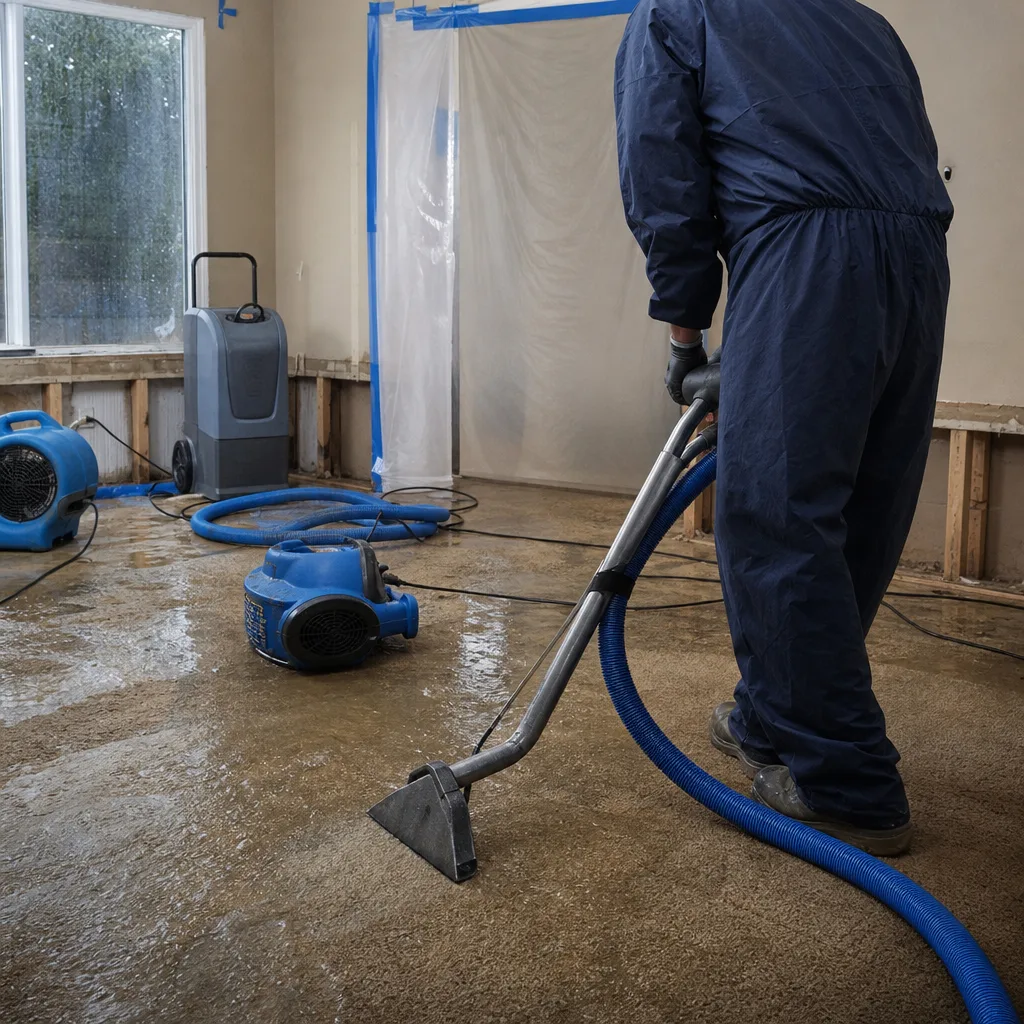
Every year, hundreds of El Cajon homeowners stand in their garages or living rooms with wet vacuums running, wondering where the line sits between sensible self-help and a costly mistake. Here’s what we’ve learned from twelve years of drying logs: a homeowner who extracts standing water and removes wet drywall from a 15-square-foot laundry room has likely done real, useful work. That same homeowner, applying the same effort to a 400-square-foot flooded basement with water wicking into wall cavities, has probably just spent a weekend creating documentation an adjuster will later read as “incomplete remediation.” The difference is not effort or intelligence. It is whether the outcome needs to be provable to a third party. That single criterion answers the DIY question for most El Cajon properties with an insurance claim in play.
In this guide, we’ll show you the exact scope threshold where DIY is defensible, the specific equipment gap between consumer rentals and professional-grade systems, why California’s pre-1978 asbestos rules make demolition hazardous without clearance testing, and the four deliverables any legitimate restoration contractor in El Cajon should hand you before they leave. For more guidance, see our How to Hire a Damage Restoration Contractor in El Cajon: A Step-by-Step Guide.
Quick Answer
DIY damage restoration is defensible in El Cajon only for water extraction and wet material removal under 25 square feet with no structural involvement, no HVAC contamination, and no insurance claim being filed. For every other scenario, including any insured loss, professional restoration is required because only documented moisture logs, equipment placement records, and clearance readings create the evidence chain that insurers accept and California courts recognize. Download our Water Damage Restoration Maintenance Checklist for El Cajon Homeowners for a step-by-step reference.
Table of Contents
- The Exact Scope Threshold: Where DIY Ends
- The Documentation Gap That Kills Insurance Claims
- What Professional Equipment Actually Measures
- El Cajon-Specific Legal and Code Considerations
- How to Evaluate a Contractor’s Work Output, Not Their Sales Pitch
- Real Cost Comparison: DIY vs Professional in El Cajon
- Common Mistakes to Avoid
- When to Call a Professional
- Frequently Asked Questions
- The Bottom Line
 Before
 After
AfterThe Exact Scope Threshold: Where DIY Ends
We can draw the line precisely. DIY water damage mitigation is reasonable when all five conditions are met:
- Standing water only, no sewage. Category 1 clean water from a burst supply line, not Category 2 gray water or Category 3 black water containing pathogens.
- Affected area under 25 contiguous square feet. About the size of a small bathroom floor, not a full room.
- No structural materials involved. Water has not reached wall cavities, subflooring, or ceiling spaces. You can see every wet surface without removing anything.
- No HVAC system contamination. Air handler, ductwork, and returns are dry and unaffected.
- No insurance claim will be filed. The cost of materials and equipment rental stays below your deductible, and you accept full liability for any latent damage.
Meet all five, and a homeowner with a wet-dry vacuum, box fans, and a dehumidifier from a hardware store can reasonably dry the space in 48 to 72 hours. Miss even one, and the risk profile shifts dramatically.
Here’s why 25 square feet matters structurally. Gypsum wallboard wicks water upward at roughly one inch per hour through capillary action. In a typical El Cajon home with 8-foot ceilings, water that reaches the base of a wall can travel four feet up in a weekend. That wicking happens inside the wall cavity, invisible to visual inspection. By the time you see staining on the exterior surface, the paper facing has delaminated and mold colonization has likely begun. A moisture meter with insulated pins, reading in the 16 to 20 percent range on wood framing, confirms what your eyes cannot. Consumer-grade meters cost $40 to $80 and measure surface moisture only; they cannot read inside a wall cavity without destructive testing.
The 25-square-foot threshold also maps to microbial growth timelines. The IICRC S500 standard, which governs water damage restoration nationally and is referenced by California insurance adjusters, establishes that mold growth can initiate within 24 to 48 hours of water intrusion under favorable conditions. El Cajon’s inland climate, with summer relative humidity regularly dropping below 50 percent, does provide some natural drying advantage over coastal San Diego communities. But that advantage disappears inside a wall cavity, where vapor pressure differentials create microclimates with sustained humidity above 70 percent. We’ve logged moisture readings in Fletcher Hills homes where exterior conditions read 45 percent RH while interior wall cavities held 82 percent for six consecutive days.
Fire and smoke damage has no meaningful DIY threshold. Soot particles measure 0.1 to 4 microns and penetrate porous surfaces through electrostatic attraction. Protein fires from kitchen incidents leave nearly invisible residues that corrode metal and etch glass. Without ultrasonic cleaning, thermal fogging, and ozone or hydroxyl treatment, residues remain active and continue off-gassing. The health exposure and technical complexity place even minor fire damage outside any responsible DIY scope.
The Documentation Gap That Kills Insurance Claims
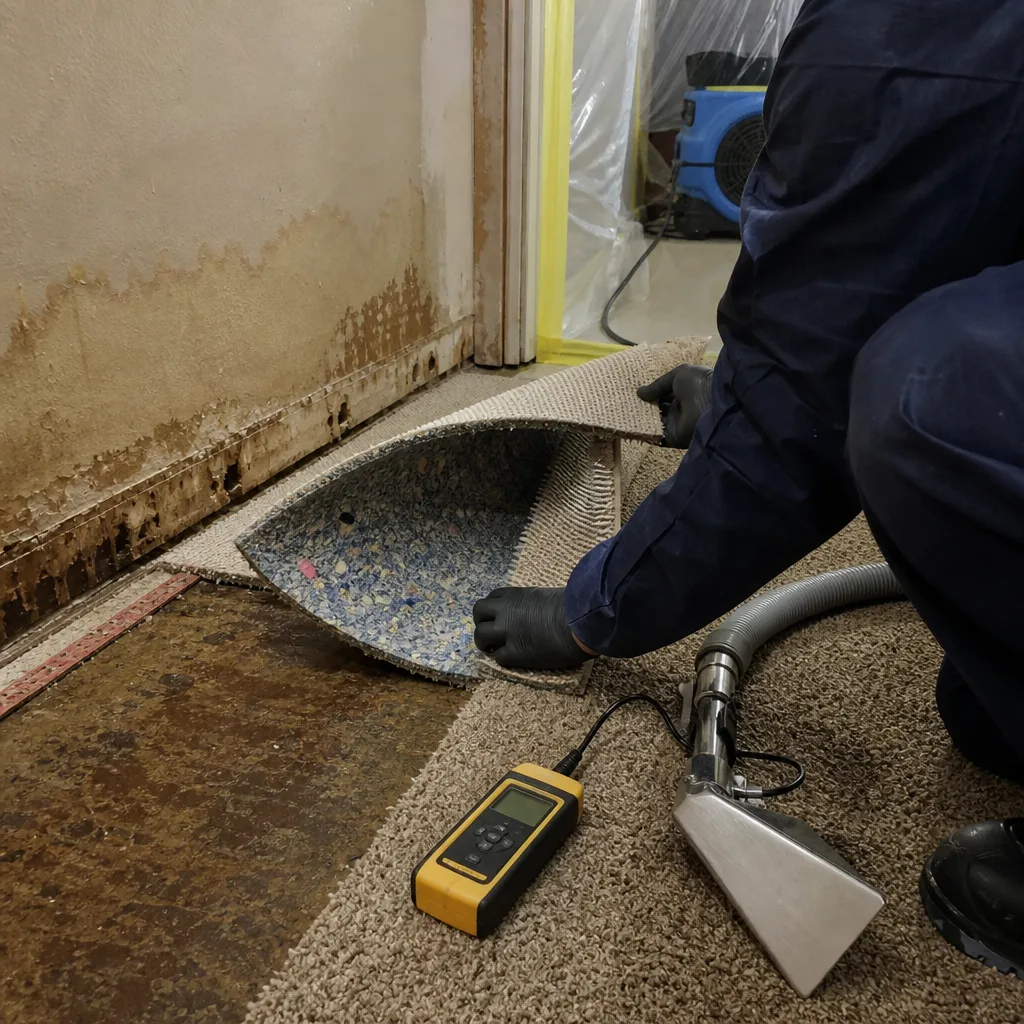
This is the point most homeowners miss until it’s too late. Insurance adjusters do not assess restoration quality by walking through and sniffing for dampness. They assess documentation. A claim file without daily moisture logs, without equipment placement records, without psychrometric data showing grain-per-pound reduction over time, reads as incomplete remediation. And incomplete remediation justifies reduced settlements, denied supplemental claims, and future mold exclusions.
We’ve reviewed hundreds of claim files since 2011, first as adjusters and now as restoration contractors. The pattern is consistent. A homeowner in Rancho San Diego rents three air movers and a dehumidifier from a hardware store, runs them for four days, replaces the baseboards, and considers the job finished. Six months later, mold appears behind the bathroom vanity. The homeowner files a mold claim. The adjuster pulls the original water damage file, finds no drying logs, no moisture readings, no clearance documentation, and denies the mold claim as resulting from unremediated water damage. The homeowner is now facing $8,000 to $15,000 in mold remediation costs with no coverage.
The documentation gap operates in both directions. Without records, you cannot prove the job was done correctly. But you also cannot prove when it was done, which equipment was used, or whether conditions met dry standards. California’s Fair Claims Settlement Practices Regulations require insurers to investigate claims thoroughly, but they do not require adjusters to accept verbal assurances or photographic snapshots of running fans as evidence of proper drying.
Professional restoration under IICRC standards produces a specific paper trail:
- Daily moisture mapping with readings taken at consistent locations, documented in a grid format showing affected materials, moisture content percentages, and target dry standards for each material class.
- Equipment logs recording dehumidifier capacity in pints per day, air mover count and placement relative to walls (typically one per 10 to 14 linear feet), and any LGR or desiccant units deployed for low-grain conditions.
- Psychrometric data, which is the measurement of air temperature, relative humidity, and specific humidity (grains per pound of dry air), plotted daily to demonstrate that the drying environment was controlled and progressive.
- Photo documentation with date stamps, showing pre-loss condition, equipment placement, progressive drying, and post-restoration state.
- Clearance readings confirming all affected materials returned to within normal moisture content ranges for the geographic region, typically 10 to 12 percent for wood framing in El Cajon’s climate.
At DryMark Restoration El Cajon home, we deliver this documentation as standard on every job, not as an upsell. It’s the core of what we do. The Haven Standard, Clause 1, requires a written price before work begins; the documentation package is how we prove we delivered what we priced.
What Professional Equipment Actually Measures
The hardware store rental counter and the professional restoration truck carry equipment with the same general descriptions and fundamentally different capabilities. Understanding the gap helps explain why documented professional drying succeeds where consumer efforts fail.
Consumer dehumidifiers remove 30 to 70 pints of water per day under ideal conditions, typically 80°F and 60 percent relative humidity. Their performance drops sharply as humidity falls, which is exactly when you need sustained extraction to reach dry standards. They recirculate air without precise humidity control and cannot produce the low specific humidity required for tertiary drying, the final phase where materials release bound moisture.
LGR dehumidifiers (low-grain refrigerant), the standard professional unit from Phoenix and Dri-Eaz, use pre-cooling coils and air-to-air heat exchange to continue extracting moisture at specific humidities below 40 grains per pound. In El Cajon’s summer conditions, where outdoor air might register 80 grains per pound, an LGR can maintain indoor drying conditions at 30 to 35 grains, creating the vapor pressure differential that pulls moisture from deep within materials.
Desiccant dehumidifiers, used for hardwood drying and controlled demolition projects, pass air through silica gel or molecular sieve media. They operate effectively below 40°F and can achieve specific humidities below 10 grains per pound. We deploy desiccant systems from Phoenix on hardwood floor salvage jobs in El Cajon’s older neighborhoods, where original oak or maple flooring has significant replacement value.
Air movers differ in airflow pattern and velocity. Consumer fans move air at 500 to 1,000 CFM (cubic feet per minute) with no focused velocity at the surface. Professional air movers from B-Air and XPOWER deliver 2,000 to 3,200 CFM with laminar airflow that creates a boundary layer disruption at the wet surface, accelerating evaporation by a factor of four to six.
Injectidry systems represent the equipment gap most homeowners never see. These panel systems create negative pressure within wall cavities, forcing dry air through the interstitial space and extracting moisture from inside walls without removing drywall. In El Cajon’s 1960s and 1970s tract homes, where lath-and-plaster or early drywall systems are common, Injectidry preservation drying can save $4,000 to $7,000 in reconstruction costs by avoiding full gutting.
The measurement gap is equally important. Professional restoration uses thermo-hygrometers to log temperature and humidity, non-penetrating moisture meters for preliminary mapping, and penetrating meters with insulated pins to read inside materials without surface interference. A $50 consumer moisture meter from a hardware store measures conductivity at the surface only; it cannot distinguish between surface dampness and saturation in the core of a 2×4 stud.
Psychrometric data, the daily grain-per-pound record, is what transforms equipment operation into documented drying. At 75°F and 50 percent RH, air holds approximately 65 grains per pound. To dry a water-damaged stud to 12 percent moisture content, we typically need to maintain drying conditions below 40 grains per pound for 48 to 72 hours. Only professional-grade dehumidification, logged daily, can demonstrate that threshold was met and sustained.
El Cajon-Specific Legal and Code Considerations
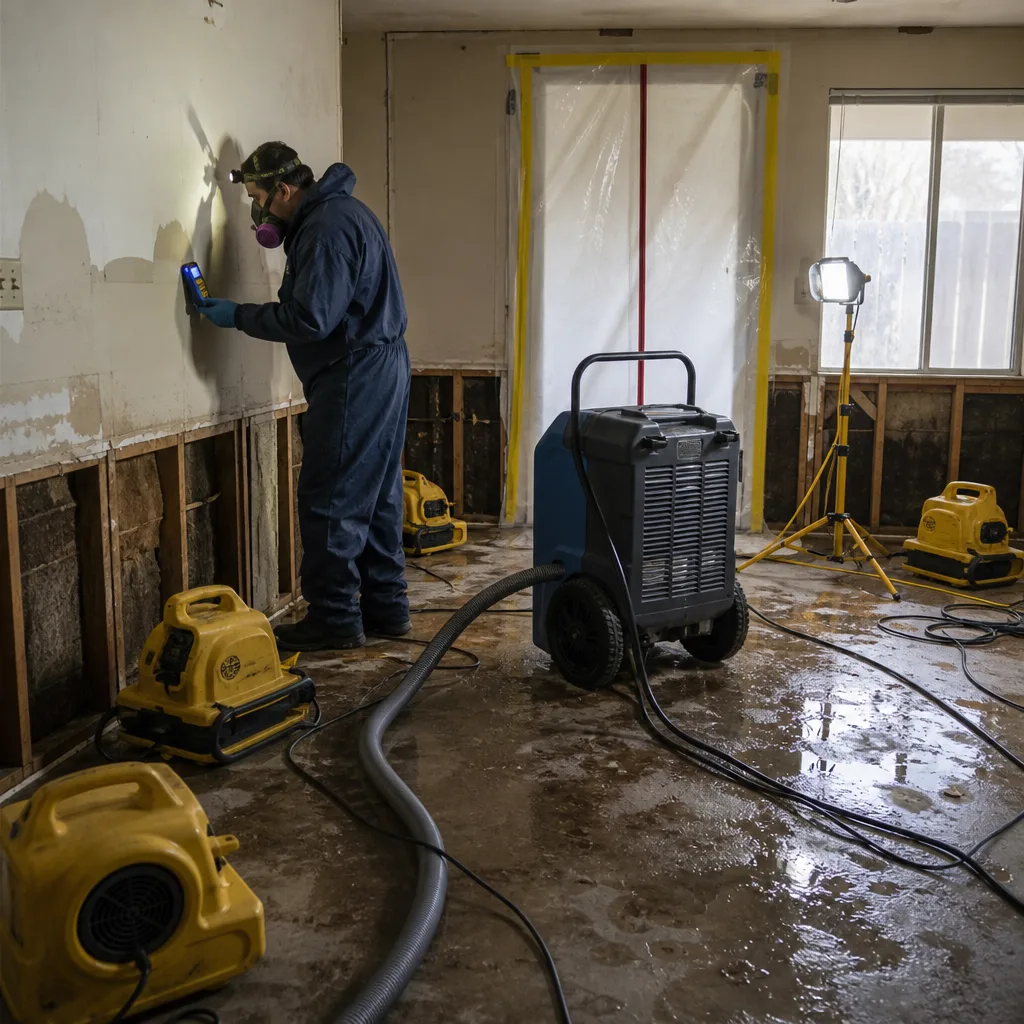
El Cajon sits in San Diego County’s inland valley, with a building stock that spans from 1940s bungalows in Bostonia to 1980s subdivisions in Granite Hills to newer construction in Fletcher Hills and Rancho San Diego. That age distribution creates specific regulatory exposure for DIY restoration that many homeowners discover only after the fact.
Asbestos testing for pre-1978 homes. California Health and Safety Code Section 25915 requires asbestos testing before any demolition, renovation, or repair that disturbs building materials in structures built before 1978. This includes removing water-damaged drywall, ceiling texture, flooring, or insulation. A homeowner performing DIY demolition without a clearance test creates personal liability exposure and can face stop-work orders from San Diego County Air Pollution Control. Professional restoration contractors maintain asbestos inspector certifications and use certified laboratories for bulk sample analysis, with results typically available in 24 to 48 hours. The test costs $300 to $600 in El Cajon; the penalty for unpermitted disturbance of asbestos-containing material starts at $5,000 and scales with violation severity.
Lead-based paint hazards. Pre-1978 homes also fall under EPA RRP (Renovation, Repair, and Painting) rules. Disturbing painted surfaces during water damage restoration requires lead-safe work practices, including containment, HEPA filtration, and clearance testing. DIY restoration without RRP certification is a federal violation with civil penalties up to $37,500 per day.
El Cajon Municipal Code requirements. The city’s building division requires permits for structural repairs, electrical replacement, and plumbing modifications following water damage. A homeowner replacing a subfloor or more than 32 square feet of drywall must pull a permit and schedule inspection. Professional restoration contractors carry the license classifications, C-61/D-49 for structural repair and B-general for reconstruction, that allow permit acquisition and sign-off.
Climate-specific drying considerations. El Cajon’s inland position creates wider temperature swings than coastal San Diego, with summer highs regularly exceeding 90°F and winter lows in the 40s. That range affects drying strategies. Summer conditions with low RH favor evaporative drying but require careful temperature management to prevent overwarming, which can drive moisture deeper into materials. Winter conditions with higher RH and lower temperatures slow evaporation and extend drying timelines, sometimes requiring supplemental heat from indirect-fired heaters to maintain optimal drying temperatures of 70 to 80°F. See our Seasonal Damage Restoration Care for El Cajon: Year-Round Homeowner’s Guide for seasonal maintenance tips.
We’ve documented this pattern specifically in El Cajon’s older neighborhoods. In Bostonia, where many homes sit on crawl space foundations with limited ventilation, winter water intrusions require longer drying cycles and more aggressive dehumidification. In Granite Hills, where hillside drainage can direct groundwater toward foundations, we regularly see chronic moisture conditions that consumer equipment cannot address.
How to Evaluate a Contractor’s Work Output, Not Their Sales Pitch
Most homeowners evaluate restoration contractors by personality, punctuality, and price. These matter, but they are inputs, not outputs. The output you need is documentation that proves the job was done to standard. Any contractor who cannot produce four specific deliverables before work begins should be disqualified, regardless of how reassuring their sales presentation may be.
Deliverable 1: Written scope and price before work starts. Not an estimate. Not a range. A written scope of work with line-item pricing, signed by both parties, before equipment is unloaded or demolition begins. This is Haven Standard, Clause 1, and it exists because we’ve seen too many homeowners accept verbal assurances that ballooned once crews were inside. Ask for it. If the contractor deflects to “we need to start emergency work first,” that is a red flag. Emergency extraction can be scoped and priced in writing on-site within 30 minutes.
Deliverable 2: Daily drying logs with moisture readings. The contractor should show you where readings are taken, what equipment is deployed, and how the numbers are trending. You should understand, in plain language, what “dry” means for your specific materials and when that target will be reached. At Water Damage Restoration in El Cajon, we provide daily logs as standard; they are not an add-on service.
Deliverable 3: Photo documentation with date stamps. Every visit should generate timestamped photographs of equipment placement, moisture meter readings, and material conditions. These photos belong to you, not the contractor, and should be delivered in a shared folder or physical format before final billing.
Deliverable 4: Clearance documentation and warranty. Upon completion, you should receive written confirmation that all affected materials met dry standards, plus a warranty against recurrence. Our 365-Day Done Right Promise, backed by The Haven Standard, provides this in writing, not as a verbal assurance that evaporates when the crew leaves.
Evaluate contractors by asking for these four deliverables upfront. A contractor who has them will produce them readily. A contractor who does not will offer reasons why your situation is different, why documentation is unnecessary, or why you should trust their experience instead. The Haven Standard was built specifically because those reasons cost homeowners their claims.
We also recommend requesting a Free Second Opinion on any competitor’s written estimate. Bring us another contractor’s scope and we’ll review it at no charge, comparing equipment specifications, drying day projections, and line-item pricing against what the job actually requires.
Real Cost Comparison: DIY vs Professional in El Cajon
Pricing transparency matters, so we’ll name real numbers. These ranges reflect El Cajon’s market as of 2024, based on our experience and regional cost data.
| Scenario | DIY Cost Range | Professional Cost Range | What the Gap Buys |
|---|---|---|---|
| Minor water extraction, under 25 sq ft, no claim | $150-$400 (rental equipment, consumables) | $800-$1,500 (minimum service call plus basic drying) | Documentation not needed; DIY defensible if all five conditions met |
| Single room water damage, 100-200 sq ft, Category 1 | $400-$900 (rentals, materials, potential mold risk) | $2,500-$5,500 (extraction, LGR drying, documentation package) | Daily logs, equipment placement records, clearance readings, claim support |
| Whole-house water intrusion, 1,000+ sq ft, Category 2 or 3 | Not reasonably feasible | $8,000-$25,000+ (full mitigation, possible pack-out, reconstruction) | Complete documentation chain, direct insurance billing, warranty coverage |
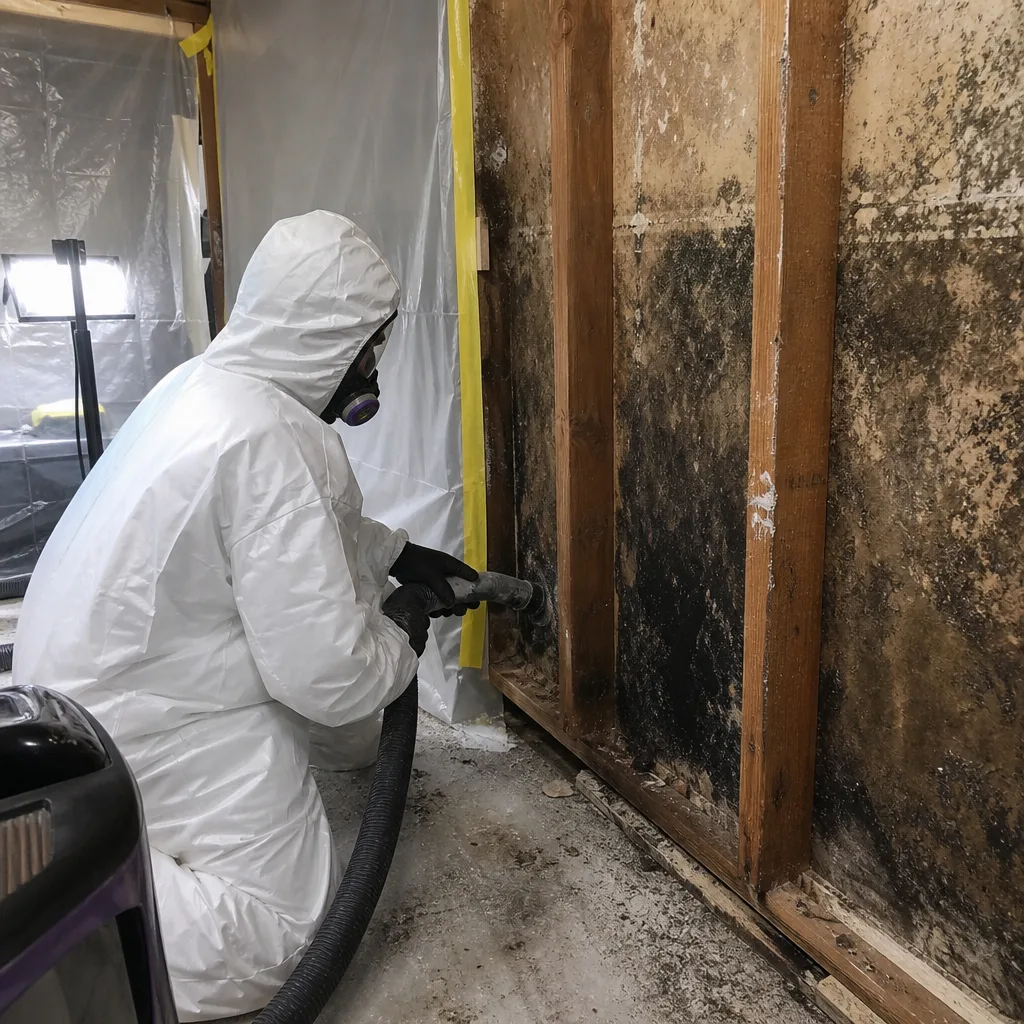
| Mold remediation, visible growth, under 10 sq ft | $100-$300 (cleaning supplies, PPE) | $1,500-$3,500 (containment, negative air, HEPA filtration, clearance test) | Air quality clearance, documented remediation, liability protection |
| Mold remediation, HVAC involvement or hidden growth | Not recommended | $4,000-$15,000+ (full containment, duct cleaning, post-remediation verification) | Health protection, insurance claim support, legal compliance |
| Fire and smoke damage, any scope | Not recommended | $5,000-$50,000+ (structure cleaning, content restoration, odor elimination, reconstruction) | Technical restoration, corrosion prevention, documented claim file |
The professional ranges include documentation as standard deliverable, not upsell. When an insurance claim is involved, homeowner out-of-pocket costs typically reduce to deductible amounts, with professional documentation securing full coverage rather than partial settlement.
For Mold Remediation in El Cajon, the cost gap between DIY surface cleaning and professional remediation is particularly significant because mold claims are the most frequently denied supplemental category in water damage files. Without documented remediation and air quality clearance, a mold claim arising from previous water damage will almost certainly be denied as resulting from unremediated conditions.
Common Mistakes to Avoid
- Starting demolition without asbestos testing in pre-1978 El Cajon homes. The $400 test prevents $5,000+ in penalties and liability exposure. We’ve seen homeowners in Bostonia halt mid-project when disturbed ceiling texture tested positive for asbestos, facing emergency abatement costs that exceeded professional restoration pricing.
- Assuming visible dryness equals actual dryness. Drywall can read normal on the surface while interior cavities hold 18 percent moisture content. Surface meters mislead; only penetrating readings or thermal imaging reveal hidden saturation.
- Filing an insurance claim after DIY restoration. Once you’ve begun work without documentation, you’ve established a record of self-remediation that adjusters interpret as complete. Any latent damage becomes your financial responsibility.
- Using bleach on mold. Bleach whitens surface growth without penetrating porous materials. It adds moisture to the substrate and can worsen conditions. Professional mold remediation uses EPA-registered antimicrobial agents and physical removal, not chemical bleaching.
- Ignoring HVAC contamination after water or smoke damage. Forced-air systems distribute contaminants throughout the home. A cleaned living room with contaminated ductwork will recontaminate within 48 hours of system operation.
- Accepting verbal estimates or scope changes. Every modification to the work plan should be documented in writing with adjusted pricing. Verbal agreements create the scope creep that Haven Standard, Clause 1, was designed to prevent.
- Delaying professional involvement to “see if DIY works.” The 24-to-48-hour microbial growth window does not pause for homeowner experimentation. Four days of ineffective DIY followed by professional call-out typically adds 30 to 50 percent to the final restoration cost due to secondary damage.
When to Call a Professional
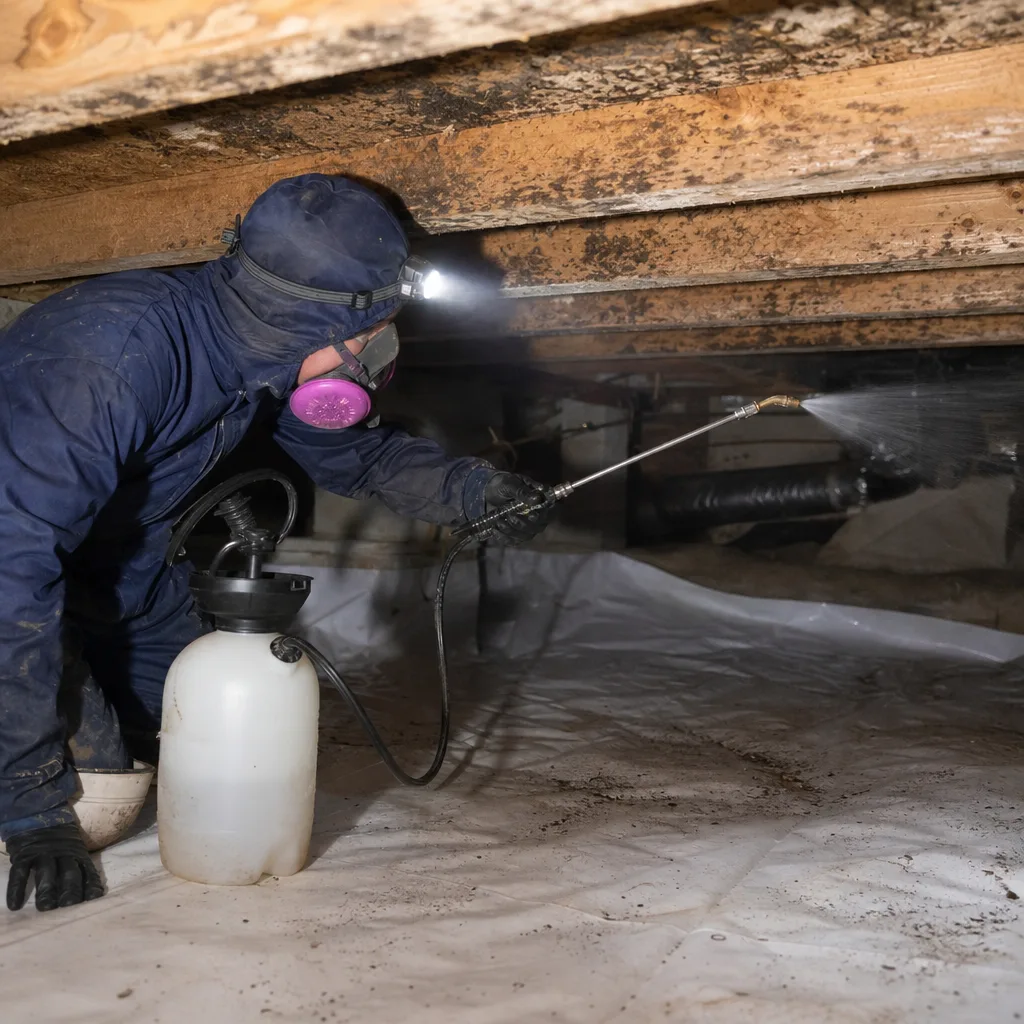
Call a professional immediately when: water originates from a sewage backup, drain overflow, or flooding; the affected area exceeds 25 square feet or involves multiple rooms; water has contacted wall cavities, ceilings, or structural members; your HVAC system is involved; you intend to file an insurance claim; your home was built before 1978 and demolition is required; mold is visible or you detect musty odors after previous water damage; or fire, smoke, or biohazard contamination of any kind is present.
DryMark Restoration El Cajon offers free estimates in El Cajon with no obligation. Our live phone coverage is available 24 hours a day, 7 days a week, with no voicemail on emergency lines. Every job is quoted in writing before work begins, documented with a photo record on every visit, and covered by our 365-Day Done Right Promise. Call (858) 428-2364 for immediate response or to schedule a free assessment. Visit our more guides & resources for additional homeowner information.
Frequently Asked Questions
No, not successfully. DIY restoration without documentation creates a record of self-remediation that adjusters interpret as complete. Any subsequent damage, including mold, will likely be excluded as resulting from unremediated conditions. If you intend to file a claim, involve a professional restoration contractor from the start to establish the documentation chain insurers require. Call (858) 428-2364 for a free estimate - estimates are free and come with no obligation to proceed.
For emergency water damage, our live dispatch answers immediately and crews typically arrive within 60 to 90 minutes in El Cajon proper, Bostonia, Fletcher Hills, and Rancho San Diego. Response times to Granite Hills and outlying areas may extend to two hours depending on traffic and crew availability. Fire, mold, and reconstruction work is scheduled, not dispatched, with initial assessment appointments typically available within 24 hours. Call (858) 428-2364 for current availability.
Most homeowner policies cover sudden and accidental water damage from burst pipes, appliance failures, and weather-related intrusion, subject to your deductible. Coverage exclusions typically apply to gradual leaks, maintenance neglect, and flood damage without separate flood insurance. We provide direct insurance billing and coordinate with adjusters using our documented photo records and drying logs. Our Free Second Opinion service can also review a denied or underpaid claim at no charge.
Visible mold growth exceeding 10 square feet, or any growth involving HVAC systems or hidden cavities, requires professional remediation under IICRC S520 standards. Surface cleaning of visible growth without addressing airborne spores and hidden colonization typically results in recurrence within 30 to 90 days. Professional remediation includes containment, negative air pressure, HEPA filtration, and post-remediation air quality verification that creates the documentation needed for insurance claims and property disclosure requirements. For Fire & Smoke Damage Restoration in El Cajon with associated mold concerns, integrated documentation is particularly critical.
You should receive four deliverables: a written scope and price before work begins; daily drying logs with moisture readings and psychrometric data; date-stamped photo documentation of all work phases; and written clearance confirmation with warranty coverage. Any contractor who cannot commit to these deliverables in writing should not be hired. At DryMark Restoration El Cajon, these are standard on every job, not optional add-ons.
Yes. Homes built before 1978 in Bostonia, central El Cajon, and older sections of Fletcher Hills may contain asbestos in flooring, insulation, and ceiling textures, and lead-based paint on interior and exterior surfaces. Disturbing these materials during water damage restoration without proper testing and abatement creates legal liability and health hazards. Additionally, older homes often have galvanized steel plumbing, ungrounded electrical systems, and crawl space foundations that complicate drying and increase secondary damage risk. Professional assessment identifies these conditions before work begins.
The Bottom Line
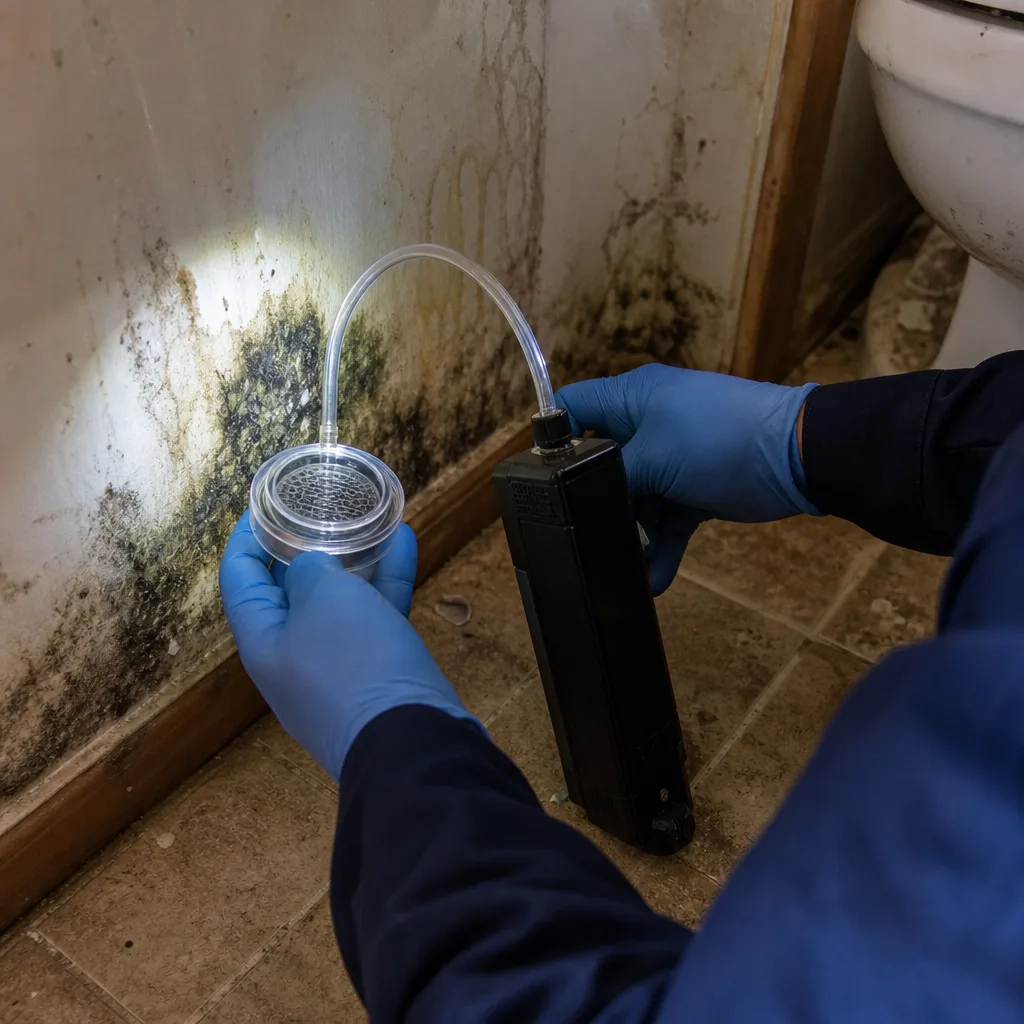
The DIY versus professional restoration question resolves to a single test: does the outcome need to be provable to a third party? For El Cajon homeowners with insurance claims, mortgage requirements, or property disclosure obligations, that answer is always yes, and only professional restoration produces the documentation that satisfies it. The defensible DIY threshold is narrow: under 25 square feet, clean water only, no structural involvement, no HVAC contact, and no claim. Beyond that, the equipment gap, the documentation requirement, and the regulatory exposure of California’s asbestos and lead rules make professional involvement the lower-risk, lower-total-cost choice. Evaluate contractors by their deliverables, not their personalities, and insist on written scopes, daily logs, photo records, and warranty coverage before any work begins.
Written by Alicia Brennan, Owner at DryMark Restoration El Cajon, serving El Cajon since 2011.