
Last updated September 23, 2026
Free visual inspection and a written scope of work before any mitigation begins - photos, moisture readings, and drying logs go in your claim file
The scope we write is the scope we bill. Anything new gets shown to you, in writing, before we touch it.
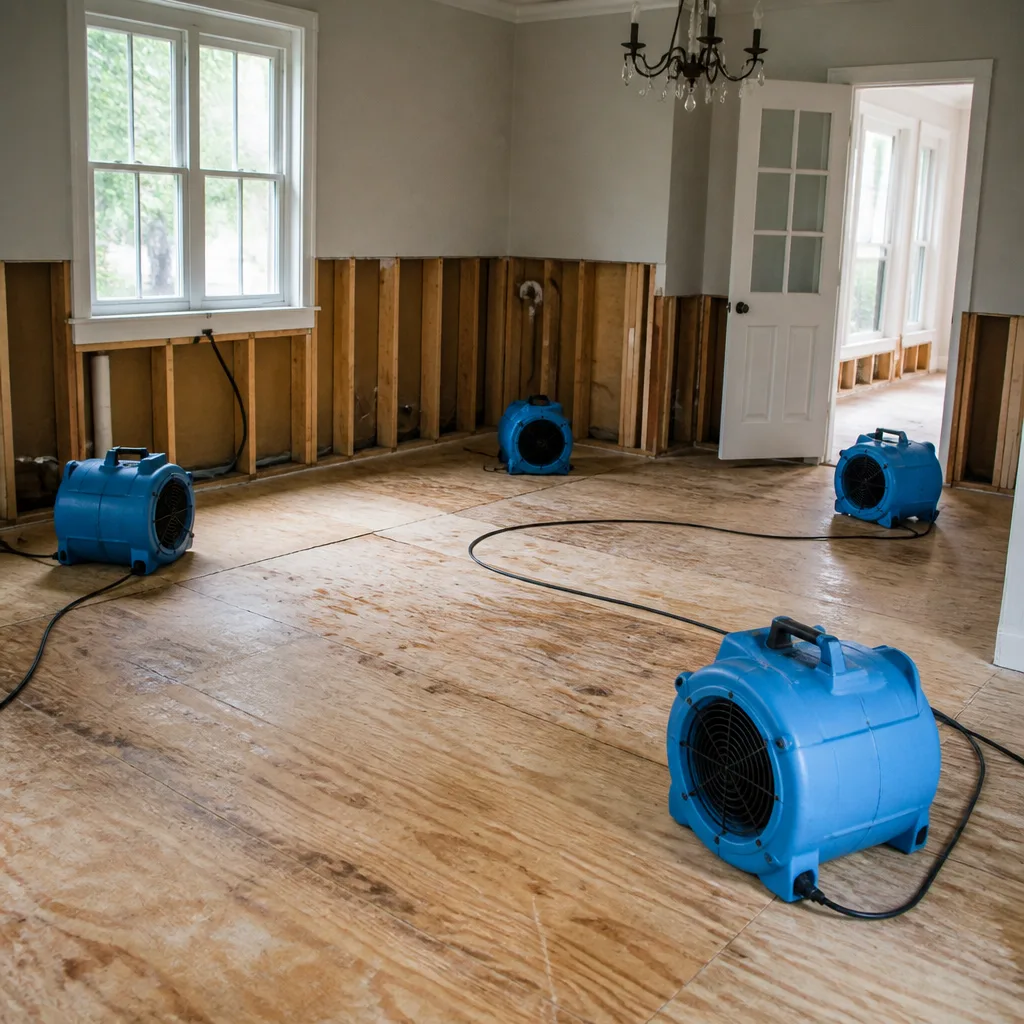
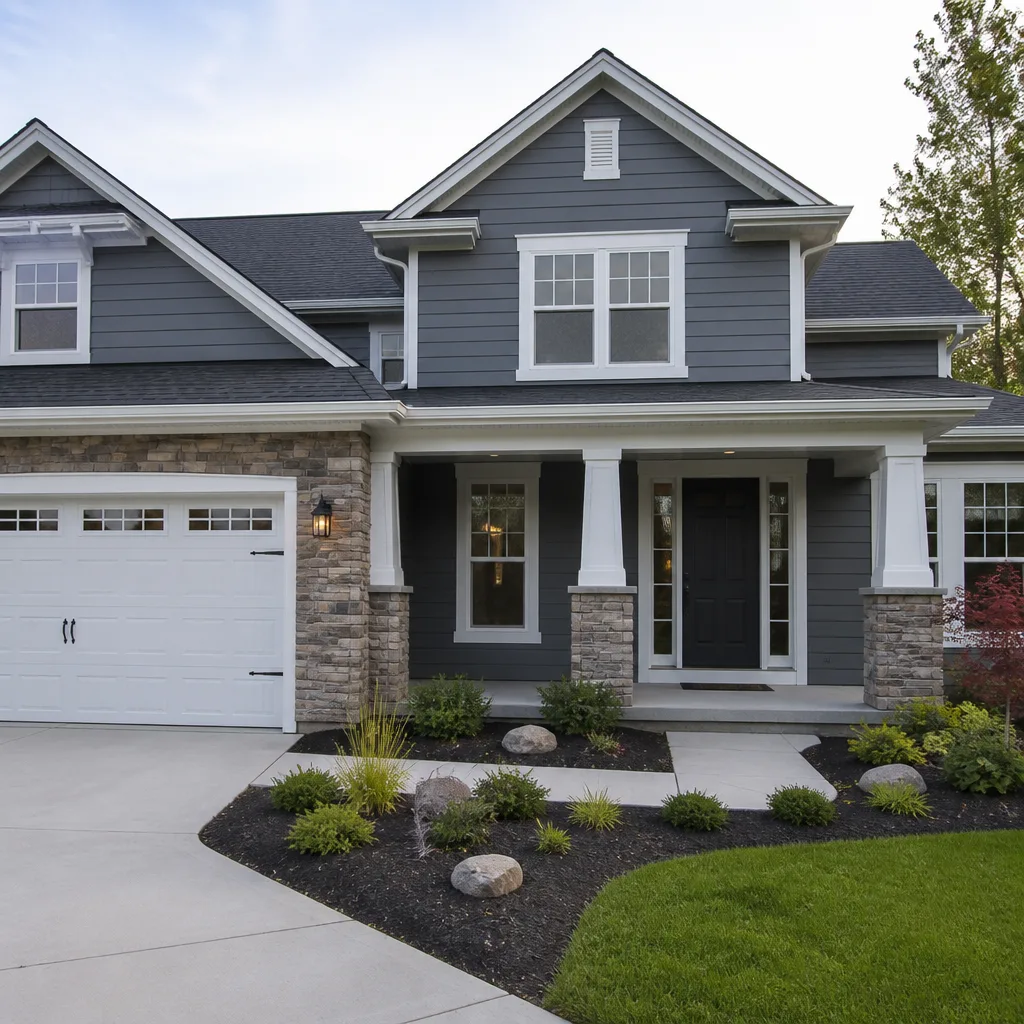
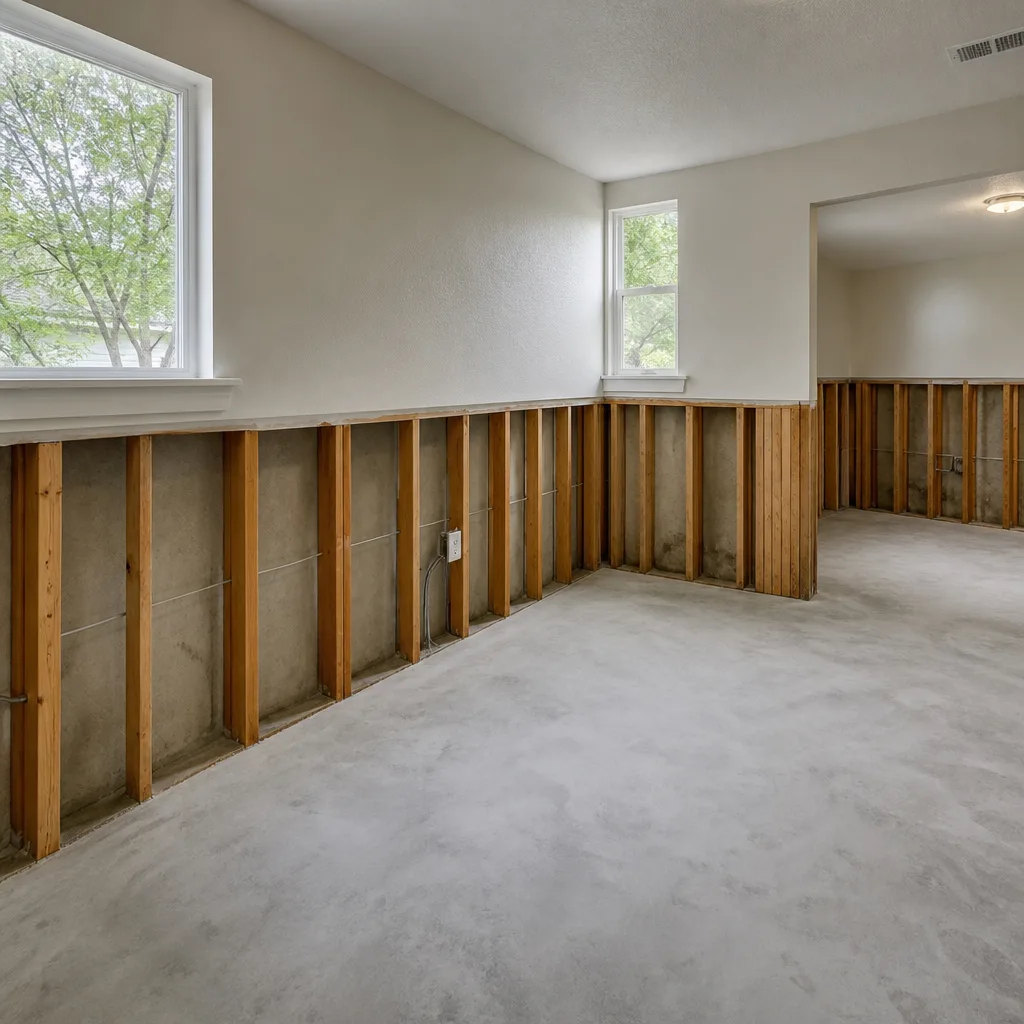
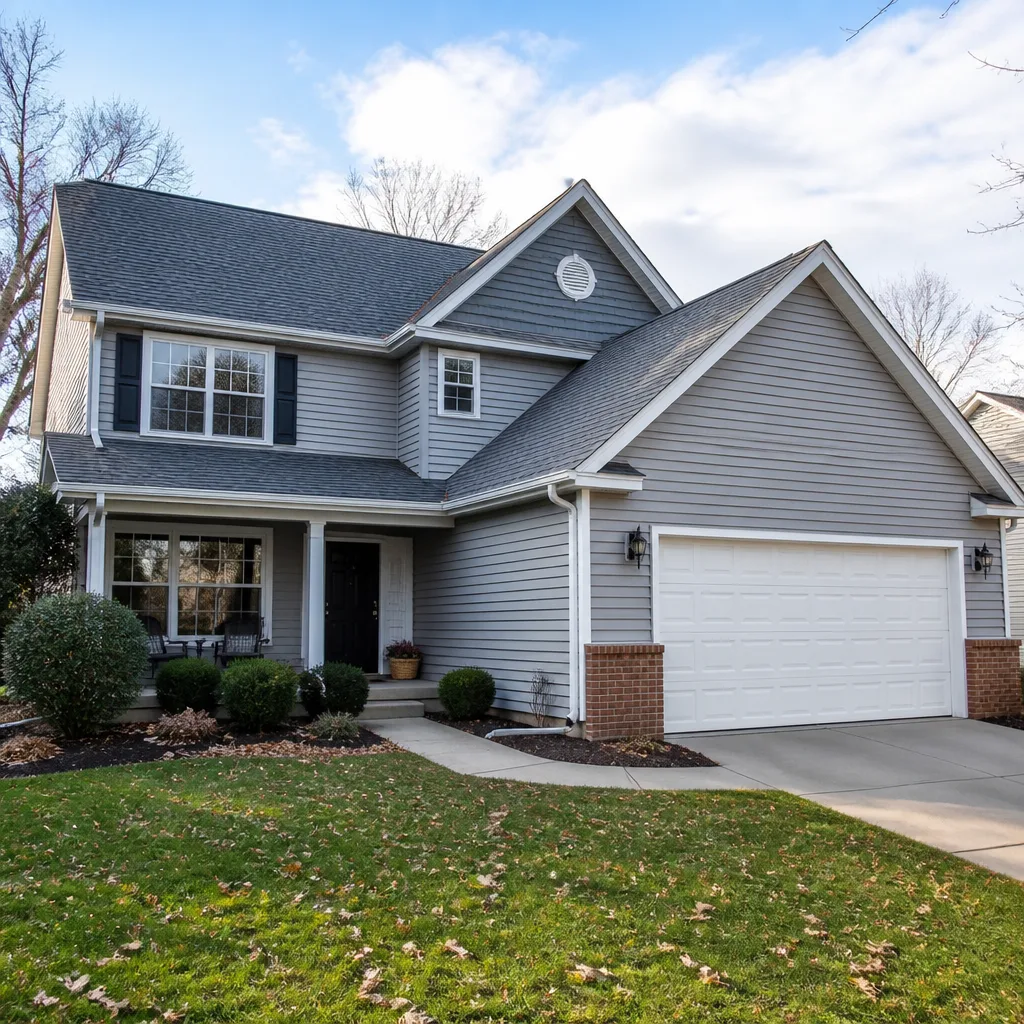
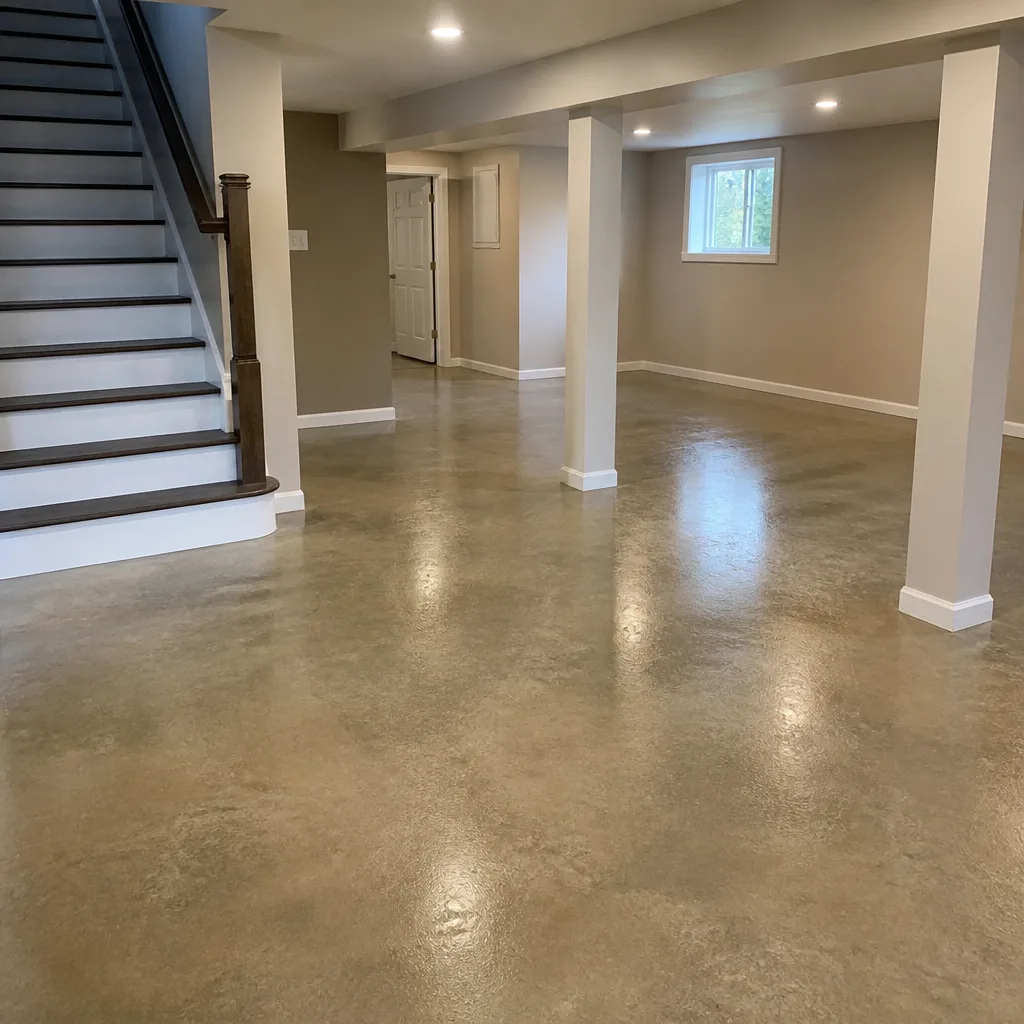
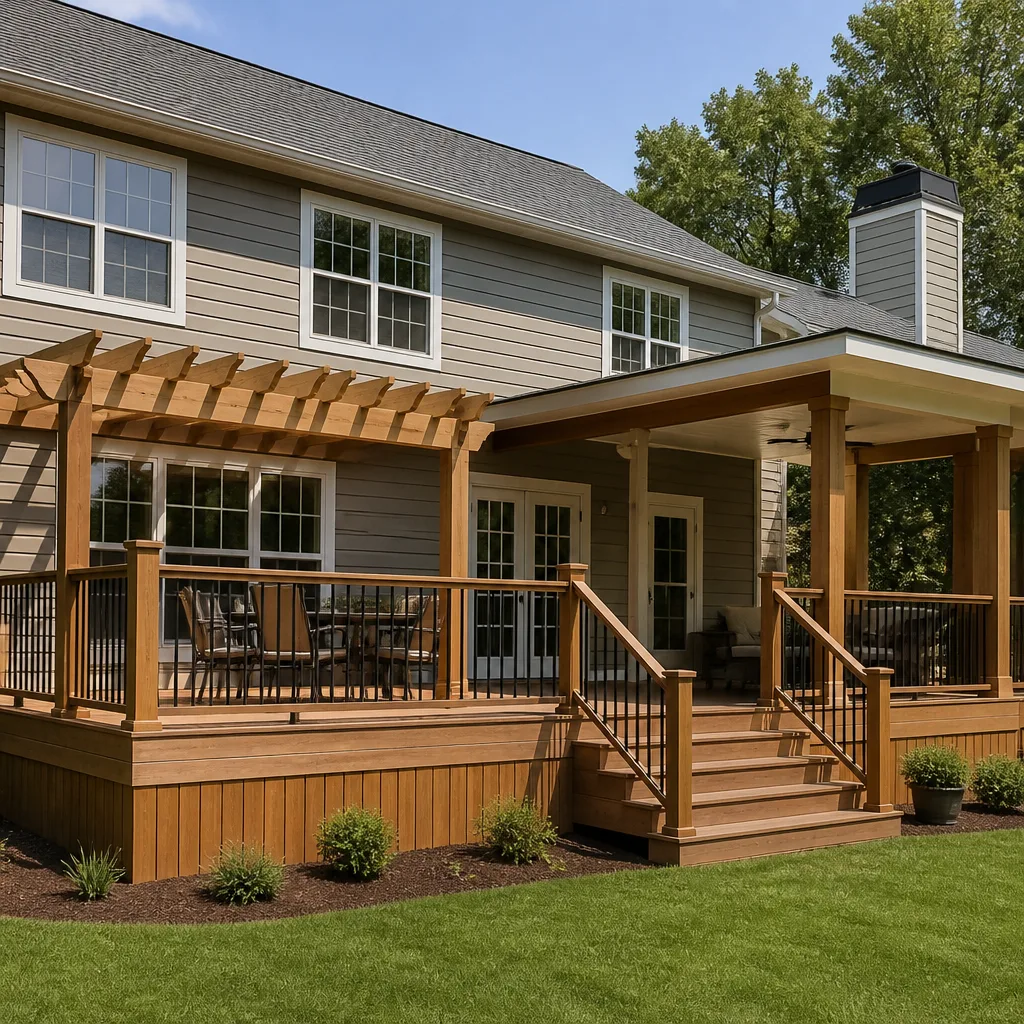
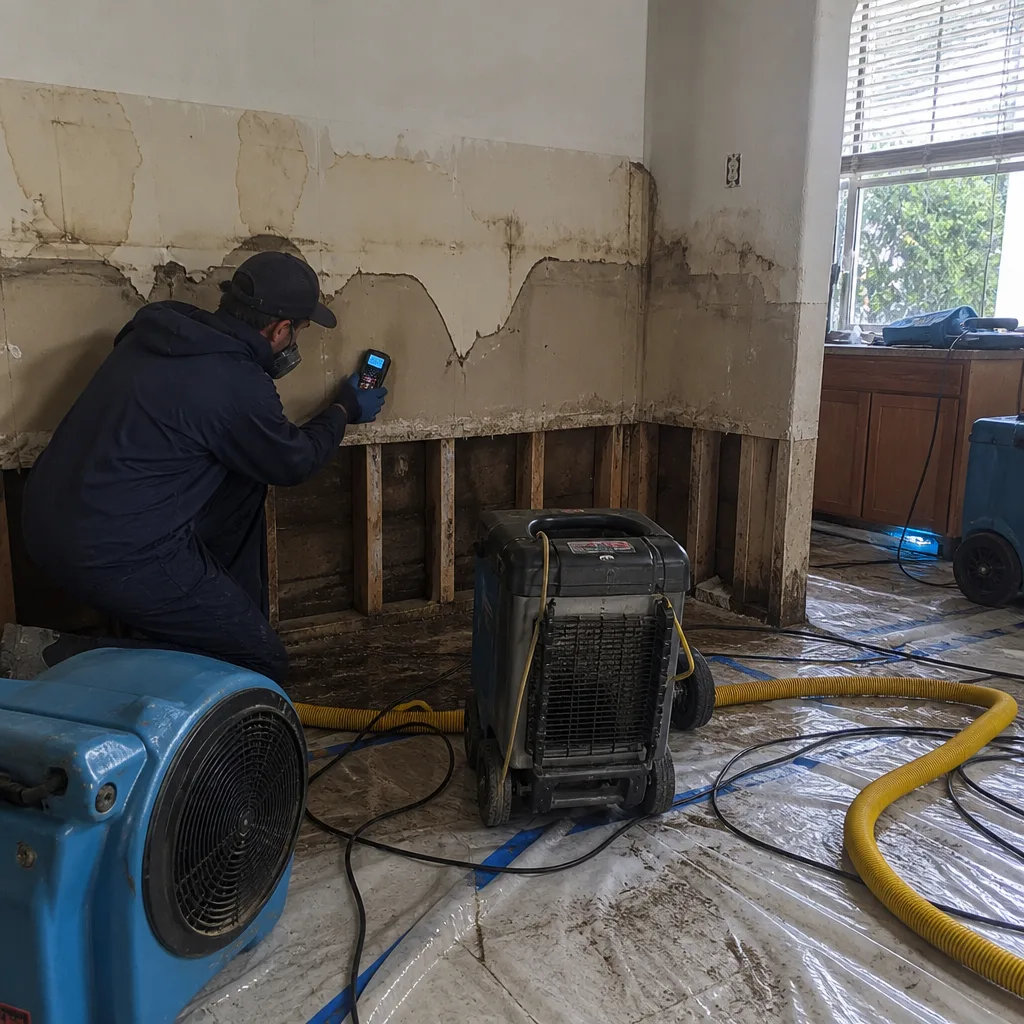 Before
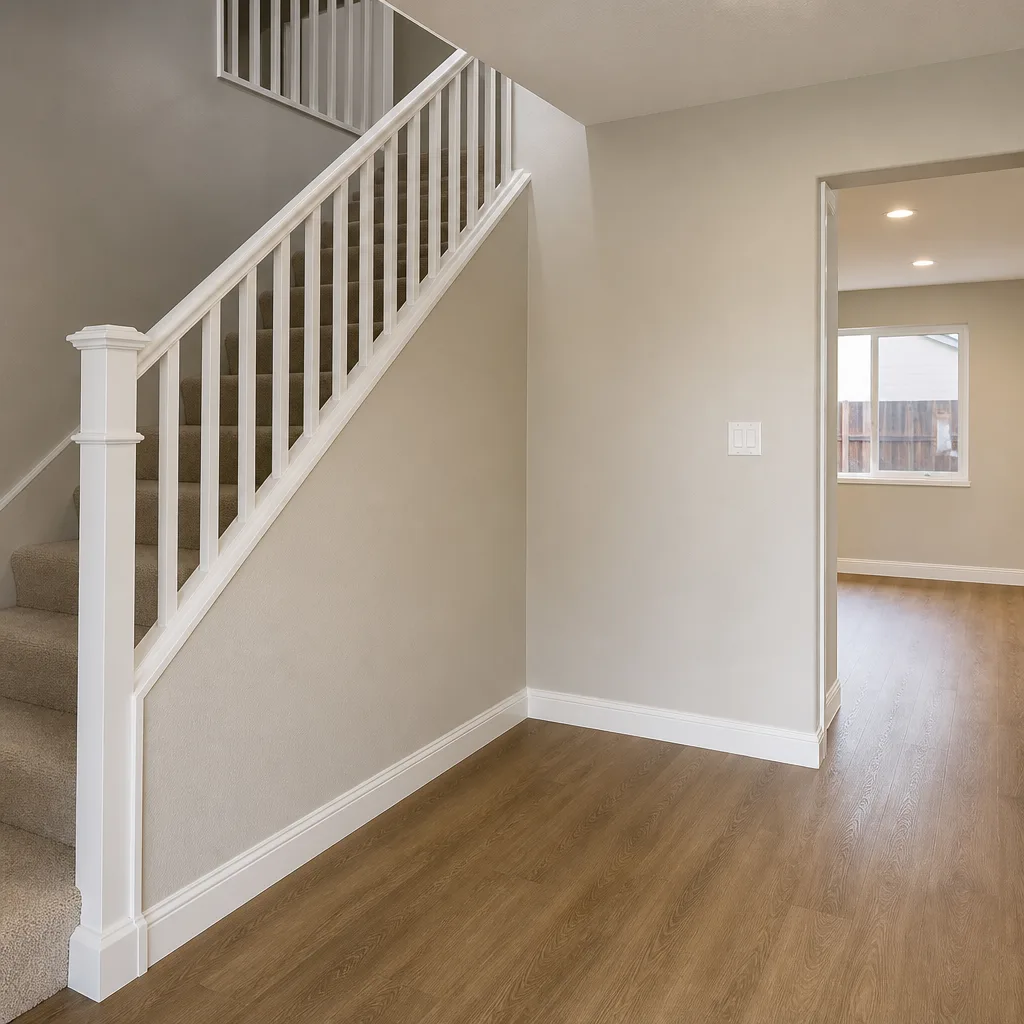 After
After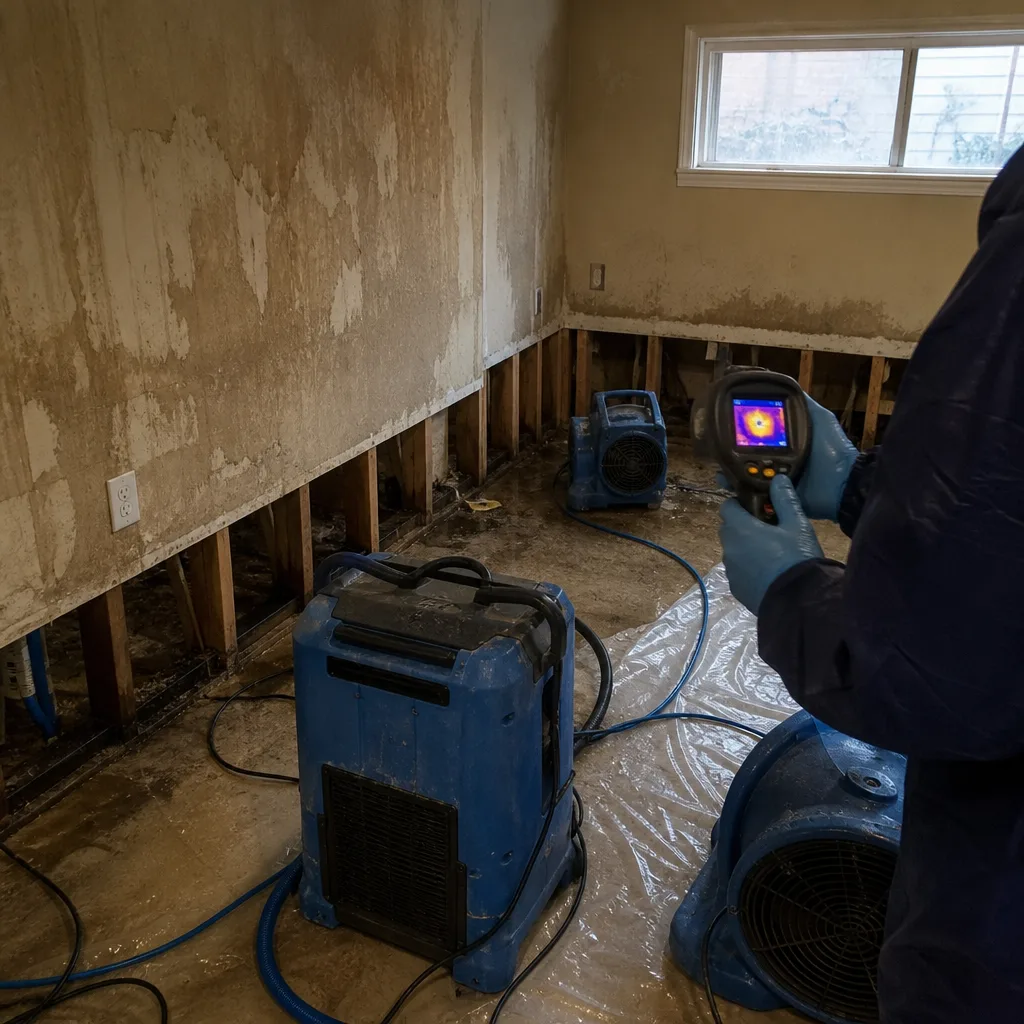 Before
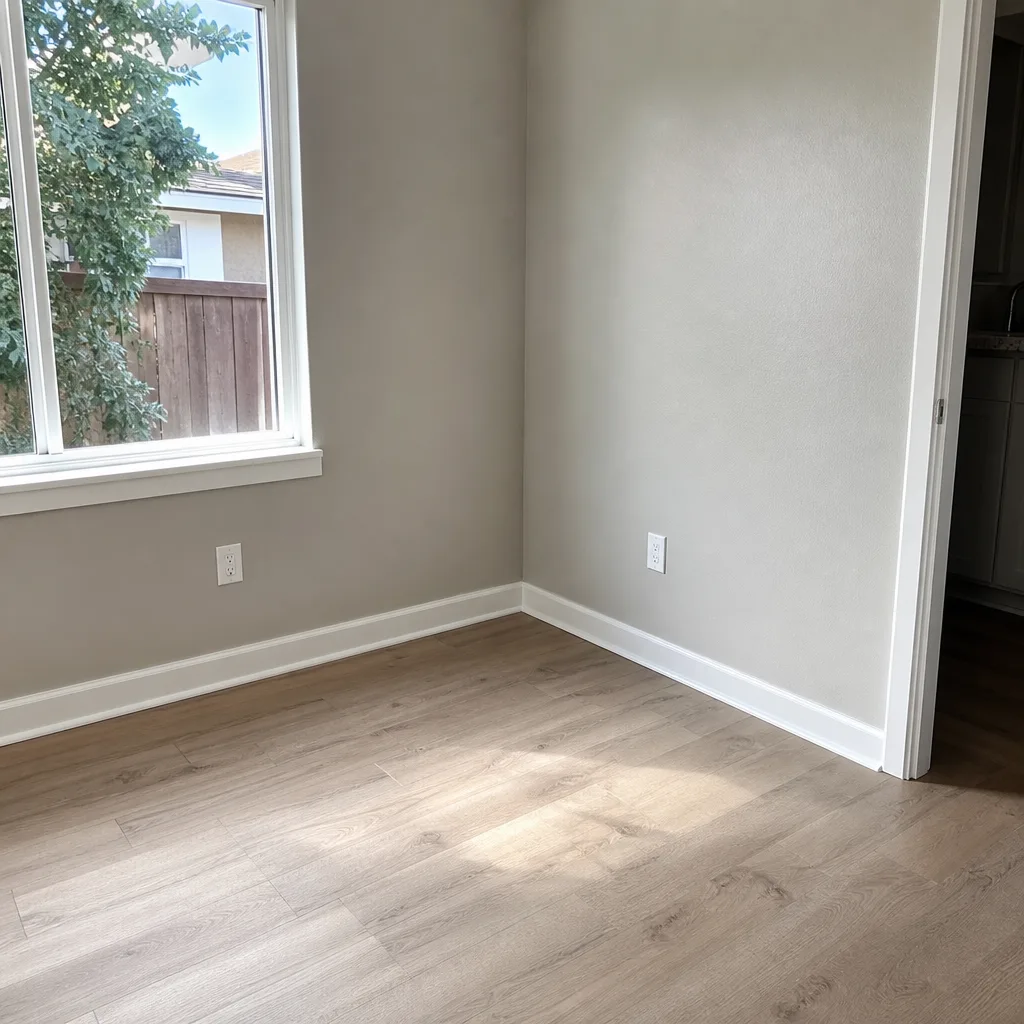 After
After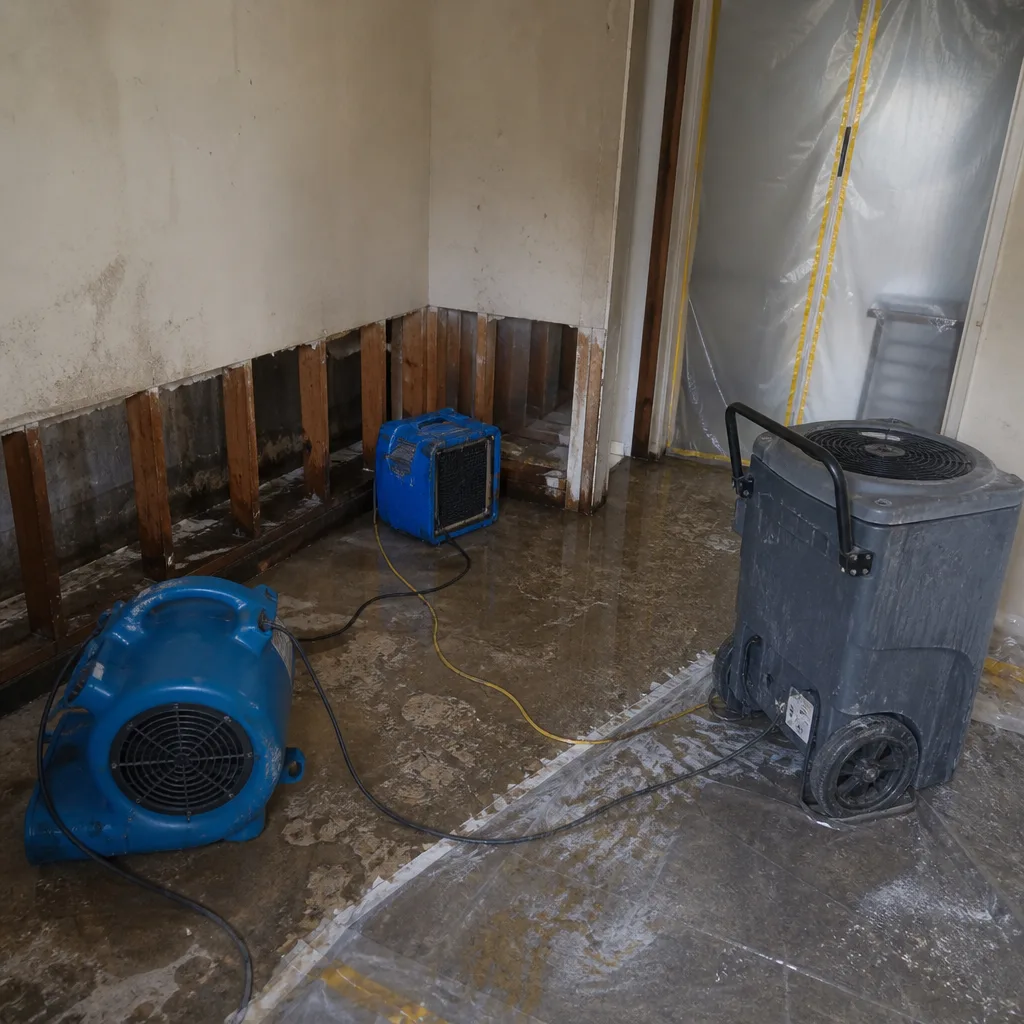 Before
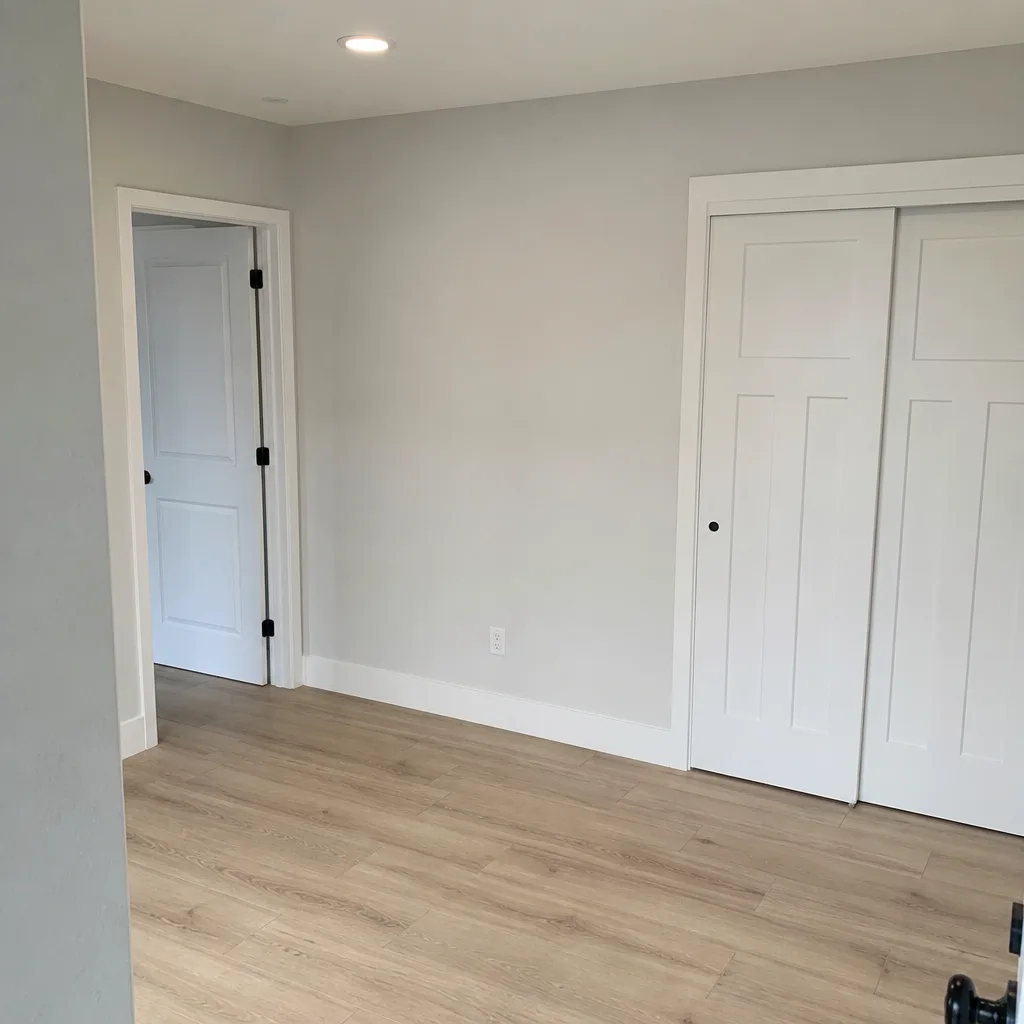 After
AfterDamage Restoration Cost Breakdown: The El Cajon Homeowner’s Reference for 2026
The average water damage restoration in El Cajon runs $3,200 to $8,500, but the spread is not random. It tracks directly to square footage of affected material, equipment days on-site, and whether asbestos testing was required in pre-1980 construction. Most homeowners never see a line-item estimate, so they cannot tell whether a $6,200 invoice reflects legitimate scope or padded line items. In this guide, we will decode every major cost category, explain why equipment costs are time-driven rather than fixed, and show you how to verify that your estimate uses the correct San Diego County geographic pricing file. For more guides & resources, see our blog.
Quick Answer
Water damage restoration in El Cajon typically costs $3,200-$8,500 for residential jobs, with line-item rates set by Xactimate’s San Diego County geographic pricing file. The three biggest cost drivers are affected square footage, drying equipment days on-site, and whether demolition reveals asbestos or lead requiring certified abatement. A written, line-item estimate before work begins protects against the scope creep that turns verbal estimates into inflated invoices.
Table of Contents
- What Drives Restoration Costs in El Cajon
- Category-by-Category Cost Breakdown: 2026 San Diego County Market Ranges
- Why Equipment Costs Are Time-Driven, Not Fixed
- Xactimate Pricing and Geographic Files: Why El Cajon Differs from Chula Vista
- The Three Line Items Adjuster Estimates Most Frequently Underpay
- What a Written Price Before Work Begins Protects You From
- Common Mistakes to Avoid
- When to Call a Professional
- Frequently Asked Questions
 Before
 After
AfterWhat Drives Restoration Costs in El Cajon
El Cajon sits in a rain shadow east of San Diego’s coastal zone, but that does not mean water damage is rare. The city sees concentrated winter storm runoff, aging post-war housing stock with original galvanized plumbing, and summer monsoon flash flooding that overwhelms drainage in older neighborhoods like Bostonia and Crest. Each of these factors shapes what restoration actually costs.
The primary cost drivers are:
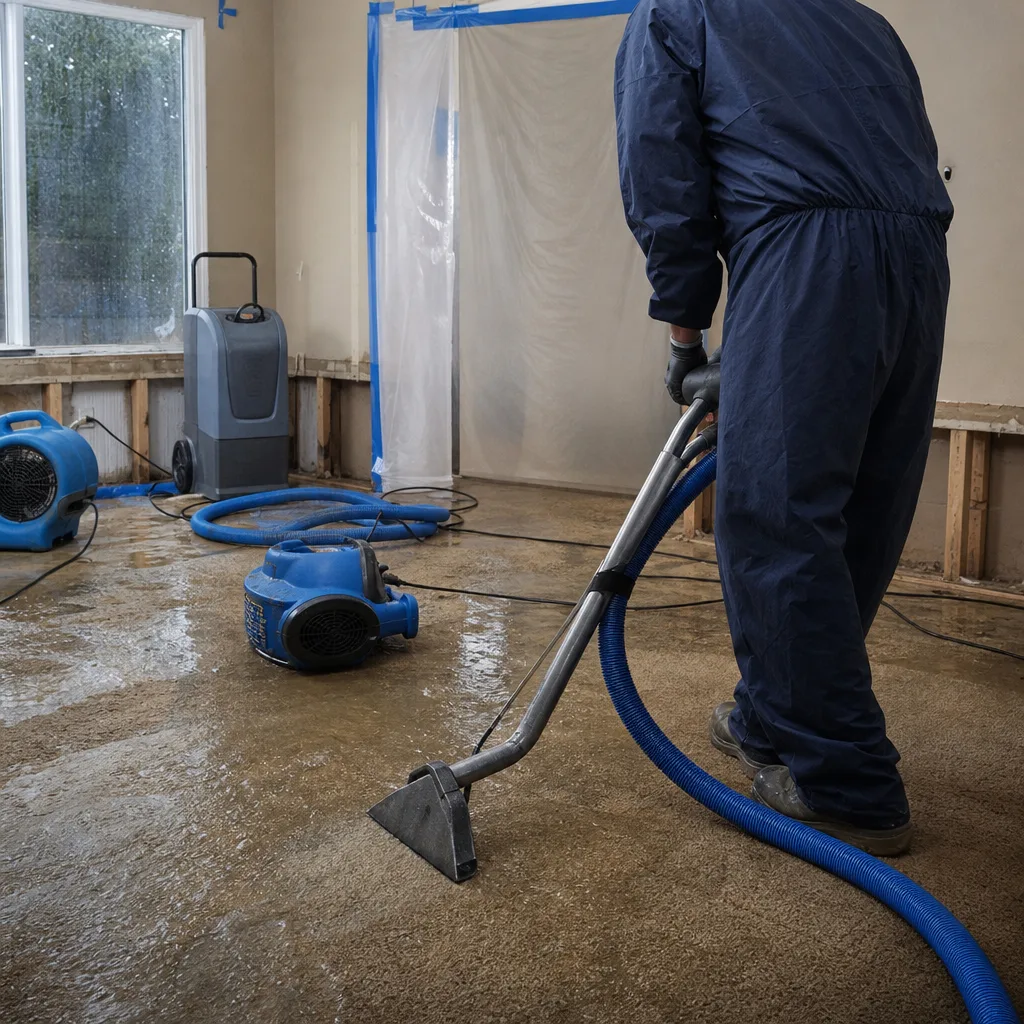
- Square footage of affected materials. Category 1 water (clean supply line) touching 400 square feet of drywall and carpet carries a different scope than the same water volume wicking into hardwood over 200 square feet. We measure with moisture meters and document readings in our daily drying logs.
- Water classification. Category 2 (gray water, such as dishwasher discharge) requires antimicrobial treatment. Category 3 (black water, such as sewage or storm intrusion) demands full PPE, specialized disposal, and often permits through San Diego County Environmental Health. Each step adds line items.
- Construction era. Homes built before 1980 in El Cajon frequently contain asbestos in floor tile mastic, popcorn ceiling texture, or HVAC duct insulation. Disturbing these materials without testing triggers Cal/OSHA penalties and invalidates your homeowner’s insurance coverage for the abatement. Testing runs $350-$650; abatement adds $2,000-$5,000 to the scope.
- Access and containment complexity. Crawl spaces in Fletcher Hills homes with limited clearance require specialized equipment like Injectidry systems that pressurize wall cavities. Multi-story jobs in Rancho San Diego need additional dehumidification capacity to manage vertical vapor pressure differentials.
We have restored over 12,000 homes since 2011, and the jobs that stay on budget share one trait: a thorough initial assessment with documented moisture readings, a written scope with line-item pricing, and no surprises found after demolition begins.
Category-by-Category Cost Breakdown: 2026 San Diego County Market Ranges
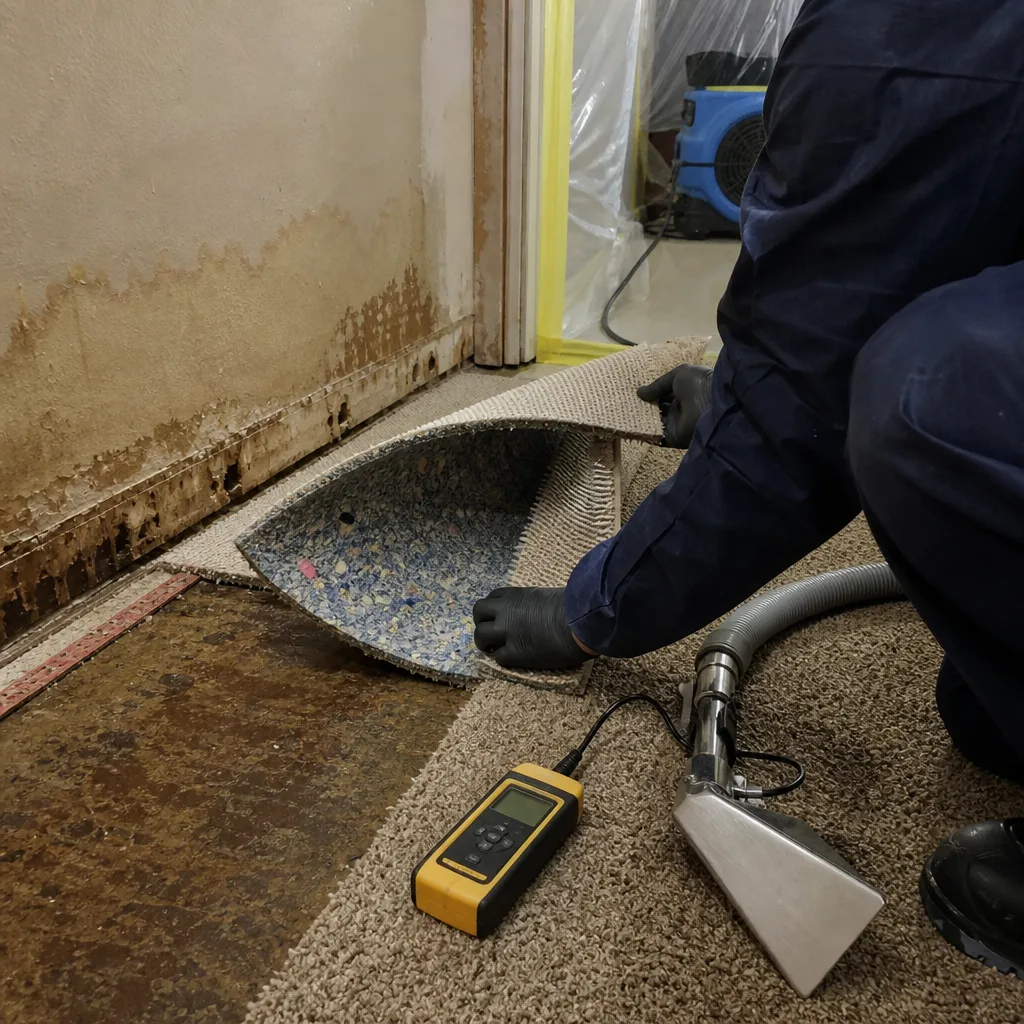
These ranges reflect Xactimate’s San Diego County pricing file as of early 2026, adjusted for El Cajon’s market position. Your specific estimate may vary based on access conditions and material specifications.
| Category | Typical Range | What It Covers |
|---|---|---|
| Water extraction labor | $85-$140/hour | Pumping, vacuum extraction, and initial moisture removal from carpet and hard surfaces |
| Dehumidifier rental (per unit, per day) | $45-$75/day | Commercial LGR dehumidifiers from Dri-Eaz or Phoenix; psychrometric monitoring included |
| Air mover rental (per unit, per day) | $18-$32/day | High-velocity axial or centrifugal fans from XPOWER or B-Air |
| Demolition (affected materials) | $2.50-$5.50/sq ft | Drywall, insulation, flooring removal to expose structural drying surfaces |
| Disposal (Category 1 water) | $85-$150/cubic yard | Standard construction debris disposal; Category 3 adds biohazard handling fees |
| Antimicrobial treatment | $0.85-$1.60/sq ft | EPA-registered disinfectant application to affected and adjacent surfaces |
| Asbestos/lead testing | $350-$650 | Certified inspector, lab analysis, written report for insurance and regulatory compliance |
| Contents manipulation (pack-out) | $65-$110/hour | Inventory, photograph, pack, and relocate unaffected belongings; storage billed separately |
| Structural drying documentation | $75-$125/hour | Daily moisture readings, psychrometric data logging, drying log preparation for adjuster review |
| Reconstruction (drywall, paint, flooring) | $4,500-$18,000+ | Varies widely by finish level; typically scoped separately after drying completion |
These figures are not theoretical. They are the rates we use in our written estimates, delivered before any work begins under Haven Standard, Clause 1. A homeowner in Bostonia who receives a verbal estimate of “around four thousand” and later sees a $7,200 invoice has no recourse. The same homeowner with a written line-item estimate can compare each charge against this table and question discrepancies before signing.
Why Equipment Costs Are Time-Driven, Not Fixed
This is the cost category most homeowners misunderstand, and it is where restoration companies profit from poor initial work.
A standard residential water damage job in El Cajon might deploy two LGR dehumidifiers and six air movers. At mid-range rates, that equipment costs approximately $186 per day. A three-day dry costs $558 in equipment. A five-day dry costs $930. The difference of $372 is not trivial, and it is almost always avoidable.
Equipment stays on-site until moisture readings return to dry standard, typically below 16% moisture content for wood framing and below 4% for concrete. The drying timeline depends on:
- Initial equipment placement. Dehumidifiers positioned too far from wet zones, or air movers aimed incorrectly for vapor pressure differential management, extend drying by 40-60%. We have seen competitors’ jobs in Crest where poor placement turned a three-day dry into seven days.
- Containment integrity. Every time a homeowner opens a sealed containment barrier to retrieve belongings, the controlled drying environment resets. Our crews document containment status in the photo record on every visit.
- Psychrometric monitoring frequency. Daily readings allow equipment adjustment. Weekly readings allow mold growth. The IICRC S500 standard requires daily monitoring for Category 2 and 3 water losses; we document to this standard on every job.
- Source elimination. Equipment left running while a slow leak continues is equipment billing for failure. Our initial assessment includes moisture mapping to identify active sources before deployment.
The $300-$600 in unnecessary equipment line items we cited in our opening? That figure comes directly from jobs we have taken over from other companies in El Cajon, where we documented the previous placement with photographs and moisture readings showing extended drying was preventable.
Xactimate Pricing and Geographic Files: Why El Cajon Differs from Chula Vista
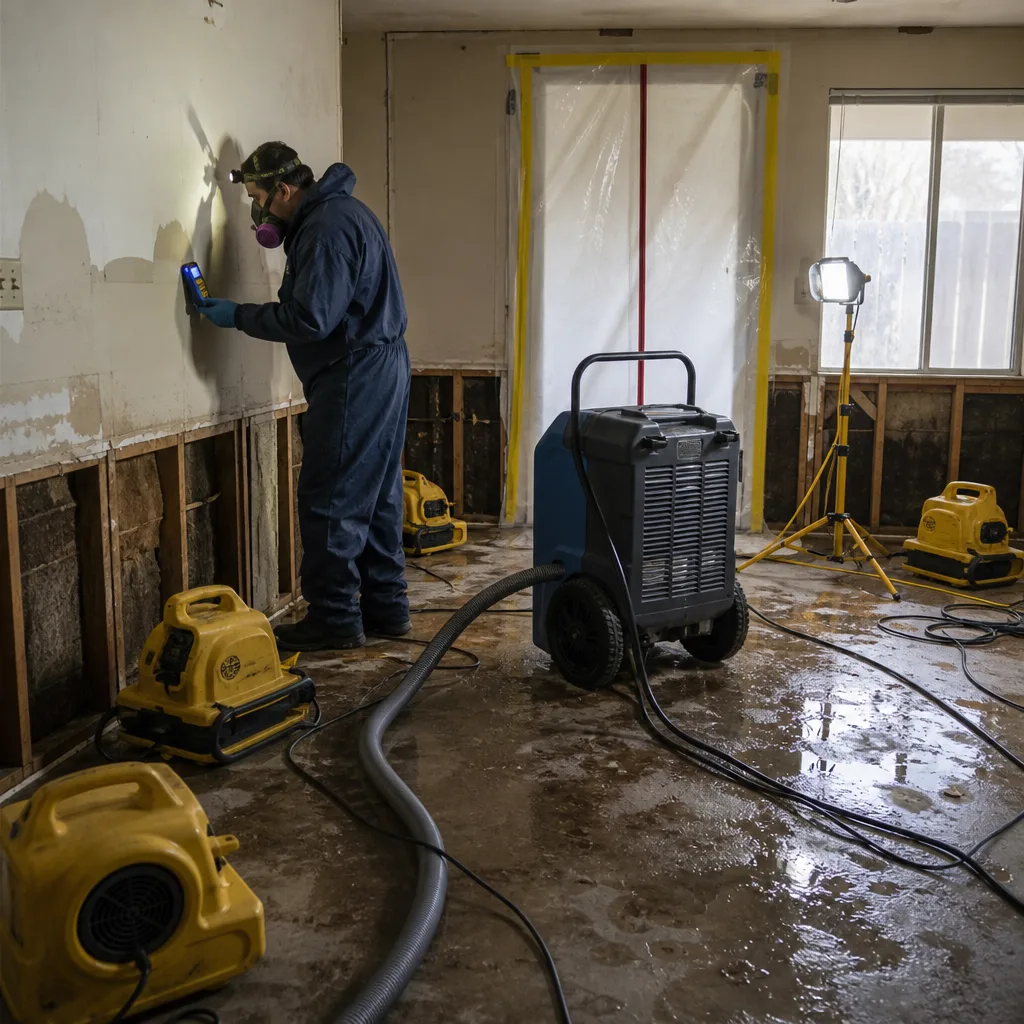
Xactimate, the estimating platform used by most insurers and major restoration companies, sets line-item rates by geographic pricing file. San Diego County uses one file, but that file contains adjustments for sub-regions. El Cajon’s rates differ from Chula Vista’s for specific trades, and a homeowner who does not verify the correct file may be underpaid by their adjuster or overcharged by a contractor using a higher-rate file.
Here is how to verify your estimate:
- Request the Xactimate sketch and line-item detail. Any restoration company working with insurers should provide this. If they refuse, that is a signal.
- Check the geographic pricing file code. For El Cajon, the correct code falls under San Diego County’s inland zone, not the coastal adjustment zone that covers La Jolla or Del Mar.
- Compare unit costs against Xactimate’s published price list. Verisk, Xactimate’s parent company, releases quarterly price list updates. A line item that exceeds the published rate by more than 15% without justification (such as after-hours emergency rates) warrants questioning.
- Verify equipment rates against rental market rates. A dehumidifier billed at $95/day when the local equipment rental market charges $55/day for the same Phoenix 200 HT unit suggests markup, not pass-through.
In our experience, the most common file error in San Diego County involves labor rates. El Cajon’s inland position means some contractors attempt to apply coastal labor adjustments that do not apply. This matters because labor typically represents 35-45% of total restoration cost. A 12% incorrect adjustment on a $6,000 job is $720.
We provide our Xactimate detail with every written estimate. Homeowners can cross-reference each line item independently, and we encourage it. Haven Standard, Clause 1 is not merely about having a price in writing; it is about having a price that withstands scrutiny.
The Three Line Items Adjuster Estimates Most Frequently Underpay
After twelve years and over 12,000 homes, we have documented a consistent pattern in initial adjuster estimates for San Diego County losses. Three categories appear systematically underpaid, and each underpayment shifts cost to the homeowner unless challenged with documentation.
Contents manipulation (pack-out). Adjusters frequently estimate 4-6 hours for inventory and pack-out of a two-bedroom home’s affected rooms. The actual time, documented with photo timestamps, typically runs 8-14 hours. The gap occurs because adjusters apply standardized room counts without accounting for closet density, garage storage, or the documentation requirements of high-value items. We have seen $400 initial estimates become $1,100 actuals in Fletcher Hills homes with built-in storage systems.
Structural drying documentation time. This is labor spent producing the daily drying logs, moisture readings, and psychrometric data that justify equipment billing to the insurer. Adjusters often omit this line entirely or cap it at one hour per visit. Actual documentation time, including photo upload and report preparation, runs 1.5-2.5 hours per visit. Without this documentation, the insurer can deny equipment charges as “unsubstantiated.” We include documentation labor in every written scope because we have seen what happens when it is not there: the homeowner pays for equipment the insurer rejects.
Antimicrobial application square footage. Adjusters frequently measure the visibly wet area and apply antimicrobial rates to that square footage only. Microbial growth potential extends beyond visible wetting, typically 12-24 inches past the moisture front in drywall and through entire insulation batts. Our moisture mapping documents the full affected zone, and our written scopes specify antimicrobial application to the documented area, not merely the visible stain. In El Cajon’s older housing stock with paper-faced drywall, this distinction commonly adds 30-50% to the antimicrobial square footage.
Each of these underpayments is correctable with documentation: photo records, timestamped moisture readings, and written scopes that specify the full affected area. This is why our standard deliverable includes all three, not as upsells but as baseline practice.
What a Written Price Before Work Begins Protects You From
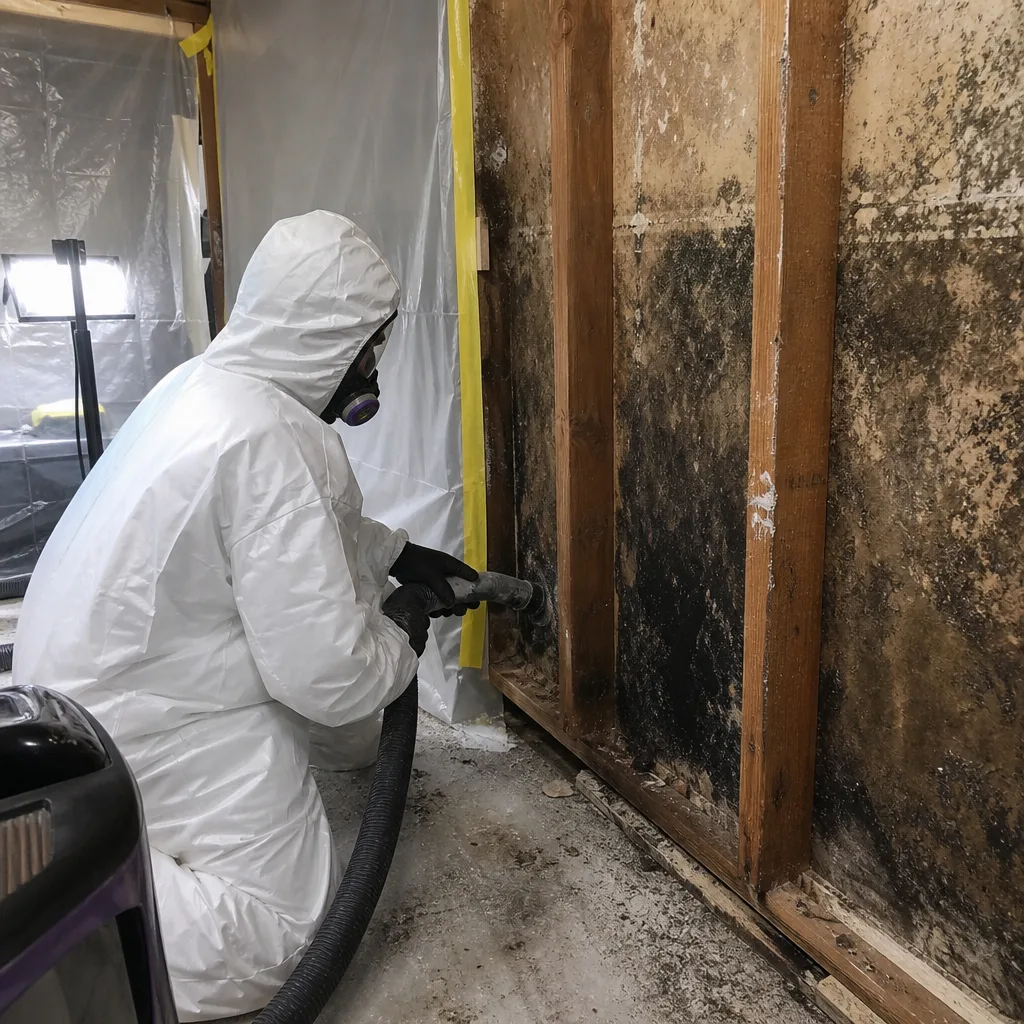
Verbal estimates become inflated invoices through a predictable mechanism. A crew arrives, begins emergency extraction, and discovers “additional damage” once demolition starts. The homeowner, facing exposed framing and displaced family, authorizes continuation. The final invoice bears little resemblance to the initial verbal figure.
This is not hypothetical. We have reviewed competitor invoices for El Cajon homeowners where the final charge exceeded the verbal estimate by 180-340%. The mechanisms vary:
- Scope creep by discovery. “We had to remove more drywall than expected” without documentation of why the initial assessment missed it.
- Equipment extension without cause. Additional drying days attributed to “humidity” without psychrometric data showing the drying curve.
- Subcontractor markup. Asbestos abatement or electrical work farmed out at cost plus unstated markup.
- Administrative fees added post-hoc. “Emergency response fee” or “after-hours surcharge” not mentioned initially.
A written price under Haven Standard, Clause 1 prevents each of these. Our written estimates specify:
- Exact square footage of affected materials, with moisture readings
- Equipment count, type, and maximum days on-site
- Labor hours by category, with rates
- Materials and treatments with unit costs
- A clear statement: “No additional charges without written change order signed by homeowner”
If demolition reveals genuinely unforeseen conditions, we document with photographs, explain the scope change, and obtain a signed amendment before proceeding. The homeowner retains control. This is not merely our preference; it is the documentation standard that turns restoration invoices into claims insurers pay without dispute.
We also offer a Free Second Opinion on any competitor’s written estimate. Bring us their scope, and we will review it against Xactimate’s current pricing file and our documented experience in El Cajon. No charge, no obligation.
Common Mistakes to Avoid
- Accepting a verbal estimate for emergency work. In California, a contractor performing work over $500 must provide a written contract. A verbal estimate for a $4,000 restoration job violates this requirement and leaves you without recourse for disputes.
- Skipping asbestos testing in pre-1980 El Cajon homes. The Bostonia and Crest neighborhoods contain extensive post-war construction with asbestos-containing materials. Disturbance without testing exposes you to Cal/OSHA liability and voids insurance coverage for related abatement.
- Assuming your insurance adjuster’s estimate is comprehensive. Adjusters work from photographs and homeowner descriptions, not moisture meter readings. Their initial estimates frequently omit documentation labor, contents manipulation, and extended antimicrobial square footage.
- Delaying the call to document conditions. Water damage in El Cajon’s warm inland climate progresses faster than coastal losses. Mold colonization can begin within 48-72 hours in summer months. Every day without professional drying equipment extends the timeline and cost.
- Paying equipment charges without seeing daily drying logs. Equipment billing without documentation is unverifiable. Insurers reject it, and homeowners absorb the cost. Demand daily logs with moisture readings and equipment photographs.
- Signing a direction-to-pay without understanding scope. Some contractors ask homeowners to sign insurance proceeds directly to them before work is complete. This removes your leverage for quality disputes. Structure payment to retain holdback until final walkthrough and documentation delivery.
When to Call a Professional
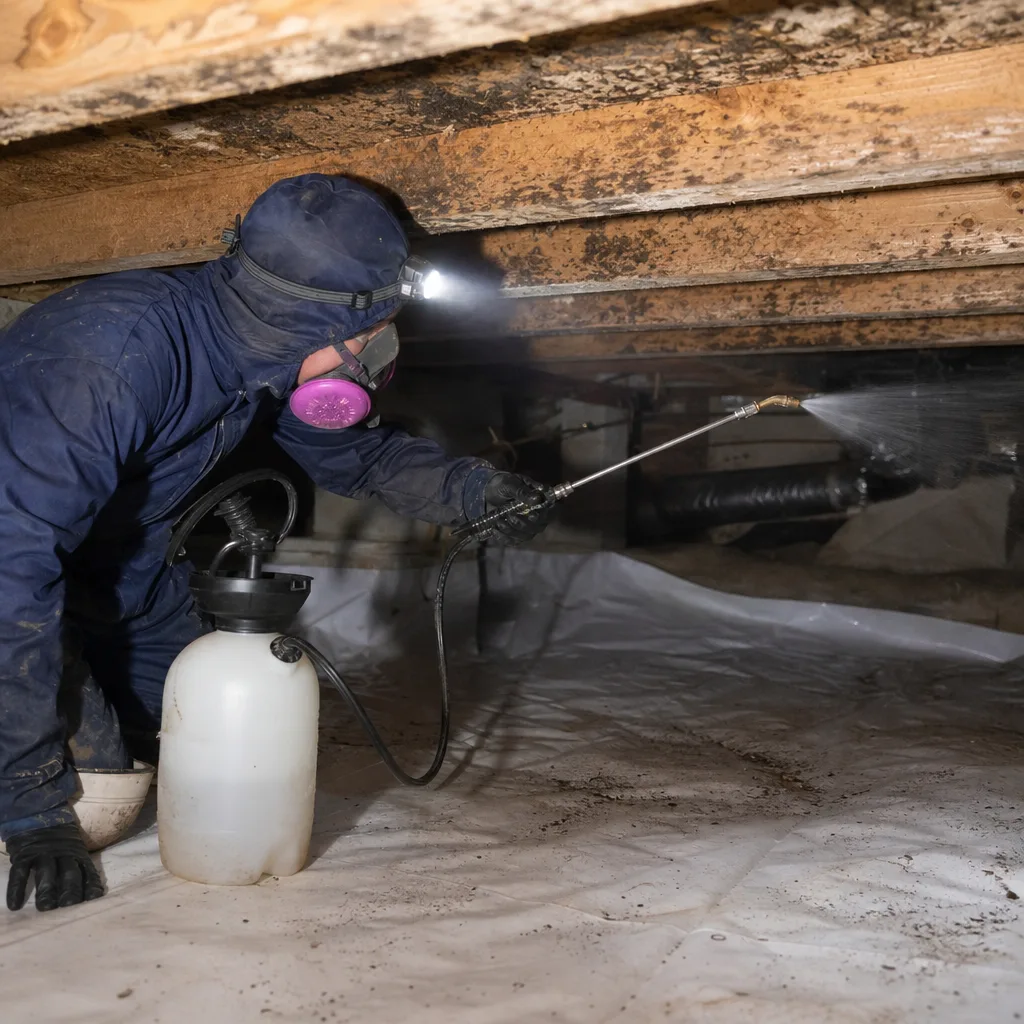
Call for professional assessment when water has affected more than a single small area you can dry with household fans, when the water source is Category 2 or 3, when you smell mustiness indicating possible mold, or when your home was built before 1980 and any demolition may disturb asbestos-containing materials. Learn more in our guide to Damage Restoration Permits, Codes & Inspections in CA: What You Need to Know.
In El Cajon, we regularly see homeowners attempt manageable extraction on supply line leaks, only to discover wicking has traveled inside wall cavities to adjacent rooms. By the time visible signs appear, structural drying requires professional equipment and containment.
Water Damage Restoration in El Cajon from DryMark Restoration El Cajon includes emergency response with live phone coverage 24 hours a day, 7 days a week. We provide written estimates before work begins, documented photo records on every visit, and the 365-Day Done Right Promise under The Haven Standard. For a free estimate in El Cajon, call (858) 428-2364.
Frequently Asked Questions
Residential water damage restoration in El Cajon typically ranges from $3,200 to $8,500, with most jobs falling between $4,500 and $6,200. The exact cost depends on affected square footage, water category, equipment days required, and whether pre-1980 construction requires asbestos testing. Call (858) 428-2364 for a written estimate with line-item detail, estimates are free.
Most homeowner policies cover sudden and accidental water damage, but coverage gaps are common in initial adjuster estimates. The three most frequently underpaid categories in San Diego County are contents manipulation, structural drying documentation time, and antimicrobial application square footage. A documented photo record and written scope from your restoration contractor provides the evidence to challenge underpayments. We coordinate directly with adjusters and provide the daily drying logs that justify full coverage.
Different water categories, affected square footage, and construction eras produce significantly different scopes, which is why we prepared a DIY vs Professional Damage Restoration: The El Cajon Homeowner’s Decision Guide. A Category 1 supply line leak in a 1995 home with vinyl flooring may cost $2,800. A Category 2 dishwasher discharge in a 1962 home with hardwood and plaster may cost $7,400 due to asbestos testing, extended drying, and finish matching. The written estimate should explain each difference explicitly.
DryMark Restoration El Cajon maintains live phone coverage 24 hours a day, 7 days a week with no voicemail on emergency lines. Response time to El Cajon addresses typically ranges from 45 minutes to 90 minutes depending on traffic and current emergency volume. For active water intrusion, speed matters: every hour of delay extends drying time and increases secondary damage risk.
Category 1 water affecting less than 10 square feet of non-porous material can sometimes be managed by a homeowner with adequate airflow. Any Category 2 or 3 water, any porous material saturation (drywall, carpet pad, insulation), any suspected mold, or any pre-1980 construction requires professional assessment. In El Cajon’s climate, mold colonization begins within 48-72 hours in summer conditions. Self-assessment of hidden moisture with household tools is unreliable.
We coordinate directly with adjusters as part of our standard service, providing Xactimate-formatted estimates, daily drying logs, photo documentation, and moisture reading reports. This documentation-first approach, developed by our founder’s background in claims adjustment, is designed to produce invoices that adjusters pay without dispute. You remain the policyholder and retain all decision rights; we simply handle the paperwork burden that most homeowners find overwhelming during a loss.
A proper written estimate specifies affected square footage with moisture readings, equipment count and type with maximum days on-site, labor hours by category with rates, materials and treatments with unit costs, and a clear no-additional-charges clause without signed homeowner approval. Haven Standard, Clause 1 requires this for every job we perform. If your contractor cannot provide this level of detail, you are accepting unverifiable billing risk.
The Bottom Line
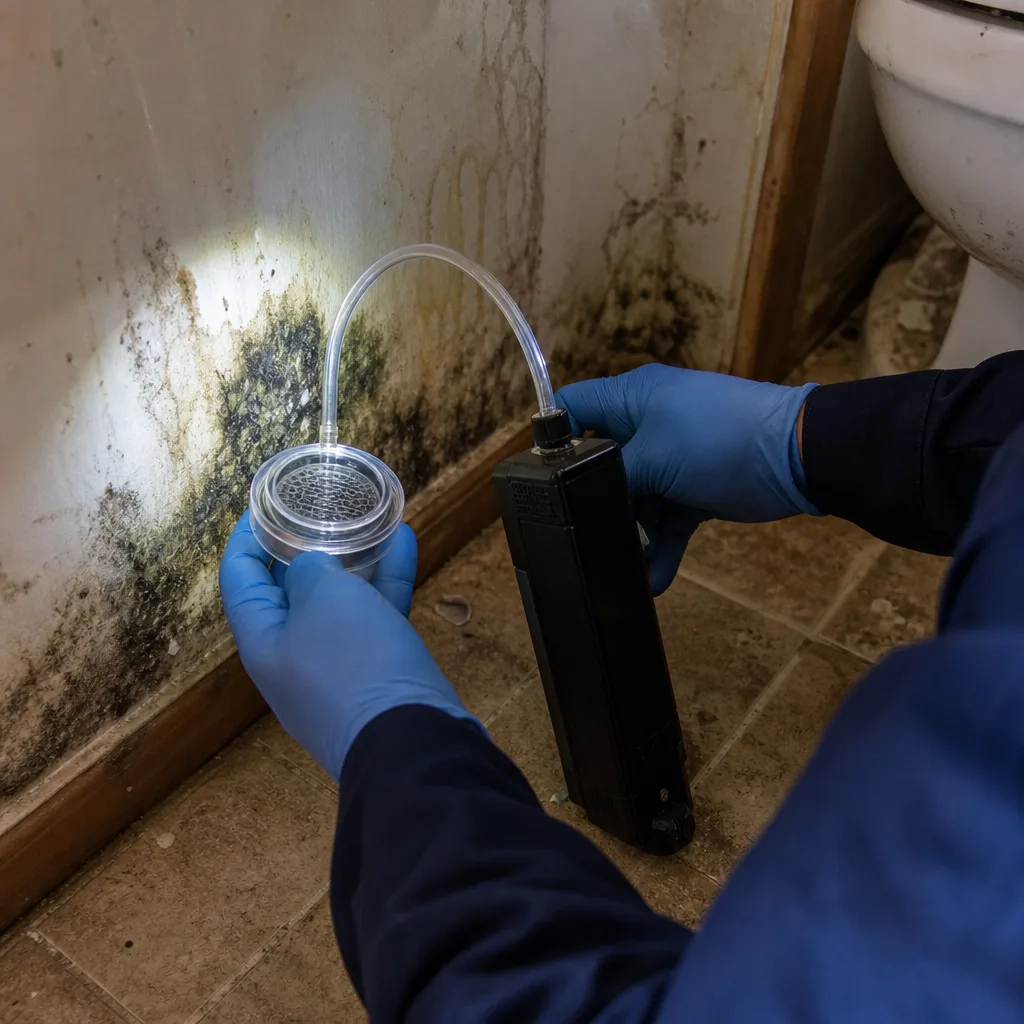
Restoration pricing in El Cajon follows predictable patterns once you understand the line-item structure. The $3,200-$8,500 range for typical residential water damage reflects measurable factors: square footage, equipment days, and regulatory requirements like asbestos testing. The homeowners who fare best are those who demand written, line-item estimates before work begins; verify their estimate uses the correct Xactimate geographic pricing file; and retain documentation of daily moisture readings and photo records. These practices transform restoration from an opaque emergency expense into a documented, defensible insurance claim. At DryMark Restoration El Cajon, we built our company around this transparency because we have seen what its absence costs homeowners.
For a free written estimate with full line-item detail, call DryMark Restoration El Cajon at (858) 428-2364. We answer live 24 hours a day, 7 days a week.
Written by Alicia Brennan, Owner at DryMark Restoration El Cajon, serving El Cajon since 2011.