
Last updated September 23, 2026
Free visual inspection and a written scope of work before any mitigation begins - photos, moisture readings, and drying logs go in your claim file
The scope we write is the scope we bill. Anything new gets shown to you, in writing, before we touch it.
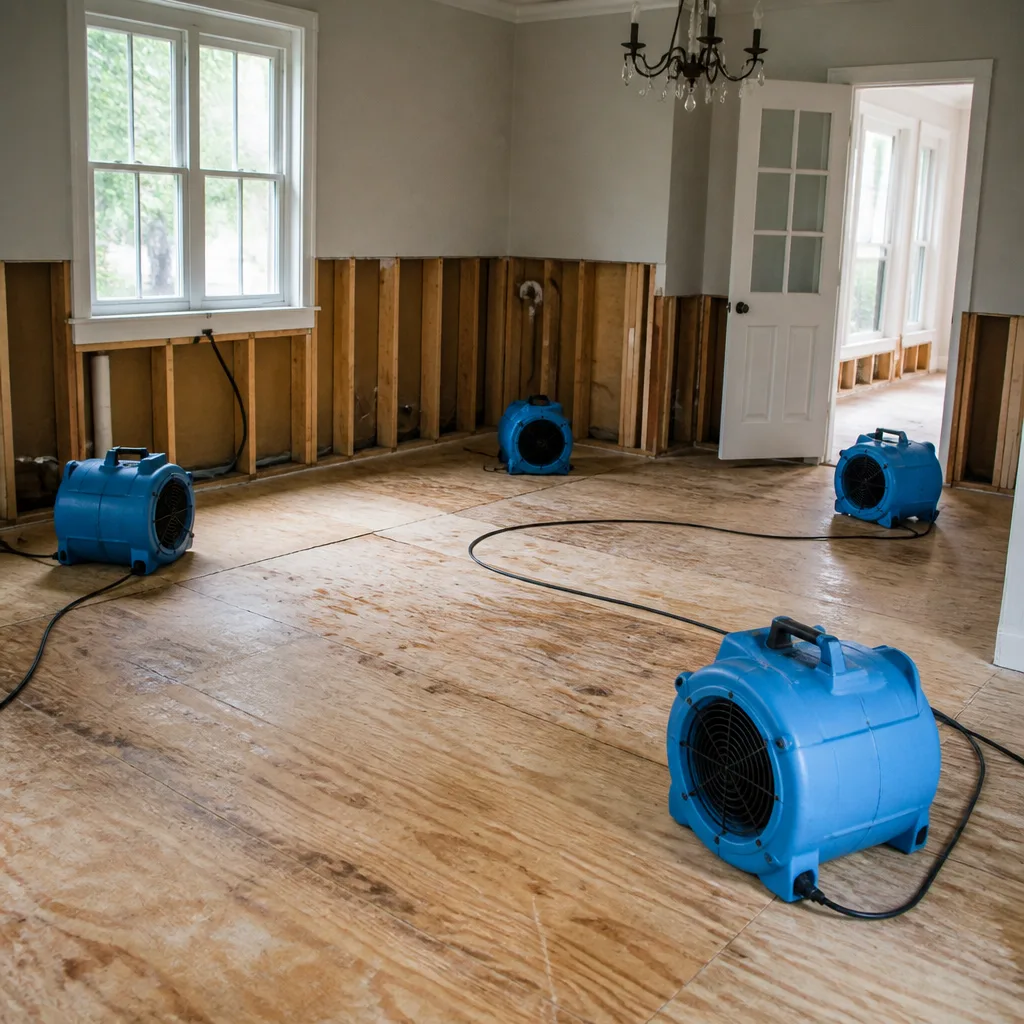
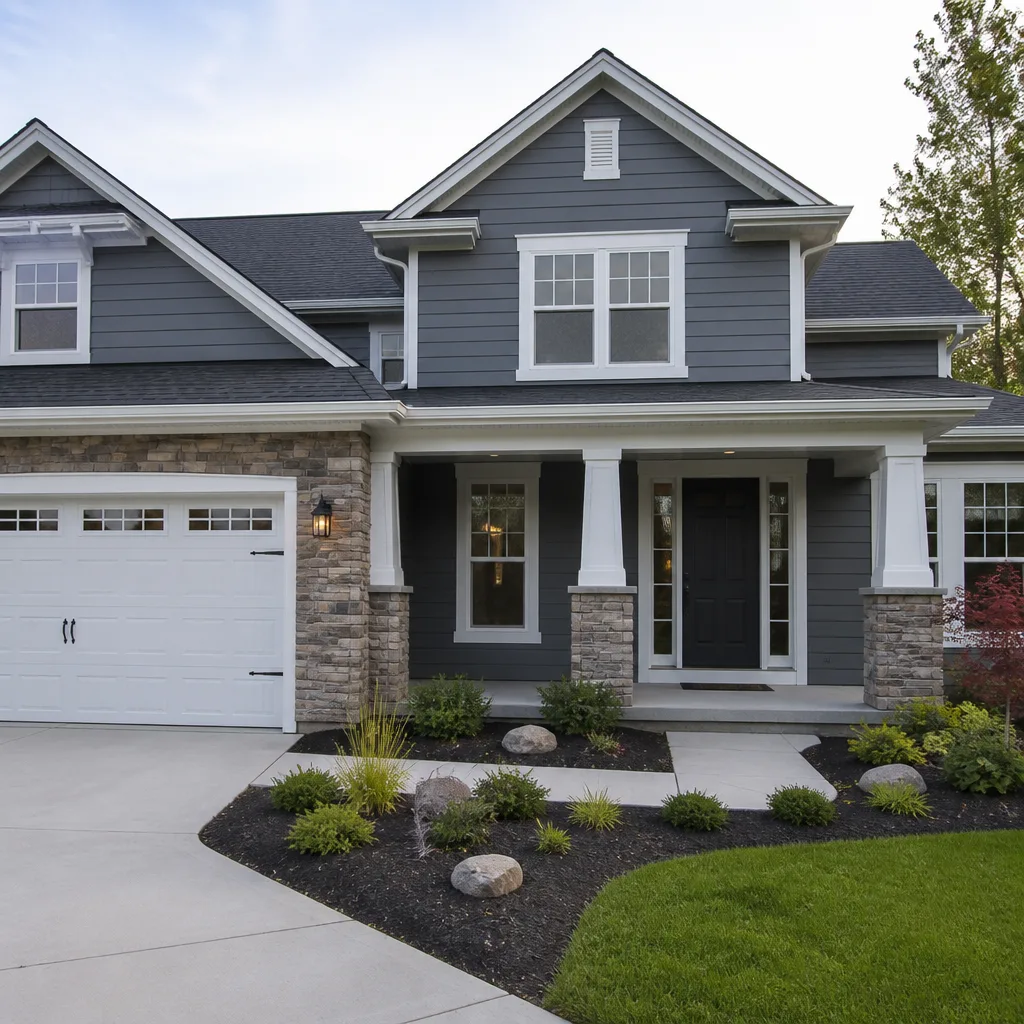
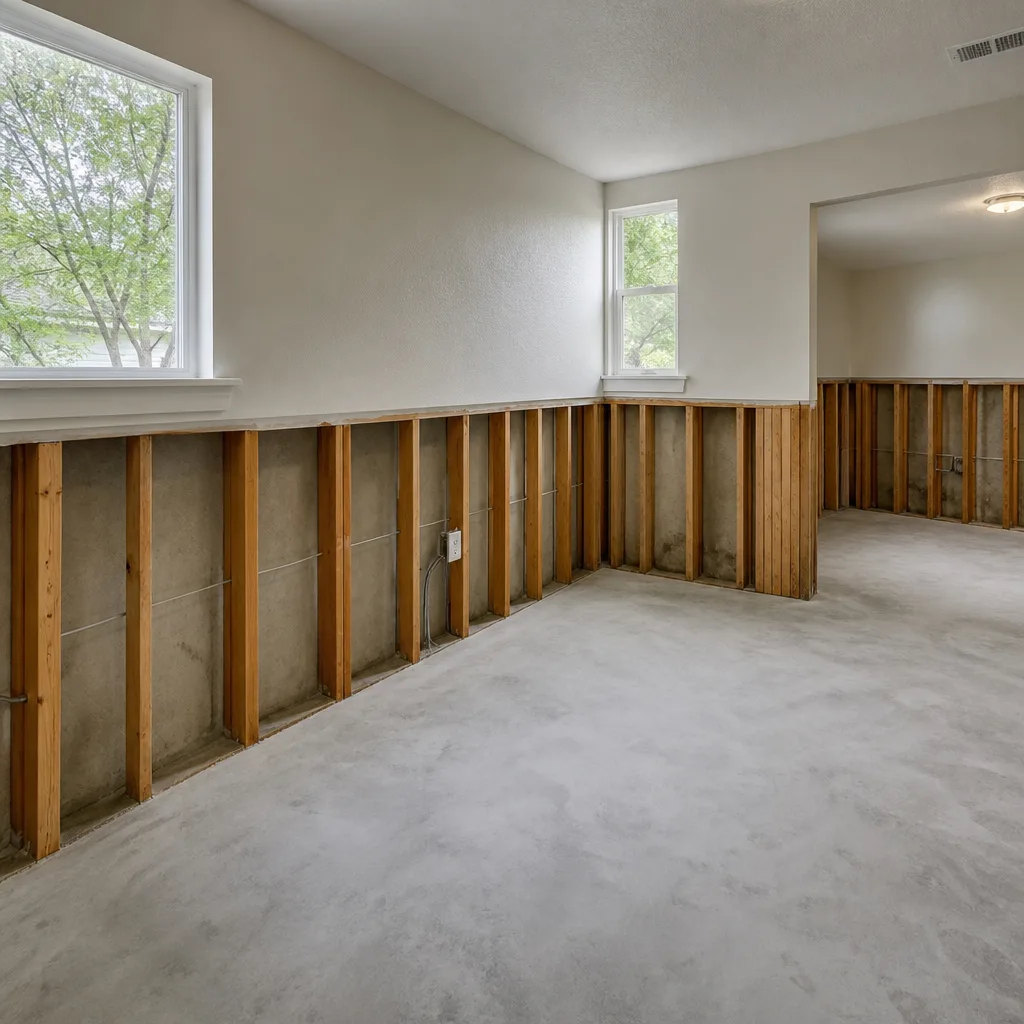
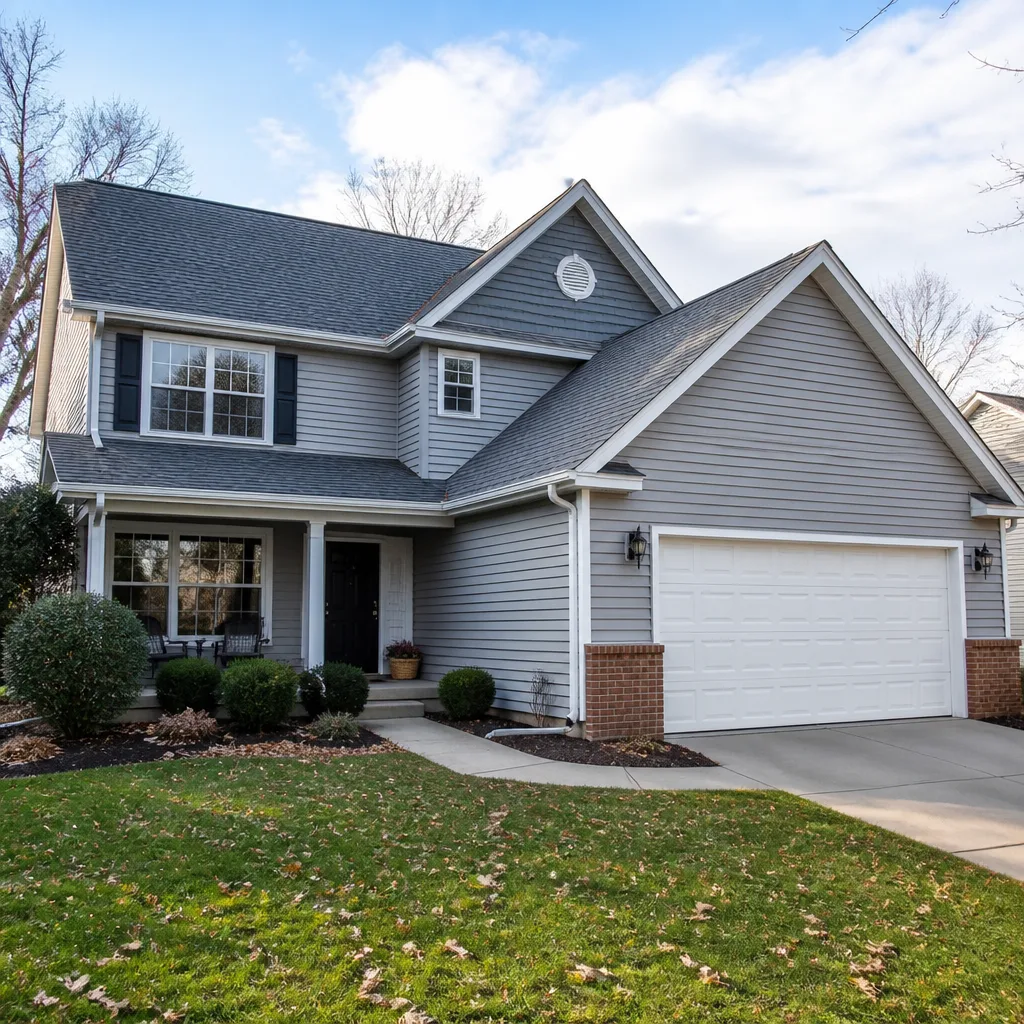
 Before
 After
After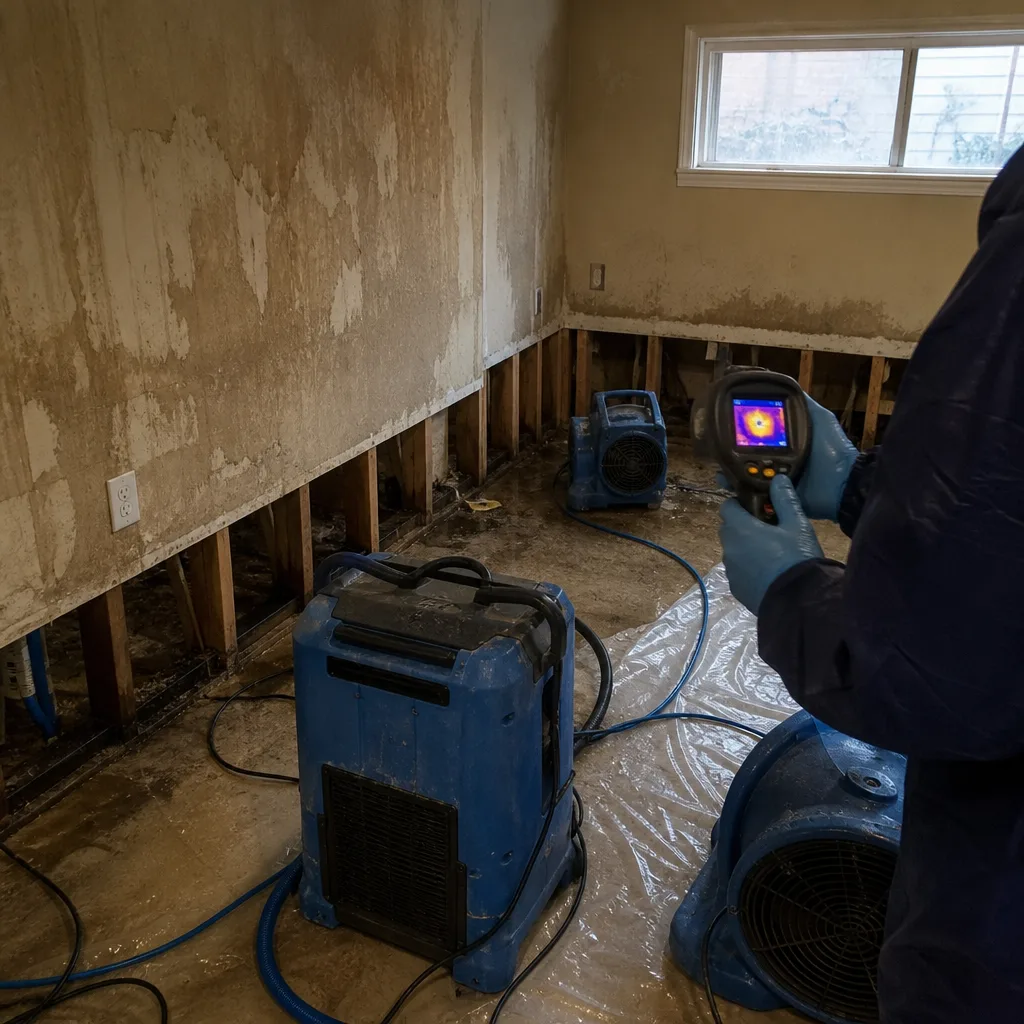 Before
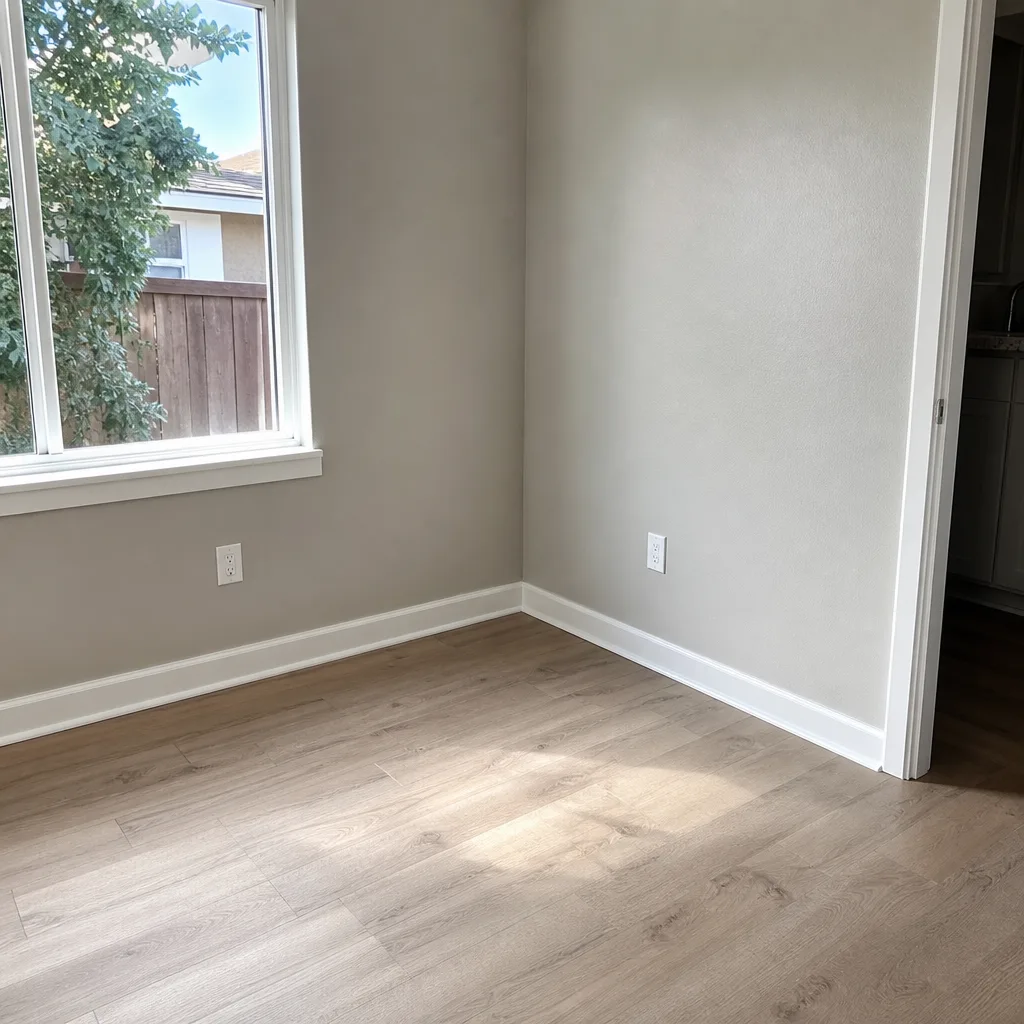 After
After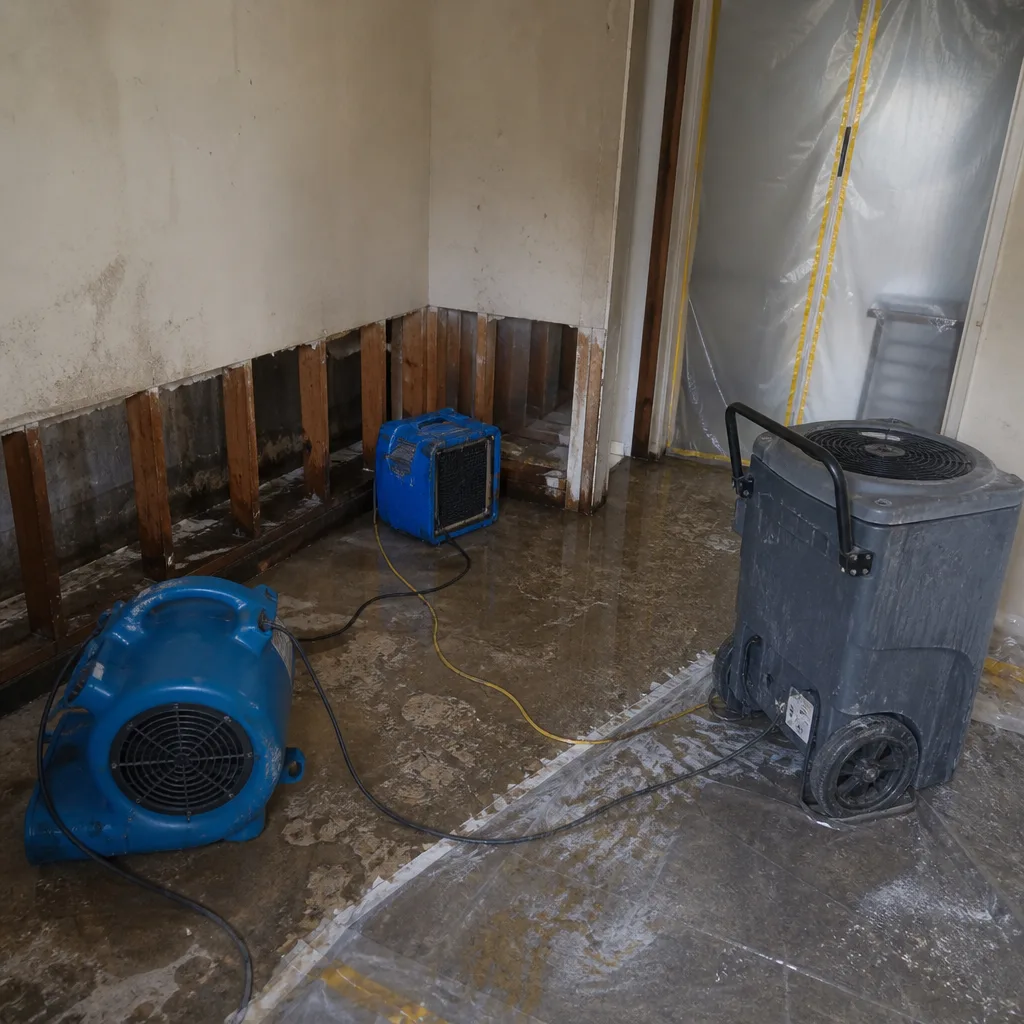 Before
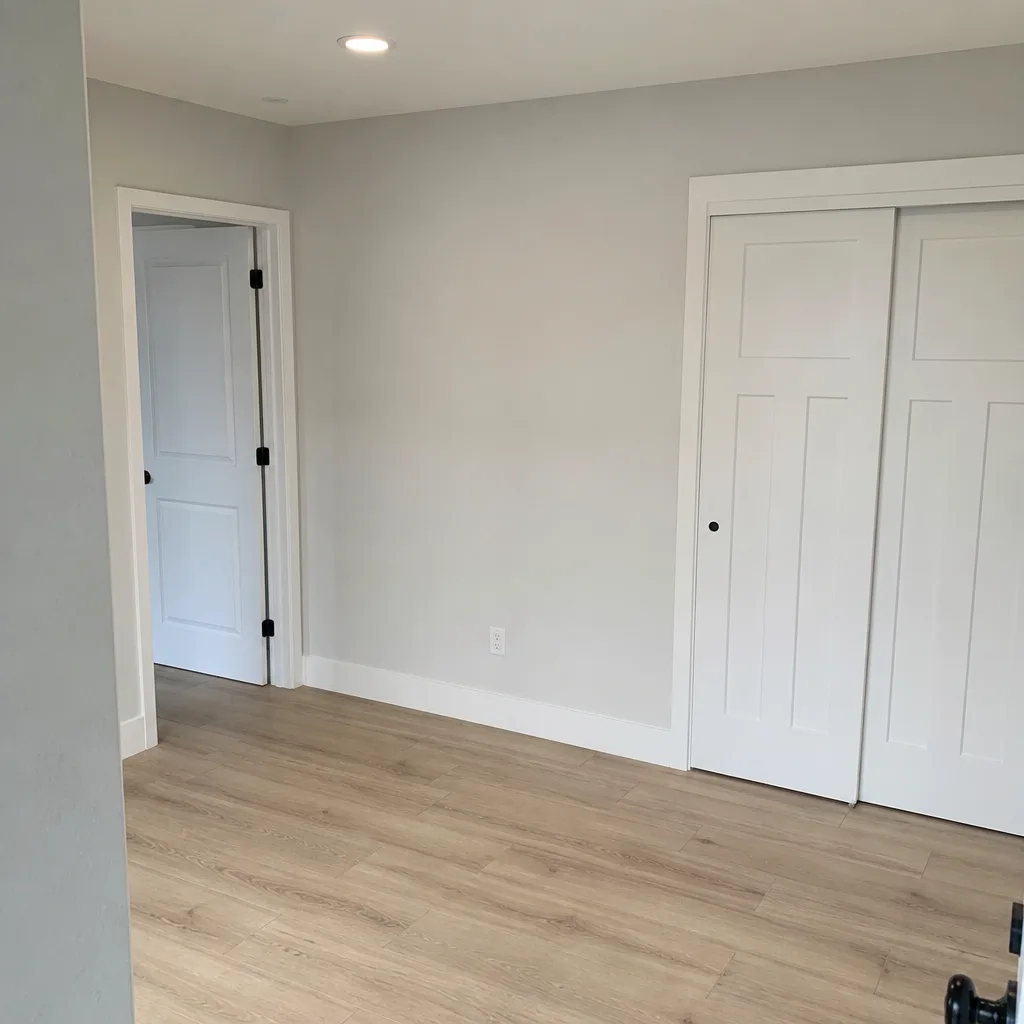 After
AfterHow to Hire a Damage Restoration Contractor in El Cajon: A Step-by-Step Guide
Signing a contractor’s authorization form before you see a written scope of work is the single most common mistake El Cajon homeowners make after water, fire, or mold damage - and it is the mistake that makes partial claim denials nearly impossible to fight. In our experience reviewing competitor estimates across El Cajon’s 92019, 92020, and 92021 zip codes, roughly half of the disputes we encounter trace back to a homeowner who approved work verbally, then discovered the invoice exceeded their policy limits or described services that never happened. This guide will teach you to hire a damage restoration contractor using the same documentation standards that determine whether your insurer pays the claim in full or leaves you negotiating a shortfall. For a broader overview, see The Complete Guide to Damage Restoration in El Cajon.
Quick Answer
To hire a damage restoration contractor in El Cajon, request five documents before signing anything: a written estimate with line-item pricing, a detailed scope of work, an equipment list with serial numbers, proof of IICRC certification for the lead technician, and a written statement of who negotiates with your insurer. Verify the contractor’s license on the California Contractors State License Board website (it should be a B-General or C-61/D-64 classification), compare estimates using Xactimate line-item categories, and never authorize work based on verbal pricing alone.
Table of Contents
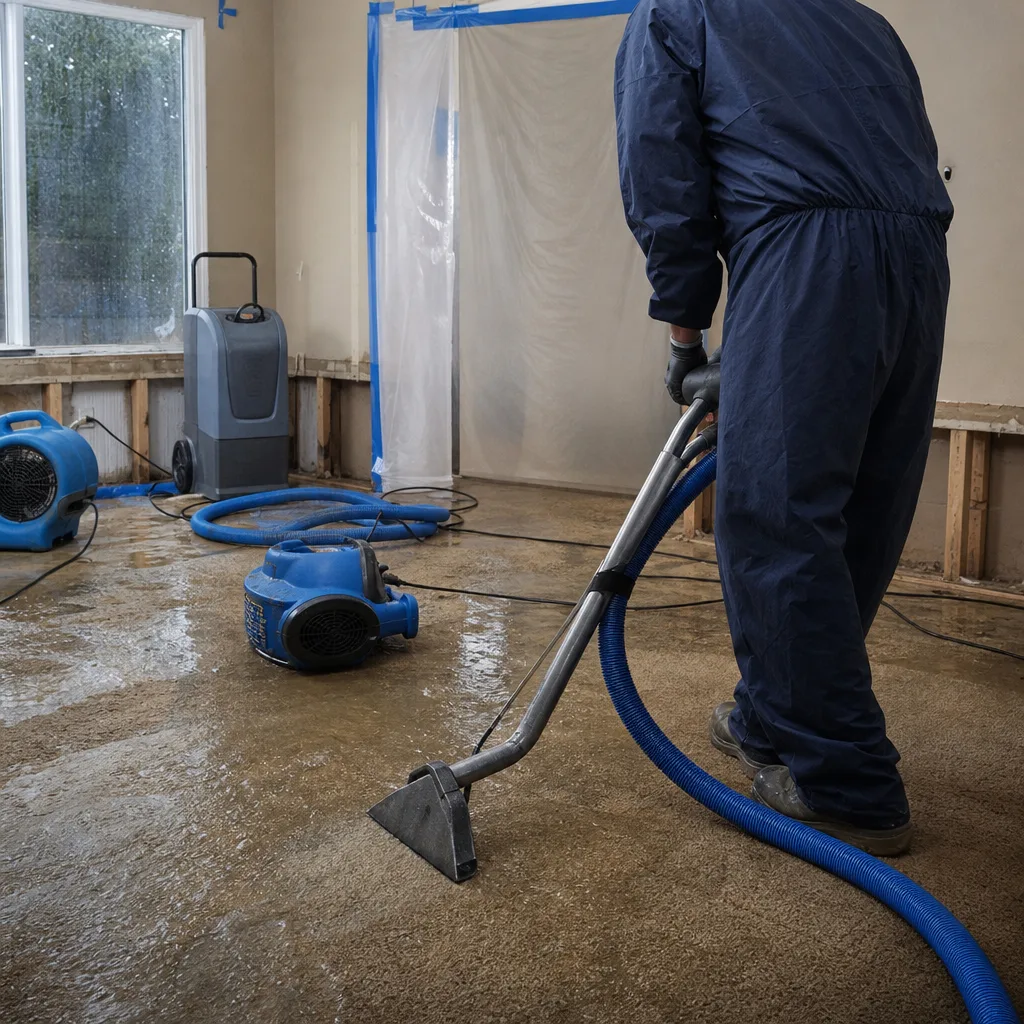
- Why Documentation Beats Reassurance Every Time
- The Five Documents to Request Before Any Work Begins
- How to Verify a Contractor’s License with the CSLB in Under Three Minutes
- Why “We Work Directly With Your Insurance” Requires Scrutiny
- How to Compare Two Written Estimates Line by Line Using Xactimate
- Red Flags: Post-Storm and Post-Flood Canvassing in El Cajon
- Common Mistakes to Avoid
- When to Call a Professional
- Frequently Asked Questions
- The Bottom Line
 Before
 After
AfterWhy Documentation Beats Reassurance Every Time
The typical El Cajon homeowner starts their search after finding water in the hallway, smelling smoke in the attic, or spotting mold along a bathroom baseboard. The first contractor to answer the phone often wins - not because they’re the most qualified, but because they’re the fastest to promise relief. This is where claims begin to unravel.
Insurance adjusters do not pay for reassurance. They pay for documentation that proves three things: that the damage occurred as described, that the work performed was necessary to restore the property to pre-loss condition, and that the prices charged fall within customary ranges for El Cajon’s market. A contractor who arrives with a friendly manner and a clipboard but leaves no written scope creates a gap that adjusters fill with their own, usually lower, estimates.
We’ve reviewed thousands of claims since 2011, and the pattern is consistent. The homeowner who receives a written price before work begins, a photo record on every visit, and a daily drying log with psychrometric data - that’s the homeowner whose claim closes without dispute. Psychrometric data, for those unfamiliar, is simply the measurement of temperature, relative humidity, and vapor pressure that proves a drying chamber is working. Without it, an adjuster can argue the equipment ran longer than necessary.
El Cajon’s climate adds a specific wrinkle. Our inland valley location means summer temperatures regularly exceed 90°F, but winter nights can drop below 40°F with humidity spikes during Santa Ana wind events. A contractor who documents moisture readings without noting ambient conditions is producing incomplete evidence. The same drying plan that works in July may be insufficient in January when vapor pressure differentials are lower and evaporation slows.
The documentation-first approach also protects you from scope creep. Once a crew is inside your home with equipment running, the psychological pressure to approve additional work is intense. A written scope signed before work begins, with a clear change-order process for unforeseen conditions, keeps you in control. This is the principle behind DryMark Restoration El Cajon home and our founding standard: every job, every time, a written price before anyone starts work.
The Five Documents to Request Before Any Work Begins
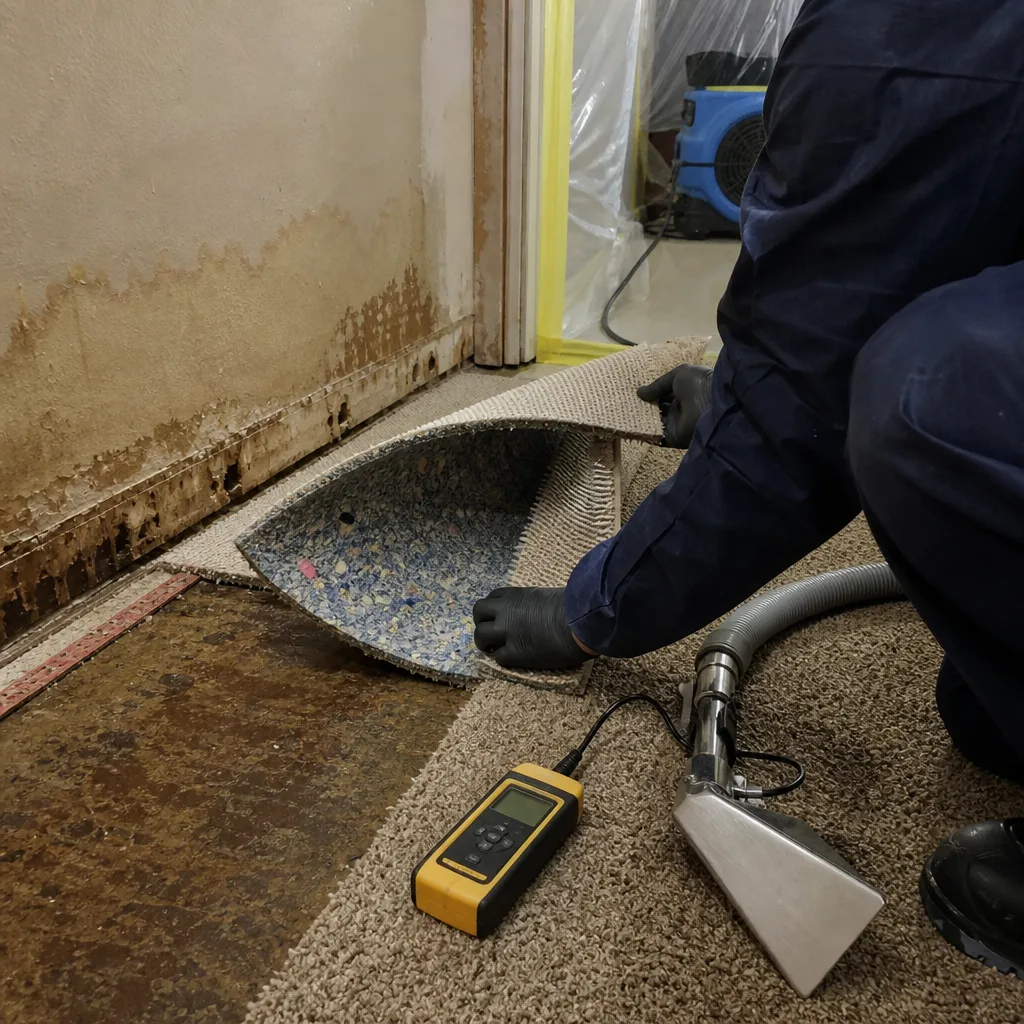
Before you sign an authorization form or allow equipment placement, request these five documents. A legitimate contractor will have them ready or produce them within hours. A contractor who deflects, delays, or claims these are “generated after we start” is signaling that their documentation will not survive adjuster review.
1. Written Estimate with Line-Item Pricing
The estimate must break costs into specific tasks, not lump sums. “Water mitigation: $4,500” is insufficient. You need line items: water extraction per square foot, dehumidifier rental per day, air mover rental per day, monitoring visits, antimicrobial application per square foot, and so on. In El Cajon’s restoration market, typical line-item ranges for residential water mitigation run:
- Water extraction (standing water): $0.80-$1.40 per square foot
- Dehumidifier (large capacity, Dri-Eaz or Phoenix): $85-$150 per day
- Air mover (centrifugal, B-Air or XPOWER): $25-$45 per day
- Monitoring visit with moisture readings: $125-$200 per visit
- Antimicrobial application (Category 2 or 3 water): $0.35-$0.65 per square foot
- Content manipulation (moving furniture to access wet areas): $75-$125 per hour
These ranges vary by job complexity, but they give you a benchmark. An estimate with no line items cannot be compared to another estimate and cannot be defended to an adjuster.
2. Detailed Scope of Work
The scope defines what will be done, where, and in what sequence. It should specify affected rooms by name, identify materials to be removed or dried in place, state the drying goal (typically moisture content within 4 percentage points of a dry standard reference), and note any demolition required. For Water Damage Restoration in El Cajon, this matters because our older housing stock in neighborhoods like Bostonia and Crest includes plaster-and-lath walls that require different drying protocols than modern drywall.
3. Equipment List with Serial Numbers
Professional-grade drying equipment from Dri-Eaz, Phoenix, XPOWER, or B-Air should be itemized by type, quantity, and serial number. This serves two purposes: it prevents invoice padding (charging for equipment that was never deployed), and it links the job to specific assets that can be verified. Injectidry systems for hardwood floor drying or cavity injection should be noted separately, as these carry premium rental rates.
4. Proof of IICRC Certification for the Lead Technician
The Institute of Inspection, Cleaning and Restoration Certification sets the industry standard for water damage restoration (WRT), applied structural drying (ASD), and mold remediation (AMRT). Ask for the lead technician’s certification card or number, then verify it on IICRC’s online registry. Certification alone doesn’t guarantee competence, but its absence is a disqualifier. Work documented to IICRC standards, along with RIA and IFA guidelines, produces the technical vocabulary that adjusters recognize and respect.
5. Written Statement of Who Negotiates With Your Insurer
This document should clarify whether the contractor will submit documentation directly to your adjuster, whether you retain approval authority over any settlement, and whether the contractor accepts assignment of benefits (AOB) or expects direct payment from you. In California, AOB arrangements are less common than in Florida or Texas, but they still occur. Never sign an AOB without understanding that you may be transferring your right to dispute the claim to the contractor.
How to Verify a Contractor’s License with the CSLB in Under Three Minutes
California requires any construction-related work exceeding $500 in combined labor and materials to be performed by a contractor licensed by the Contractors State License Board. Restoration work falls under this requirement. Here’s the exact process:
- Navigate to cslb.ca.gov and click “Check a License.”
- Enter the contractor’s business name or six- or seven-digit license number.
- Review the license status: it must show “Active,” not “Suspended,” “Revoked,” or “Cancelled.”
- Confirm the classification: water and fire damage restoration typically requires a B-General Building Contractor license or a C-61/D-64 (Non-Specialized) classification. Mold remediation may additionally require asbestos or hazardous materials certifications depending on the scope.
- Verify the bond: active licenses carry a $25,000 bond, which provides some recourse for incomplete or defective work.
- Check the workers’ compensation insurance status: if the contractor has employees, this must be current.
The entire process takes under three minutes and costs nothing. Yet in our experience, fewer than one in five El Cajon homeowners complete this step before authorizing emergency work. The CSLB also maintains a disciplinary history database. A contractor with prior citations for unlicensed activity, abandonment, or fraudulent use of license is not worth the risk, regardless of their availability or pricing.
El Cajon sits within San Diego County’s jurisdiction, and county environmental health regulations add requirements for sewage and biohazard work that exceed state minimums. A contractor licensed only in another county may not be current on local disposal requirements for Category 3 water (sewage-contaminated) or Fire & Smoke Damage Restoration in El Cajon debris. Always confirm local operational familiarity, not just state licensure.
Why “We Work Directly With Your Insurance” Requires Scrutiny
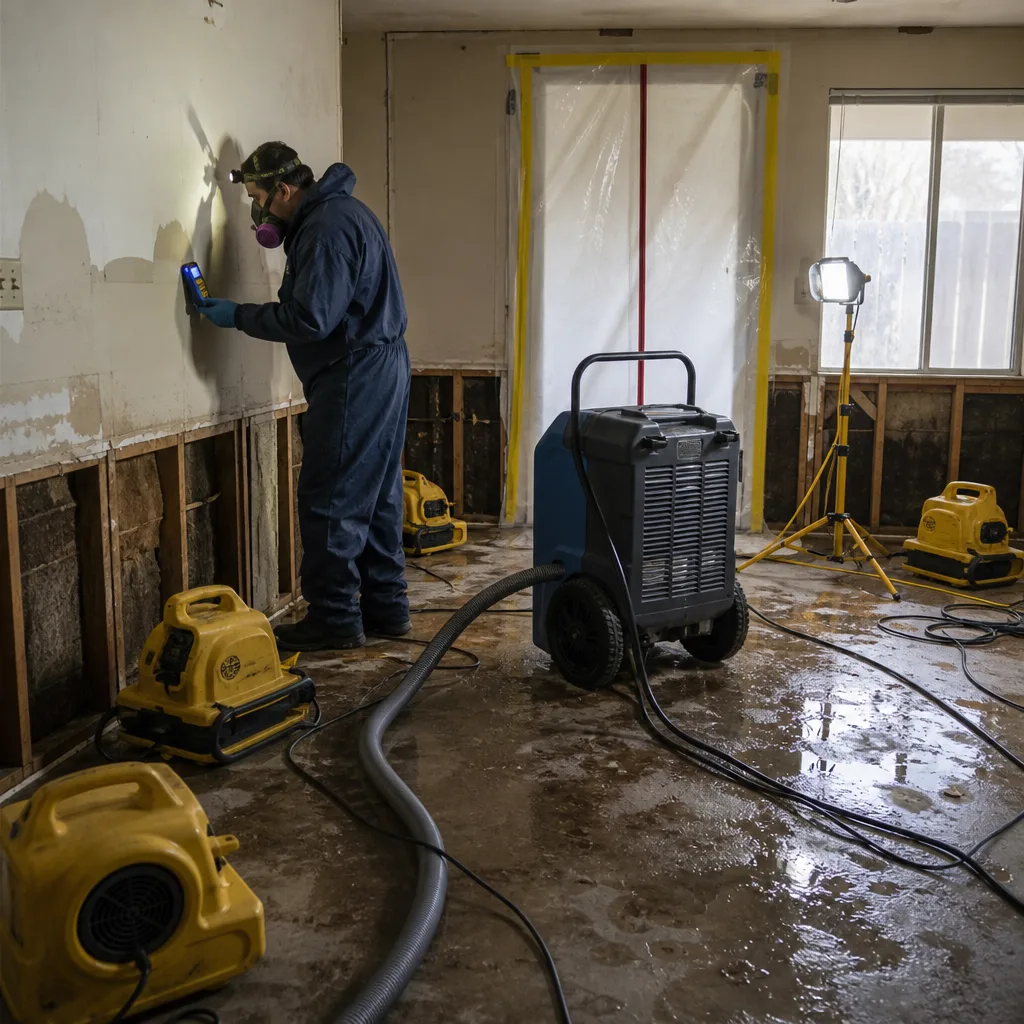
This phrase sounds helpful. In some cases, it is. But it has at least three distinct meanings in practice, and only one serves the homeowner’s interest.
Meaning one (legitimate): The contractor produces documentation in the format your adjuster expects, submits it promptly, and responds to requests for additional information. The homeowner remains the claim’s decision-maker, and the contractor’s role is technical support. This is how DryMark Restoration El Cajon home operates: we document, you decide, the adjuster evaluates.
Meaning two (concerning): The contractor asks you to sign an authorization that allows them to negotiate directly with the insurer, sometimes without your knowledge of the settlement amount. This can lead to situations where the contractor accepts a lower payment than the scope justifies, then bills you for the difference through a “supplement” or “balance billing.”
Meaning three (predatory): The contractor uses the phrase to pressure you into signing before the adjuster arrives, claiming that only their “direct relationship” with the insurer will secure coverage. This is false. Insurance coverage is determined by your policy terms and the documented facts of the loss, not by contractor relationships.
The Haven Standard, Clause 1, exists precisely because of this ambiguity: a written price before work begins means no hidden negotiation, no surprise supplements, and no discovery after the fact that your deductible was the least of your costs. When a contractor says they “work with insurance,” ask for specifics. Will they provide you copies of all submissions? Will you approve the final invoice before it is sent? Will they accept the insurer’s payment as full settlement, or pursue you for additional amounts? Get the answers in writing.
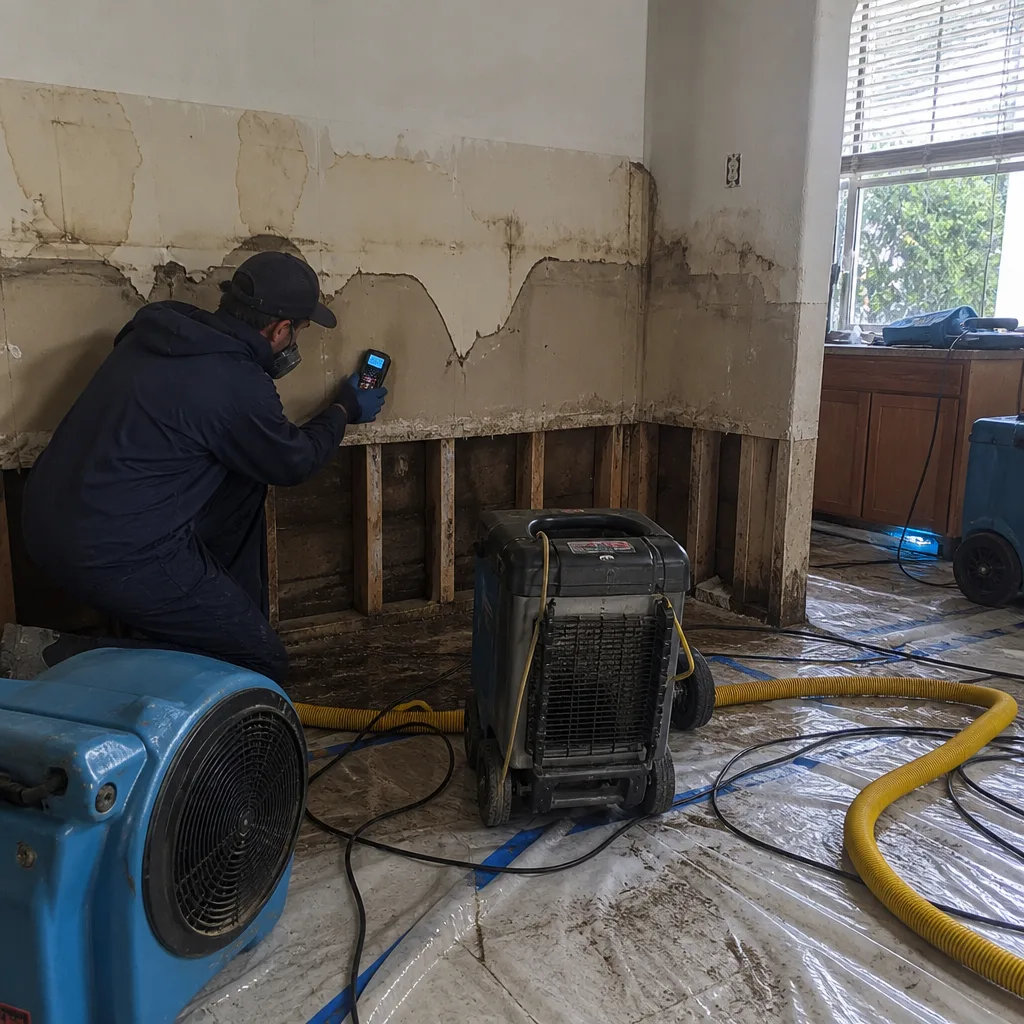
Photo documentation is the single strongest protection in this relationship. A contractor who takes dated, geotagged photos of damage before work begins, equipment placement during drying, and post-completion condition produces evidence that neither you nor the adjuster can dispute. This is standard practice at our company, included on every visit, never sold as an add-on.
How to Compare Two Written Estimates Line by Line Using Xactimate
Xactimate is the pricing software used by most insurance carriers and many restoration contractors. It contains line-item costs specific to San Diego County’s zip codes, updated quarterly based on actual contractor invoices. When two estimates for the same loss differ significantly, Xactimate categories reveal whether the gap reflects legitimate scope differences or inflated unit pricing.
Here’s how to compare estimates effectively:
- Confirm both estimates use Xactimate or an equivalent standardized platform. Custom spreadsheets or “our proprietary system” estimates are harder to verify and easier to manipulate.
- Match the room-by-room scope. If Estimate A includes the master bedroom, hallway, and closet, but Estimate B includes only the bedroom, the price difference may reflect scope, not pricing. Ensure both contractors assessed the same affected area.
- Compare unit costs within each line item. Water extraction should be priced similarly per square foot. A 40% difference in unit cost for the same task suggests one estimate is using outdated pricing or an incorrect geographic factor.
- Check equipment counts against affected square footage. Industry standards from Dri-Eaz and Phoenix guidelines suggest one air mover per 50-70 square feet of affected wet area, plus one dehumidifier per 1,000-1,500 square feet depending on class of water loss. An estimate with half the standard equipment count may achieve “dry” readings by extending the rental period - a more expensive outcome disguised as lower upfront cost.
- Verify the drying goal and monitoring frequency. Daily monitoring with recorded moisture readings is standard for Category 2 and 3 losses. An estimate that charges for seven days of equipment but only two monitoring visits may not be documenting progress adequately.
- Look for line items that appear on one estimate but not the other. Antimicrobial application, content manipulation, and specialty drying (Injectidry for hardwood, desiccant dehumidification for large commercial losses) may be legitimately omitted or added based on material types. Ask each contractor to explain any difference.
In El Cajon’s competitive restoration market, we’ve seen estimates vary by 30% or more for the same loss. Line-item comparison almost always reveals that one contractor included necessary steps the other omitted, or one applied standard pricing while the other used an outdated geographic factor. The lowest estimate is rarely the least expensive when omissions are corrected.
Our Free Second Opinion on any competitor’s written estimate exists for this purpose. Bring us another contractor’s Xactimate estimate and we’ll review it at no charge, identifying scope gaps, pricing anomalies, and documentation weaknesses before you commit.
Red Flags: Post-Storm and Post-Flood Canvassing in El Cajon
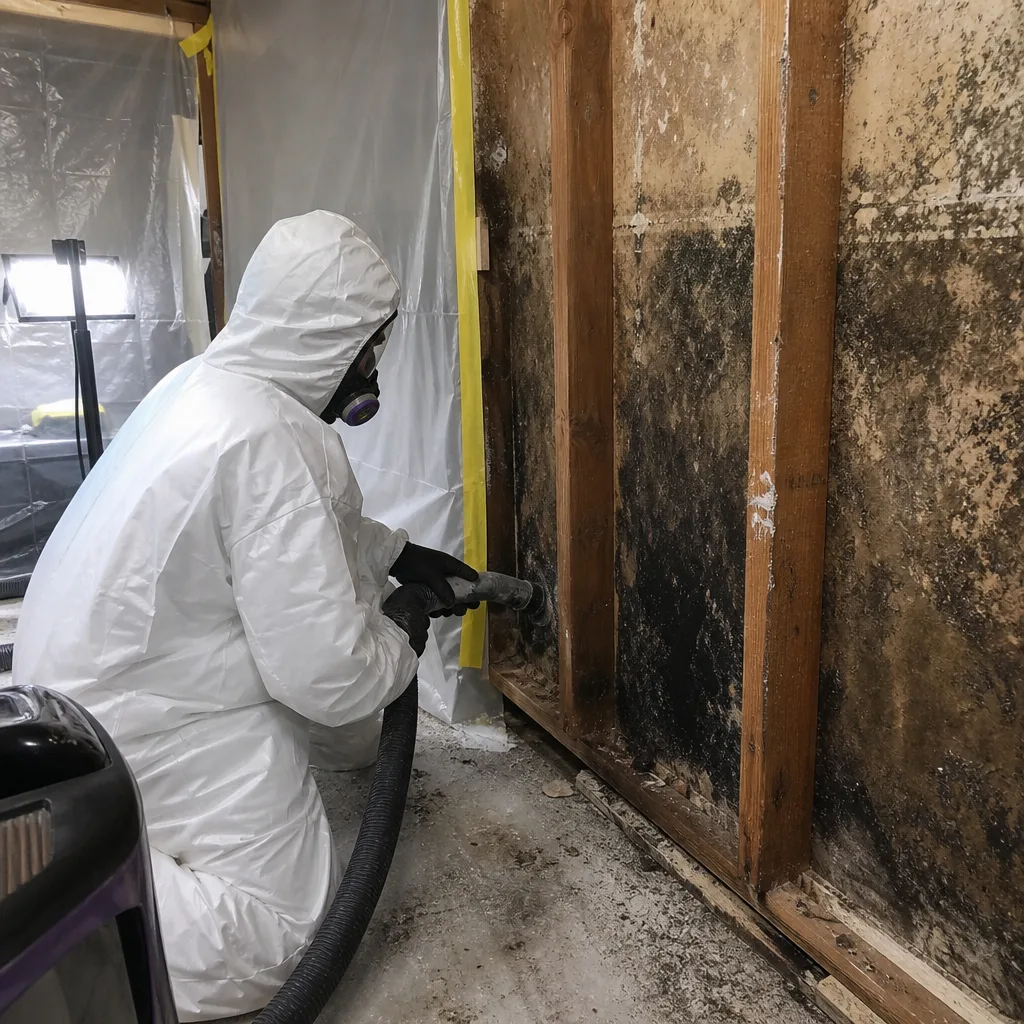
El Cajon’s position in San Diego County’s eastern valley makes it susceptible to flash flooding during winter storm events, particularly in low-lying areas near the San Diego River channel and in neighborhoods with older storm drain infrastructure. After significant weather events, out-of-area contractors arrive with promises of immediate relief. Here’s what to watch for:
- Door-knocking crews without local identification. Legitimate El Cajon contractors do not canvas neighborhoods soliciting restoration work. They respond to inbound calls, often from repeat customers or referrals. A crew that appears uninvited, especially with out-of-state license plates or generic unmarked vehicles, is a high-risk proposition.
- Pressure to sign before your adjuster arrives. Any contractor who claims your claim will be “denied” or “delayed” if you wait for adjuster inspection is misrepresenting the process. Insurance policies require prompt reporting, not immediate contractor authorization.
- Verbal-only pricing with “we’ll figure it out with insurance.” This directly contradicts Haven Standard, Clause 1, and it is the phrase most commonly associated with post-disaster fraud nationwide. A written price is not optional; it is the foundation of every legitimate restoration transaction.
- Requests for upfront payment or deposits on emergency work. Standard practice in restoration is payment upon completion or direct billing to insurance. A contractor demanding cash before equipment placement may lack the financial stability to complete the job or may intend to disappear.
- Unfamiliarity with El Cajon building codes. Our city requires permits for structural repairs exceeding specific thresholds, and San Diego County enforces additional environmental health regulations for sewage and mold. A contractor who cannot name the permitting authority or claims “we handle all that later” is unprepared for legitimate work in this jurisdiction.
The neighborhoods most frequently targeted by post-storm canvassers include the older sections of Bostonia, the commercial-residential mixed areas near Main Street, and the hillside developments in Fletcher Hills where drainage issues compound storm damage. If you’re approached in these areas, verify licensure before engaging.
Common Mistakes to Avoid
- Signing an authorization form without a written scope attached. The authorization gives the contractor legal right to enter and alter your property. Without an attached scope, you have no contractual limit on what they may do or charge.
- Assuming your insurance company’s “preferred vendor” is pre-qualified. Preferred vendor lists are typically based on volume commitments and pricing concessions, not documentation quality or customer outcomes. You have the right to choose any licensed contractor.
- Neglecting to document pre-existing condition. Take your own photos of damage before any contractor arrives. This protects you from disputes about whether cracks, stains, or warping existed before the loss.
- Accepting a verbal “not to exceed” figure. These are unenforceable. Only written estimates with defined change-order procedures limit your exposure.
- Failing to verify that the person on site matches the license holder. Some contractors subcontract all work to unlicensed crews. The license holder should be identifiable and reachable, not a name on a business card.
- Ignoring moisture readings in hidden spaces. In El Cajon’s older homes with plaster walls or multi-layer flooring, surface dryness does not indicate structural dryness. Insist on penetrating moisture meter readings in wall cavities and subfloors.
- Delaying mold assessment after water damage. Our warm inland climate means mold can establish within 48-72 hours. A contractor who proposes drying without concurrent mold monitoring in Category 2 or 3 losses is overlooking a likely secondary damage source.
When to Call a Professional
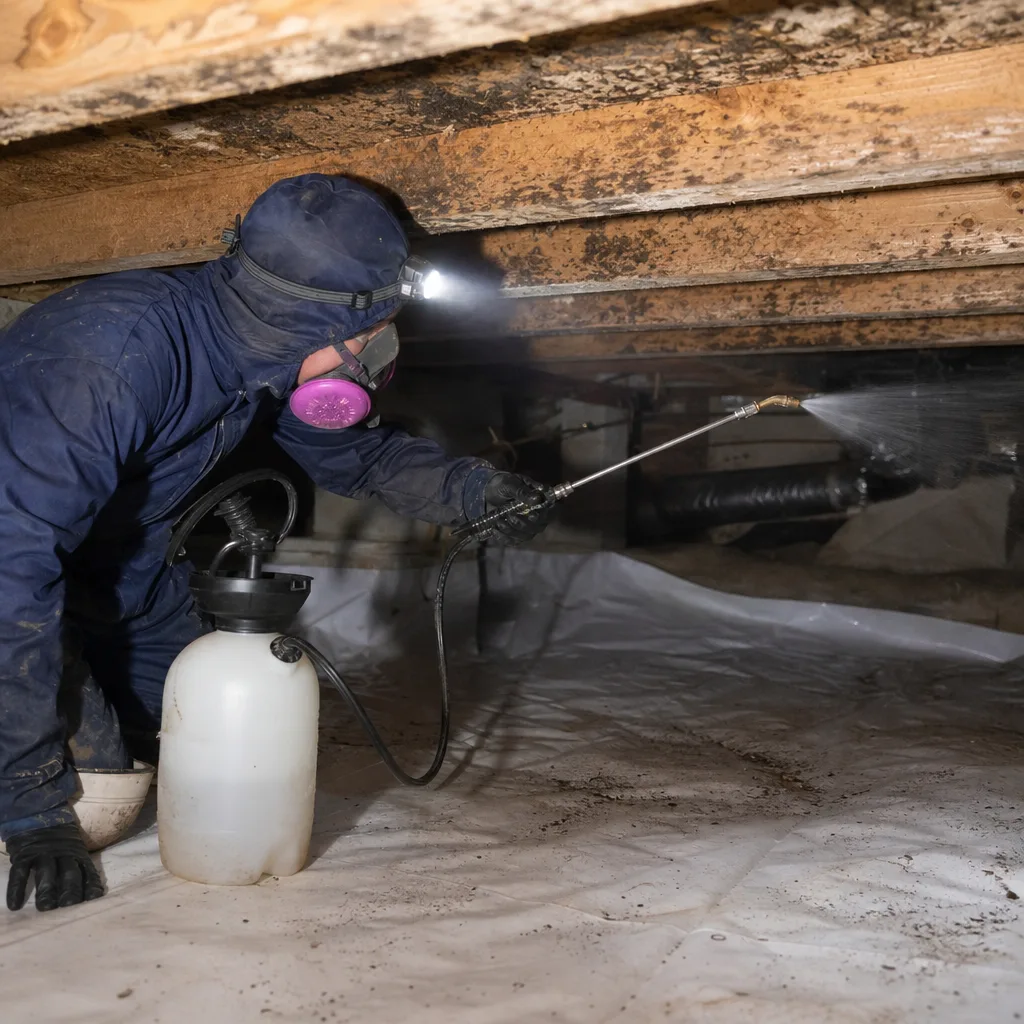
Call a licensed restoration contractor immediately when water exceeds what a wet-dry vacuum can remove, when fire or smoke has affected multiple rooms, when mold covers more than 10 square feet, or when sewage contamination is present. These scenarios require controlled demolition, professional-grade drying equipment, and documentation that meets insurance standards. Mold Remediation in El Cajon also demands specific containment protocols under California’s indoor air quality guidelines.
DryMark Restoration El Cajon offers free estimates in El Cajon - call (858) 428-2364. A live person answers every call, 24 hours a day, 7 days a week, with no voicemail on emergency lines. Every estimate is delivered in writing before work begins, every visit is documented with a photo record, and every job is covered by our 365-Day Done Right Promise under The Haven Standard.
Frequently Asked Questions
Residential water mitigation in El Cajon typically ranges from $1,800 for limited Category 1 (clean water) extraction and drying to $8,500+ for Category 3 (sewage-contaminated) losses requiring demolition, antimicrobial treatment, and extended drying. See our Water Damage Restoration Maintenance Checklist for El Cajon Homeowners for prevention tips. Reconstruction costs are additional and scoped separately. Call (858) 428-2364 for a written estimate specific to your loss - estimates are free.
Most homeowner policies cover sudden and accidental water damage, fire and smoke damage, and storm damage, but exclude gradual leaks, flooding from outside without separate flood coverage, and mold beyond limited amounts. The key to coverage is documentation: dated photos, moisture readings, and a written scope linking the work to the covered peril. We coordinate directly with adjusters and provide the documentation they require, with your approval at every step.
For active water damage or biohazard situations, DryMark Restoration El Cajon dispatches within hours, not days, with live phone coverage 24 hours a day, 7 days a week. Reconstruction and non-emergency work is scheduled after written scope approval. Speed matters for mitigation; reconstruction requires planning.
Category 1 water affecting less than 150 square feet of clean, accessible materials can sometimes be handled by a homeowner with fans and a dehumidifier. Anything involving sewage, wall cavities, hardwood floors, or mold exceeding 10 square feet requires professional equipment and documentation. The risk of incomplete drying - and the claim denial that follows - usually exceeds any savings from DIY attempts.
You retain that authority unless you sign it away. We prepare and submit documentation, respond to technical questions, and advocate for proper scope based on our moisture readings and photo records. You approve the final invoice before submission. This preserves your rights and produces the strongest claim outcome.
A B-General Building Contractor or C-61/D-64 (Non-Specialized) license from the CSLB is required for restoration work exceeding $500. Verify any license at cslb.ca.gov in under three minutes. Additional certifications from IICRC (WRT, ASD, AMRT) indicate specialized training in water, drying, and mold protocols.
The Bottom Line
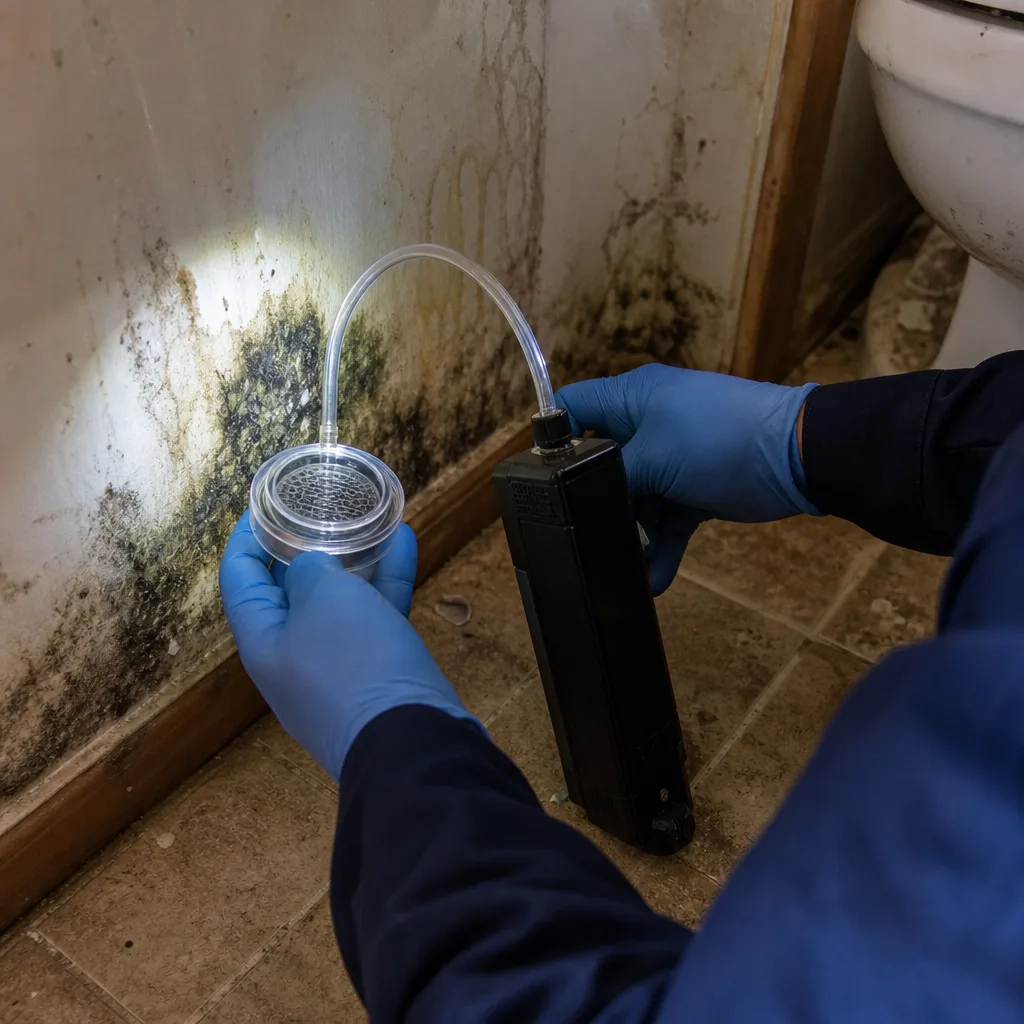
Hiring a damage restoration contractor in El Cajon is a documentation decision, not a personality contest. The contractor who produces five documents before work begins - written estimate, scope of work, equipment list, IICRC certification, and insurance negotiation statement - is the contractor whose work will survive adjuster review and close without dispute. Verify the CSLB license. Compare estimates using Xactimate line items, not gut feeling. Reject verbal pricing, door-knockers, and pressure to sign before you’re ready. The paperwork you demand today determines whether your claim is paid in full six weeks from now. Browse more guides & resources to protect your home.
Written by Alicia Brennan, Owner at DryMark Restoration El Cajon, serving El Cajon since 2011.