
Last updated September 23, 2026
Free visual inspection and a written scope of work before any mitigation begins - photos, moisture readings, and drying logs go in your claim file
The scope we write is the scope we bill. Anything new gets shown to you, in writing, before we touch it.
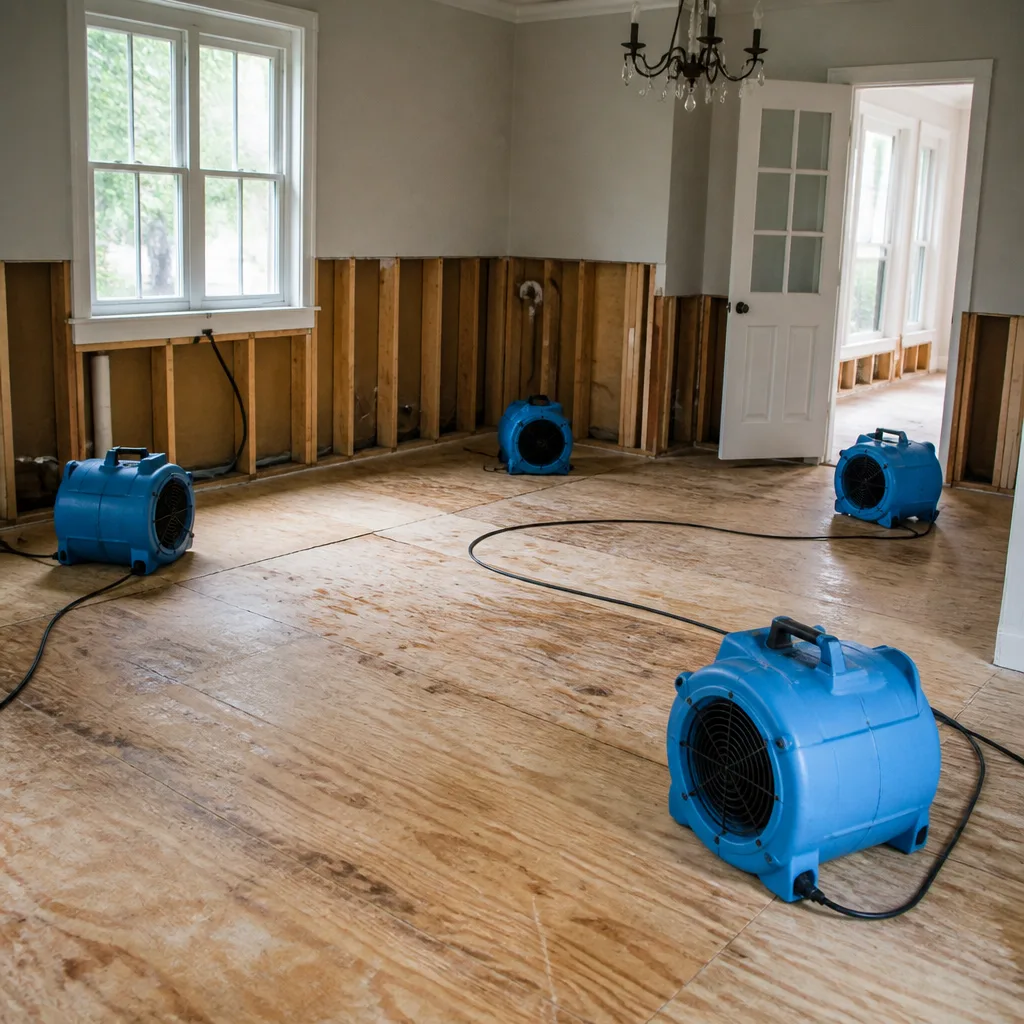

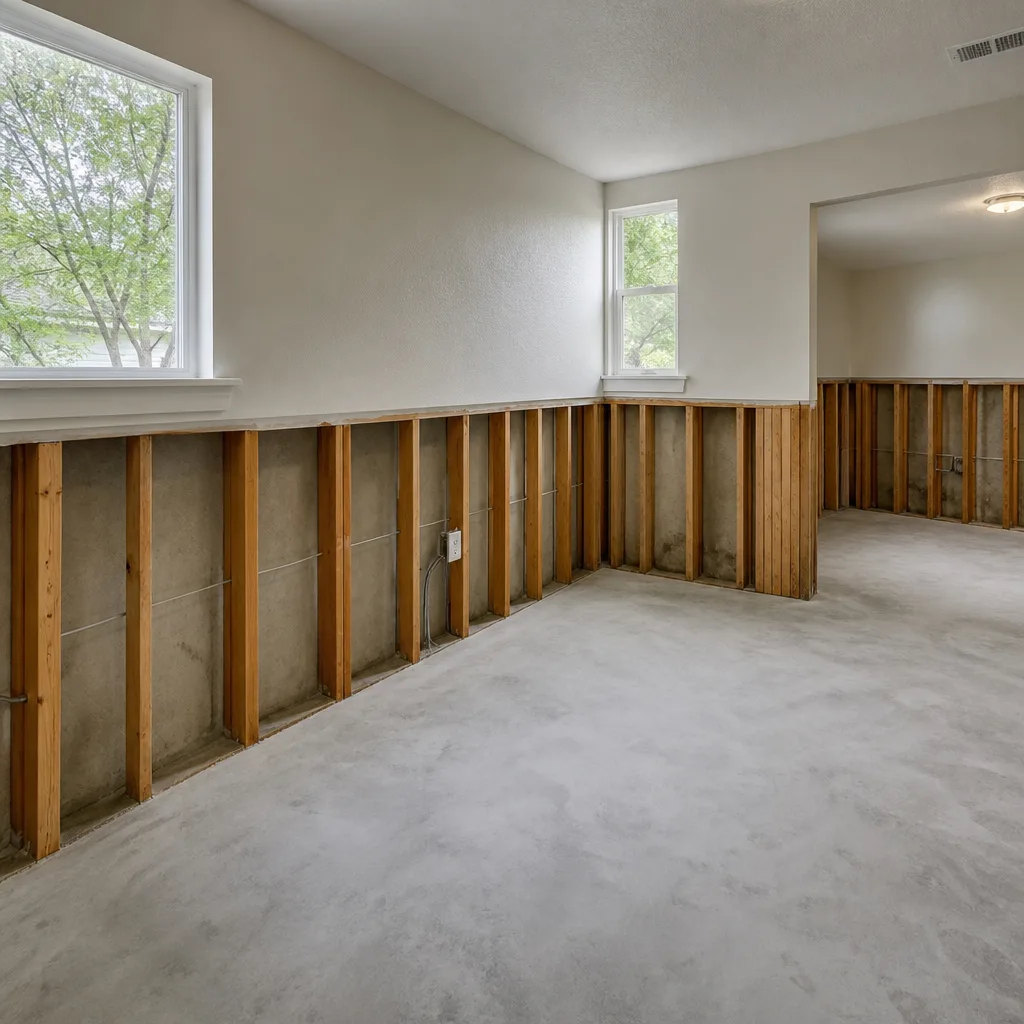

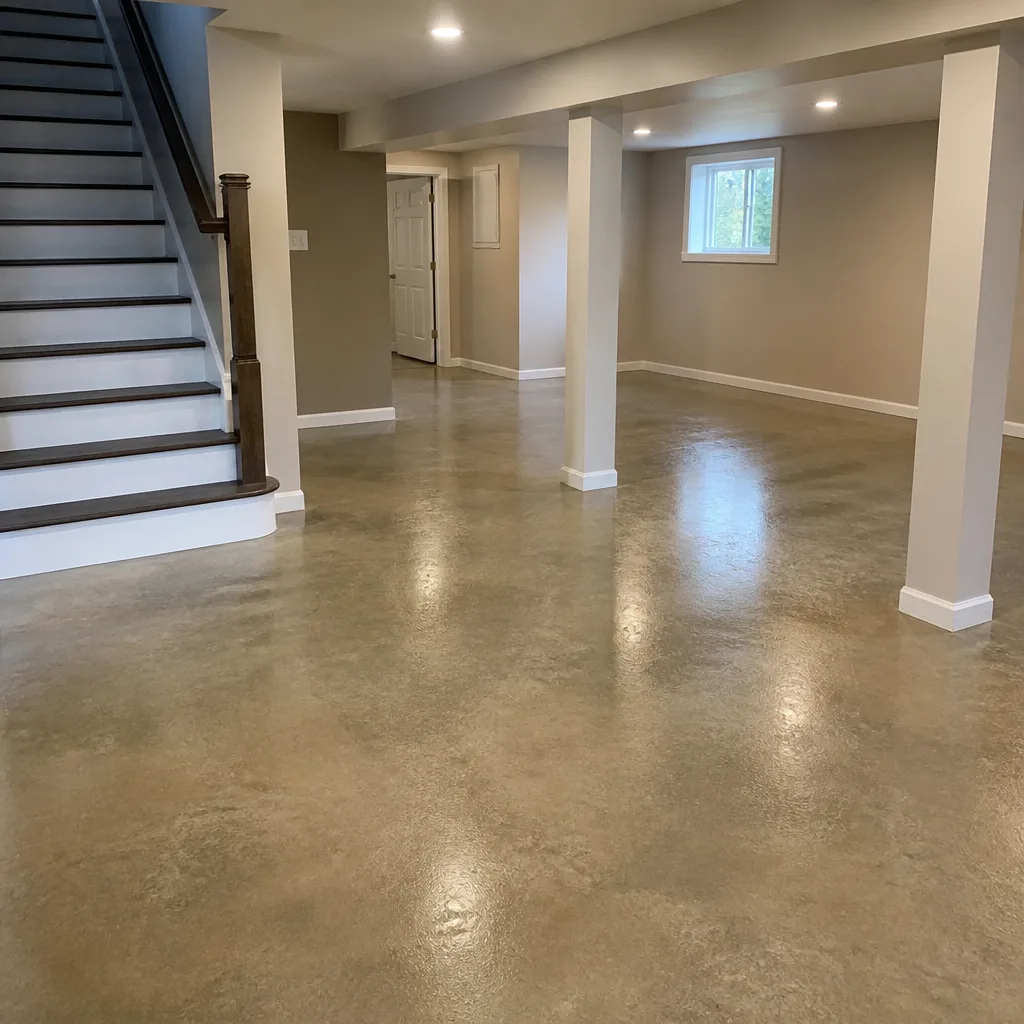

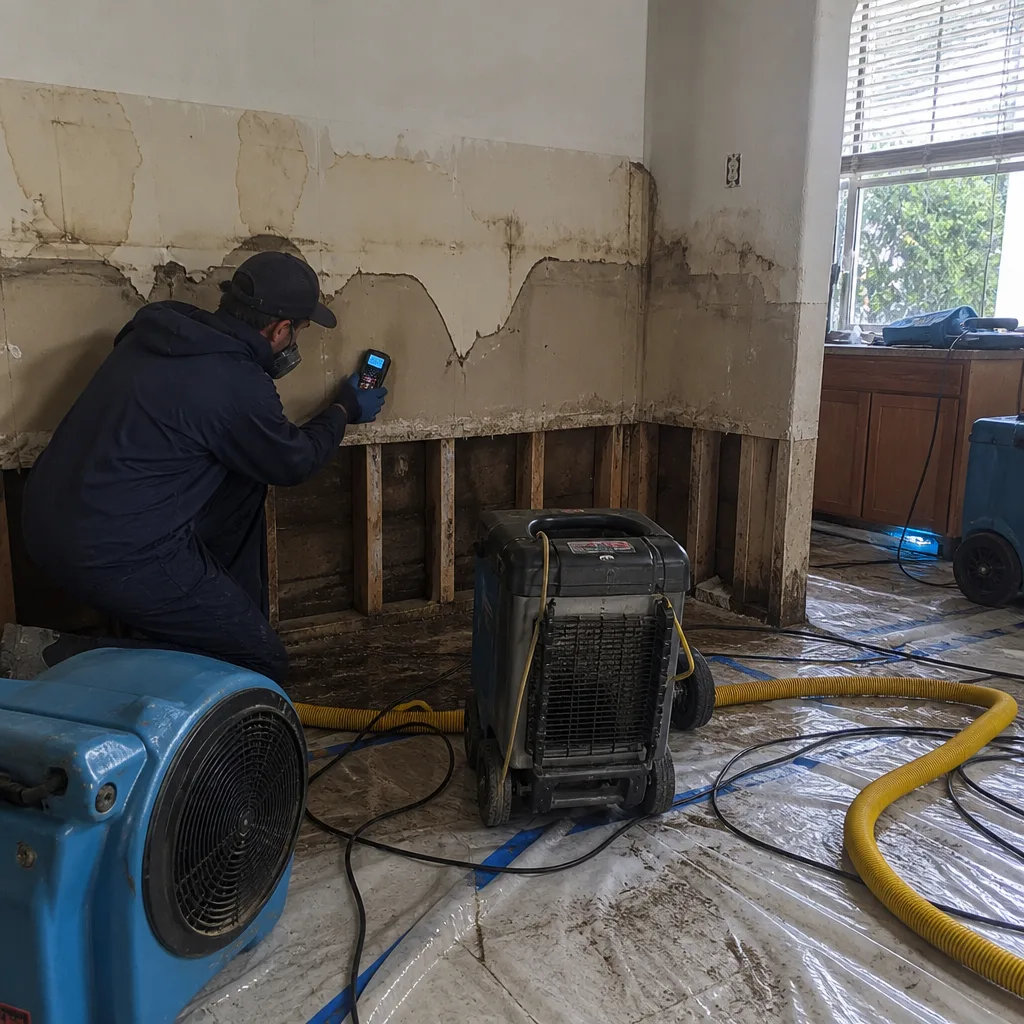 Before
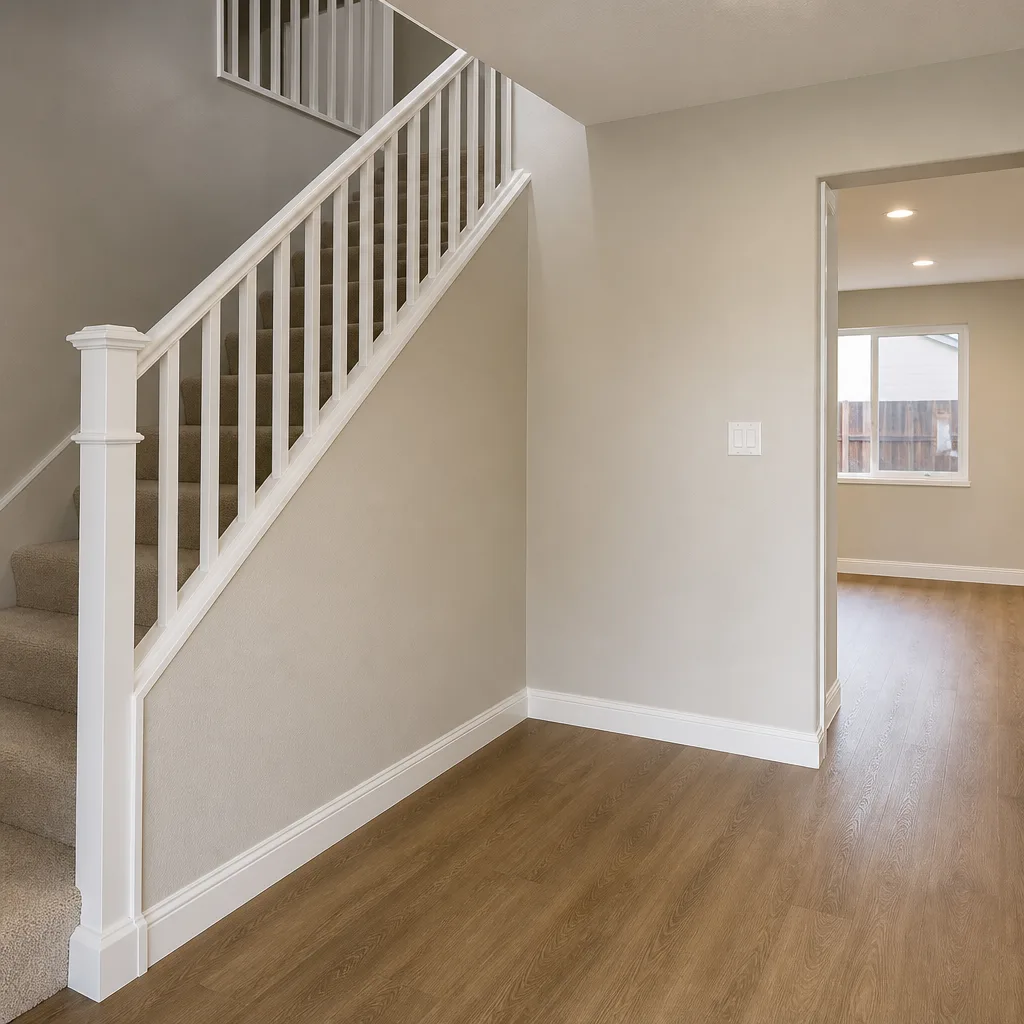 After
After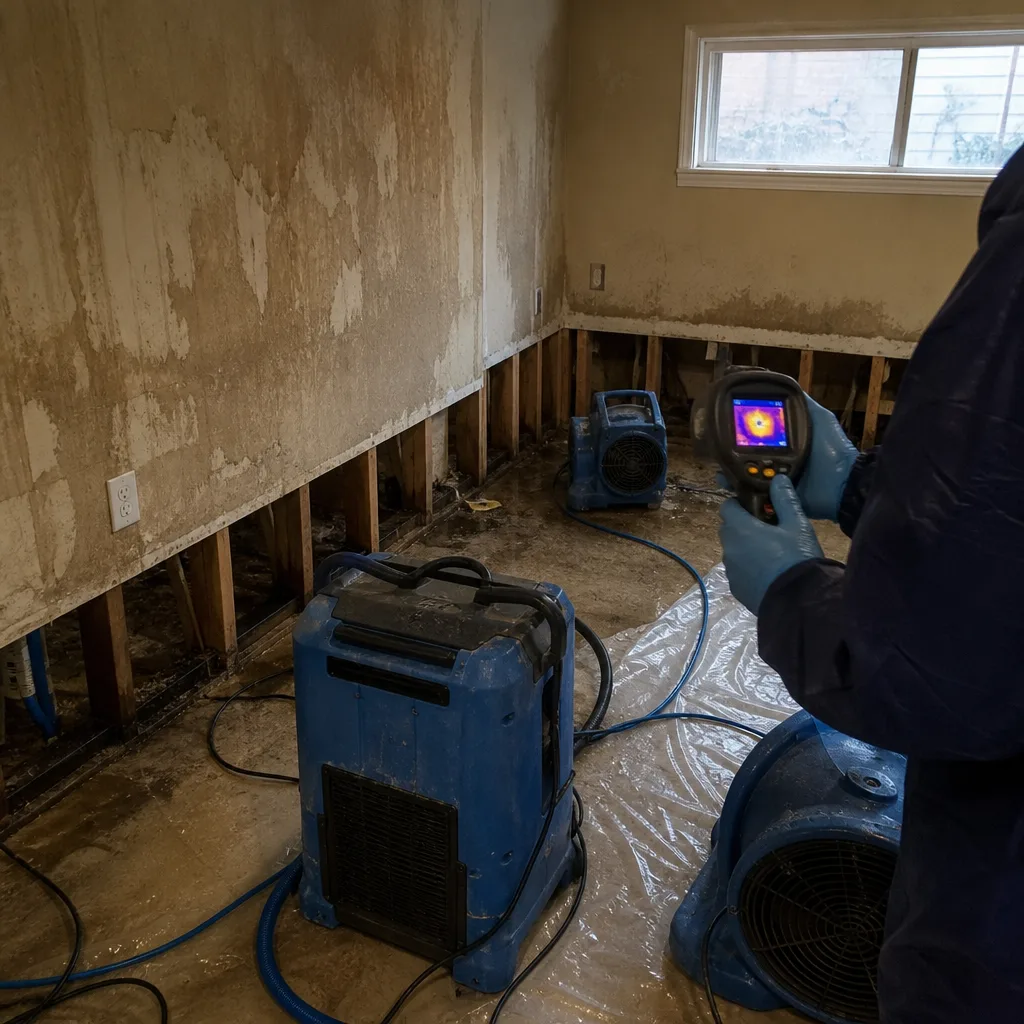 Before
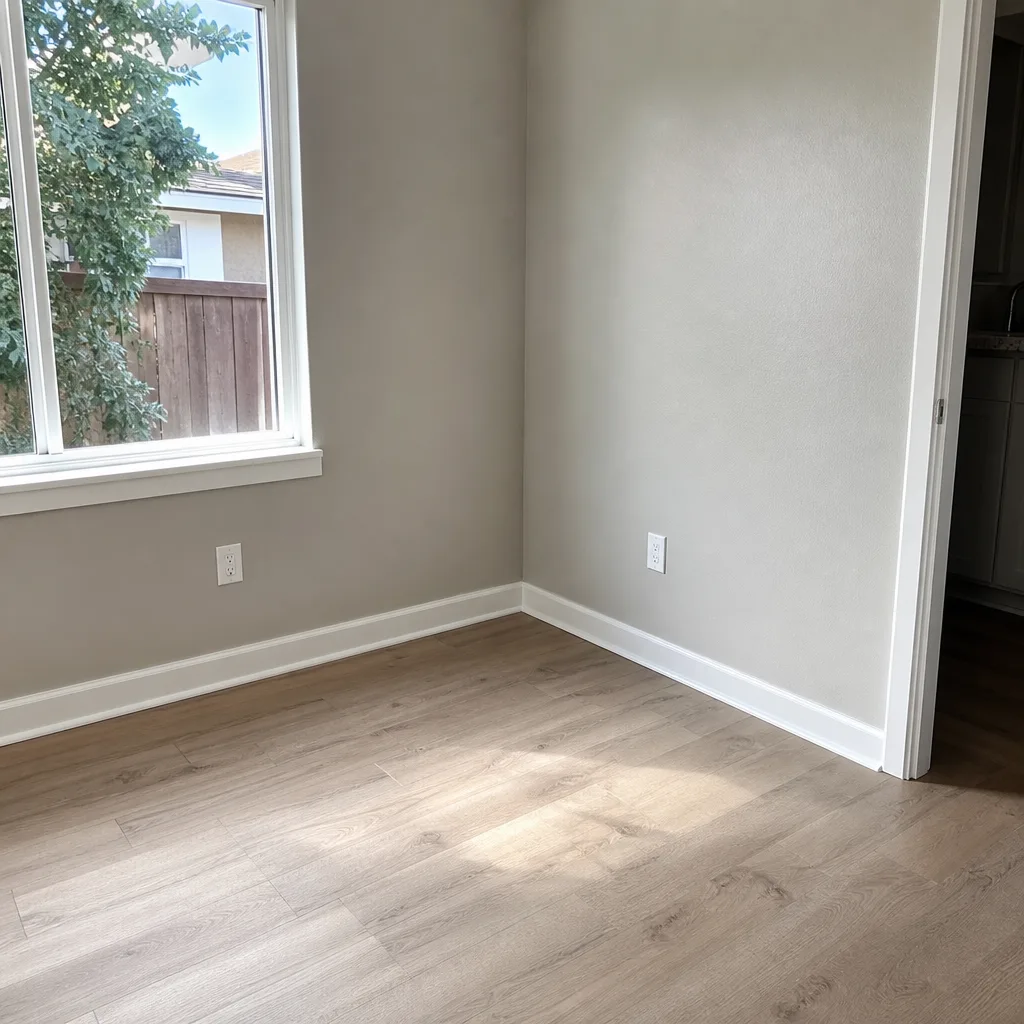 After
After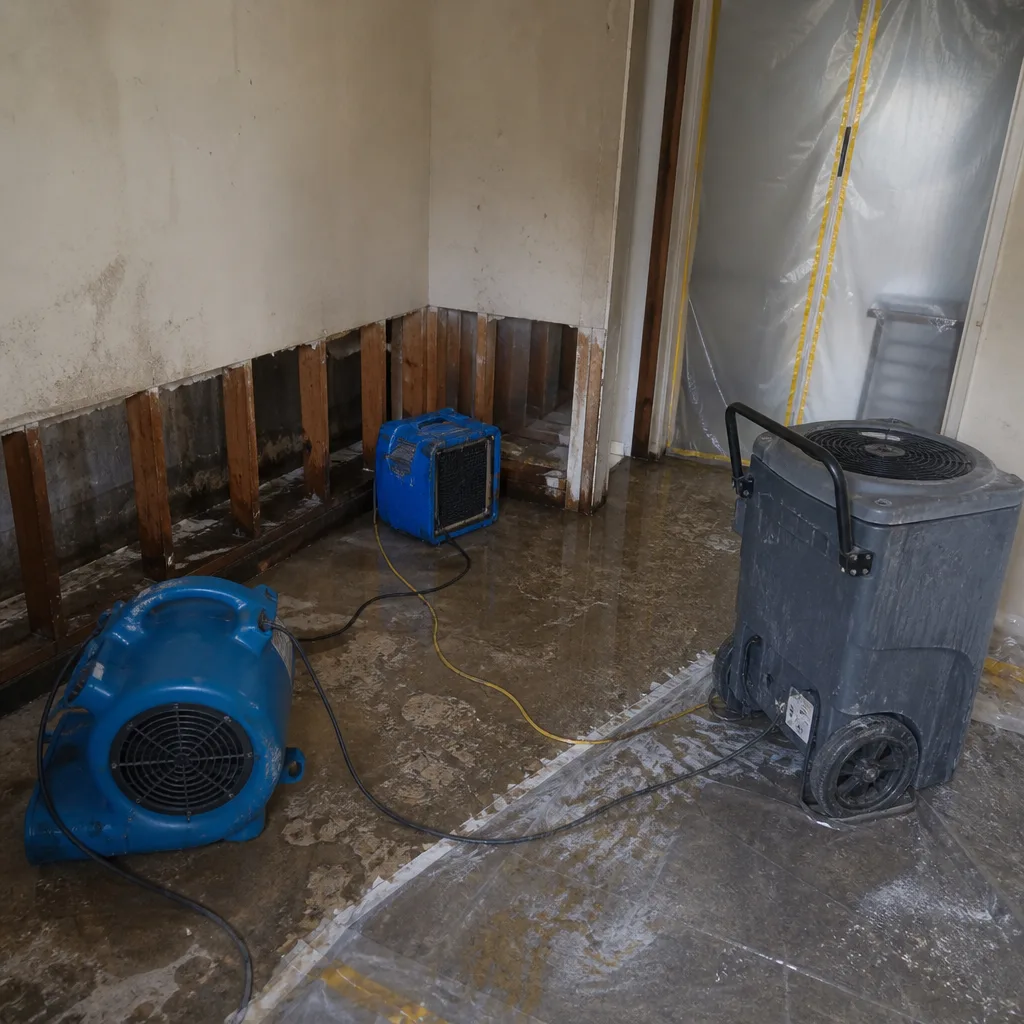 Before
 After
AfterDamage Restoration Warning Signs: A El Cajon Homeowner’s Reference Guide
The musty smell you noticed in March and did nothing about can become the evidence an insurer uses in October to argue your water damage was a “long-term condition” excluded from your policy. In El Cajon, where winter rains average 12 inches concentrated between December and March, then give way to months of drying Santa Ana winds, homeowners face a specific documentation problem: damage that accumulates slowly, invisibly, and without a paper trail until it becomes expensive and disputed. This guide teaches you to attach dates, measurements, and photos to what you notice, turning casual observation into a record that protects your claim rather than exposing it to denial.
Quick Answer
Water damage warning signs in an El Cajon home include moisture meter readings above 16% in wood framing, efflorescence on block walls indicating active water movement, stucco cracks wider than 1/8 inch with diagonal orientation, and musty odors that persist after 48 hours of ventilation. Document each observation with date, location, photo with scale reference, and moisture reading to create a defensible record. When affected materials exceed 10 square feet or moisture readings remain above 20% after drying attempts, professional assessment is warranted, and our guide to hiring a damage restoration contractor in El Cajon can help you choose the right expert.
Table of Contents
- How to Distinguish Structural Cracks from Cosmetic Damage
- Four Hidden Moisture Signs in El Cajon Stucco Exteriors
- Reading Efflorescence: What White Mineral Deposits Reveal
- How to Log a Warning Sign Correctly
- When “Monitor It” Becomes “Call Now”: Measurable Thresholds
- Fire and Smoke Damage Warning Signs Often Missed
- Sewage and Biohazard Indicators Requiring Immediate Response
- Common Mistakes to Avoid
- When to Call a Professional
- Frequently Asked Questions
 Before
 After
AfterHow to Distinguish Structural Cracks from Cosmetic Damage
Every El Cajon home settles. The question is whether the crack you’re looking at documents normal shrinkage or ongoing structural movement that will channel water into your framing. We’ve restored homes in Fletcher Hills where a homeowner watched a hairline crack widen for eighteen months before calling, by which point water had compromised the sill plate and the repair scope tripled.
The 1/8-inch rule is the first filter. Measure the crack with a standard tape measure or slip a nickel into it; a nickel is 0.835 inches in diameter, so if it slides in easily, you’re at or above the threshold. Cracks below 1/8 inch that run vertically in drywall or plaster are typically cosmetic, the result of lumber drying and seasonal expansion. Cracks at or above 1/8 inch warrant closer inspection regardless of orientation.
Orientation matters more than width. Horizontal cracks in foundation walls, especially in the clay-heavy soils of central El Cajon, indicate lateral pressure from soil expansion after rain. Diagonal cracks running from corners of doorframes or windows at 30 to 45 degrees signal differential settlement, often from irrigation water concentrating near the foundation. Vertical cracks are least concerning unless they show recent extension, which you document by marking the endpoint with pencil and dating it.
The photo angle that documents the difference: shoot one image perpendicular to the wall showing the crack’s full length with a measuring tape or coin placed adjacent for scale. Shoot a second image at 45 degrees to show depth and any displacement of one face relative to the other. A structural crack will show a lip, one side stepped forward from the other, indicating shear movement. A cosmetic crack sits flush, both faces in plane.
In El Cajon’s older neighborhoods near downtown, we’ve seen foundation cracks that remained stable for decades suddenly accelerate after adjacent construction altered drainage patterns. The documentation that protects you is sequential: photo with scale, dated, showing the same location under similar lighting conditions. Three data points over time establish trend, and trend is what separates a maintenance issue from a sudden event your policy covers.
Four Hidden Moisture Signs in El Cajon Stucco Exteriors
Stucco dominates El Cajon exteriors for good reason: it handles our temperature swings and, when properly maintained, sheds the brief, intense winter rains. But stucco’s Achilles heel is its opacity. Water enters through hairline cracks, failed sealant at penetrations, or improper flashing at roof-wall intersections, then travels within the assembly for weeks or months before visible damage appears. By then, the sheathing behind may be compromised and mold established.
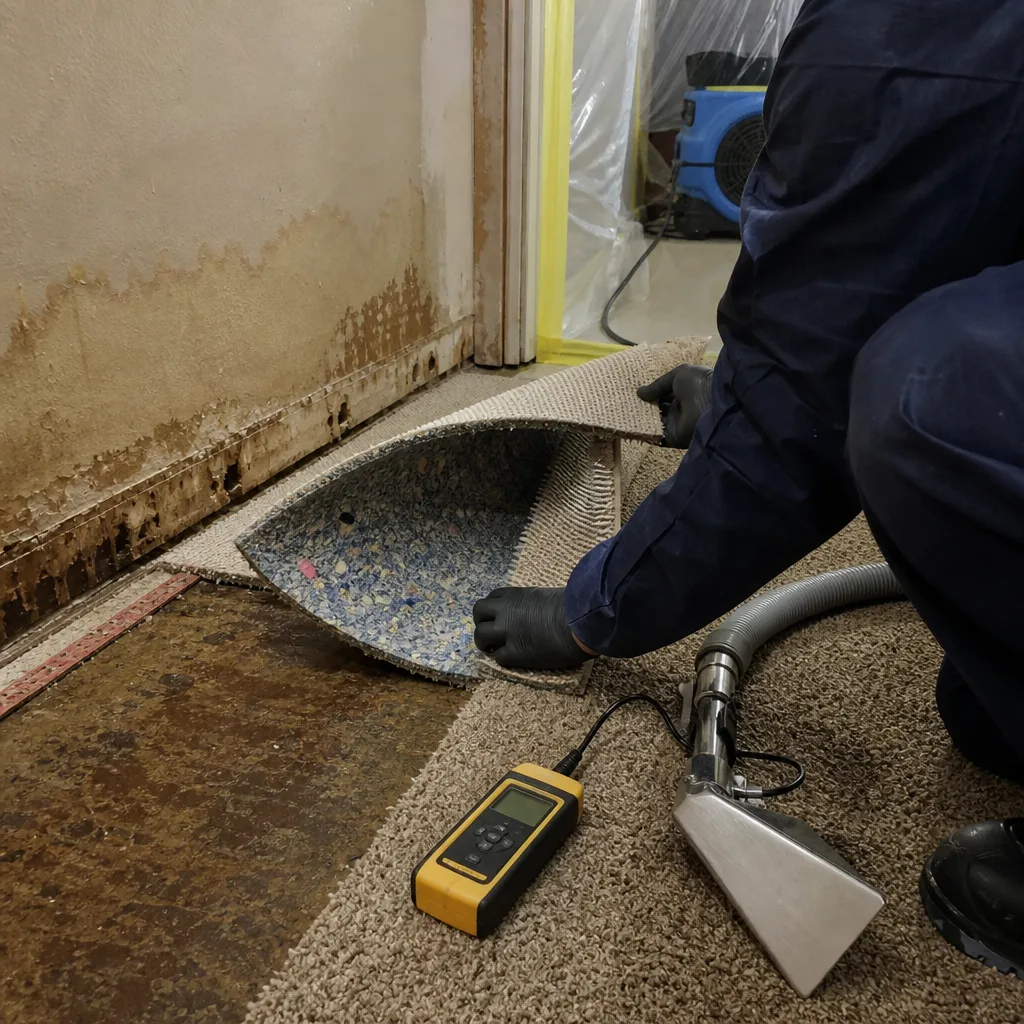
An $18 pin-type moisture meter, available at any hardware store in El Cajon, transforms invisible moisture into readable data. The four signs we look for on every exterior assessment:
- Staining at weep screeds. The metal strip at the base of stucco walls allows drainage; rust staining or efflorescence here indicates water has reached the bottom of the wall assembly. Normal stucco reads 5-12% on a pin meter; readings above 16% at the weep screed confirm active moisture migration.
- Soft spots around penetrations. Windows, hose bibs, light fixtures, and dryer vents create interruptions in the stucco membrane. Press firmly with a screwdriver handle; soft or crumbly areas indicate degraded substrate. Follow with pin meter readings in a grid pattern: 6 inches from the penetration, 12 inches, 18 inches. A reading gradient that decreases with distance confirms a point-source leak rather than systemic failure.
- Blistering or bubbling paint on trim. Acrylic paint on wood trim should read below 15%. Blisters that contain water or stain the underside of the paint film indicate vapor pressure pushing moisture outward from saturated substrate. In El Cajon’s spring, when Santa Ana winds follow rain events, this accelerated drying can cause paint to fail in days rather than years.
- Cracks that darken after rain then lighten unevenly. This is the subtlest sign. Water enters through the crack, wicks laterally within the stucco, and dries from the surface inward. The result is a halo of slightly darker coloration around the crack that persists 24-48 hours longer than surrounding areas. Photograph the same crack after each rain event; progressive darkening indicates increasing water retention and probable substrate damage.
We’ve documented cases in Rancho San Diego where homeowners identified elevated moisture at window penetrations six months before interior drywall showed staining. Early documentation allowed targeted repair of flashing and sealant at $800 versus full window-wall remediation at $14,000 after interior mold developed. The moisture meter reading, dated and photographed, was the difference.
Reading Efflorescence: What White Mineral Deposits Reveal
That white, powdery substance on your garage floor, basement wall, or crawl space pier is not mold, though homeowners confuse the two constantly. Efflorescence is crystallized mineral salt, deposited when water moves through concrete or block, dissolves soluble salts within the material, then evaporates at the surface leaving the salts behind. Its presence proves water is moving through the material; its absence after previous presence proves the water source has been eliminated.
What efflorescence indicates about moisture movement depends on location and pattern. On a below-grade block wall in El Cajon, where clay soils hold winter moisture against foundations, efflorescence at the base of the wall indicates capillary rise, water wicking upward from saturated soil. The same pattern at mid-wall suggests a point-source leak, perhaps from a failed downspout or irrigation line concentrating water at that elevation. Efflorescence in a garage floor pattern that follows control joints indicates vapor pressure from below, common in homes built before 1990 without adequate vapor barriers.
The critical measurement: moisture reading at the same spot. Efflorescence with a pin meter reading below 15% indicates past water movement that has resolved, perhaps seasonal. Efflorescence with readings above 20% confirms active infiltration requiring intervention. We’ve seen homeowners in Bostonia scrub efflorescence repeatedly, treating the symptom while the moisture reading climbed from 18% to 34% over two winters, destroying the bottom course of block.
To document: photograph the efflorescence with a ruler for scale, note the pattern type (uniform, streaking, localized), take pin meter readings at the deposit and 12 inches away, and record all data with date. If efflorescence returns after cleaning, the water source is active; your documentation establishes when you knew or should have known, a key policy coverage question.
How to Log a Warning Sign Correctly
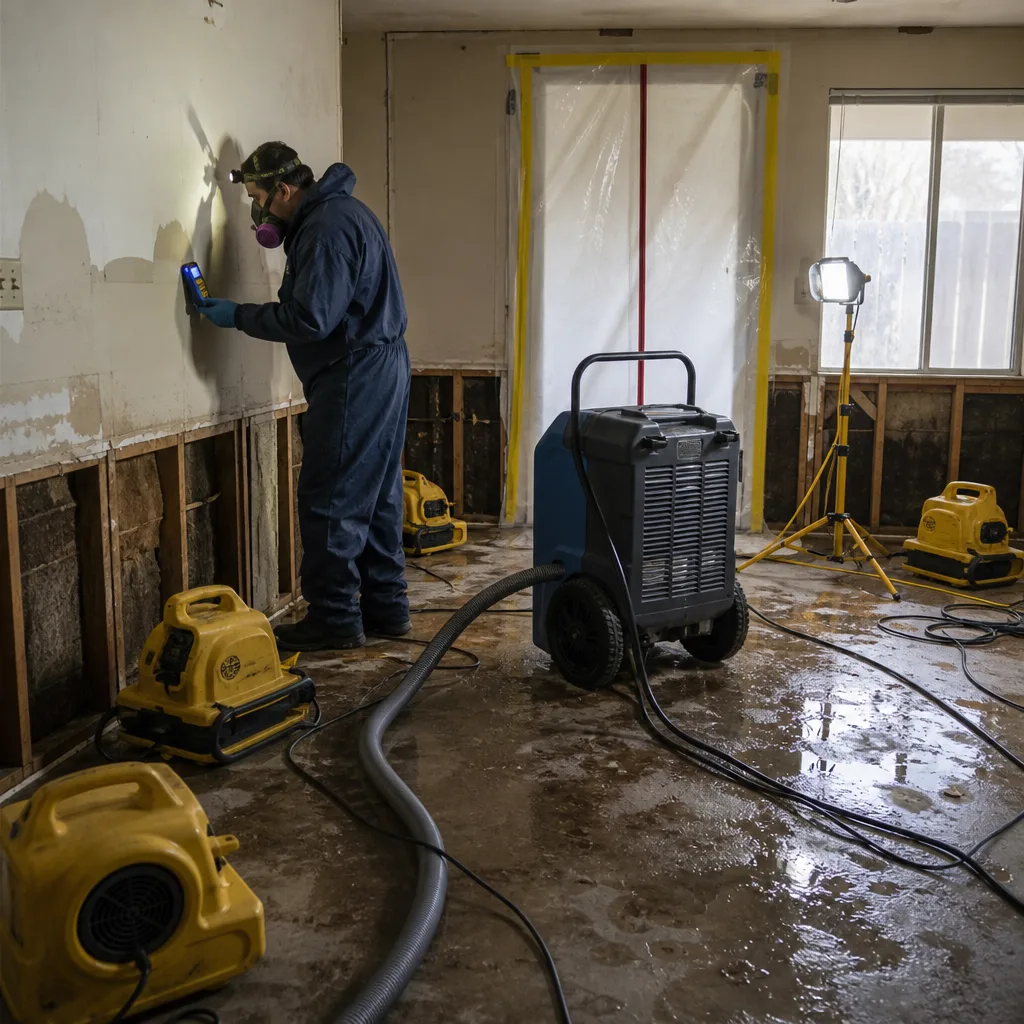
Documentation that protects you in a claim dispute follows a specific format. We’ve reviewed thousands of claim files; the ones that pay without fight contain records a homeowner created before calling us, not after. The logging protocol:
- Date and time of observation. Not “last week” or “a while back.” The specific date matters because policies distinguish sudden events from long-term conditions, and your first documented observation starts the clock.
- Location by room, wall, and relative position. “North wall of master bedroom, 18 inches from west corner, 8 inches above baseboard.” This precision allows return visits to assess change and prevents disputes about whether a later photo shows the same location.
- Photo with scale reference. A measuring tape showing width, a coin for size context, or a ruler for length. Include a piece of paper with the date written on it in the frame. Shoot the overall context (where on the wall), the medium view (the full extent of damage), and the close-up (texture, color, material condition).
- Moisture reading or other measurement. Pin meter reading in percentage, crack width in fractions of an inch, area affected in square feet calculated by length times width. If you lack tools, estimate using standard references: a sheet of paper is 8.5 by 11 inches, a floor tile is typically 12 by 12 inches.
- Action taken and by whom. “Ventilated room with fan for 24 hours, moisture reading unchanged at 22%.” “Called plumber, repaired leaking supply line on [date].” “Monitoring, no action, next check scheduled [date].” This establishes your reasonable response and prevents insurer arguments of negligence.
Store records in cloud storage with date-stamped filenames: “2024-03-15_master-bed-north-wall-moisture.jpg.” Email copies to yourself for third-party timestamp verification. In El Cajon, where wildfire risk has increased insurer scrutiny of all claims, this documentation discipline separates paid claims from denied ones.
We’ve had homeowners present us with three years of dated photos showing progressive foundation cracking, each with measurements, each noting seasonal variation. Their claim paid in full because the documentation proved sudden acceleration after a specific rain event, not gradual neglect. Another homeowner had severe water damage but no records before our arrival; the insurer attributed six months of damage to a single recent event and reduced payment by 40%.
When “Monitor It” Becomes “Call Now”: Measurable Thresholds
The restoration industry profits from ambiguity, from telling homeowners “call if you’re concerned” without defining concern. We prefer measurable thresholds because they protect both parties. Here’s when observation ends and professional assessment begins:
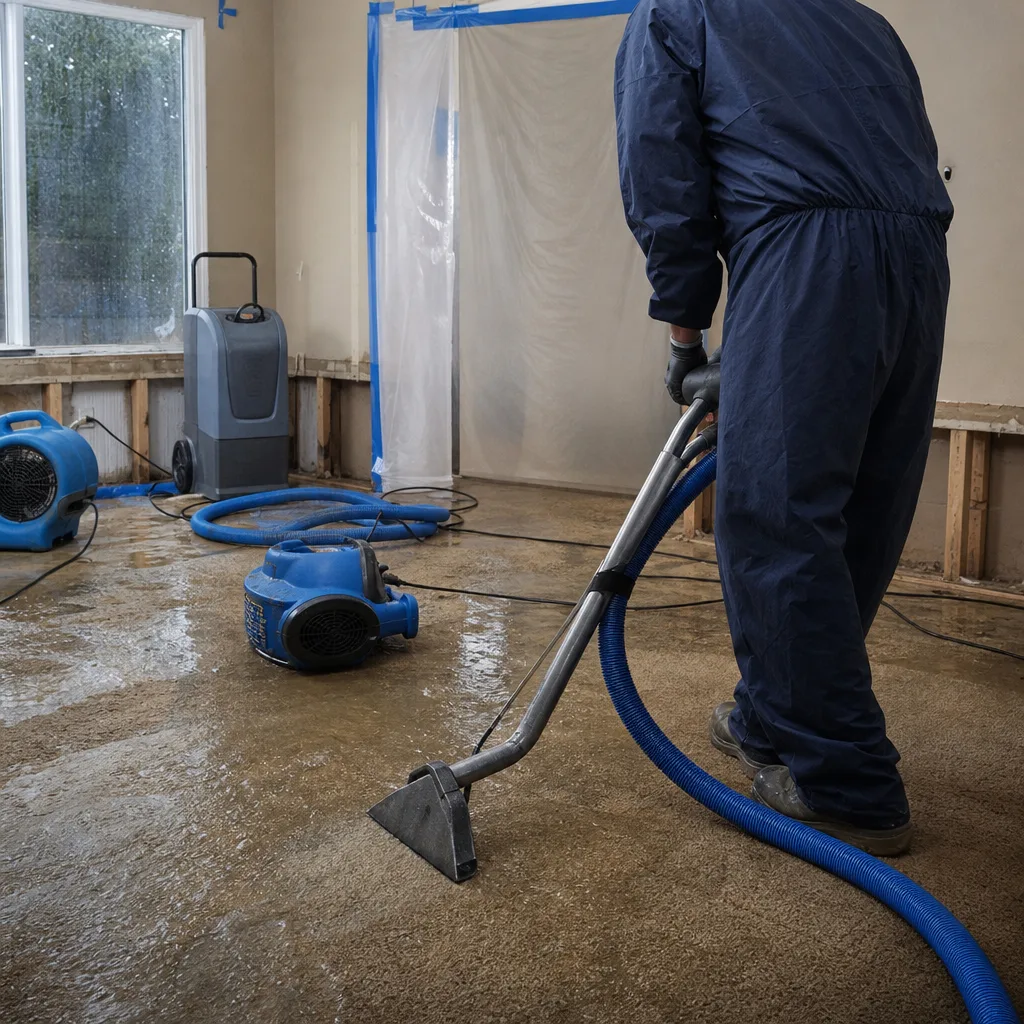
- Moisture content in wood framing exceeds 20% after 48 hours of active drying. Wood at 20% supports mold growth; at 28%, structural decay organisms activate. Our Phoenix and Dri-Eaz dehumidification systems target 12-15% in structural lumber, achievable in most El Cajon climates within 72 hours of proper deployment. If your fan-and-open-window approach hasn’t moved the needle in two days, the water source is active or the affected volume exceeds surface drying capacity.
- Affected materials exceed 10 contiguous square feet. The EPA remediation threshold for homeowner-managed mold cleanup. Below this, with non-porous materials and active water source eliminated, DIY is defensible. Above it, disturbance risks aerosolizing contamination, and documentation requirements for insurer notification trigger.
- Crack width increases by 1/16 inch in any 90-day period. Acceleration indicates active movement, not historical settlement. In El Cajon’s spring, when soil moisture fluctuates most, we’ve measured foundation movement that stabilized by June and movement that continued through summer dry season, the latter requiring structural intervention.
- Musty odor persists after 48 hours of ventilation and dehumidification. Odor indicates microbial volatile organic compounds, the metabolic byproducts of mold growth. Persistent odor means active growth somewhere, often in wall cavities or subflooring invisible from the occupied space.
- Efflorescence recurs within 30 days of cleaning. Confirms active water source, not historical residue.
- Any water intrusion involving Category 2 (gray) or Category 3 (black) water. This includes dishwasher discharge, washing machine overflow, toilet backup beyond the trap, or any water that has passed through building materials. Category 1 (clean water from supply line) becomes Category 2 after 48 hours of contact with building materials. The clock matters; document when the event started and when you discovered it.
In our experience across 12,000 homes since 2011, the homeowners who fare best are those who call at threshold crossing with documentation in hand, not those who wait for visible collapse. The call costs nothing; our DryMark Restoration El Cajon home page outlines what happens when you do.
Fire and Smoke Damage Warning Signs Often Missed
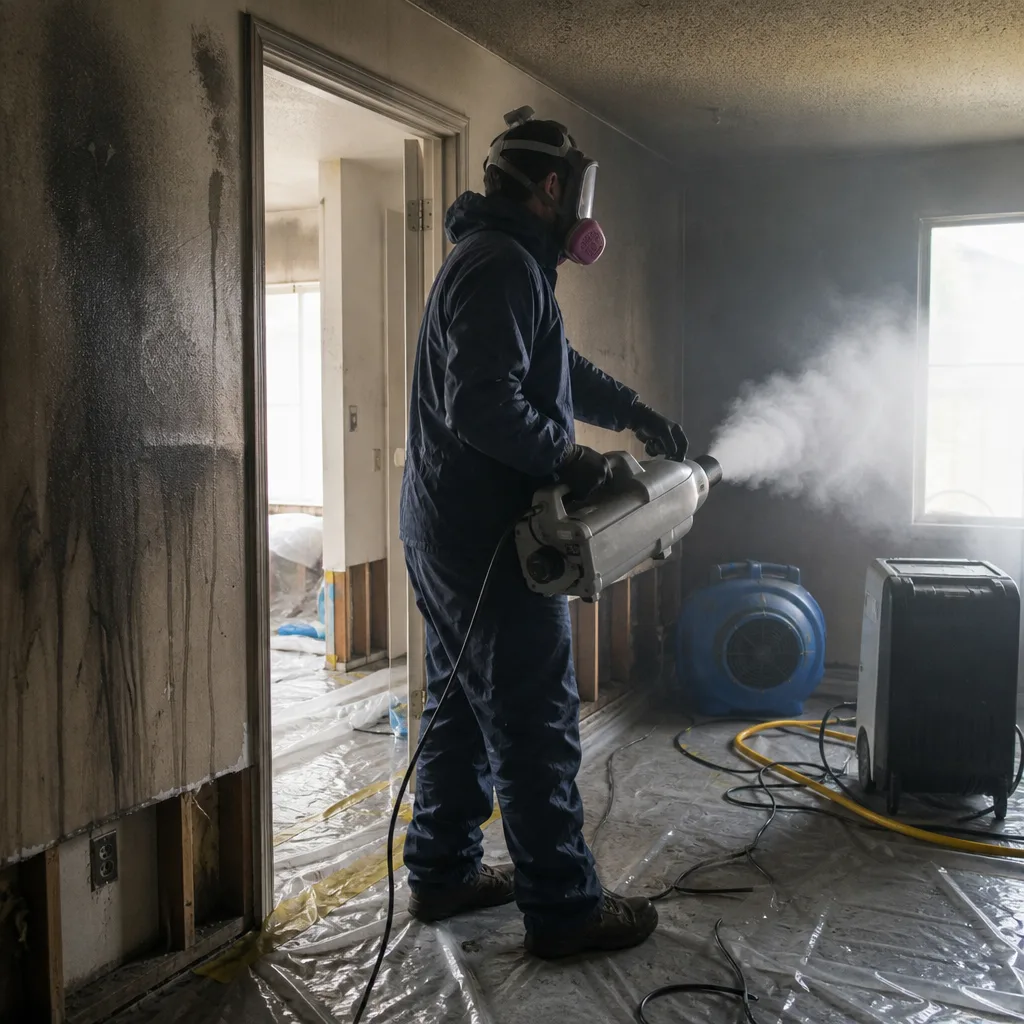
Not all fire damage announces itself with flames. The warning signs of pre-ignition conditions and post-event residual damage are often olfactory and chemical, visible only to those who know what degraded materials look like before they fail.
Electrical fire precursors include outlets or switches that are warm to touch, discoloration of the plastic faceplate from ivory toward brown, and a persistent ozone or fishy smell that has no source you can locate. The smell is overheating insulation off-gassing; the faceplate discoloration is thermal degradation of the polymer. Both indicate resistance heating at a connection point, typically from loose terminals or aluminum wire expansion. Document with photo, date, and note whether the condition is constant or intermittent. If you smell it, the connection is already generating temperatures above 140°F; the ignition threshold of surrounding dust and debris is typically 300-500°F, but sustained heating dries and carbonizes materials, lowering their ignition point over time.
After any fire event, even a contained kitchen flare-up, residual damage indicators include soot accumulation in HVAC return air grilles, corrosion on metal surfaces in rooms distant from the fire, and persistent acrid odor that “cleans up” with surface cleaning but returns within hours. The latter indicates pyrolyzed residues embedded in porous materials: drywall, insulation, carpet cushion, and unfinished wood. Surface cleaning doesn’t reach them; thermal fogging or ozone treatment, documented with pre- and post-treatment air sampling, is required.
In El Cajon’s older housing stock, particularly in the neighborhoods north of Main Street, we’ve found knob-and-tube wiring still active in attics, its insulation brittle from decades of heat cycling. Homeowners report “a slight burning smell when the attic gets hot” and dismiss it. The correct response is documentation and immediate electrical assessment, not continued monitoring. Fire & Smoke Damage Restoration in El Cajon addresses full-scope recovery when events have already occurred; this guide aims to prevent the call entirely.
Sewage and Biohazard Indicators Requiring Immediate Response
Some warning signs don’t allow a monitoring period. Sewage backup presents immediate health hazards from enteric pathogens, and the documentation priority shifts from claim protection to exposure limitation.
The indicators: multiple drains backing up simultaneously, particularly the lowest drain in the structure; gurgling from toilets when sinks run; water appearing in floor drains without recent use; and the unmistakable sulfide odor of anaerobic bacterial activity. In El Cajon, where many neighborhoods combine older sewer laterals with modern low-flow fixtures, we’ve seen increased frequency of line blockages from inadequate flow velocity. The Fletcher Hills and Bostonia areas, with mature tree canopies, experience root intrusion at higher rates than newer developments.
When sewage contact occurs, the threshold for professional response is zero square feet of affected porous material. Carpet, carpet cushion, drywall, and unfinished wood that have contacted Category 3 water require removal and disposal, not cleaning, per IICRC S500 standards. Hard surface remediation requires antimicrobial application and, for food-contact surfaces, replacement. Documentation here focuses on extent and source: photograph all affected areas before any cleanup attempt, note the apparent origin point (toilet overflow, floor drain, cleanout backup), and record when the event was discovered versus when it started if known.
Biohazard indicators beyond sewage include persistent pet urine saturation in subflooring, indicated by blacklight fluorescence and ammoniacal odor that returns after surface cleaning; and rodent infestation evidence in HVAC systems, indicated by droppings in ductwork and musty, urine-derived odor from vents. Both represent airborne pathogen and allergen sources that standard cleaning doesn’t address.
Common Mistakes to Avoid
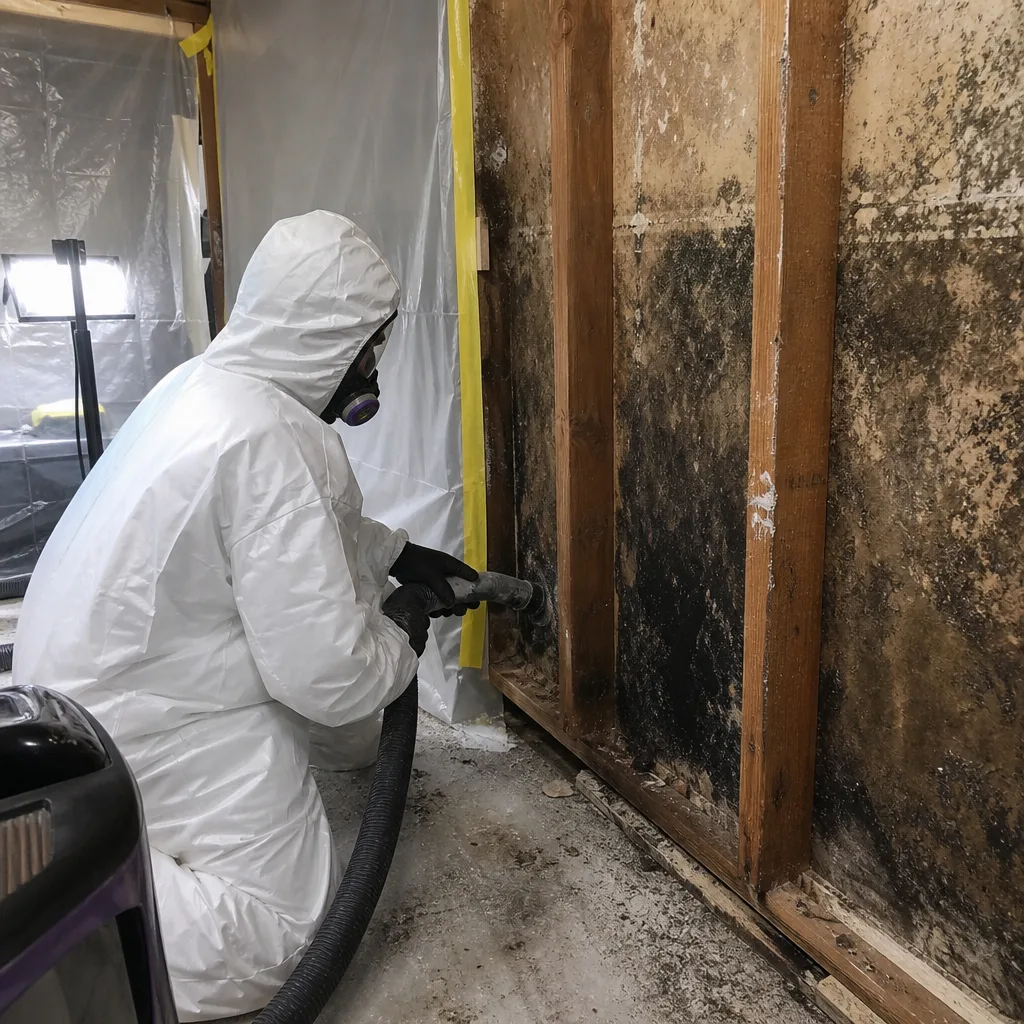
- Photographing damage without scale reference. An insurer can argue a crack is hairline or a stain is minor when your photo lacks context. The quarter you place beside the damage for scale becomes evidence of dimension that survives dispute.
- Cleaning before documenting. The urge to make damage disappear is understandable, but it destroys the evidence of extent and origin that your policy requires. Document first, clean second, with photos of both states.
- Attributing all moisture to “El Cajon humidity.” Our average relative humidity ranges from 45% in winter mornings to 65% in June gloom, but sustained interior humidity above 60% indicates a source, not climate. Dehumidifiers manage sources; they don’t create them.
- Ignoring seasonal patterns. Damage that appears only in winter, or only after irrigation season starts, or only following Santa Ana wind events, has a specific cause your documentation can isolate. “It happens every spring” is a diagnostic clue, not normal wear.
- Relying on memory for dates and sequences. Memory reconstructs; documentation records. The insurer’s adjuster will have dates from their file; yours should match or exceed their precision.
- Waiting for visible mold before acting. Mold colonization precedes visible growth by days to weeks. By the time you see it, the affected area is typically larger than visible, and the remediation scope has expanded.
- Accepting verbal assurances without written scope. This contradicts everything The Haven Standard represents. A written price before work begins, with defined scope, materials, and completion criteria, is the minimum documentation for any professional engagement.
When to Call a Professional
Call when your documentation shows threshold crossing: moisture readings climbing, crack widths accelerating, odors persisting, or affected areas expanding. Call when the water source is unknown, when multiple systems seem involved, or when your insurer has already begun asking questions about when the damage started. Call when the affected materials include sewage contact, fire residue, or any situation where your safety is uncertain.
DryMark Restoration El Cajon offers free estimates in El Cajon. Our assessment includes written moisture readings, photo documentation, and a scope of work with price before any work begins, per Haven Standard, Clause 1. Call (858) 428-2364 to schedule. For water-specific concerns, our Water Damage Restoration in El Cajon page details our drying protocols and equipment specifications.
Frequently Asked Questions
Reputable restoration companies in El Cajon provide initial moisture assessment at no charge, including pin meter readings, thermal imaging scan, and written findings. At DryMark Restoration El Cajon, this assessment includes a documented photo record and written scope with price before any work begins, per Haven Standard, Clause 1. Call (858) 428-2364 for scheduling; estimates are free.
Most homeowner policies cover sudden and accidental damage, not long-term conditions. The date of your first documented observation becomes critical; without it, insurers may argue the damage existed beyond the reporting period specified in your policy, typically 14 days from discovery. Documentation you create when you first notice a warning sign establishes the timeline that supports coverage. For mold-specific coverage questions, see our Mold Remediation in El Cajon page.
A consumer pin-type moisture meter costing $15-25 at hardware stores provides sufficient accuracy for homeowner monitoring of wood framing and drywall. Professional-grade meters offer deeper penetration, species correction for wood type, and non-invasive scanning modes, but for establishing whether a reading is elevated and tracking trend over time, consumer equipment is adequate. The critical factor is consistent measurement technique: same depth of pin penetration, same location, comparable environmental conditions.
Live person answers every call to (858) 428-2364, 24 hours a day, 7 days a week, with no voicemail trees. Emergency dispatch for active water intrusion, sewage backup, or fire damage typically arrives within 90 minutes in El Cajon city limits. Reconstruction and non-emergency assessment are scheduled at mutual convenience, with written scope and price provided before work begins. Speed language applies to mitigation; rebuild work is scoped and scheduled, not rushed.
Areas below 10 contiguous square feet on non-porous surfaces, with active water source eliminated and no HVAC system contamination, may be addressed with detergent cleaning and thorough drying. Above this threshold, or with porous material involvement, or with any uncertainty about hidden extent, professional assessment is warranted because disturbance without containment aerosolizes spores. The 10-square-foot threshold is an EPA guideline, not an arbitrary restriction; your documentation of affected area determines appropriate response.
At DryMark Restoration El Cajon, we coordinate directly with your adjuster, providing the documented photo record, daily drying logs, and written scope that satisfy claim documentation requirements. Our origin as a company founded by a former claims adjuster means we understand what documentation turns an invoice into a payable claim. You remain the policyholder and decision-maker; we handle the paperwork burden. This direct coordination is standard on every job, not an additional service.
The Bottom Line
Warning signs are only useful when they become evidence. In El Cajon’s climate of concentrated winter rains and extended dry periods, damage often develops invisibly, then becomes visible suddenly, leaving homeowners to argue with insurers about when the problem started and whether it was sudden or gradual. The homeowner who wins that argument is the one with dated photos, moisture readings, and written observations from the first suspicion. This guide gives you the thresholds and techniques to create that record. The call to act on it, with documentation in hand, is yours to make when measurements cross the lines we’ve defined.
Written by Alicia Brennan, Owner at DryMark Restoration El Cajon, serving El Cajon since 2011. Explore more guides & resources on protecting your home.