

Free visual inspection and a written scope of work before any mitigation begins - photos, moisture readings, and drying logs go in your claim file
The scope we write is the scope we bill. Anything new gets shown to you, in writing, before we touch it.
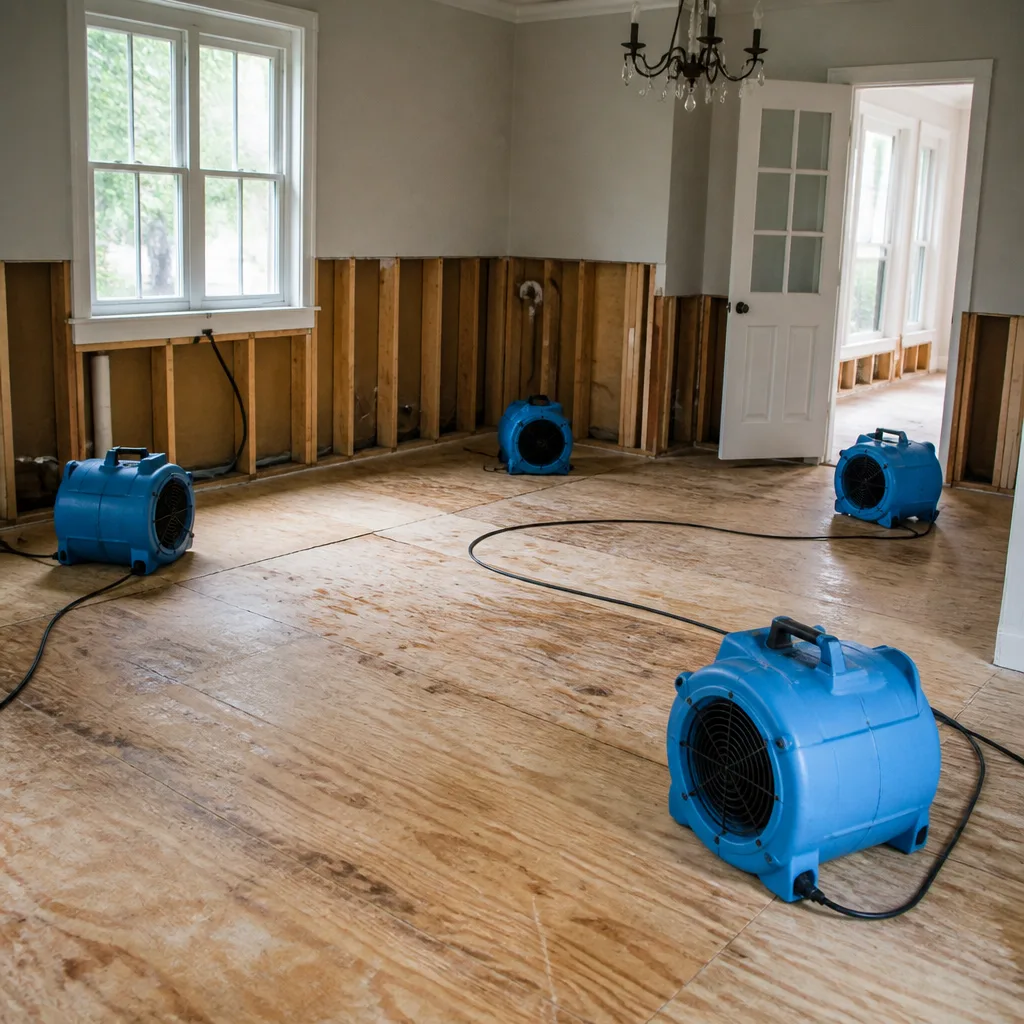
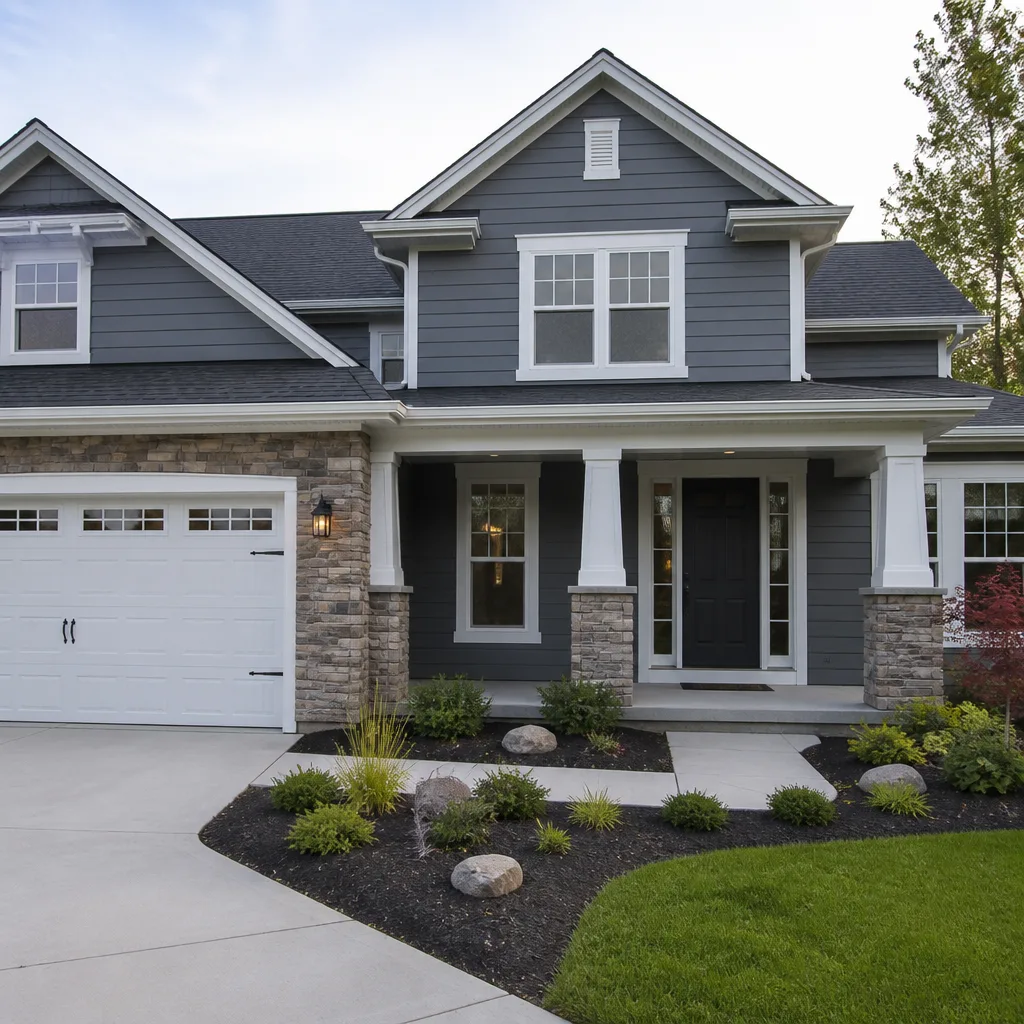
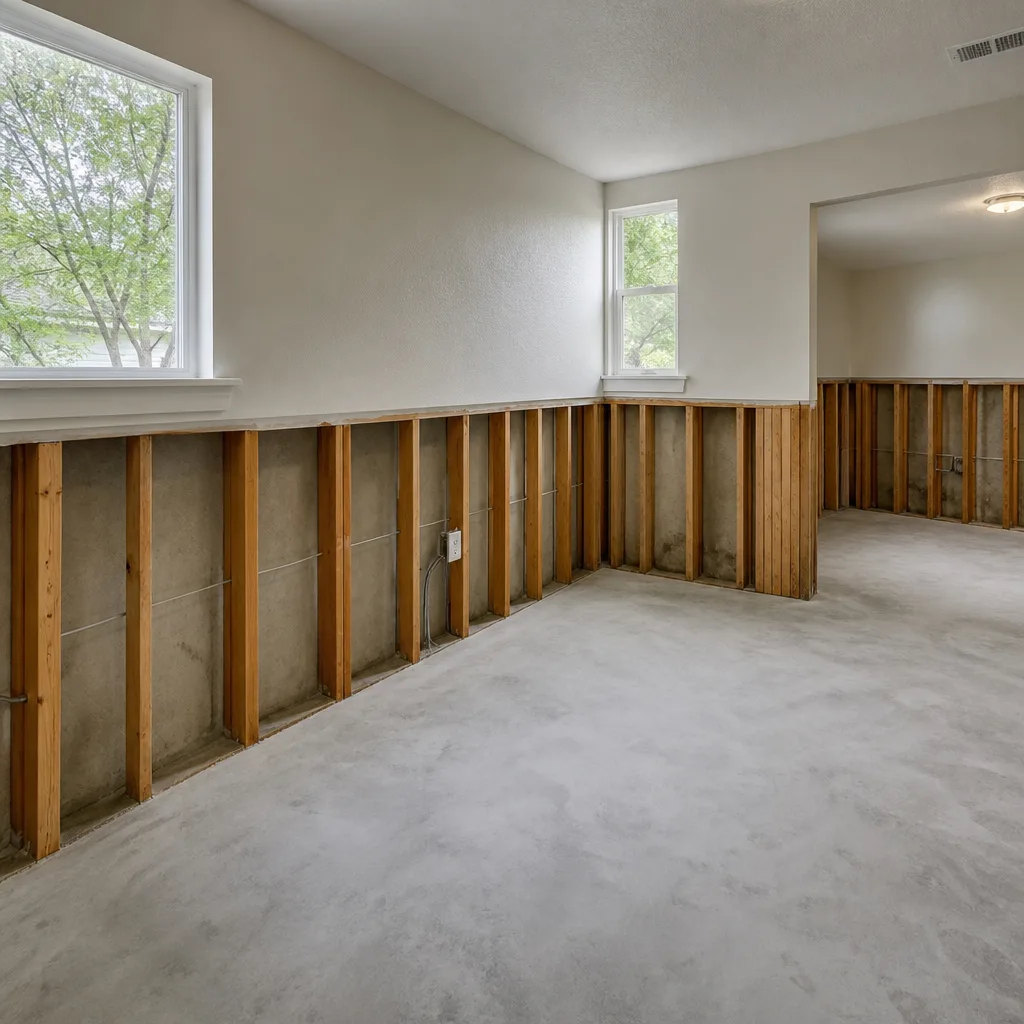
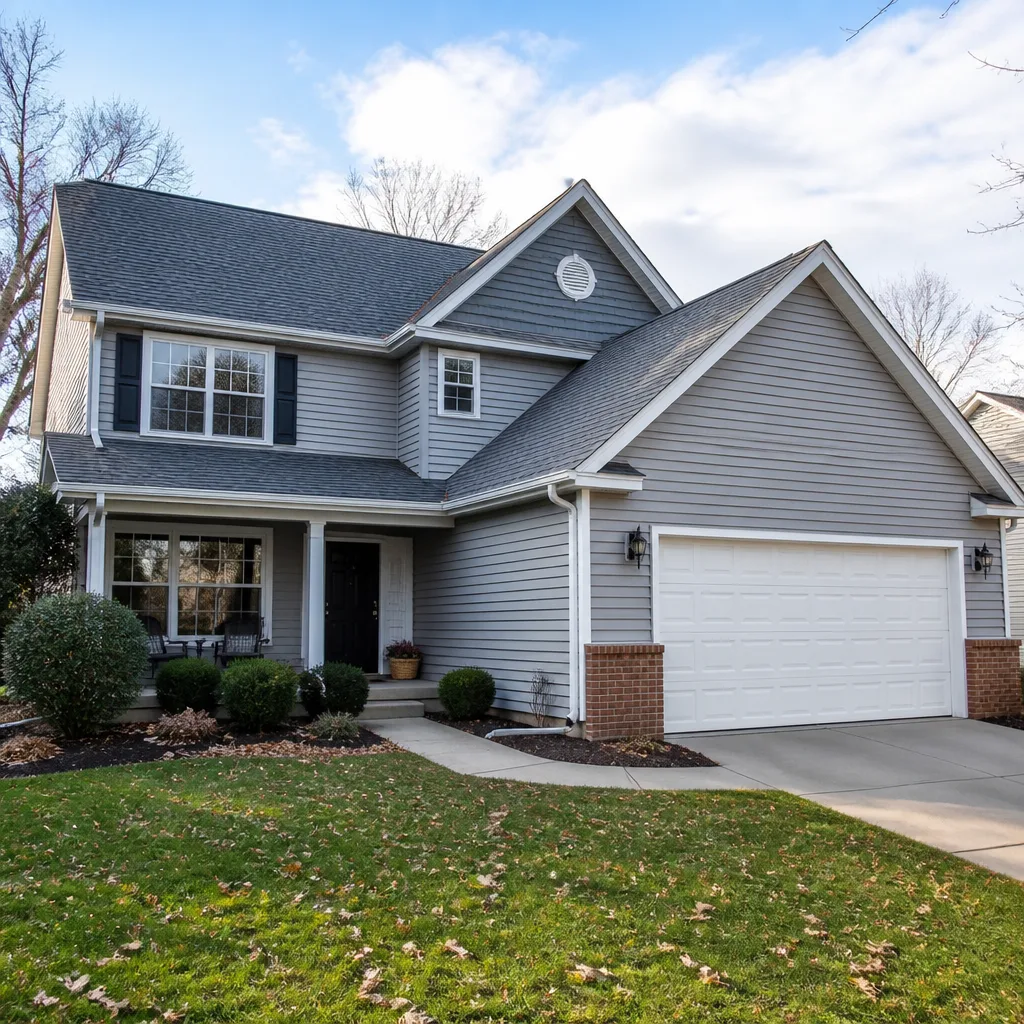
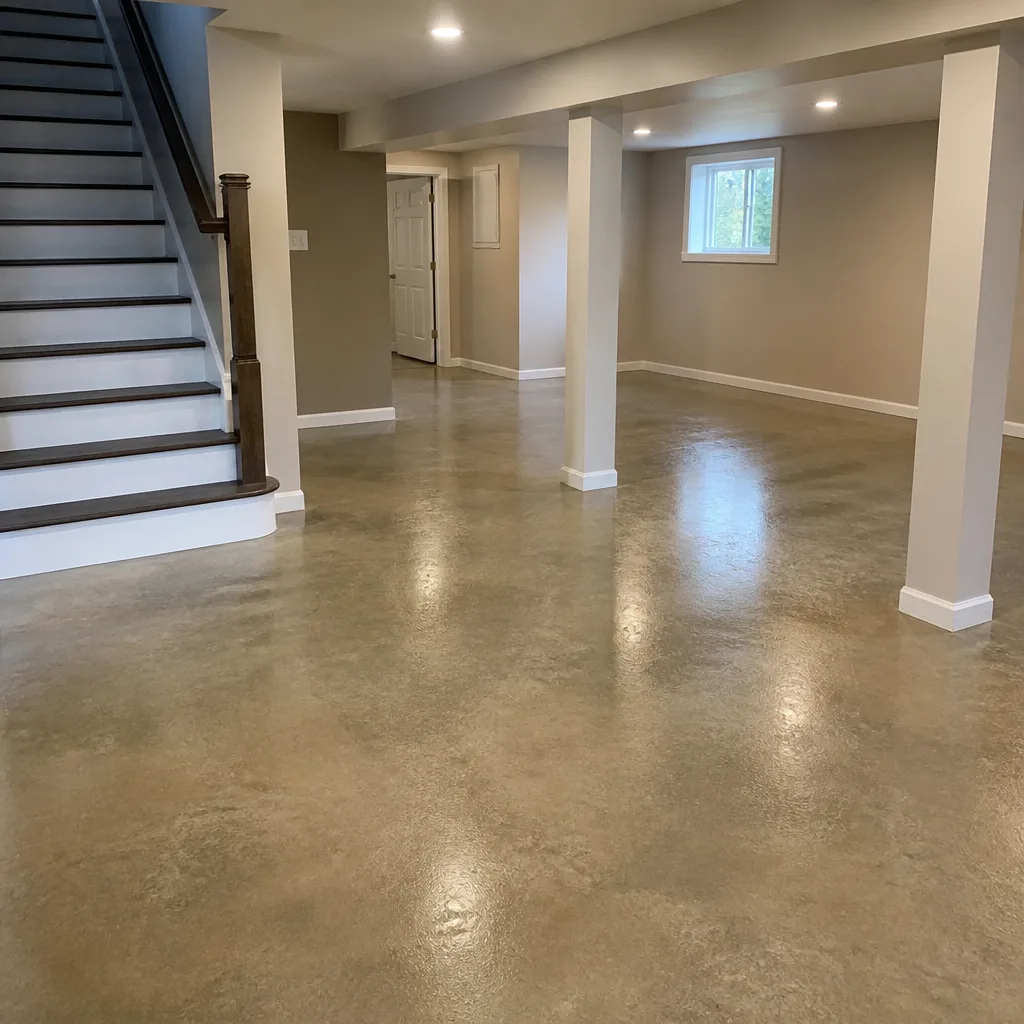
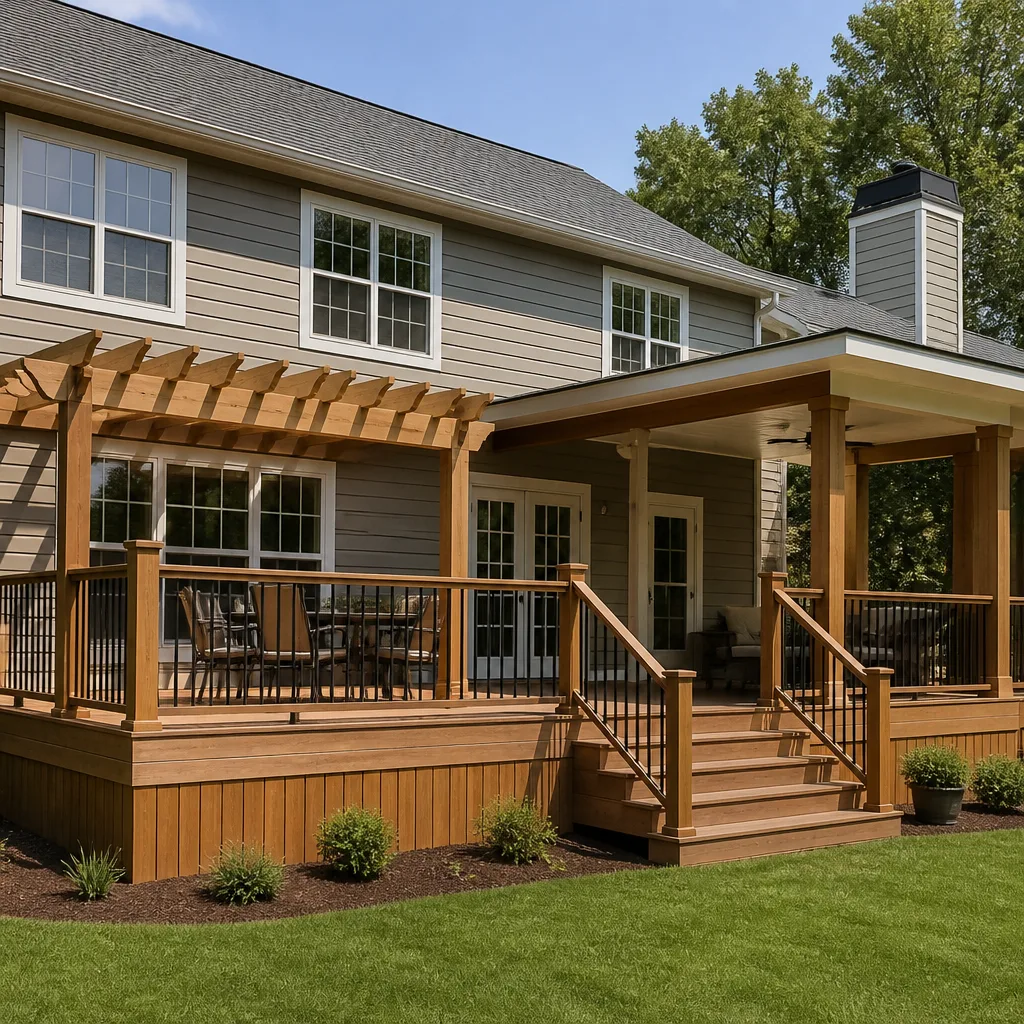
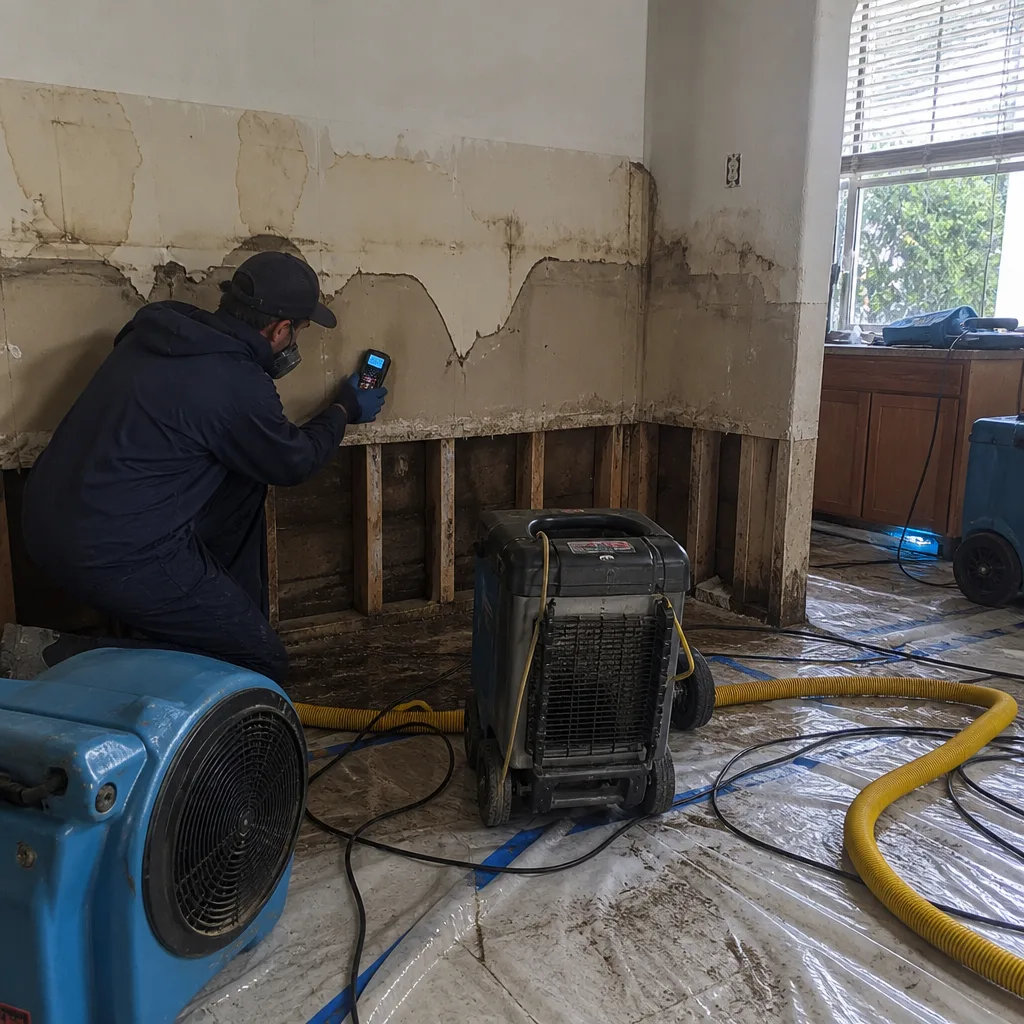 Before
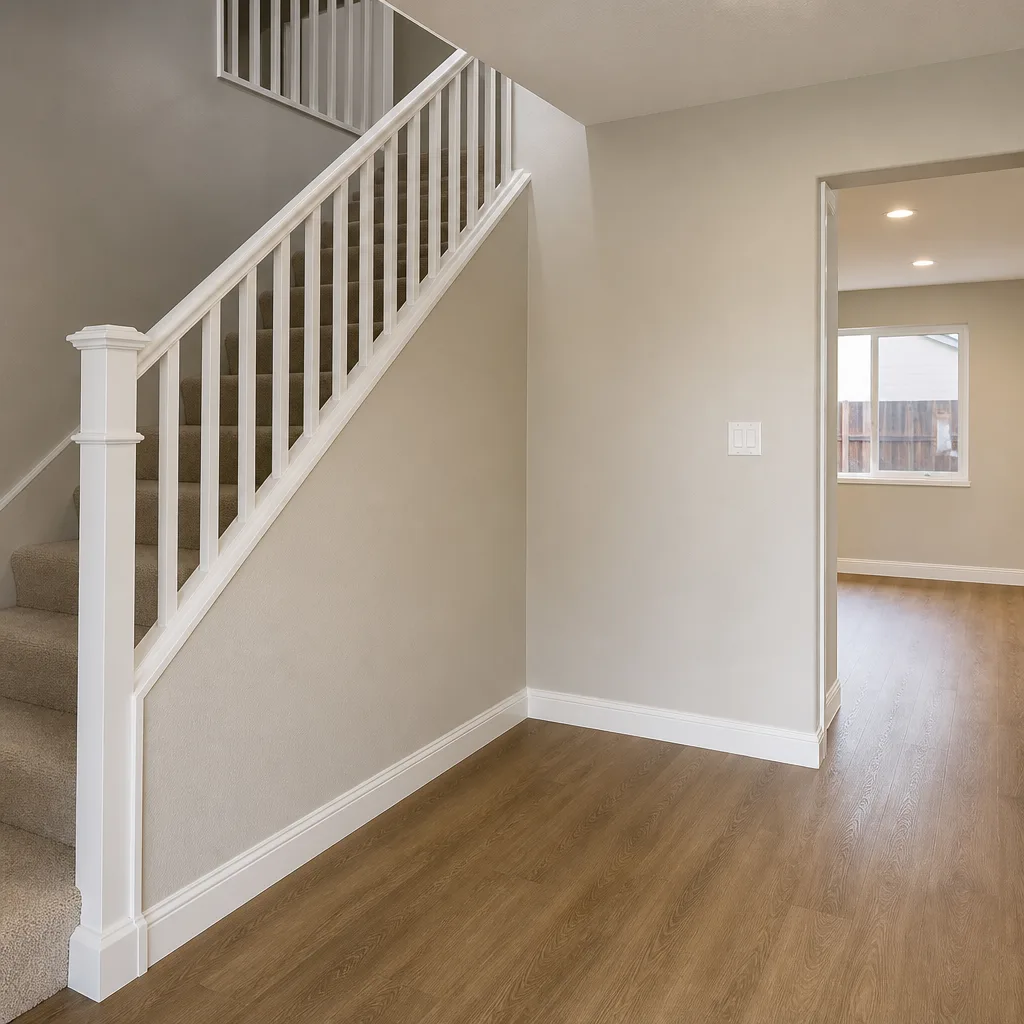 After
After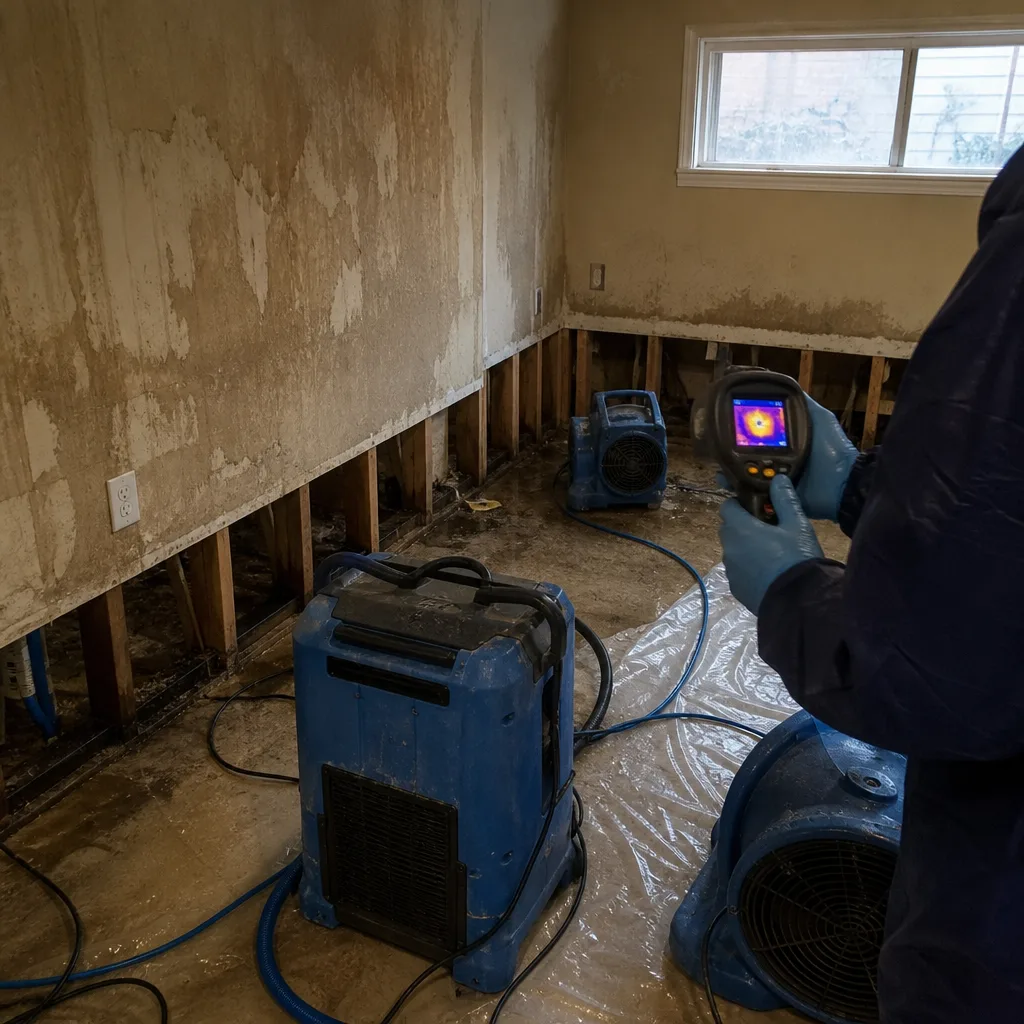 Before
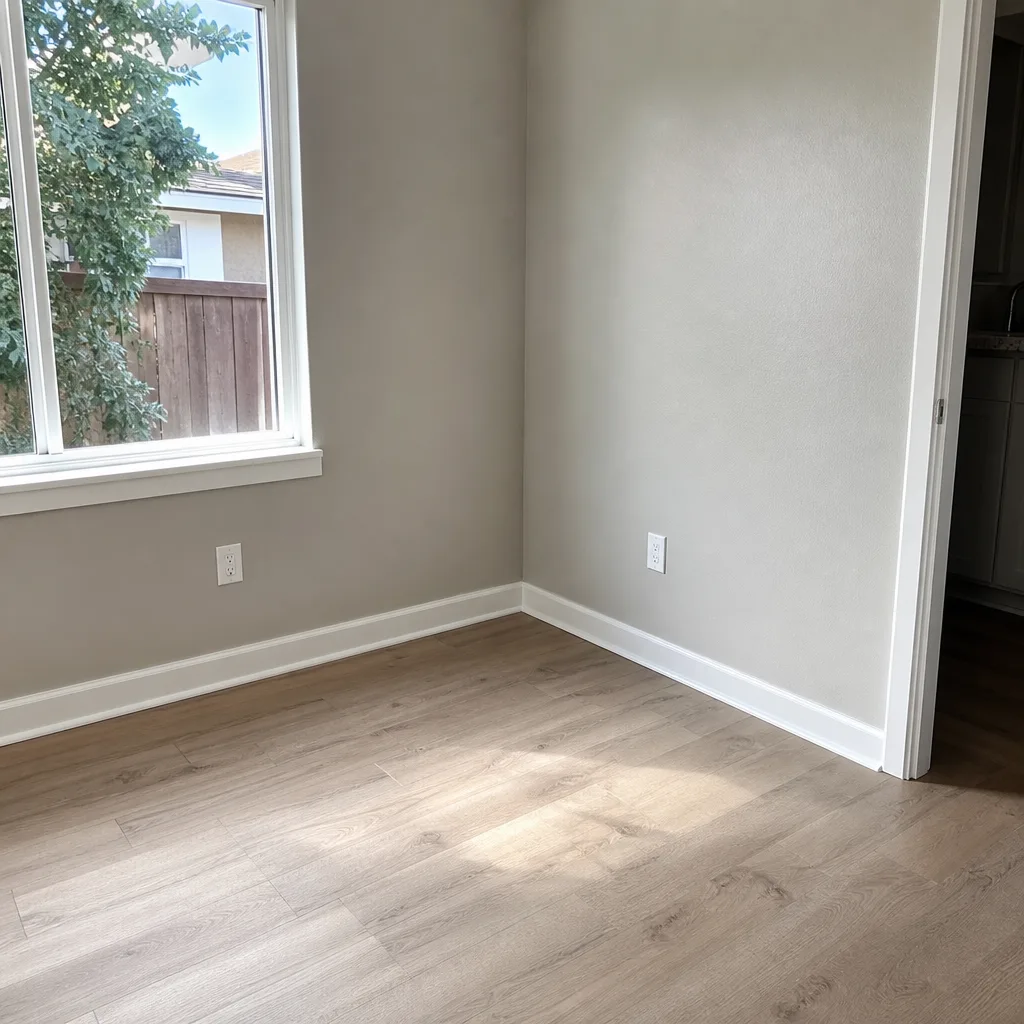 After
After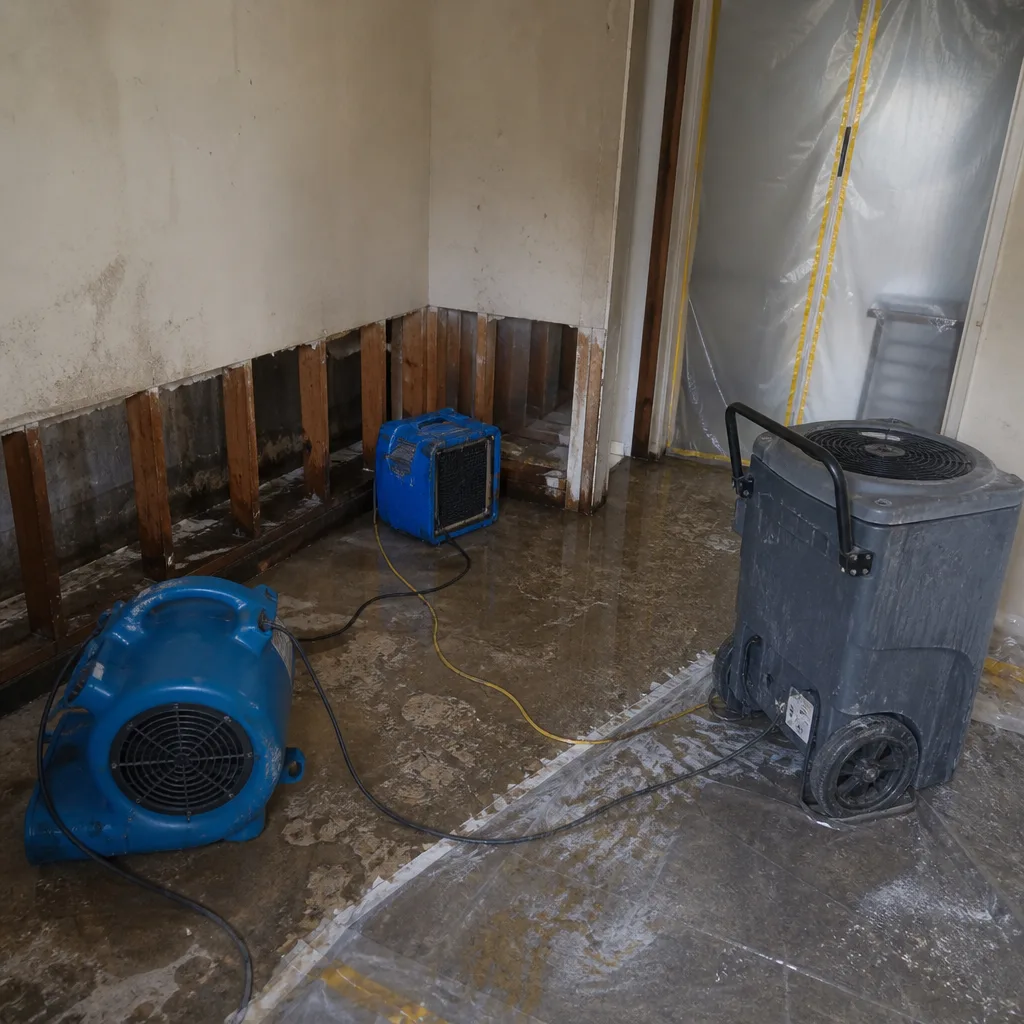 Before
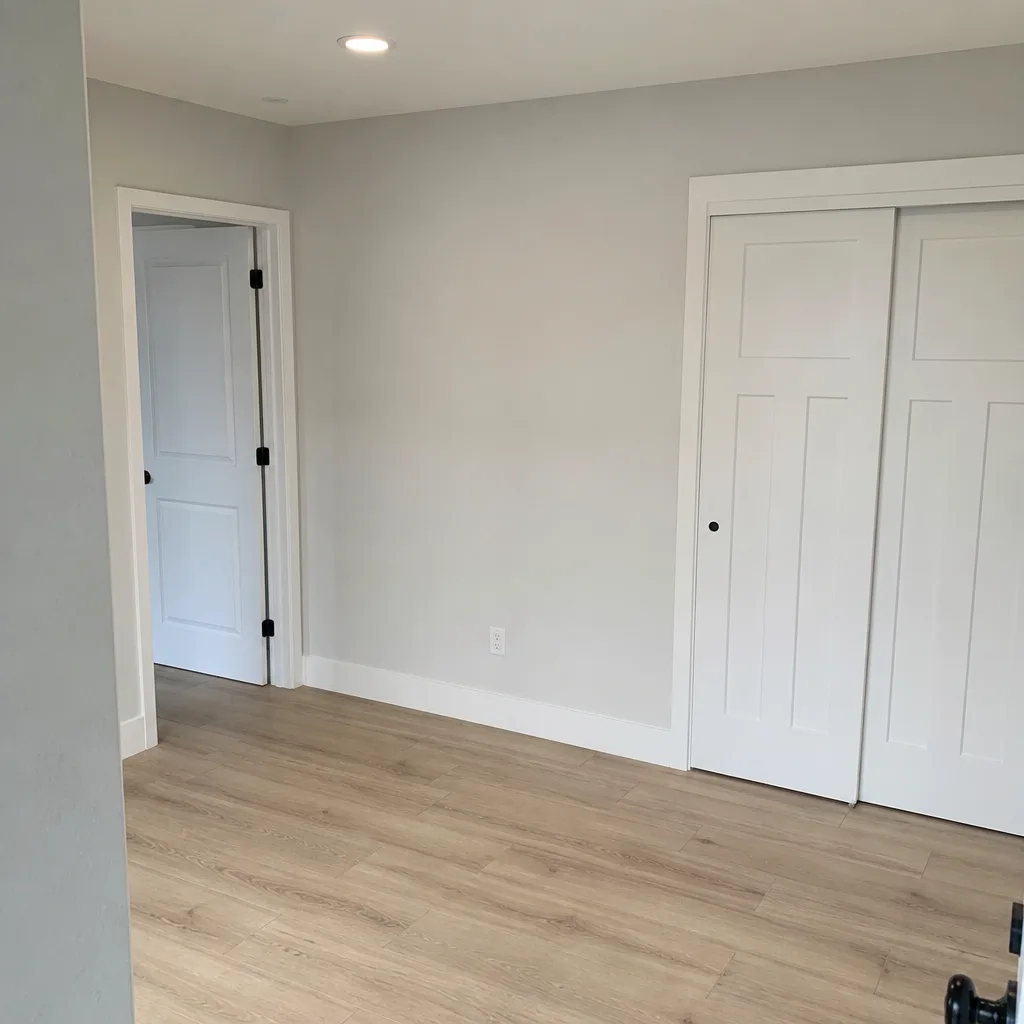 After
After24/7 Emergency Mold Remediation in Spring Valley
Mold remediation in Spring Valley typically costs $2,800-$7,500 for a standard residential job, with containment and air scrubbing usually underway within hours of your call. For active growth spreading behind drywall or under slab floors, every day of delay expands the containment perimeter and the final invoice. That’s why our crews answer live at (858) 428-2364, 24 hours a day, 7 days a week, with no voicemail trees or next-business-day callbacks while spores are still active. We dispatch from our San Diego office to Spring Valley properties with free visual inspections, written scopes before any work begins, and documented photo records on every visit.
Understanding Mold Remediation Severity in Spring Valley Properties
Mold severity in Spring Valley is graded by affected square footage, material porosity, and whether the underlying moisture source is resolved or still active. Category 1 water that wicks into drywall for less than 48 hours typically yields surface mold on a limited footprint, contained with plastic sheeting and negative air pressure. Category 2 or 3 water, or any moisture left beyond 72 hours, penetrates framing and subfloors, requiring full containment, HEPA air scrubbing, and often demolition of non-salvageable materials.
Spring Valley’s housing stock complicates every grade. The dominant 1950s-1970s ranch-style tract homes on slab foundations contain original asbestos floor tiles, blown-in attic insulation, and popcorn ceilings. Any demolition on these properties requires a licensed asbestos assessment before a single tool is lifted, per California Code of Regulations Title 8, Section 1529. A crew that skips this step turns a mold job into a regulated hazmat violation. We document the assessment, the clearance, and every moisture reading to IICRC S520 and RIA standards so your claim file holds up under adjuster review.
Why Spring Valley Property Owners Choose DryMark Restoration El Cajon
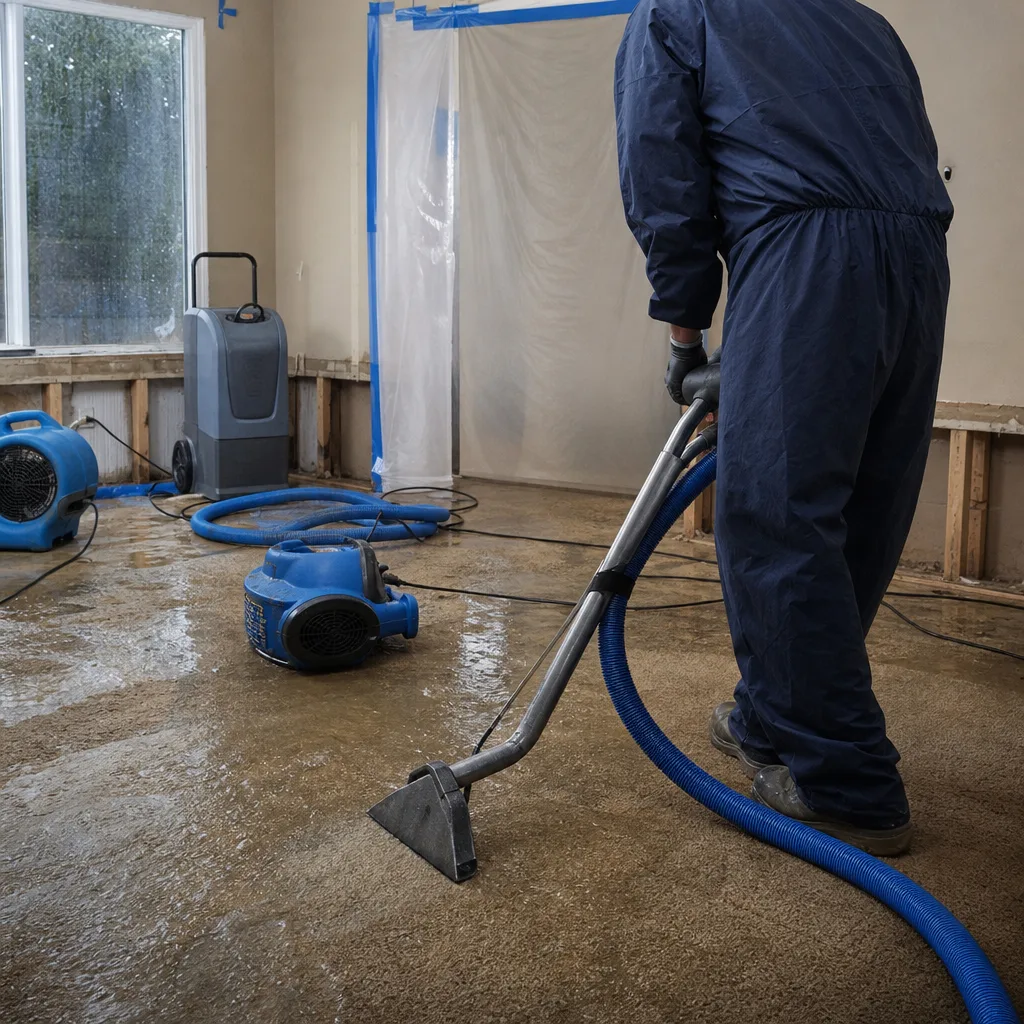
- 45-minute response commitment to Spring Valley from dispatch, with crews carrying containment materials, air scrubbers, and moisture meters on every truck.
- 24/7 live answer by a real person, never an automated system, on our emergency line at (858) 428-2364.
- IICRC-certified crews holding WRT (Water Damage Restoration Technician), AMRT (Applied Microbial Remediation Technician), and FSRT (Fire & Smoke Restoration Technician) credentials, with license numbers documented on every job.
- Free visual inspection and moisture mapping before any scope is written or any price is quoted.
- Direct insurance billing with photo-documented drying logs, room-by-room moisture readings, and line-item estimates that adjusters recognize and pay without dispute.
- One team from containment through reconstruction, so no handoff gaps between remediation and the rebuild that follows.
 Before
 After
AfterOur Mold Remediation Process
1. Inspection & Assessment
We map moisture with thermal imaging and calibrated hygrometers, identify the water source, and test for asbestos in any material that may be disturbed. In Spring Valley, this step always includes a licensed asbestos assessment for pre-1980 homes before demolition is scoped. You receive a written price before work begins, per Haven Standard, Clause 1.
2. Containment & Stabilization
Active mold areas are sealed with 6-mil polyethylene sheeting and negative air pressure maintained by HEPA-filtered air scrubbers. This prevents cross-contamination to unaffected rooms while we stop the moisture source, whether it’s a slab leak, foundation seepage, or failed plumbing.
3. Drying & Dehumidification
We deploy commercial dehumidifiers and air movers from Dri-Eaz and Phoenix to drop relative humidity below 60%, the threshold where mold colonization stalls. Daily psychrometric readings, vapor pressure differentials, and moisture content logs track progress and document the drying curve for your insurer.
4. Cleaning & Sanitization
HEPA vacuuming and antimicrobial application on salvageable framing and subfloors. Non-salvageable materials are removed in sealed bags and disposed of per California DTSC regulations. Every surface is verified clean before containment is dropped.
5. Air Quality Restoration & Clearance Testing
Post-remediation air sampling by an independent third party verifies spore counts at or below outdoor baseline levels. We do not self-certify clearance; your documentation includes the lab report, not our opinion. This is standard on every Mold Remediation job we perform.
6. Repairs & Restoration
Drywall, flooring, and finishes are restored to pre-loss condition with the same crew that performed remediation. Materials are selected to match existing finishes, and the work is covered by our 365-Day Done Right Promise under The Haven Standard.
Need Emergency Mold Remediation in Spring Valley Now?
Crews minutes away, answering live 24 hours a day. The sooner we start, the less it costs.
Working With Your Insurance Company
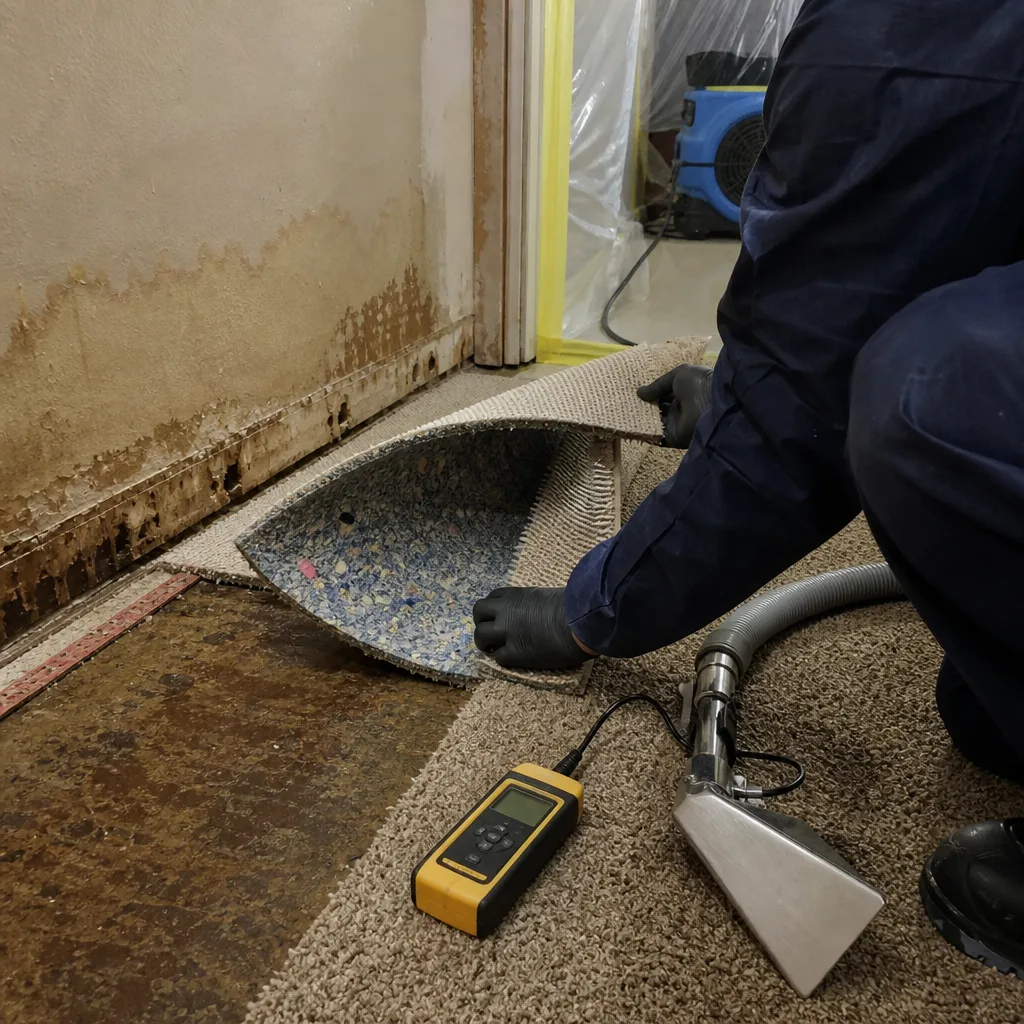
Most Spring Valley mold claims are denied or underpaid because the documentation does not prove the loss was sudden and accidental, or because the scope lacks the moisture readings and drying logs that distinguish restoration from maintenance. We close that gap from the first hour. Our technicians photograph every room, record moisture content on every affected surface, and produce daily drying logs that show the psychrometric data, vapor pressure differential, and tertiary drying progress in plain language.
Your adjuster receives a line-item estimate built to Xactimate or Symbility standards, with direct coordination from our office to theirs. We do not ask you to negotiate your own claim. The photo record, the written scope, and the signed 365-Day Done Right Promise are included as standard deliverables, never upsells.
What We Provide Your Insurer
- Thorough documentation of the loss
- Photos of all damage, room by room
- Moisture readings and drying logs
- A detailed, line-item scope of work
- Direct coordination with your carrier
Built for Spring Valley’s Loss Calendar
Spring Valley’s mold season runs counter to what most homeowners expect. The Santa Ana wind months of September through January bring bone-dry air that suppresses surface mold, but they also drive wildfire smoke and ash intrusion that damages HVAC systems and forces homeowners to seal their homes tight. That reduced ventilation traps humidity from cooking, showers, and slab moisture through the winter.
When the infrequent but intense rain events arrive, typically December through March, Spring Valley’s canyon topography concentrates stormwater runoff on hillside and canyon-rim properties. Homes in Steele Canyon and along the Calavo Gardens corridor see foundation water intrusion and subfloor saturation on slab foundations that have no crawl space to vent. By April, the combination of trapped winter humidity and spring warming produces the annual mold bloom that fills our call queue. Summer brings the opposite problem: homeowners run evaporative cooling or overcool with AC, creating condensation on cool slab floors and at plate lines where humid outdoor air meets conditioned interior surfaces.
Mold Remediation Across Spring Valley’s Neighborhoods
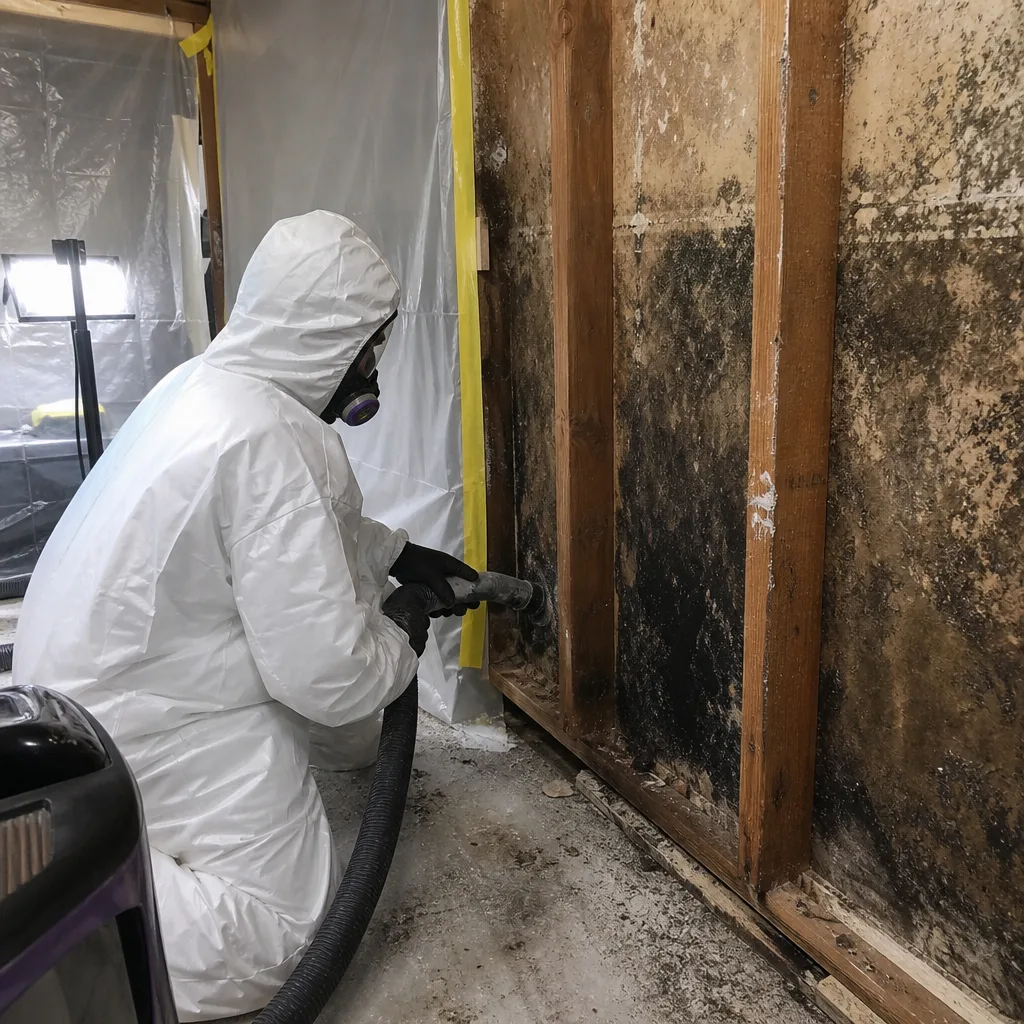
In Brookside, the 1960s ranch tracts on South Worthington Street and the surrounding blocks present the classic Spring Valley mold profile: slab foundation, original 9×9 asbestos floor tile, and copper plumbing at end of service life. A pinhole leak under a kitchen cabinet can saturate the subfloor for weeks before any visible sign appears. We see this pattern repeatedly in this neighborhood.
Jamacha Junction properties along Lemon Grove Avenue and the lower elevations near West Main Street sit on flatter ground but share the same slab construction. Here the failure mode is often groundwater wicking through the slab edge, not plumbing failure. Moisture mapping shows the perimeter of the slab elevated while the center reads dry, a pattern that demands crawl space treatment and perimeter moisture and humidity control, not just wall remediation.
Bancroft Point and the areas near Bancroft County Park see a mix of original ranch homes and 1980s-1990s additions. The additions often have crawl spaces or raised foundations that vent differently than the original slab, creating humidity gradients at the junction between old and new construction. Mold appears at the transition points, and remediation requires understanding which foundation type governs moisture movement in each zone.
Steele Canyon and the canyon-rim streets above Estrella County Park are the most technically demanding. These homes back directly to Cal Fire State Responsibility Area brush, and the same canyon walls that create fire exposure also channel stormwater toward foundations. Slab homes here wick moisture from both the top, through plumbing leaks, and the bottom, through hydrostatic pressure. Remediation that addresses only the visible wall mold and ignores the subfloor condition guarantees a callback within weeks.
Specialized Mold Remediation Services We Offer in Spring Valley
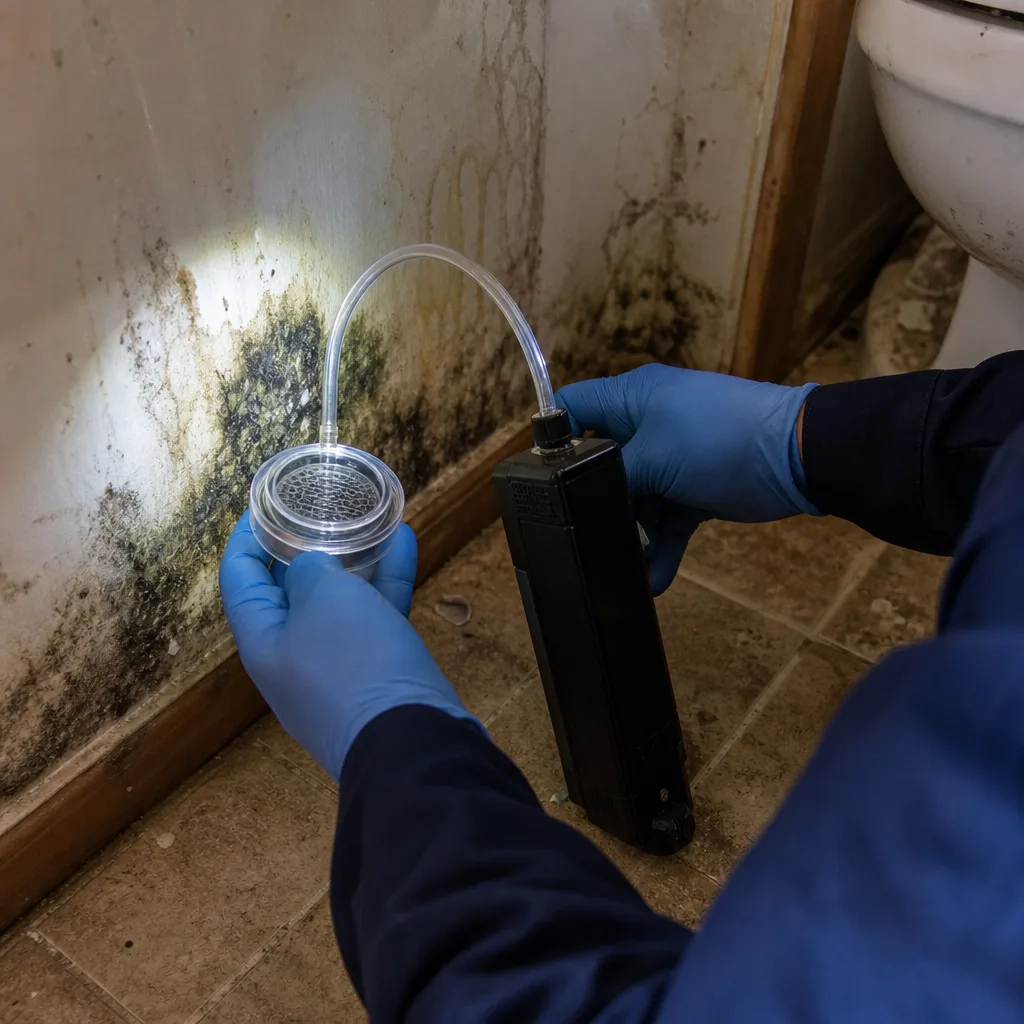
Mold Inspection & Testing
We do not guess at mold presence. Our inspections combine thermal imaging, calibrated moisture meters, and air sampling to locate hidden growth and identify the moisture source. In Spring Valley, every inspection on a pre-1980 home includes asbestos suspect material assessment before any invasive testing. The written report includes moisture readings by room, a photo record, and a scope of work with a fixed price.
Mold Removal
Removal follows IICRC S520 standards for containment, negative air pressure, and HEPA filtration. In Spring Valley’s older housing stock, removal is never just scraping visible growth; it requires identifying whether the substrate is salvageable, whether asbestos is present, and whether the moisture source is resolved. We document each decision with photos and readings.
Black Mold Remediation
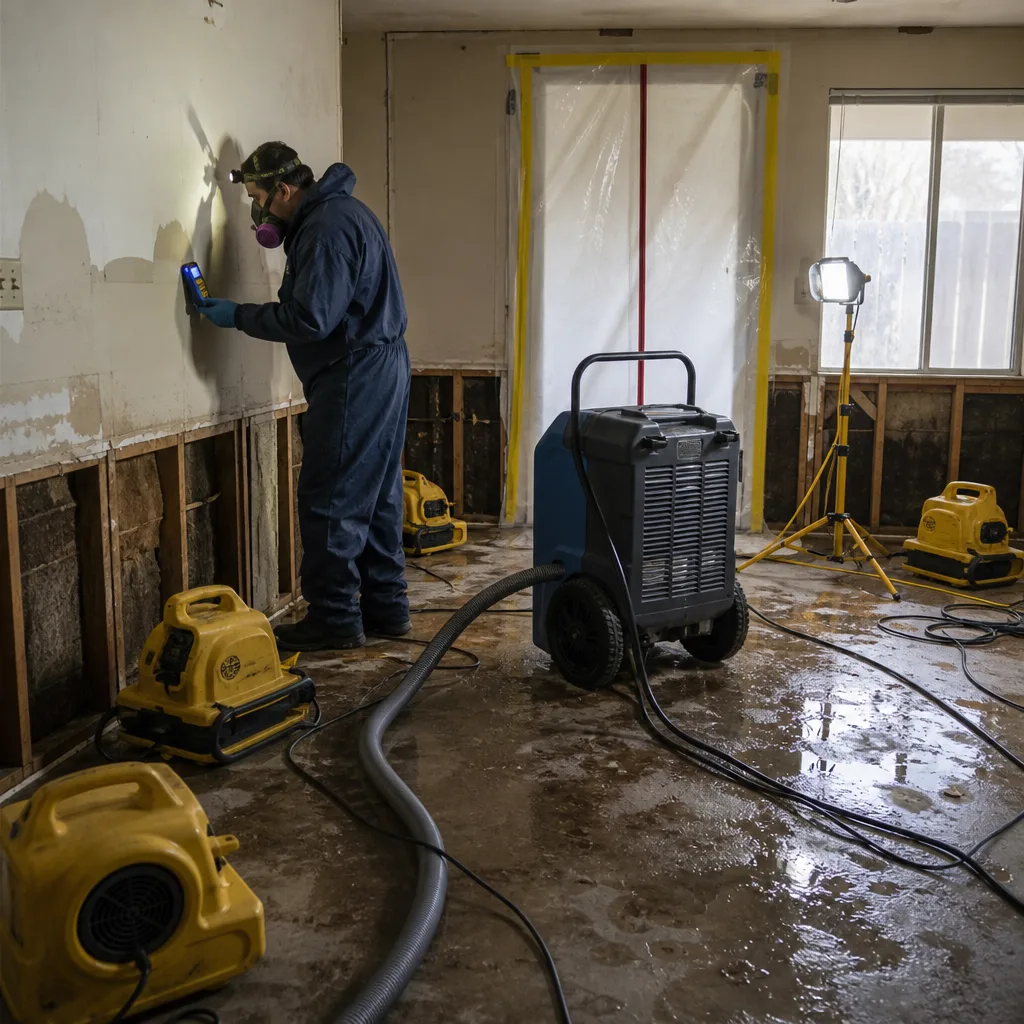
Stachybotrys and other toxigenic species require enhanced containment with double-layer poly and dedicated decontamination chambers. We do not use scare tactics about “toxic mold,” but we do follow stricter protocols for species that produce mycotoxins, including independent post-remediation air clearance testing that we do not perform ourselves.
Air Quality Restoration
Post-remediation, we restore HVAC systems that have been contaminated by spore deposition. This includes duct cleaning, coil sanitation, and filter replacement with MERV 13 or better filtration. In Spring Valley homes sealed tight against wildfire smoke, restored air circulation is critical to preventing future moisture stagnation.
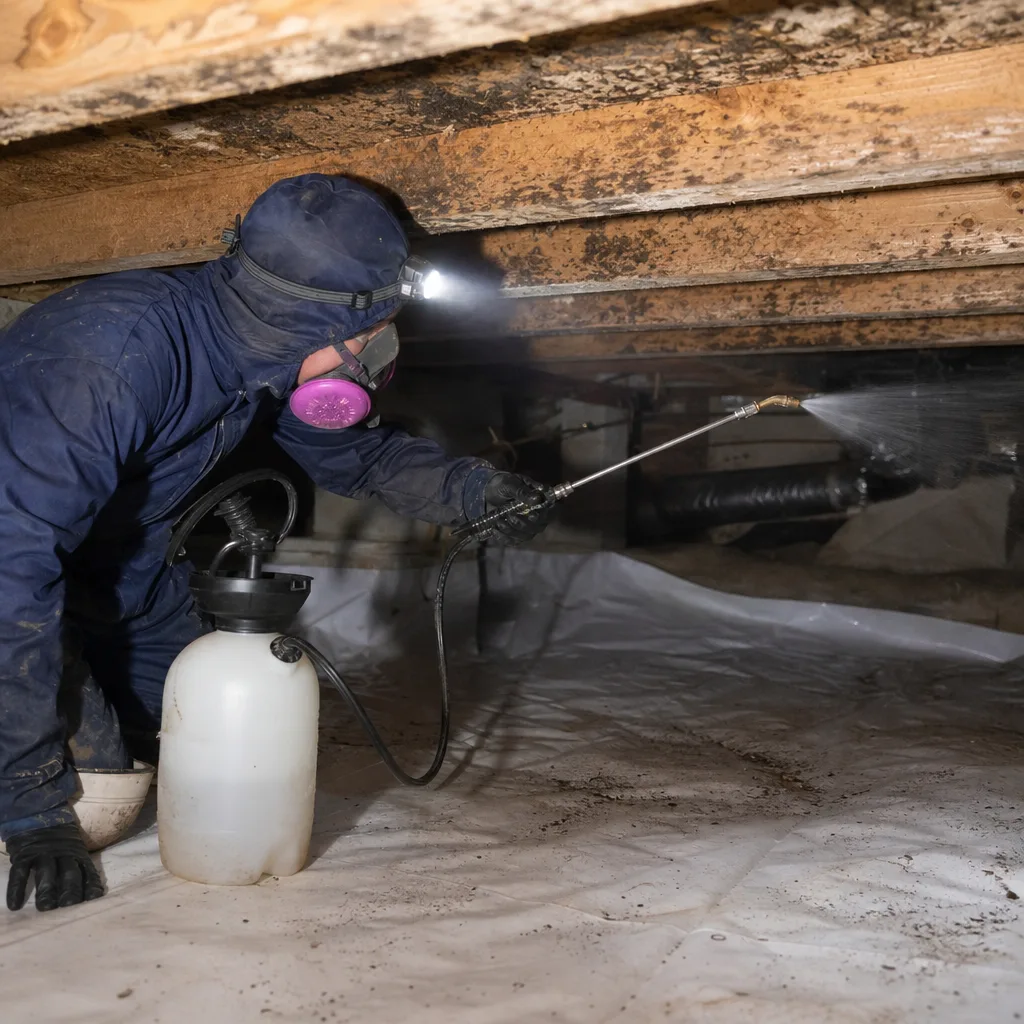
Crawl Space Treatment
Where crawl spaces exist, typically in additions or partial foundations, we install vapor barriers, dehumidification, and sealed ventilation to interrupt the moisture cycle. For slab homes without crawl spaces, we address perimeter drainage and foundation sealing as the equivalent moisture control strategy.
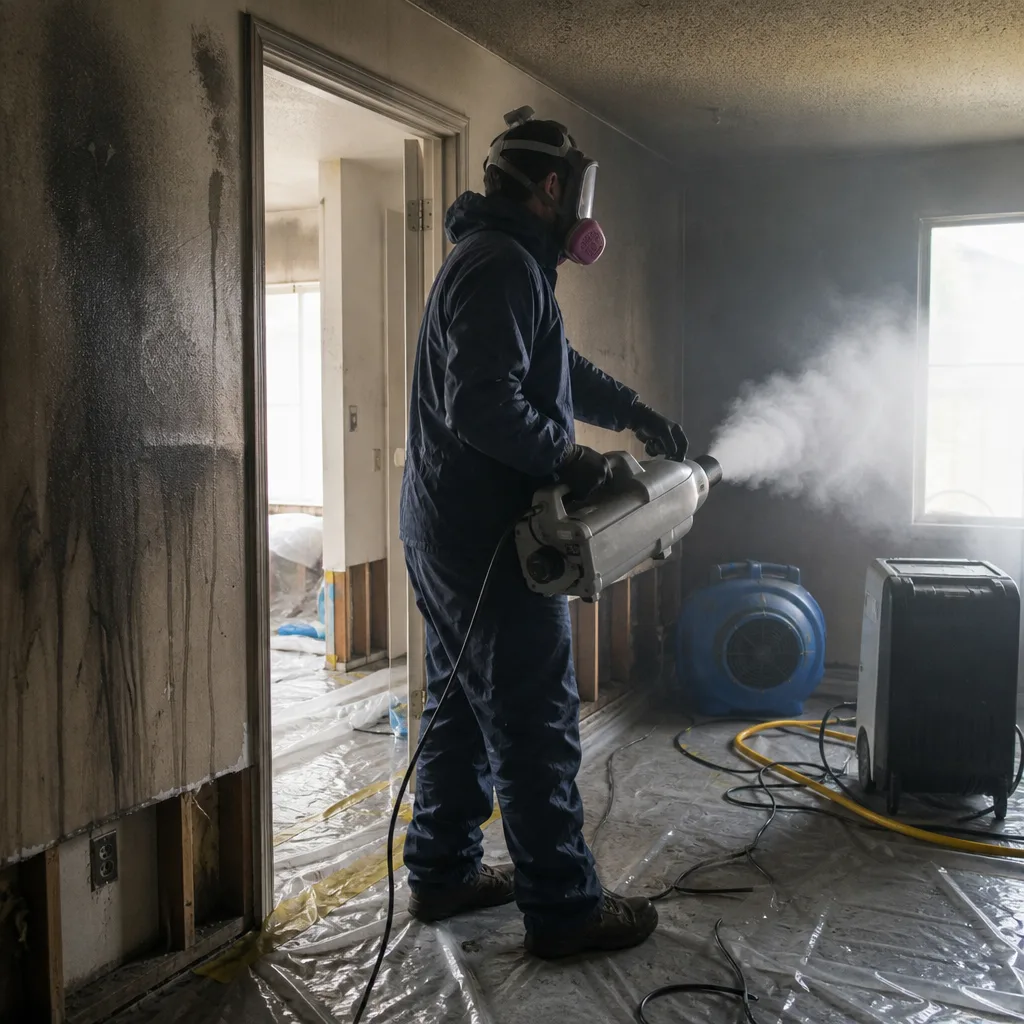
Moisture & Humidity Control
Permanent mold prevention requires controlling the moisture that feeds it. We install and document permanent dehumidification solutions, grade drainage corrections, and foundation ventilation where applicable. Every solution is scoped in writing with a fixed price, per Haven Standard, Clause 1.
What happens when you call
- 1
A real person answersNo phone trees - you reach a local pro.
- 2
You get an upfront price rangeHonest numbers before anyone is dispatched.
- 3
A background-checked tech heads outLicensed & insured, dispatched right away.
- 4
You approve before work beginsNothing starts until you say go.
Mold Remediation Costs in Spring Valley, CA
Mold remediation in Spring Valley runs higher than coastal San Diego for specific, documentable reasons. A typical contained area of 100-200 square feet with no demolition required costs $2,800-$4,200. Jobs requiring demolition of drywall, flooring, or ceiling materials range $4,500-$7,500. The mandatory asbestos assessment adds $400-$800 and 2-4 days of scheduling on pre-1980 homes. Independent post-remediation air clearance testing adds $350-$600.
What moves the price: affected square footage, whether the moisture source is resolved or still active, presence of asbestos requiring abatement coordination, and whether the job requires full containment with negative air pressure versus limited containment. Jobs where the moisture source is unaddressed, or where a previous crew skipped asbestos assessment and created a hazmat condition, can exceed $10,000.
Insurance coverage depends on proving the mold resulted from a covered sudden and accidental water loss, not long-term maintenance neglect. We document this distinction from the first visit. Call (858) 428-2364 for a free visual inspection and written scope with exact pricing.
We Also Serve Cities Near Spring Valley
Our crews respond throughout the eastern San Diego County corridor. We perform Mold Remediation in Spring Valley and surrounding communities including La Mesa, El Cajon, Bonita, and National City, with the same documentation standards and written pricing on every job.
Serving Spring Valley, CA - Our Local Coverage Area
We’re based in the Spring Valley area and know this community well. Use the map below to see our service coverage - if you’re nearby, we can almost certainly help.
Spring Valley Mold Remediation Questions, Answered
Why does mold remediation in Spring Valley seem to cost more than in coastal San Diego?
The mandatory asbestos assessment on pre-1980 homes adds $400-$800 and scheduling delay that newer coastal construction simply doesn’t require. Spring Valley’s 1950s-1970s ranch stock contains original asbestos floor tile, blown-in insulation, and popcorn ceilings that must be cleared before demolition begins. Canyon-rim slab homes also demand subfloor moisture mapping and perimeter drainage work that raised-foundation coastal properties rarely need. Call (858) 428-2364 for a free inspection and exact written scope.
How fast does mold actually start after a slab leak in a Spring Valley ranch home?
Visible mold colonization begins 48-72 hours after moisture intrusion on organic materials like drywall paper and wood framing. On Spring Valley’s slab foundations, a slow copper pinhole leak can saturate the subfloor for weeks before any surface sign appears, by which time the colony is established behind baseboards and under flooring. Early moisture mapping is the only way to catch it before containment requirements expand. Call (858) 428-2364 for immediate moisture detection.
Do you have to pull up the original 9×9 floor tile during mold remediation here?
Only if the subfloor beneath is wet or the tile itself is damaged. The 9×9 tile common in Spring Valley’s 1950s-1970s homes is presumed asbestos-containing and cannot be disturbed without a licensed asbestos assessment and clearance. We test first, then scope demolition only where moisture readings justify it. Preserving original flooring when possible reduces both cost and scheduling delay. Call (858) 428-2364 for an assessment that follows this sequence.
Why does mold keep coming back on canyon-rim homes in Steele Canyon and Jamacha Junction?
Slab homes in these neighborhoods wick groundwater through the foundation edge while seasonal humidity creates condensation at the plate line. A crew that remediates visible wall mold but leaves the subfloor wet, or that installs point-of-use humidity testing instead of full moisture mapping, misses the actual moisture source. We address both the active growth and the hydrostatic pressure or drainage failure that feeds it, with documented moisture logs to prove the subfloor is dry before we close containment. Call (858) 428-2364 for permanent resolution.
Does a mold job here need different permits than other San Diego County cities?
Spring Valley falls under San Diego County permitting, which requires asbestos clearance documentation before demolition permits are issued on pre-1980 structures. Properties in Cal Fire State Responsibility Areas, including portions of Steele Canyon, may also trigger additional fire-hardening retrofit requirements if the remediation is part of a larger restoration scope. We coordinate these permits as part of our standard scope documentation. Call (858) 428-2364 for permit guidance specific to your property.
Can my family stay in the home during mold remediation?
For contained areas under 100 square feet with negative air pressure and no HVAC contamination, occupants often remain with containment barriers in place. Larger jobs, toxigenic species, or HVAC contamination require temporary relocation until independent air clearance testing confirms spore counts at or below outdoor baseline. We specify this in the written scope before work begins, never as a surprise mid-job. Call (858) 428-2364 to discuss your specific situation.
What certifications do your mold technicians hold?
Our lead technicians hold IICRC WRT (Water Damage Restoration Technician), AMRT (Applied Microbial Remediation Technician), and FSRT (Fire & Smoke Restoration Technician) certifications, with license numbers documented on every job. All work follows IICRC S520, RIA, and IFA standards, producing the daily moisture logs and drying documentation that insurance carriers require for claim payment. Call (858) 428-2364 to verify credentials before scheduling.
What should I do in the first 30 minutes after discovering mold?
Stop the water source if you can identify it safely, then call (858) 428-2364. Do not disturb the visible growth, do not run HVAC systems that may spread spores, and do not attempt DIY removal on materials that may contain asbestos. Our live dispatcher will guide immediate containment steps while a crew is en route. The first hour determines whether the job stays contained or expands to additional rooms.
In Brookside, a 1962 ranch on a slab had a slow copper pinhole leak under the kitchen that fed subfloor mold for weeks - moisture mapping showed the whole hallway floor saturated, so we set containment, ran air movers and dehumidification with Dri-Eaz and Phoenix gear, and pulled the original 9×9 tile only after the asbestos assessment cleared. Once the black mold on the plate line was removed and an antimicrobial treatment applied, we restored conditions and closed the job with full drying logs and a pre-loss condition scope of work for the homeowner’s carrier.
Every Spring Valley mold job we perform is documented to the same standard. A written price before work begins, per Haven Standard, Clause 1. A photo record on every visit. Daily moisture logs that prove the drying curve. And the 365-Day Done Right Promise, backed by The Haven Standard, in writing on every contract. If it’s not done right, we make it right.
Call (858) 428-2364 now for emergency response or to schedule your free visual inspection. Live answer, 24 hours a day.
Written by Alicia Brennan, Owner at Back to Dry Restoration, serving Spring Valley since 2011.
Mold Remediation in Nearby Areas