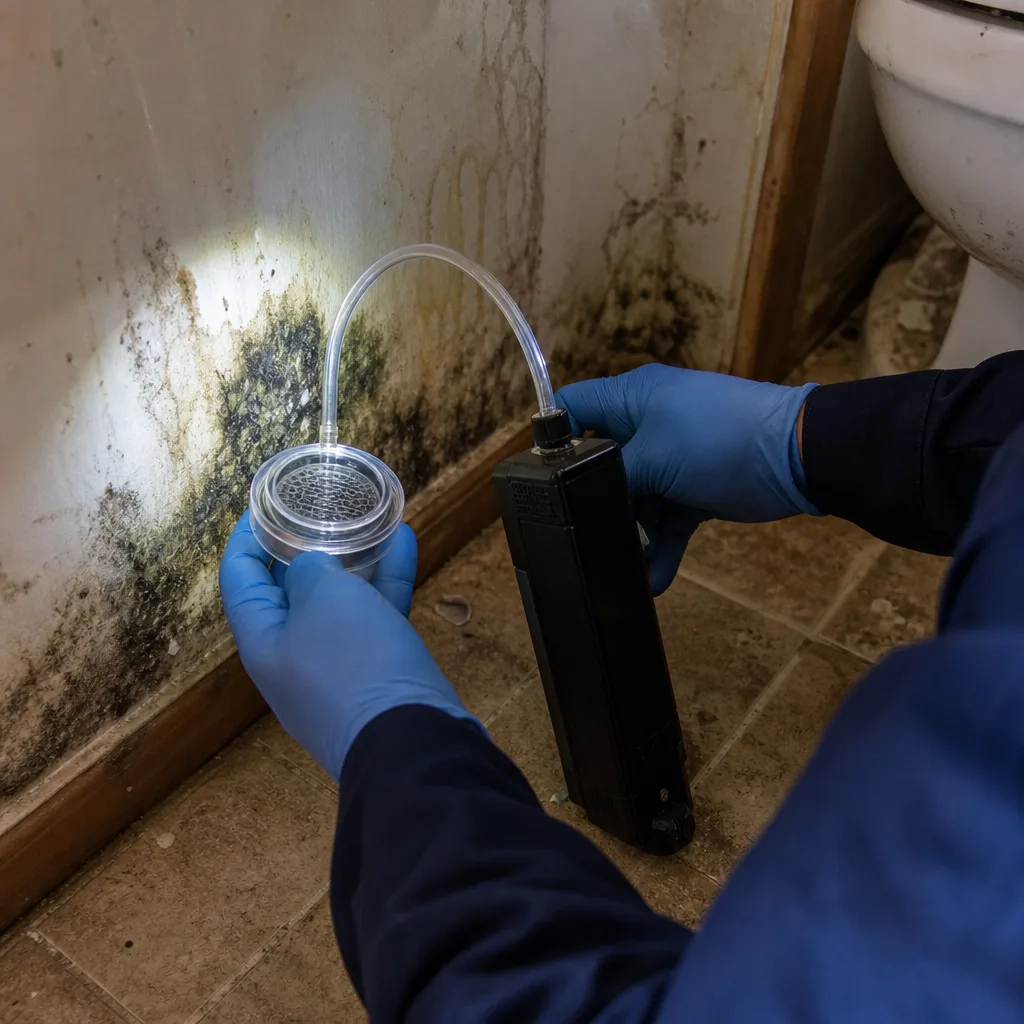
Free visual inspection and a written scope of work before any mitigation begins - photos, moisture readings, and drying logs go in your claim file
The scope we write is the scope we bill. Anything new gets shown to you, in writing, before we touch it.
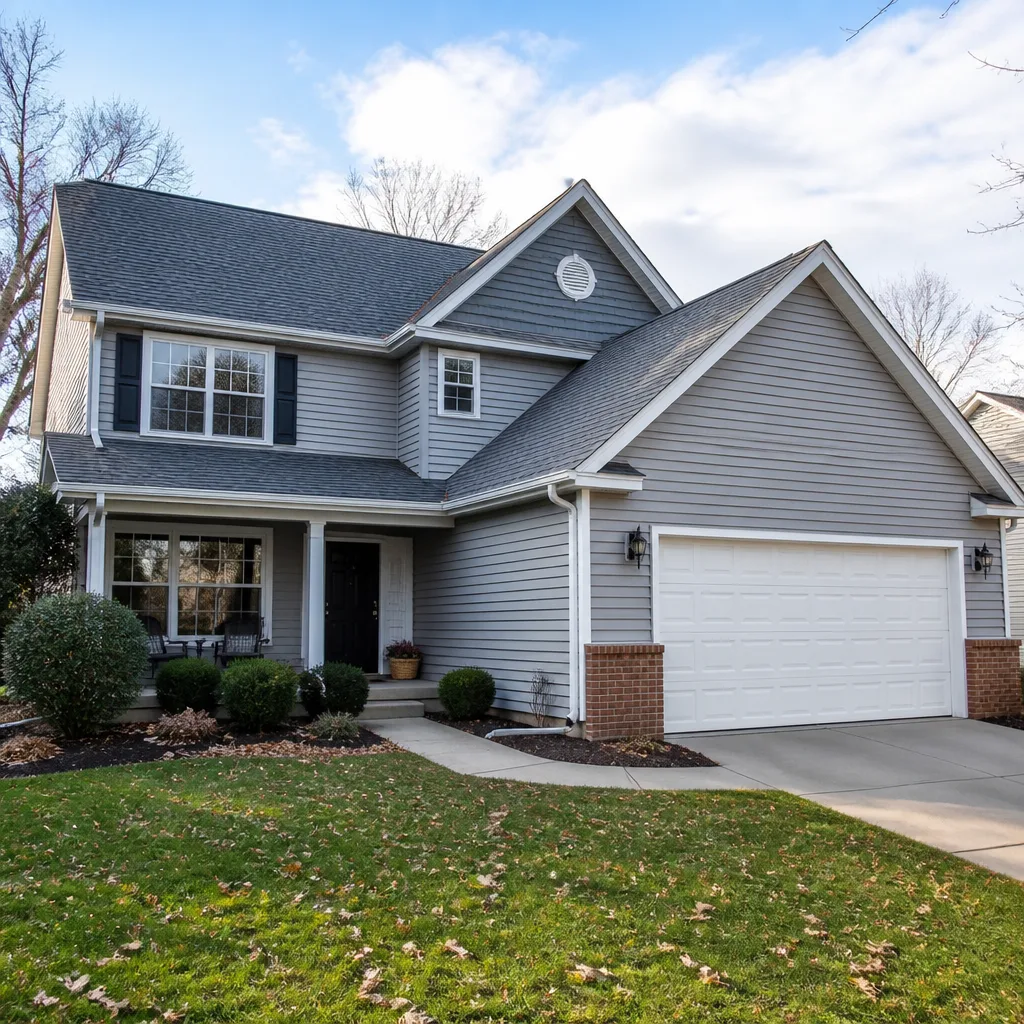
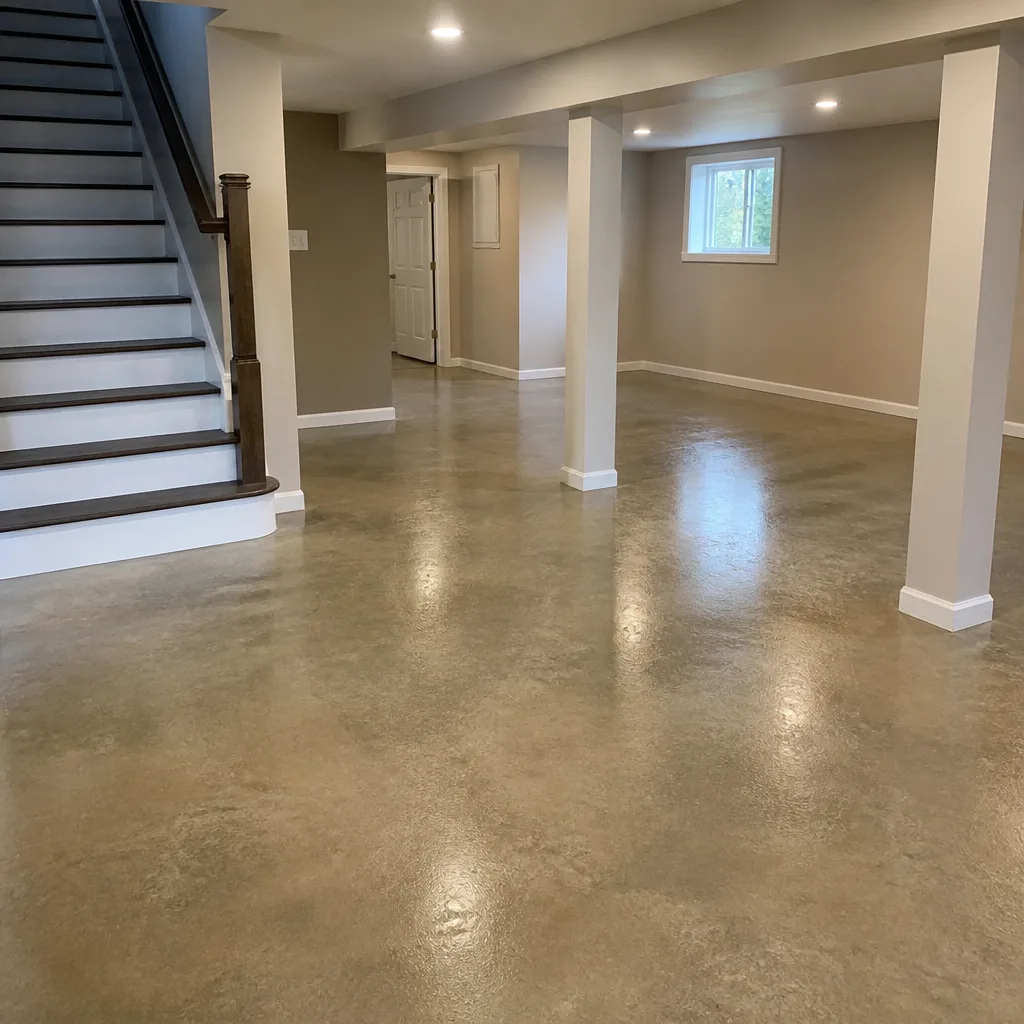
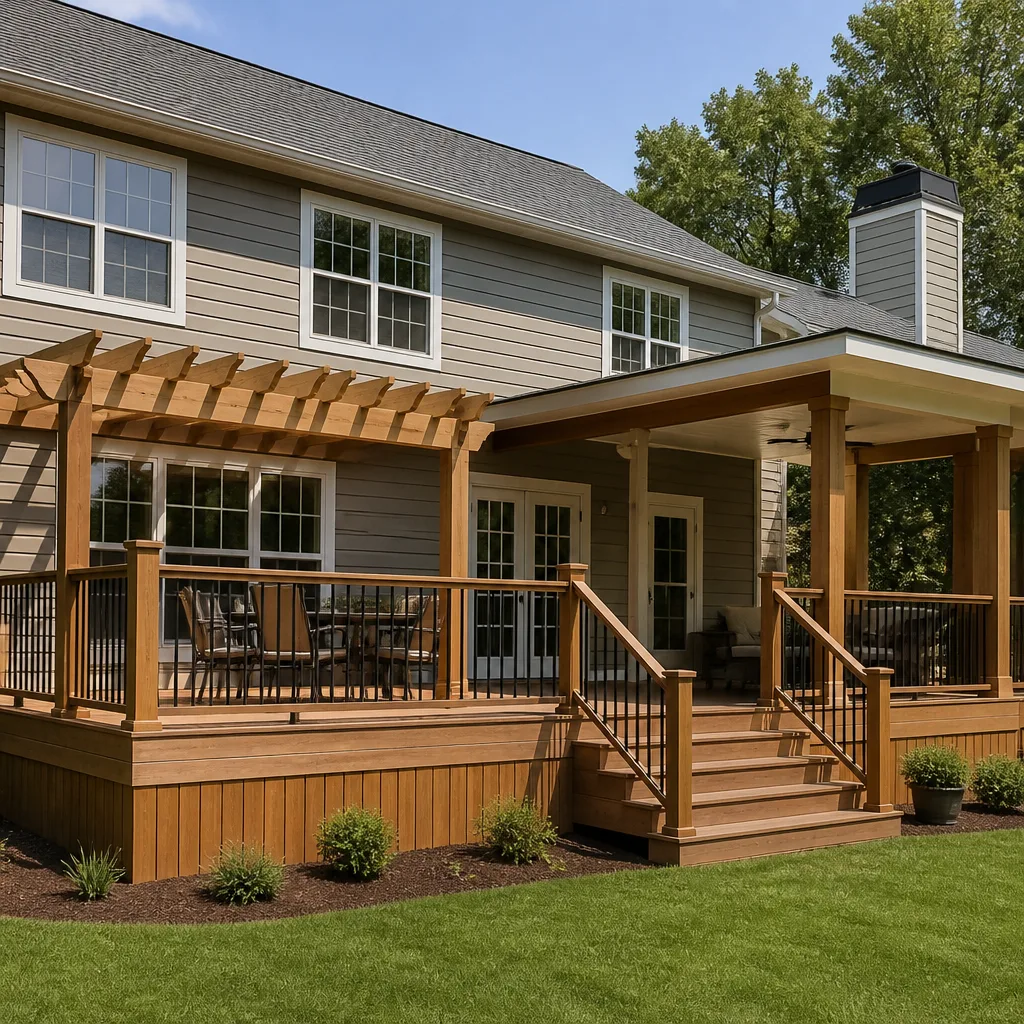
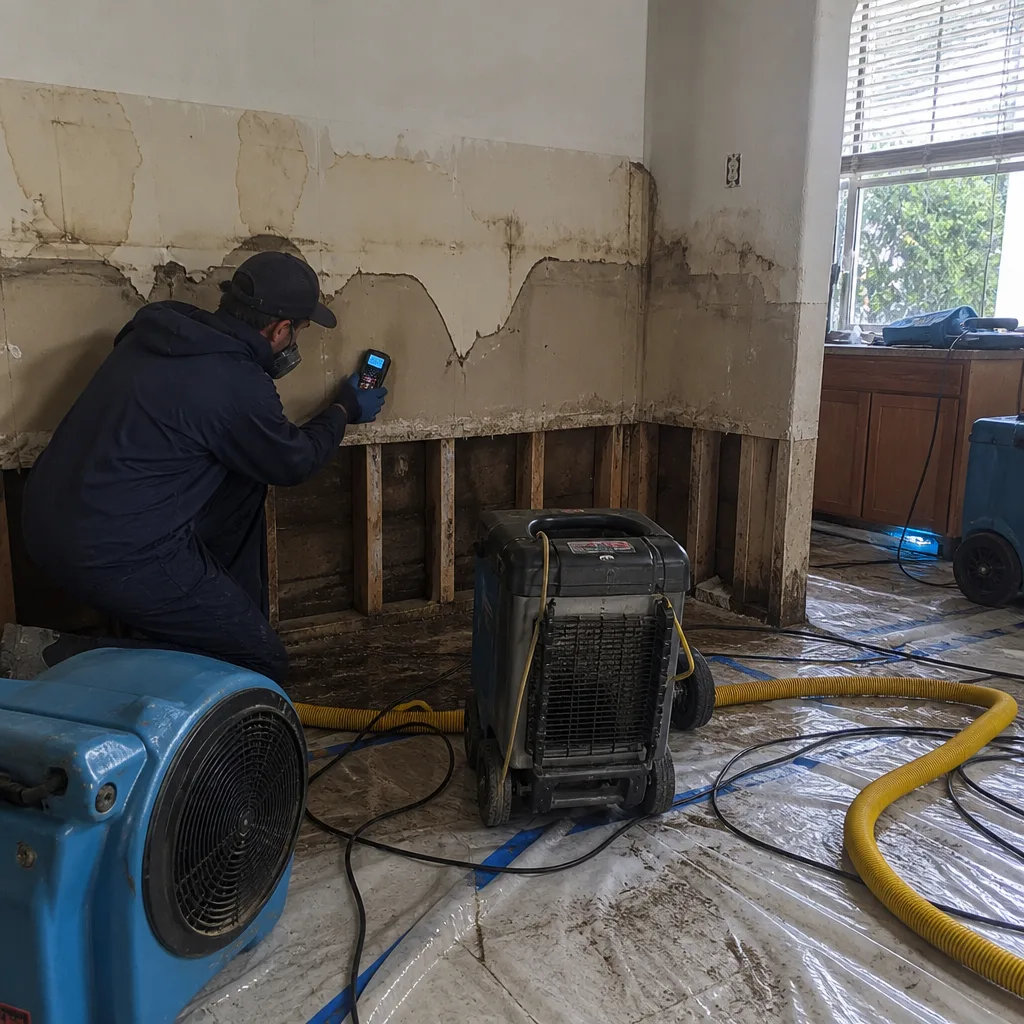 Before
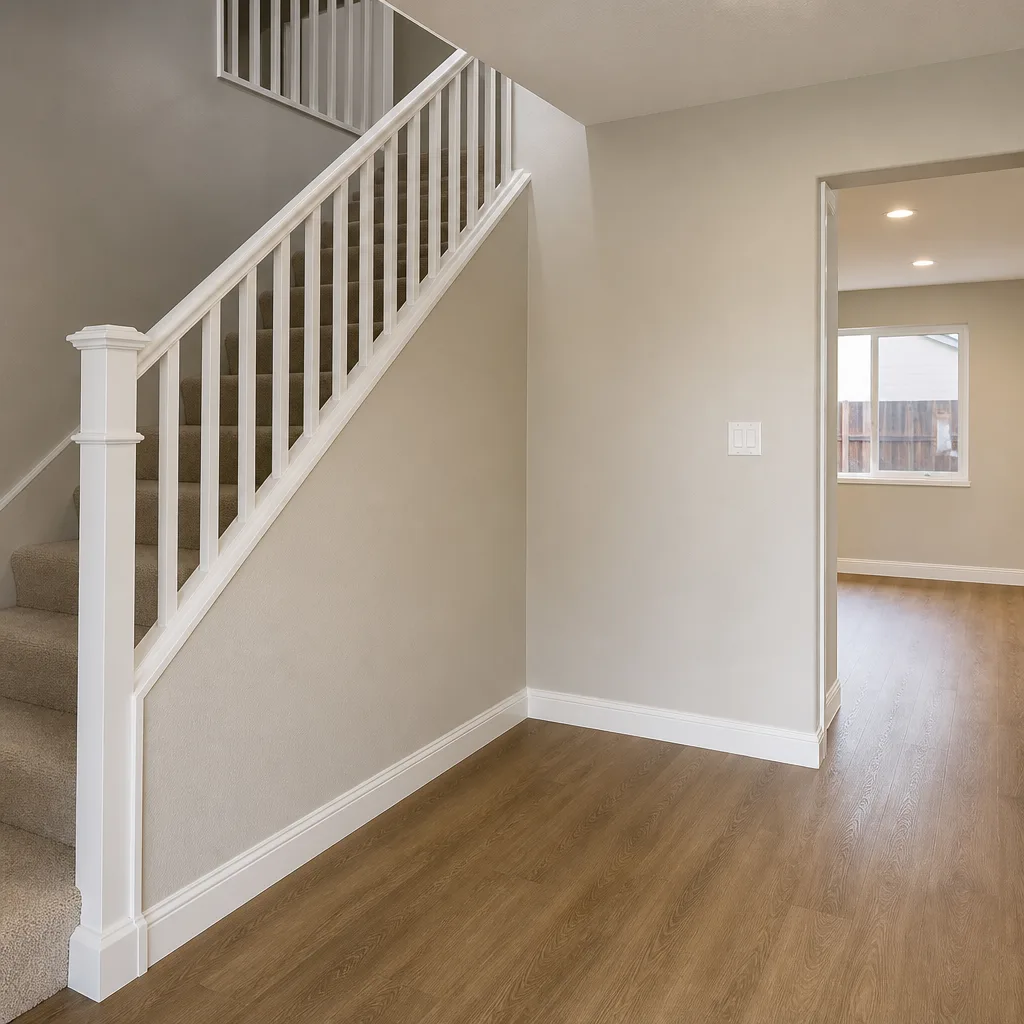 After
After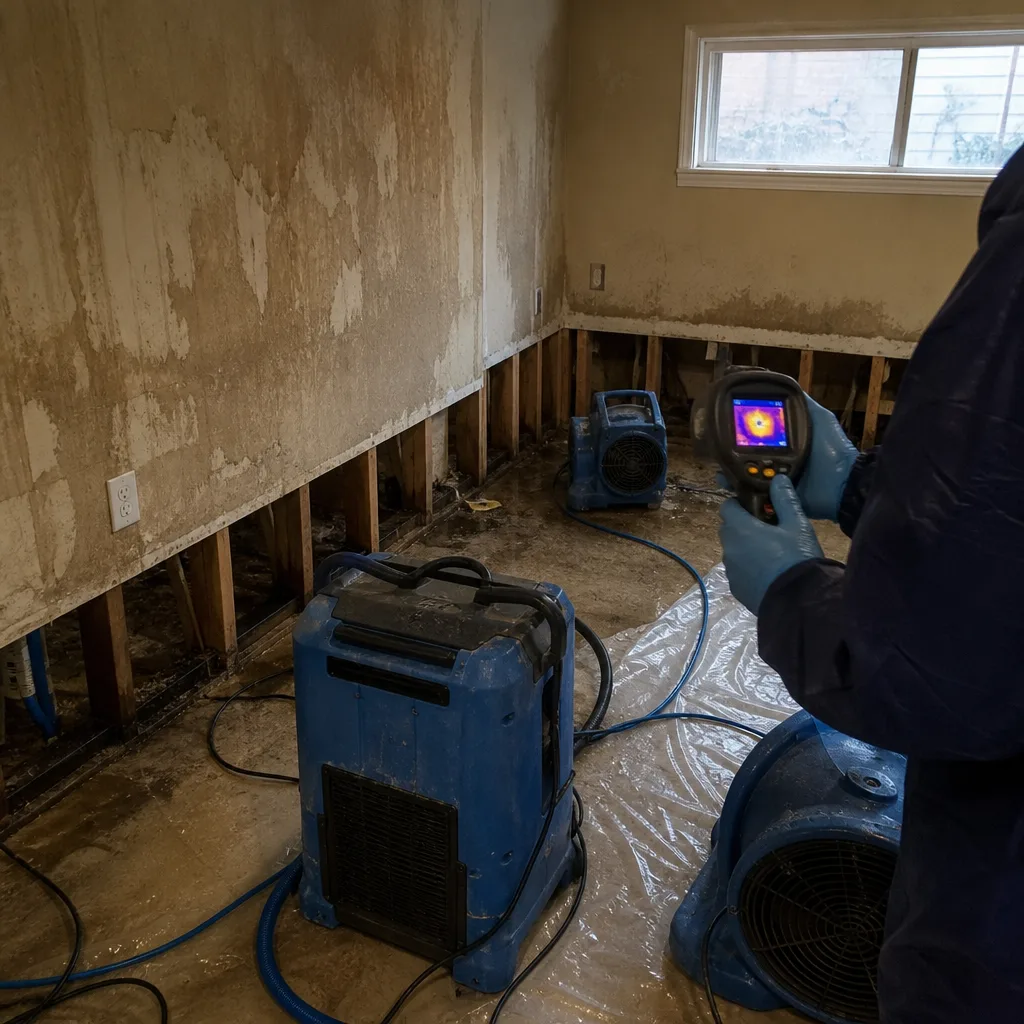 Before
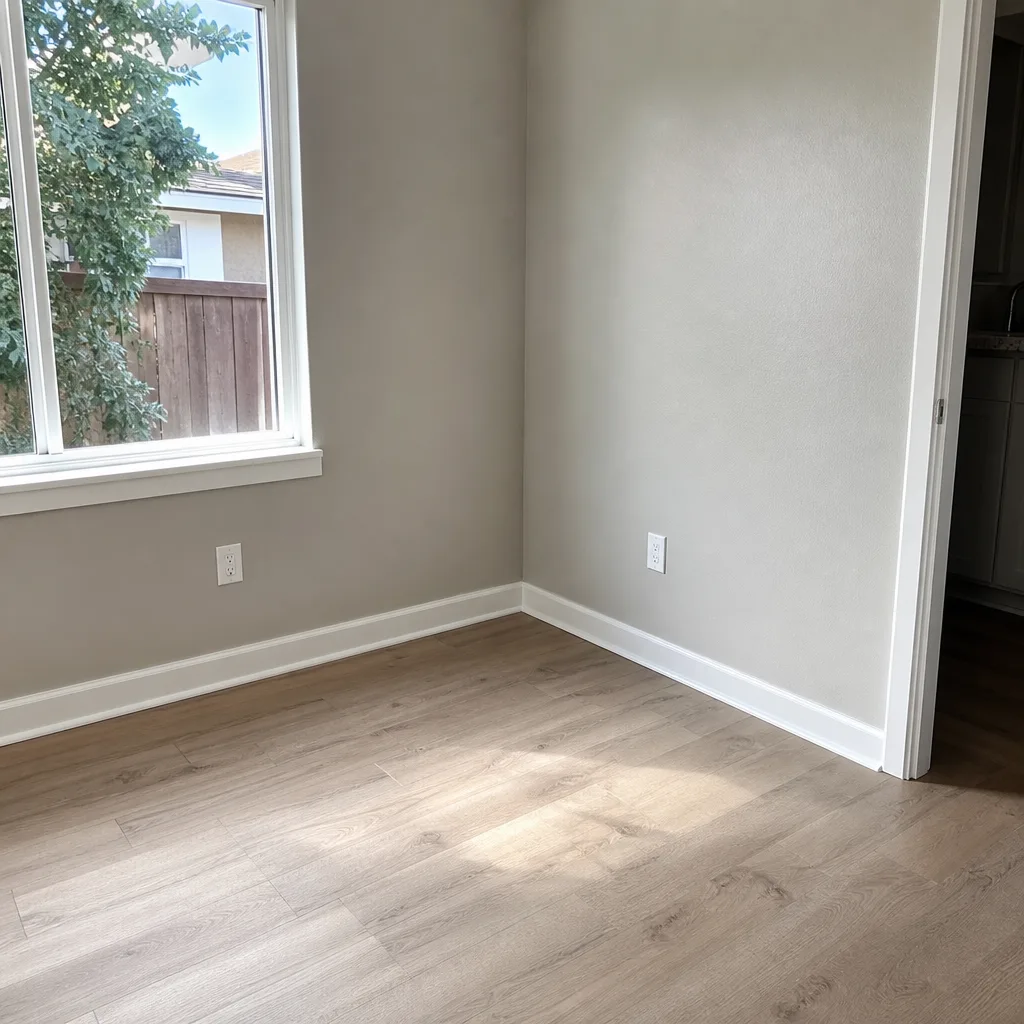 After
After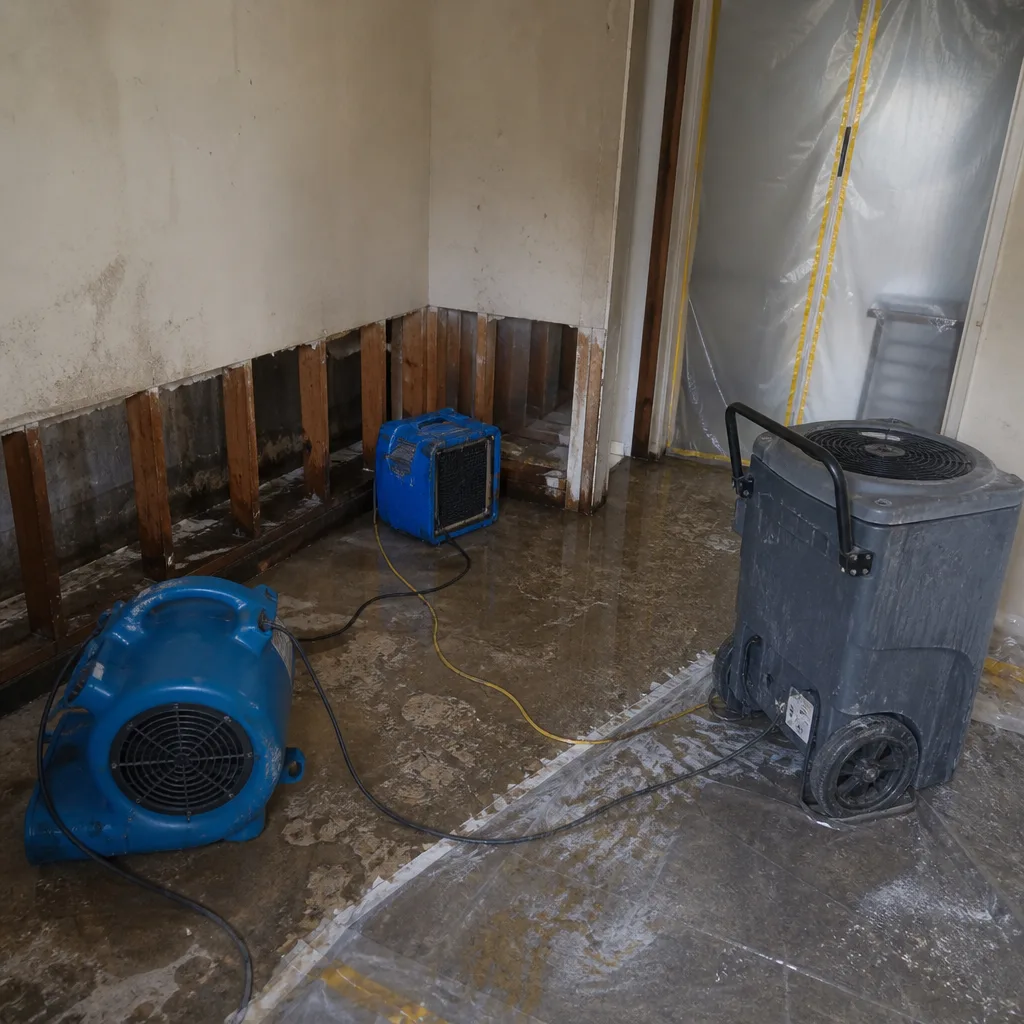 Before
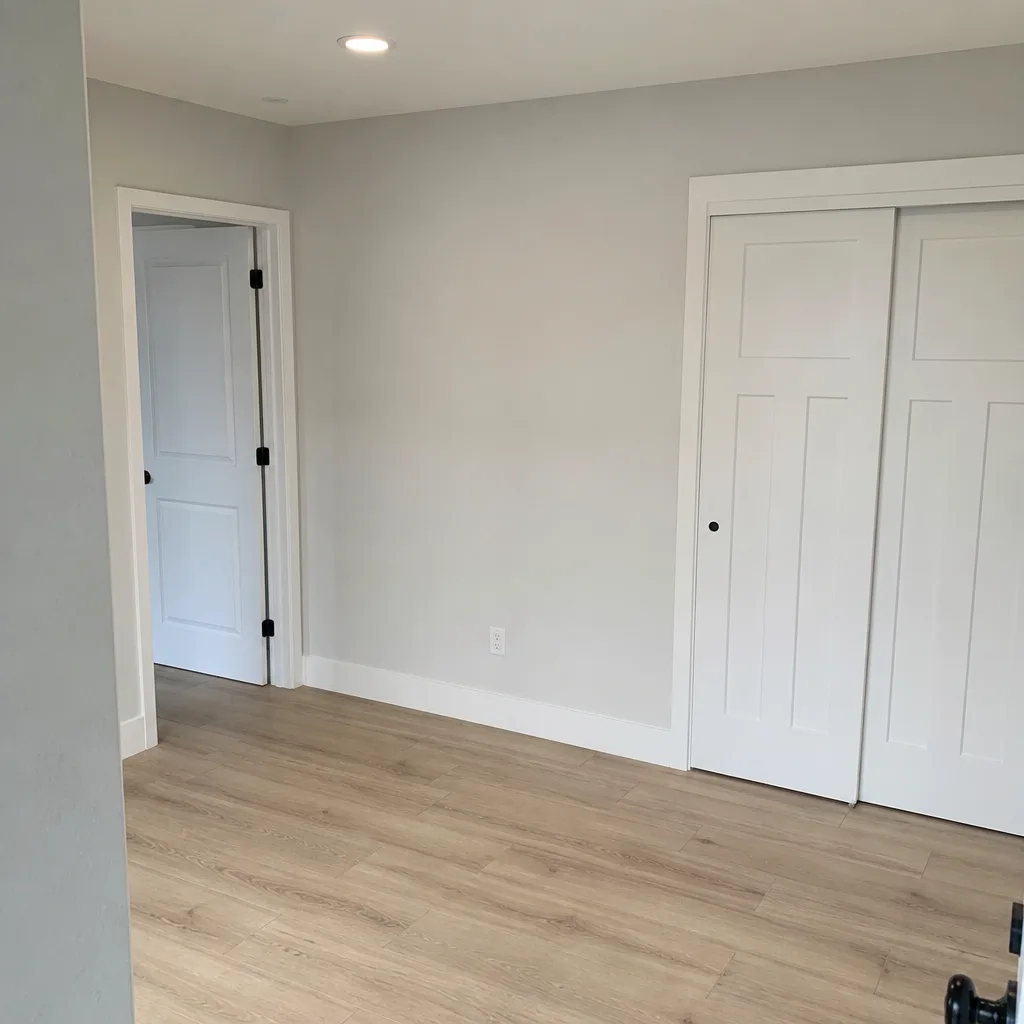 After
After24/7 Emergency Mold Remediation in Santee
Mold remediation in Santee typically costs $1,800-$6,500 depending on affected square footage and whether the source is an isolated HVAC condensate overflow or a systemic crawl space issue. Most Santee jobs start with a free visual inspection and containment setup within hours of your call. Crews are dispatched from our San Diego office and can be on-site anywhere in the 91941 or 92020 ZIP codes fast. Call (858) 428-2364 now; a live person answers, 24 hours a day, 7 days a week, no voicemail trees. The first 24 to 48 hours after water intrusion are when mold colonizes drywall and framing in Santee’s 100°F+ attic conditions. Waiting turns a contained ceiling repair into a whole-room remediation with clearance testing and reconstruction.
Understanding Mold Remediation Severity in Santee Properties
We classify mold losses in Santee by the water category that fed the growth, the affected square footage, and the material porosity of the host substrate. Category 1 water, or clean water from a supply line, carries minimal microbial load and typically limits mold to surface growth on non-porous materials like tile or sealed concrete. Category 2 water, grey water from HVAC condensate pans or washing machine drains, introduces nutrients and elevates spore counts within 48 hours on porous drywall and insulation. Category 3 water, black water from sewage or ground intrusion, demands full antimicrobial treatment and often structural removal. Santee’s housing stock complicates this calculus. The 1960s-1980s wood-frame tract homes in Carlton Hills and Cajon Heights were built with paper-faced drywall, R-11 batt insulation with Kraft paper backing, and minimal vapor barriers. These materials wick moisture laterally through wall cavities and hold it against framing members. Our Mold Remediation team uses thermal imaging to trace moisture migration beyond visible staining, then establishes containment with 6-mil polyethylene and negative air pressure using HEPA-scrubbed exhaust before any material is disturbed.
Why Santee Property Owners Choose DryMark Restoration El Cajon
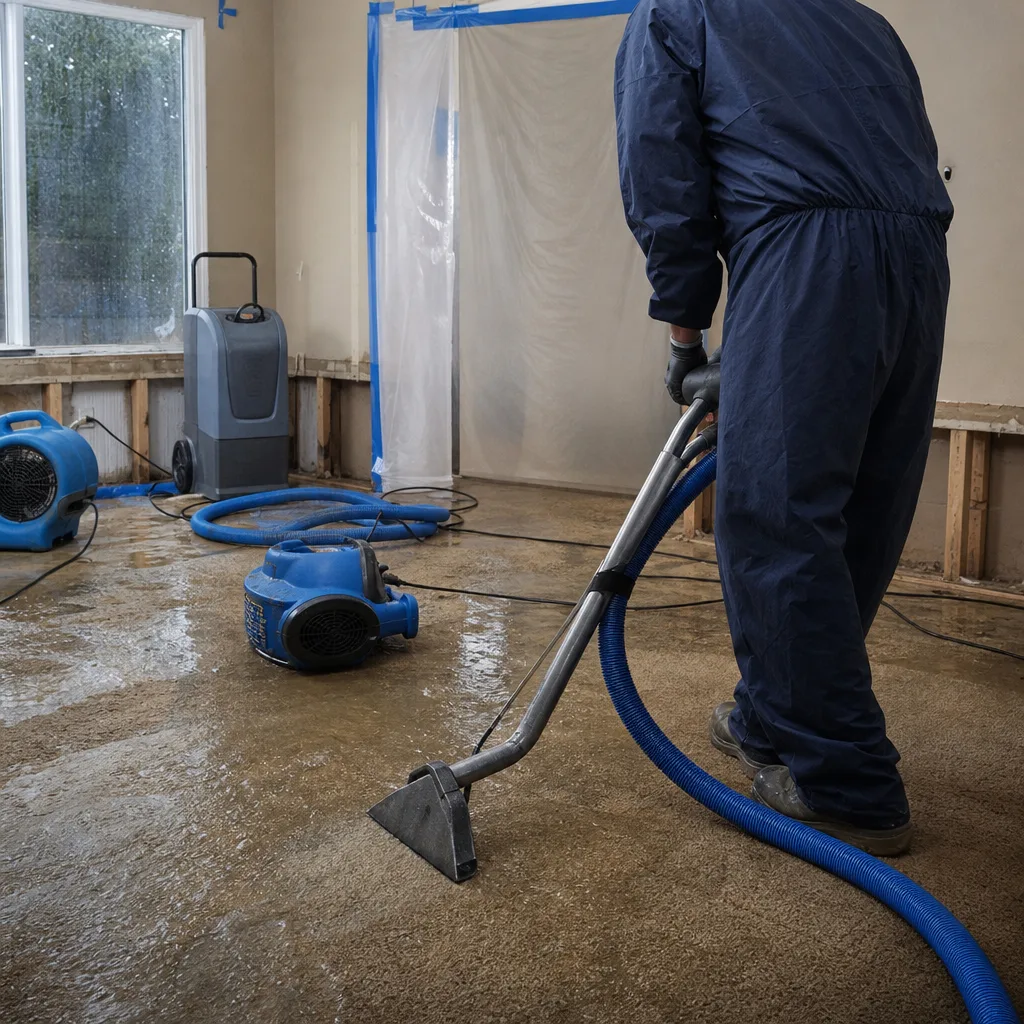
- 45-minute response commitment to Santee addresses from our San Diego dispatch office, with crews carrying containment materials and moisture meters on every truck.
- 24/7 live answer - a real person, never an automated system, picks up every call to (858) 428-2364 and can dispatch while you’re still on the line.
- IICRC-certified crews holding WRT (Water Damage Restoration Technician), AMRT (Applied Microbial Remediation Technician), and FSRT (Fire & Smoke Restoration Technician) certifications where the loss type requires cross-trained expertise.
- Free visual inspection with moisture mapping and thermal imaging included; you receive a written scope and price before any work begins, Haven Standard, Clause 1.
- Direct insurance billing with photo-documented drying logs, room-by-room moisture readings, and adjuster coordination as a standard deliverable, never an upsell.
- One team from containment to reconstruction - the same technicians who establish containment and remove compromised materials return to install new drywall, texture, and paint, eliminating handoff gaps in documentation.
 Before
 After
AfterOur Mold Remediation Process
1. Inspection & Assessment
We arrive with FLIR thermal cameras, pin and pinless moisture meters, and borescopes for cavity inspection. In Santee’s older tract homes, we pay particular attention to HVAC condensate drain lines, rusted pan overflows, and the joist bays where years of hard-water drips have degraded ceiling texture. You get a written scope and price before work starts.
2. Containment & Air Filtration
We seal the affected area with 6-mil poly sheeting and establish negative air pressure using HEPA air scrubbers exhausting to the exterior. This prevents cross-contamination to unaffected rooms during removal, critical in Santee’s compact single-story layouts where the HVAC return can pull spores through the whole house.
3. Moisture Source Elimination & Drying
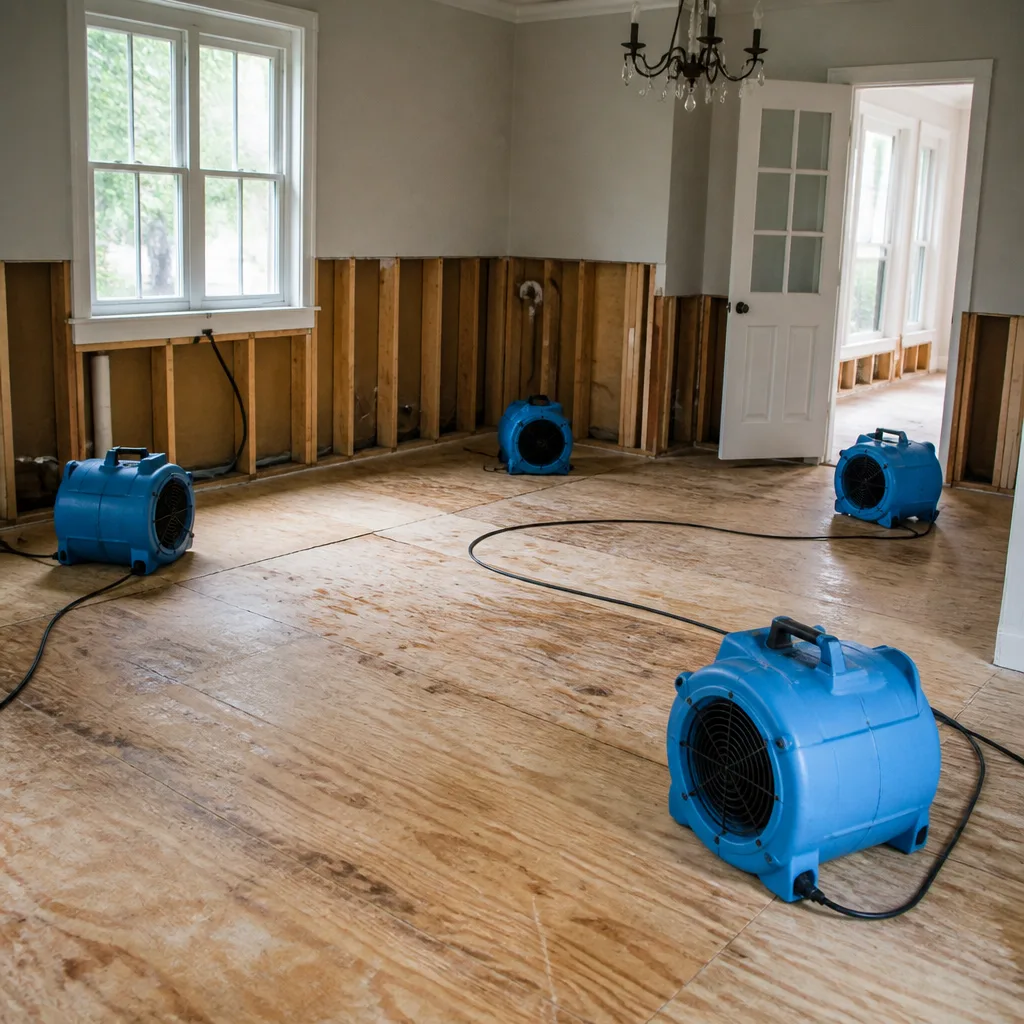
We repair or cap the active leak, then deploy Phoenix dehumidifiers and XPOWER air movers to drop the structural moisture content below 16% wood moisture equivalent. Daily psychrometric readings, logged to IICRC standards, document the drying curve for your adjuster.
4. Removal of Compromised Materials
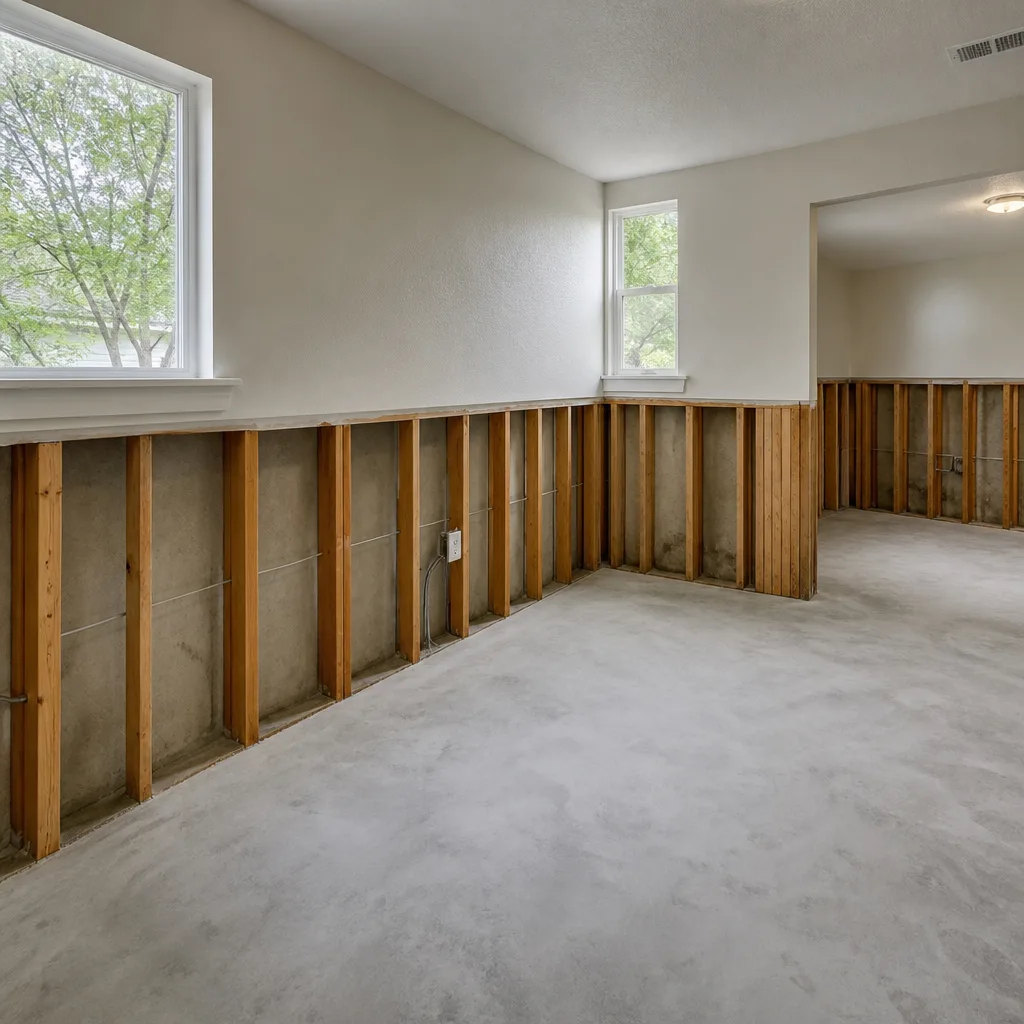
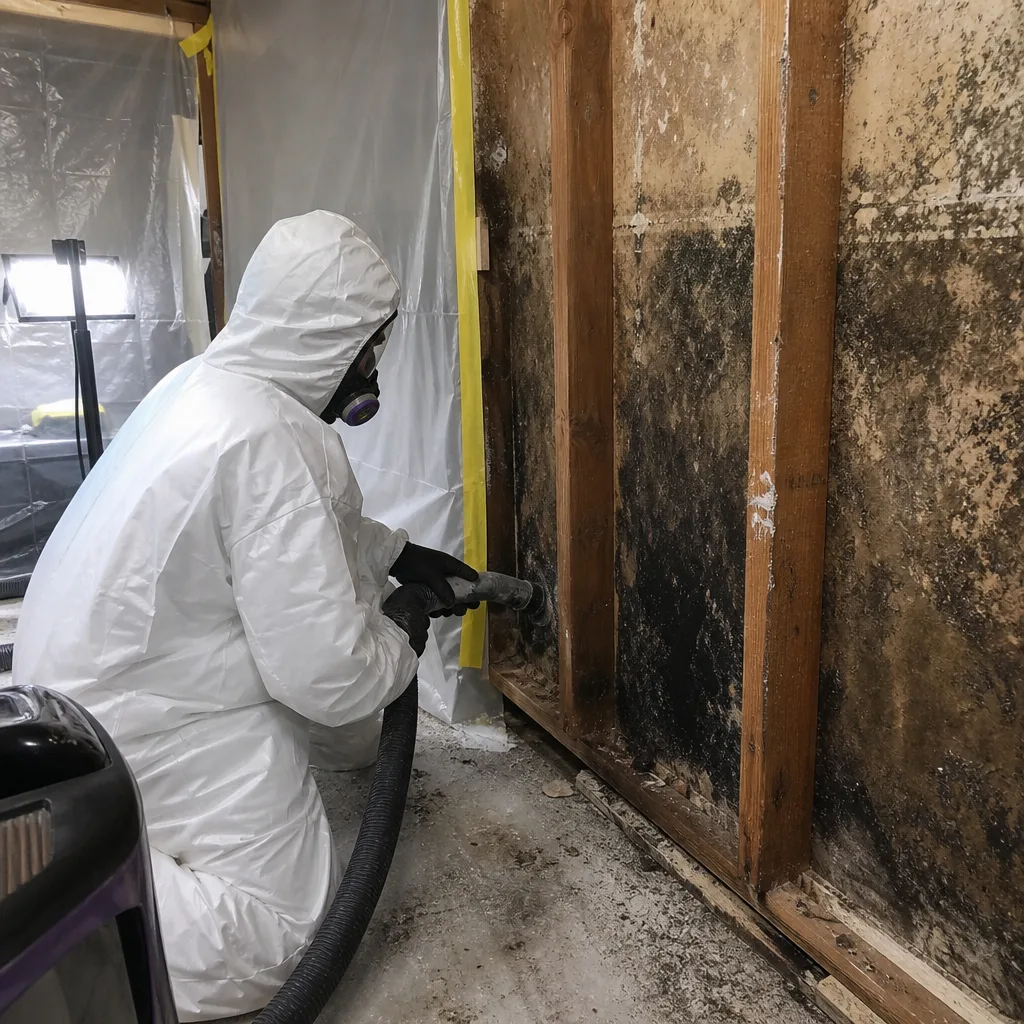
Porous materials with confirmed mold growth, including drywall, insulation, and baseboards, are removed under containment and bagged for proper disposal. Non-porous surfaces are HEPA-vacuumed and treated with antimicrobial solutions. We photograph every square foot before and after removal.
5. Antimicrobial Treatment & Crawl Space Remediation
Exposed framing receives EPA-registered antimicrobial treatment. For Santee crawl spaces under Fletcher Hills and Cajon Heights slabs, we address bare soil moisture with vapor barrier installation, dehumidification, and treatment of floor joist mold that never reaches the living space but affects indoor air quality through bypass airflow.
6. Clearance Testing & Reconstruction
Third-party or in-house air sampling confirms spore counts at or below outdoor baseline before containment is removed. We then reconstruct with new drywall, texture matching, paint, and trim, documented with a final photo set and the 365-Day Done Right Promise under The Haven Standard.
Need Emergency Mold Remediation in Santee Now?
Crews minutes away, answering live 24 hours a day. The sooner we start, the less it costs.
Working With Your Insurance Company
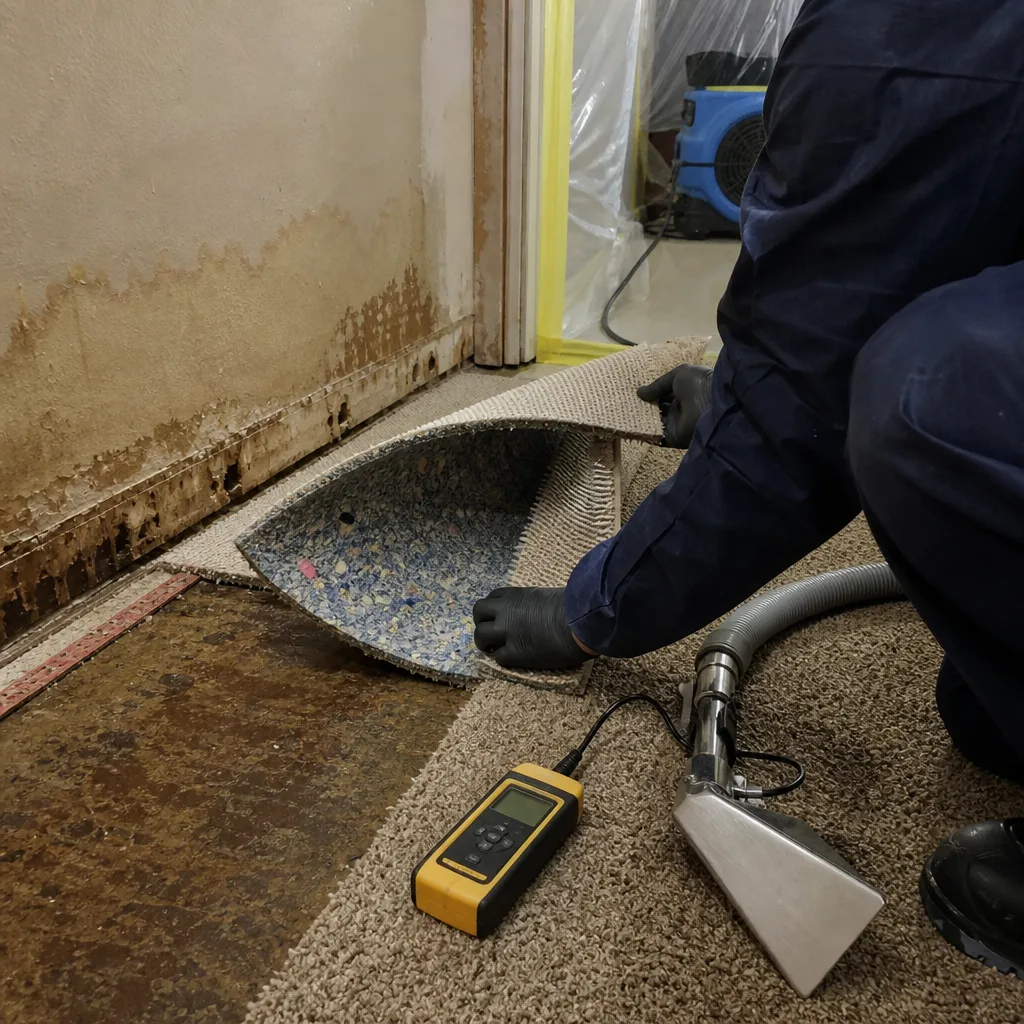
Every Santee mold claim we handle begins with documentation in the first hour. Our technicians photograph the loss scene, record moisture readings with instrument calibration dates, and begin a drying log that continues until the structure reaches dry standard. This documentation package, produced to RIA and IFA standards, becomes the backbone of your insurance estimate. We write line-item scopes in the format adjusters expect, and we communicate directly with your carrier’s representative rather than handing you a bill to fight alone. The photo record on every visit, included as standard under The Haven Standard, eliminates the documentation gap that costs homeowners their claims.
What We Provide Your Insurer
- Thorough documentation of the loss
- Photos of all damage, room by room
- Moisture readings and drying logs
- A detailed, line-item scope of work
- Direct coordination with your carrier
Built for Santee’s Loss Calendar
Santee’s mold season runs opposite what coastal San Diego expects. January through March brings the heaviest rain, but the real driver is summer: June through September, when inland valley temperatures hit 100-108°F and stay there. HVAC systems run continuously, condensate pans overflow, and drain lines clogged with hard-water scale back up into ceiling cavities. These are Category 2 grey-water events, not clean water, and they repeat annually in the same homes until the drain line is replaced or the pan is re-sloped. October and November bring Santa Ana wind events that dry soil to powder but also force attic ventilation at velocity, pulling conditioned air out and creating vapor pressure differentials that condense on cooler framing members. December’s brief rain spikes can then reactivate dormant spores in crawl spaces that stayed damp through the fall. We schedule preventive crawl space inspections in Santee during October, before the winter moisture load arrives.
Mold Remediation Across Santee’s Neighborhoods
Carlton Hills, built in the 1970s on the north side near North Town Center Park, presents a specific pattern: original galvanized or early copper plumbing, roof-mounted package units with rusted condensate pans, and ceiling cavities that have seen decades of slow drips before anyone notices the stain. We respond to Baltimore Drive corridor calls with thermal imaging ready, because the visible damage is rarely the full extent.
Cajon Heights, closer to the Fletcher Hills Open Space interface, shares the same vintage housing stock but adds a wildfire smoke complication. Even homes untouched by flame receive attic smoke infiltration through degraded weatherstripping and ember-vent gaps. When summer smoke events are followed by winter rain, the soot-loaded attic insulation becomes a nutrient source for mold on sheathing that would otherwise stay dry. Our crews in Cajon Heights check attic sheathing moisture on every mold call, not just the living space.
The Riverview and Riverview Farms areas along the San Diego River floodplain face a different vector: flash-flood water intrusion after intense rainfall events. These are Category 3 losses when river water enters, requiring full antimicrobial treatment and often extensive material removal. The same homes may then face secondary mold growth in crawl spaces where floodwater receded but soil moisture remained elevated for weeks.
Near Town Center Ball Field and the Amaya Drive commercial corridor, we see more mixed-use and converted residential properties with flat-roof additions, inadequate drainage, and HVAC systems retrofitted into spaces never designed for them. These installations produce chronic condensate issues that owners mistake for roof leaks until the ceiling collapses.
Specialized Mold Remediation Services We Offer in Santee
Mold Inspection & Testing
Our Santee inspections include air sampling, surface tape lifts, and cavity borescopes with laboratory analysis for species identification. We find this matters most in Carlton Hills and Cajon Heights homes where the owner smells something but cannot locate the source; the spore count differential between rooms tells us where to look.
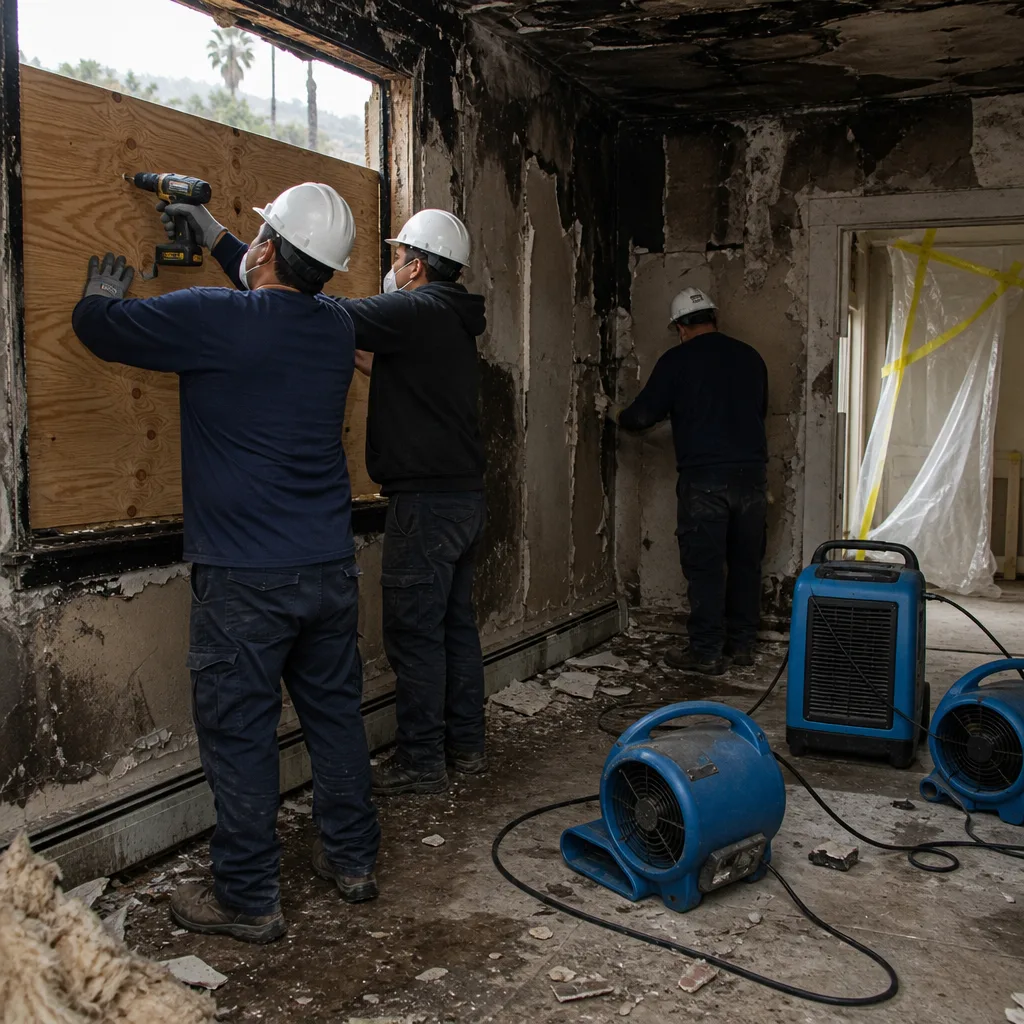
Mold Removal
We remove mold under containment with HEPA filtration, following IICRC S520 standards for professional mold remediation. In Santee’s single-story tract homes, this often means working within the original floor plan to minimize demolition while ensuring complete removal from wall cavities and framing.
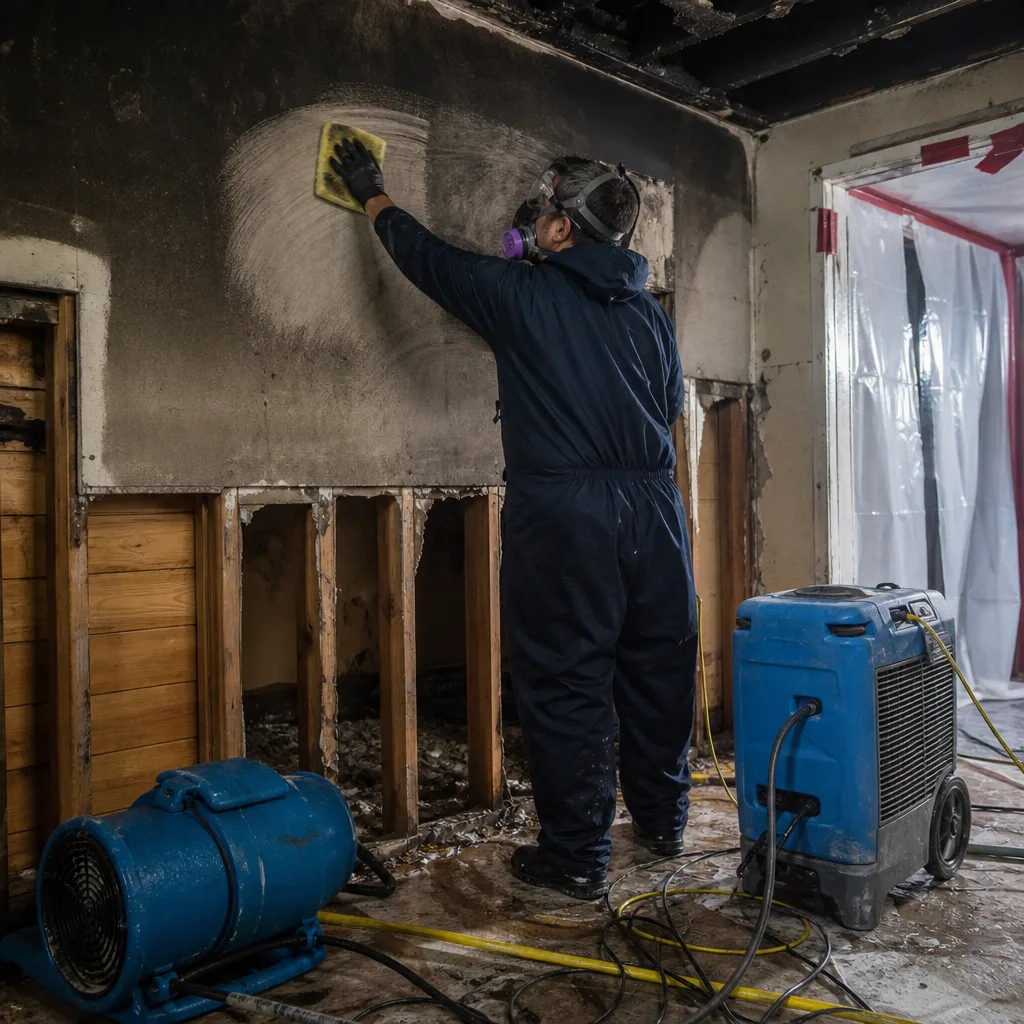
Black Mold Remediation
Stachybotrys chartarum and other toxigenic species require enhanced containment, full-face respirator protocols, and specialized disposal. We encounter these most often in Santee crawl spaces and in ceiling cavities with years of undetected HVAC condensate saturation, not from single-event flooding.
Air Quality Restoration
After removal and before reconstruction, we restore indoor air quality through HEPA scrubbing, duct cleaning, and in cases of heavy smoke infiltration, ozone or hydroxyl treatment. This is particularly relevant for Santee homes near recent brush fire perimeters where smoke particulate has settled in ductwork.
Crawl Space Treatment
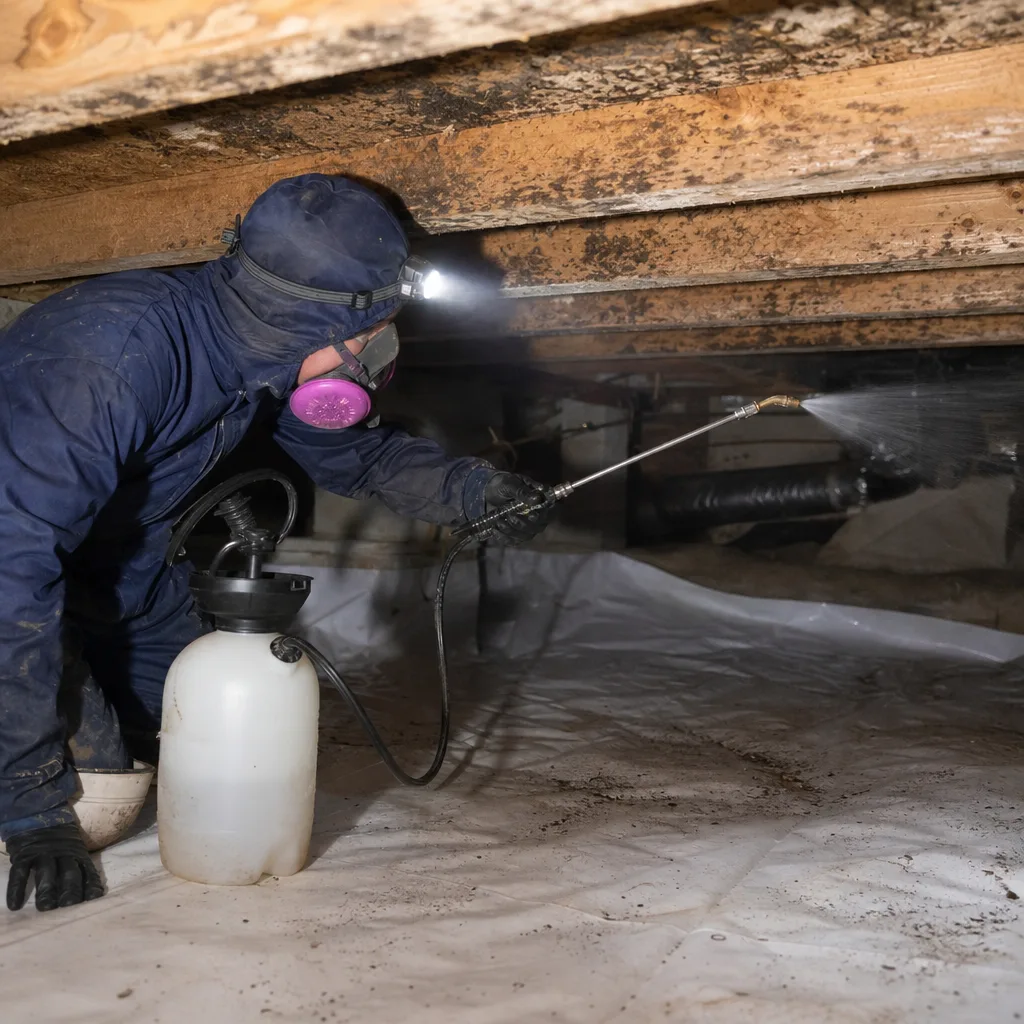
Santee crawl spaces under 1960s-1980s slabs are often bare soil with no vapor barrier, where summer condensate from plumbing lines and natural soil moisture feed mold on floor joists that never shows inside. We install vapor barriers, deploy dedicated dehumidifiers, and treat framing with antimicrobial solutions to break the moisture cycle.
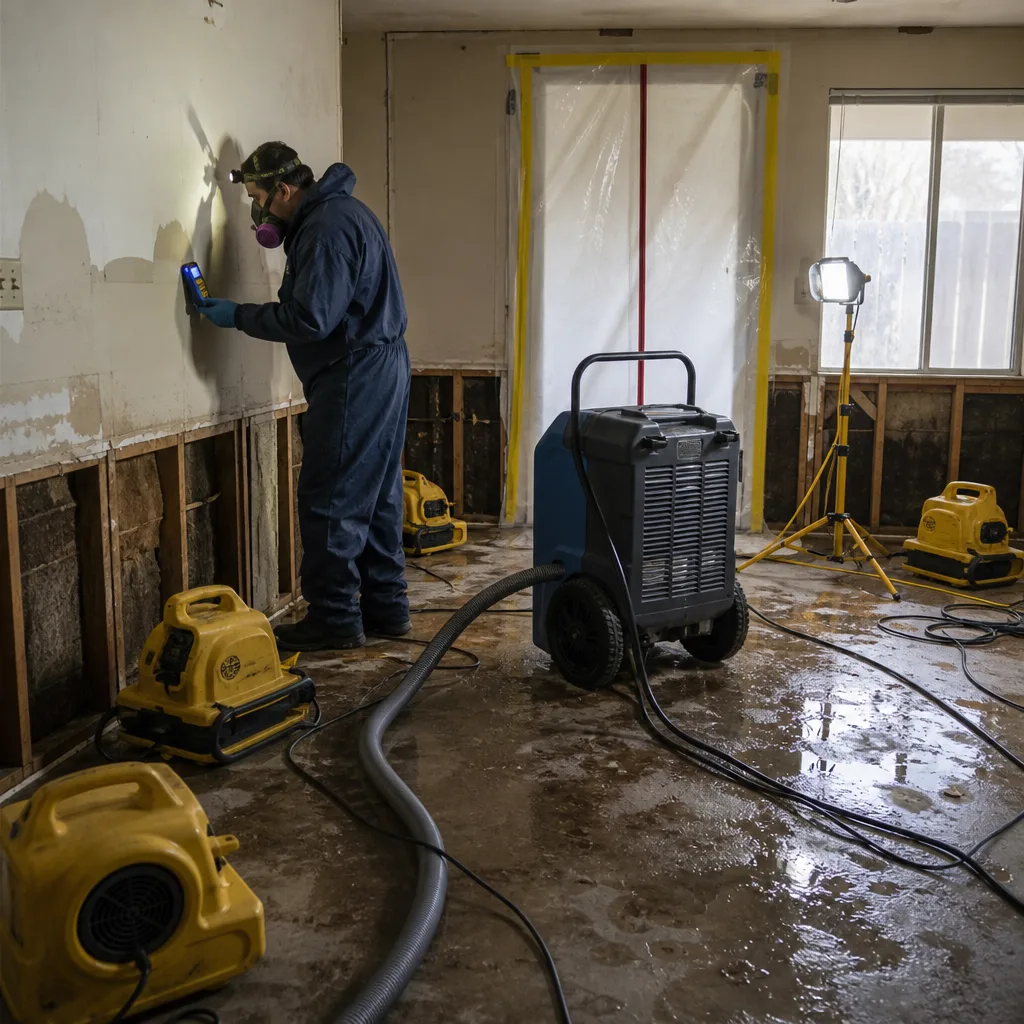
Moisture & Humidity Control
Long-term mold prevention in Santee requires controlling the inland valley’s extreme heat-humidity cycling. We install whole-house and crawl space dehumidification, repair HVAC condensate drainage, and recommend ventilation improvements specific to your home’s construction era and current usage.
What happens when you call
- 1
A real person answersNo phone trees - you reach a local pro.
- 2
You get an upfront price rangeHonest numbers before anyone is dispatched.
- 3
A background-checked tech heads outLicensed & insured, dispatched right away.
- 4
You approve before work beginsNothing starts until you say go.
Mold Remediation Costs in Santee, CA
| Service | Typical Range in Santee |
|---|---|
| Free visual inspection with moisture mapping | $0 |
| Contained ceiling remediation (HVAC leak, single room) | $1,800 - $3,400 |
| Multi-room remediation with drywall removal | $3,500 - $6,500 |
| Crawl space treatment with vapor barrier | $2,200 - $5,000 |
| Full-home air quality restoration with duct cleaning | $1,500 - $4,000 |
| Clearance testing (third-party lab) | $350 - $650 |
What moves the price: affected square footage, the water category that caused the mold, whether the HVAC system is contaminated and requires duct cleaning, and whether crawl space or attic work is needed. Insurance typically covers sudden and accidental water damage with resulting mold when documented properly; long-term neglect from years of undetected drips is often excluded. Our free inspection produces a written scope and firm price before any work begins, Haven Standard, Clause 1. Bring a competitor’s written estimate and we’ll review it at no charge.
We Also Serve Cities Near Santee
Our crews respond throughout East San Diego County, including Mold Remediation in Santee and neighboring communities. We also serve Lakeside, El Cajon, La Mesa, and Spring Valley with the same documentation standards, written pricing, and 365-Day Done Right Promise.
Serving Santee, CA - Our Local Coverage Area
We’re based in the Santee area and know this community well. Use the map below to see our service coverage - if you’re nearby, we can almost certainly help.
Santee Mold Remediation Questions, Answered
How fast does mold grow in a Santee home after an HVAC condensate overflow?
Mold colonizes wet drywall in 24 to 48 hours under Santee’s summer conditions, where attic temperatures exceed 140°F and humidity trapped in ceiling cavities creates ideal growth conditions.
The inland valley heat accelerates spore germination compared to coastal climates. We have documented active growth on Carlton Hills ceiling texture 36 hours after a condensate pan overflow, with moisture readings at 28% wood moisture content. This is why our 45-minute response commitment matters: containment and drying started within the first day often save the drywall and insulation. Delay past 72 hours typically requires removal of affected materials. Call (858) 428-2364 for immediate response; estimates are free.
Do Carlton Hills and Cajon Heights homes get mold even without a fire or flood nearby?
Yes, frequently. The most common Santee mold source we encounter is not fire or flood but years of slow HVAC condensate drips into ceiling cavities.
These homes’ 1970s-era package units and hard-water-degraded drain lines produce recurring summer overflows that owners mistake for roof leaks or ignore as minor stains. The brown ring on your hallway ceiling is often Category 2 grey water behind the paint, not a cosmetic issue. We also find significant crawl space mold in these neighborhoods from soil moisture and plumbing condensation, with no visible interior signs until air testing reveals elevated spore counts. A free inspection with moisture mapping finds these hidden sources. Call (858) 428-2364 to schedule.
What does mold remediation actually involve in a Santee single-story tract home?
Containment, removal of compromised porous materials, antimicrobial treatment of framing, structural drying with documented daily logs, clearance testing, and reconstruction.
In Santee’s 1,200-1,800 square foot single-story homes, this typically means sealing one or two rooms with poly sheeting and negative air pressure, removing drywall and insulation from the affected cavity, drying the framing to below 16% wood moisture content, and rebuilding with new materials that match existing texture. The HVAC system is inspected for internal contamination; duct cleaning is added if spore counts inside the ductwork exceed outdoor baseline. Every step is photographed and logged for your insurance claim. The written scope and price come before any work begins, Haven Standard, Clause 1.
Is mold in my Santee crawl space different from mold in the living area?
Crawl space mold often involves different species, more extensive moisture sources, and distinct health exposure pathways through bypass airflow into the living space.
In Santee’s Carlton Hills and Fletcher Hills homes, crawl spaces are typically bare soil with no vapor barrier, where summer humidity and plumbing condensation create perennial dampness. The mold species here, often Aspergillus and Penicillium varieties, become airborne and enter the living space through gaps around plumbing penetrations, electrical chases, and the HVAC return plenum. You may never see crawl space mold, but experience persistent respiratory symptoms or elevated indoor spore counts. Treatment requires vapor barrier installation, dedicated dehumidification, and antimicrobial treatment of floor joists, not just surface cleaning. Call (858) 428-2364 for crawl space inspection and a written scope.
How do you distinguish Category 1, 2, or 3 water in a Santee mold loss?
We test water source, visible contamination, and time since intrusion; the category determines antimicrobial protocol, material removal requirements, and insurance coverage.
Category 1, clean water from a supply line, becomes Category 2 after 48 hours of contact with building materials or if it passes through a crawl space with soil contact. Category 2, grey water from HVAC condensate or washing machines, carries nutrients and elevated microbial load from the start. Category 3, black water from sewage or ground flooding, requires full protective protocols and often extensive removal. In Santee, the most common misclassification is treating a long-term HVAC condensate drip as Category 1 because it originated as clean water, when years of stagnation in the ceiling cavity have elevated it to Category 2 or worse. Our technicians test and document the actual condition, not the theoretical source. This documentation protects your insurance claim. Call (858) 428-2364 for assessment.
Will my insurance cover mold remediation in Santee?
Insurance covers mold that results from a sudden, accidental water event when documented promptly; it typically excludes mold from long-term neglect or unresolved maintenance issues.
The key is proving the loss was sudden and the response was immediate. Our photo documentation, moisture logs, and written scope establish this timeline for your adjuster. We coordinate directly with your carrier and write estimates in the standard format insurers expect. If your claim is disputed, our documentation package, produced to IICRC and RIA standards, provides the evidence needed to support coverage. We also offer a Free Second Opinion on any competitor’s written estimate if you are unsure whether the scope is complete. Call (858) 428-2364 to discuss your specific situation.
How long does mold remediation take in a Santee home?
Contained single-room remediation typically takes 3-5 days; multi-room or crawl space projects with reconstruction may take 7-14 days.
The timeline breaks into containment and removal (1-2 days), structural drying (2-4 days depending on material saturation and Santee’s ambient humidity), clearance testing (1 day lab turnaround for air samples), and reconstruction (2-5 days for drywall, texture, paint, and trim). We do not rush drying; daily moisture logs document when the structure reaches dry standard, and we provide these logs to you and your adjuster. Reconstruction scheduling begins only after clearance confirms spore counts at or below outdoor baseline. Call (858) 428-2364 for a timeline estimate specific to your loss.
Can my family stay in the home during mold remediation?
For small, contained single-room projects with no HVAC contamination, occupants often remain with the containment sealed and air scrubbers running; larger or whole-system projects require temporary relocation.
We make this determination based on the affected square footage, the species identified in testing, whether the HVAC system is contaminated, and whether any occupant has respiratory sensitivity. In Santee’s compact single-story homes, the HVAC return often connects all rooms, making whole-house air management necessary even for localized mold. We discuss this during the inspection and include any relocation recommendation in the written scope. Your safety and the integrity of the remediation take priority over convenience. Call (858) 428-2364 to discuss your specific situation and receive a written plan.
Written by Alicia Brennan, Owner at Back to Dry Restoration, serving Santee since 2011 under The Haven Standard.
Mold Remediation in Nearby Areas