

Free visual inspection and a written scope of work before any mitigation begins - photos, moisture readings, and drying logs go in your claim file
The scope we write is the scope we bill. Anything new gets shown to you, in writing, before we touch it.
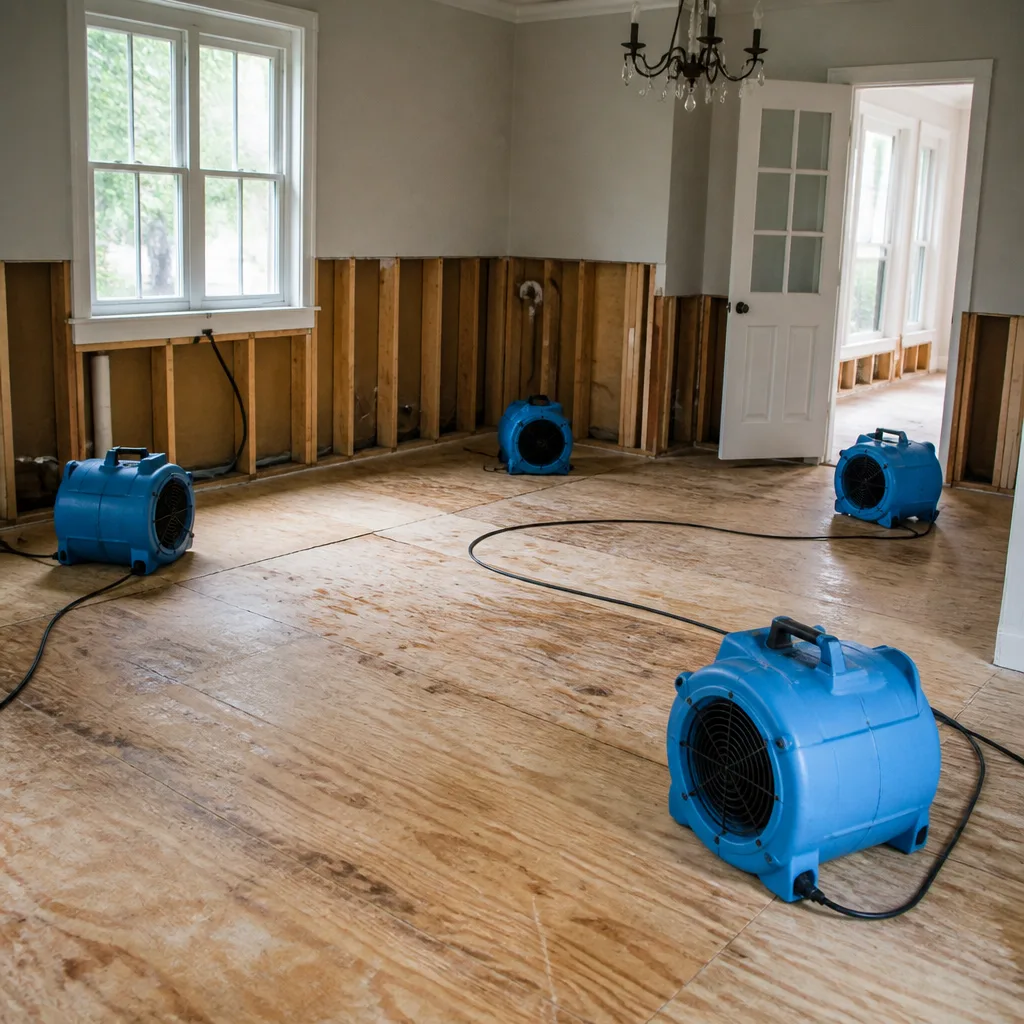
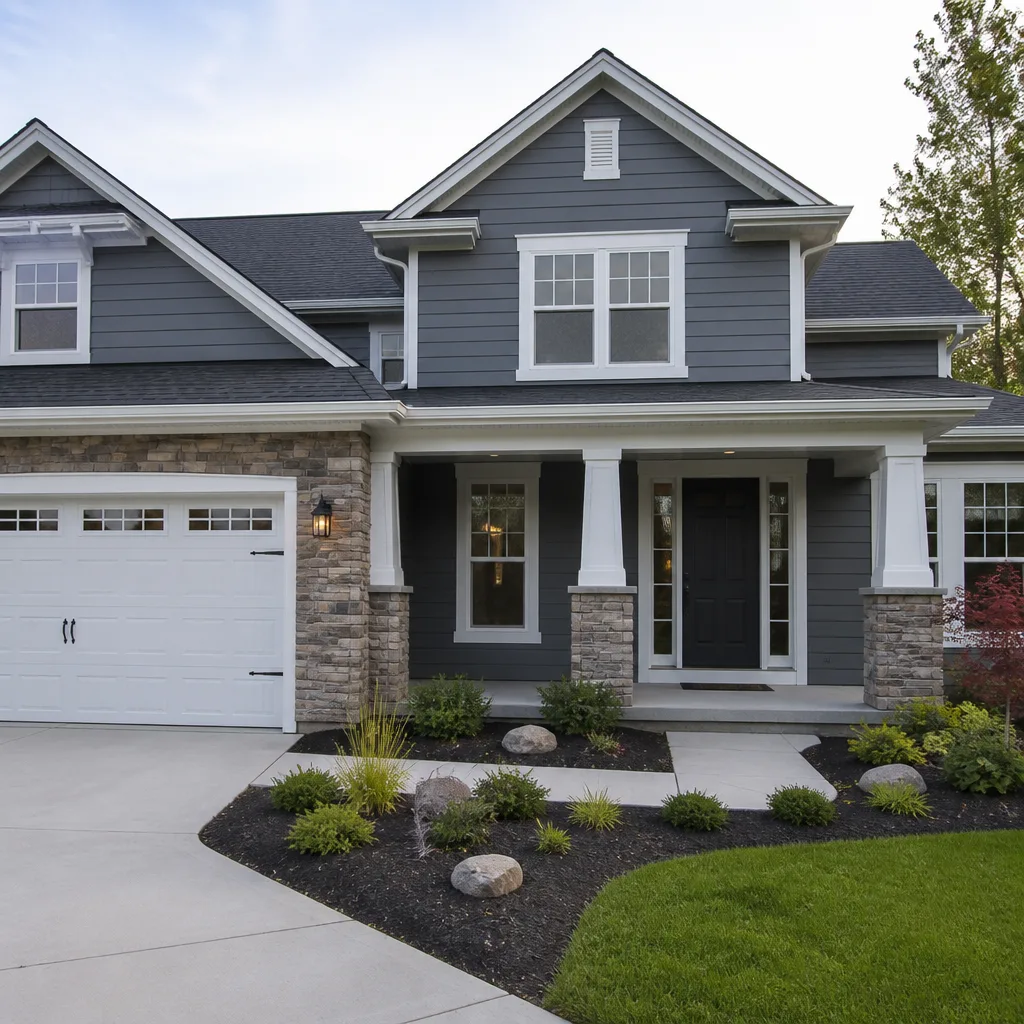
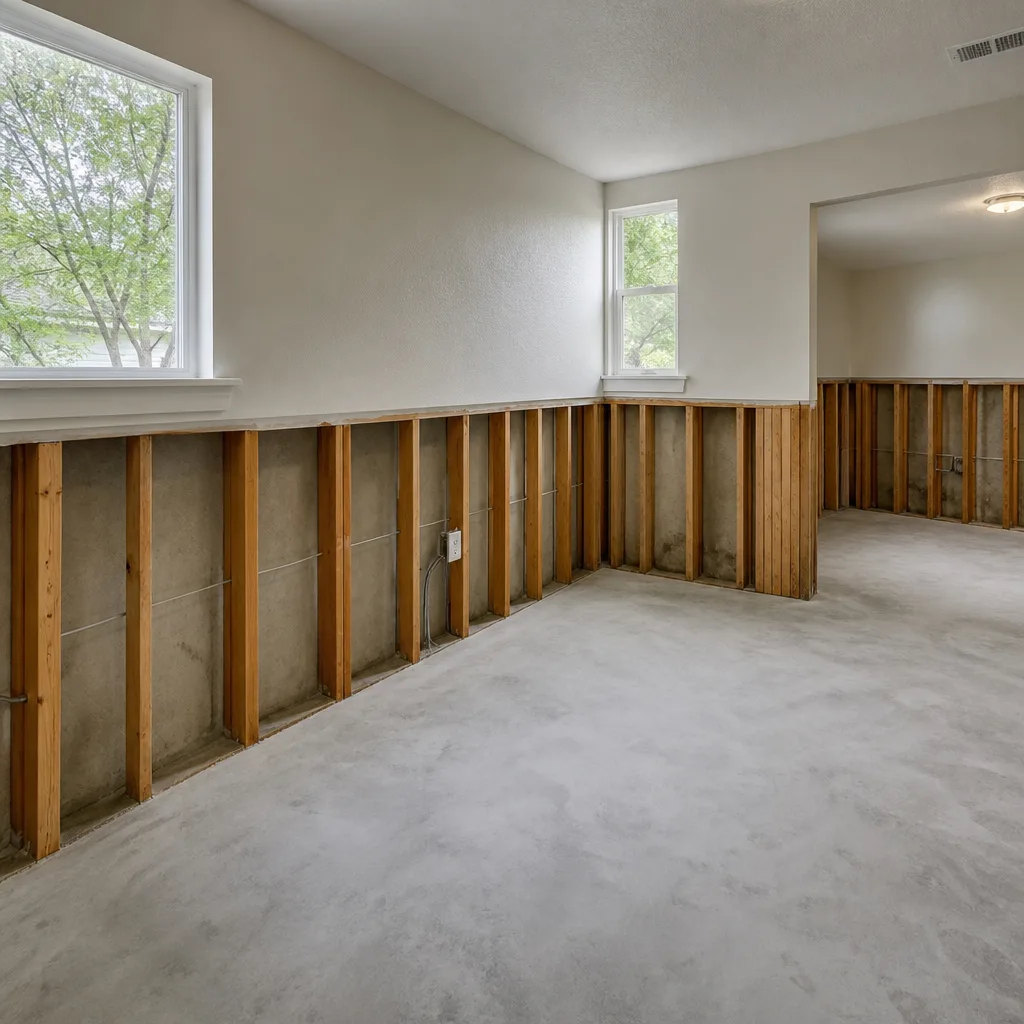
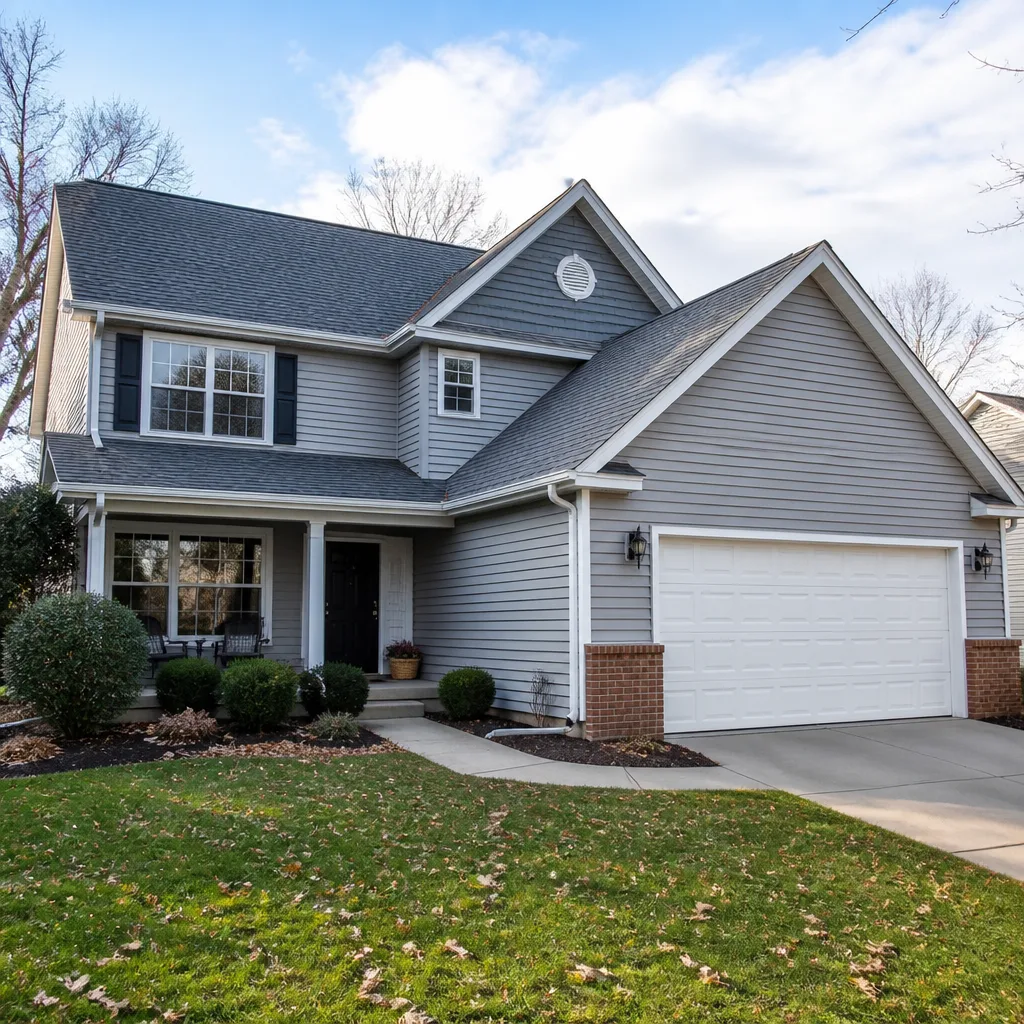
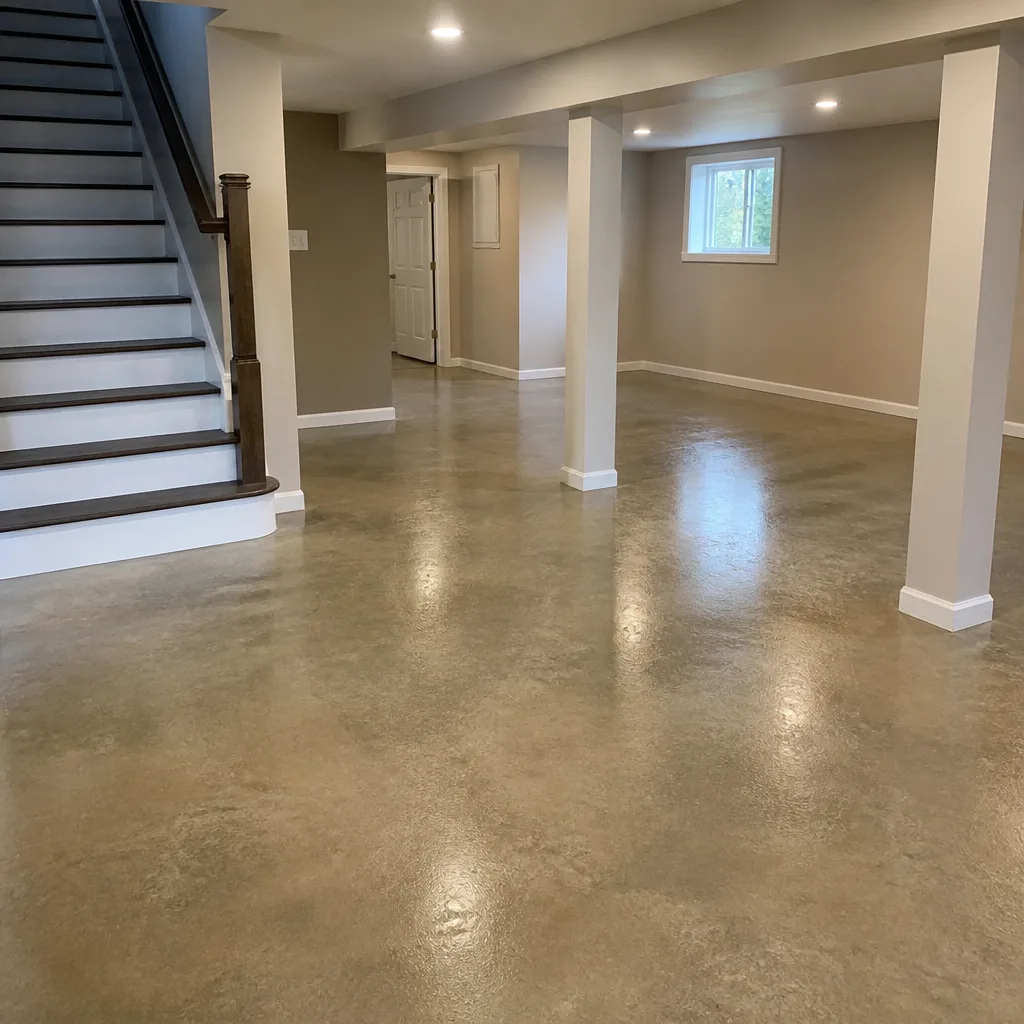

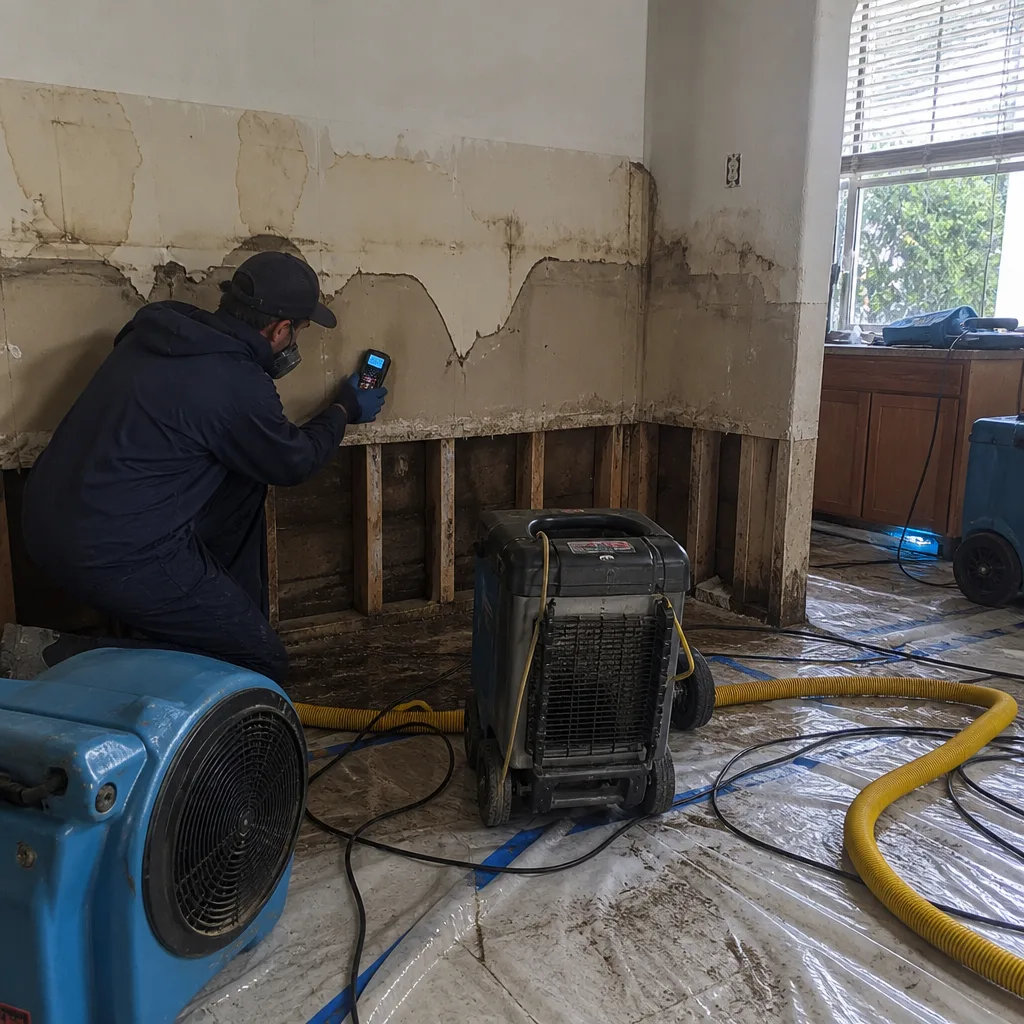 Before
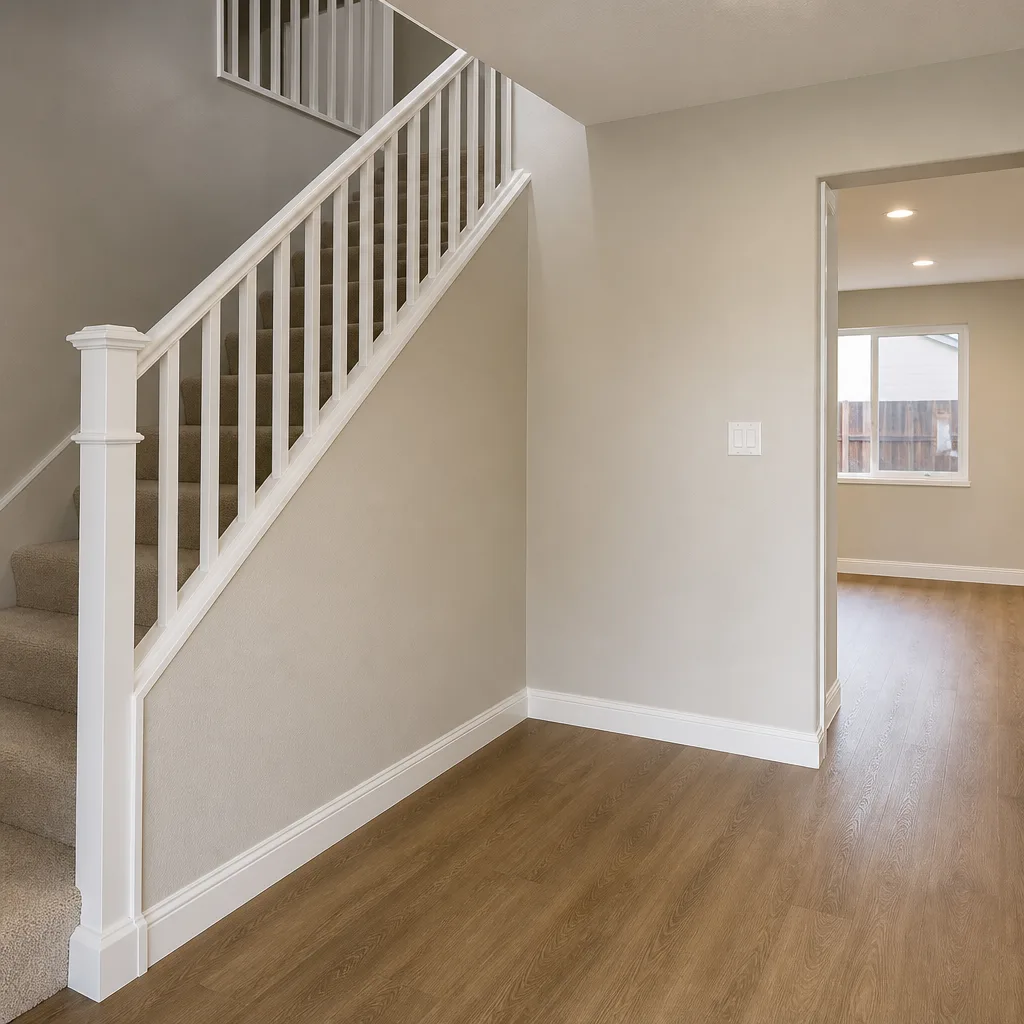 After
After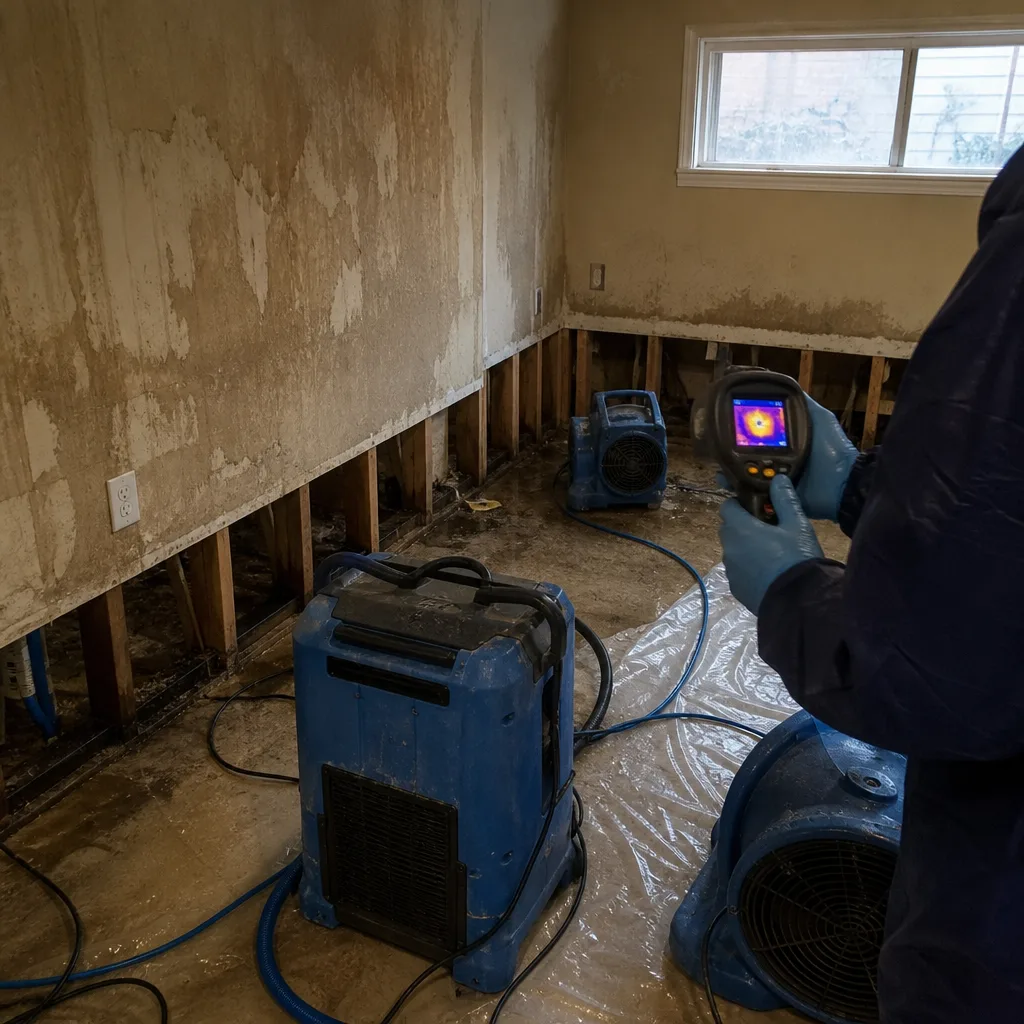 Before
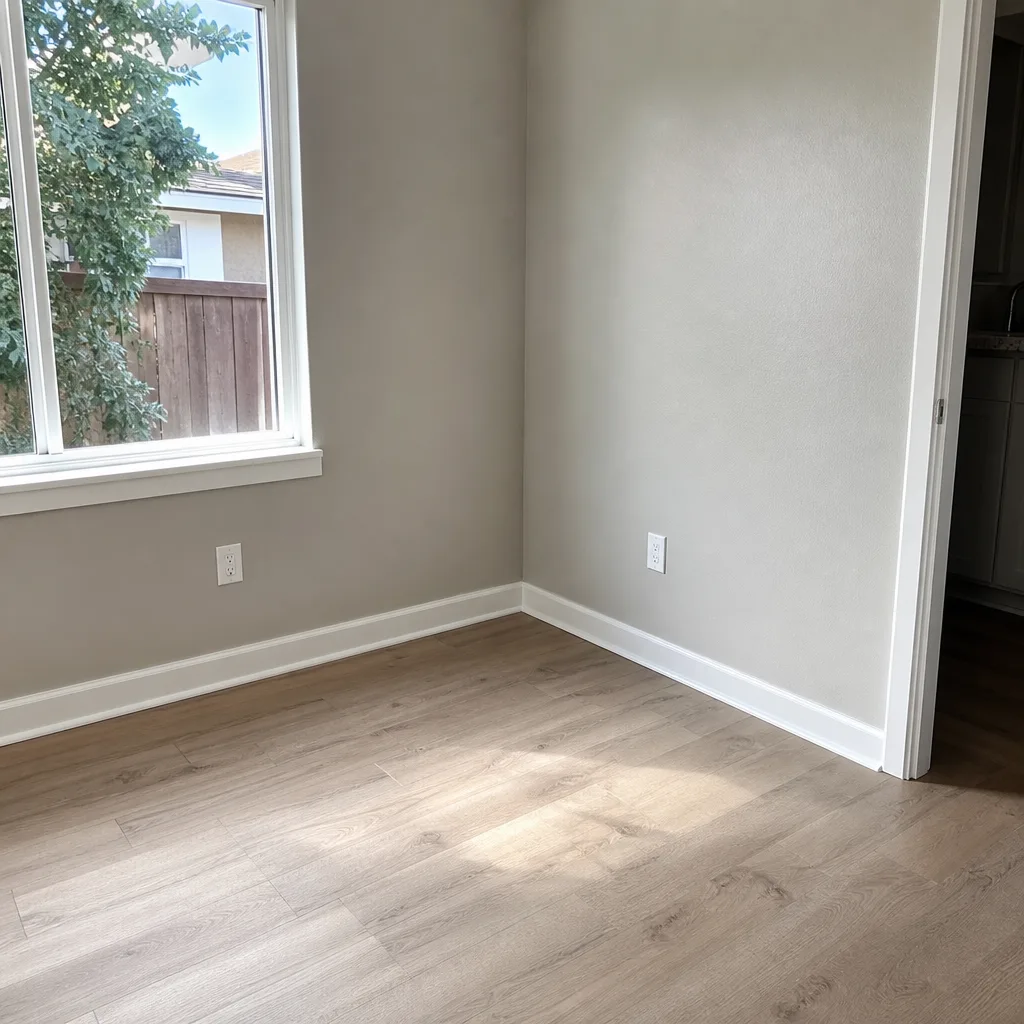 After
After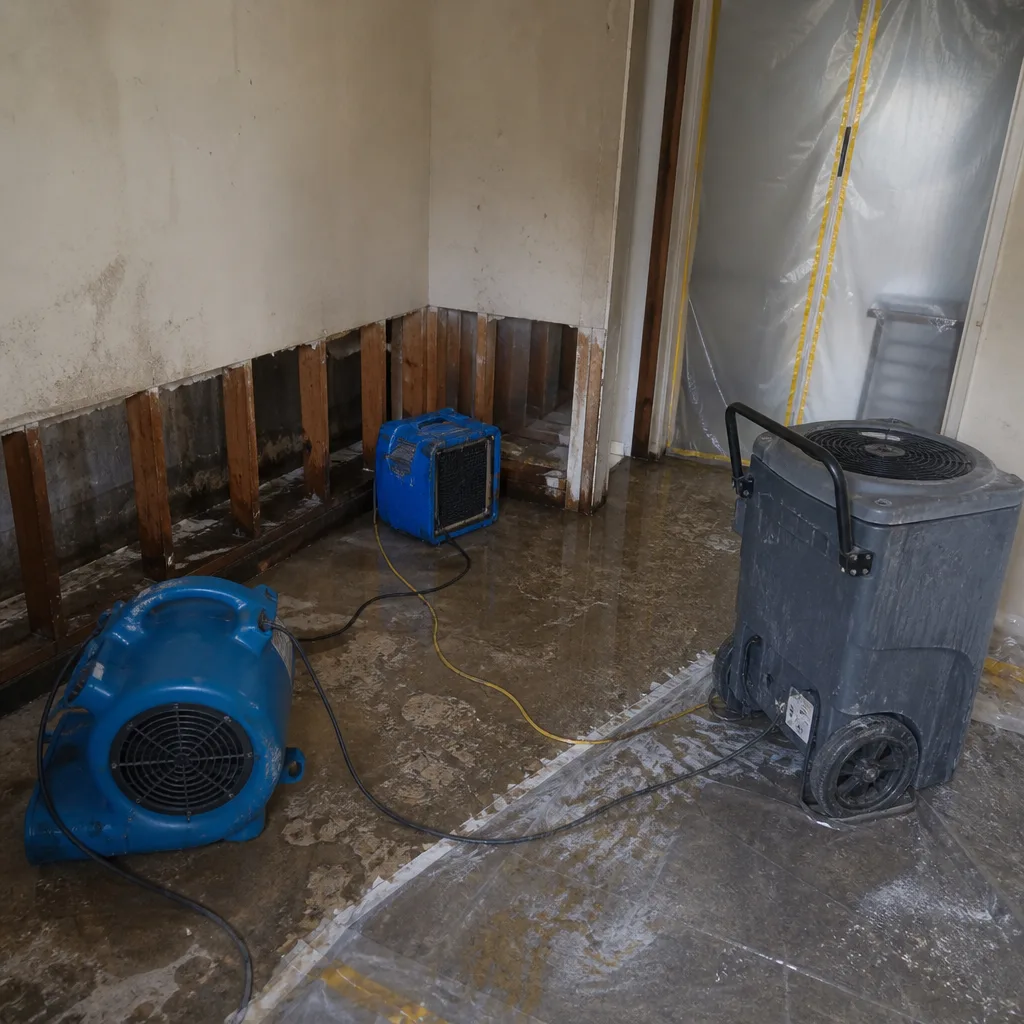 Before
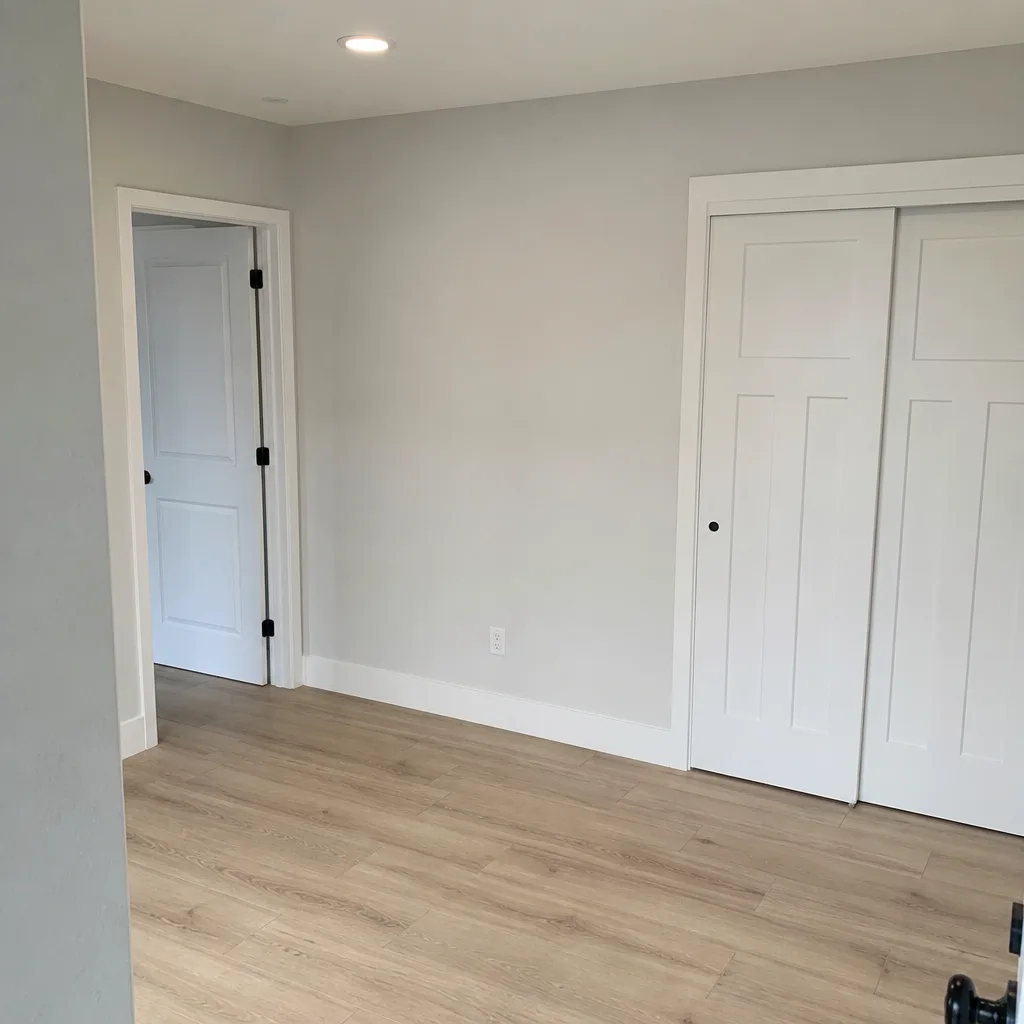 After
After24/7 Emergency Mold Remediation in La Mesa
Mold remediation in La Mesa typically costs $1,800-$6,500 depending on containment area and whether pre-1970s abatement is required, and our crews are usually on-site within 45 minutes of your call. We’re answering live at (858) 428-2364 right now - no voicemail, no callback queue. The first 24-48 hours after water intrusion are when mold colonies establish in La Mesa’s older wood-frame wall cavities, so we dispatch containment and drying equipment immediately, not tomorrow. Every emergency call starts with a free visual inspection and a written scope before any work begins, per Haven Standard, Clause 1.
Understanding Mold Remediation Severity in La Mesa Properties
We classify mold contamination by affected square footage, material porosity, and whether the source moisture is still active. Category 1 involves limited surface growth on non-porous materials like tile or sealed concrete - contained to one room, no HVAC involvement. Category 2 spreads to porous materials such as drywall, carpet pad, or insulation, requiring removal of those materials plus HEPA air scrubbing. Category 3 means extensive colonization, HVAC contamination, or hidden growth in structural cavities - full containment with negative air pressure, possible whole-house dehumidification, and clearance testing before rebuild.
La Mesa’s housing stock tilts heavily post-WWII through 1970 - stucco-over-wood-frame bungalows and ranch homes with plaster-and-lath interior walls, unconditioned crawl spaces, and minimal vapor barriers. These materials hold moisture longer than modern construction, and many contain asbestos-containing joint compound or lead paint that must be tested and abated before remediation can legally proceed. We see Category 2 and 3 scenarios more often here than in newer inland suburbs because the building envelope has had 50-70 years to develop cracks, and the original ventilation design rarely accounts for modern moisture loads.
Why La Mesa Property Owners Choose DryMark Restoration El Cajon
- 45-minute response commitment to La Mesa addresses - our San Diego office dispatches crews who know the local road network and don’t waste time with GPS guesses.
- 24/7 live answer by a real person, never an automated system - call (858) 428-2364 at 3 AM and a human picks up, logs your address, and starts the dispatch.
- IICRC-certified crews holding WRT (Water Damage Restoration Technician), AMRT (Applied Microbial Remediation Technician), and FSRT (Fire & Smoke Restoration Technician) credentials - the license numbers are on file and available on request.
- Free visual inspection with moisture mapping and thermal imaging before any commitment or charge.
- Direct insurance billing with photo-documented scopes that adjusters recognize and pay without dispute.
- One team from containment through reconstruction - no handoffs between remediation and rebuild contractors who blame each other for missed studs.
 Before
 After
AfterOur Mold Remediation Process
1. Inspection & Assessment
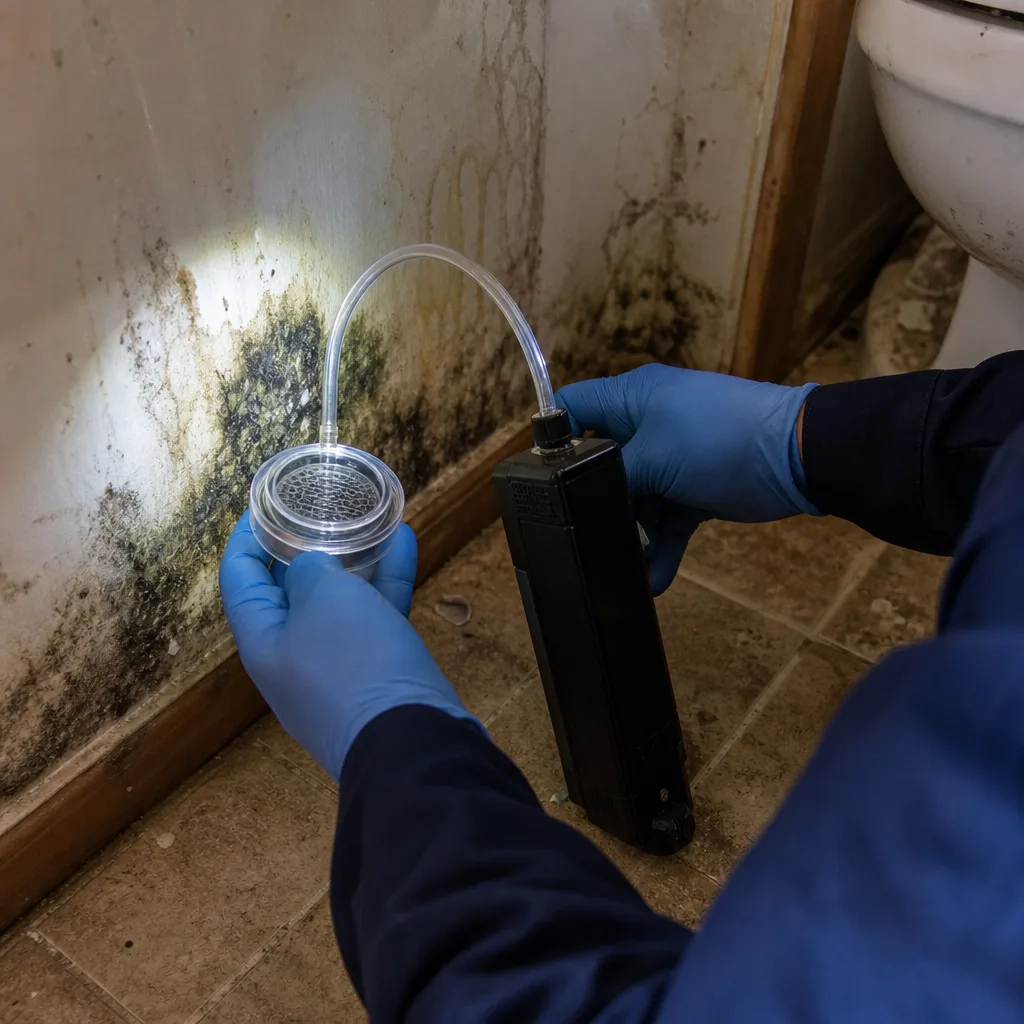
We arrive with thermal imaging cameras, moisture meters, and hygrometers to map the full extent of water damage and visible mold. In La Mesa’s pre-1970s homes, we test for lead paint and asbestos-containing materials before disturbing anything - abatement must precede remediation, or the job fails inspection. You get a written scope with line-item pricing before we start.
2. Containment & Air Filtration
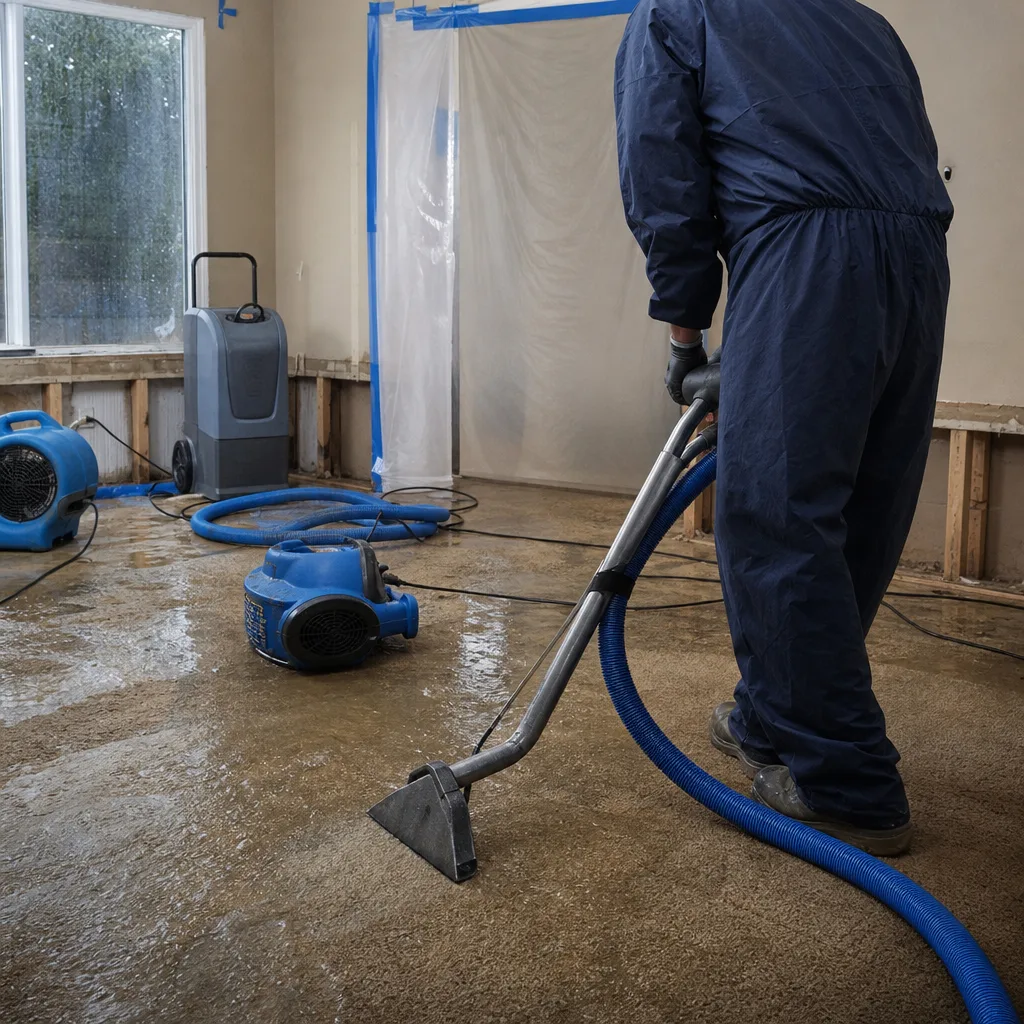
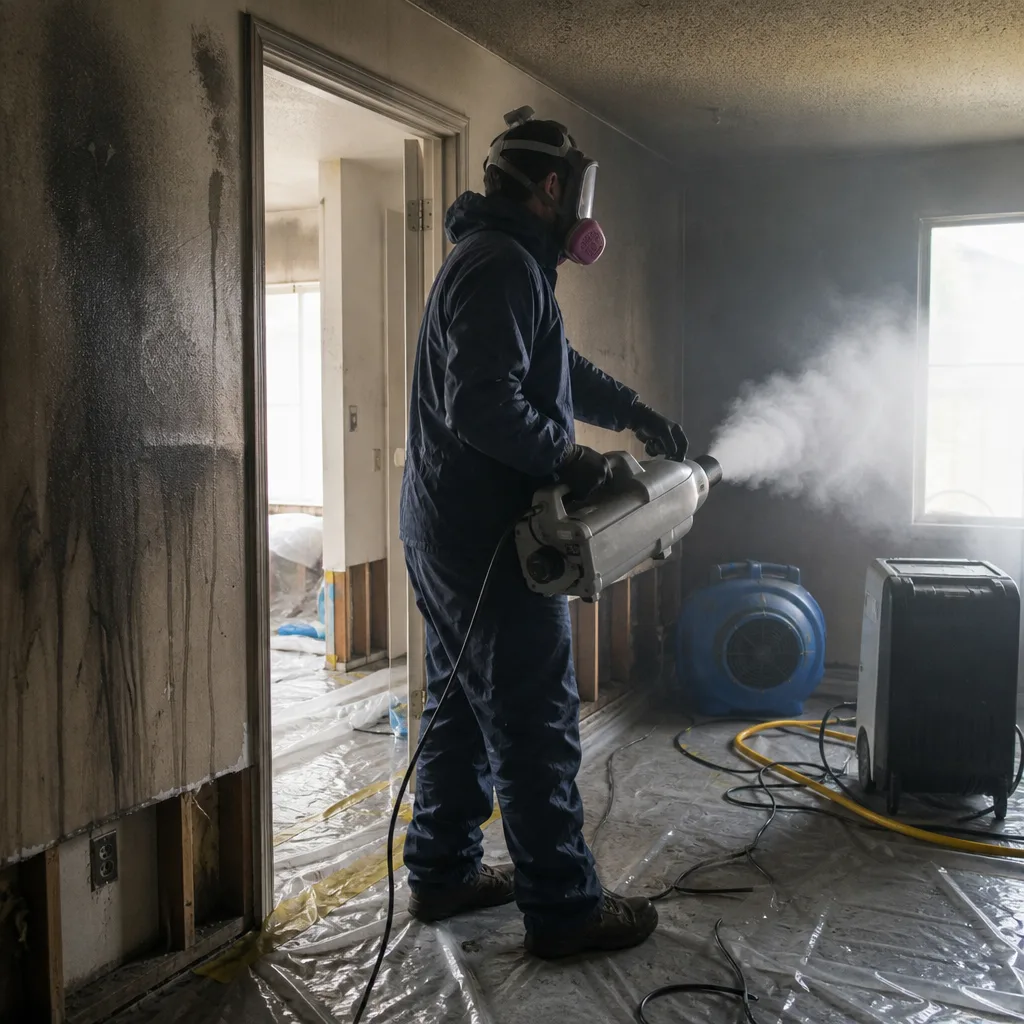
We seal affected areas with polyethylene sheeting and establish negative air pressure using HEPA-filtered air scrubbers. This prevents spore migration to clean rooms during removal. Our containment protocols follow IICRC S520 standards for microbial remediation.
3. Drying & Dehumidification
We deploy Phoenix dehumidifiers and XPOWER air movers sized to the cubic footage of the affected space, not guesswork. In La Mesa’s detached workshops and larger rural outbuildings, standard residential equipment won’t achieve the vapor pressure differential needed for structural drying - we calculate psychrometric data and spec accordingly.
4. Removal & Cleaning
Porous materials with confirmed mold growth - drywall, insulation, carpet pad, deteriorated wood - are removed and disposed of as regulated waste. Non-porous surfaces are HEPA-vacuumed and treated with antimicrobial solutions. We don’t paint over active mold and call it done.
5. Antimicrobial Treatment & Moisture Control
We apply botanical or synthetic antimicrobial treatments to remaining structural materials, then install vapor barriers, improve ventilation, or recommend permanent dehumidification for La Mesa’s chronically damp crawl spaces. This is where we break the cycle that caused the mold.
6. Clearance Testing & Restoration
Third-party clearance testing confirms spore counts at or below outdoor baseline levels before we remove containment. Then our rebuild crew replaces drywall, insulation, flooring, and trim to match pre-loss condition - documented with photos for your insurer and our 365-Day Done Right Promise.
Need Emergency Mold Remediation in La Mesa Now?
Crews minutes away, answering live 24 hours a day. The sooner we start, the less it costs.
Working With Your Insurance Company
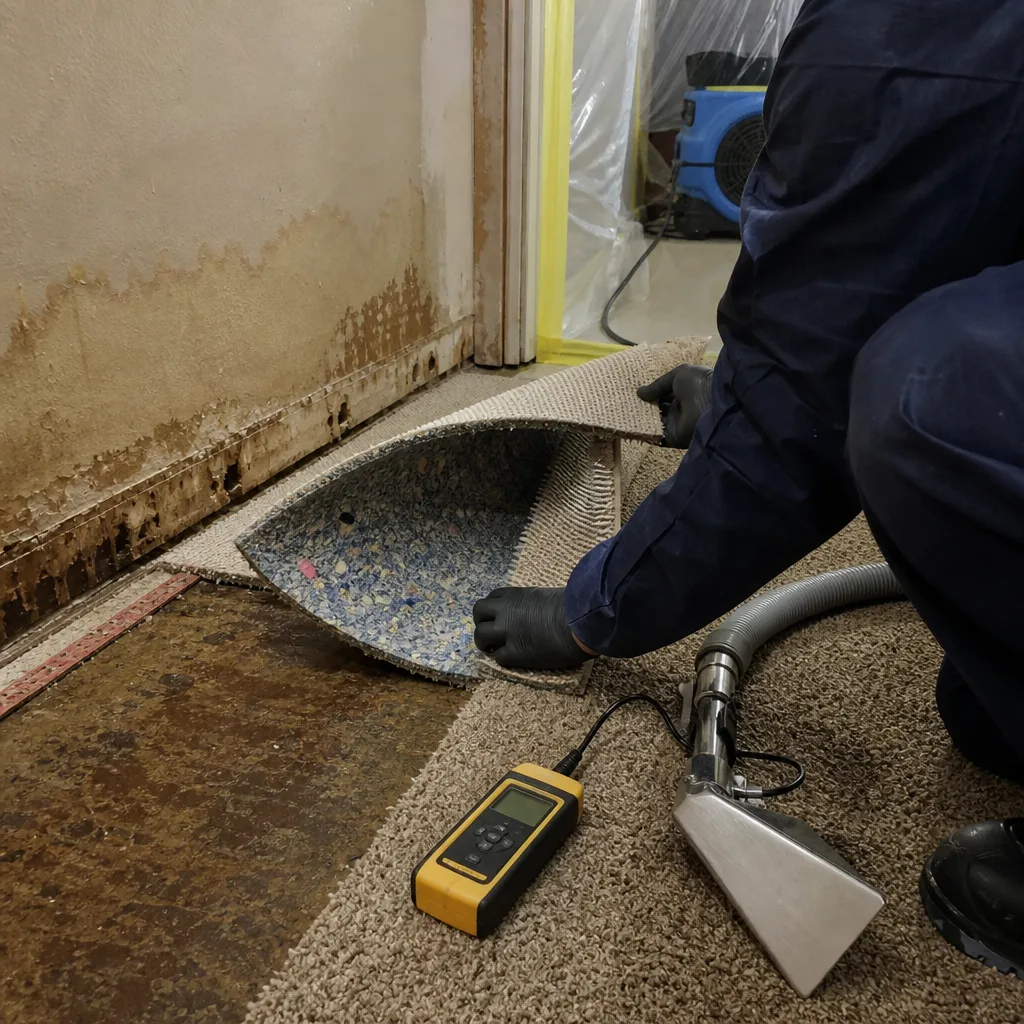
We document from the first hour because we’ve seen what happens when restoration invoices lack the evidence adjusters need to approve payment. Every La Mesa job produces a photo record on every visit, daily moisture readings with psychrometric data, and a line-item scope written to Xactimate standards. Our team speaks directly with your adjuster, not through you as a relay. We don’t inflate scopes, and we don’t leave gaps that let carriers deny legitimate coverage.
What We Provide Your Insurer
- Thorough documentation of the loss
- Photos of all damage, room by room
- Moisture readings and drying logs
- A detailed, line-item scope of work
- Direct coordination with your carrier
Built for La Mesa’s Loss Calendar
January through March brings Pacific storm systems that exploit aging La Mesa roofs and cracked stucco - water finds the path of least resistance into wall cavities and crawl spaces. April and May see the transition to drier conditions, but hidden moisture from winter continues feeding mold in poorly ventilated spaces. June through September brings summer monsoon moisture pushing east from the desert, and with it higher humidity that overwhelms older homes without mechanical dehumidification. October and November deliver the Santa Ana winds - dry, hot, and notorious for wildfire smoke events that complicate any concurrent water or mold job with soot infiltration. December starts the cycle again with the first hard rains. Year-round, La Mesa Creek and its tributaries channel subsurface water into low-lying foundations near the historic Village, creating chronic damp conditions that don’t correlate with seasonal rainfall.
Mold Remediation Across La Mesa’s Neighborhoods
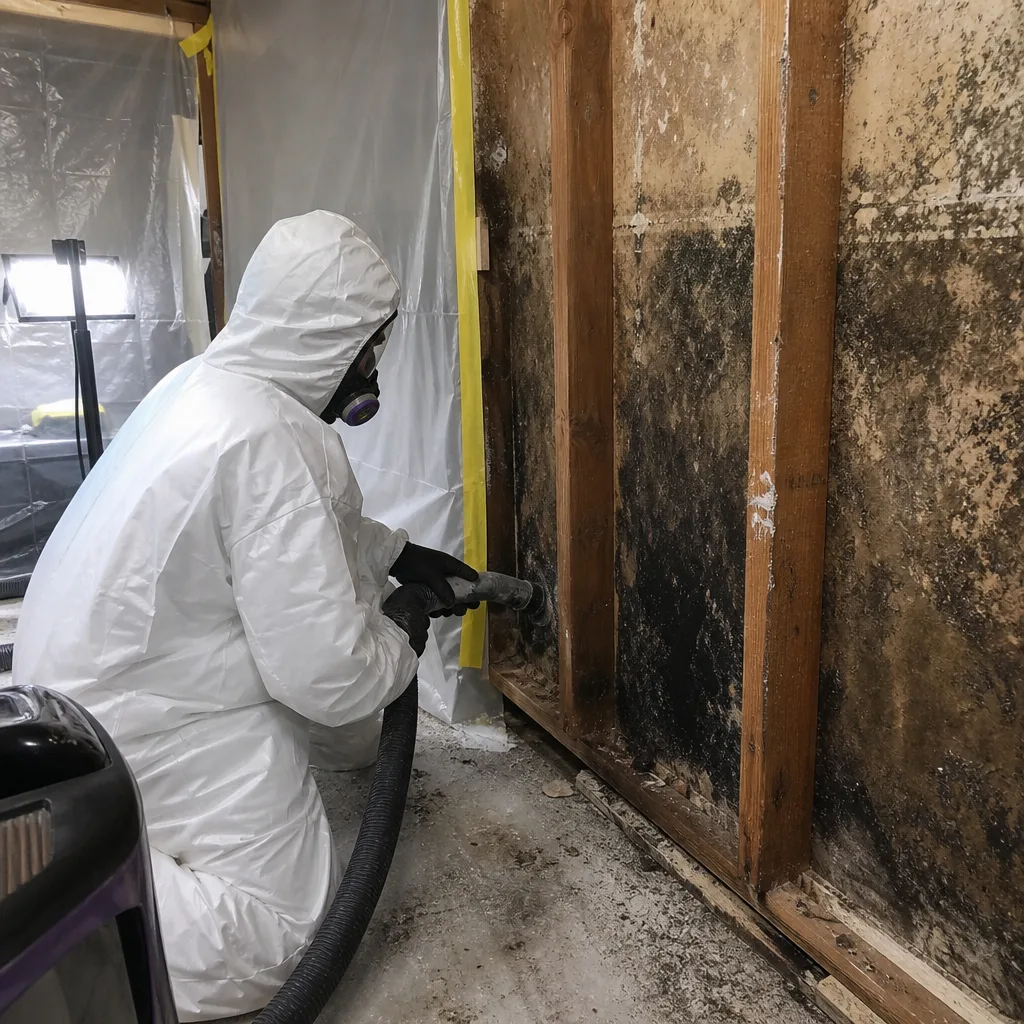
The historic Village district and its surrounding blocks sit in La Mesa Creek’s drainage corridor, where storm drain backflow and subsurface infiltration into crawl spaces and slab foundations is a locally recognized failure mode. We’ve responded to dozens of jobs where homeowners smelled mustiness for months before discovering saturated sill plates - the water entered from below, not above.
North La Mesa and the areas toward Lake Murray feature larger lots with detached workshops and rural outbuildings. These structures often lack conditioned foundations and proper vapor barriers, making them prime candidates for hidden mold. The heavier-duty equipment and longer duct runs required for structural drying in these spaces aren’t optional - they’re physics.
East La Mesa climbs toward Mount Helix, where older hillside homes with inadequate drainage experience moisture intrusion through foundation walls during heavy rain. The thermal cycling at this elevation stresses building envelopes harder than coastal construction, and we see more freeze-thaw damage to exterior stucco that becomes the entry point for water.
Along University Avenue and the commercial corridors, mixed-use buildings with flat roofs and aging HVAC systems present their own mold profiles - roof leaks into drop ceilings, condensate line failures, and tenant turnover that lets small problems become large ones. Our Mold Remediation team handles both residential and commercial containment in these properties.
Specialized Mold Remediation Services We Offer in La Mesa
Mold Inspection & Testing
We start with moisture mapping and air sampling, not guesswork. In La Mesa’s pre-1970s housing, we also test for lead and asbestos before any invasive inspection - disturbing these materials without proper abatement is a state violation and a health hazard. Our inspection reports include photo documentation, moisture readings, and a written scope with line-item pricing.
Mold Removal
We remove mold-damaged materials following IICRC S520 and dispose of regulated waste properly. For La Mesa’s wood-frame construction, we assess whether structural members can be cleaned and treated or must be replaced - we don’t default to removal for removal’s sake, and we don’t leave compromised framing in place.
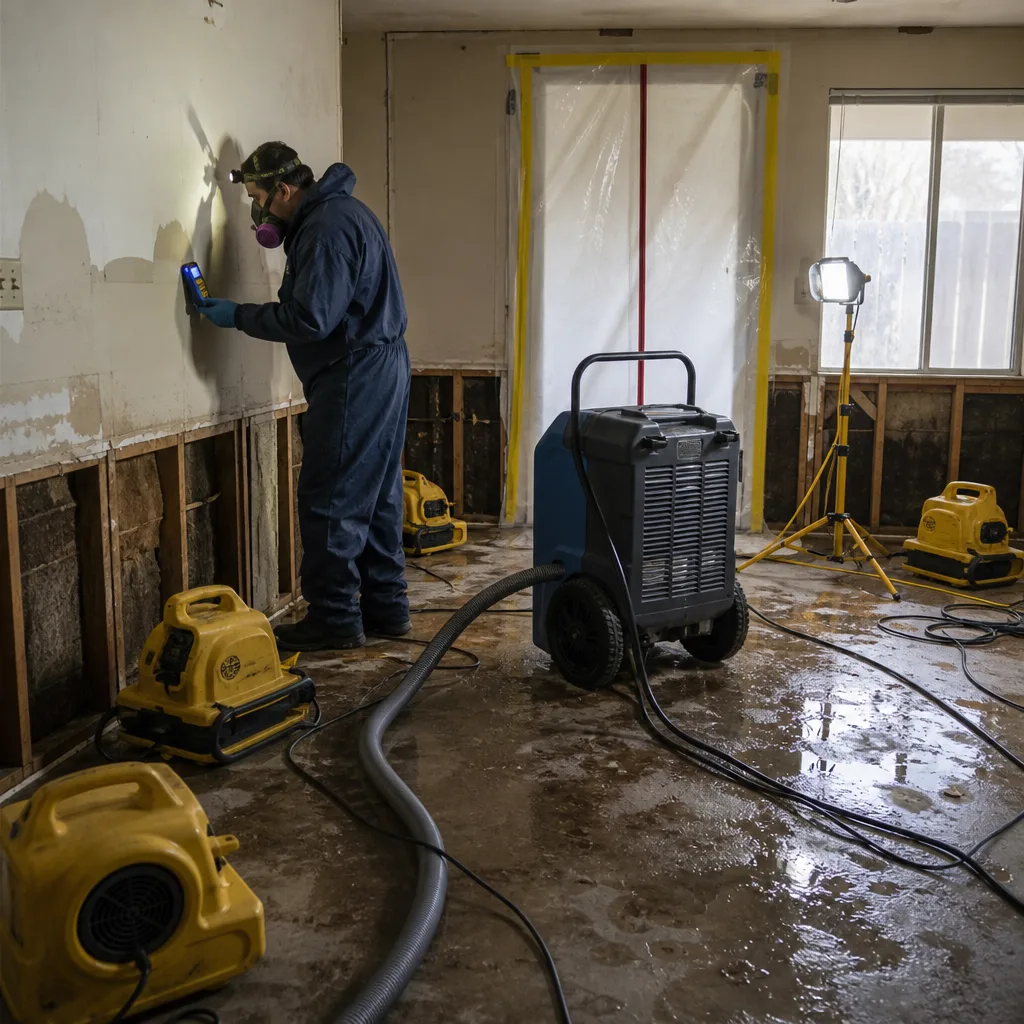
Black Mold Remediation
Stachybotrys chartarum and other toxigenic molds require full containment, negative air pressure, and specialized PPE. We treat these jobs with the same documentation rigor as any other - photo records, moisture logs, and clearance testing - because your insurer and your family’s health both demand proof, not promises.
Air Quality Restoration
After remediation, we verify air quality through third-party clearance testing comparing indoor spore counts to outdoor baseline levels. In La Mesa’s wildfire-prone corridor, we also assess whether concurrent smoke or soot infiltration requires additional filtration before declaring the space clean.
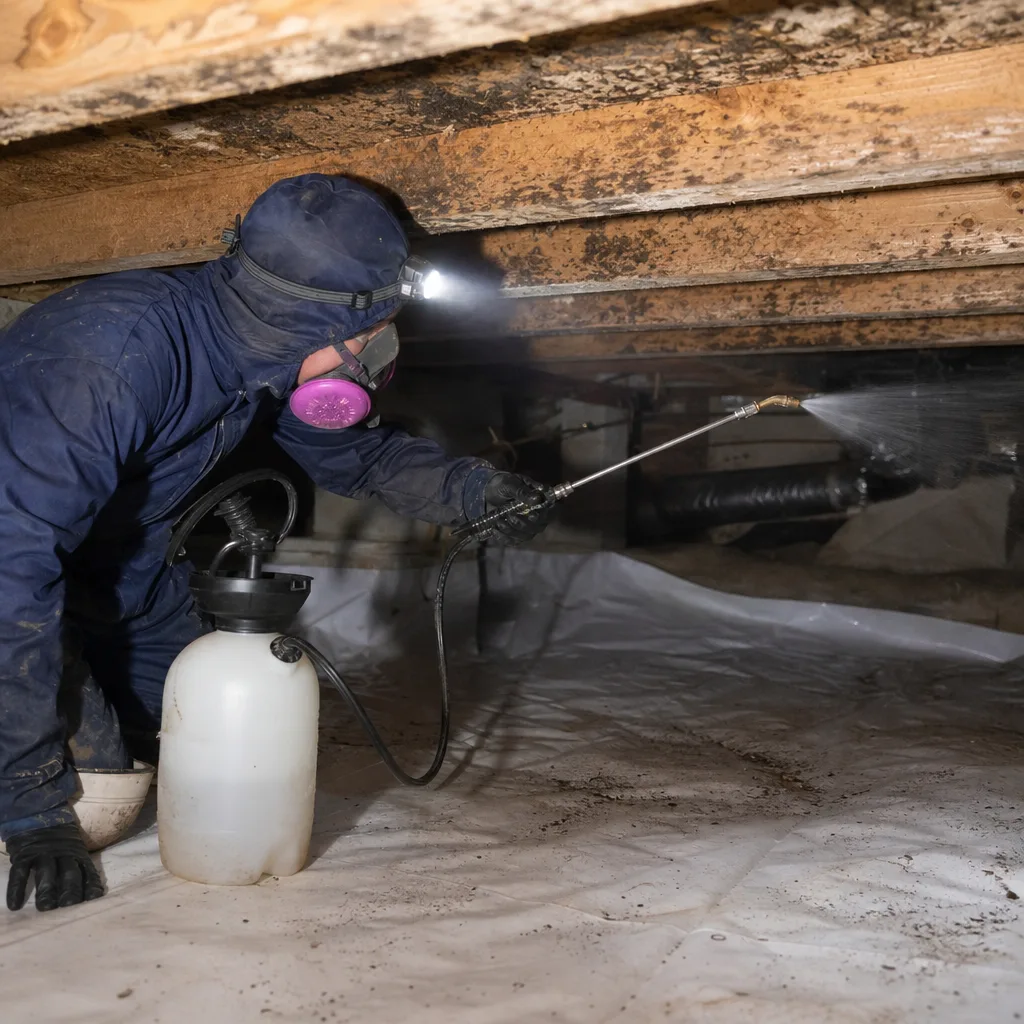
Crawl Space Treatment
La Mesa Creek drainage corridors make crawl spaces a persistent problem. We install vapor barriers, improve ventilation, and specify permanent dehumidification where moisture chronically exceeds 60% relative humidity. Without this step, remediation is temporary.
Moisture & Humidity Control
We specify and install equipment from Dri-Eaz and Phoenix sized to actual cubic footage and vapor pressure loads, not rule-of-thumb guesses. For La Mesa’s larger rural properties and detached workshops, this often means commercial-grade units that residential contractors don’t carry.
What happens when you call
- 1
A real person answersNo phone trees - you reach a local pro.
- 2
You get an upfront price rangeHonest numbers before anyone is dispatched.
- 3
A background-checked tech heads outLicensed & insured, dispatched right away.
- 4
You approve before work beginsNothing starts until you say go.
Mold Remediation Costs in La Mesa, CA
Here’s what we see in La Mesa’s market, based on actual scopes written under Haven Standard, Clause 1:
| Service | Typical Range in La Mesa |
|---|---|
| Mold inspection with moisture mapping | $250-$450 |
| Limited mold removal (single room, no abatement) | $1,800-$3,200 |
| Moderate remediation with containment (multiple rooms) | $3,500-$5,500 |
| Full crawl space remediation with vapor barrier | $4,500-$7,500 |
| Pre-1970s abatement addition (lead/asbestos) | $1,200-$3,800 |
| Third-party clearance testing | $350-$600 |
What moves the price: affected square footage, whether materials require removal vs. cleaning, the presence of lead or asbestos requiring licensed abatement, and whether the moisture source is resolved or still active. Insurance typically covers mold remediation when it’s secondary to a covered water loss - burst pipe, storm damage, appliance failure - but not when caused by long-term maintenance neglect. We review your policy language and document the loss origin to support your claim. Call (858) 428-2364 for an exact quote - estimates are free, and the written price comes before any work starts.
We Also Serve Cities Near La Mesa
Our crews respond throughout East County San Diego from the same dispatch center that serves La Mesa - including Spring Valley to the south, El Cajon to the east, Santee to the northeast, and Bonita to the southwest. Each city’s building stock and moisture patterns differ, and our documentation protocols adapt accordingly.
Serving La Mesa, CA - Our Local Coverage Area
We’re based in the La Mesa area and know this community well. Use the map below to see our service coverage - if you’re nearby, we can almost certainly help.
La Mesa Mold Remediation Questions, Answered
How fast does mold start growing after water damage in La Mesa?
Mold colonies can establish within 24-48 hours of water intrusion in La Mesa’s typical indoor conditions, and faster in summer when humidity pushes above 60%. That’s why our 45-minute response commitment matters - we contain and start drying before colonization begins. Call (858) 428-2364 for immediate dispatch.
Why do La Mesa crawl spaces mold more often than neighboring areas?
La Mesa Creek and its tributaries channel subsurface water through low-lying residential blocks near the historic Village, creating chronic damp conditions that don’t occur in El Cajon’s flatter eastern grid. Storm drain backflow during El Niño events is a locally recognized failure mode that experienced technicians identify on sight. We specify vapor barriers and permanent dehumidification for these properties, not just surface treatment.
Does pre-1970s La Mesa housing require special handling before mold remediation?
Yes. La Mesa’s post-WWII through 1970 housing stock frequently contains asbestos-containing joint compound and lead paint, both of which require licensed abatement before any disturbance during remediation. We test first, coordinate abatement if needed, and document compliance for your insurer and local authorities - one coordinated scope, not three separate contractors. Call (858) 428-2364 to schedule testing.
Can you remediate mold in a detached La Mesa workshop without multiple visits?
We design our initial scope for single-trip completion whenever possible, which means spec’ing the right equipment from the start - Phoenix dehumidifiers and XPOWER air movers with sufficient capacity for larger unconditioned spaces, not standard residential units that require return trips. Our field vignette: a 1950s ranch near the Village with a detached workshop where moisture mapping found wall cavity saturation from La Mesa Creek backflow. We set containment, deployed proper equipment, treated the studs, and documented every reading - one trip, because we measured first and equipped accordingly.
How do you know whether to dry or remove wet materials after a La Mesa water leak?
We classify materials by porosity and contamination level per IICRC standards. Non-porous materials like tile and sealed concrete can usually be cleaned and dried. Porous materials - drywall, insulation, carpet pad, deteriorated wood - that show confirmed mold growth or have been wet longer than 48 hours are removed because they cannot be reliably decontaminated. We document this decision with moisture readings and photos for your insurer. Call (858) 428-2364 for a free assessment.
Will my insurance cover mold remediation in La Mesa?
Insurance typically covers mold remediation when it’s secondary to a sudden, accidental water loss - burst pipe, storm damage, appliance failure - but excludes damage from long-term neglect or maintenance issues. We document the loss origin, produce photo evidence and moisture logs, and coordinate directly with your adjuster to support coverage. Our written scopes follow Xactimate standards that carriers recognize.
How long does mold remediation take in La Mesa?
Most residential jobs run 3-7 days from containment to clearance testing, with reconstruction adding 1-3 weeks depending on material availability. Pre-1970s properties requiring lead or asbestos abatement add 2-5 days for coordination and containment setup. We provide a written timeline with the scope, not after work starts.
Can we stay in our La Mesa home during mold remediation?
For Category 1 and limited Category 2 jobs, residents often remain with containment isolating the work area. Category 3 jobs, toxigenic mold, or whole-house dehumidification typically require temporary relocation for safety and equipment effectiveness. We specify this in the written scope before work begins, not as a surprise on day two.
Written by Alicia Brennan, Owner at Back to Dry Restoration, serving La Mesa since 2011.
Mold Remediation in Nearby Areas