Free visual inspection and a written scope of work before any mitigation begins - photos, moisture readings, and drying logs go in your claim file
The scope we write is the scope we bill. Anything new gets shown to you, in writing, before we touch it.
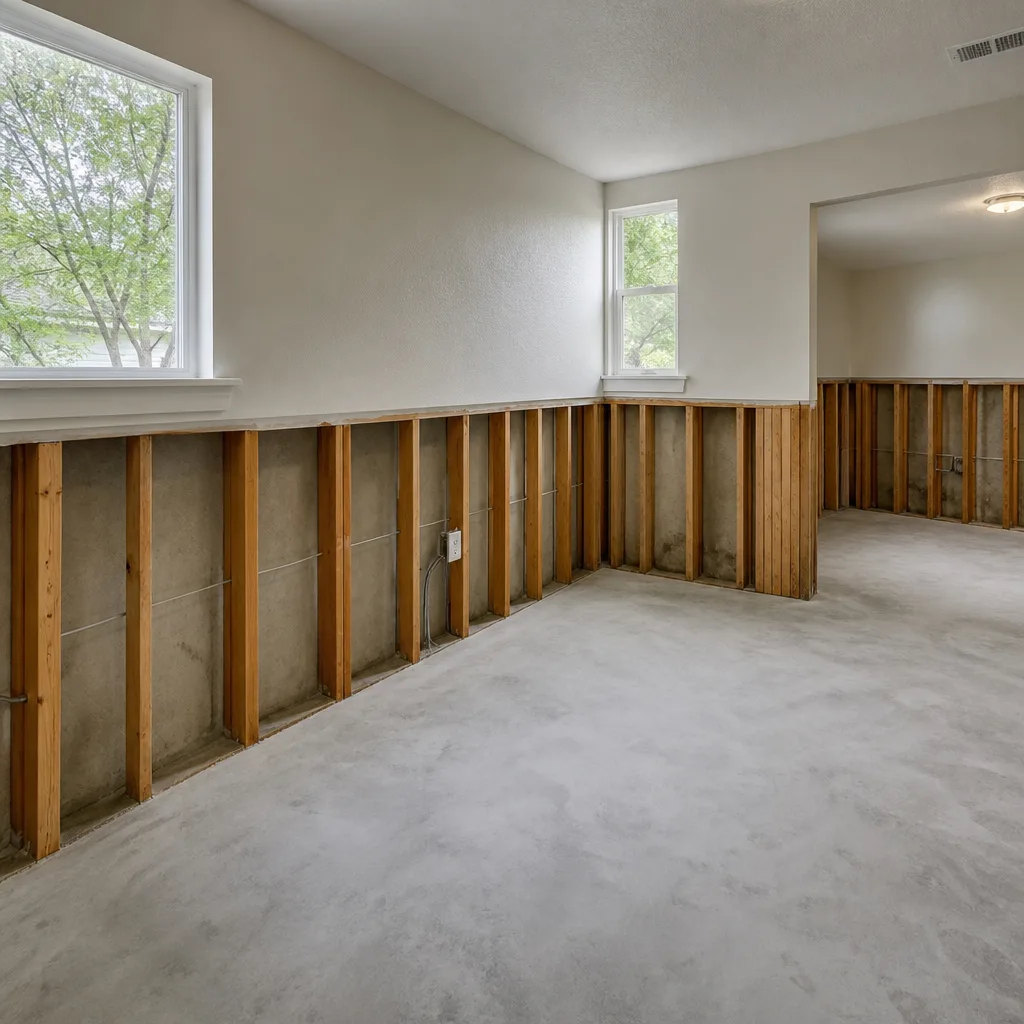
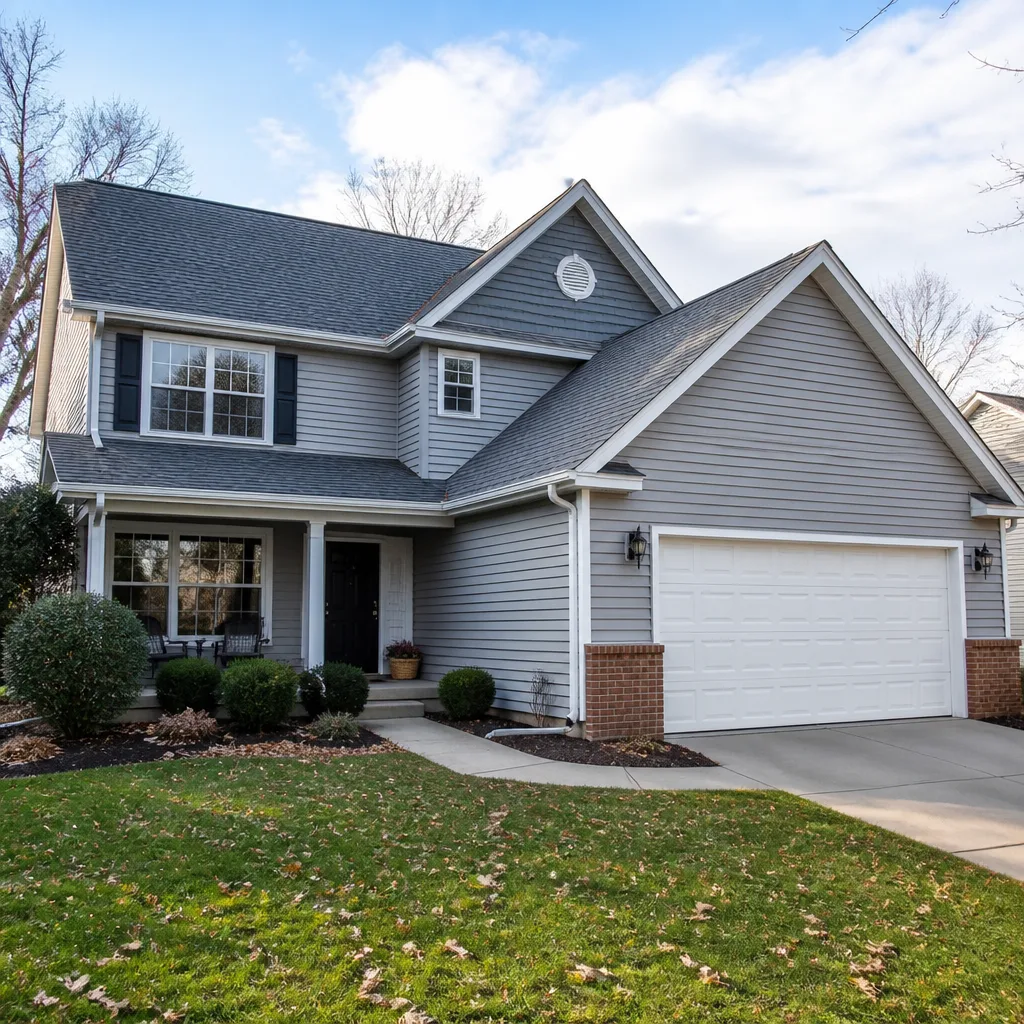
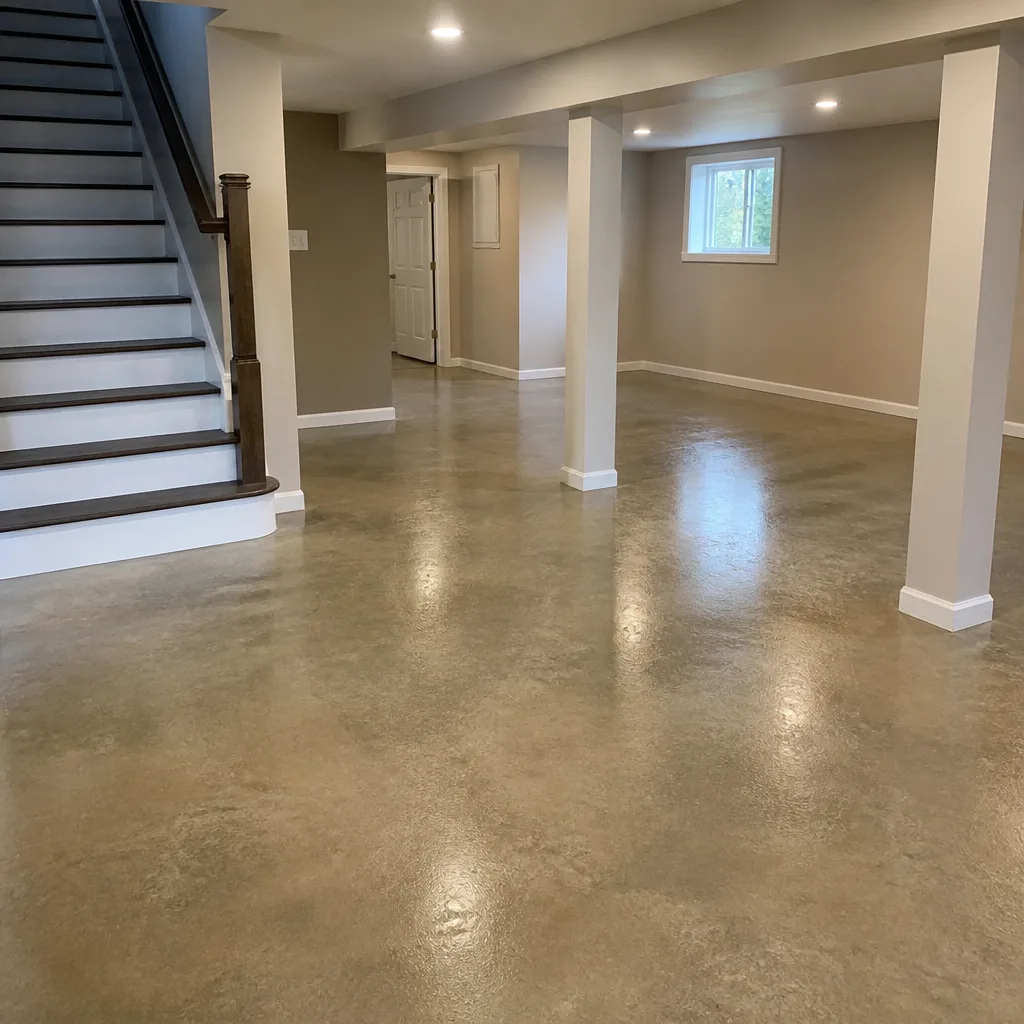
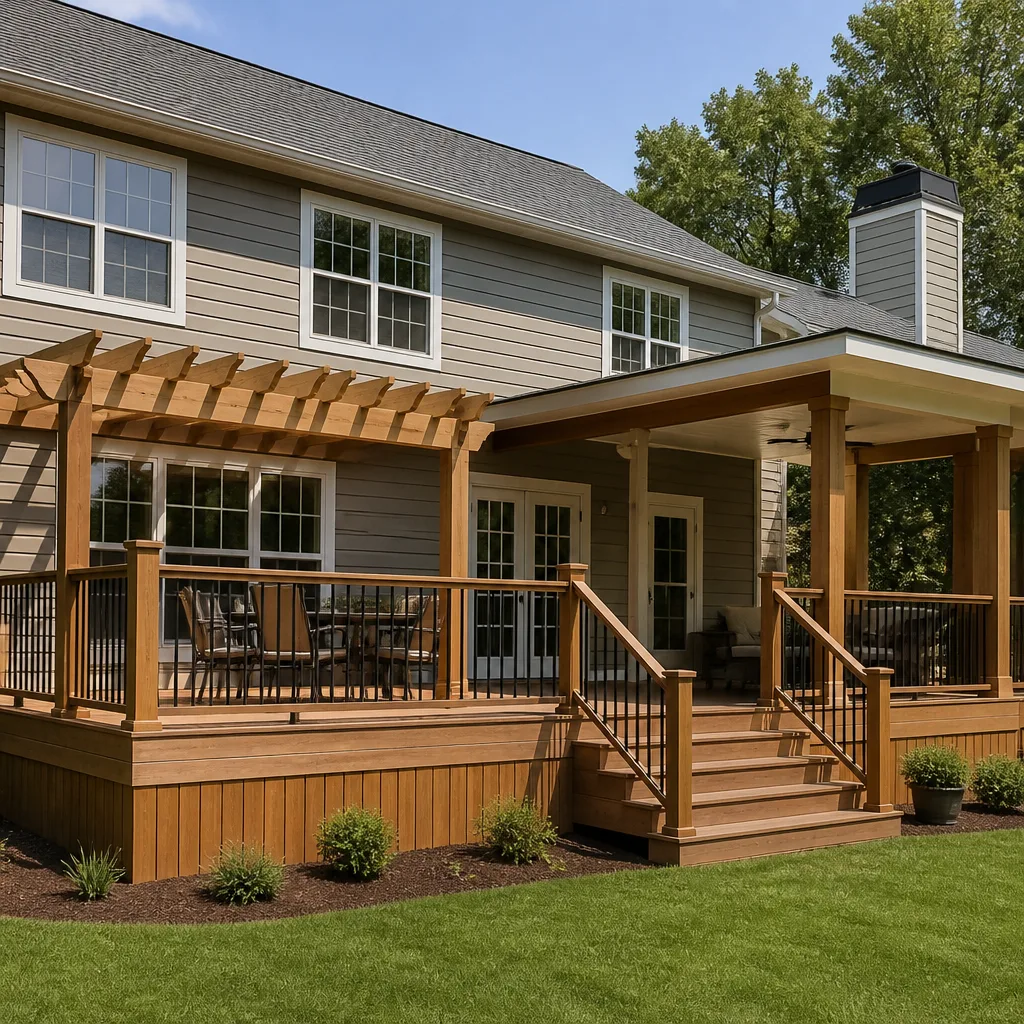
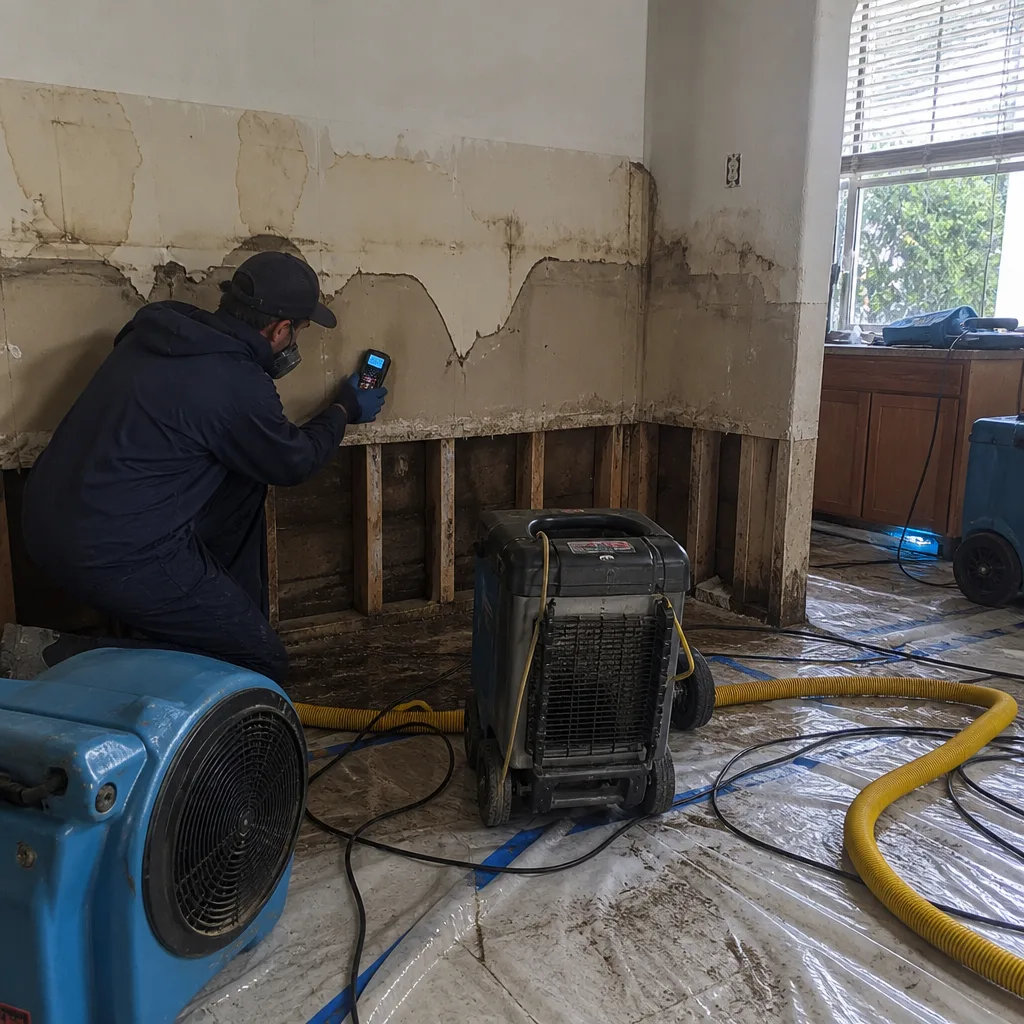 Before
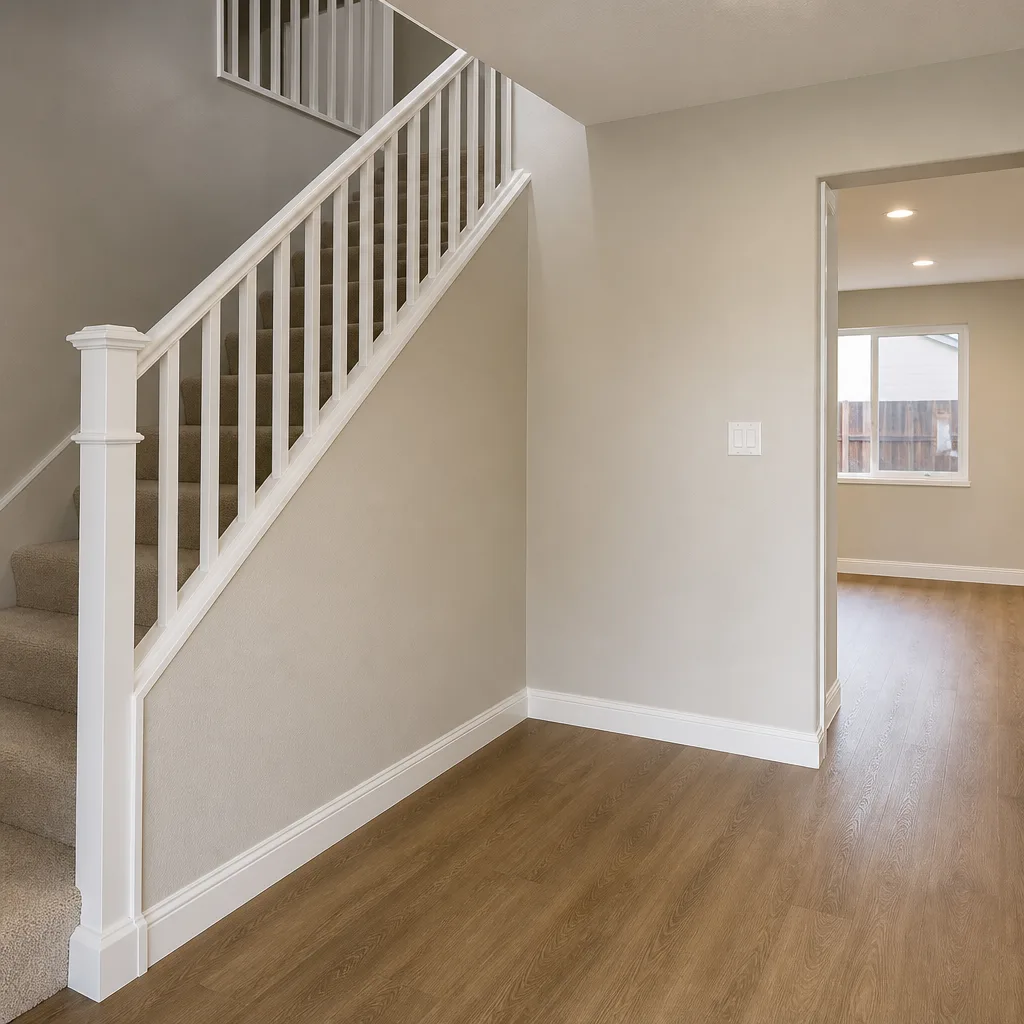 After
After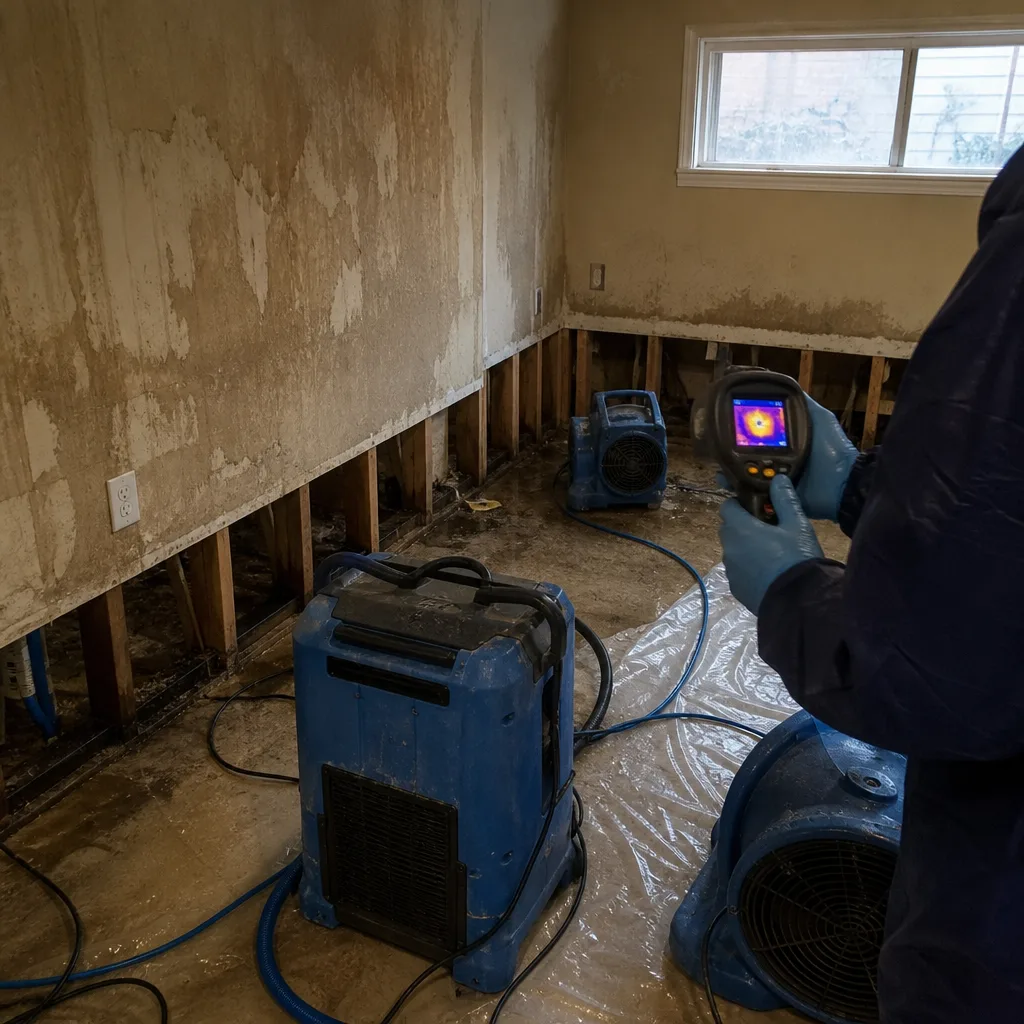 Before
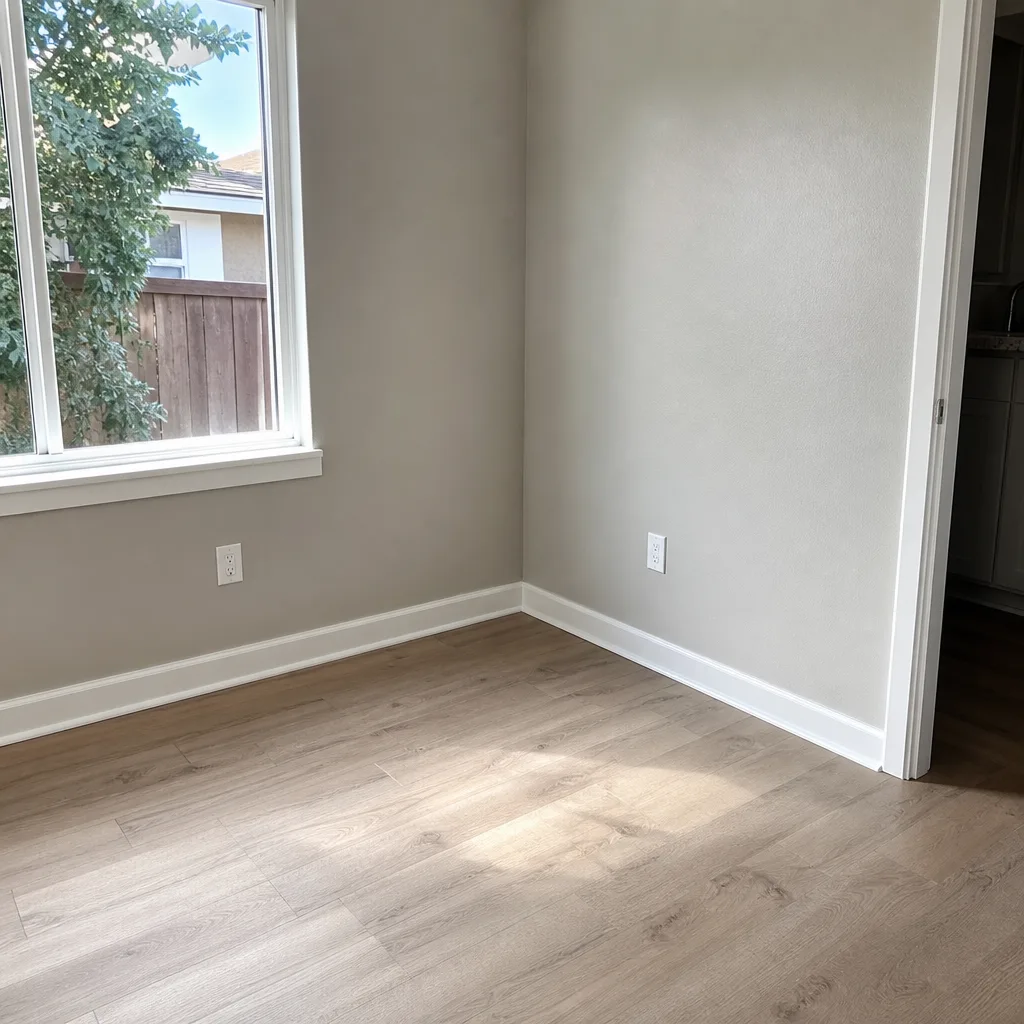 After
After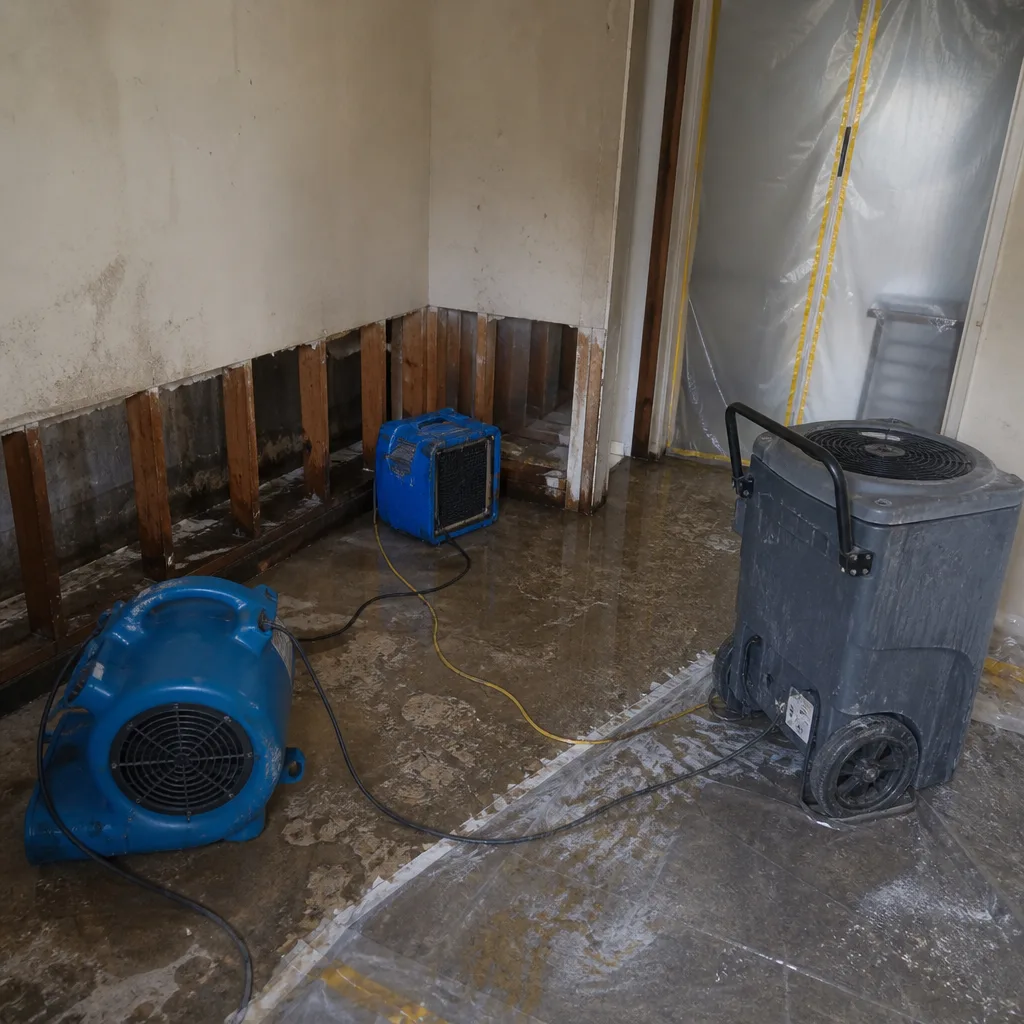 Before
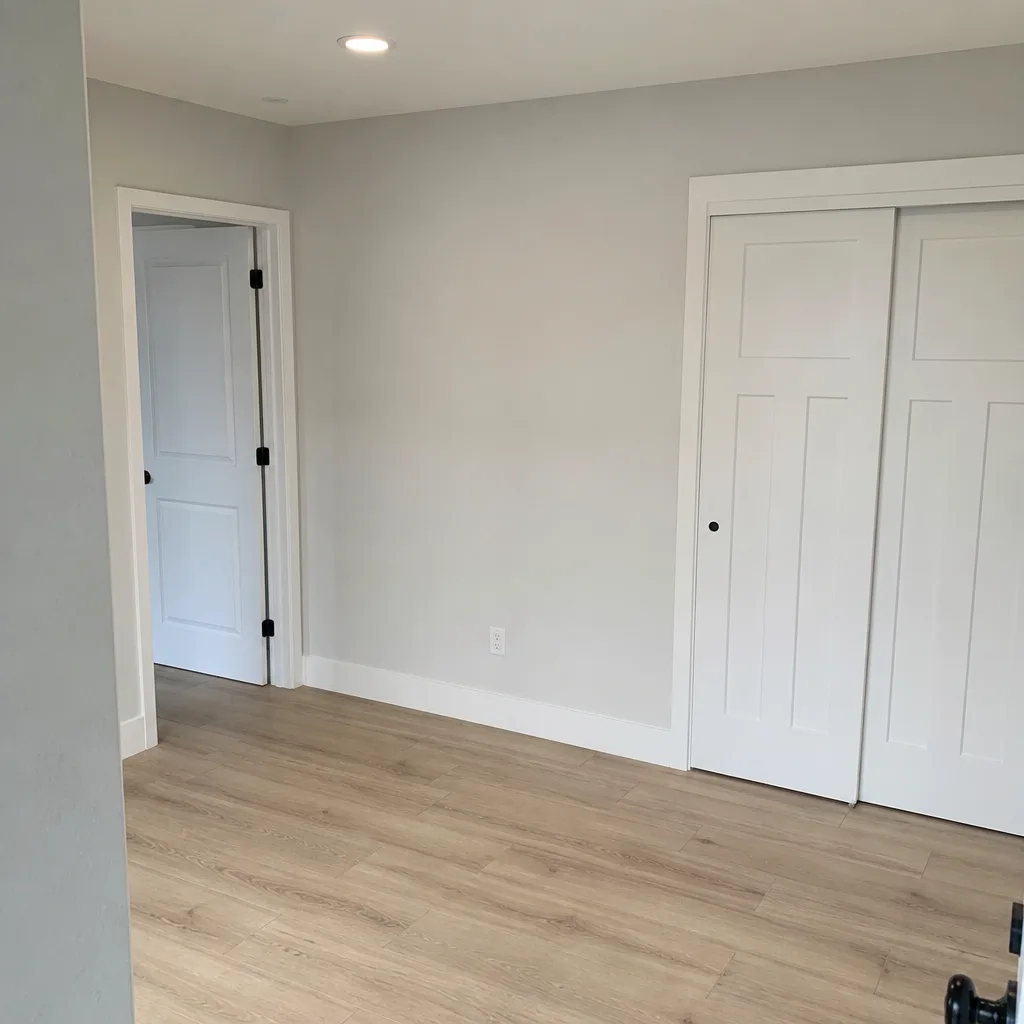 After
After24/7 Emergency Fire & Smoke Damage Restoration in San Diego
Fire and smoke damage restoration in San Diego typically costs between $4,200 for light smoke remediation and $28,000+ for structural fire repair with full contents pack-out, with most residential jobs falling in the $8,500-$16,000 range. Crews from our San Diego office can be on-site within 45 minutes of your call, and we answer live at (858) 428-2364 24 hours a day, 7 days a week - no voicemail, no callbacks tomorrow. The first hour after a fire is contained determines whether smoke particulate sets into porous surfaces permanently and whether water from suppression efforts begins secondary damage behind walls.
We dispatch from our San Diego metro office to neighborhoods across the city, from Ocean Beach to Rancho Bernardo. Every emergency call starts with a free visual inspection and a written price before any work begins, Haven Standard, Clause 1. Our Fire & Smoke Damage Restoration team carries IICRC-FSRT certification specifically for fire and smoke damage, and we document every room with photos from arrival through completion.
Understanding Fire & Smoke Damage Restoration Severity in San Diego Properties
Fire damage in San Diego breaks into three severity tracks that dictate equipment, timeline, and cost. Light smoke intrusion - often from a contained kitchen fire or distant wildfire - deposits dry particulate on surfaces without structural charring. This requires HEPA air scrubbing, wet cleaning of non-porous materials, and thermal fogging or hydroxyl generation for odor. Moderate damage involves protein residues from kitchen fires or synthetic smoke from plastic combustion, which etch finishes and require alkaline or acid-based chemistries matched to the soot type. Severe damage means charred framing, compromised structural members, and the water intrusion that follows suppression - typically Category 3 when it mixes with ash and fire debris.
San Diego’s housing stock complicates every severity level. The 1950s-1980s stucco-over-wood-frame tract homes in Linda Vista, Kearny Mesa, and El Cajon develop hairline cracks from decades of thermal cycling. Smoke particulate penetrates these cracks and hides behind the stucco membrane. Without antimicrobial treatment and proper containment, odors resurface when marine-layer humidity reactivates the deposits. Original galvanized plumbing in these homes corrodes in San Diego’s moderately hard water, and fire-damaged supply lines often fail during or after the event, adding water loss to fire loss. Our crews map moisture behind stucco with thermal imaging and document readings to IICRC and RIA standards.
Why San Diego Property Owners Choose DryMark Restoration El Cajon
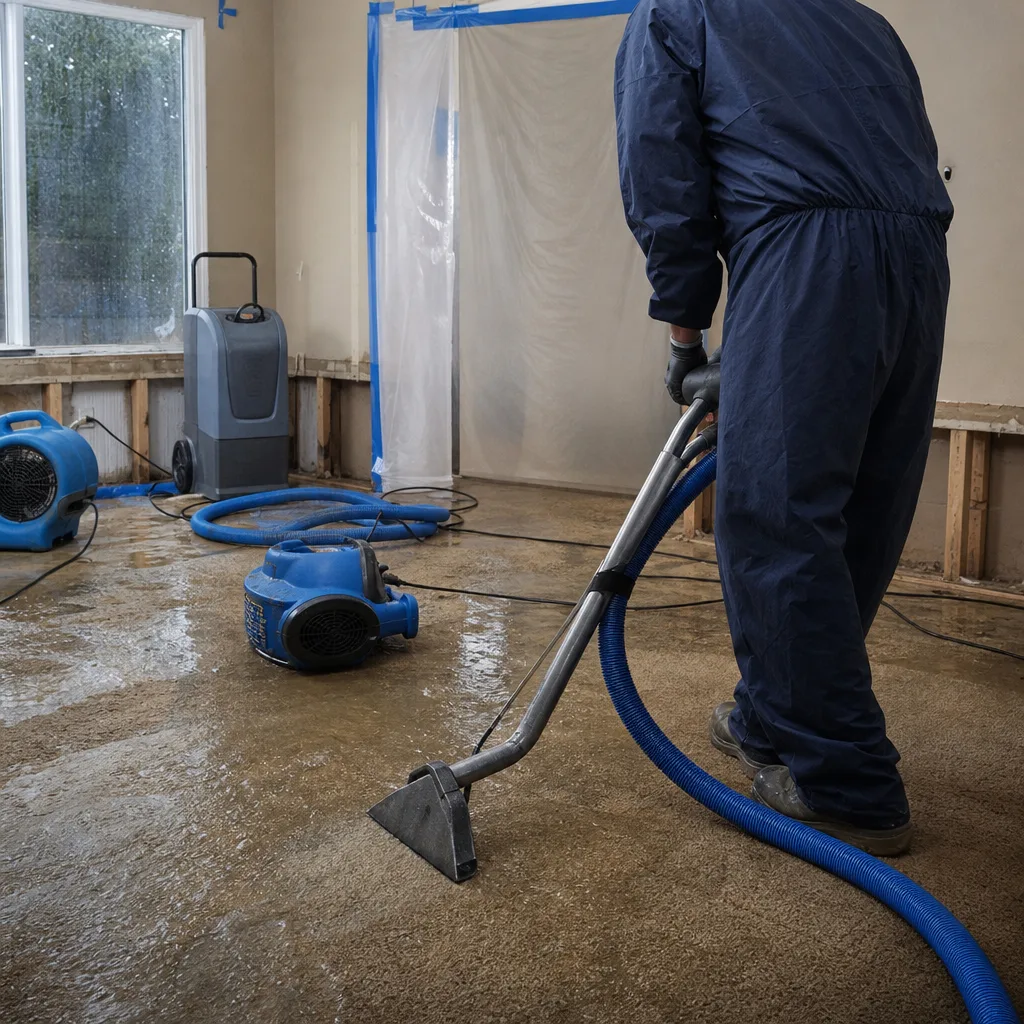
- 45-minute response commitment across San Diego, from Coronado to Scripps Ranch, because smoke particulate bonds to surfaces within the first hour of cooling.
- 24/7 live answer - a real person picks up every call, never an automated system or voicemail tree, even at 3 a.m. on a holiday weekend.
- IICRC-certified crews carrying FSRT (Fire and Smoke Restoration Technician) and WRT (Water Damage Restoration Technician) certifications, documented on every job file.
- Free visual inspection with a written scope and price before any equipment is unloaded or any surface is touched.
- Direct insurance billing with photo-documented estimates formatted to carrier standards, plus direct adjuster coordination so you are not the messenger.
- One team from emergency board-up through contents cleaning, structural drying, and reconstruction - no handoffs between subcontractors that lose documentation.
 Before
 After
AfterOur Fire & Smoke Damage Restoration Process
1. Inspection & Assessment
We arrive with thermal imaging cameras, moisture meters, and hygrometers to map smoke migration and water intrusion. In San Diego’s stucco construction, we pay particular attention to wall cavities where smoke traveled through hairline cracks. Every finding is photographed and logged.
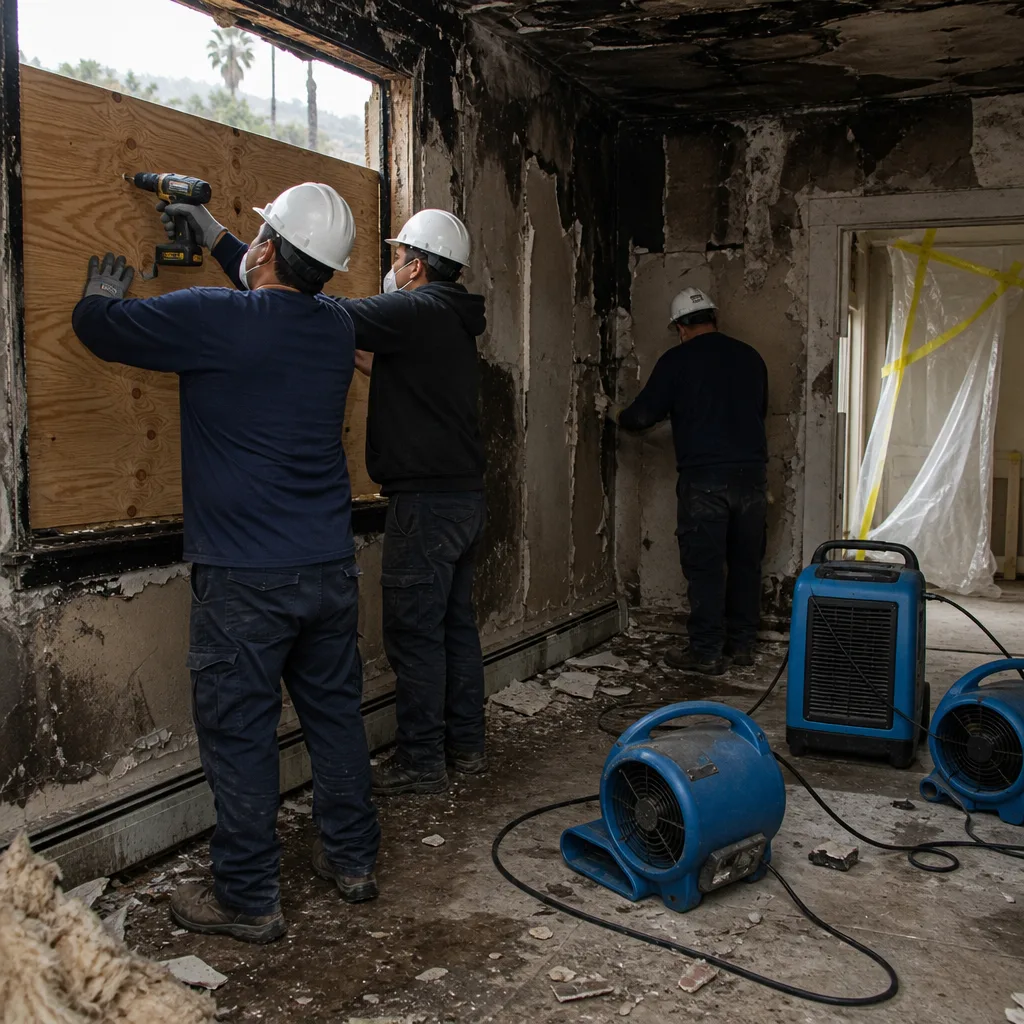
2. Emergency Board-Up & Stabilization
Broken windows, compromised roofs, and damaged doors are secured to prevent weather intrusion and unauthorized entry. For homes in canyon-mesa fire corridors, we tarp S-profile clay tile roofs where embers may have compromised the underlayment.
3. Water Extraction & Structural Drying
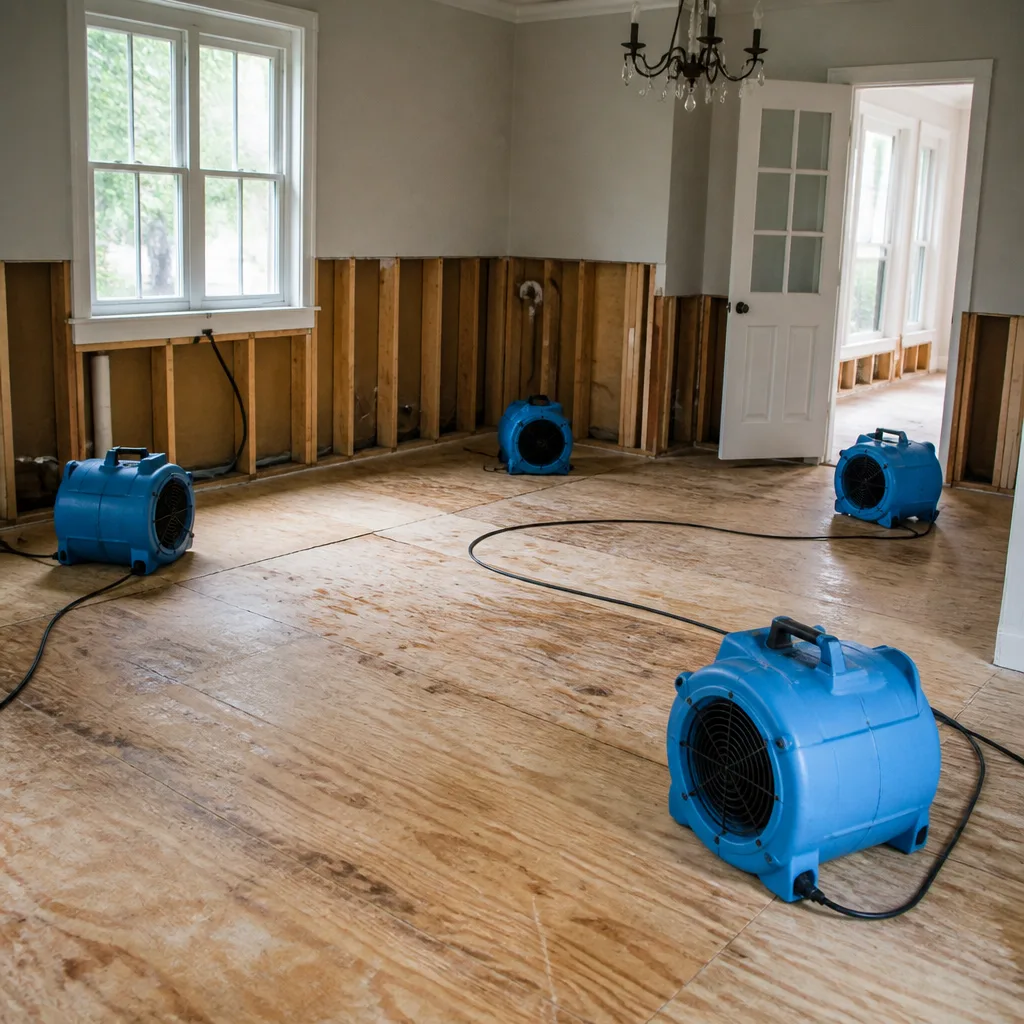
Fire suppression water is extracted and classified. When ash and fire debris are present, we treat this as Category 3 water, requiring full containment, air scrubbers with HEPA filtration, and antimicrobial application. Dri-Eaz and Phoenix dehumidifiers establish vapor pressure differential to pull moisture from charred framing.
4. Smoke & Soot Cleaning
Dry, wet, and protein soot residues are identified and matched to appropriate cleaning chemistry. Non-porous surfaces are cleaned in place; porous materials that have absorbed odor are flagged for pack-out or replacement. We document every surface treated.
5. Odor Removal & Deodorization
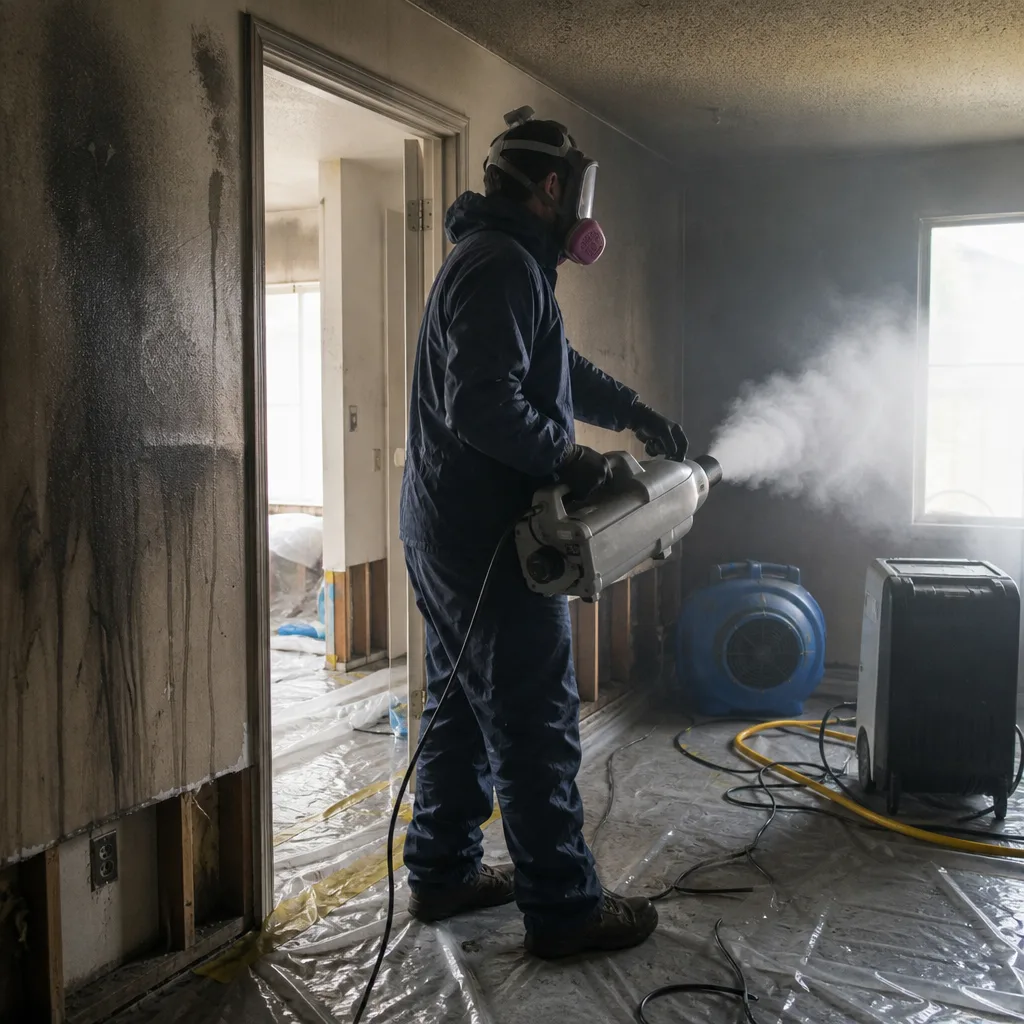
Thermal fogging penetrates surfaces where smoke traveled; hydroxyl generators run safely with contents present; ozone treatment is used for packed-out items in our controlled chamber. In Rancho Bernardo and Scripps Ranch, we fog and seal the S-profile clay tile cavity above the roof deck, where smoke particulate hides and reactivates weeks later.
6. Repairs & Restoration
Charred framing is sistered or replaced; stucco is patched with matching texture and finish; contents are returned after clearance testing. A final photo record and drying log are delivered with the signed 365-Day Done Right Promise under The Haven Standard.
Need Emergency Fire & Smoke Damage Restoration in San Diego Now?
Crews minutes away, answering live 24 hours a day. The sooner we start, the less it costs.
Working With Your Insurance Company
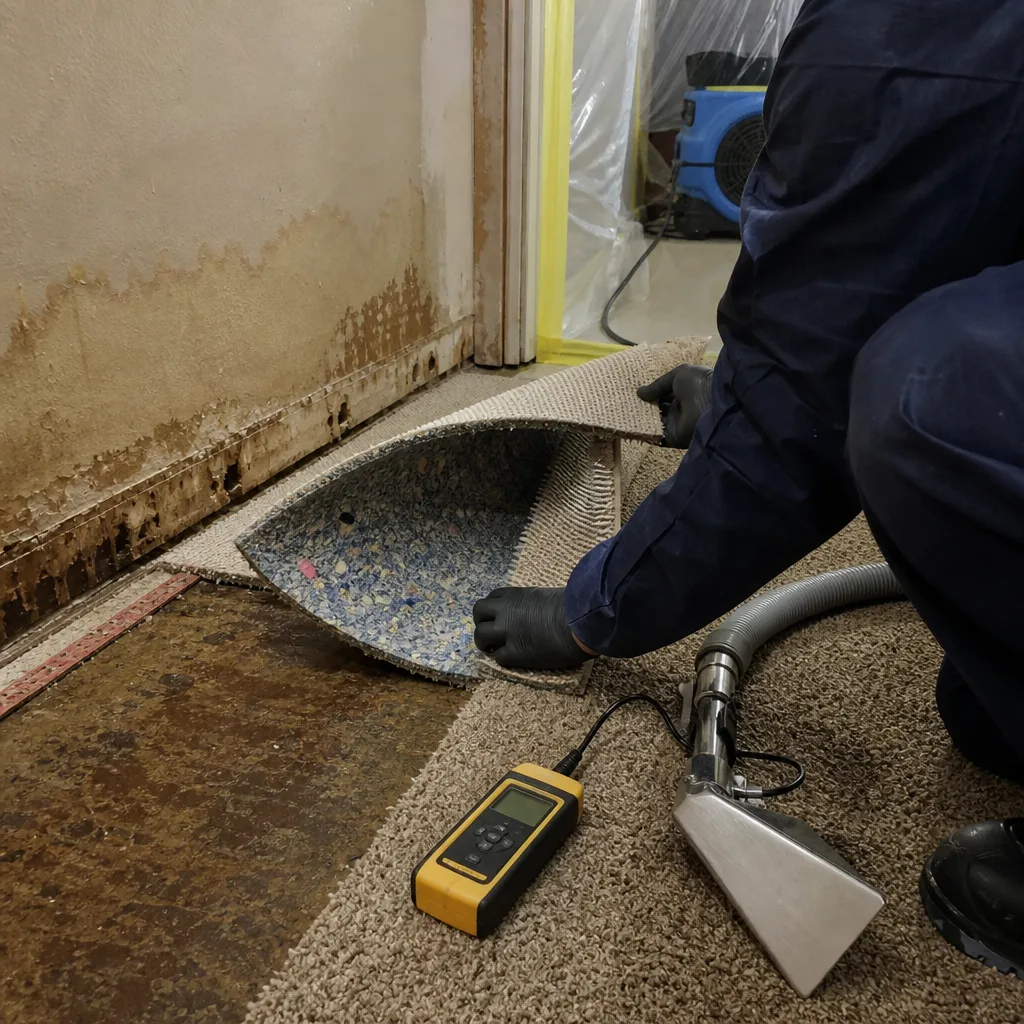
Fire claims fail when documentation is incomplete or when the scope omits secondary damage that appears weeks later. We begin documenting from the first hour: photos of every room, moisture readings on every wall, classification of water by category, and a line-item scope tied to trade-standard pricing. Our estimates are formatted to Xactimate and carrier-specific guidelines. We coordinate directly with your adjuster, provide supplemental documentation when hidden damage is found, and never ask you to negotiate your own claim.
The photo record we deliver is standard, never an upsell. Every visit generates dated images of work progress, equipment placement, and moisture readings. The drying log tracks psychrometric data - temperature, relative humidity, and specific humidity - that proves the structure was returned to pre-loss condition. This is the documentation that turns restoration invoices into payable claims.
What We Provide Your Insurer
- Thorough documentation of the loss
- Photos of all damage, room by room
- Moisture readings and drying logs
- A detailed, line-item scope of work
- Direct coordination with your carrier
Built for San Diego’s Loss Calendar
San Diego’s fire damage calendar runs on two distinct cycles. October through April brings Santa Ana wind events that drive wildfire through canyon-mesa corridors, with the highest risk in communities backing open space: Rancho Bernardo, Scripps Ranch, Poway, and rural-urban interface zones. These fires generate dry, superheated smoke that penetrates deeply into structures before suppression begins. The 2003 Cedar Fire and 2007 Witch Creek Fire established the pattern: thousands of homes damaged or destroyed, followed by restoration work that lasted years.
January through March adds the secondary phase. Post-fire hydrophobic soils - burned ground that repels water instead of absorbing it - shed heavy rain onto slopes and structures below. Homes already compromised by fire damage experience mudslide intrusion and concentrated runoff that enters through broken windows, damaged roofs, and compromised stucco. This water carries ash, debris, and soil contaminants, making it Category 3 by definition. Restorers who treat it as clean water skip the containment, pack-out, and antimicrobial steps the claim requires, leaving homeowners with odor and mold callbacks that insurance may not cover twice.
Interior fires peak in winter months when heating systems, cooking, and holiday lighting load electrical systems in aging homes. San Diego’s 1950s-1980s stock often has original aluminum or early copper wiring, overloaded panels, and no AFCI protection. Kitchen grease fires and electrical panel failures generate protein and synthetic soot that etch surfaces and require specialized chemistry.
Fire & Smoke Damage Restoration Across San Diego’s Neighborhoods
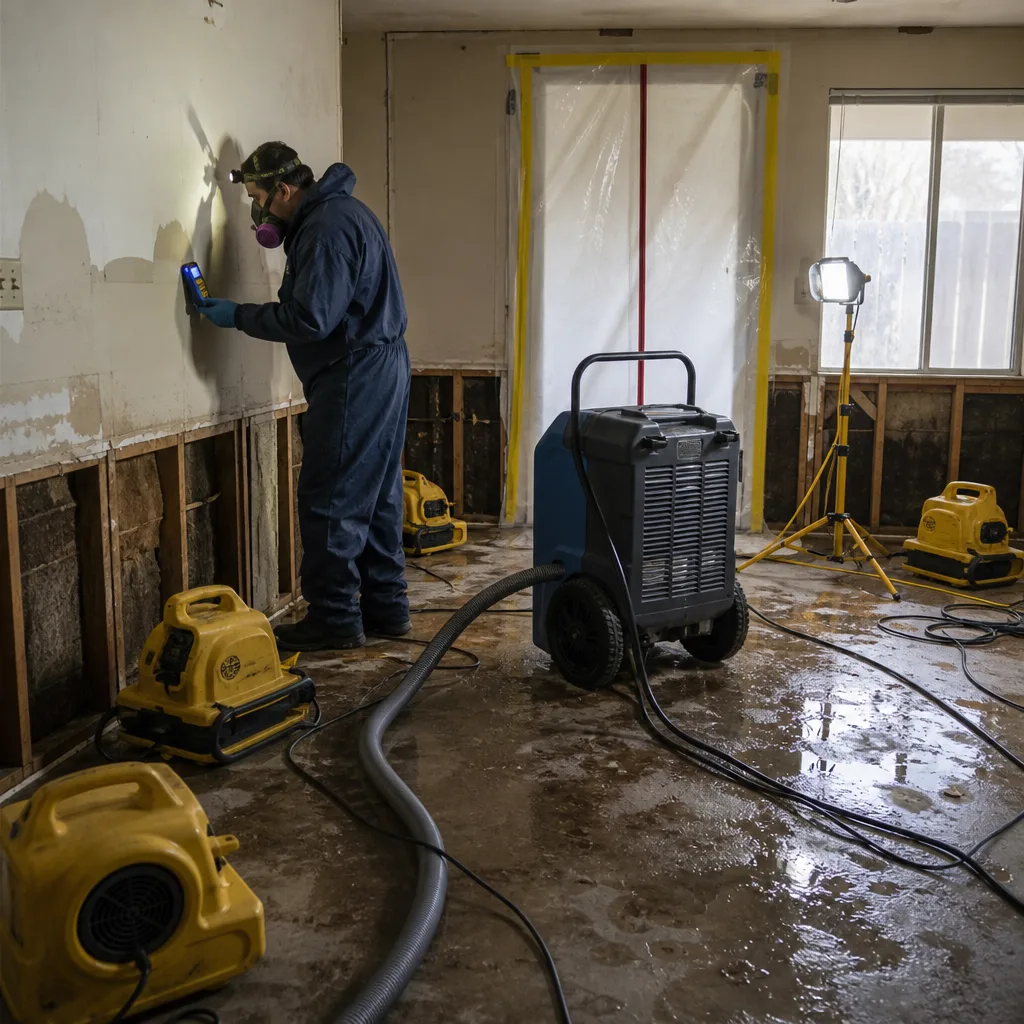
Rancho Bernardo and Scripps Ranch sit in the highest wildfire exposure zone, with homes built in the 1980s-90s Spanish-eclectic style that features S-profile clay tile roofs. Our crews know these roofs trap smoke particulate and embers in the dead-air cavity above the roof deck. Surface cleaning alone fails; we fog and seal the cavity on every job. The stucco-over-wood-frame walls common here develop the hairline cracks that let smoke hide behind the finish coat.
Linda Vista and Kearny Mesa hold older 1950s-70s tract homes with original galvanized plumbing and minimal vapor barriers. Fire damage here is almost always complicated by water loss from corroded supply lines that fail under thermal stress. Marine-layer humidity from nearby Mission Bay reactivates smoke deposits in wall cavities, so our containment and drying protocols run longer than in drier inland zones.
Ocean Beach and Pacific Beach face a different profile: smaller lots, tighter setbacks, and the persistent marine layer that keeps relative humidity elevated year-round. Smoke odor lingers longer in these conditions. Structures built with minimal vapor barriers - common in San Diego’s pre-1990 construction - allow moisture and odor to migrate through walls unimpeded. We deploy dehumidification and air scrubbing aggressively in these coastal zones.
El Cajon and the eastern corridor experience more extreme temperature swings and lower humidity, but share the same stucco-and-frame construction. The Santa Ana winds that precede wildfires desiccate interior wood framing here, making it more absorbent of smoke odor. Our deodorization protocols account for this deeper penetration.
Specialized Fire & Smoke Damage Restoration Services We Offer in San Diego
Smoke & Soot Removal
Dry soot, wet soot, and protein residue each require distinct cleaning chemistry. In San Diego’s stucco homes, we also address smoke that penetrated hairline cracks and settled in wall cavities. HEPA air scrubbers run under containment to prevent cross-contamination during cleaning.
Odor Removal & Deodorization
Thermal fogging replicates the heat that opened pores during the fire, allowing neutralizing agents to penetrate where smoke traveled. Hydroxyl generators are safe for occupied spaces. Ozone treatment handles packed-out contents. In Rancho Bernardo and Scripps Ranch, we fog and seal S-profile clay tile cavities where odor otherwise reappears weeks later.
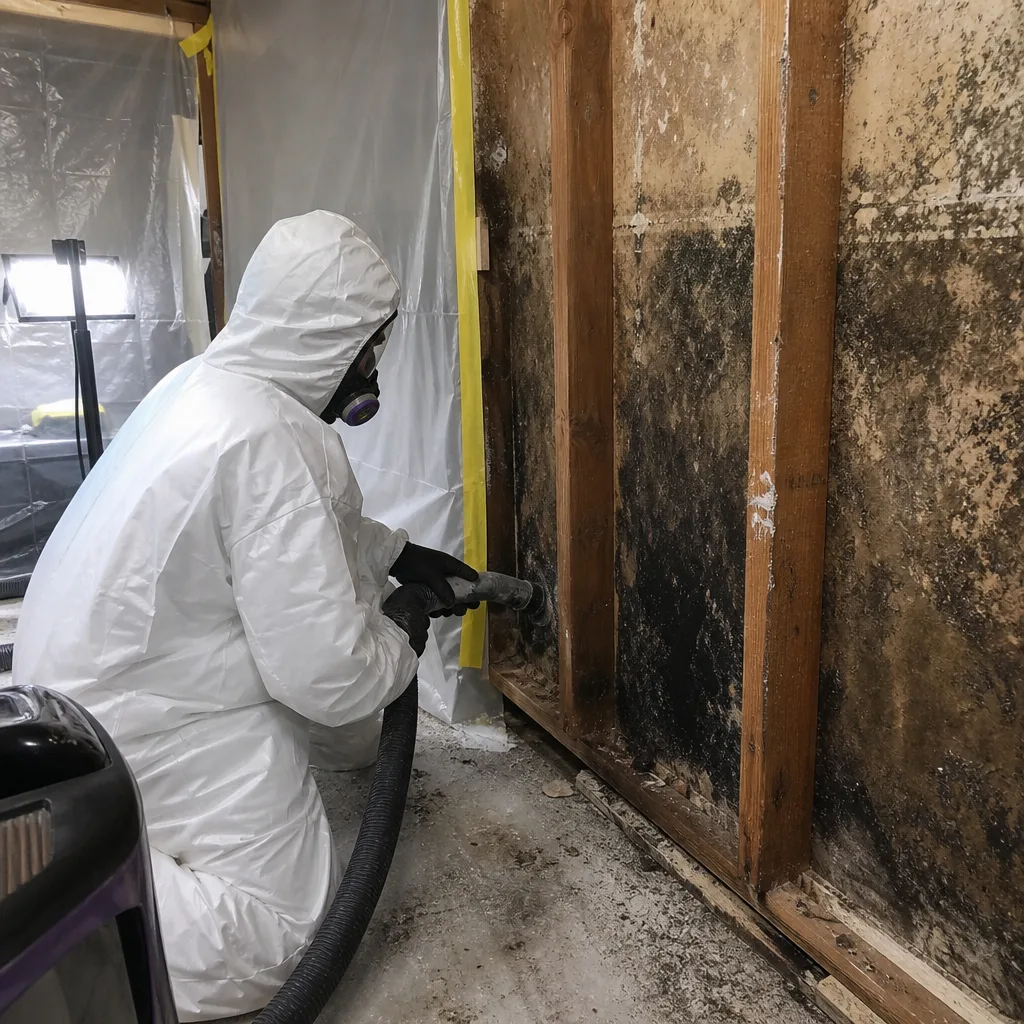
Contents Cleaning & Pack-Out
Not everything burns. We inventory, photograph, and pack out salvageable contents for ultrasonic cleaning, ozone deodorization, or specialized textile restoration at our facility. Items are returned with documentation for the adjuster. Unsalvageable items are inventoried for replacement valuation.
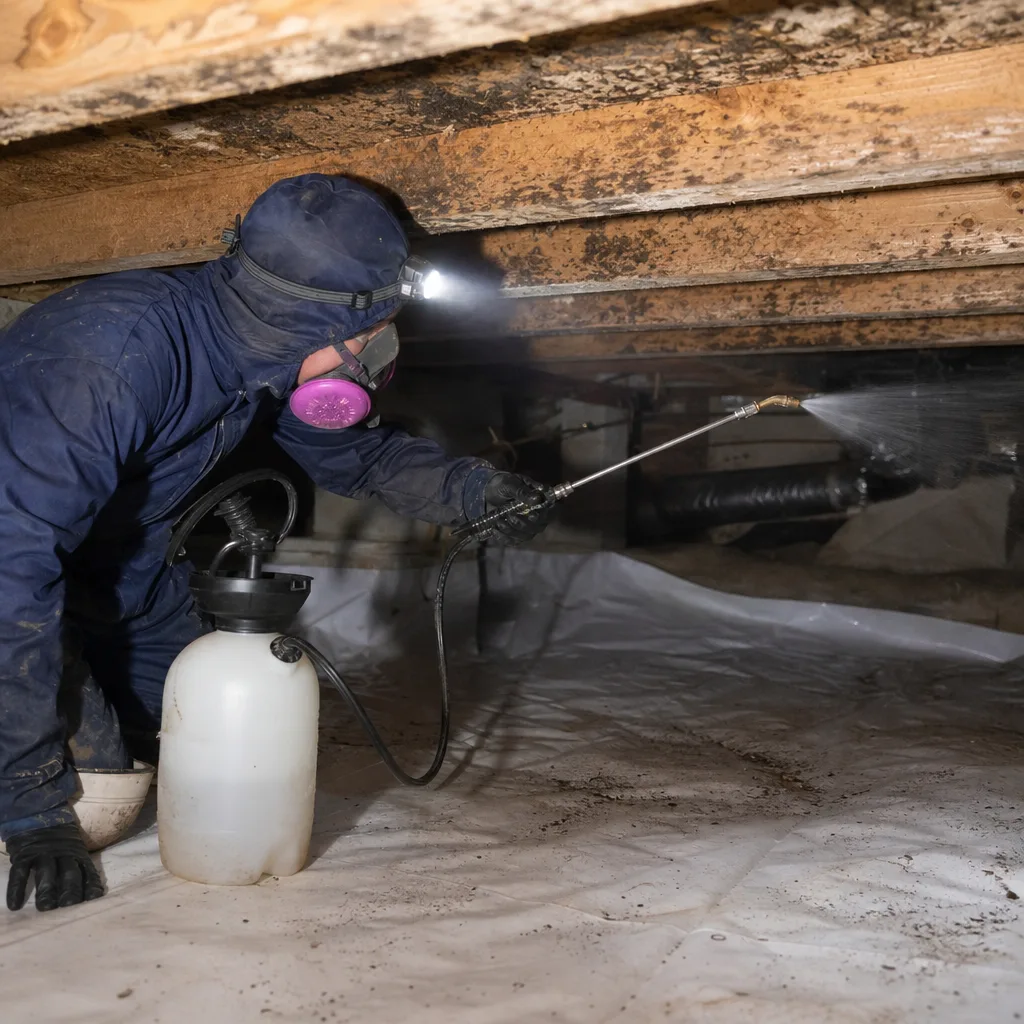
Emergency Board-Up & Tarping
Broken windows, damaged doors, and compromised roofs are secured immediately to prevent weather intrusion and vandalism. For tile-roof homes, we inspect underlayment for ember damage before tarping.
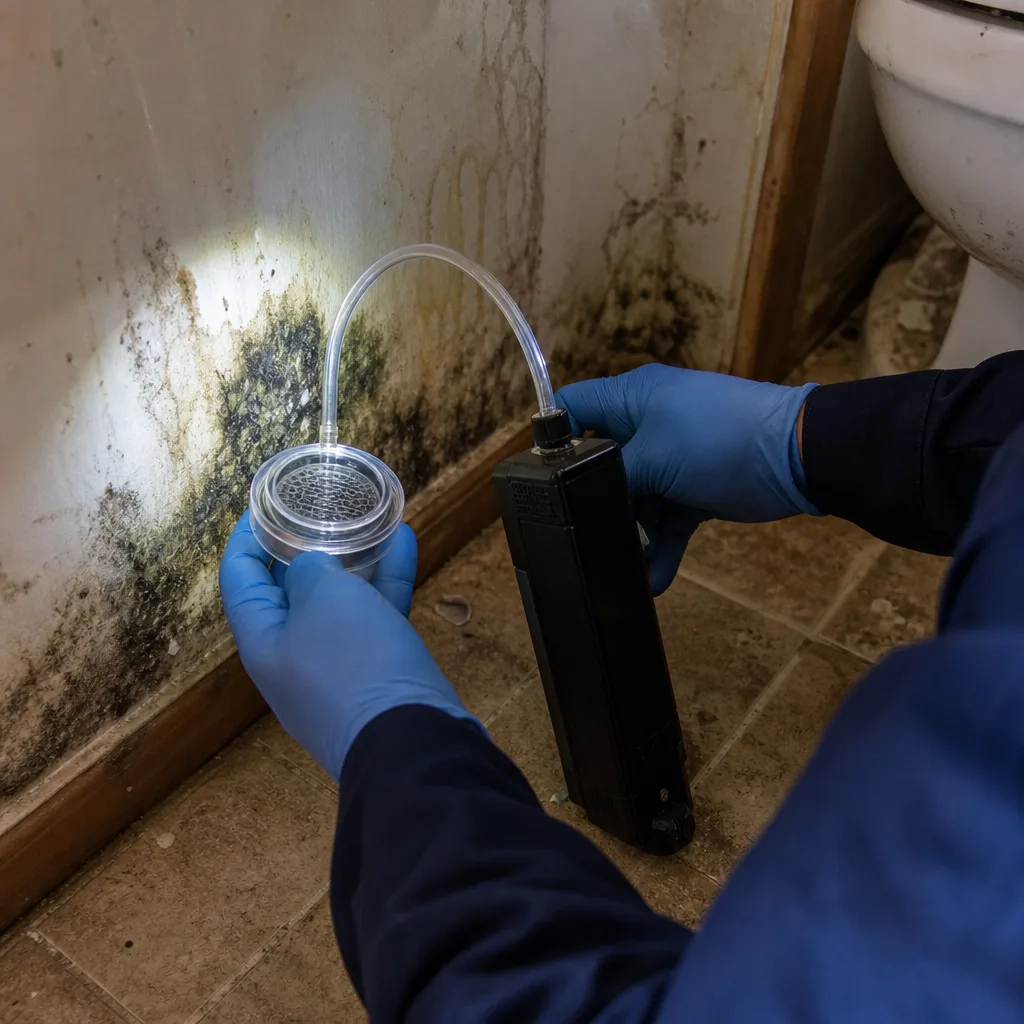
Structural Fire Repair
Charred framing is sistered or replaced; compromised stucco is removed, substrate treated, and finish reapplied with matching texture. We coordinate permits and inspections where required.
What happens when you call
- 1
A real person answersNo phone trees - you reach a local pro.
- 2
You get an upfront price rangeHonest numbers before anyone is dispatched.
- 3
A background-checked tech heads outLicensed & insured, dispatched right away.
- 4
You approve before work beginsNothing starts until you say go.
Fire & Smoke Damage Restoration Costs in San Diego, CA
| Service | Typical Range in San Diego |
|---|---|
| Light smoke cleaning (single room, no structural damage) | $2,800 - $5,500 |
| Moderate smoke & soot remediation (multiple rooms, contents cleaning) | $6,500 - $12,000 |
| Heavy fire damage with structural drying and pack-out | $14,000 - $28,000 |
| Emergency board-up and tarping | $800 - $2,400 |
| Contents pack-out and cleaning | $3,500 - $8,500 |
| Odor removal and deodorization (thermal fogging, hydroxyl, ozone) | $1,800 - $4,200 |
What moves the price: square footage affected, smoke penetration depth, water classification from suppression, contents volume, and whether the S-profile clay tile cavity requires treatment. Insurance typically covers direct fire and smoke damage plus water damage from suppression; gradual damage from delayed mitigation may be denied. We provide a free visual inspection and written scope so you know the exact cost before work starts. Call (858) 428-2364 for an appointment.
We Also Serve Cities Near San Diego
Our San Diego crews respond to fire and smoke damage throughout the metro area, including Coronado’s island communities with their unique access constraints, National City’s denser residential blocks, Chula Vista’s mix of older and newer construction, and Bonita’s canyon-adjacent homes with elevated wildfire exposure. Each area receives the same documented response: written price first, photo record throughout, drying log at completion.
Serving San Diego, CA - Our Local Coverage Area
We’re based in the San Diego area and know this community well. Use the map below to see our service coverage - if you’re nearby, we can almost certainly help.
San Diego Fire & Smoke Damage Restoration Questions, Answered
Why does smoke smell come back weeks after cleaning in Rancho Bernardo tile-roof homes?
Smoke particulate and embers collect in the dead-air cavity above the roof deck, between the S-profile clay tiles and the underlayment. Surface cleaning never reaches this space. When temperature and humidity shift, the trapped odor reactivates and migrates downward into living spaces. We fog and seal the tile cavity on every Rancho Bernardo and Scripps Ranch job to prevent this callback. Call (858) 428-2364 if you are experiencing return odor from a previous restoration.
Does San Diego’s marine layer affect fire and smoke remediation?
Yes. Persistent marine-layer humidity in coastal communities from Ocean Beach to Coronado reactivates smoke deposits that have penetrated porous materials and wall cavities. Without proper dehumidification and antimicrobial treatment, this moisture also supports concealed mold growth in structures built with minimal vapor barriers. Our drying protocols account for coastal humidity readings that run 15-25% higher than inland zones. Call (858) 428-2364 for a moisture assessment.
Why does post-fire water damage here get classified as Category 3?
Water from fire suppression mixes with ash, soot, and fire debris, plus soil and contaminants from post-fire runoff on hydrophobic burned ground. This combination carries pathogens and chemical contaminants that exceed Category 2 standards. Category 3 classification requires full containment, HEPA air scrubbing, antimicrobial application, and often contents pack-out. Treating it as clean water skips steps that insurance will later question. Call (858) 428-2364 for proper classification and documentation.
Will stucco-over-wood-frame construction in Linda Vista or El Cajon change how smoke is removed?
Yes. Decades of thermal cycling create hairline cracks in stucco that smoke particulate penetrates, hiding behind the finish coat. Surface cleaning leaves these deposits intact. We use thermal imaging to locate smoke migration behind stucco, then establish containment and access points for cavity treatment. Without this step, odor returns when marine-layer humidity reactivates the deposits. Call (858) 428-2364 for stucco-specific smoke remediation.
Can contents be saved after a San Diego fire, or do they all get discarded?
Many contents can be saved depending on exposure time, heat level, and soot type. Non-porous items - glass, metal, sealed ceramics - typically clean successfully. Porous items like upholstery and textiles may require ozone or hydroxyl treatment. We inventory, photograph, and test-clean sample items before recommending pack-out or disposal. The decision is documented for the adjuster. Call (858) 428-2364 for a contents assessment.
How fast can DryMark Restoration El Cajon actually get to my San Diego property?
We commit to 45 minutes from call to on-site anywhere in our San Diego service area, including Coronado, National City, Chula Vista, and Bonita. Live answer 24/7 means no delay in dispatch. The first hour after fire containment is when smoke particulate bonds most aggressively to surfaces. Call (858) 428-2364 for immediate dispatch.
Will my insurance cover fire and smoke damage restoration in San Diego?
Homeowners insurance typically covers direct fire and smoke damage, water damage from suppression, and necessary mitigation to prevent further loss. Coverage disputes usually arise around delayed mitigation, undocumented secondary damage, or scope gaps that allow odor to return. Our photo-documented estimates and drying logs are formatted to carrier standards to prevent these disputes. We bill directly and coordinate with adjusters. Call (858) 428-2364 to review your coverage and begin documentation.
What should I do in the first 30 minutes after the fire is out?
Do not enter until the fire department clears the structure. Call (858) 428-2364 for our 24/7 live dispatch. Do not attempt to clean soot yourself - improper chemistry sets stains permanently. If safe, shut off HVAC to prevent smoke circulation through ducts. Gather your insurance policy number and a list of medications or essentials you need retrieved. We will handle documentation, board-up, and the written scope. Call (858) 428-2364 now.
Written by Alicia Brennan, Owner at Back to Dry Restoration, serving San Diego since 2011.
Fire & Smoke Damage Restoration in Nearby Areas