
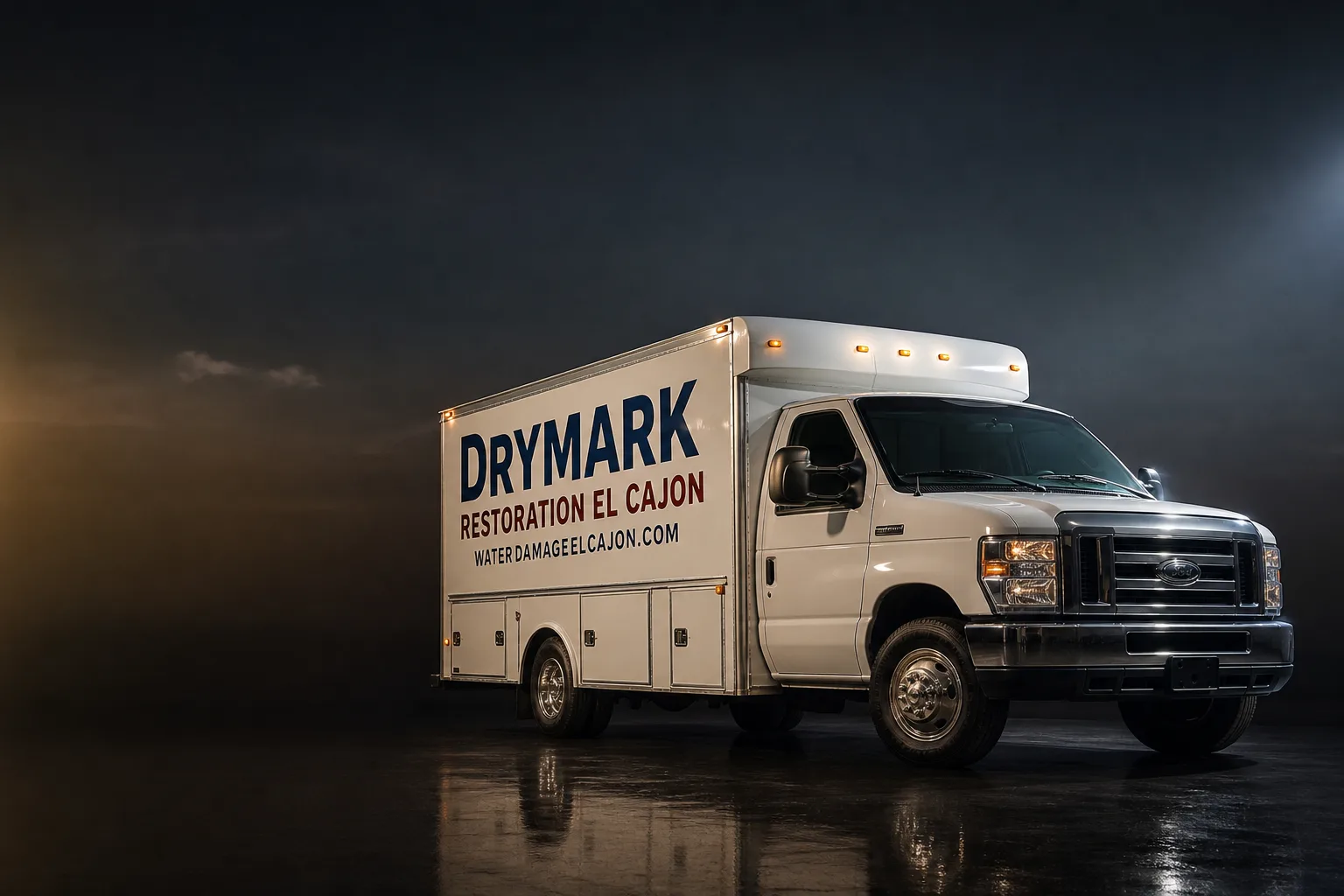
Free visual inspection and a written scope of work before any mitigation begins - photos, moisture readings, and drying logs go in your claim file
The scope we write is the scope we bill. Anything new gets shown to you, in writing, before we touch it.
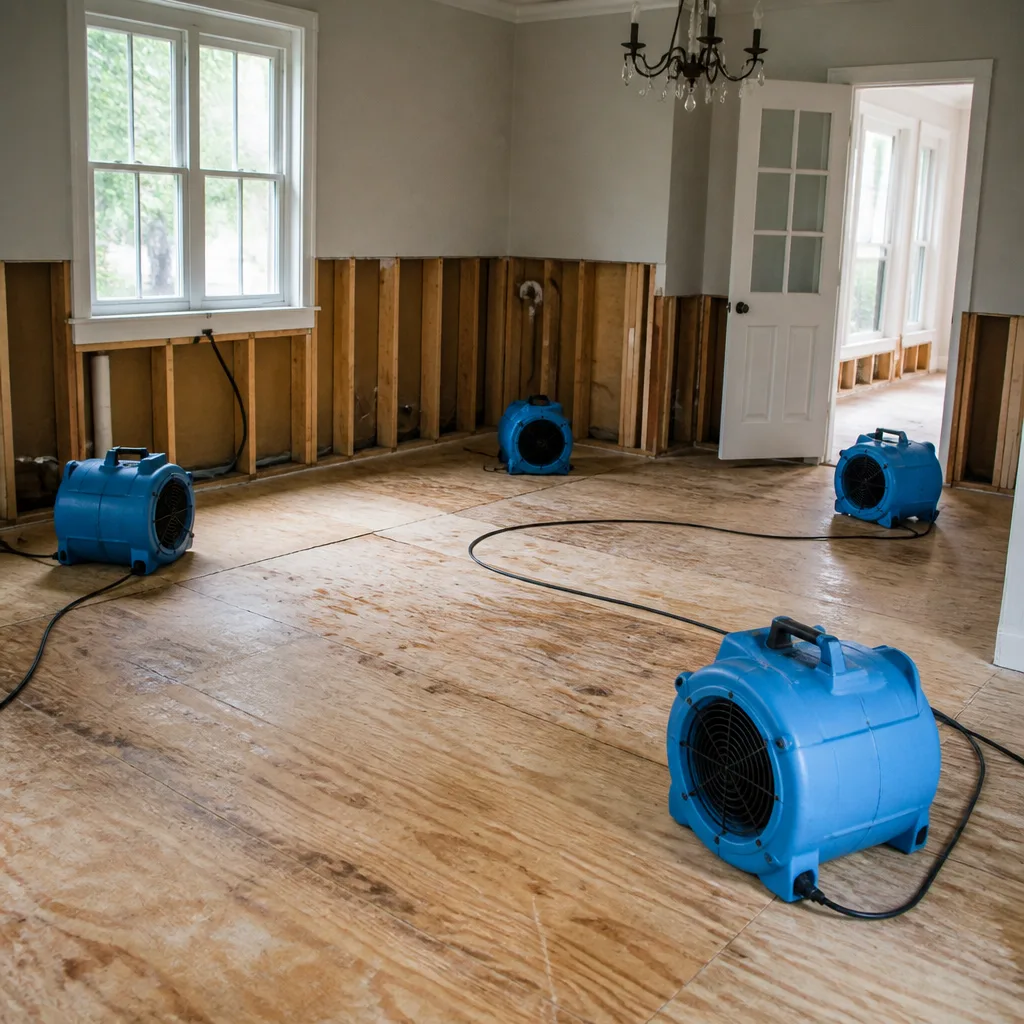
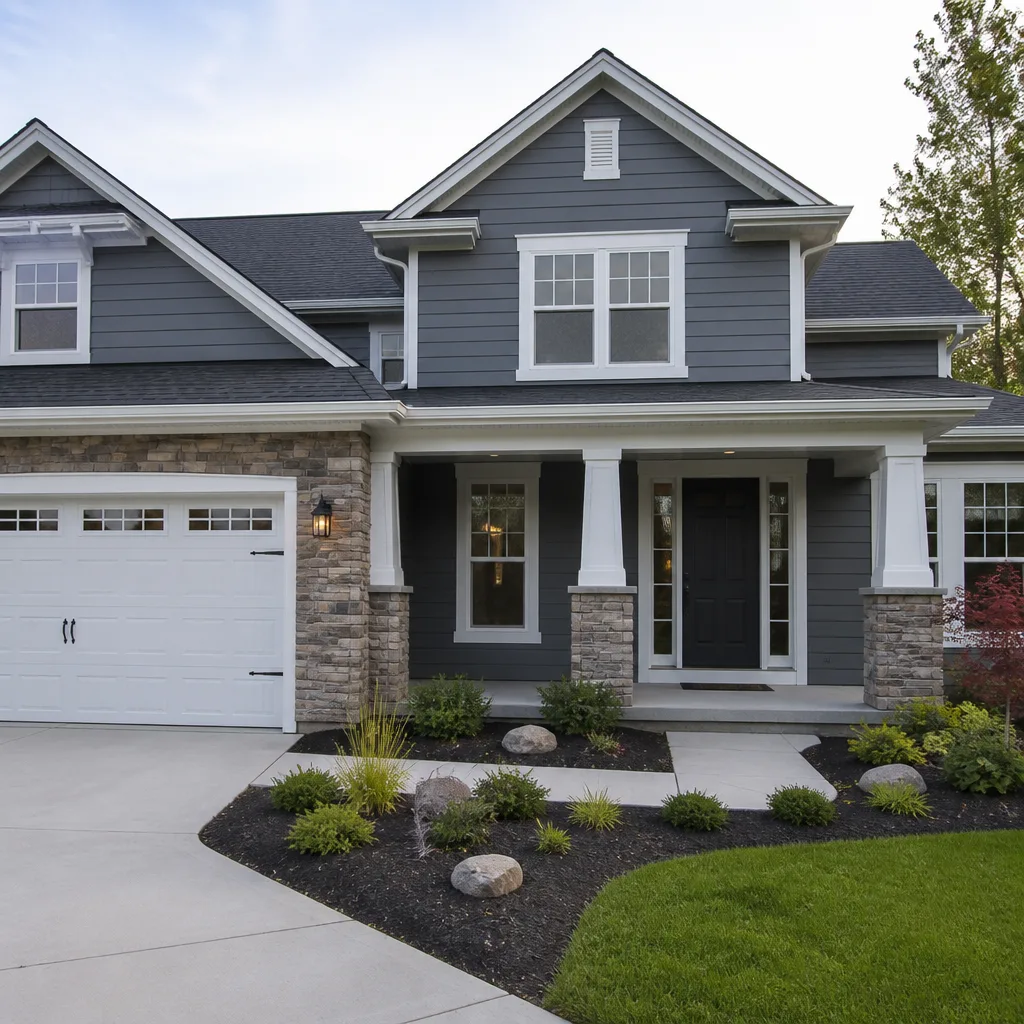
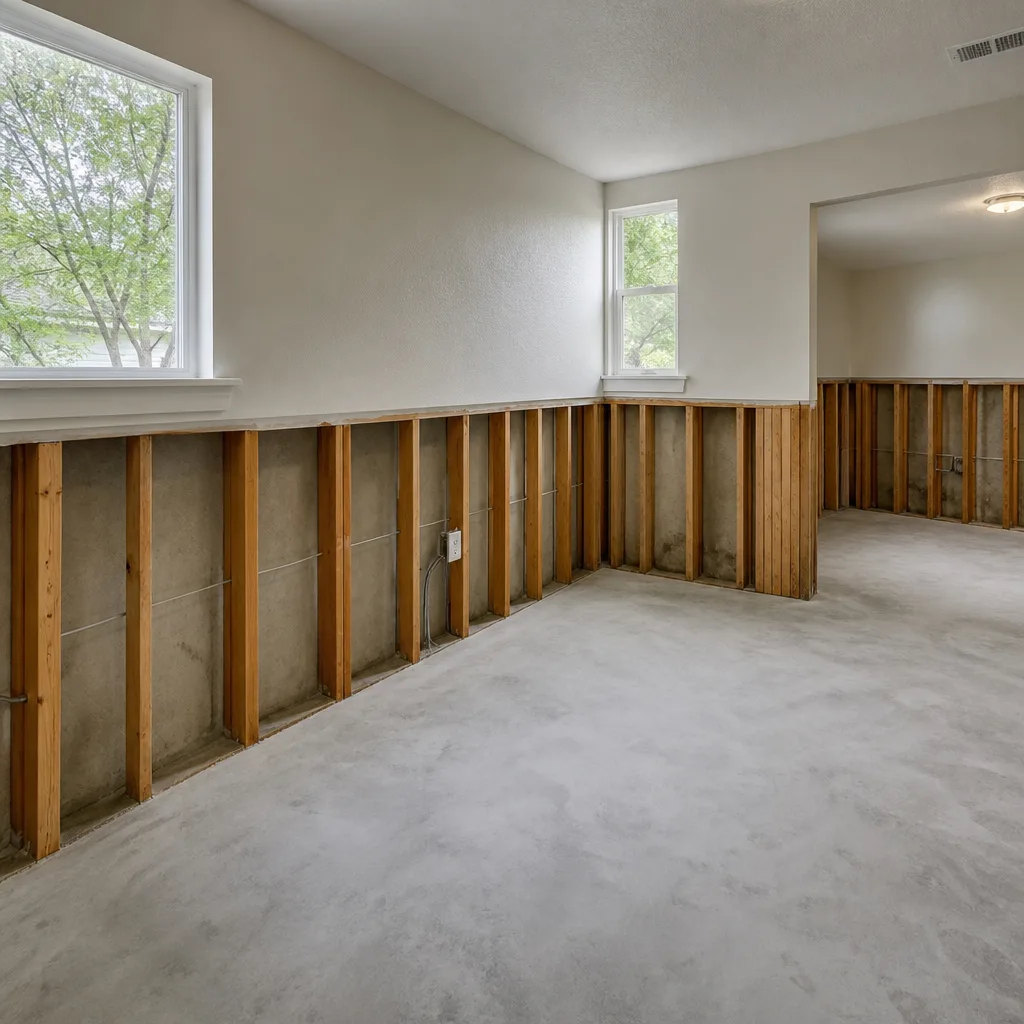
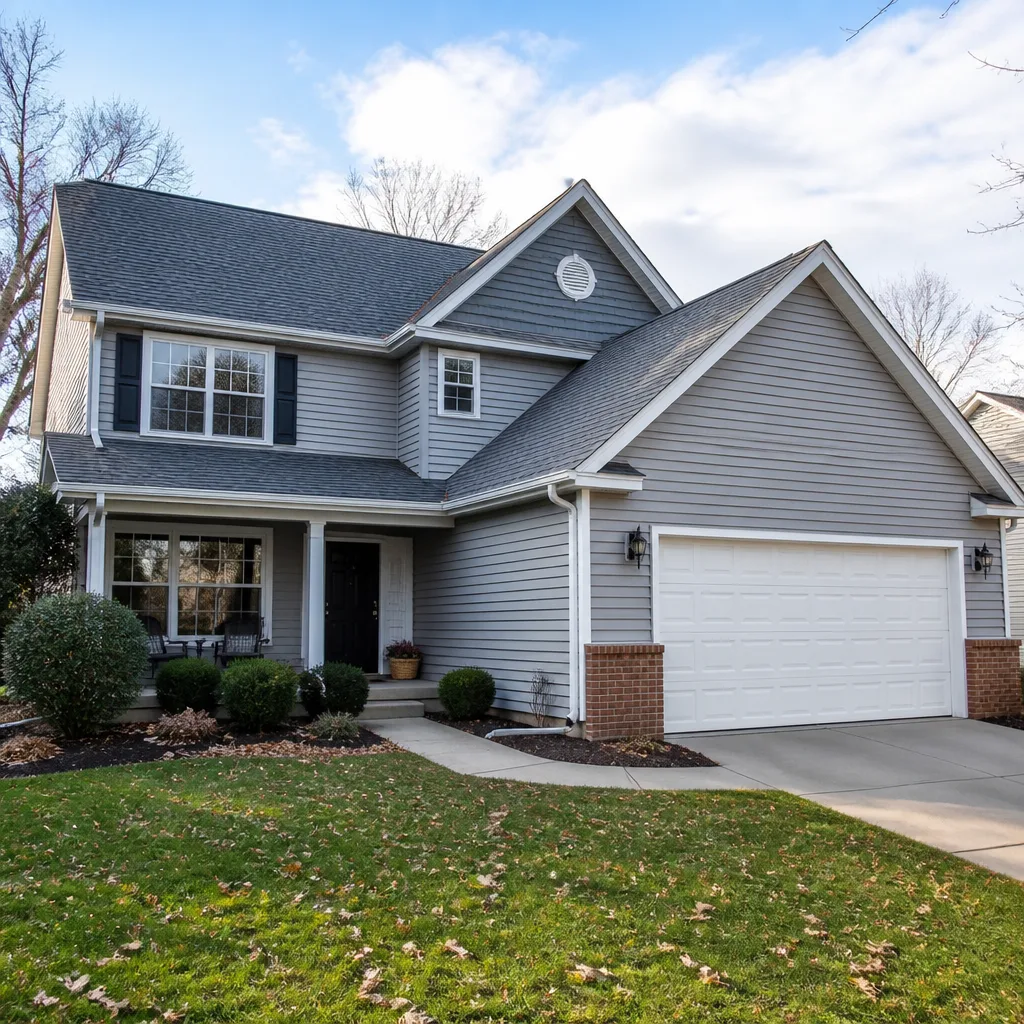
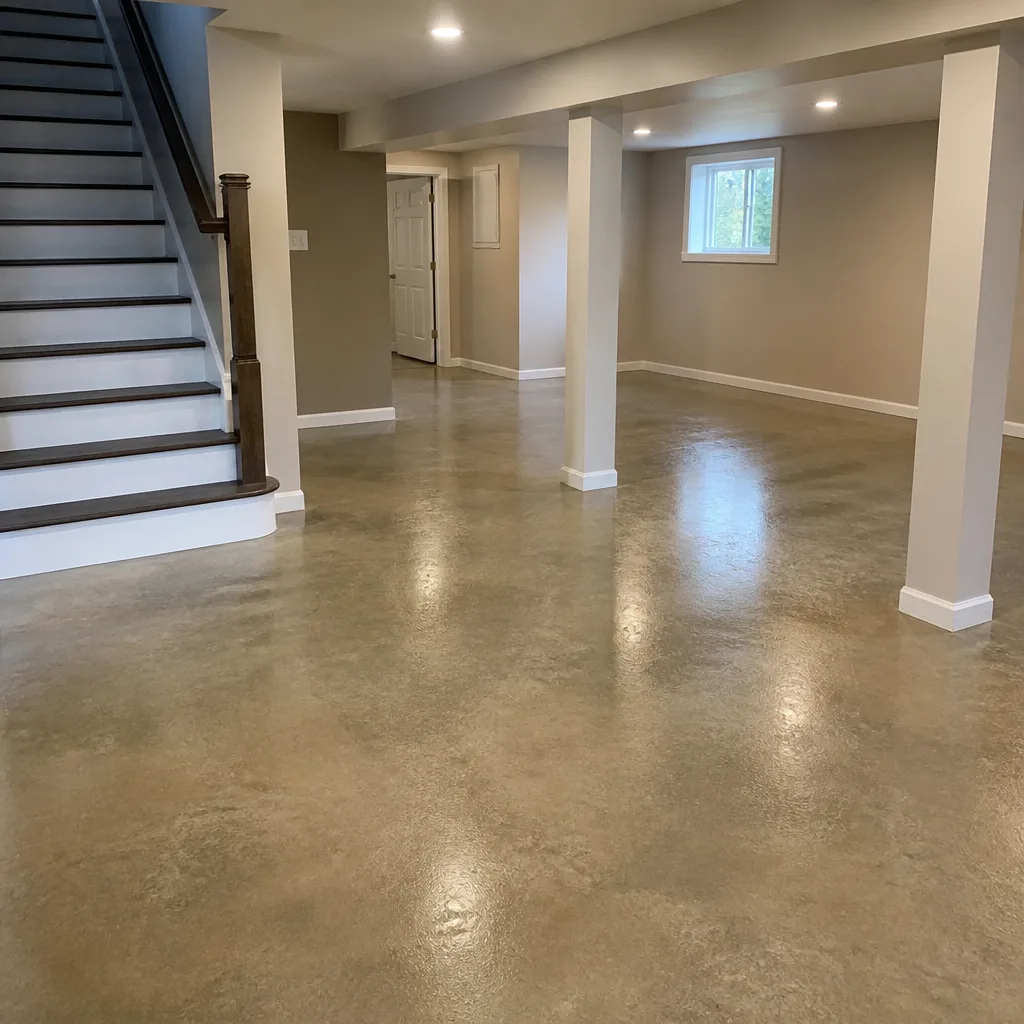
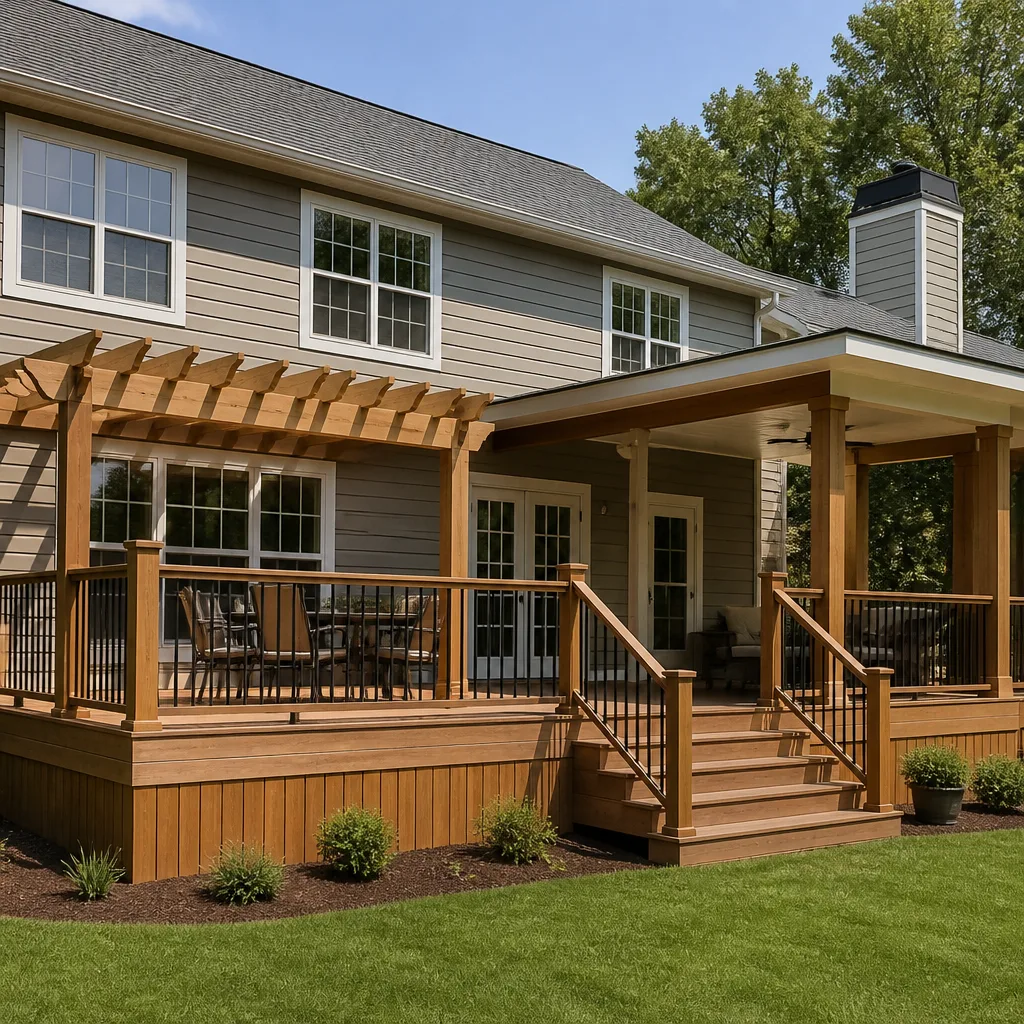
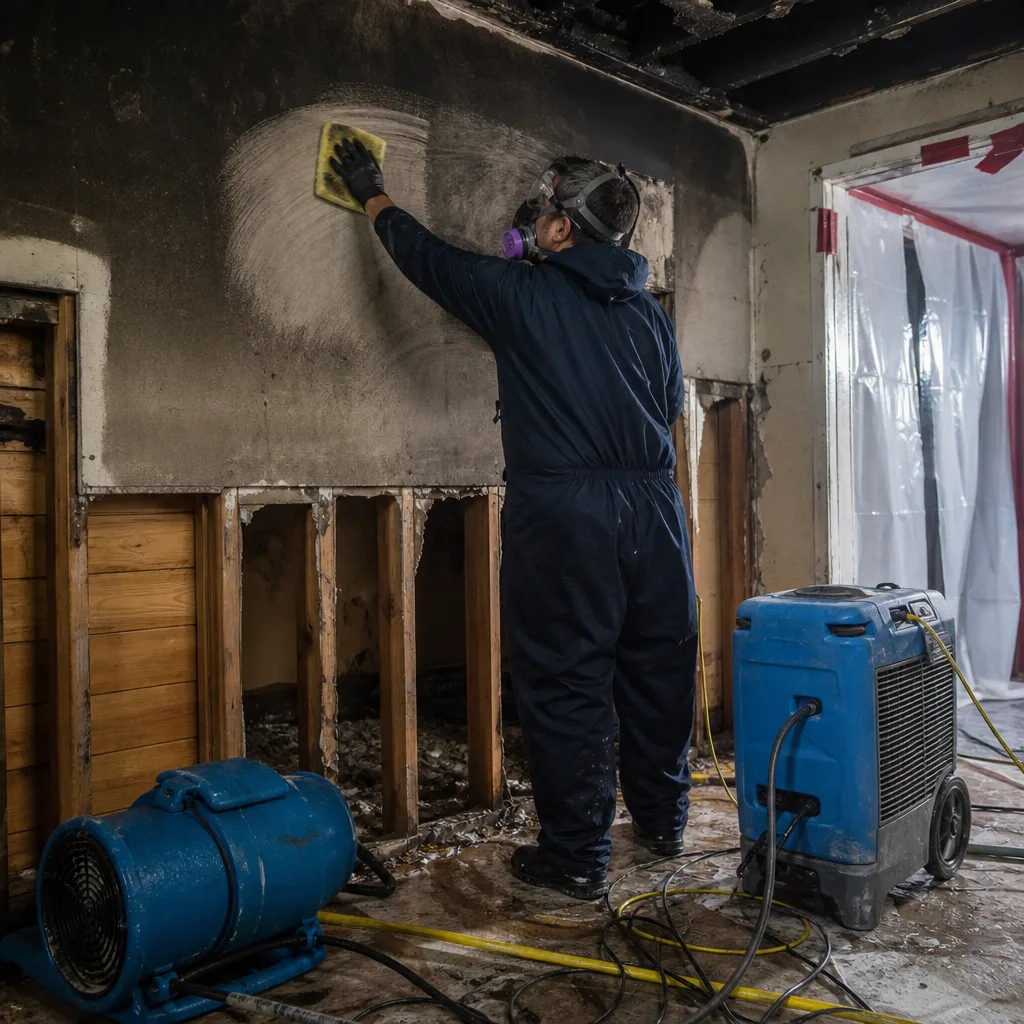
 Before
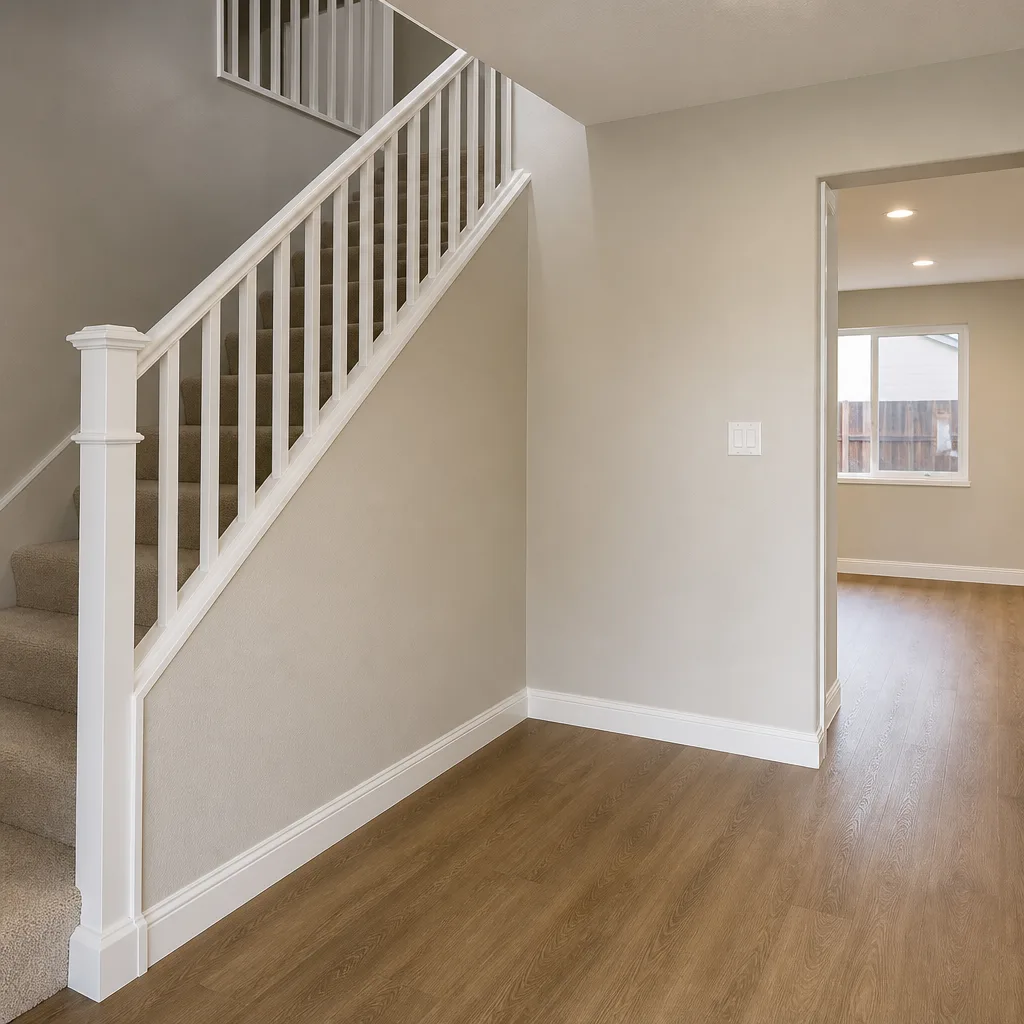 After
After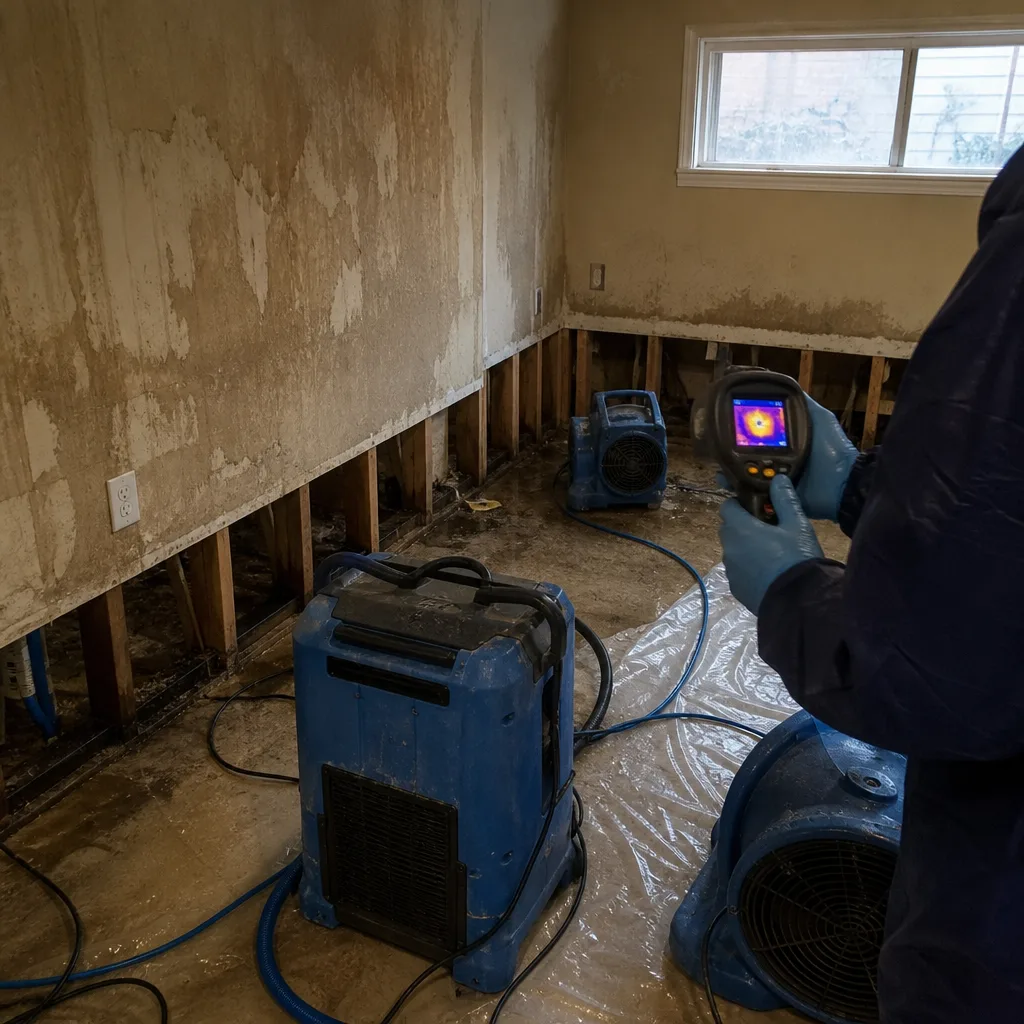 Before
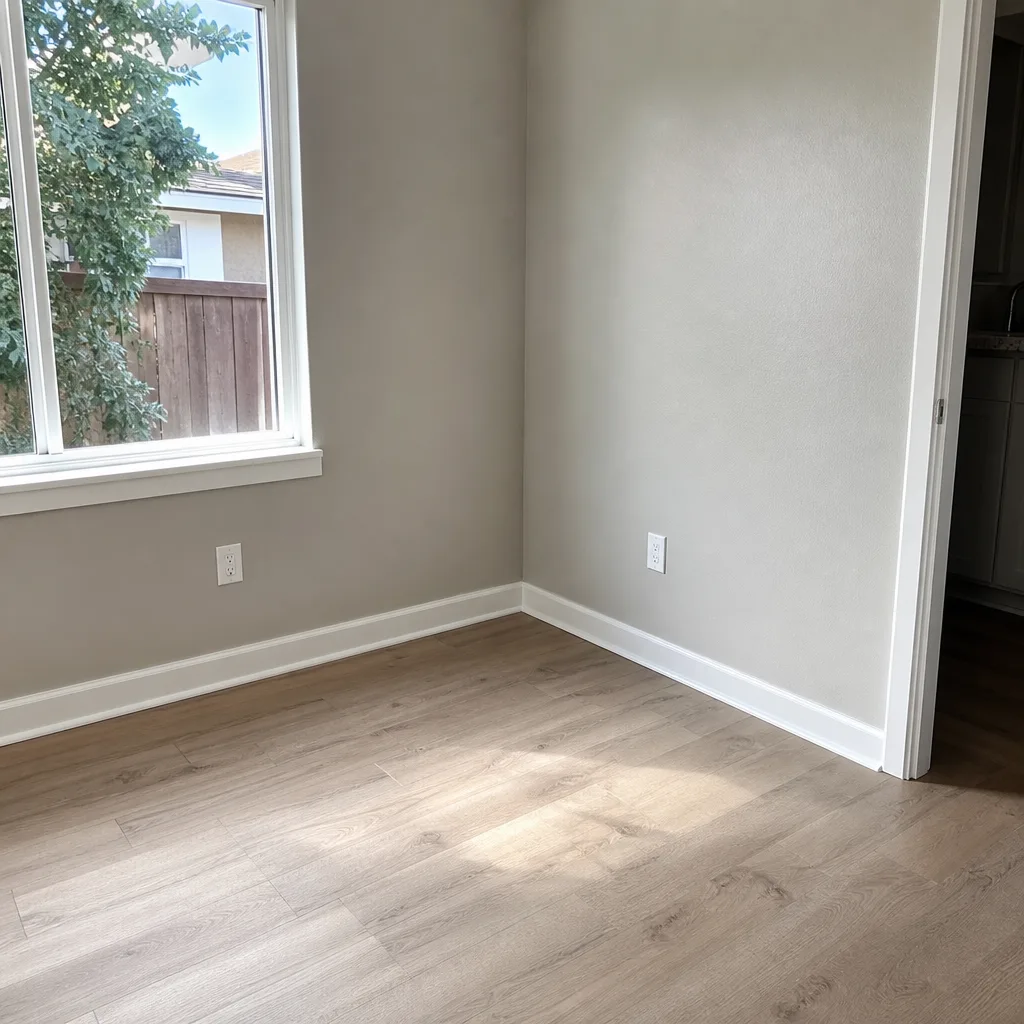 After
After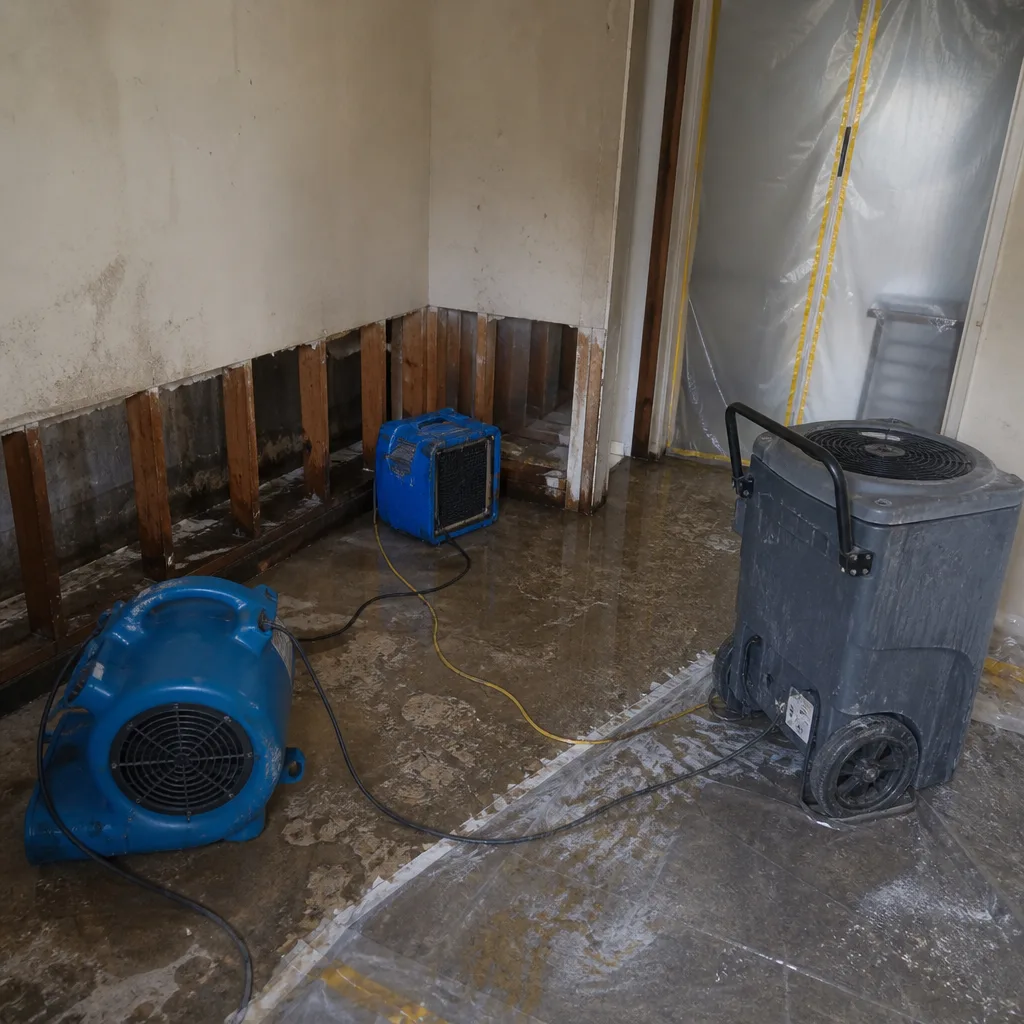 Before
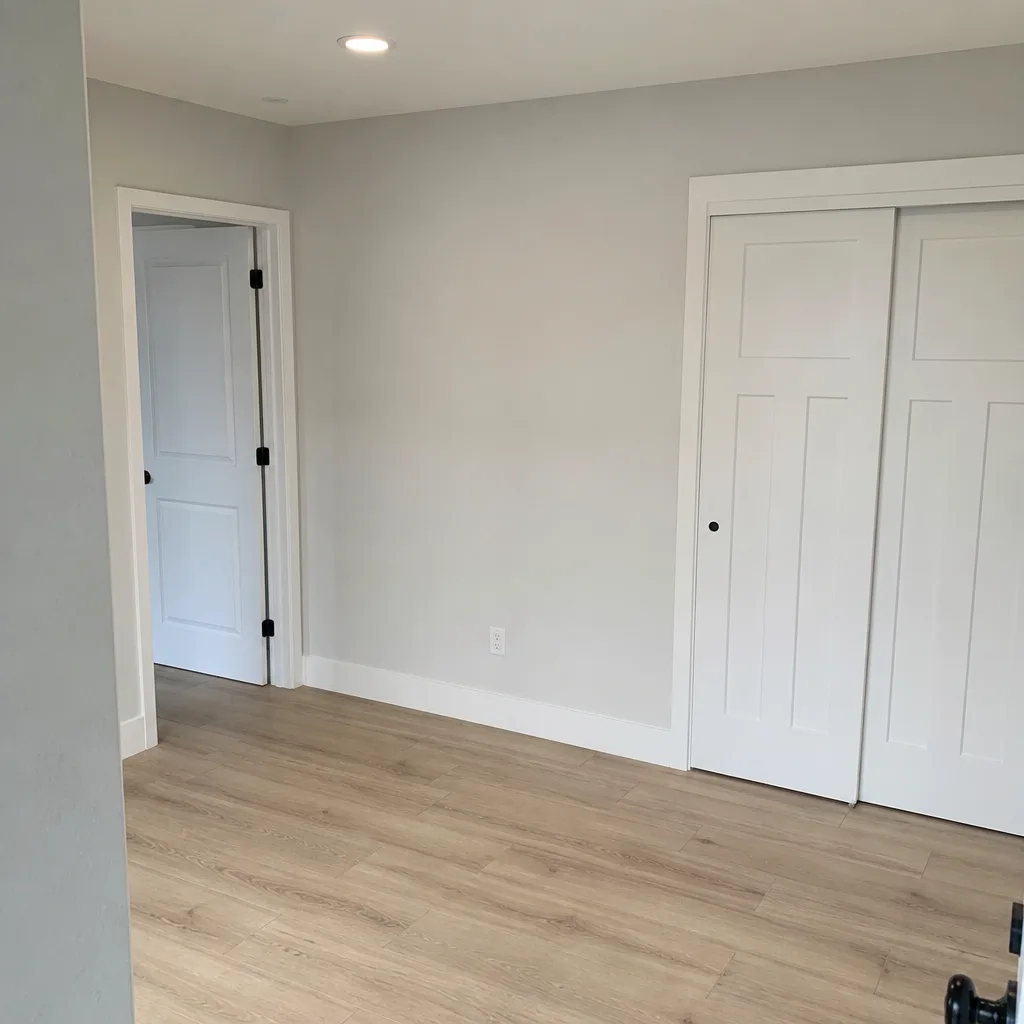 After
After24/7 Emergency Water Damage Restoration in National City
Water damage restoration in National City typically costs $2,800-$6,500 for a standard residential mitigation, with emergency extraction starting at $180-$340 per affected area and structural drying running $150-$280 per day depending on equipment load. Crews from our Water Damage Restoration in National City dispatch point can be on-site in National City within 45 minutes, and a live person answers every call at (858) 428-2364 - no voicemail, no callbacks tomorrow while water keeps moving. The first hour determines whether a loss stays a Category 1 extraction or degrades into Category 2 or 3 contamination requiring demolition, antimicrobial treatment, and longer drying cycles. In National City’s bay-front microclimate, that hour is even shorter: marine humidity keeps ambient moisture high enough that mold colonization begins on wet drywall in 24-36 hours, not the 48-72 hour window our inland crews see in El Cajon or Lemon Grove. We offer a free visual inspection, deliver a written price before any work begins under Haven Standard, Clause 1, and document every visit with a photo record.
Understanding Water Damage Restoration Severity in National City Properties
Water damage is classified by contamination level, not just volume. Category 1 is clean water from a supply line - a burst copper pipe or failed water heater. Category 2 carries significant contamination, typical of dishwasher discharge or groundwater seepage. Category 3 is grossly contaminated: sewage, tidal floodwater, or storm surge from the low-lying streets near the National City Marine Terminal. The category determines whether materials can be dried in place or must be removed, and it changes the equipment we deploy.
National City’s housing stock skews heavily post-WWII bungalow and small multi-family, built 1940s through 1960s with galvanized steel supply lines, original clay sewer laterals, and asbestos-containing floor tile, pipe insulation, and popcorn ceiling texture. These materials don’t just age; they create compounding losses. A pinhole leak in corroded galvanized pipe inside a wall cavity can run for months before discovery, by which time the water has migrated along baseplates, saturated insulation, and triggered secondary mold colonization behind intact drywall. Moisture mapping with thermal imaging and penetrating meters lets us trace that migration without destructive investigation, but the real challenge in National City’s rental-heavy market is that the damage is rarely fresh when we arrive. Navy tenant turnover every 2-3 years means we routinely scope losses that started two lease cycles ago.
Psychrometric data - temperature, relative humidity, and vapor pressure differential - drives our drying strategy. In National City’s persistent marine humidity, the vapor pressure differential between wet structural materials and ambient air is smaller than inland, which slows natural evaporation and demands more aggressive dehumidification capacity per square foot.
Why National City Property Owners Choose DryMark Restoration El Cajon
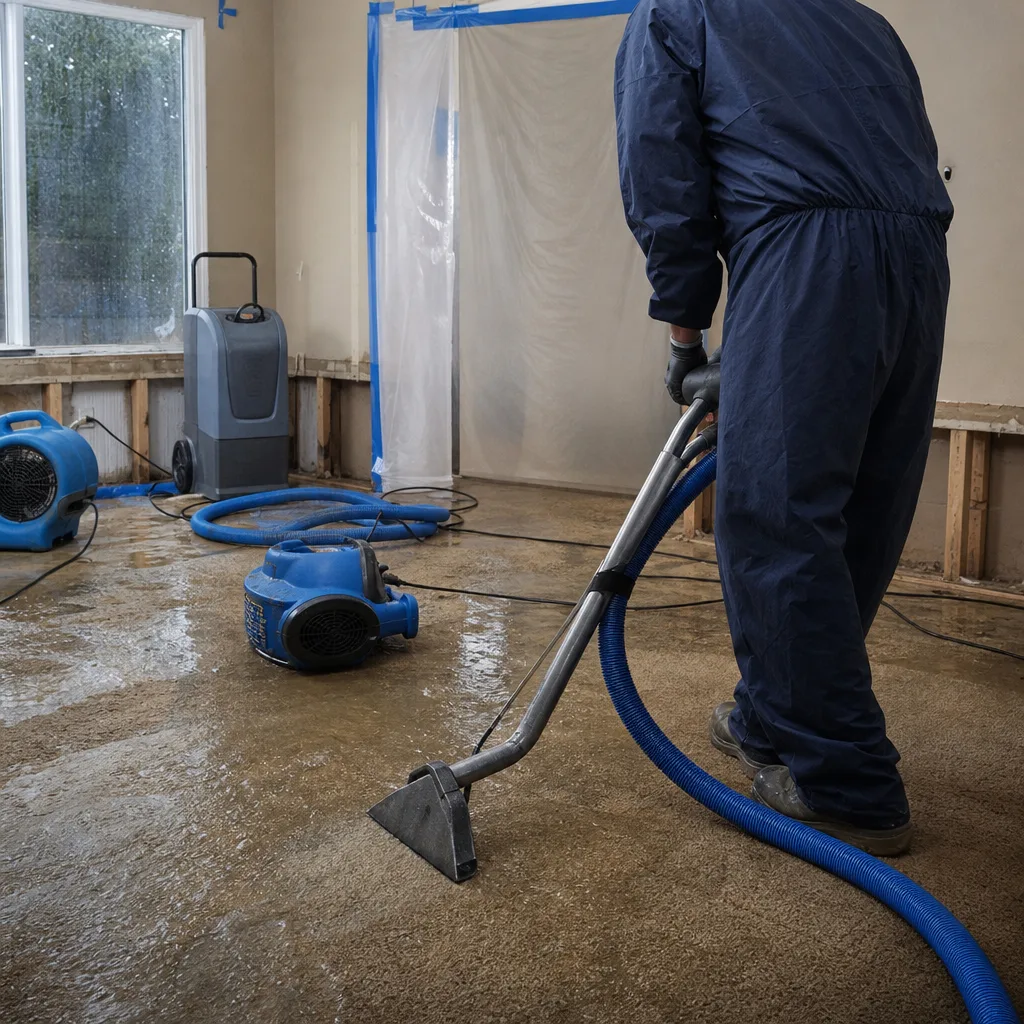
- 45-minute response commitment to National City addresses - water doesn’t wait, and neither do we.
- 24/7 live answer by a real person, never an automated system or voicemail tree; emergency lines are staffed around the clock because water losses don’t observe business hours.
- IICRC-certified crews holding WRT (Water Damage Restoration Technician), AMRT (Applied Microbial Remediation Technician), and FSRT (Fire & Smoke Restoration Technician) credentials - license numbers provided on request.
- Free visual inspection with moisture readings, thermal imaging scan, and a written scope delivered before any equipment is powered on or demolition begins.
- Direct insurance billing and adjuster coordination - we speak the same language as your carrier’s claims department because our founder, Alicia Brennan, came from that side of the desk.
- One team from extraction through reconstruction - no handoffs to unknown subcontractors, no gaps in documentation, no finger-pointing if something needs correction under our 365-Day Done Right Promise.
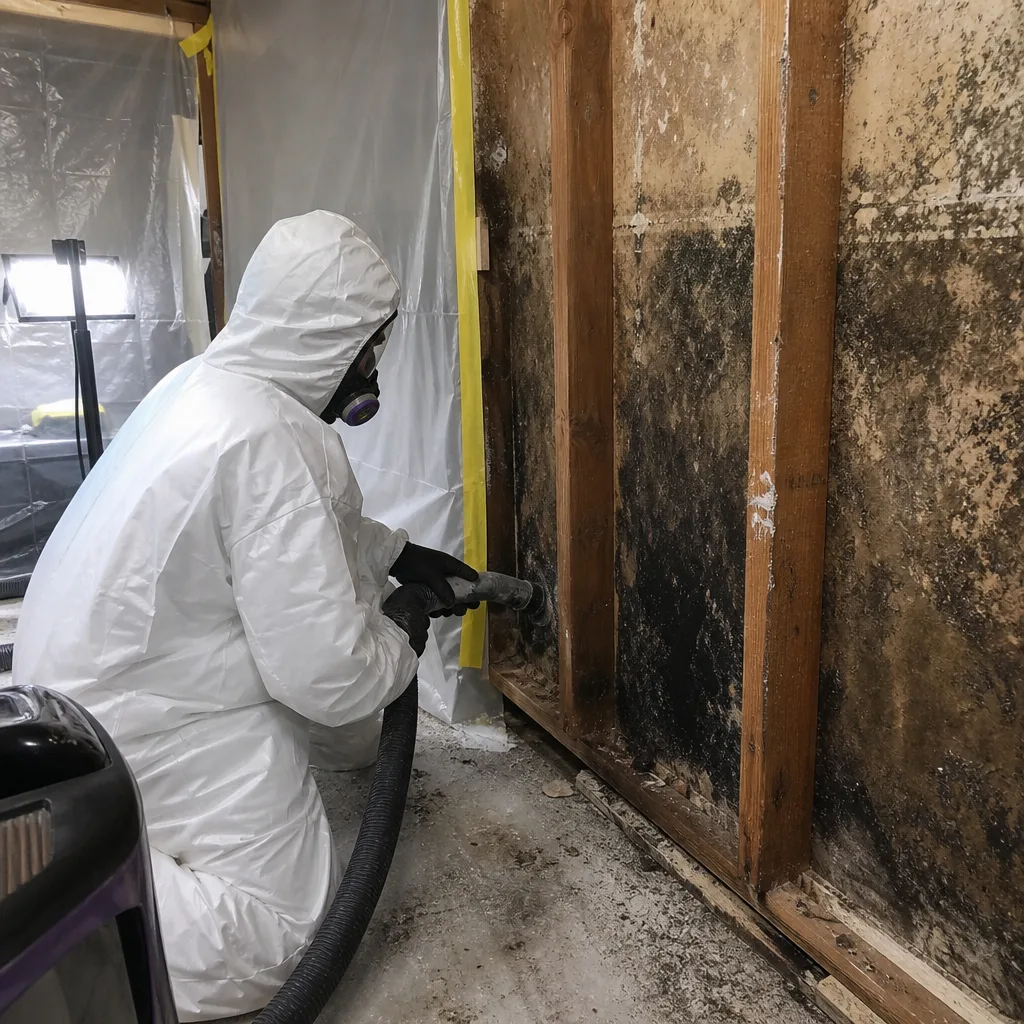
 Before
 After
AfterOur Water Damage Restoration Process
1. Inspection & Assessment
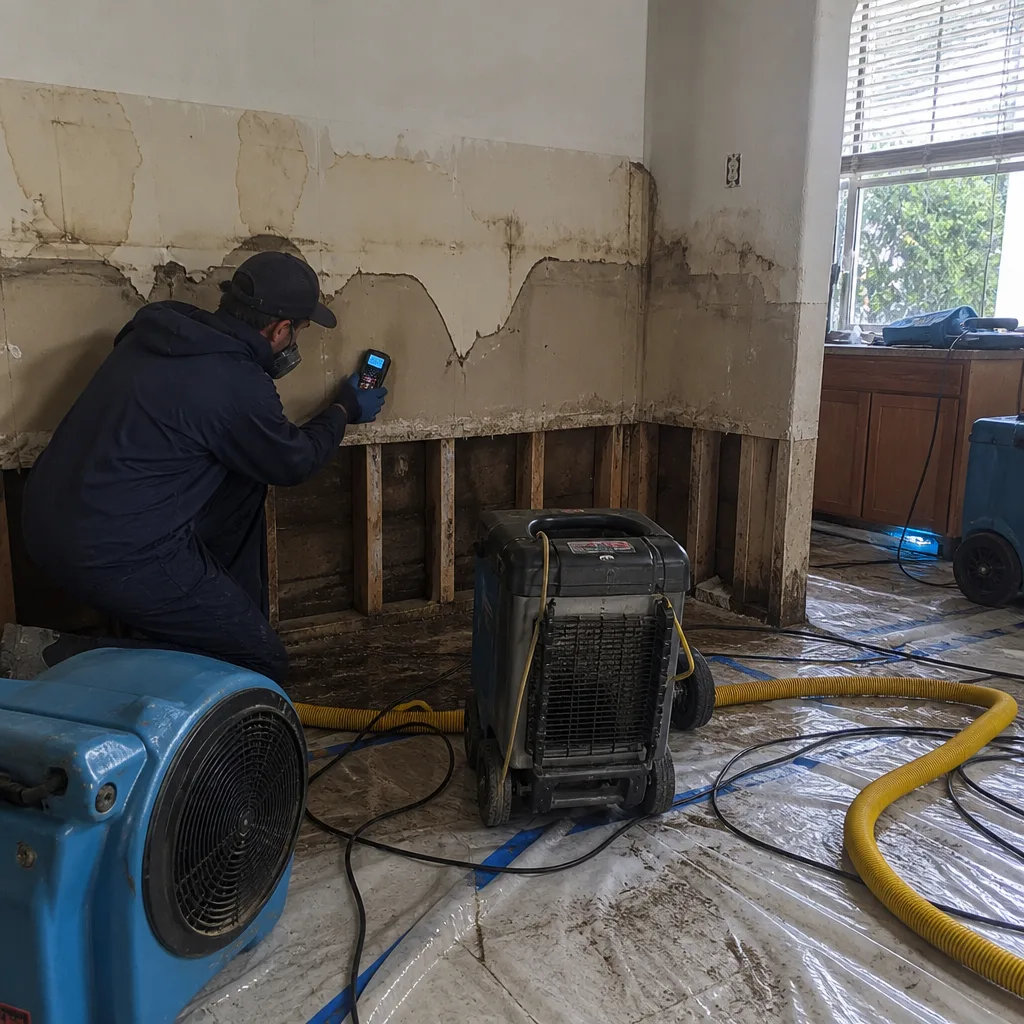
We arrive with moisture meters, thermal imaging, and hygrometers to map the full extent of the loss, not just what’s visible. In National City’s older multi-family buildings, we check adjacent units and common walls because galvanized plumbing failures often affect multiple tenants before anyone calls.
2. Water Extraction & Stabilization
Standing water is removed with truck-mounted extractors and portable submersible pumps. For Category 3 tidal flooding near the Marine Terminal, we deploy full PPE and contain the affected zone before extraction to prevent cross-contamination into clean areas of the structure.
3. Structural Drying & Dehumidification
We establish a drying chamber with Dri-Eaz and Phoenix LGR dehumidifiers, XPOWER and B-Air air movers positioned for optimal airflow patterns, and daily moisture readings logged to IICRC standards. In National City’s humid coastal environment, we often run higher dehumidifier capacity than inland jobs require.
4. Cleaning & Sanitization
Antimicrobial treatment is applied to affected structural materials and contents. For Category 2 and 3 losses, we use EPA-registered disinfectants and document application for insurance review. HEPA air scrubbers run continuously during this phase to capture airborne particulates.
5. Asbestos & Material Testing
National City’s 1940s-1960s housing stock frequently contains asbestos in floor tile, pipe insulation, and textured ceiling finishes. We coordinate third-party testing and, if positive, licensed abatement before restoration proceeds - this is not optional, and we document the chain of custody for your insurer.
6. Repairs & Restoration
Once drying targets are met and clearance documentation is complete, our crew repairs or replaces drywall, flooring, trim, and finishes. A written scope, photo record of every visit, and signed 365-Day Done Right Promise under The Haven Standard close every job file.
Need Emergency Water Damage Restoration in National City Now?
Crews minutes away, answering live 24 hours a day. The sooner we start, the less it costs.
Working With Your Insurance Company
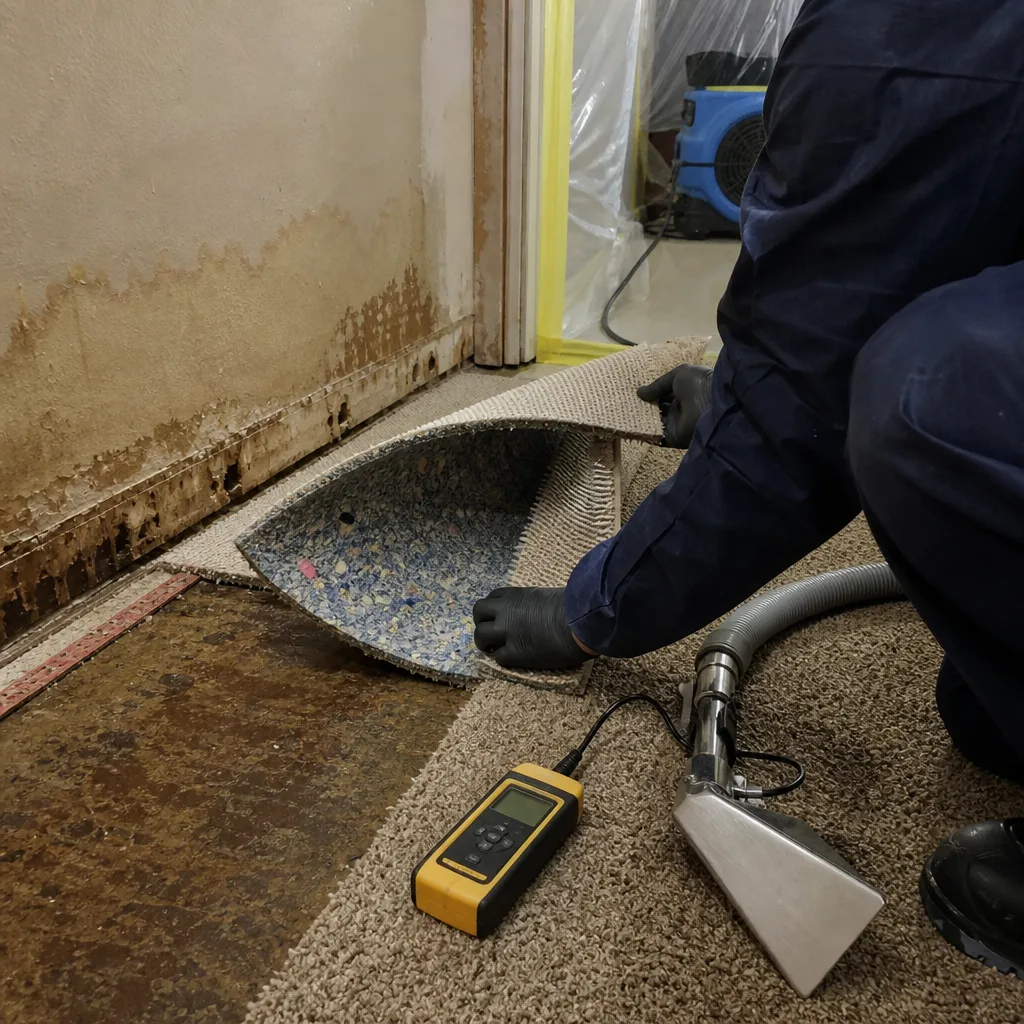
Insurance claims fail on documentation gaps. That’s why we build the file from minute one: dated photos of the loss scene, moisture readings with meter model and calibration date, daily drying logs with psychrometric data, and a line-item scope written to Xactimate standards. Our founder’s background as a claims adjuster means we know what makes an estimate payable without back-and-forth. We communicate directly with your adjuster, provide supplemental documentation when hidden damage extends the scope, and never ask you to pay upfront and wait for reimbursement - we bill your carrier directly when coverage is confirmed.
What We Provide Your Insurer
- Thorough documentation of the loss, including cause-and-origin determination
- Photos of all damage, room by room, with date and time stamps
- Moisture readings and daily drying logs with equipment placement maps
- A detailed, line-item scope of work written to industry-standard estimating platforms
- Direct coordination with your carrier’s adjuster, including supplement negotiation if hidden damage is found
Built for National City’s Loss Calendar
January through March brings the heaviest marine layer and occasional winter storm systems that push water against National City’s low-lying bay-front properties. April and May see increased tenant turnover as Navy rotations align with the fiscal calendar, which means a spike in discovery calls for hidden mold and long-term moisture damage. June through October is dry by rainfall standards, but the persistent humidity never drops enough to slow mold growth in an unmitigated wet structure. November and December can bring King Tides that overtop seawalls and back up storm drains near the Marine Terminal, flooding garages and ground-floor units with saltwater that demands specialized corrosion assessment after extraction. Year-round, the real National City pattern isn’t dramatic weather events - it’s slow leaks in aging galvanized systems, discovered late because of rental turnover, compounded by humidity that doesn’t give you the drying margin inland properties enjoy.
Water Damage Restoration Across National City’s Neighborhoods
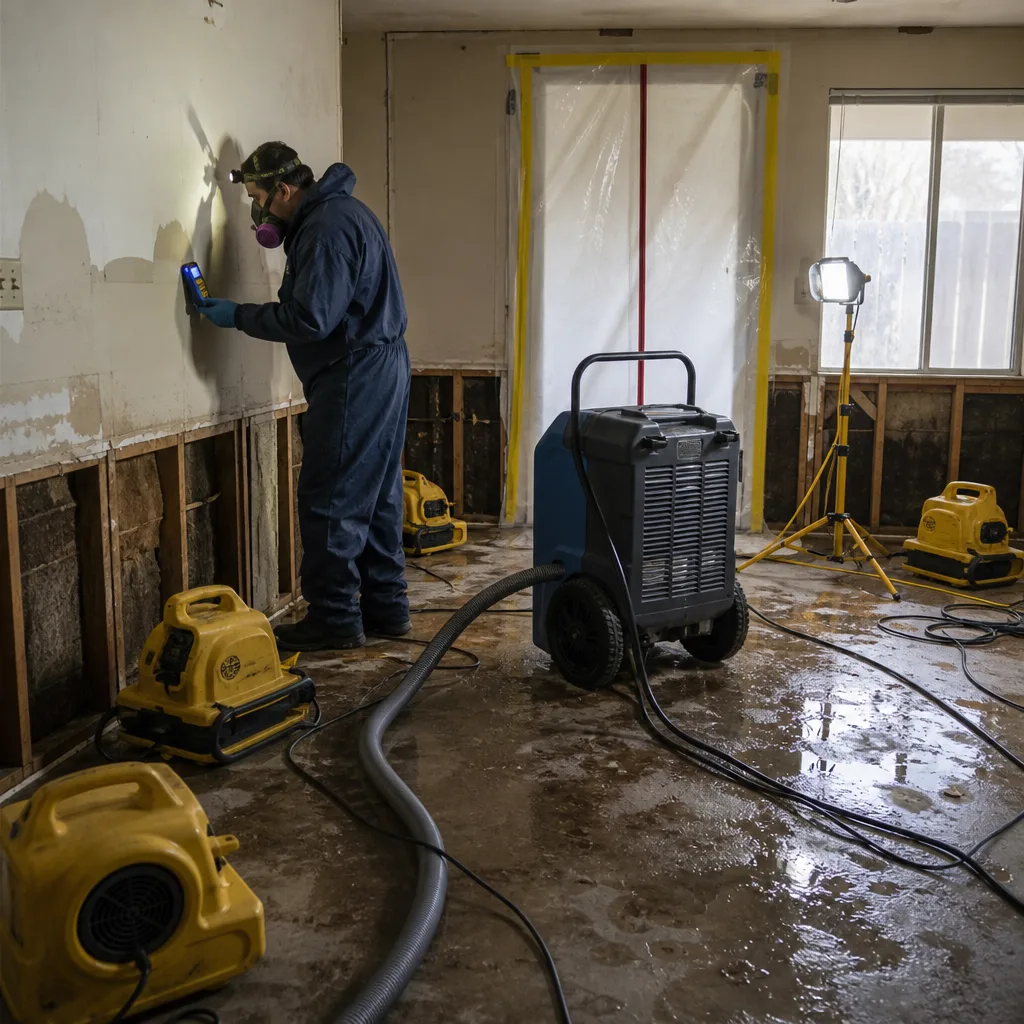
Old Town National City, centered near Plaza Boulevard and the historic core, mixes early-1900s commercial buildings with post-war residential infill. The commercial structures often have flat roofs with aging TPO or modified bitumen membranes that fail at seams and drains, sending water into tenant spaces below. We respond to these with rooftop containment, interior extraction, and coordinated tarping while permanent roofing repairs are scheduled.
The neighborhoods near 8th Street and Highland Avenue - dense blocks of 1950s duplexes and small apartment courts - are where we find the hidden mold jobs. At a 1950s duplex near this intersection, our tech ran moisture mapping on a wall a departing Navy tenant had never reported, and the meter pinned wet all along the baseplate - a slow galvanized-line pinhole leak had been feeding hidden mold behind the drywall for at least one lease cycle. We set containment, applied antimicrobial treatment, established structural drying with Dri-Eaz air movers and a Phoenix dehumidifier, logged daily moisture readings and drying logs, then completed a limited pack-out so the abatement could proceed on the original tile and pipe insulation. Because the structure sat near the Marine Terminal’s low-lying tidal zone, we also documented pre-loss condition carefully for the owner’s insurance scope of work.
Properties west of Interstate 5, toward the bay and the Marina District, face the dual risk of tidal flooding and salt-air corrosion of plumbing fixtures and water heaters. The marine layer here is constant, and we’ve replaced water heaters that failed years before their rated lifespan because of accelerated tank corrosion.
South of 24th Street, toward the Chula Vista line, larger 1960s and 1970s single-family homes on slab foundations present their own pattern: slab leaks in copper or galvanized lines that saturate the soil beneath the slab, wick into flooring, and create musty conditions that homeowners mistake for HVAC issues until we run thermal imaging and find the hot or cold spot.
Specialized Water Damage Restoration Services We Offer in National City
Emergency Water Extraction
Truck-mounted and portable extraction units remove standing water from carpet, hard surfaces, and structural cavities. In National City’s low-lying areas near the Marine Terminal, we often extract Category 3 tidal floodwater requiring full PPE and contained disposal - a different protocol than clean supply-line extraction.
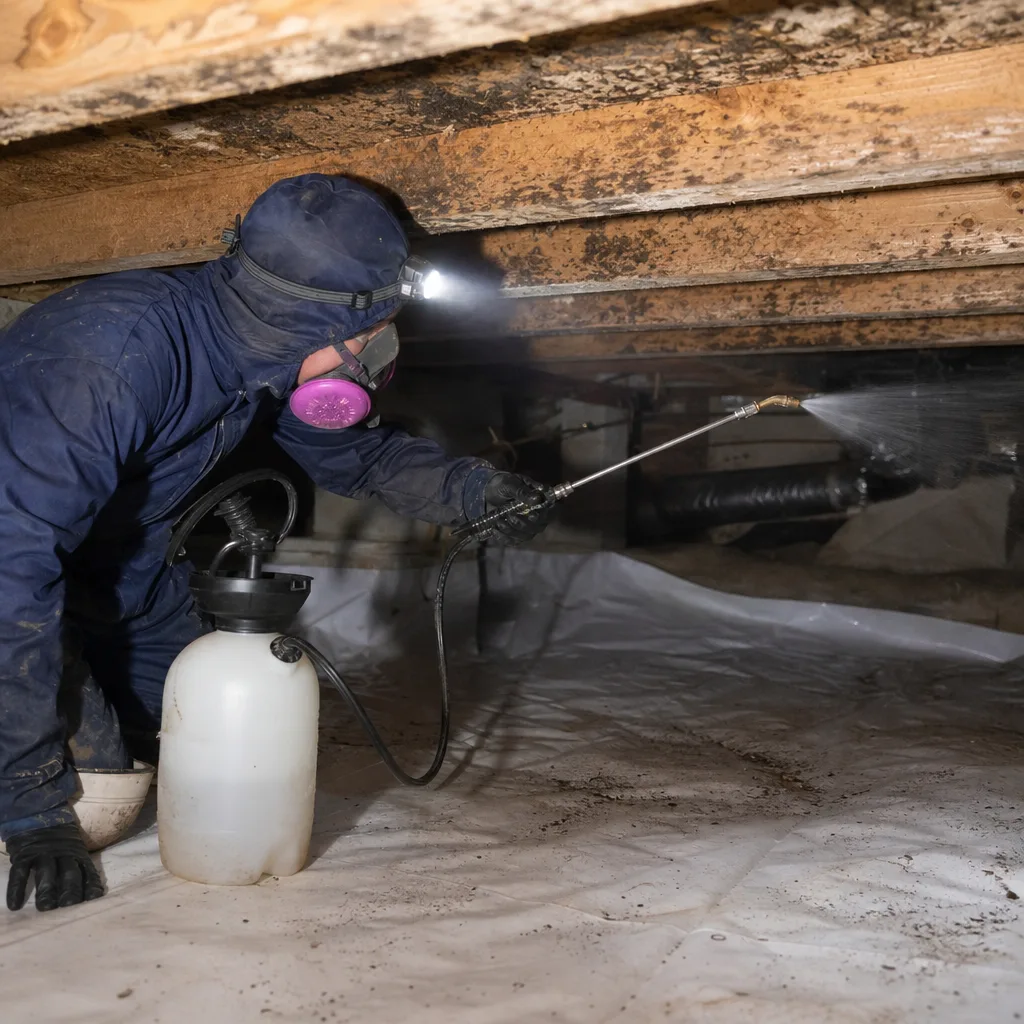
Structural Drying & Dehumidification
We establish drying goals based on dry-standard moisture content for local materials, then hit those targets with documented daily readings. National City’s ambient humidity demands more dehumidifier capacity per square foot than inland San Diego County jobs - we size accordingly, not by rote.
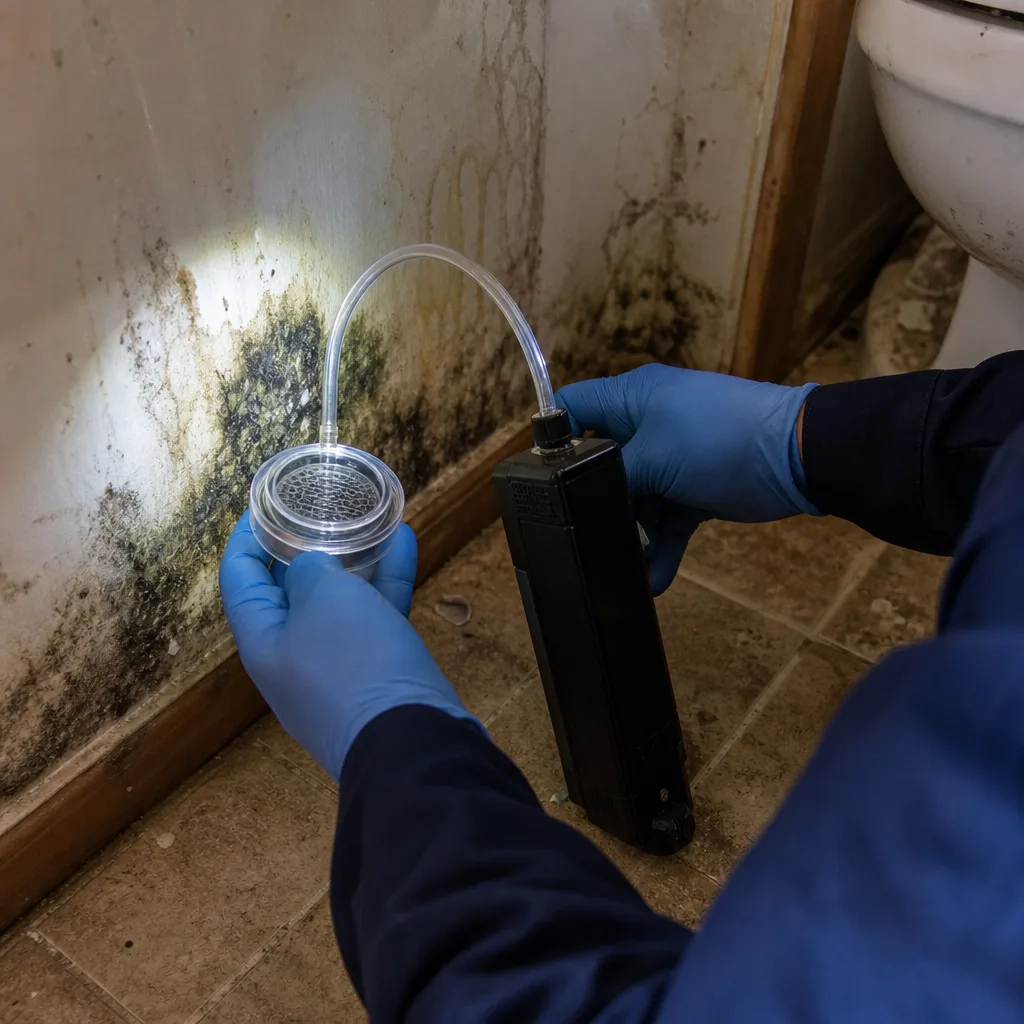
Flood Cleanup
Storm surge, tidal backup, and overwhelmed storm drains affect National City properties differently than flash flooding inland. Saltwater residue requires specific cleaning agents and corrosion assessment of mechanical and electrical systems after extraction.
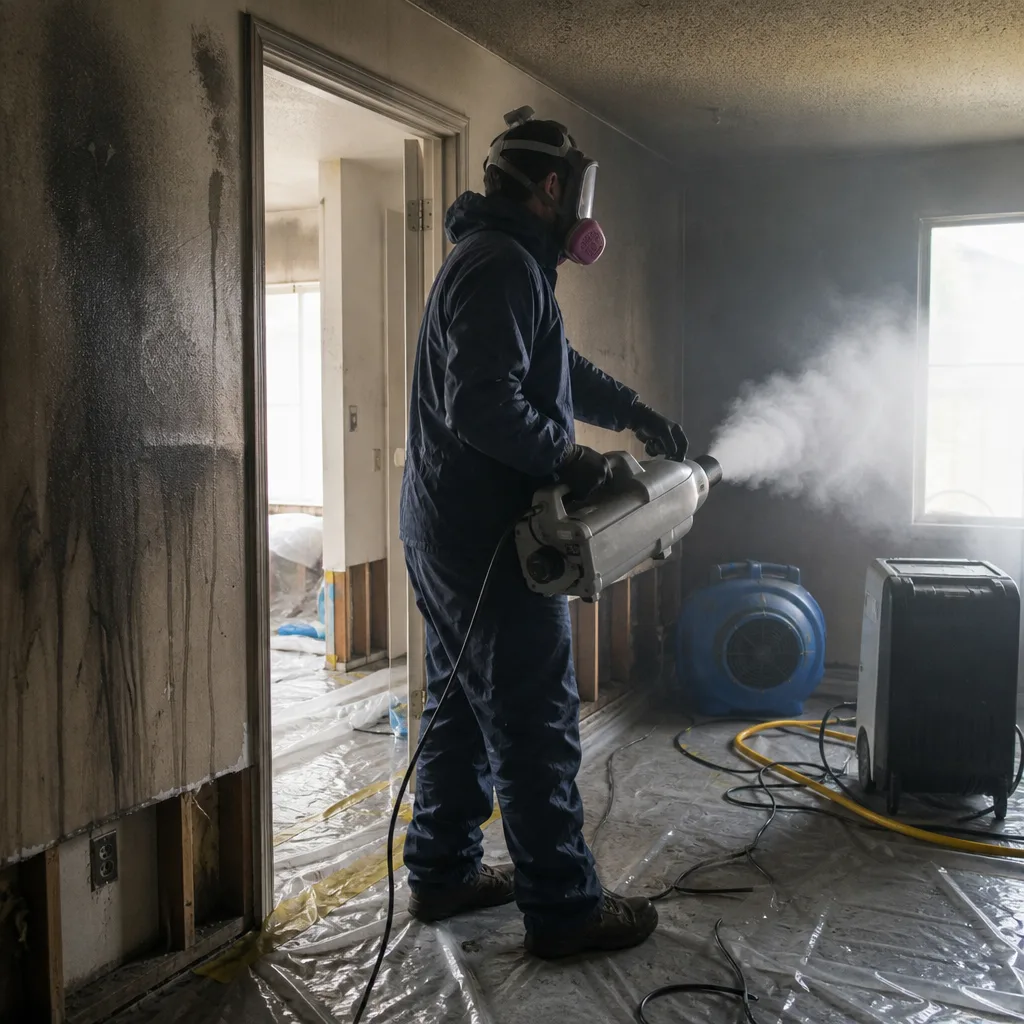
Burst Pipe Restoration
Galvanized pipe failures in National City’s older housing are rarely isolated events - corrosion is systemic. We extract, dry, and document, but we also flag the plumbing condition for the owner’s permanent repair decision, with photos for insurance review if the pipe failure is a covered peril.
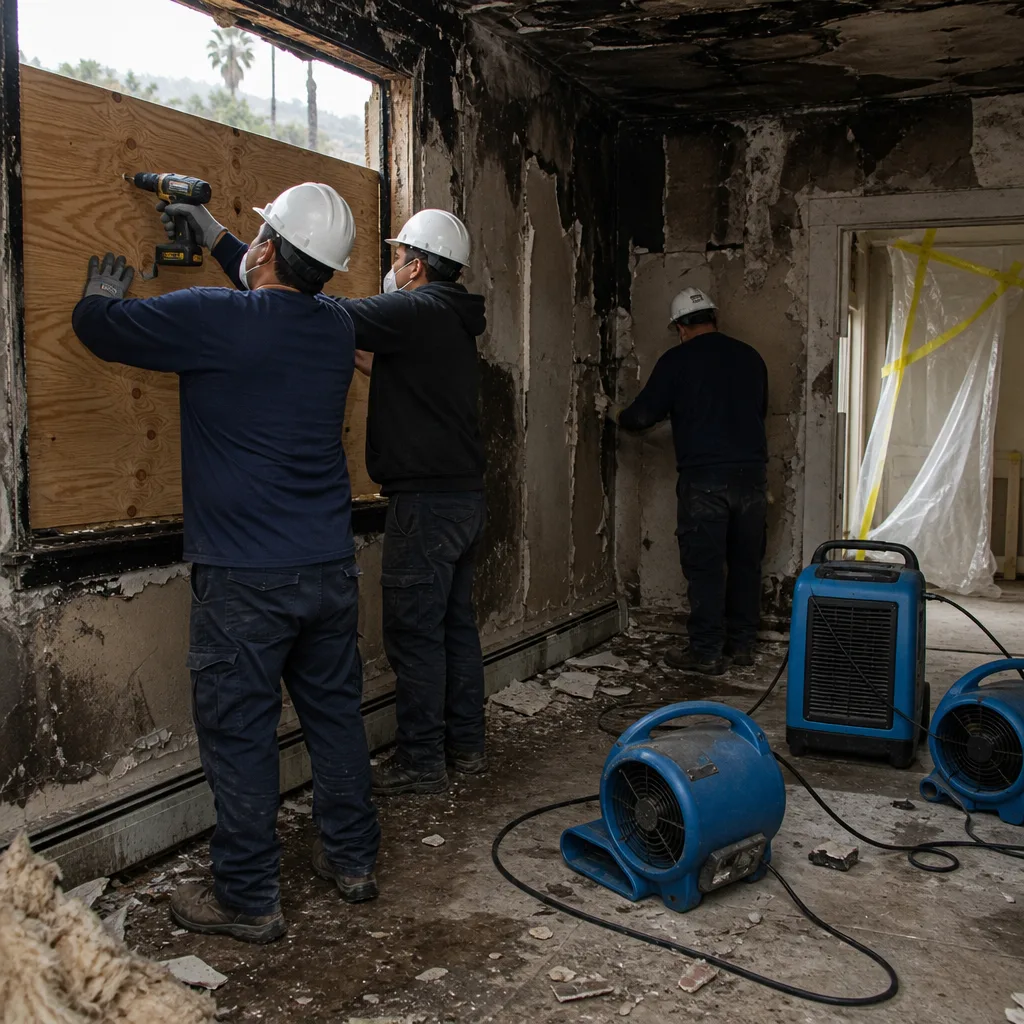
Basement Water Removal
True basements are rare in National City’s flat, near-sea-level topography, but partial below-grade utility rooms and garage slabs experience hydrostatic pressure and seepage. We install temporary sump capacity, extract, and address vapor barrier and drainage recommendations.
What happens when you call
- 1
A real person answersNo phone trees - you reach a local pro.
- 2
You get an upfront price rangeHonest numbers before anyone is dispatched.
- 3
A background-checked tech heads outLicensed & insured, dispatched right away.
- 4
You approve before work beginsNothing starts until you say go.
Water Damage Restoration Costs in National City, CA
A typical emergency water extraction in National City runs $180-$340 per affected area, with structural drying at $150-$280 per day depending on dehumidifier count and air mover deployment. Full residential mitigation for a Category 1 loss in a 1,200-square-foot home generally falls between $2,800 and $4,200. Category 2 losses requiring antimicrobial treatment, partial demolition, and content manipulation range $4,500-$6,500. Category 3 sewage or tidal flooding losses with full containment, PPE protocols, and regulated disposal can exceed $7,500 before reconstruction.
What moves the price: water category, affected square footage, whether asbestos testing and abatement is required (common in National City’s pre-1970s housing), and how long the damage went unmitigated before discovery. Insurance typically covers sudden and accidental water damage from plumbing failures and storm intrusion, but not long-term leaks that went unreported - though we document diligently to help your adjuster distinguish acute from pre-existing conditions. Every job starts with a free visual inspection and a written price before work begins, per Haven Standard, Clause 1. Call (858) 428-2364 for your exact scope.
We Also Serve Cities Near National City
Our Water Damage Restoration crews serve National City directly and respond to losses in Chula Vista to the south, Bonita to the east, Coronado across the bridge, and throughout San Diego proper. Dispatch and scheduling are coordinated from our San Diego office; crews are routed to minimize response time to each location.
Serving National City, CA - Our Local Coverage Area
We’re based in the National City area and know this community well. Use the map below to see our service coverage - if you’re nearby, we can almost certainly help.
National City Water Damage Restoration Questions, Answered
Why does mold show up faster after a leak in National City than in El Cajon or Lemon Grove?
The bay-front marine layer keeps National City’s ambient relative humidity consistently higher than inland elevations, which means wet drywall and framing reach the 60% moisture content threshold for mold colonization in 24-36 hours instead of 48-72. That tighter window is why we push harder on initial dehumidifier capacity and run HEPA air scrubbers from arrival. Call (858) 428-2364 if you suspect hidden moisture - waiting even a day changes the scope significantly.
My rental near 8th Street and Highland Avenue only smelled musty when the last tenant moved out. Is that a real restoration job?
Yes, and it’s one of the most common calls we get in National City. Navy rotation schedules mean slow leaks behind walls often go unreported for entire lease cycles; by the time a new tenant smells mold, the baseplate and framing may be compromised. We run moisture mapping and thermal imaging to define the actual affected area, then deliver a written scope before any demolition or drying begins. Call (858) 428-2364 for a free inspection.
Does National City’s tidal flooding near the Marine Terminal change how you handle water damage?
Absolutely. Tidal and storm-surge floodwater is Category 3 - grossly contaminated with salt, petroleum residue, and pathogens - which requires full PPE, contained extraction, regulated disposal, and antimicrobial treatment of all affected surfaces. Salt residue also demands corrosion assessment of mechanical and electrical systems that clean water doesn’t affect. We document the water source for your insurer because it changes both the mitigation protocol and the coverage analysis. Call (858) 428-2364 for immediate response.
What about galvanized plumbing in National City’s 1940s-1960s housing?
Galvanized steel supply lines corrode from the inside, producing pinhole leaks that spray inside wall cavities for months before any visible sign appears. We see this constantly in National City’s post-WWII rental stock. Our moisture mapping locates the active leak zone without destructive investigation, but we also document the pipe condition for your plumber and insurer because galvanized failure is often systemic, not isolated. Call (858) 428-2364 if you have unexplained moisture or pressure loss.
How fast can you get air movers and dehumidification running in National City?
Our commitment is 45 minutes from call to on-site in National City, and we bring enough Dri-Eaz and Phoenix equipment to establish the drying chamber immediately - not on a return trip. The first 24 hours determine whether a structure dries in place or requires demolition; we don’t waste them. Call (858) 428-2364 for immediate dispatch.
Will my insurance cover water damage restoration in National City?
Most homeowner and commercial policies cover sudden and accidental water damage from plumbing failures, appliance malfunctions, and storm intrusion. Long-term leaks that went unreported are typically excluded, though we document meticulously to help your adjuster distinguish acute damage from pre-existing conditions. We provide photo documentation, moisture logs, and a line-item scope directly to your carrier, and we bill them directly when coverage is confirmed. Call (858) 428-2364 and we’ll review your situation.
How long does structural drying take in National City’s humid climate?
Most residential drying targets are met in 3-5 days, but National City’s persistent marine humidity can extend that by 24-48 hours compared to drier inland locations. We don’t guess; we log daily moisture readings and maintain the drying chamber until materials return to dry-standard moisture content for this region. Rushing to remove equipment before targets are met guarantees mold callbacks. Call (858) 428-2364 for a timeline based on your specific loss.
Can we stay in the home during water damage restoration?
For contained Category 1 losses affecting a single room, often yes. For Category 2 or 3 losses, losses affecting multiple rooms, or any job requiring asbestos abatement in National City’s older housing, temporary relocation is usually necessary for safety and to allow equipment to operate effectively. We discuss this during the initial inspection and can coordinate with your insurer if additional living expenses are a covered benefit. Call (858) 428-2364 to discuss your specific situation.
Written by Alicia Brennan, Owner at Back to Dry Restoration, serving National City since 2011.
Water Damage Restoration in Nearby Areas