
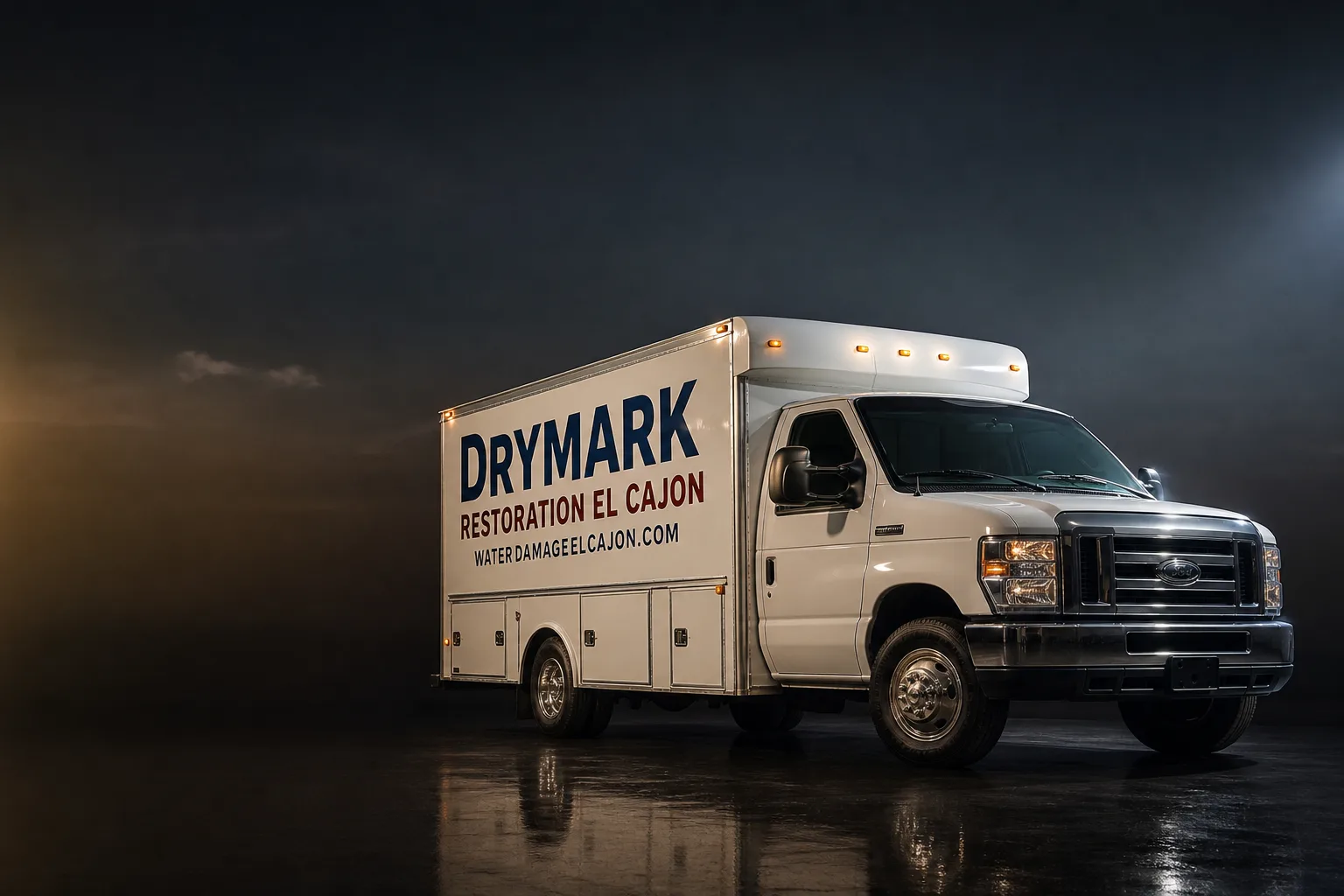
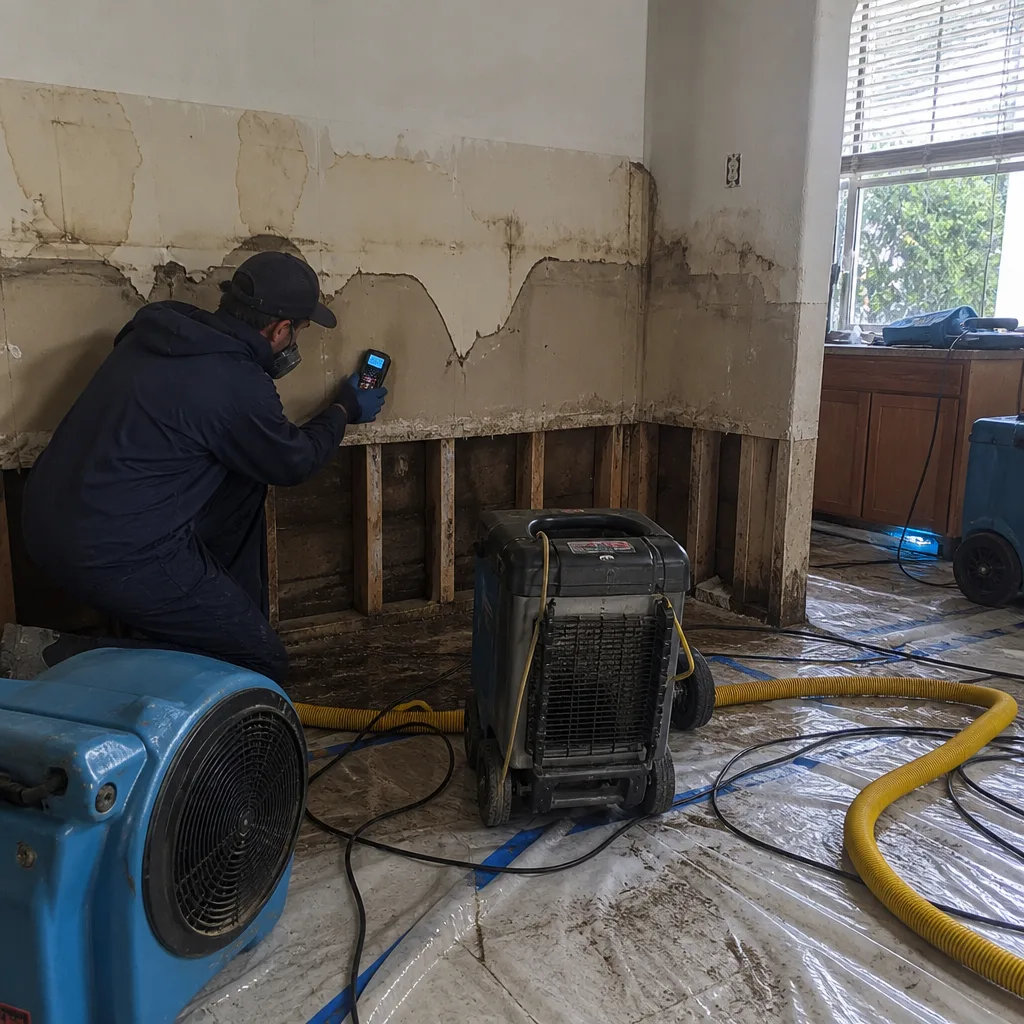
Free visual inspection and a written scope of work before any mitigation begins - photos, moisture readings, and drying logs go in your claim file
The scope we write is the scope we bill. Anything new gets shown to you, in writing, before we touch it.
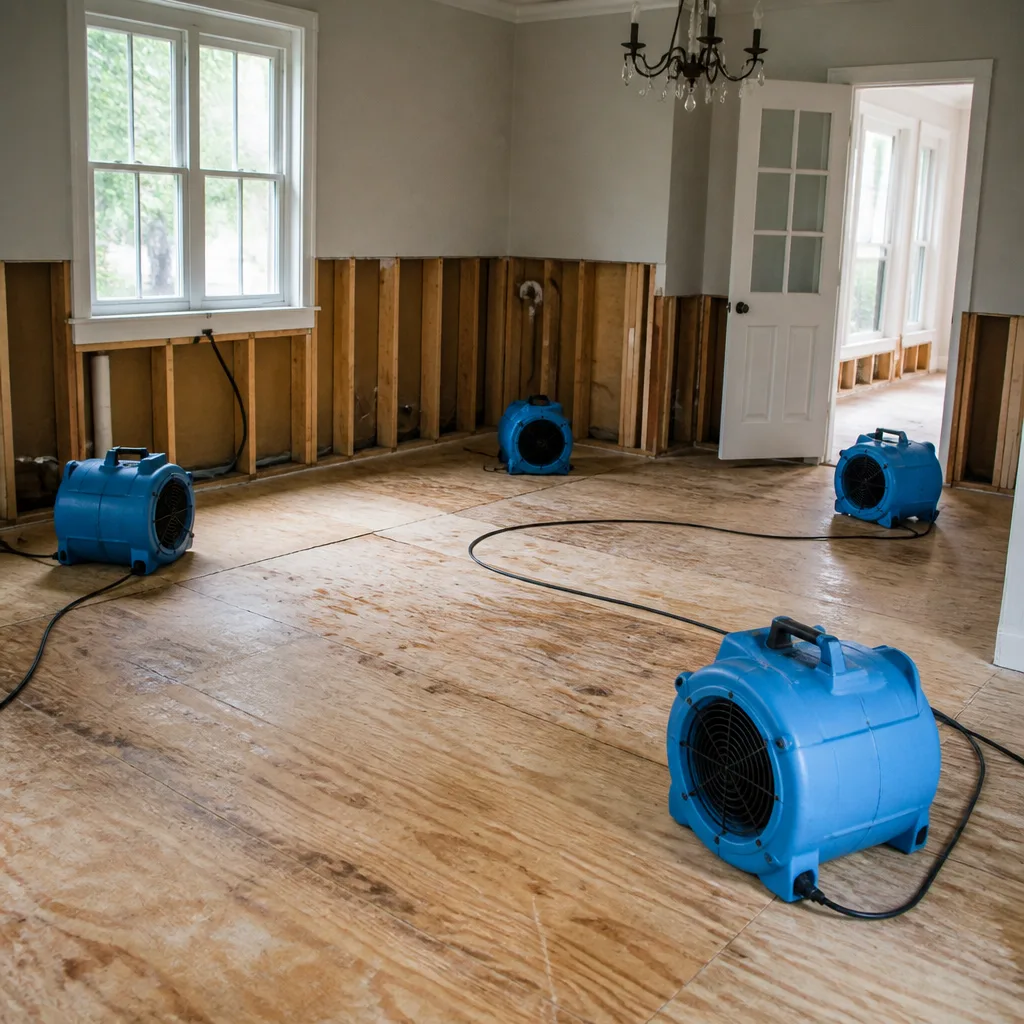
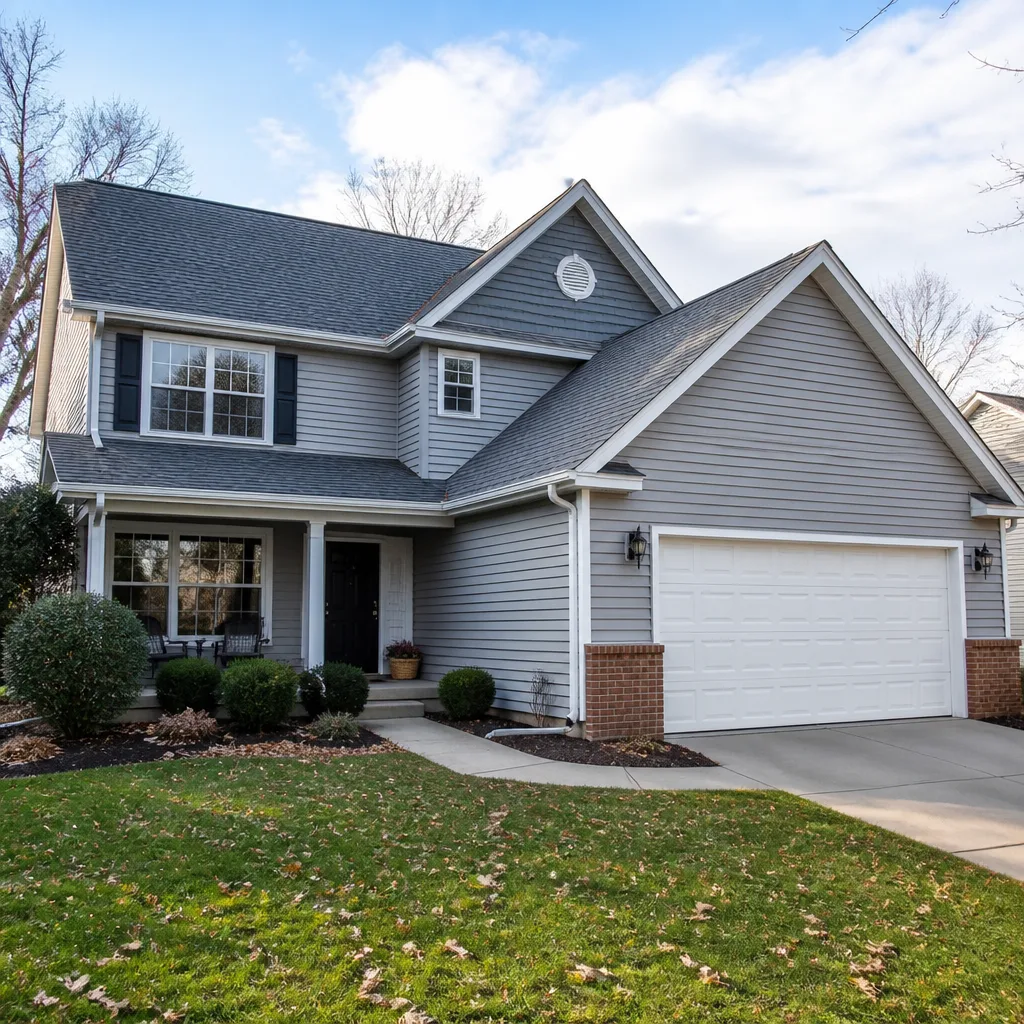
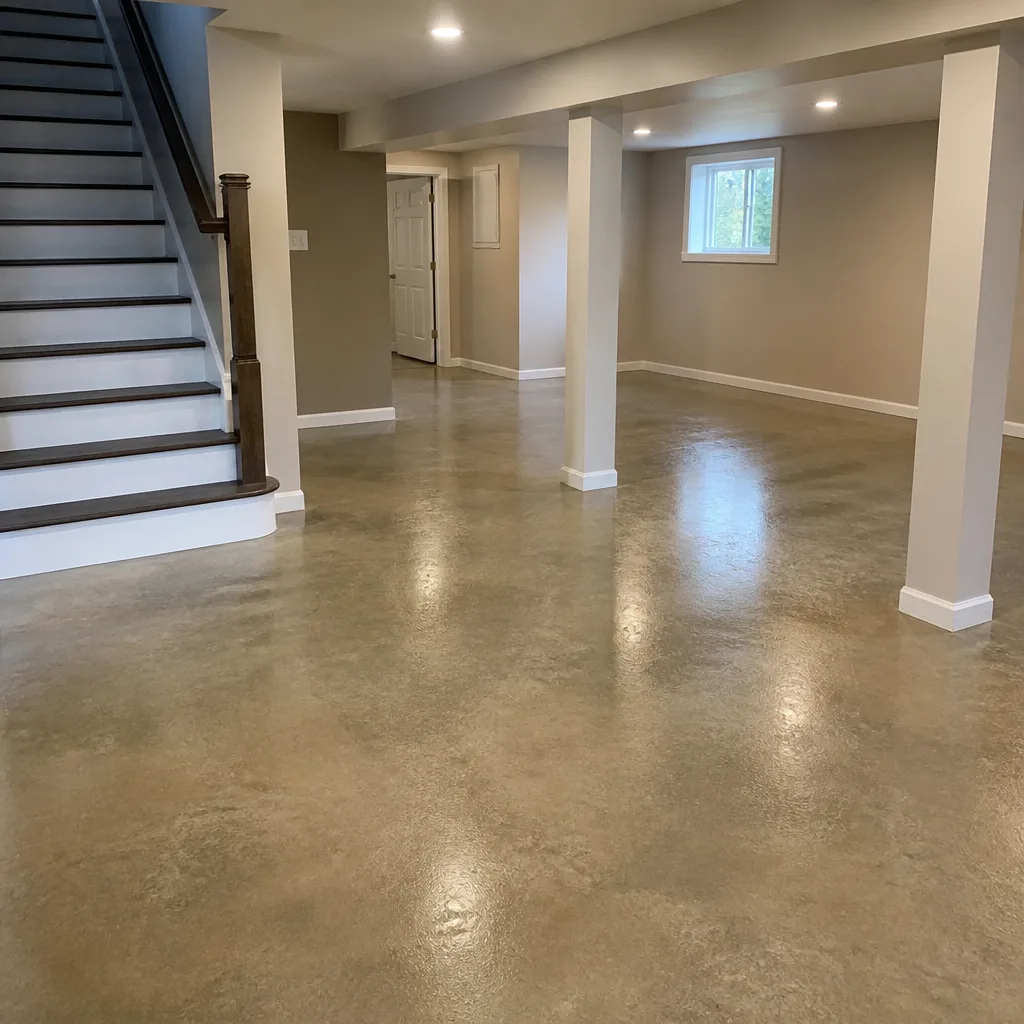
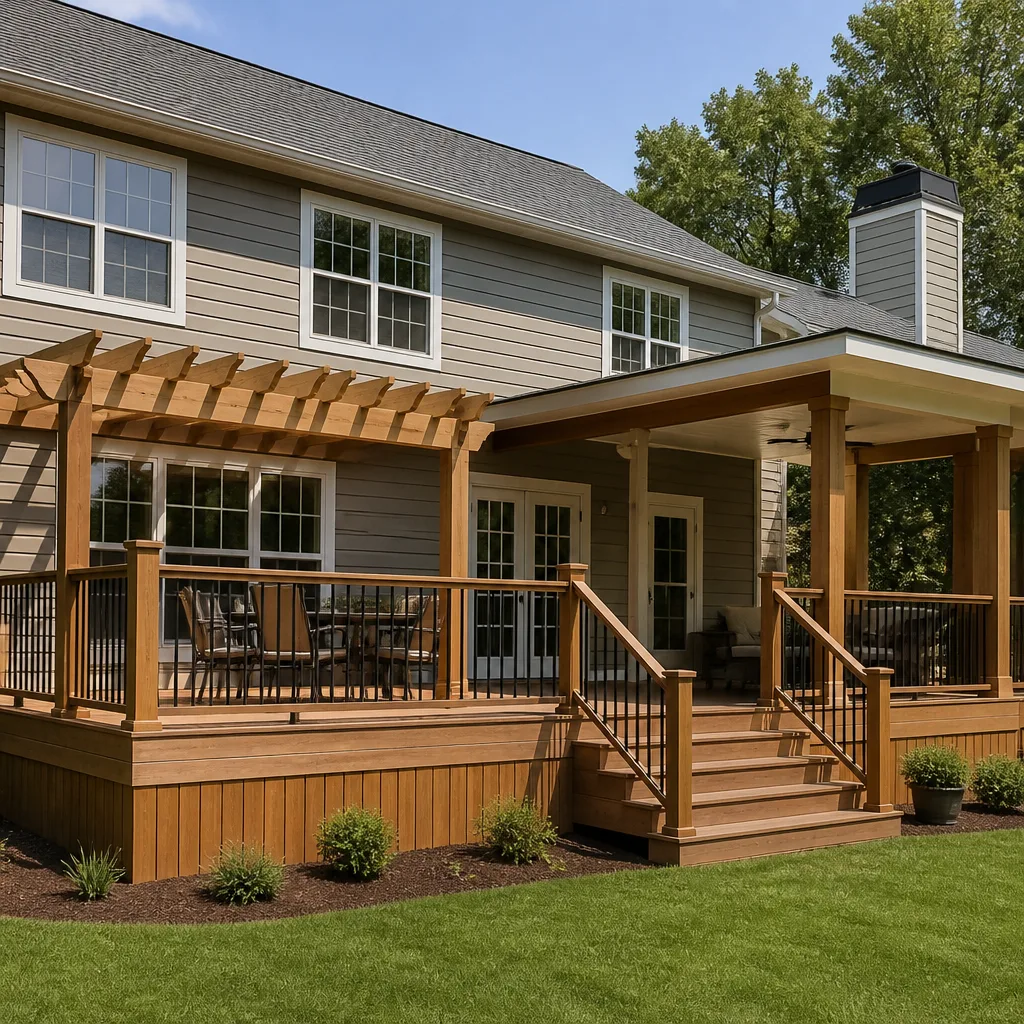
 Before
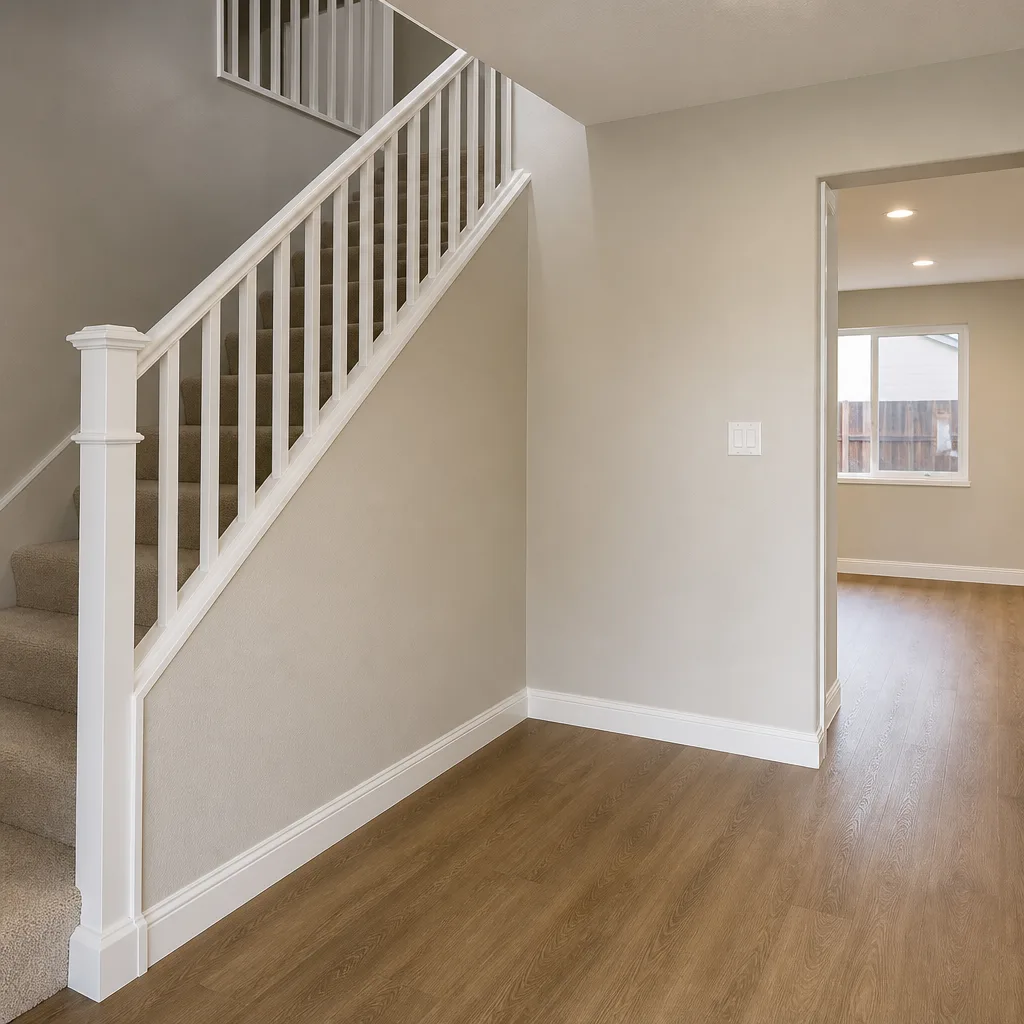 After
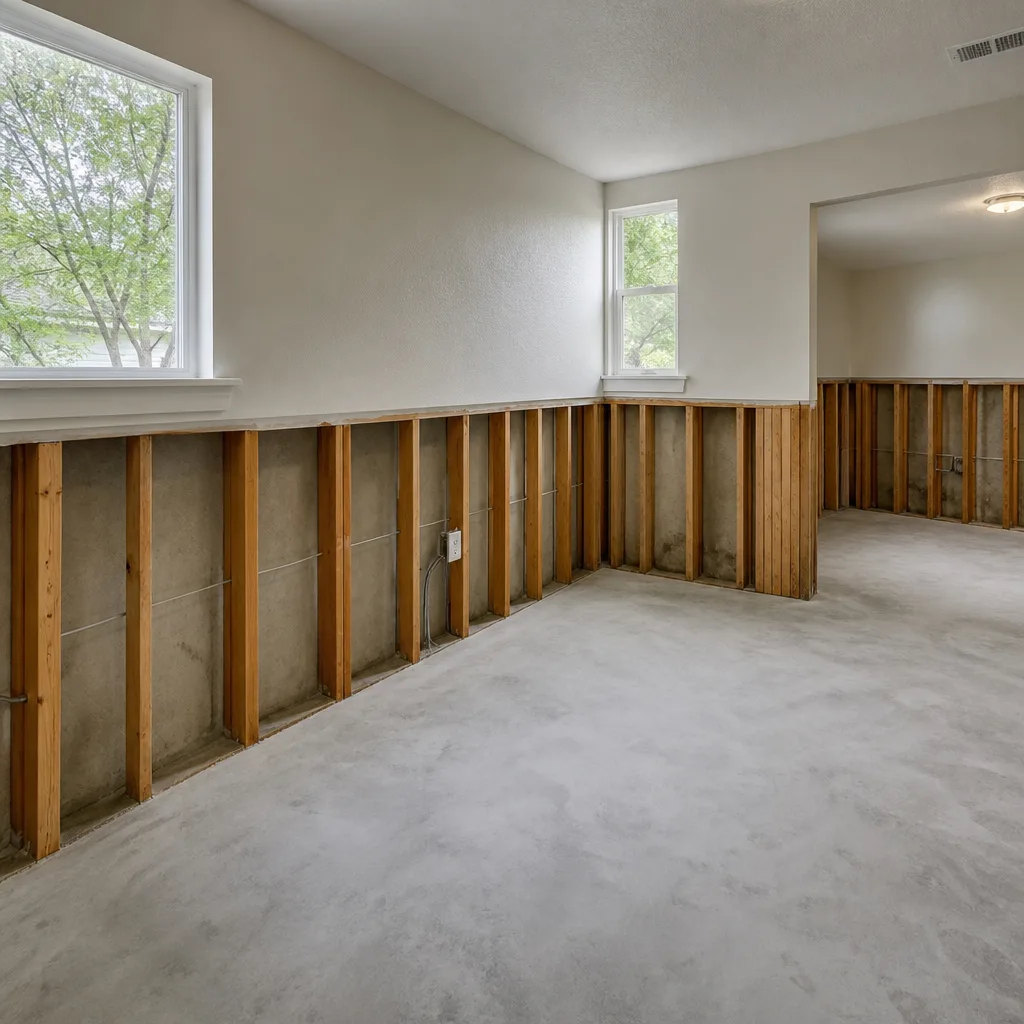
After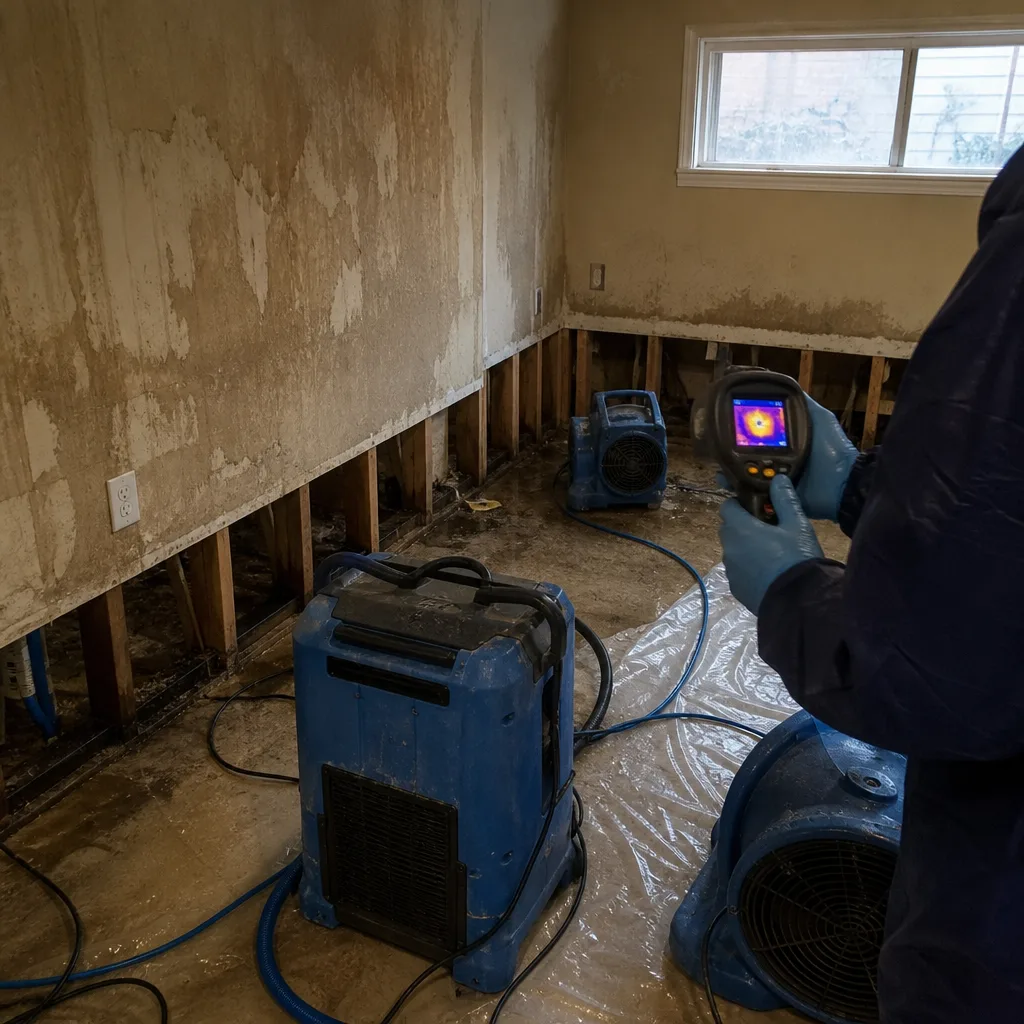 Before
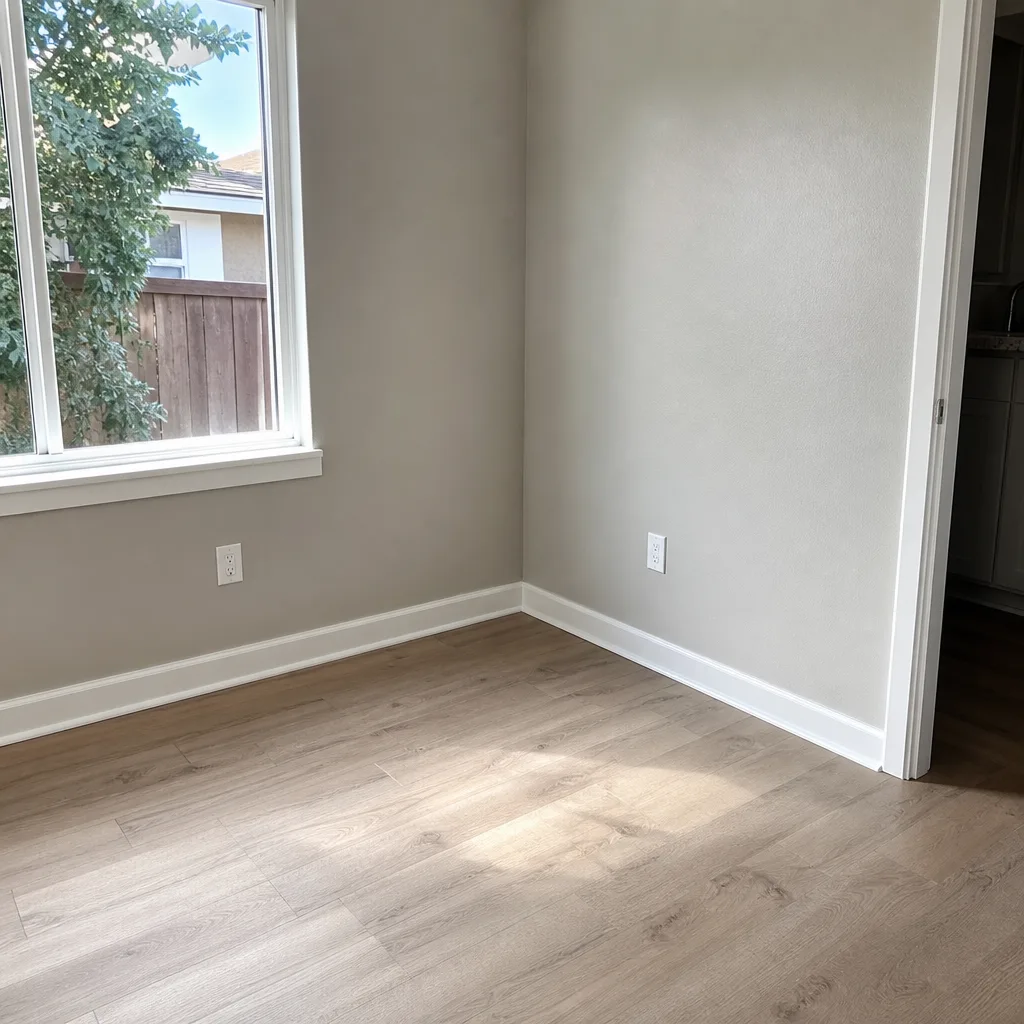 After
After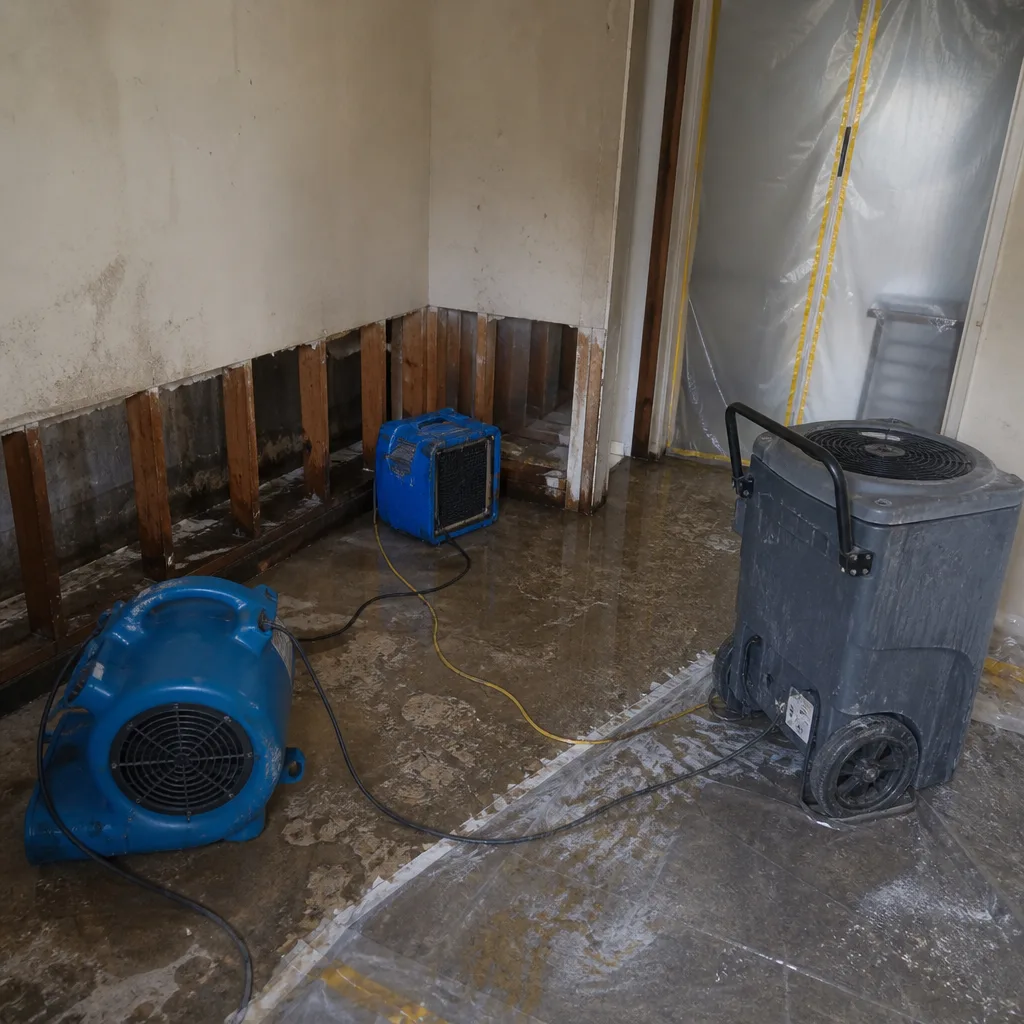 Before
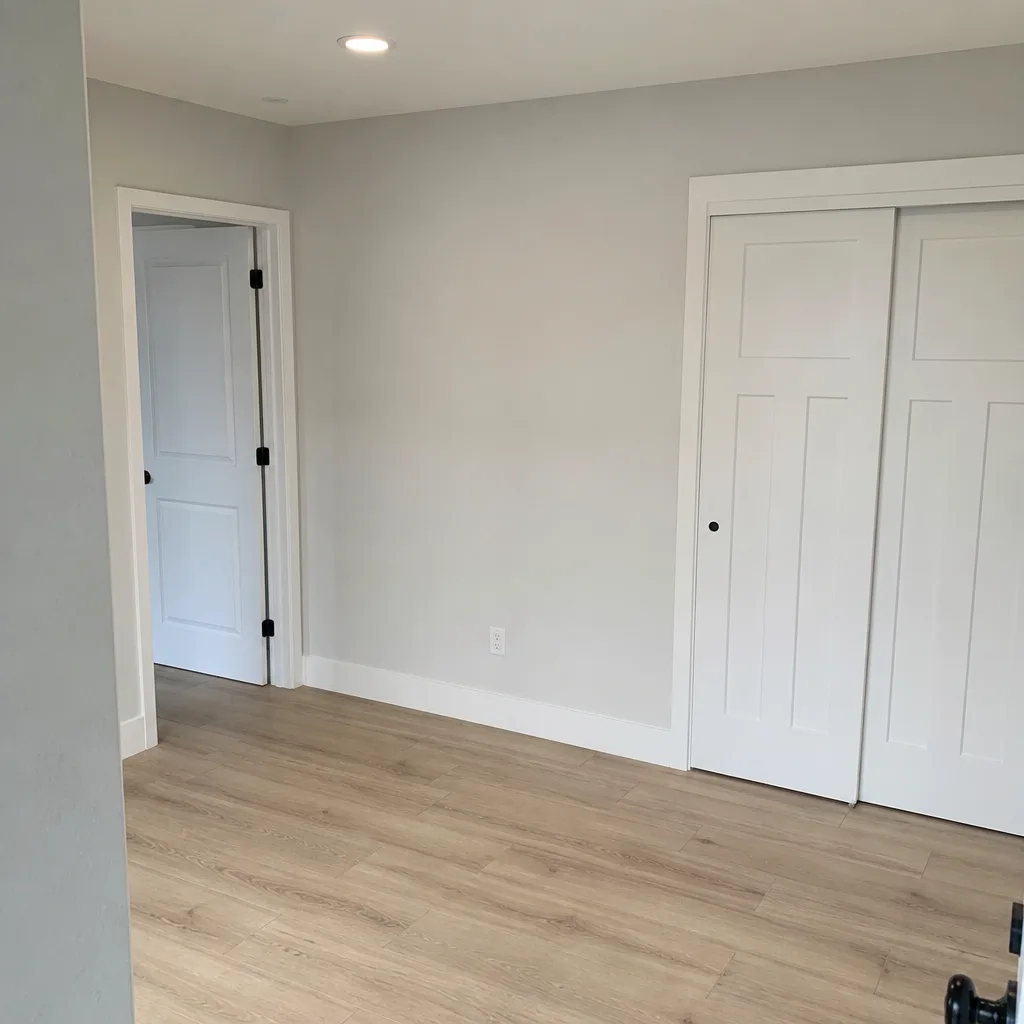 After
After24/7 Emergency Water Damage Restoration in Lakeside
Water damage restoration in Lakeside typically costs $2,800-$7,500 for a standard residential mitigation, with emergency water extraction starting at $1,200-$2,400 and full structural drying running $3,500-$6,000 depending on affected square footage and contamination level. Most losses in Lakeside qualify for direct insurance billing, and our crews can be on-site within 45 minutes of your call. Call (858) 428-2364 now - a live person answers every emergency line, 24 hours a day, 7 days a week, with no voicemail trees while water is still moving through your property.
The first hour determines whether a water loss stays a mitigation job or becomes a full reconstruction. In Lakeside’s older ranch homes and rural equestrian properties, water travels fast through crawlspaces and finds every gap in pre-code framing. Our Water Damage Restoration team dispatches from our San Diego office with thermal imaging, moisture meters, and extraction equipment already loaded. We document every reading from arrival, because the drying log we start today becomes the proof your adjuster needs tomorrow.
Understanding Water Damage Restoration Severity in Lakeside Properties
Water damage breaks into three categories, and in Lakeside the distinction matters more than most places. Category 1 is clean water - a burst supply line, an overflowing sink. Category 2 carries contaminants - dishwasher discharge, sump pump failures. Category 3 is grossly contaminated: sewage, floodwater, or the ash-laden mud that pours into Lakeside homes after wildfire strips the chaparral hills bare. That post-fire debris flow is Category 3 almost by definition, and it changes everything about how we handle the loss.
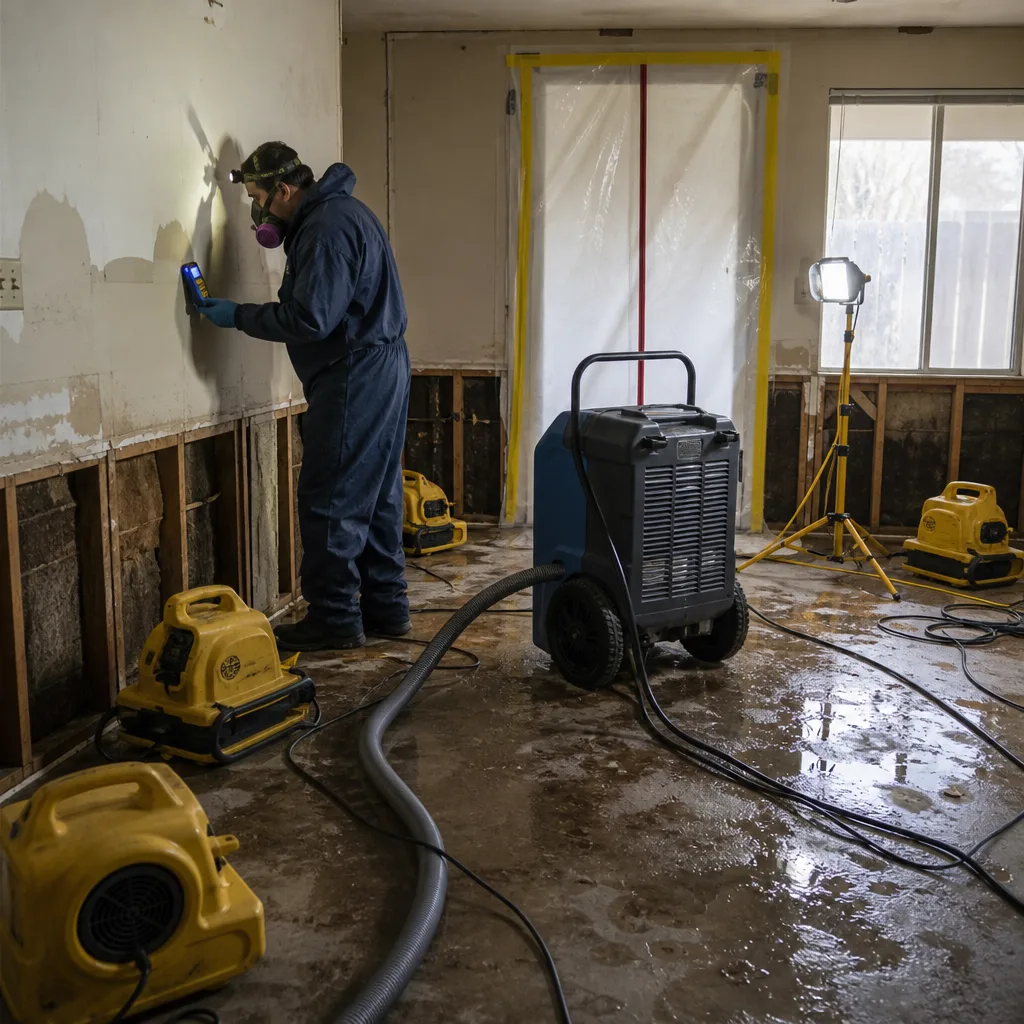
We map moisture with thermal imaging and pinless meters, then confirm with penetrating probes at the base of walls and in subflooring. Psychrometric data - temperature, relative humidity, and vapor pressure differential, which is the force that actually drives moisture out of materials - governs our drying plan. A ranch home on Wildcat Canyon Road with original redwood framing requires different air-mover placement than a manufactured home on a concrete pad near Lake Jennings. We classify materials by permeability: drywall and carpet are highly permeable and dry quickly; plaster, tile, and structural lumber are less so and need longer cycles with lower humidity. Tertiary drying, the final phase where we chase the last points of moisture below 16% wood moisture content, often takes 48-72 additional hours in Lakeside’s older wood-frame construction.
Why Lakeside Property Owners Choose DryMark Restoration El Cajon
- 45-minute response commitment to Lakeside addresses - our crews know the route down Highway 67 and through El Monte Valley without GPS.
- 24/7 live answer: a real person, never an automated system, picks up every emergency call to (858) 428-2364.
- IICRC-certified crews holding WRT (Water Damage Restoration Technician) and AMRT (Applied Microbial Remediation Technician) credentials - license numbers provided on request.
- Free visual inspection with moisture mapping and written scope before any work begins, per Haven Standard, Clause 1.
- Direct insurance billing with photo-documented estimates and daily drying logs submitted to your adjuster.
- One team from extraction through reconstruction - no handoffs to unknown subcontractors.
 Before
 After
AfterOur Water Damage Restoration Process
1. Inspection & Assessment
We arrive with thermal imaging cameras, Tramex moisture meters, and hygrometers to map the full extent of migration. In Lakeside’s rural properties, we check well pumps and septic fields for contamination risk. You receive a written scope and firm price before any equipment runs - Haven Standard, Clause 1.
2. Extraction & Stabilization
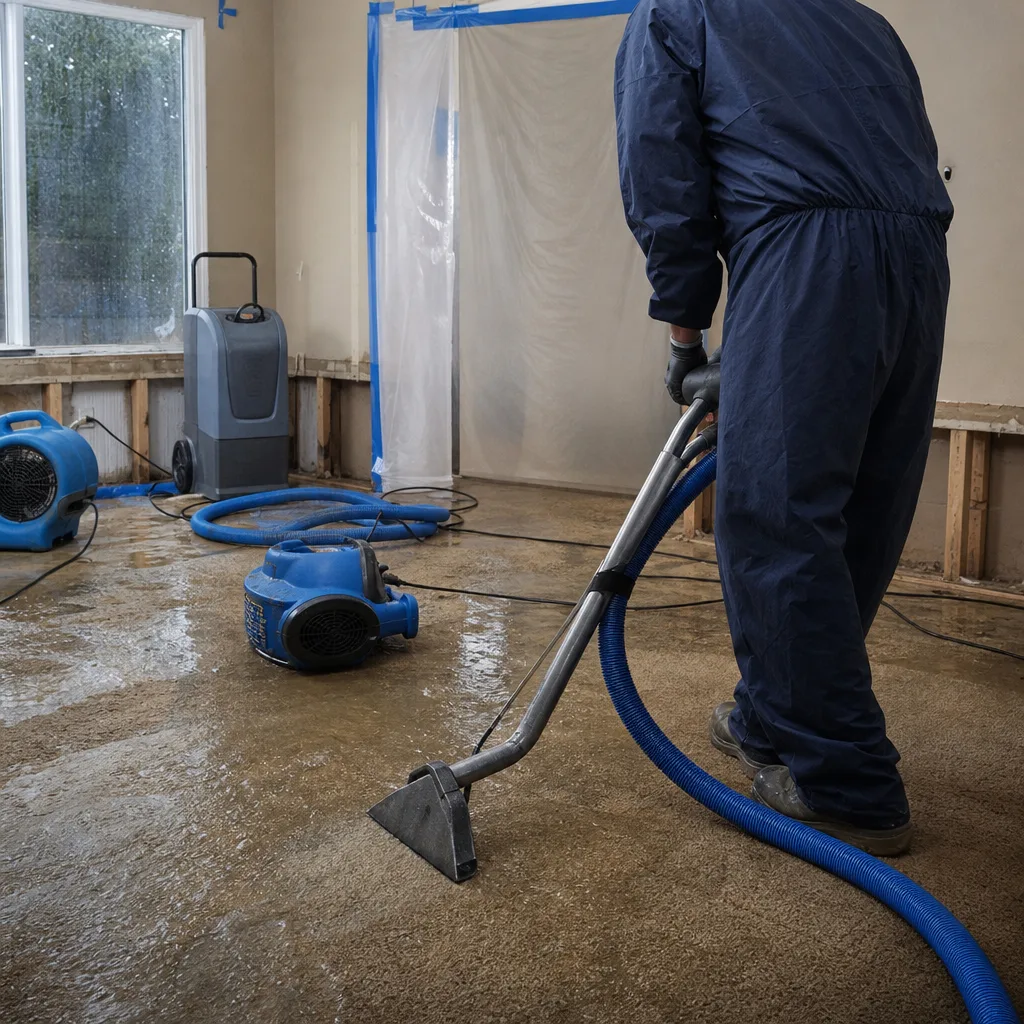
Truck-mounted extraction units remove standing water at 25 gallons per minute. For Category 3 losses - common after post-fire debris flows - we remove saturated porous materials rather than attempt restoration. We deploy containment barriers and negative air machines when contamination is present.
3. Structural Drying & Dehumidification
We size the drying system to the cubic feet of affected space: Dri-Eaz and Phoenix LGR dehumidifiers pull vapor from the air, while XPOWER and B-Air air movers create vapor pressure differential across wet surfaces. Daily moisture readings are logged to IICRC standards.
4. Cleaning & Sanitization
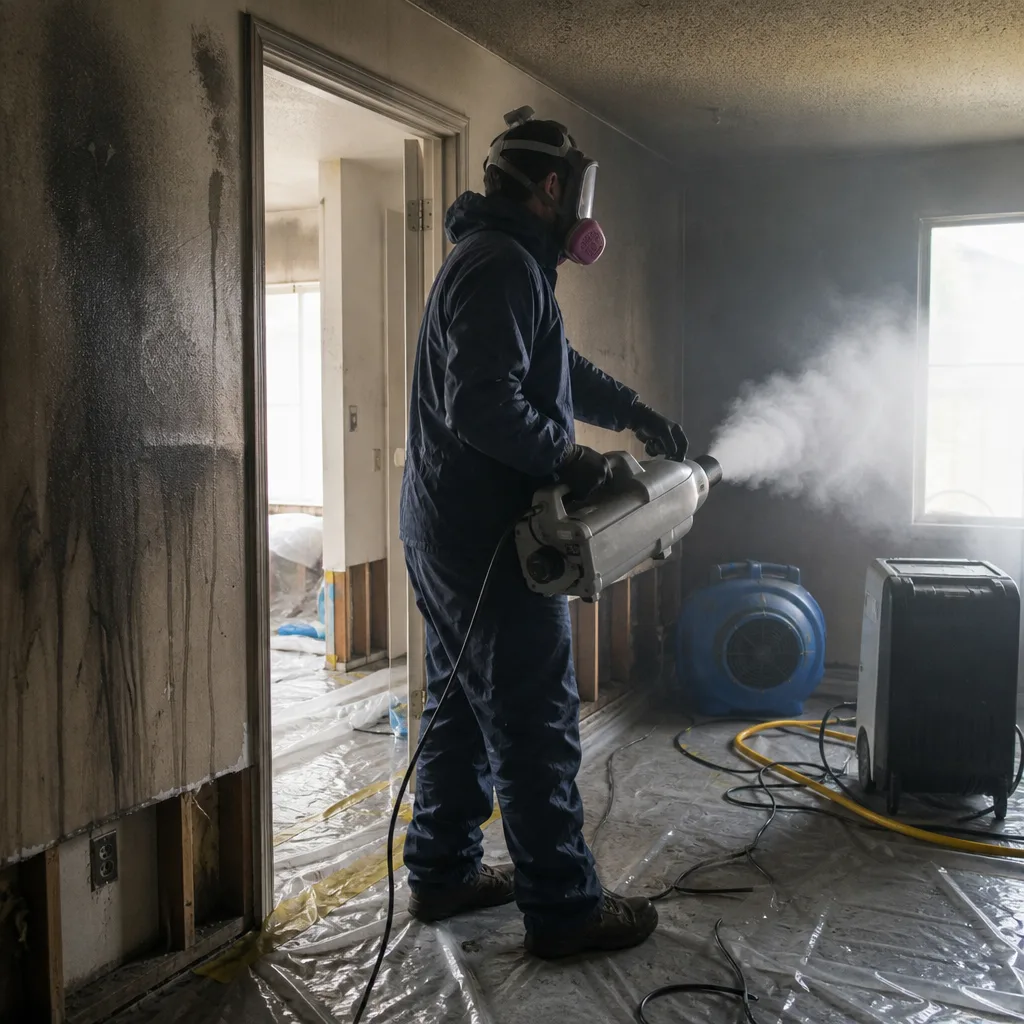
All affected hard surfaces receive antimicrobial treatment. HEPA air scrubbers run continuously during this phase to capture airborne particles. For fire-then-flood scenarios, we address both water damage and residual ash contamination in a single coordinated protocol.
5. Mold Prevention & Air Quality Control
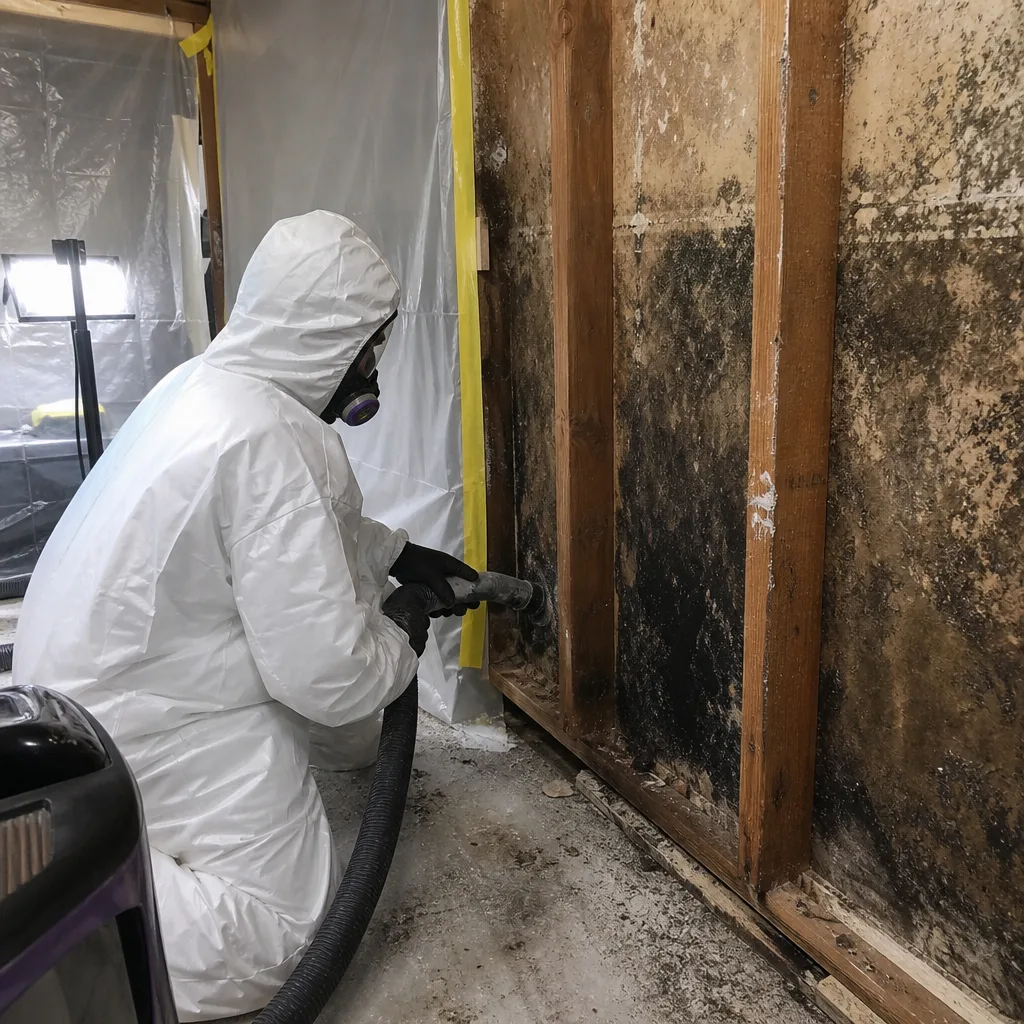
Lakeside’s combination of water intrusion and warm inland temperatures creates rapid mold growth conditions. We apply botanical antimicrobials to framing and use Injectidry systems to force dry air into wall cavities where surface drying cannot reach. Post-drying clearance testing is available.
6. Repairs & Restoration
Our reconstruction crew replaces removed drywall, flooring, and trim to match existing finishes. Every repair is photo-documented and covered by our 365-Day Done Right Promise under The Haven Standard. No separate contractor to vet or schedule.
Need Emergency Water Damage Restoration in Lakeside Now?
Crews minutes away, answering live 24 hours a day. The sooner we start, the less it costs.
Working With Your Insurance Company
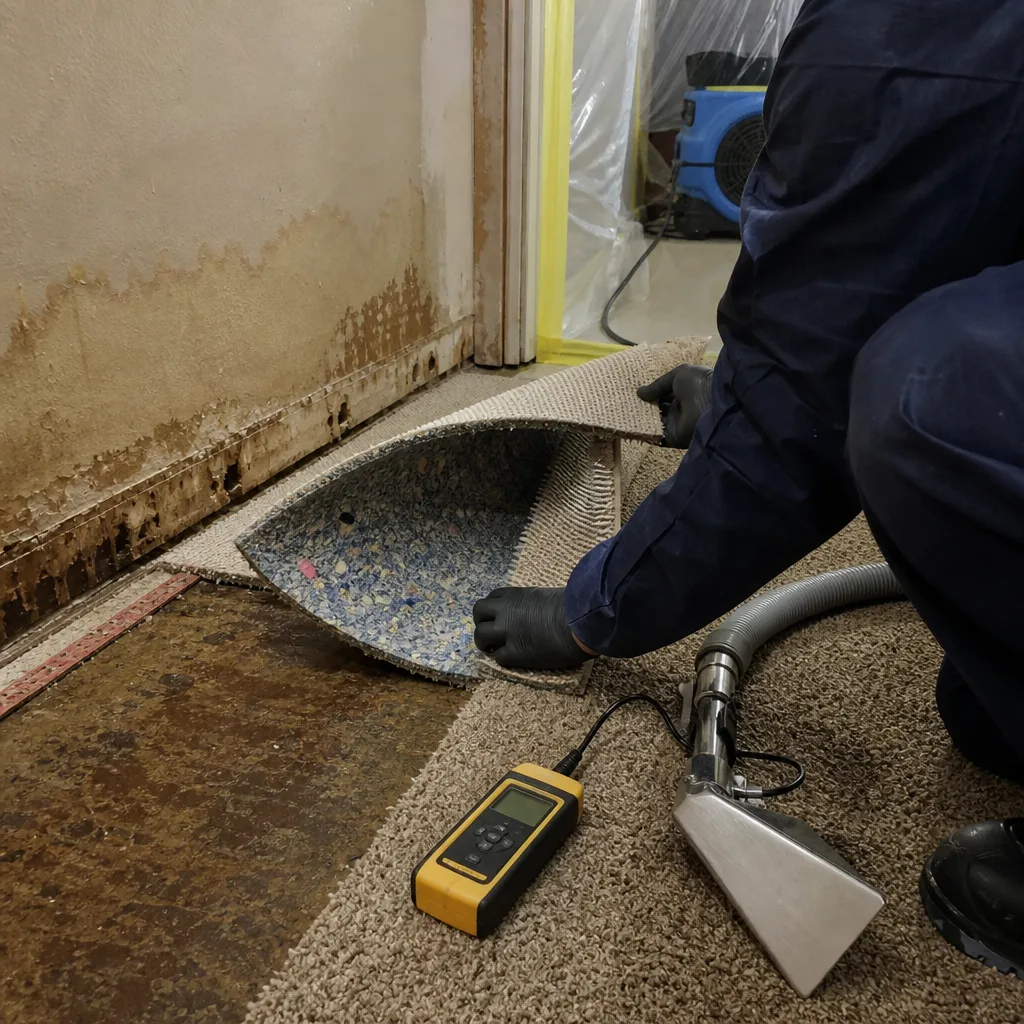
Documentation from the first hour is what turns a disputed claim into a paid one. We photograph every room before moving anything, record moisture readings at each structural element, and submit industry-standard estimates formatted for adjuster review. Our team speaks directly with your carrier’s representative - we do not hand you a bill and wish you luck.
Most Lakeside water losses are covered under standard homeowners policies, though flood-specific damage from the San Diego River corridor may require separate NFIC coverage. We identify your coverage type during the initial inspection and flag any potential gaps before work proceeds. The photo record, drying logs, and written scope we provide are the same documents we used to settle 12,000+ claims since 2011.
What We Provide Your Insurer
- Thorough documentation of the loss
- Photos of all damage, room by room
- Moisture readings and drying logs
- A detailed, line-item scope of work
- Direct coordination with your carrier
Built for Lakeside’s Loss Calendar
Lakeside’s water damage calendar runs on two clocks: the Santa Ana wind season from October through January, and the winter rain pattern from December through March. The Santa Anas drive wildfire risk that strips hillsides bare; the rains that follow send debris flows through properties that never saw standing water before. January and February are our peak months for emergency calls along Riverford Road, Wildcat Canyon Road, and the San Diego River corridor.
Spring brings a secondary risk: aging supply lines in pre-1980 ranch homes fail as temperature swings stress copper and galvanized fittings. Summer heat, when Lakeside hits 95°F while coastal San Diego stays at 72°F, drives irrigation system overpressure and slab leaks in homes with original concrete foundations. We size our dehumidification equipment for these conditions - a Phoenix 200 HT performs differently at 8% relative humidity during a Santa Ana event than at 65% during a winter storm.
Water Damage Restoration Across Lakeside’s Neighborhoods
We respond throughout Lakeside’s distinct areas, and each carries its own loss pattern. In the Eucalyptus Hills, equestrian properties on acre-plus lots often have well water and septic systems - a flooded basement here means we coordinate pump-out with septic field protection, not just municipal drain access. The older ranch homes along Wildcat Canyon Road, many built in the 1950s and 1960s before modern fire codes, have crawlspaces that flood silently during debris flows; we find mold six months later when the homeowner finally checks.
Lake Jennings and the surrounding manufactured home communities present different challenges: skirting traps water against subflooring, and the flat sites near the lake basin hold groundwater longer than sloped properties. Downtown Lakeside along Maine Avenue mixes commercial and residential in older masonry buildings where water wicks up through slab edges. Our crews carry different equipment configurations for each zone - longer hoses for rural properties, compact units for tight manufactured-home crawlspaces, commercial-grade extractors for mixed-use buildings.
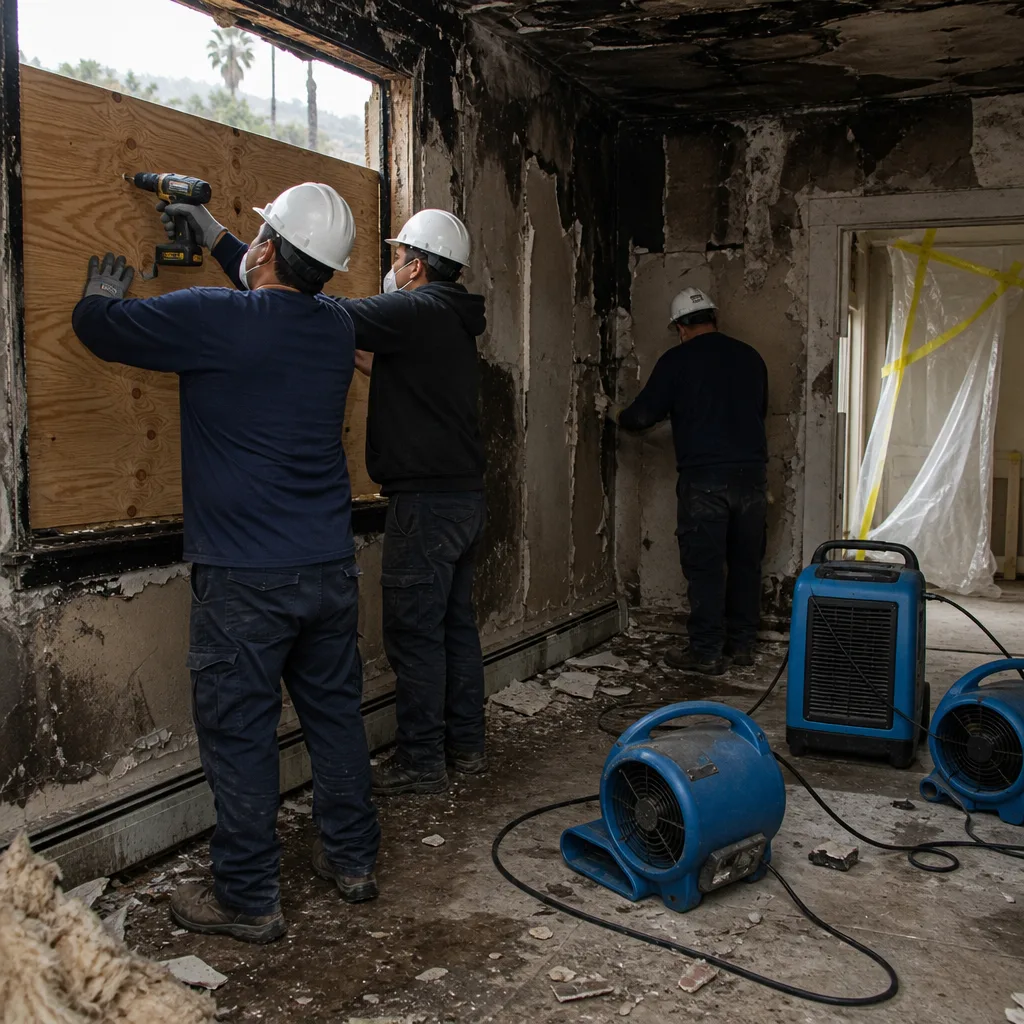
After the 2003 Cedar Fire, our crew responded to a ranch home on Riverford Road in Lakeside where the first winter rain sent ash-laden mud through the crawlspace, flooding the lower level. We performed emergency water extraction, set up air movers and dehumidification for structural drying, and applied antimicrobial treatment to prevent mold growth on the wet framing. The homeowners were relieved to avoid a total loss thanks to our rapid mitigation and detailed drying logs.
Specialized Water Damage Restoration Services We Offer in Lakeside
Emergency Water Extraction
Standing water begins destroying structural materials within 24 hours. Our truck-mounted extractors remove thousands of gallons from Lakeside properties, including rural homes where access roads limit standard equipment. We extract from carpet, hard surfaces, and - critically for this area - from crawlspaces where post-fire mud accumulates.
Structural Drying & Dehumidification
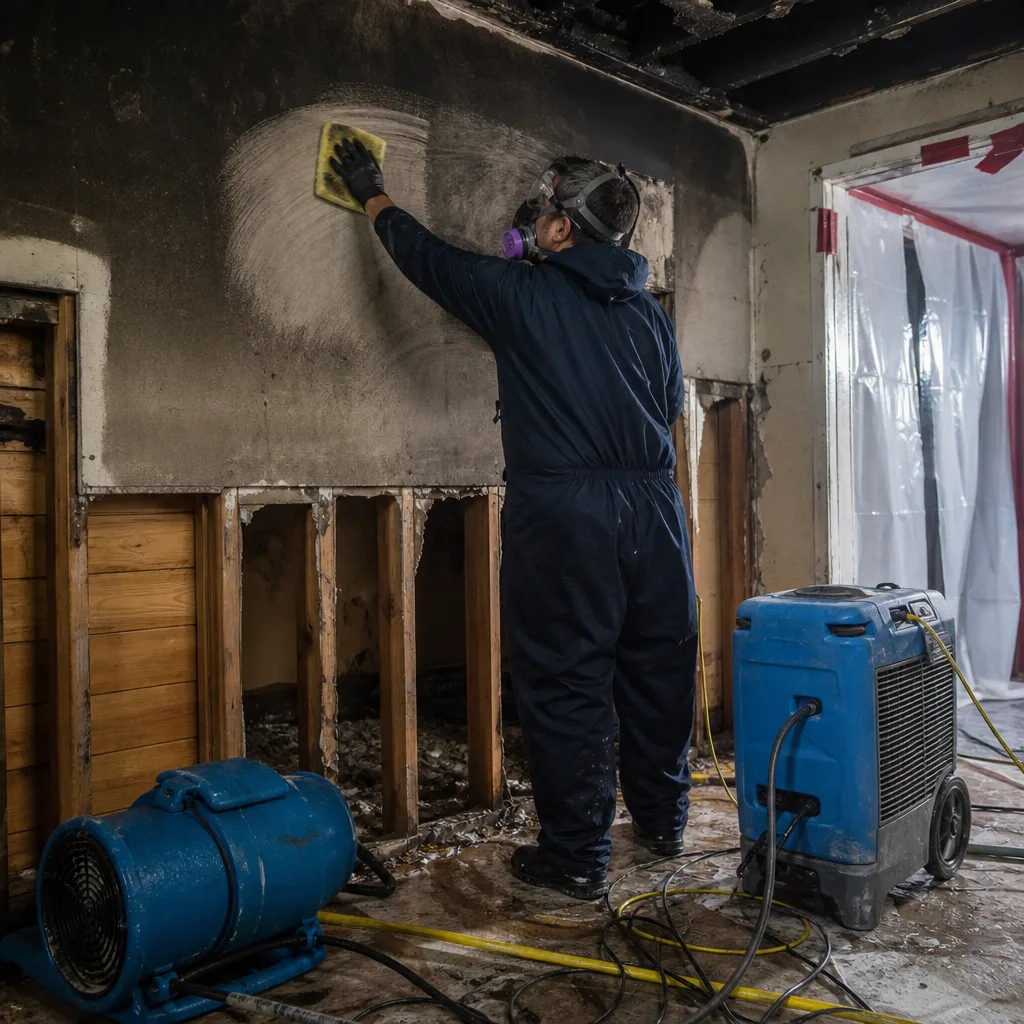
We calculate the precise dehumidification load using psychrometric formulas, not guesswork. A 2,000-square-foot Lakeside ranch with 8-foot ceilings and saturated drywall requires approximately 140 pints of moisture removal per day to maintain the 30-50% relative humidity target. We deploy Dri-Eaz and Phoenix LGR units sized to that load, with daily readings logged to IICRC S500 standards.
Flood Cleanup
Lakeside’s flood risk is unique: not riverine flooding alone, but debris flows carrying ash, sediment, and fire-hardened soil. This is Category 3 water by classification, and our protocol removes rather than restores porous materials. We coordinate with San Diego County environmental health on disposal requirements for contaminated debris from Very High Fire Hazard Severity Zone properties.
Burst Pipe Restoration
Aging galvanized and early copper systems in Lakeside’s pre-1970 housing stock fail at fittings and at slab penetrations. We extract water, dry the envelope, and document the line failure for insurance - most sudden and accidental burst pipe claims are covered, while gradual leaks may not be. Our written scope distinguishes the two for your adjuster.
Basement Water Removal
True basements are rare in Lakeside, but daylight basements and below-grade additions in Eucalyptus Hills properties flood regularly during heavy rain. We submerge sump pumps, extract standing water, and address hydrostatic pressure issues that caused the intrusion. Post-extraction, we test for vapor transmission through foundation walls.
What happens when you call
- 1
A real person answersNo phone trees - you reach a local pro.
- 2
You get an upfront price rangeHonest numbers before anyone is dispatched.
- 3
A background-checked tech heads outLicensed & insured, dispatched right away.
- 4
You approve before work beginsNothing starts until you say go.
Water Damage Restoration Costs in Lakeside, CA
Honest pricing for Lakeside’s market, delivered in writing before work starts:
| Service | Typical Range in Lakeside |
|---|---|
| Emergency water extraction (up to 1,000 sq ft) | $1,200 - $2,400 |
| Structural drying & dehumidification (3-5 day cycle) | $3,500 - $6,000 |
| Category 3 flood cleanup with debris removal | $4,500 - $9,500 |
| Basement water removal with sump installation | $2,800 - $5,200 |
| Burst pipe restoration with limited drywall repair | $2,200 - $4,800 |
| Full reconstruction after major loss | $15,000 - $45,000+ |
What moves the price: affected square footage, contamination category (Category 3 costs 40-60% more than Category 1), accessibility for equipment, and whether the structure requires containment for hazardous materials. Insurance typically covers sudden and accidental water damage; gradual leaks and flood-specific events may fall outside standard coverage. We identify your coverage scenario during the free inspection and provide a written scope with line-item pricing before any work begins - Haven Standard, Clause 1. Call (858) 428-2364 for your exact quote; estimates are free.
We Also Serve Cities Near Lakeside
Our crews respond throughout East County from our San Diego coordination office. We regularly serve Lakeside neighbors in Santee along the 67 corridor, El Cajon to the south, La Mesa to the west, and Spring Valley to the southwest. Each city carries different building ages, soil conditions, and loss patterns - we adjust our protocols accordingly.
Serving Lakeside, CA - Our Local Coverage Area
We’re based in the Lakeside area and know this community well. Use the map below to see our service coverage - if you’re nearby, we can almost certainly help.
Lakeside Water Damage Restoration Questions, Answered
How does Lakeside’s wildfire history affect water damage restoration after a storm?
The 2003 Cedar Fire and subsequent burns stripped surrounding chaparral, hardening soil so it sheds rain almost instantly rather than absorbing it. When winter storms hit these bare slopes, debris flows carry ash, sediment, and fire retardant chemicals into valley-floor homes, classifying the water as Category 3. This requires removal of porous materials and specialized disposal rather than standard drying. We coordinate with county environmental health on proper handling. Call (858) 428-2364 if your property is in a post-fire zone.
Why is mold a bigger concern in Lakeside than in coastal San Diego?
Lakeside runs 10-15°F hotter than coastal areas year-round, and the Santa Ana wind events create rapid humidity drops followed by sudden moisture intrusion - ideal conditions for mold colonization within 48-72 hours. Many Lakeside homes also have crawlspaces and older wall cavities where hidden moisture persists. We use Injectidry systems to force dry air into these voids and provide post-drying clearance testing. Call (858) 428-2364 for mold prevention protocols.
Can you handle water damage in homes with well water and septic systems?
Yes. Rural Lakeside properties on well and septic require careful coordination: flooded septic fields cannot accept pump-out discharge, and well pumps may be submerged or contaminated. We work with licensed septic pumpers and test well water for coliform before declaring systems safe. Our crews carry generators for properties where electrical service has been interrupted. Call (858) 428-2364 for rural property response.
What should I do if my Lakeside home floods after a wildfire?
Do not enter standing water - it may contain electrical hazards from compromised systems and chemical contaminants from fire retardant. Call (858) 428-2364 immediately; we arrive with PPE and hazard detection equipment. Document the water line with photos from a safe distance if possible. Do not attempt DIY extraction - Category 3 debris flows require professional handling and disposal per county code. We provide the documentation your insurance and any disaster assistance will require.
How do you prevent wind-driven rain from causing water damage during Santa Ana winds?
Santa Ana winds in Lakeside regularly exceed 50 mph, forcing rain through compromised window seals, damaged roof perimeters, and garage door gaps. We inspect and document these intrusion points during every water loss, then address them in our repair scope - replacing weatherstripping, sealing penetrations, and recommending impact-rated upgrades where code requires. Prevention is part of restoration when the same wind pattern causes repeated losses. Call (858) 428-2364 for wind-damage assessment.
How fast can your crew actually get to my Lakeside home?
We commit to 45 minutes from call to on-site for Lakeside addresses, with crews staged along the 67 corridor. Our dispatchers know the difference between Eucalyptus Hills access roads and downtown Lakeside traffic patterns. A live person answers (858) 428-2364 24/7 - no voicemail, no callback queues while water spreads.
Will my insurance cover the full restoration cost?
Most sudden and accidental water damage is covered under standard homeowners policies. Gradual leaks, maintenance issues, and flood-specific damage from the San Diego River corridor may require separate coverage. We identify your coverage type during the free inspection, document the loss origin for your adjuster, and provide direct billing. Our written scope and photo record are formatted for claim submission. Call (858) 428-2364 for coverage guidance specific to your policy.
How long does the drying process typically take?
Standard structural drying runs 3-5 days for Category 1 losses in permeable materials like drywall and carpet. Category 3 fire-then-flood scenarios in Lakeside often extend to 7-10 days due to debris removal, antimicrobial treatment, and tertiary drying of dense structural lumber. We provide daily moisture logs so you and your adjuster can track progress. The 365-Day Done Right Promise covers any recurrence. Call (858) 428-2364 for timeline specifics on your loss.
Written by Alicia Brennan, Owner at DryMark Restoration El Cajon, serving Lakeside since 2011.
Water Damage Restoration in Nearby Areas